Affiliate disclosure: Daily Home Decorating participates in the Amazon Associates program and may earn from qualifying purchases through links in this guide, at no extra cost to you. Product images and listings below were retrieved through Amazon Creators API. We have not physically tested these sofas. Verify the current size, selected material, package details, delivery, and return terms on the live listing before ordering.
The best two-seater sofas give two people a comfortable place to sit without taking up the space of a larger couch. The label is not a standard measurement: one seller may call a compact 47-inch loveseat a two-seater, while another uses the term for a sofa around 70 inches wide. Seat width, arm thickness, cushion depth, and frame shape all affect how much usable room two adults actually have.
This guide explains how to compare two-seat sofas by dimensions, comfort, fabric, frame, layout, and delivery. It also shows examples from current Amazon product data so you can inspect exact models. The examples are starting points, not ranked or tested recommendations. Check the selected variant and seller information because listings, colors, and specifications can change.
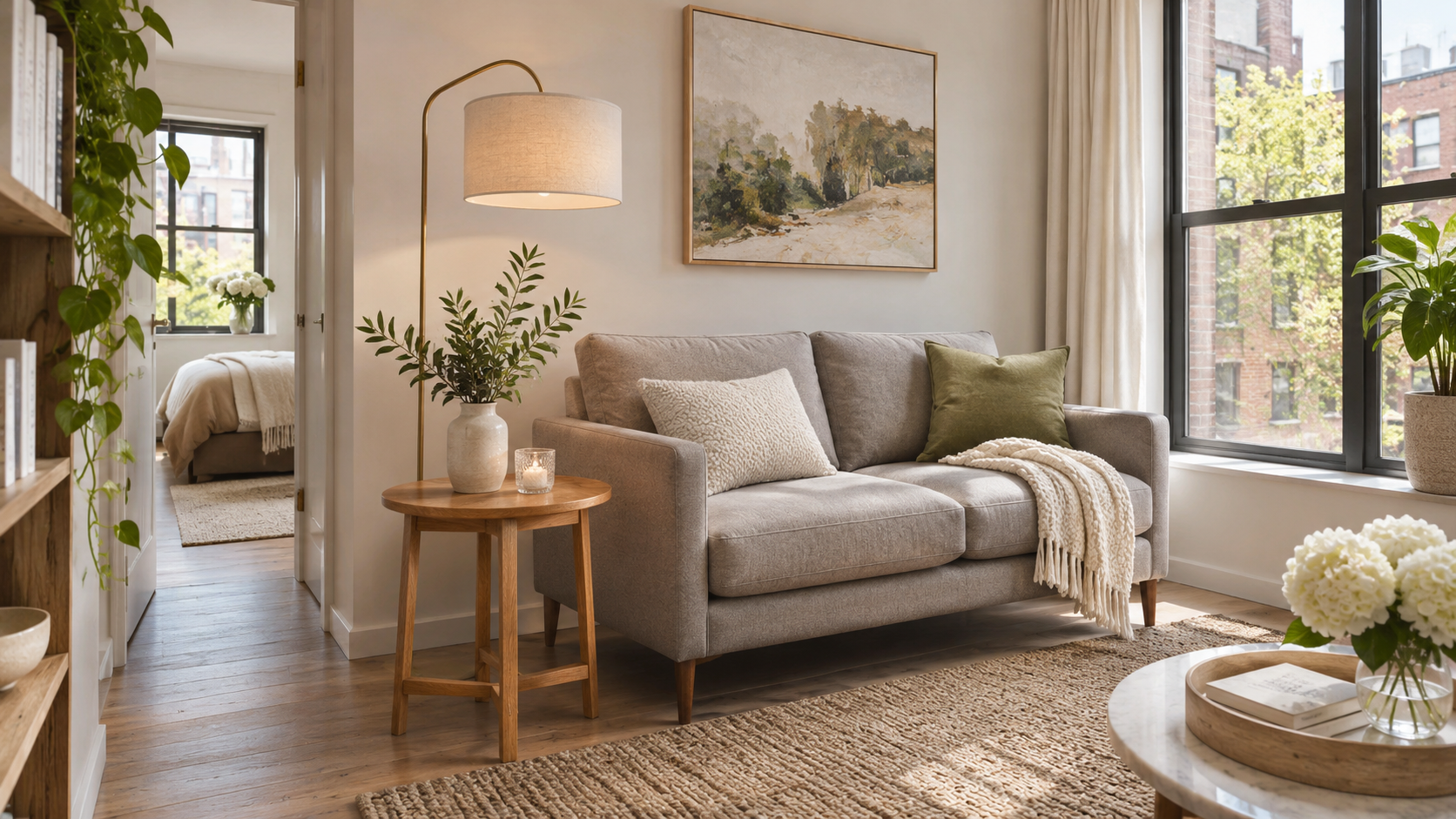
What counts as a two-seater sofa?
“Two-seater” usually describes the intended seating capacity, but it does not guarantee a particular outside width or seat width. A loveseat may be designed for two people, but some loveseats have narrow cushions, thick arms, or a deep lounge shape that changes how two adults fit. A small sofa may be marketed as suitable for two while offering less shoulder room than a standard living-room couch.
Compare the outside width with the usable seat width between the arms. Also check seat depth, seat height, back height, and cushion configuration. A wide frame with bulky arms may have less actual sitting space than a slimmer sofa with the same overall width. If two adults will use it daily, look at the seat dimensions rather than relying on “2-seat” in a title.
Consider how people sit. Two people sitting upright for conversation need different support from two people curling up to watch television. A deep seat can work well for lounging but may be less comfortable for shorter users. A firm, shallow seat may suit a reading nook but not a relaxed family room. Try a comparable sofa in person if possible.
Measure the room and access path
Measure the wall, doorway, hallway, stairs, and any tight turns before shopping. Record the sofa’s outside width, depth, and height, plus the delivery package dimensions if available. A two-seater may fit the room but fail to pass through a narrow entry. Ask whether the legs or back detach and how many boxes the item ships in.
Mark the intended footprint on the floor with painter’s tape. Include the sofa’s arms and any side pockets, attached tables, or reclining mechanisms. Walk around the outline and check door swings, windows, radiators, vents, and nearby furniture. Keep enough space for a coffee table and a clear route through the room.
In a small apartment, a compact two-seater can keep circulation open, but the smallest option is not always the most useful. Measure the available wall and compare several widths. A sofa that is too small may look out of scale or provide less comfortable seating than expected. Use the room’s dimensions to set a practical range before browsing.
Three API-listed two-seat sofa examples
These Creator API examples illustrate different widths and upholstery types. Product descriptions are marketplace listing details, not independent testing. Check the live page for the selected color, dimensions, cushion details, material, and current seller. The term “loveseat” or “two-seater” does not guarantee that every model fits two adults equally comfortably.

This listing describes a 71.25-inch faux-leather loveseat with a mid-century profile. Check the actual seat width between the arms and the seat depth. Confirm that the selected variant matches the shown color and frame. Faux leather descriptions can vary, so read the care instructions and warranty rather than assuming all synthetic upholstery behaves the same way.

This example is described as a 65-inch loveseat in faux leather. Its width may suit a smaller room, but verify the usable seat space and cushion measurements. Compare the arm shape and seat depth with how you expect to sit. Check package size and delivery route if the sofa is going into an apartment or upstairs room.

This listing describes a 47-inch compact loveseat. That size may suit a bedroom, office, or reading corner, but it provides less room than a full-size two-seater. Confirm the total and seat width, weight limit if provided, and whether the product is intended for regular adult seating. Its compact size may simplify access, but still check the package dimensions.
Choose a seat depth and height for the users
Seat depth influences posture and lounging. A deeper seat gives more room to stretch out but may leave shorter users without comfortable back support unless they add a cushion. A shallower seat can make it easier to sit upright and stand, but may not suit people who prefer to recline. Compare the listed dimensions with a sofa or chair you already find comfortable.
Seat height can affect how easy it feels to sit down and stand up. The listed measurement may include the cushion before or after compression, so ask how it is measured if the detail matters to you. Arm height and shape also influence support. A low or narrow arm may look sleek but provide less surface for resting an elbow.
If more than one person will use the sofa, consider differences in height and preferred posture. One can sit on each cushion in a showroom to test the fit. Online, read reviews for specific measurements and note which variant they describe. Do not assume a product’s “ergonomic” or “comfortable” wording matches everyone’s needs.
Frame, cushion, and suspension details
Look for information about the frame, joints, suspension, and cushion fill. Product listings may identify solid wood, engineered wood, metal, foam, springs, or webbing. These terms describe components but do not prove overall quality. Read the warranty and ask the manufacturer about repair support and replacement cushions.
Removable seat cushions can make cleaning easier and may be reversible, but check whether the covers are designed to be removed and washed. A zipper alone does not mean a cover is machine washable. Fixed cushions can stay in place, but crumbs may be harder to reach underneath. Decide which arrangement fits your household.
Seat firmness is subjective and may change with use. If possible, test a similar model in person. For online orders, compare seat density details if available, read reviews across several dates, and verify the return policy. A two-seater used daily should feel supportive to both users, not just look good in a photo.
Pick upholstery based on care needs
Upholstery should fit the room and cleaning routine. Tightly woven fabric may be easier to vacuum than a deep loop or long pile. Faux leather can be wiped with approved methods, but its finish and care needs vary by product. Chenille, velvet, and other textured fabrics can feel soft but may show crushing or marks differently. Follow the manufacturer’s care code.
Consider pets, children, food, sunlight, and how often the sofa will be used. A removable throw can protect a favorite seat, but it may slip or bunch. Avoid unapproved cleaners and test only as the manufacturer directs. For cleanup, see our sofa spot-remover guide and follow the sofa’s own care instructions first.
Color affects what is visible between cleanings. Light upholstery can show darker dirt; dark fabric can show pale lint and pet hair. A patterned fabric may disguise small marks, but does not replace cleaning. Request a swatch when available and compare it in the room’s lighting.
Choose a style that works with the room
A two-seater can anchor a small living room, reading corner, bedroom, or home office. A sofa with visible legs can make the floor seem more open, while a skirted or low-profile design can feel grounded. A high back may offer more visual presence, but it can block a window or make a narrow room feel crowded.
Think about the arm shape and overall silhouette. Rolled arms often occupy more width; track arms can leave more usable seat space for a similar exterior size. Curved or tufted styles may be visually distinctive but can be harder to pair with a rectangular room or coffee table. Match the sofa to existing furniture rather than shopping by trend alone.
Use a rug and side table to complete the area without overcrowding it. A two-seat sofa may need a smaller table or a C-table that can slide alongside. Keep enough clearance for people to sit and stand. For room-scale ideas, see our guide to sofas in long living rooms.
Two-seater, loveseat, or sleeper?
A two-seater or loveseat is usually intended for sitting rather than sleeping. Some convertible models fold flat, but the resulting surface may not be a standard mattress size. A sleeper sofa includes a bed mechanism or another sleeping surface, which changes weight, depth, setup, and price. Choose the type based on whether you need a guest bed.
For overnight use, verify the actual open dimensions and mattress details. Measure the floor area in the bed position and plan where bedding will be stored. A small two-seater that converts to a bed may have a shorter or narrower surface than expected. Check the manufacturer’s capacity and operating directions.
See our loveseat sleeper guide if you need a compact guest bed, or our guide to chair sofas and compact sleeper options for an even smaller footprint. These are different product categories from standard two-seat sofas.
Delivery, assembly, and returns
Check the delivery method and whether the seller offers room-of-choice placement or assembly. Measure doorways and stairs, and ask for package dimensions. A compact sofa can still arrive in a bulky box. Confirm whether legs or backs detach and whether tools are included.
Read return terms carefully for oversized furniture. Check the return window, who pays shipping, whether a restocking fee applies, and whether the original packaging is required. Inspect the sofa on arrival and photograph any damage. Keep hardware and instructions until it is assembled and you have confirmed the fit.
For online purchases, save the listing with the chosen color, material, and dimensions. Marketplace pages can group variants or change sellers. Confirm the checkout total and delivery estimate before you order.
Common mistakes when buying a two-seater
- Assuming “two-seater” guarantees a standard width or comfortable fit for two adults.
- Comparing outside width instead of usable seat width.
- Ignoring seat depth, arm thickness, and cushion shape.
- Buying the smallest model without checking whether it suits regular adult seating.
- Assuming removable covers are washable.
- Forgetting delivery access, package dimensions, and return freight.
- Choosing a sleeper without measuring the open sleeping surface.
- Relying on product photos to judge color, size, or material.
Measure first, compare exact dimensions, and read the care and delivery terms. If a specification is missing, ask the seller before buying. The extra work can prevent a sofa from arriving too small, too deep, or impossible to get through the doorway.
Final checklist
Before choosing a model, confirm the outside dimensions, usable seat width, seat depth and height, arm shape, upholstery care, frame and cushion information, delivery route, and return terms. Decide whether you need a standard two-seater or a sleeper. If the sofa is for daily use, consider testing the seating position before ordering.
The best two-seater sofa balances usable seating with the space available. The number in the product title is only a starting point. Compare measurements, materials, maintenance, and delivery details so the sofa works for the people who will use it and the room where it will live.
Fit two adults without crowding
A product may be described as a two-seat sofa while providing two separate cushions of very different widths. Check how the arms, center seams, and cushion shape affect seating. Wide arms take away usable width, while a single bench cushion may let people sit closer together but can make individual seating less defined. Choose the cushion arrangement that suits how the sofa will be used.
Think about the clothes and objects people may bring into the room. A narrow sofa can feel cramped when two adults sit beside one another with a laptop or blanket. If the sofa will be used for shared movie watching, compare a slightly wider model with enough room for both users. If it is for occasional seating in a small bedroom, a compact loveseat may be a better use of floor area.
Test seat depth with your feet on the floor and your back against the cushion. If one person prefers to stretch out, an ottoman can add leg support without requiring a wider sofa. Make sure the ottoman can be moved out of the way and does not block the route through the room.
Think about apartments and small rooms
In a small apartment, a two-seater can free space for a desk, dining table, or storage. Measure the full room and decide which activity is most important. A narrow-arm sofa may offer more sitting room without taking much extra wall width. A compact sofa bed can add guest capacity, but its open footprint needs planning.
Consider the visual weight of the frame. Exposed legs and a lower profile can leave more visible floor, while a bulky base can make the room feel denser. Neither style is automatically better; compare the sofa with the room’s scale and existing pieces. A sofa that leaves a little open space can make a small room easier to move through.
If the sofa will sit near a window, check that the back does not block the sill or prevent curtains from moving. Keep radiators and vents clear and follow the manufacturer’s placement instructions. A two-seater is easier to position than a large sectional, but fixed room features still matter.
Check assembly and moving parts
Some two-seater sofas arrive assembled; others require legs, arms, or backs to be attached. Read the assembly instructions and confirm whether the seller provides the tools. If the model includes a sleeper, recliner, or storage lid, ask whether those mechanisms need periodic adjustment and how to operate them safely.
Keep children and pets clear of hinges and moving sections during assembly and use. Do not force a mechanism that catches. If the sofa feels unstable after assembly, stop using it and check the instructions or contact the seller. A missing bolt or incorrectly attached leg should be corrected before regular use.
Record the model and keep the hardware instructions. If you move, labeled parts and a photo of the assembled sofa can make reassembly easier. A compact sofa may be easier to move through a doorway, but package dimensions and safe handling still need to be considered.
Compare warranties and replacement parts
Check whether the manufacturer offers replacement cushions, legs, covers, or hardware. A two-seater has fewer cushions than a large sectional, but a damaged component can still make the whole piece less useful. Ask how to order parts and whether they are covered by the warranty.
Read the warranty’s coverage and exclusions for frame, cushions, upholstery, and mechanisms separately. Confirm who handles service and whether shipping or labor is included. Save the purchase receipt and product page. A warranty is useful when its terms and service process are clear.
Do not assume a long warranty means the sofa is maintenance-free. Follow care instructions and inspect the piece periodically. Tighten or adjust parts only as the manufacturer allows. If a problem recurs, contact the seller or maker rather than improvising a repair that may affect the frame.
Match tables and lighting to the sofa
A two-seater pairs well with a compact coffee table, nesting tables, or a side table. Choose a table size that remains reachable from both seats and leaves room to walk around it. A large table can make the sofa area feel cramped; a small surface may be sufficient if the room is narrow.
Place a lamp where it lights reading without blocking a seat or doorway. Check that its cord stays outside the path and cannot be pulled accidentally. If the sofa has a side pocket or console, ensure it does not interfere with a nearby table or wall.
Use cushions and a throw to add comfort or color, but avoid piling so many accessories on the sofa that two people cannot sit naturally. Keep loose textiles away from heaters and moving mechanisms. The simplest arrangement is often easiest to maintain.
Use reviews as evidence, not a substitute for measurements
Reviews can help reveal whether a sofa feels firm or soft, whether assembly instructions are clear, and whether delivery was handled well. Read reviews that refer to the same size and upholstery variant. A review for a 47-inch loveseat may not apply to a 71-inch model on the same product page. Look for comments that include the reviewer’s height, room size, or actual measurements.
Notice repeated concerns about cushion sagging, color difference, frame movement, or customer service. A single complaint may relate to one shipment, but a repeated pattern can be useful. Reviews do not replace a manufacturer’s specifications, warranty, or care code, and they cannot tell you whether a sofa will feel comfortable to everyone.
When a two-seater is not enough
If the sofa will regularly seat more than two adults, compare a larger three-seat sofa or a compact sectional. Adding a small loveseat to a room with several chairs may create more flexibility than one larger piece. The choice depends on the room’s dimensions and whether people need to sit together or in separate spots.
For a guest room, a sleeper sofa may provide a bed as well as seating. For a family room, a standard two-seater plus a chair can preserve movement while adding another seat. Count the seats people actually use and plan around their usual activities, not only the maximum number who visit occasionally.