Affiliate disclosure: DailyHomeDecorating.com may earn from qualifying purchases through links in this article. As an Amazon Associate, this site earns from qualifying purchases. Product examples below are sourced from Amazon Creators API; listing details can change. This is a practical care guide, not a guarantee that a homemade mixture is safe for every sofa.
A homemade spot remover for sofas can be inexpensive and useful, but upholstery has no universal safe recipe. A water-based solution that helps on one washable synthetic fabric can leave a ring on another, damage a finish, or set a stain when used on a fabric that requires solvent-only care. The safest first step is not mixing ingredients: find the sofa’s care code, identify the spill, remove loose material, and blot without rubbing. Then choose the least aggressive method the manufacturer permits and test it in a hidden area.
This guide explains conservative home treatments for common spills on code W and WS fabrics, what to do with code S or X upholstery, how to avoid common mistakes, and when to call a professional. A homemade mix is only a candidate for water-safe fabric. If the label is missing or the material is delicate, pause and contact the maker or an upholstery cleaner. An inexpensive experiment on an inconspicuous spot is still an experiment; it cannot override a care label or warranty.
Quick answer: check the code before using a homemade sofa spot remover
Look for the upholstery care tag, often under a seat cushion or attached to the sofa frame. Code W generally allows water-based upholstery cleaning; S calls for a solvent-based method; WS allows either water or solvent according to the maker’s instructions; X means vacuuming or light brushing only. Codes and wording vary by manufacturer, so read the full tag and product manual. Never assume that a removable cushion cover is machine washable. If there is no readable label, identify the model and ask its manufacturer before wet cleaning.
For a fresh spill on a confirmed W or WS fabric, first lift solids with a spoon or dull edge, then blot liquid with a clean white absorbent cloth. If the manufacturer permits mild detergent, use a small amount in water, apply suds sparingly to the cloth rather than pouring liquid onto the sofa, and work from the outside toward the center. Follow with a separate barely damp cloth only if the label permits water, blot dry, and let the area air-dry. Do not saturate the padding.
What a sofa cleaning code tells you
Cleaning codes describe the general cleaning method recommended for a fabric, not a promise that every stain can be removed. The code may be attached to a specific upholstery fabric used on a particular sofa model. If a retailer replaced a cover, the tag on the actual furniture takes priority over generic web advice. Photograph the tag before cleaning and save the care instructions. A manufacturer may also specify a particular cleaner, forbid steam, or warn against removing cushion covers.
Code W: water-based upholstery cleaning
A W label usually means a water-based shampoo or upholstery cleaner may be used. It does not mean the fabric should be soaked or scrubbed. Use only the method described by the furniture maker, test first, and use as little moisture as practical. A mild detergent mixture can be appropriate only when the maker permits it. Excess water can carry soil outward as it dries, leave a visible ring, affect dyes, or remain in cushion filling. Allow adequate ventilation and complete drying before replacing cushions.
Code S: solvent-only cleaning
An S label means water is not the right default. Water-based homemade recipes, including dish soap in water or vinegar mixtures, may create rings, change the surface, or affect the dye. Use only a solvent specifically approved for that upholstery and follow its label, or hire an upholstery professional who can work with solvent-only fabric. Many household chemicals are not upholstery solvents. Do not mix solvents, use them near a flame, or apply them without following the product’s safety instructions.
Code WS: water or solvent, with care
WS generally allows a water-based or solvent-based method, but the maker’s instructions still matter. Begin with the gentlest permitted option and test it on a concealed area. A fabric can tolerate a cleaning category yet react to a particular dye, finish, stain, or seam. If a water-based method leaves a halo or transfers color to the test cloth, stop. Do not switch immediately to a stronger solvent; consult the manufacturer or a qualified cleaner.
Code X: vacuum or light brush only
X upholstery should not be spot-cleaned with water or a solvent cleaner unless the furniture maker gives additional instructions. Remove loose debris with an upholstery attachment or gentle brush. For a wet spill, blot up liquid without rubbing, then contact the maker or a professional cleaner experienced with the fabric. Avoid homemade spray, foaming products, steam, and extractor machines. A small stain is frustrating, but wetting a code X cover can leave a larger permanent mark.
Before you make a homemade spot cleaner
Read the sofa manual and care tag, and identify the fabric if possible: cotton, linen, wool, rayon, velvet, microfiber, leather, and performance synthetics can respond differently. Note whether the spill is fresh, oily, protein-based, colored, or unknown. Check whether the maker’s warranty or stain-protection plan requires an approved cleaner. Gather white, lint-free cloths, a spoon for solids, and a small amount of the permitted cleaning solution. Keep pets and children away until the area is dry and any cleaner residue has been removed as instructed.
Test the exact method in an out-of-sight location such as the rear lower edge. Apply a tiny amount to a white cloth, dab the fabric without soaking it, then inspect the cloth and upholstery for color transfer, texture change, tackiness, or a ring. Let the test area dry fully because some problems appear only after evaporation. If anything changes, stop and do not proceed on the visible stain. A hidden test reduces risk; it cannot guarantee that a large stain will respond the same way.
Use clean white cloths rather than colored towels or paper printed with ink. Dyes and lint can transfer. Work with good light and take a photo before starting so you can compare the result. Keep a dry cloth ready to blot moisture. Never combine household products in a bottle, and do not store a homemade cleaner in a beverage container. Label any prepared mixture clearly and discard it after the task rather than leaving an unmarked solution around the home.
A conservative homemade recipe for water-safe upholstery
If, and only if, the sofa maker permits mild detergent and the fabric is code W or WS, a cautious starting mixture is a small amount of clear, mild dish detergent in clean water. Ashley’s current furniture-care instructions give an example of one teaspoon mild detergent with one teaspoon white vinegar in one quart of warm water for certain upholstery instructions; this does not apply to every sofa or every fabric. La-Z-Boy’s care guidance emphasizes identifying the cleaning code, pretesting, blotting, and avoiding saturation. Always follow your own sofa’s label when it differs from a general example.
For the lowest-residue approach, mix only what you need in a clean bowl: use a teaspoon measure, do not add extra soap to “make it stronger,” and stir gently. Dip a white cloth in the solution and wring it until it is barely damp. Dab the stain; do not spray the entire cushion. If the mark begins to transfer to the cloth, move to a clean section so you do not redeposit soil. After the permitted treatment, follow the furniture maker’s directions for removing residue, which may involve a barely damp clean cloth on water-safe fabric. Do not use this mixture on S or X upholstery.
Vinegar is not a universal deodorizer or stain cure. Its acidity may affect dyes, finishes, natural fibers, and nearby metal components. Baking soda can leave powder in seams or react poorly with moisture when pasted into delicate pile. Hydrogen peroxide can bleach color. Alcohol and ammonia can alter finishes or create hazardous fumes when mixed with other products. Essential oils add no reliable stain-removal benefit and may leave residue. “Natural” does not mean compatible with a sofa’s upholstery.
Step-by-step method for a fresh spill
- Stop the source. Move a drink, food, or pet mess away from the sofa so more liquid does not run into seams.
- Lift solids gently. Use a spoon or dull edge, moving inward to avoid spreading the stain. Do not scrape hard at the fibers.
- Blot excess liquid. Press a clean white cloth onto the spill and lift. Rotate to a dry area of the cloth. Do not rub back and forth.
- Check the code. Confirm W or WS and read any additional maker instructions before introducing liquid.
- Test first. Test the exact solution and technique in a hidden place, then wait for it to dry and inspect it.
- Clean a small area. Dab from the outer edge toward the center with a barely damp cloth. Avoid seams and buttons unless the maker says they can be cleaned this way.
- Remove residue only as directed. If water is permitted, use a clean cloth with minimal clean water to lift soap residue. Otherwise follow product instructions.
- Blot dry and air-dry. Press a dry cloth against the area. Leave it uncovered with good airflow; do not use a hair dryer or direct heat.
Stop if the stain grows, color transfers, the fabric pills, the pile changes, a ring forms, or the solution smells unusual. Repeated dabbing is not always better. Each wet pass can push material deeper into the cushion. Let the area dry before deciding whether a second treatment is appropriate. If the stain remains visible, consult the sofa maker or a cleaner instead of escalating to bleach, concentrated detergent, or aggressive scrubbing.
What to do for common sofa spills
Water, coffee, tea, and soft drinks
Blot quickly, lifting liquid into a white cloth before it reaches the cushion core. Sugary drinks may leave sticky residue, while coffee and tea can discolor pale fabric. On W or WS upholstery, use only the approved mild method after testing. Do not pour water over the stain to dilute it; broad wetting can spread the stain and create a larger drying boundary. On S or X upholstery, blot and seek code-appropriate care.
Grease, oil, and creamy food
Lift thick material without pressing it into the weave. Do not start with a water-and-soap recipe if the label calls for solvent, and avoid rubbing grease into surrounding fibers. A cleaning professional can determine the suitable method for the fabric and stain. Household powders may absorb some surface oil in certain situations, but they can be difficult to remove from pile and seams; use them only if the sofa maker permits them.
Pet urine and other biological messes
Blot liquid promptly and use gloves if appropriate. A visible spot may not represent the full area that has reached the padding. Enzyme products are designed for particular organic soils, but they still must be compatible with the sofa’s cleaning code and the product’s label. Do not apply an enzyme product to S or X fabric unless explicitly approved. Avoid steam or heat unless the maker recommends it; heat can make some stains more difficult to remove.
Ink, makeup, blood, and unknown stains
These stains can be sensitive to solvent, water, or heat, and different inks and cosmetics behave differently. Do not test multiple remedies on the same spot. Photograph the stain, note what caused it if known, and ask the upholstery manufacturer or a professional cleaner for a fabric-specific process. For blood or other protein stains, avoid hot water unless a qualified source specifically instructs otherwise. Unverified internet recipes can spread color or damage upholstery.
Homemade mix versus commercial upholstery cleaner
A homemade mild-detergent mixture is low-cost and may be useful for a small, fresh spill on approved water-safe fabric. It has no standardized concentration, ingredient testing, or compatibility guarantee. A commercial upholstery product may provide clearer directions and indicate which materials it supports, but that does not automatically make it suitable for your sofa. Match the product label to the furniture code, test first, and follow dilution and extraction directions exactly. Never assume “for couches” means safe for every couch.
Portable extraction machines can help remove moisture and loosen soil on fabrics whose makers permit that approach. They can also over-wet upholstery if used incorrectly, and a machine does not make a solvent-only or vacuum-only fabric water-safe. These examples are alternatives for people who need a repeatable tool or cleaner for code-compatible upholstery; they are not homemade recipes and are not mandatory purchases.
Amazon products to compare for code-compatible cleaning
The listings below are portable cleaners and formulas, not universal stain removers. Amazon listing images and product names can change. Confirm the machine’s included formula, the exact upholstery material it supports, the manufacturer’s instructions, and your sofa’s care code before using any product. A product’s marketing claim cannot override a furniture care label. Do not use water-based extraction on code S or X upholstery without explicit approval from the sofa manufacturer.

ASIN: B0DJMP6T3N

ASIN: B0016HF5GK

ASIN: B0CCDYN1Q6
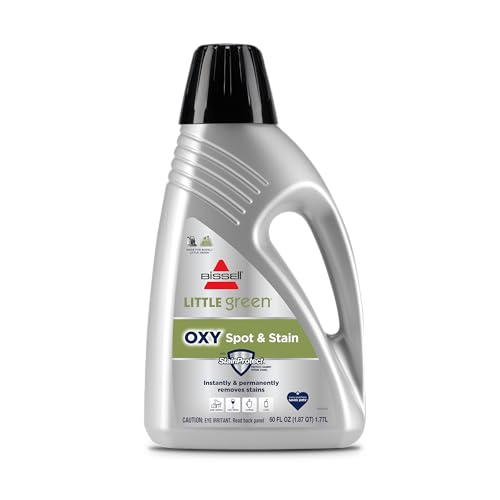
ASIN: B0D3F9PNN7
Common mistakes that make a sofa stain worse
- Rubbing hard: Friction can spread the mark, distort pile, and push soil deeper. Blot and lift instead.
- Using too much liquid: Saturation can leave rings, dampen padding, and extend drying time.
- Ignoring the cleaning code: A recipe safe for W fabric may harm S or X upholstery.
- Mixing cleaners: Never combine bleach, ammonia, vinegar, peroxide, alcohol, or commercial products. Dangerous fumes or damaging reactions may result.
- Using heat: Hair dryers, irons, and steam may affect fibers, dye, adhesives, or stain behavior.
- Skipping the hidden test: Colorfastness and texture can vary even across sections of one sofa.
- Removing covers casually: “Removable” does not mean machine washable. Check the sewn-in instructions.
- Using a colored cloth: Fabric dye or printed ink can transfer to upholstery.
When a professional cleaner is the safer choice
Call the maker or a qualified upholstery cleaner if the label is S or X, the fabric is silk, wool, rayon, velvet, vintage, patterned, or otherwise delicate, the spill is large or old, a stain reaches the cushion core, the furniture is under warranty, or a test spot changes color or texture. Professional cleaning is also sensible after a failed home attempt, because adding another solution can make diagnosis harder. Share the care code, fabric name, stain source, and products already applied.
If the sofa has a removable cover, consult both the manufacturer and the sewn-in care tag before removing or washing it. Covers can shrink, lose shape, fade, or fail to fit after cleaning. Upholstery fabric may also be installed with a direction or tension that changes appearance after wetting. A professional can assess whether the cover should stay on and which treatment is compatible with its backing, seams, and foam.
How to prevent future sofa spots
Vacuum regularly with the attachment and technique the manufacturer recommends, especially along seams and beneath cushions. Keep drinks on a stable side table and use washable throws only if the sofa’s design and maker allow them. Deal with spills quickly by blotting, not rubbing. Save the sofa model, fabric name, care tag photo, and approved cleaner details in a household note. That small preparation makes it easier to react calmly when a spill happens.
Do not apply fabric protector unless the furniture maker approves it for the exact upholstery. A spray can change feel, color, or breathability, and it may affect warranty coverage. If protection is important, ask the maker about compatible treatments before purchasing a third-party product. Keep children and pets away during application and drying, and follow label ventilation and safety instructions.
How to judge a result without over-cleaning
Evaluate the spot only after it has dried completely. Wet fibers can look darker or flatter than the surrounding upholstery, so judging while damp may lead you to repeat a treatment that is already working. Compare the dried area with your before photo in natural light, and inspect it from more than one angle because pile direction can change how a fabric reflects light. If the stain has faded but remains, do not automatically apply a stronger mixture. Residue, dye movement, or a drying boundary may become more visible with each attempt. The amount of visible improvement is not the only measure of success: a sofa that remains structurally and visually intact is better than a perfectly white patch surrounded by damaged fibers. For a second pass, repeat only the approved gentle method, use a clean cloth, and observe the maker’s limits. If the spot persists after a careful attempt, ask a professional to identify the stain and fabric before adding anything else. Keep a note of what you used and where, so the next cleaner does not have to guess.
Frequently asked questions
What is the best homemade spot remover for sofas?
There is no one safe recipe for every sofa. For a code W or WS fabric, a mild detergent mixture may be suitable only if the sofa maker permits it and a hidden test passes. Do not use it on S or X upholstery.
Can I use vinegar on my sofa?
Only if the upholstery manufacturer allows it for the fabric. Vinegar is not universally safe; it can affect dyes, finishes, and some fibers. Test the exact method first and never mix vinegar with bleach or other cleaners.
Can I use dish soap to clean upholstery?
Some makers allow a mild detergent on water-safe fabrics. Use a very small amount, avoid soaking, and remove residue as the manufacturer directs. Excess soap can attract soil or leave a visible patch.
Can I use baking soda on a fabric couch?
Do not assume it is safe. Powder can lodge in seams and pile, and a damp paste may alter texture or leave residue. Check the label and maker’s guidance before using it.
What does W mean on a sofa tag?
W generally indicates a water-based cleaning method may be used. Follow the specific manufacturer’s instructions, pretest, and avoid over-wetting the fabric or cushion.
What does S mean on upholstery?
S generally indicates solvent-based cleaning only. Avoid water-based homemade cleaners and consult the manufacturer or a professional for an approved solvent process.
What does WS mean?
WS generally allows water-based or solvent-based cleaning methods. The fabric maker’s instructions still apply, and testing is important because dyes and finishes can react differently.
What does X mean on a sofa label?
X generally limits care to vacuuming or light brushing. Avoid liquid cleaners and extraction machines unless the sofa maker gives additional instructions.
Should I scrub a sofa stain?
No. Rubbing can spread the spill and distort fibers. Blot with a clean white cloth, lifting rather than dragging it across the surface.
Can I use a carpet cleaner on a sofa?
Only when both the sofa maker and the machine instructions permit that fabric and method. Extraction uses water and is not suitable for every upholstery code.
Can I use a steam cleaner on a couch?
Do not assume so. Heat and moisture can harm some upholstery or set certain stains. Check the sofa manufacturer’s instructions before steaming.
What if my sofa has no care tag?
Look up the model number and contact the manufacturer or retailer. Until you know the proper method, blot spills and avoid applying liquid or solvent.
How do I remove a water ring?
Do not add more water without checking the fabric code and maker’s advice. A ring can indicate uneven drying or residue; a professional may be the safest option.
Can I wash a removable sofa cover?
Only if the sewn-in tag and manufacturer instructions say how. Removable covers may require dry cleaning or a specific process and can shrink in a household washer.
How long should a cleaned sofa take to dry?
Drying depends on fabric, airflow, humidity, and how much moisture was used. Follow the cleaner and furniture instructions, ventilate the room, and do not cover the area while damp.
When should I stop trying a DIY cleaner?
Stop if color transfers, fabric texture changes, a ring expands, the stain is large or set, or you do not know the cleaning code. Contact the sofa maker or a professional cleaner.
Should I spray cleaner directly on the cushion?
Usually avoid spraying directly unless the furniture maker and cleaner directions explicitly allow it. Applying solution to a cloth helps limit the amount and reduces the chance of soaking seams, foam, and nearby panels.
Can I use laundry detergent on a sofa?
Only when the furniture instructions permit that product and method. Laundry detergents may contain additives, fragrances, brighteners, or enzymes that are not intended for the fabric or difficult to rinse from upholstery.
Can I clean one cushion differently from another?
Use the code and care instructions for the actual fabric on each piece. Matching cushions can have different dye lots, wear, or replacement upholstery, so test each area before applying a solution.
Why did the stain come back after cleaning?
Soil or liquid may have remained below the surface and wicked upward while the fabric dried. Avoid repeatedly soaking the cushion; ask a professional to assess whether deeper cleaning is appropriate.
Is a homemade solution safe for microfiber?
Microfiber varies in fiber, backing, and care requirements. Read its sofa tag and maker instructions first; do not rely on the fabric name alone to choose water or solvent cleaning.
Can I mix vinegar and dish soap?
Do not assume the combination is suitable. Use only ingredients and methods allowed by the sofa maker, never mix household cleaners casually, and do not combine vinegar with bleach or ammonia.
Final thoughts
The best homemade spot remover for sofas is the least aggressive method that the actual upholstery allows. Find the cleaning code, blot promptly, test any permitted solution out of sight, and use minimal moisture on water-safe fabric. Treat S and X codes differently, avoid mixing chemicals, and call a professional when the fabric or stain is uncertain. A careful response can prevent a small spill from becoming a larger upholstery problem.
For more sofa care, see our chenille sofa care guide, family-friendly sofa guide, and affiliate disclosure.
Care references: Ashley furniture care and cleaning; La-Z-Boy fabric and leather care. Use these as general references only; the care tag for your sofa governs.
Certain content on this site comes from Amazon and may change. Amazon product names, images, features, and availability are supplied by the Amazon Creators API and may update. Verify current listing details and compatibility before purchase or use.