Disclosure: As an Amazon Associate, dailyhomedecorating.com earns from qualifying purchases. Links on this page are affiliate links; they cost you nothing extra. Prices and availability change often, so check the current Amazon listing before you buy.
Ask a street of gardeners is a leaf blower worth it and you will collect two passionate, opposite answers — from people who are both right, because they own different gardens. A blower is not a universal good; it is a tool whose value depends on how many leaves fall on your ground, how much hard surface you keep, how your body handles raking, and how your street handles noise. This guide makes the value case honestly: what you actually get, what it really costs beyond money, the households it pays off for, the ones it does not, and a decision checklist to settle the question for your own home.
Short Answer: Is a Leaf Blower Worth It?
Worth it if: leaves land on your lawn, drive or patio in quantities that make raking a recurring chore rather than a ten-minute tidy; you have hard surfaces that brooms handle slowly; your shoulders, back or schedule argue for powered help; and you can store and operate the machine considerately. Not worth it if: your plot is tiny with a tree or two, your leaves fall mostly on beds where they can stay as mulch, you would use the machine twice a year, or your living situation makes noise genuinely costly — in which case a rake, a tarp and a good pair of gloves remain an entirely respectable system.
In this guide
Key Takeaways
- The value of a blower is measured in hours and effort returned across a whole autumn, not in how impressive a single clearance feels.
- Hard surfaces are where blowers earn most: drives, patios and paths that take a broom half an hour take a blower minutes.
- The real costs are storage, noise, a small maintenance rhythm and the protection gear that must come with the machine.
- For small, lightly treed plots, raking and mulching often beat buying — the honest answer is sometimes no.
- For anyone with physical limits, a blower can be the difference between a garden they manage themselves and one they cannot.
- Buying into a battery platform you already own transforms the economics in the blower’s favour.
What You Actually Get When You Buy a Leaf Blower
The first thing you get is time, in a specific and repeatable form. Autumn leaf fall is not one event but a season of small accumulations, and the households that stay on top of it are the ones whose tool makes a fifteen-minute tidy effortless to start. A blower starts instantly — particularly a cordless one — and turns ‘the drive needs doing’ from a postponed chore into a task finished before the kettle boils. Multiplied across a season, that difference in activation energy is the real product. Gardens look cared for not because their owners do occasional heroic clearances but because the small jobs never accumulate, and a blower is fundamentally a machine for making small jobs small.
The second thing you get is reach and finish. Leaves lodge in places rakes and brooms handle badly: along fence lines, under cars and benches, in the corners of steps, across gravel, through the slats of decking, and in the guttering line at ground level. An airstream goes into all of these without kneeling, scraping or dismantling anything. The finish is also visibly better on hard surfaces — a swept drive looks swept in a way a brushed drive rarely does — and for households that take pride in a tidy frontage, that presentational value is real and recurs every week.
The third thing you get is versatility beyond leaves. The same machine that clears autumn fall also dries a washed car or patio furniture, clears grass clippings after mowing and edging, tidies a garage or workshop floor, blows light debris from gutters at ground level where models allow, and — in the case of combination machines — vacuums and mulches leaves into a fraction of their volume for compost. None of these secondary uses justifies the purchase alone, but together they mean the machine earns its storage space across more of the year than its name suggests. Our hands-on leaf blower review explores this day-to-day versatility in more depth.
Finally, you get capability insurance for the exceptional days. Most of the year a blower is a convenience; on the morning after a storm strips the trees in one night, or when wet leaves mat a drive into a skating rink, it becomes the tool that makes the property safe and usable again in one session. Households rarely regret owning that capacity; they regret lacking it precisely on the days it matters.
The Real Costs Beyond Money
Money is the obvious cost, and it spans a wide range of tiers — from entry-level corded machines that cost little more than a good rake and broom set, through mainstream cordless models, to premium and petrol machines at the top. But the honest accounting includes more than the ticket. Storage is a cost: a blower, its batteries or cord, and its protection gear need a dry home, and in a small shed that space competes with everything else you own. Noise is a cost, paid by you and your street: even quieter models are unmistakably garden machinery, and using one commits you to reasonable hours and a degree of social awareness. Hearing and eye protection are a small financial cost and a permanent habit cost — the machine is not safe to use casually without them, and anyone who knows they will skip the gear should count that honestly against buying.
Maintenance is a modest but real rhythm. Cordless ownership means battery care — charging and storing packs following the maker’s guidance, and accepting that batteries age over years and eventually need replacing, which is the category’s one significant running cost. Corded ownership means cord inspection and the discipline of a GFCI-protected outlet and an outdoor-rated extension lead. Petrol ownership means fuel, oil, filters, plugs and winter storage care, the heaviest rhythm of the three. There is also a learning curve, smaller than most expect but not zero: technique genuinely matters, and the first sessions of most new owners are comically inefficient until the low, slow sweeping arc clicks — our guide on how to use a leaf blower shortens that curve considerably.
One more cost deserves honesty: a blower can make you worse at leaves if it replaces judgment with habit. Leaves blown off beds that would have been better left as mulch, soil and mulch scattered by careless full-power work, gravel relocated into the lawn — these are self-inflicted costs of owning an easy tool. The households that get value from a blower are the ones that keep deciding where leaves should go, rather than simply making them airborne.
Who It Pays Off For: Three Households
The Suburban Family With Mature Trees
This is the blower’s heartland. A lawn, a drive, decking and paths under real leaf fall, cleared weekly through autumn by people whose weekends are already full. The machine returns hours across the season, keeps hard surfaces safe and presentable, and — on a battery platform the household already owns for the mower or trimmer — arrives at a modest effective cost. For this household the question is not really whether, but which; our leaf blower buying guide is written for exactly this decision.
The Gardener Whose Body Sets the Terms
Raking is genuinely physical: repetitive, shoulder-loading, and done at exactly the season when ground is cold and slippery. For gardeners with arthritis, recovering injuries, limited stamina or simple seniority, a light blower — particularly a light corded model or a well-balanced cordless one — converts an impossible chore into a manageable stroll. The value here is not time but independence: the garden stays theirs to run. Weight and balance should dominate their choice, sessions should be short and frequent, and full eye and hearing protection matters even more, not less, for this group.
The Tidy-Frontage Household
Some households simply run a presentable ship: swept drive, clear paths, leaves never lingering. For them the blower’s finish quality and speed on hard surfaces pay off every single week of the year, not just in autumn — grass clippings in summer, blossom and debris in spring, grit and leaves in winter. A quiet-leaning cordless model suits this pattern best: frequent, brief, neighbourly sessions that keep everything just-so without ceremony.
Who Should Skip It
The small-plot household with minimal tree cover should usually skip it. If your leaf fall is a light scatter that a rake clears in fifteen minutes a fortnight, a blower is a stored object, not a tool — and the leaves you do gather are probably more valuable shredded onto beds than blown into piles. The apartment or courtyard gardener with a broom-sized patio is in the same position; a stiff broom and a dustpan genuinely compete with machinery at that scale. Households in genuinely noise-sensitive settings — very close quarters, a household member who works nights, a street culture that prizes quiet — should weigh the social cost heavily; a rake makes no enemies. And the dedicated mulch gardener, who wants every leaf chopped in place by the mower and returned to the soil, may find a mulching mower setting is the better investment entirely. Saying no to a blower is not a failure of ambition; for these households it is the correct equipment decision, and the money is better spent on the tools they will actually reach for weekly — for many, the round-up of the best garden hoses is the more relevant read.
Strengths and Trade-Offs of Owning One
Strengths of ownership: speed on hard surfaces that no manual tool approaches; reach into corners, under objects and across gravel without kneeling; a low start-up effort that turns autumn from a dreaded project into a weekly fifteen minutes; versatility across clippings, drying and tidying tasks all year; and genuine physical relief for anyone who finds raking costly. Trade-offs of ownership: noise for you and the street, every session; storage space and a small maintenance rhythm; battery replacement as a long-term running cost on cordless models; the need for eye and hearing protection as a permanent habit; and the temptation to blow carelessly — scattering mulch, soil and gravel — that good technique must constantly restrain. Neither list is decisive alone; their weight depends entirely on the household reading them, which is the entire point of this guide.
Alternatives to Consider
The rake and tarp system is the benchmark alternative and remains excellent: silent, cheap, exercise included, and with a tarp for dragging, surprisingly efficient on lawns. Its costs are time and shoulders. A mulching mower is the second alternative — many mowers will chop a moderate leaf layer in place and return it to the lawn as feed, which suits leaf fall that arrives gradually on grass and eliminates collection entirely; it does nothing for drives and patios. A combination blower-vacuum is the middle path for collectors: it gathers rather than herds, mulching leaves down for compost, and our guide to the best leaf blower vacuums covers that family properly. Finally, there is the professional-service alternative: paying for a seasonal clearance, which for a heavily wooded property with no storage and no inclination can be rational arithmetic — though most households find that a season or two of service fees would have bought the machine outright.
How to Get the Most Value If You Buy
Buy into a system, not a product: if you own cordless garden tools, the blower that shares their batteries is almost always the value champion, whatever the headline comparisons say. Buy the tier your audit justifies — entry corded for small plots near the house, mainstream cordless for the typical suburban garden, premium or petrol only where the ground demands it; our step-by-step guide on how to choose a leaf blower walks that sizing honestly. Use the machine little and often rather than in rare marathons, keep the two-minute maintenance habit, store batteries per the maker’s guidance, and wear the protection every time — a tool that is safe and ready is a tool that gets used, and use is where the value lives. Choose your hours considerately and keep dust down by dampening very dusty patches, and the machine will cost you nothing in neighbourly goodwill either.
Reference Points: What the Main Tiers Look Like
To make the value discussion concrete, here are the familiar reference points across the tiers, presented in prose while listing verification completes. Judge each against the profiles above rather than as universal recommendations.
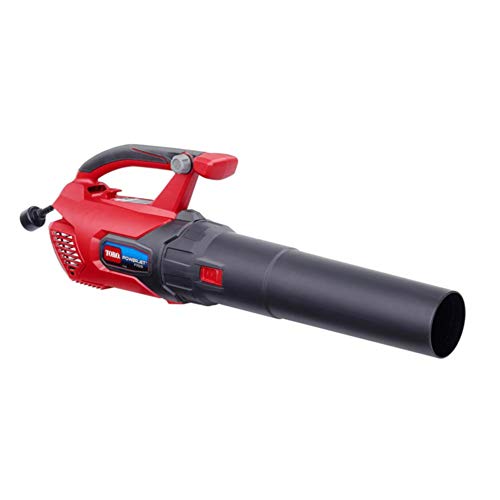
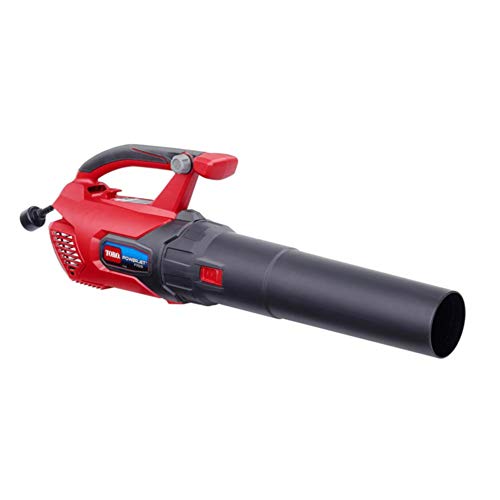
Toro PowerJet F700 Corded Leaf Blower — The Low-Cost Test of the Concept
A light corded blower like Toro’s PowerJet F700 is the cheapest honest way to discover whether powered clearing suits your household: minimal upkeep, no batteries to age, and enough performance for small plots near the house, run from a GFCI-protected outlet on an outdoor-rated cord. Best for: small gardens testing the waters. Not suited for: large plots, where the cord undermines the convenience that justifies the purchase.

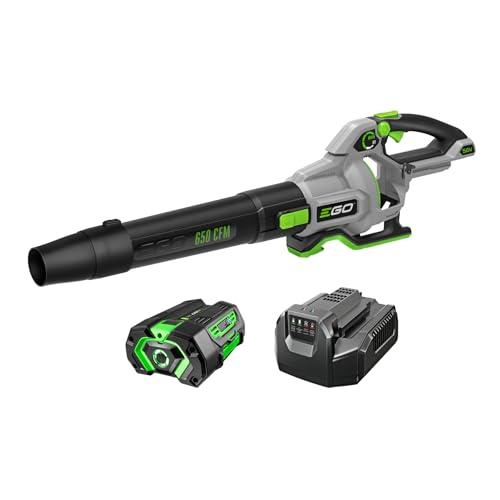
EGO Power+ LB6504 Cordless Leaf Blower — The Premium Platform Argument
At the premium cordless tier, represented by EGO’s Power+ LB6504, the value case rests on platform economics and sustained performance: one battery family across the whole garden, strong output for substantial sessions, and a turbo reserve for wet patches. Best for: committed cordless households with medium-to-large gardens. Not suited for: occasional users, whose low session count cannot amortise the tier. The full balance sheet for machines like this is in our leaf blower pros and cons breakdown.
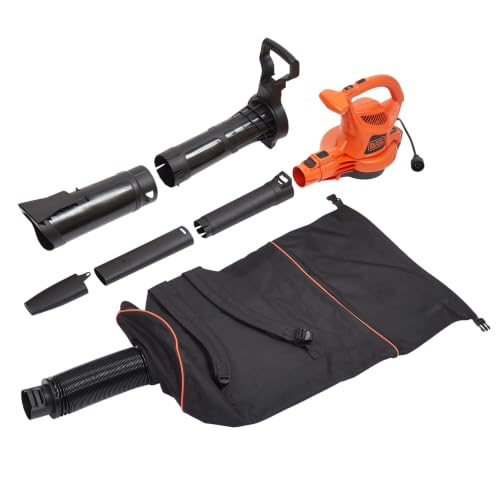
BLACK+DECKER BEBL7000 Leaf Blower Vacuum Mulcher — The Collector’s Value
The BEBL7000’s three-in-one design — blow, vacuum, mulch — makes its value case to gardeners who gather leaves for compost or need beds and gravel cleared without scattering: one mid-tier corded machine replaces blower, rake work and a separate shredding step. Best for: collectors and composters on small-to-medium plots. Not suited for: big open lawns, where dedicated airflow clears faster.
The Decision Checklist
Answer honestly, yes or no: (1) Do leaves accumulate on your lawn or hard surfaces most weeks in autumn? (2) Does clearing them currently take more than about twenty minutes, or leave you sore? (3) Do you have hard surfaces — drive, patio, paths — that you like kept clean year-round? (4) Can you store a machine, its power source and protection gear in a dry spot? (5) Can you use it at reasonable hours without real friction with neighbours or household members? (6) Do you already own batteries on a garden tool platform, or a suitable outdoor socket? (7) Will you genuinely wear eye and hearing protection every session? Four or more yes answers: a blower will very likely pay for itself in returned time and effort, and the remaining question is only which tier. Two or fewer: keep the rake, spend the money elsewhere, and revisit if your trees or your shoulders change the arithmetic.
The Arithmetic, Worked Through Carefully
Strip the question to arithmetic and it becomes clearer. Count your realistic sessions: for a typical treed suburban garden, autumn alone offers weekly clearances across roughly two months, plus spring and summer tidy-ups after mowing and storms — a conservative count runs to several dozen uses a year. Against that count, set the time a manual clearance takes you today and the time a blower takes, and be honest about both: the blower’s advantage is largest on hard surfaces and open lawns, smallest in fiddly corners where both methods converge on hand work. The difference, multiplied across a season and then across the years a decent machine lasts, is the true product being bought. For many households it totals days of returned time; for a small, lightly treed plot it totals an afternoon, which is why the same arithmetic blesses one purchase and condemns another.
Now set the costs in the same ledger, all of them: the machine’s tier, the protection that must accompany it, the storage it occupies, and the running items — battery replacement in the long term for cordless owners, fuel and service parts for petrol, bags for vacuum models. Add the non-financial costs at honest rates: the noise your street absorbs, valued at whatever your relationships there are worth; the small maintenance rhythm, valued at your patience for such things. Households that do this arithmetic in writing, even roughly, almost always find the answer stops feeling like a matter of opinion. The numbers differ by garden, which is precisely the point — worth-it is a calculation, not a slogan, and your garden supplies the inputs.
One figure deserves special care because buyers systematically get it wrong: expected use. People buy for the garden they imagine — the heroic autumn clearance, the storm aftermath — and then live in the garden they have, where the actual pattern is twenty minutes here and there. A machine sized and priced for the imagined garden sits idle and oversized; a machine bought for the real pattern gets used constantly and loved accordingly. When the arithmetic is borderline, buy for the pattern you will actually live, and let the exceptional days take a little longer. That single correction improves more purchase decisions in this category than any specification ever printed.
What Owners Actually Report After a Season
Patterns repeat in owner experience often enough to count as evidence. The first is surprise at frequency: owners consistently use the machine more than they predicted, because tasks that were never worth a rake’s effort — the quick pass after mowing, the patio before guests, the drive after a windy night — become worth a blower’s two minutes. The second is the migration of satisfaction from power to convenience: whatever impressed them in the shop, what they praise in November is instant starting, manageable weight and the battery that was already charged because it serves three other tools. Reviews written after a season read very differently from reviews written after a weekend, and prospective buyers should weight them accordingly.
The regrets repeat too. Buying outside an owned battery platform is the most expensive and the most common. Buying the largest machine for the largest day is the second: it spends the year being heavier than the work requires. The third is under-buying noise — discovering that a loud machine in a close street quietly rations its own use, until the owner is rationing sessions to keep the peace and the garden is rationed with them. And the fourth, saddest regret is the protection skipped once: grit in an eye is a small injury with a long memory, and every experienced owner interviewed in spirit for this page wears the glasses and the defenders without being asked twice.
There is also a pattern among the contentedly blower-free, and it deserves reporting on a page about worth: households with small plots, light leaf fall and a genuine mulch-garden philosophy often try a borrowed machine and hand it back unmoved, because their system — rake, tarp, mower-mulch, beds that welcome leaves — was already complete. Worth-it analysis that cannot recognise a household that does not need the product is marketing, not analysis. The goal of this page is the match, in either direction.
The Environmental and Neighbourly Ledger, Honestly Kept
A complete worth-it account includes costs the owner does not personally pay. Noise is the largest: it is exported to every household within earshot, and while reasonable hours and quieter machines reduce it to a level most streets accept as part of suburban life, it never reaches zero, and pretending otherwise is how owners become the neighbour in other people’s stories. Dust is the second export, controllable by dampening very dusty ground, by never blowing toward people, property or laundry, and by choosing the vacuum or the rake where dust would be worst. Exhaust is the third, and it belongs to petrol alone — one more reason that family has retreated to the large properties where its power is genuinely needed and its emissions are at least diluted by distance.
Set against those exports, the credits: leaves gathered and composted or mulched onto beds are carbon and fertility kept in the garden rather than bagged and hauled away; paths kept clear of wet leaves are falls prevented, a benefit with real weight in households with older residents; and a tool shared informally — the borrowed blower that clears three drives on a street in one afternoon — spreads its footprint across several households’ worth of benefit. None of this makes the blower an environmental hero. It makes it a tool whose ledger can be kept honestly, and whose balance, for a well-matched household operating considerately, most reasonable readers will accept.
The Question at Different Life Stages
Worth-it is not a static verdict, because households move through stages and the same garden asks different questions at each. Young households with energy, small children and tight budgets often find the manual system genuinely fine — raking is exercise, children regard leaf piles as infrastructure, and the money has louder claims on it. The calculation shifts as time becomes scarcer than money, as gardens mature and their trees with them, and as the household’s physical budget changes. Many owners buy their first blower not when the garden demands it but when a shoulder does, and describe the purchase afterwards as overdue rather than indulgent — a pattern worth hearing if you are currently pricing your own joints at zero.
The empty-nest and retirement stages replay the question with the terms reversed: the garden is at its most beautiful and most demanding, the desire to keep running it personally is at its strongest, and the body’s terms are non-negotiable. Here the blower’s worth is measured in years of continued independence, and a light, quiet, easily started machine can be the difference between a garden kept and a garden surrendered to a service. Households buying for this stage should weight lightness, balance, simple controls and quiet running above every specification — and should buy before the need is desperate, while the choice can still be made calmly and the technique learned at leisure.
Even the decision to sell or give away a blower has its stage logic: the household that downsizes to a courtyard, or whose trees come down, should pass the machine on without nostalgia. A tool’s worth is always relative to a life being lived now, and the honest answer to this article’s question is a date-stamped one. Revisit it when your trees, your body or your address changes, and do not let a verdict from a previous stage govern a garden it no longer describes.
Worth It, Priced in the Currency of Weekends
Ask the question in the currency households actually spend — weekend hours — and the case sharpens. A treed suburban garden under manual clearing can absorb a substantial slice of every autumn weekend: the raking, the gathering, the bagging, repeated weekly because the trees do not drop on a schedule that respects your plans. The blower compresses the moving portion of that work so dramatically that the whole task changes category, from a project that must be scheduled to a chore that fits between other things. What households buy, in the end, is not cleared leaves; it is autumn weekends returned at the exact season when weekends are scarcest and most golden. For families whose autumns are already full — sport, visitors, work, rest — that return is the whole argument, and it is a strong one.
But the same currency exposes the weak cases honestly. If your manual clearance is twenty minutes a fortnight, the blower returns you perhaps two hours a season, and two hours does not amortise a premium machine, its storage and its noise — it amortises nothing, and the purchase must then be justified, if at all, as a pleasure rather than an investment. There is no shame in that justification; gardeners buy beautiful tools for joy all the time. The failure is only in pretending the arithmetic said something it did not. This page’s checklist exists to keep the two justifications separate: investment cases should pass the checklist, pleasure cases should at least read it.
One weekend-currency subtlety deserves a final mention: the blower’s value concentrates in the households that use it preventively. Fifteen minutes after each fall of leaves keeps a garden permanently presentable and paths permanently safe, at a total seasonal cost lower than three heroic manual clearances — and with none of the dread. Owners who discover this rhythm describe the machine as having abolished autumn as a problem. Owners who use it as a bigger rake, in monthly marathons, report a milder satisfaction. The worth of the tool, in other words, is partly a function of the habit it enables, and the habit is free to anyone who buys — which may be the most persuasive line in this entire analysis.
The Resale and Hand-Me-Down Factor
One more line belongs in the worth ledger, and it is the one buyers forget entirely: exit value. Blowers from reputable platforms hold their usefulness — and therefore their resale and hand-me-down value — unusually well, because the machines are simple, the wear is visible and honest, and a battery platform with many owners in it creates a ready second-hand market for tools that join it. A premium cordless blower bought into a living platform can be sold on, passed to a grown child’s first garden, or kept as the second machine for a larger property, and each of those futures returns value that a no-name machine with an orphan battery system simply does not have. Worth-it calculations that assume the purchase price is spent entirely on your own sessions systematically undervalue the platform machines, and overvalue nothing else quite as reliably.
The hand-me-down direction deserves its sentence too: a household offered a parent’s or neighbour’s surplus blower should run this article’s checklist against the gift rather than assuming free means worth it. A free machine that needs a battery platform you do not own is not free; a free corded machine in sound condition, with a sound cord, may be the best-value blower you will ever own. Gifts and bargains obey the same arithmetic as purchases — the garden, the body and the street still cast their votes.
Settling the Question for Your Household
Everything on this page reduces, finally, to a household meeting of one agenda item, and it can be held honestly in five minutes. State the leaf load and the surfaces. State the bodies and the time. State the storage, the street and the budget tier the answers imply. Then let the checklist arbitrate, and accept its verdict in either direction with equal grace — because the households that flourish with their equipment decisions are not the ones that always buy or always abstain, but the ones whose decisions were made by their own evidence rather than by marketing, envy or inertia. If the verdict is buy, the rest of this programme — the choosing guide, the buying guide, the reviews — will spend your money well. If the verdict is not yet, the rake is by the door, the tarp is folded, and autumn, it turns out, can be survived beautifully without machinery, as it was for every gardener before this one. The worth of a leaf blower is real, conditional and knowable — and now, for your household, known.
A closing note for the undecided middle — the households whose checklist lands at three yeses and a shrug. Borrow before you buy: one honest session on your own ground with a borrowed machine converts this entire article from argument into experience, and experience settles what analysis leaves open. If a borrowed hour leaves you calculating tiers, the answer was yes. If it leaves you handing the machine back with genuine indifference, the answer was no, and it cost you nothing but an hour and a favour owed. Either way, you will have decided the way this page has argued all along — by your own ground’s evidence.
Two Households, Revisited a Year Later
Return, finally, to the two passionate neighbours from this page’s opening, a year on. The first — quarter-acre, mature trees, long drive — bought a mainstream cordless machine on the platform the household already owned, and reports the expected ledger: autumn weekends visibly returned, paths kept safe through the wet months, one battery added at the season’s midpoint, and a street relationship intact because sessions stayed short and sociably timed. Their verdict is not that the machine is miraculous; it is that the question now seems oddly small compared with the fuss made over it, which is what a correct equipment decision feels like from the far side.
The second household — small plot, two young trees, beds everywhere — borrowed the first household’s machine for one honest trial, handed it back, and spent the money on a superb rake, a tarp and plants for the beds. Their autumns are quiet, their leaves become mulch in place, and their verdict is the mirror image: the question also seems small to them now. Both households are right, both are content, and neither would swap. That is the destination this analysis has been driving toward from its first paragraph — not a universal answer, but a matched one, reached by evidence and held without rancour. Your household’s version of that settlement is the only verdict that matters, and you now have everything needed to reach it.
If You Decide Yes: The First Month Done Well
For households whose checklist says buy, the first month decides whether the purchase becomes the annuity this page described or the shelf ornament it warned against. Week one: set up deliberately — storage hook placed, protection living with the machine, battery routine established per the maker’s guidance, and one short practice session on open ground at low speed to learn the arc before the leaves demand it. Weeks two and three: work little and often, deliberately below the machine’s capacity, building the destinations habit and the section discipline while the leaf load is still forgiving. Week four: review honestly against the checklist that justified the purchase — time returned, body spared, street unbothered — and adjust the one variable that is off, whether that is session timing, a second battery, or a nozzle you now understand the need for.
Households that run that first month deliberately almost never revisit the purchase with regret, because they have converted a product into a practice — and practices, unlike products, compound. The machine will do the same work in year five as in week one; what grows is the operator’s ease, the garden’s baseline, and the household’s quiet confidence that autumn is handled. That growth, priced honestly, belongs on the worth-it side of the ledger too — the final line in an accounting this page has tried to keep complete.
The Trial Every Household Can Run
There is one more empirical test available to almost every undecided household, and it is better than any argument on this page: the timed comparison. On the next proper leaf fall, clear half your ground with your current manual method and time it, honestly, including gathering and bagging. Then borrow or hire a blower for the other half — many hire shops and most blower-owning neighbours make this possible — and time that too, including the protection, the setup and the learning curve’s comedy. Multiply the difference by your realistic sessions per season and by the years you expect to keep the garden. The resulting number, in hours, is your household’s true answer, measured rather than argued — and households that run the test almost never argue about the result afterwards, whichever way it falls.
Run the test fairly: same leaf conditions on both halves, the borrowed machine in a type you would actually buy, and the manual half done with your real rake rather than a theatrical one. Note the non-time data too — how your back filed its report, how the finish compared, how the street reacted, how the session felt. Worth-it was never only about minutes, and a test that records the whole experience will settle the question in the round, the way the decision deserves to be settled.
There is a temptation, at the end of a long analysis, to ask for a simpler answer than the evidence supports — a yes or a no that travels between households. Resist it, because the entire finding of this page is that the answer does not travel: it is manufactured fresh in each garden from leaf load, surfaces, bodies, time, storage and street, and it is exactly as individual as the garden itself. What does travel is the method — the checklist, the arithmetic, the borrowed-hour trial — and a household equipped with the method never needs to ask the question twice. That, more than any verdict, is what this page was written to leave behind.
The Break-Even Question: When a Leaf blower Earns Its Space, and When It Honestly Does Not
Worth it is a personal verdict dressed as a product question. The same leaf blower can be money well spent for one household and an expensive ornament for another, and the difference is almost never quality — it is frequency of use, fit with the space, and what it replaces. This section gives you a break-even way of thinking about the leaf blower: a simple accounting of cost per use, space per benefit, and effort per result, plus the honest signs that your household should skip it, borrow it, or buy the simpler version instead. Run your own numbers through it before you decide.
The Arithmetic That Actually Matters
Start with cost per use. Take the full cost of owning the leaf blower — purchase, any consumables, any accessories you genuinely need, and the space it occupies valued honestly — and divide it by a realistic count of uses in its first two years. Realistic is the key word: count the uses your calendar supports, not the uses your intentions promise in January. Then compare that figure with the alternatives you would actually use — hiring, borrowing, a service, or the simpler item you already own. A leaf blower that wins that comparison on your real schedule is worth it almost regardless of its badge; one that only wins on an imagined schedule is not.
The Signs on Each Side of the Line
On the worth-it side: you already do the task or feel the gap weekly; you have measured the space and it fits with room to live around; someone besides the buyer will use it too; and you can name what it replaces or retires. On the skip-it side: the purchase is motivated by a rare event, a visitor, or a version of your routine you have never actually kept; the space only works if something else is moved into storage; or the honest plan is to change your habits first and buy later. Neither list is a judgement — households change, and a leaf blower that fails the test this year may pass it easily after a move, a new job or a new family member.
Before you buy the leaf blower, answer these five questions out loud or on paper:
- How many times did I genuinely need this in the last three months — not wished for it, needed it?
- What exactly does it replace, retire or stop me paying for, starting in its first month?
- Where does it live when idle, measured and checked, and what currently in that spot gets moved?
- Who else in the household will use it without being asked, and who will maintain it?
- If it stopped working in a year, would I replace it immediately, manage without, or feel quietly relieved?
Look at the edges and undersides when you judge build quality, because those are the places makers save money first and the places owners discover last. Ask how the leaf blower behaves on your worst floor, wall or surface rather than your best one, since homes are uneven and listings are photographed in perfect rooms. Keep the receipt, delivery note and a photograph of the label together, because warranty conversations go smoothly when dates and model details are at hand. If two people in the household disagree about the leaf blower, let the person who will use or maintain it most have the deciding vote on practical questions. Beware of buying for the household you hope to become; the leaf blower that serves the household you already are will be used this week, not someday. A tape measure, a spirit level and ten patient minutes prevent more leaf blower regrets than any amount of comparison shopping after the fact. When a listing is vague about a dimension, material or included part that matters to you, treat the vagueness itself as information and look for a clearer seller. Photograph your room at the time of day you will use the leaf blower most, and compare candidates against that light rather than against bright midday photographs. Small households should weight compactness and easy storage more heavily, while large households should weight durability and simple operation, because the failure modes differ. If the leaf blower will serve children or older relatives, test the key actions with the weakest grip and the shortest reach in the house in mind.
The last question is the sharpest: immediate replacement means the leaf blower has become infrastructure in your home, and purchases like that are almost always worth it. Quiet relief means the opposite, however good the reviews were. Decide with your own arithmetic and your own answers, and whichever way the verdict falls you will have bought — or saved — with your eyes open, which is the only definition of value that survives contact with real life.
Frequently Asked Questions
Is a leaf blower worth it for a small garden?
Usually not, unless the small garden sits under heavy tree cover or the gardener’s physical limits change the calculation. A light leaf fall on a small plot is fifteen minutes of raking, and a machine bought for that will spend its life in storage. The exception is the small plot with lots of hard surface — patio, paths, a drive — where a light corded blower earns its keep weekly across the year on clippings and debris as well as leaves. Judge by your surfaces and your leaf load, not by garden size alone.
Is a cordless leaf blower worth the extra cost over a corded one?
For most suburban gardens, yes: the freedom to work the whole plot without managing a cable, and instant starting with no setup, are the conveniences that make sessions happen little and often — which is where the value is. The case strengthens further if you already own batteries on the same platform. Corded models remain the better value for small plots within easy reach of an outdoor socket, where they are lighter, simpler and run indefinitely. The honest answer follows your plot’s geometry more than the machines’ specifications.
How long does a leaf blower last, and what are the running costs?
A cared-for blower is a long-lived tool — many seasons of service is a reasonable expectation for any of the main types, given two minutes of cleaning after sessions and dry storage. Running costs are small: electricity for charging or running, replacement bags on vacuum models, and for petrol machines, fuel and routine service parts. The one significant long-term cost is cordless batteries, which gradually lose capacity over years and eventually need replacing — another reason platform buying, where batteries serve several tools, improves the arithmetic.
Is a leaf blower bad for the garden itself?
Used thoughtlessly, it can be: full power in beds scatters mulch and soil, strips loose bark mulch from borders and can damage delicate plants, and blowing every leaf off every surface removes winter habitat and free mulch that beds benefit from. Used with judgment — low speed near beds, leaves deliberately left or gathered onto beds as mulch, gravel handled gently — it does no harm at all. The tool is neutral; the operator’s destinations decide. Many experienced gardeners blow hard surfaces clean and leave beds entirely alone, which is arguably the best of both worlds.
Can a leaf blower replace a rake completely?
Not quite, and it does not need to. Blowers are poor at the final gathering of a pile, hopeless in tight corners between pots and steps, and the wrong tool for scarifying leaves out of long grass or lifting them off beds you want to keep. Most satisfied owners run a partnership: the blower does the moving, the rake does the finishing, and a tarp does the carrying. Households that expect the machine to abolish manual tools entirely tend to be the disappointed ones; households that let each tool do its best work are the ones who answer this article’s question with a firm yes.
Related Guides
Once the value question is settled, settle the model question with the leaf blower buying guide, compare ownership honestly in leaf blower reviews, and keep the whole autumn system in view with our round-up of the best compost spreaders for putting those gathered leaves to work.