Disclosure: As an Amazon Associate, dailyhomedecorating.com earns from qualifying purchases. Links on this page are affiliate links; they cost you nothing extra. Prices and availability change often, so check the current Amazon listing before you buy.
The short answer is yes — with one honest asterisk. Do portable acs have to vent out windows? A true portable air conditioner must dump the heat it removes somewhere outside the room it is cooling, and in almost every home that somewhere is through a window, using the hose and window kit in the box. Units that claim to cool without any venting are not air conditioners at all; they are evaporative coolers wearing an air conditioner’s name, and they behave very differently.
This explainer covers why the hose exists, what happens if you skip it, the legitimate alternatives when a window genuinely cannot be used — sliding doors, drop ceilings, dryer vents and the twin-hose question — and how to vent well when you do, so the machine delivers the cooling its box promises. It also answers the renter’s version of the question, because most people asking it are really asking whether a portable unit will work in their particular room, with their particular landlord.
No product is required to understand the physics, but a small number of verified portable units and venting accessories are linked where they genuinely help, each checked against the site’s own Amazon data. The physics, though, comes first, because once the heat-flow picture is clear, every venting question answers itself.
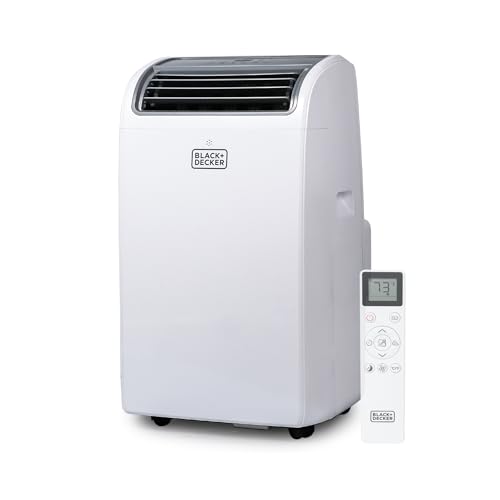
Do Portable Acs Have To Vent Out Windows: The Short Version
Do portable acs have to vent out windows? They have to vent outside the space they cool — usually a window, legitimately a door kit, a casement seal, a plenum or a wall vent, and never a hallway, attic or spare room. The hose is not an accessory; it is half the machine.
In this guide
Why the hose exists: heat has to go somewhere
An air conditioner does not manufacture cold; it moves heat. The machine absorbs heat from the room’s air into a refrigerant loop and must reject that heat — plus the heat its own compressor and fans generate — somewhere else. A window unit rejects it outdoors by design, a central system rejects it at the outside condenser, and a portable unit rejects it down the hose. Remove the hose’s destination and the machine is a very expensive heater with a cool breeze at the front.
This is not a technicality that clever models engineer around. Run an unvented portable unit in a closed room and the room’s total heat rises: the air at the grille feels cold while the space as a whole warms, because the compressor’s energy all ends up indoors. People do this every summer in windowless offices and then conclude portable air conditioners do not work. The machines work fine; thermodynamics was simply not consulted.
Evaporative coolers — the ventless ‘air coolers’ sold beside portables — play a different game entirely. They blow air over water or ice packs, cooling it by evaporation, adding humidity as they go. In a dry desert climate that trade can feel wonderful; in a humid one it achieves little and can make a room feel clammy. They are legitimate products with a misleading shelf position, and confusing the two categories is the root of most venting disappointment.
The ways a portable unit can legitimately vent
The standard window kit — an adjustable panel sealing the sash gap with a hose port — fits most double-hung and sliding windows and is the route manufacturers design around. Sliding glass doors take a taller version of the same panel. Casement and crank windows, which defeat flat panels, can be vented with a fabric window seal: a zippered cloth frame that gaskets the opened window and gives the hose a port, a renter-friendly solution that looks odd and works well.
Where no window exists, the honest options narrow but do not vanish. A drop ceiling in an office can accept the hose into the plenum space if building management agrees. A dryer vent can serve in a pinch, with caveats about lint, backdraft dampers and diameter that make it a compromise rather than a recommendation. Cutting a dedicated vent through a wall or a panel in a door is the permanent version, common in garden offices and workshops, and entirely reasonable where the unit will live for years.
What does not work is venting into another room, a hallway or an attic and calling it done — the heat still lands inside the building’s envelope, warming the space you are cooling by proxy, and attic venting adds moisture and heat where neither belongs. The destination must be outside the conditioned space, ideally outside the building, and every workaround should be graded by that single rule.
Single hose, twin hose, and why it changes the answer
Most portable units draw their cooling air from the room itself through a single hose design: air enters the machine, heat is added, and the hot air leaves down the hose. That exhausted air must be replaced, and it is replaced by warm outdoor air infiltrating through every crack in the room — a quiet tax on efficiency that twin-hose models avoid by drawing their intake air from outside through a second hose, keeping the room’s pressure and its cooled air intact.
The practical difference shows up in hot, humid weather and in larger rooms, where single-hose units can spend much of their capacity cooling the very infiltration they cause. Twin-hose models cost more and are bulkier to install, but in a room that must actually reach its set temperature on a 35-degree afternoon, the second hose is not a luxury. Either way, both designs vent out — the twin merely does it without drinking the room.
Whichever design you choose, venting craft matters as much as category: the hose run should be as short and straight as the room allows, because every bend and every extra metre of sun-warmed hose radiates heat back into the space. Insulated hose covers exist for exactly this reason and are among the few accessories that earn their money. A unit vented thoughtfully through a well-sealed panel will out-cool a stronger unit vented through a gaping window by a margin that surprises people.
The renter’s version of the question
Most venting anxiety is tenancy anxiety in disguise. Renters ask whether a portable has to vent out a window because they are really asking whether cooling is permitted to them at all — whether the solution involves screws, alterations or a landlord’s signature. The reassuring truth is that the standard kit is the least invasive cooling hardware ever sold: it borrows the window’s opening, seals with foam and pressure, and surrenders everything back in minutes.
The renter’s craft is documentation. Photograph the window before fitting, keep every original screw and stopper in the kit’s bag, and choose the fabric seal over any adhesive-heavy improvisation on painted frames. At lease end the installation should be undetectable, and with ordinary care it will be — portables have ended far fewer tenancies than the window units they replaced.
Where a lease forbids even this, the honest fallbacks are the ones physics permits: a fan used intelligently, shading, a dehumidifier where humidity is the true burden, and a portable used in the one room whose window the lease does allow. What no lease can permit is an unvented refrigerant machine that cools — the prohibition there is not the landlord’s but thermodynamics’, and it outranks them both.
Buying Guide: Judging Do Portable Acs Have To Vent Out Windows on the Right Criteria
The portable air conditioner is best understood as a window unit that traded efficiency for freedom of placement, and the vent hose is where the trade is paid. A window unit hangs its hot half outdoors in the open air; the portable keeps its hot half in your room and exports the heat through an insulated straw. Every design argument in the category — hose count, hose insulation, panel seals, room sizing — is an argument about how honestly that export is done. Judge any model, kit or workaround by that single export question and the category becomes simple.
The a genuine outside destination test separates a considered buy from a hopeful one, since the hose must end outside the conditioned space, because heat rejected into a hallway, attic or neighbouring room returns to the room being cooled by conduction and infiltration Grade every candidate destination by asking where the heat sleeps tonight; if the answer is inside the building, the arrangement is a loan, not a payment.
Judge seal quality at the window before anything else on the page: the panel or fabric seal around the hose port decides how much hot air leaks back in, and a careful seal is worth more real cooling than a modest step up in rated capacity Test the seal with a hand and with a thermometer: a leak you can feel is worth real degrees, and it is the cheapest capacity in the whole system to recover.
Hose length and bends. every extra metre and elbow radiates heat back indoors and resists airflow, so the shortest, straightest run the room allows is a performance feature, not tidiness If the furniture plan demands a long run, insulate the hose and accept the trade knowingly rather than discovering it at midnight in a heatwave.
Intake design: twin-hose models draw condenser air from outdoors and avoid the negative-pressure infiltration tax that quietly taxes single-hose units in hot weather Twin-hose models also forgive imperfect room sealing slightly better, because they are not actively pulling the room’s leaks open with negative pressure.
Room honesty. a portable cools one closed room well and an open-plan floor poorly, so the venting plan and the room plan are the same decision A portable in an open-plan space is a spot cooler for whoever sits in its stream; that can be a legitimate purchase if it is bought as one.
Condensate handling: most modern units evaporate their condensate out of the hose in moderate humidity, but very humid climates overwhelm that system, and a drain plan belongs in the venting conversation from the start Learn your model’s behaviour on its driest setting too: continuous-drain arrangements that work in July should not flood the floor in a September cold snap.
Do Portable Acs Have To Vent Out Windows in Real Households
A renter with a standard sash window. This is the portable unit’s home turf: the included window kit, fifteen minutes of fitting, foam tape on the gaps, and no permanent alteration for the landlord to object to. Photograph the kit installed and the window restored at lease end, and the deposit conversation never happens.
Picture a bedroom with a crank-opening casement window for a moment. The flat panel will not work; the fabric window seal will. It gaskets around the opened casement, zips the hose through, and removes without a mark in autumn. Of all the venting workarounds, this is the one with the happiest owners.
Picture a windowless internal office for a moment. Be honest about the physics: without a window, a drop ceiling plenum or a wall vent, a true portable cannot cool the room, and an evaporative unit will only humidify it. The real answers are building management’s — a vent fitted, or permission for a through-wall unit — and a fan plus scheduled breaks beats a hose emptying into the corridor.
Picture a sliding patio door in a living room for a moment. A tall door kit panel vents the unit and still lets the door function with care, at the price of a more visible installation and a longer hose run. Position the unit to keep the hose short, accept the panel as summer furniture, and the room cools properly.
A garden office used all summer: Here the permanent solution wins: a neat core-drilled wall vent with a cowl outside and a cap inside for winter. It frees the window, shortens the hose to almost nothing, and turns a seasonal appliance into part of the building — the right scale of effort for a room cooled five months a year.
How To Get Do Portable Acs Have To Vent Out Windows Right, Step by Step
Step 1: Fit the window kit like you mean it. Measure the sash, cut or adjust the panel to the exact opening, seat the hose port firmly, and run foam tape along every meeting edge. Test with a hand at dusk: any warm leak you can feel is capacity you paid for and are returning.
Step 2: Keep the hose short, straight and shaded. Place the unit as close to the window as furniture allows, avoid low sagging bends where condensate can pool, and cover a sun-struck run with an insulated hose sleeve. Recheck after a week; hoses creep.
Step 3: Seal the room, not just the window. Close the door, check the door’s bottom gap, and shut other windows. A portable conditions a defined volume; asking it to cool the corridor as well is how modest rooms get reputations for defeating good machines.
Step 4: Manage condensate before it manages you. In humid spells, check whether your model needs its drain plug or a hose to a floor drain, and learn its tank or pump arrangement before the first muggy night rather than during it. A unit that stops at 2 a.m. full of water cools nothing.
Step 5: Set a realistic target temperature. A portable holding a bedroom six to eight degrees below a heatwave afternoon, at a noise you can sleep through, is succeeding. Chasing arctic settings runs the compressor flat out, grows the condensate, and buys little comfort for the noise it costs.
Step 6: Remove and store the kit cleanly. At season’s end, clean the filter, drain the unit fully, coil the hose without kinks, and keep the panel and seals together in one labelled bag. Next summer’s installation is fifteen minutes when this autumn’s packing was five.
Mistakes That Undermine Do Portable Acs Have To Vent Out Windows
Running the unit with the hose off ‘just to try it’. The grille air feels cold and the room warms overall, and the experiment teaches exactly the wrong lesson. A portable without its exhaust connected is a heater with a fan, and no conclusion drawn from it applies to the vented machine.
Venting into the attic or a spare room: The heat has not left the building; it has moved somewhere that shares walls, ceilings or air with the room being cooled. Attic venting also dumps moisture into a space that tolerates it badly. Outside means outside.
Leaving the window gaping around the hose. An unsealed installation can return a third of the unit’s work as infiltration. The panel, the foam and the five unglamorous minutes of taping are part of the machine’s real capacity; skipping them and blaming the rating is a category error.
Stretching the hose across the room for a better seat: Long, bent, sunlit hose runs radiate the exhaust heat straight back into the room and choke airflow. Put the unit near the window and move the chair, not the other way round.
Buying an evaporative cooler expecting air conditioning: In humid weather a swamp cooler adds moisture to air that already has plenty and delivers a damp breeze, not cooling. The categories sit side by side in shops and at very different prices for a reason: one moves heat out of the building, the other moves water into the air.
Going Deeper on Do Portable Acs Have To Vent Out Windows
The portable air conditioner is best understood as a window unit that traded efficiency for freedom of placement, and the vent hose is where the trade is paid. A window unit hangs its hot half outdoors in the open air; the portable keeps its hot half in your room and exports the heat through an insulated straw. Every design argument in the category — hose count, hose insulation, panel seals, room sizing — is an argument about how honestly that export is done. Judge any model, kit or workaround by that single export question and the category becomes simple.
There is a building-science footnote that explains many disappointed owners: infiltration. A single-hose unit exhausting air creates negative pressure, and a house answers negative pressure by leaking — under doors, through keyholes, down chimneys. The leaked air is outdoor air at outdoor temperature, so the machine partly cools the weather. Twin-hose designs, sealed panels and closed doors are all, in the end, infiltration policy. The owners who report that a modest unit cools beautifully have usually, without knowing the term, won the infiltration battle; the owners who curse a powerful unit have usually lost it.
Renters ask the venting question most, and deserve a direct word: a portable with a well-fitted kit is among the least invasive cooling options that exist. Nothing is fixed, nothing is drilled, the window still opens on mild days with the kit removed in minutes, and the whole installation reverses at lease end without a trace. The genuine renter risks are noise complaints and electricity costs, not the vent — and both of those are knowable before purchase in a way that landlord permission for a window unit often is not.
Finally, a word for the evaporative cooler, which deserves rescue from the comparison it keeps losing. In a dry climate — high desert, arid interior — evaporation is efficient, cheap and pleasant, and a ventless cooler sipping water can hold a room comfortable at a fraction of a refrigerant machine’s running cost. Its failure is geographic, not moral: sold into humid regions under air-conditioning language, it cannot do the job its shelf label promised. Do portable acs have to vent out windows? The refrigerant ones, yes, somewhere outside. The evaporative ones were never air conditioners, and in the right climate they never needed to be.
The portable air conditioner is a case study in how a category’s reputation is made by its worst installations. The machines are honest; the physics is unforgiving; and the gap between the two is filled with gaping window panels, corridor venting and evaporative impostors. Read the one-star reviews of any model and a pattern emerges that has little to do with compressors: the hose went somewhere it should not, or nowhere at all, and the room delivered its verdict on the arrangement rather than the appliance.
There is a broader lesson for home technology in that pattern. Any device that moves something — heat, water, air — is only as good as its path out of the house, and the path is the part of the purchase nobody photographs. Vent the portable properly and it becomes what its buyers hoped: a reversible, room-sized answer to a hot season. The hose is not the boring part of the machine. The hose is the machine, and the box it came in is merely where it sleeps.
Venting Craft: The Details That Decide Performance
Treat the installation as a craft with a checklist rather than a chore with a hose. Panel seated, port locked, foam on every meeting edge, hose leaving the unit in a gentle rise without sags, the run shaded from direct sun, the room’s door closing fully, the filter clean. Each item is worth a little; together they are worth a size class, which is why two neighbours with identical units report different summers.
Diagnose a disappointing installation in order. First the seal: a hand passed slowly around the panel at operating temperature finds leaks as ribbons of warm air. Then the hose: length, bends, sun exposure, sagging traps. Then the room: doors, other windows, the heat sources within — a gaming PC or a sun-baked west wall can each eat a visible share of a portable’s output. Only after those three should the machine itself be suspected, because in practice it is guilty least often.
Maintenance is venting’s quiet half. The filter washes in minutes and should be washed monthly in season; the hose and port should be checked for the dust felt that accumulates where warm air slows; the condensate path should be proved before the humid spell, not during it. A portable is a simple machine whose failures are mostly housekeeping wearing a disguise.
When the heat breaks and the kit comes down, resist the urge to shove it all in a cupboard. Clean the filter, drain the unit until it runs dry, coil the hose in wide loops, and bag the panel with its seals and screws. The household that does this owns a fifteen-minute installation next June; the household that does not owns a mystery box and a hot weekend spent solving it.
And if the room truly cannot vent — the internal office, the listed building, the landlord’s immovable no — spend the money where physics allows a return: blackout shading, a serious fan, a dehumidifier where damp is the real enemy, and a conversation with whoever controls the building about a vent or a different room. The worst purchase in this category is a good machine asked to break the one law it cannot.
Field Notes on Do Portable Acs Have To Vent Out Windows
There is a building-science footnote that explains many disappointed owners: infiltration. A single-hose unit exhausting air creates negative pressure, and a house answers negative pressure by leaking — under doors, through keyholes, down chimneys. The leaked air is outdoor air at outdoor temperature, so the machine partly cools the weather. Twin-hose designs, sealed panels and closed doors are all, in the end, infiltration policy. The owners who report that a modest unit cools beautifully have usually, without knowing the term, won the infiltration battle; the owners who curse a powerful unit have usually lost it.
Set against that, the exhaust air leaving a portable unit’s hose is hotter than the room it came from by a wide margin, because it carries both the room’s absorbed heat and the compressor’s own working heat in one stream a portable unit’s rated capacity assumes its hose is vented as the manual directs, so every improvised destination — a corridor, a loft, a spare room — silently converts the rating into fiction window kits are sized in panels that telescope to fit the sash, and the offcuts and foam strips in the box are not packaging waste but the sealing system the rating quietly depends on casement windows defeat rigid panels because they open outward on a crank, and the fabric seals made for them are the one accessory category whose owners report near-universal relief
Households report that a hose run should ideally stay under the length supplied in the box; extending it with hardware-store ducting costs airflow and adds radiating surface faster than most owners expect insulated hose sleeves exist because a standard exhaust hose in a sunlit room can radiate a meaningful share of its heat straight back into the space it just left twin-hose units need their intake hose given the same respect as the exhaust: an intake drawing from a hot, sealed cavity undermines the design’s whole advantage most portable units dehumidify as a by-product of cooling, and in muggy weather the condensate system, not the compressor, is often the first component to reach its limit
Note, too, that self-evaporative models route condensate onto the hot condenser coil and out with the exhaust, which is elegant until humidity overwhelms the evaporation rate on the worst nights of the year a portable’s noise is dominated by its compressor and fan living in the room with you, which is why placement — on carpet, away from the bed’s head — matters as much as the decibel figure the window kit does not have to be permanent to be legal in a rental: it fixes with the sash’s own pressure and foam, removes in minutes, and leaves nothing for a deposit inspection to find venting through a sliding door costs more glass exposure than a window and usually a longer hose run, so door installations benefit most from an insulated hose and a disciplined seal
One detail matters here: a through-wall vent, once fitted, changes the economics of the whole category: the unit stops being seasonal furniture and becomes a fixture, which suits workshops and garden rooms best dryer vents are narrower than air-conditioner hoses and often fitted with flaps and lint, and the restriction they impose shows up as longer run times rather than an obvious failure an evaporative cooler in a dry climate can drop the felt temperature impressively for pennies of water and electricity, which is why the category thrives in desert regions and disappoints in coastal ones the honest test of any venting arrangement is a thermometer across the room after two hours: vented properly, the whole space falls; vented into the building, only the grille’s neighbourhood pretends to
Beyond that, portable units pull their room air through a washable filter that clogs with dust and pet hair, and a clogged filter quietly taxes both cooling and the condensate system it serves a unit stored for winter with water left inside can grow the musty smell that greets its first June run, so the autumn drain is part of the venting system’s maintenance too in offices, the drop-ceiling route needs the building manager’s blessing because the plenum above the tiles is often a shared air path with fire rules of its own the cheapest capacity upgrade available to any portable owner is closing the door of the room being cooled, since an open door can double the volume the machine is asked to serve
Beyond that, blackout curtains on the sun-struck window do double duty in a portable-cooled room: they cut the solar load and shade the hose run that crosses beneath them a portable’s casters invite it to wander between rooms, but each move re-opens the venting question, and the unit cools best in the room whose kit was fitted with the most care manufacturers quote capacity for a sealed test room; real rooms leak, radiate and host people, which is why experienced owners size one step above the chart’s suggestion for their square footage the hose port’s diameter is not standardised across brands, so a replacement kit from another maker may need an adapter — a small fact that has ruined many first heatwave evenings
There is also this: venting into a garage merely relocates the problem one wall away and can overheat the garage itself, which matters if the garage holds a freezer, paint or a pet’s daytime run a well-vented portable in a closed bedroom typically reaches a sleepable temperature within the hour on all but the most extreme nights, which is the performance the category is actually bought for landlords who forbid window units usually accept portables precisely because the vent kit touches nothing structural, making the portable the renter’s treaty with the heat the physics has one more kindness: because the exhaust stream is hot and buoyant, a high window or a high wall vent asks slightly less of the fan than a low one fighting its own plume
Separately, owners who label and store the kit’s panels, seals and screws together in autumn report five-minute installations in June; the kit’s organisation is part of the machine’s real specification finally, the question in this article’s title has a sibling worth asking before purchase — where exactly, in this room, will the hose go? — and the rooms that answer it easily are the rooms where portables earn their reputation a portable’s exhaust hose grows warm enough in operation that resting it along a bed or sofa leaks noticeable heat into the furniture, one more reason the shortest route is the kindest some owners run the unit for an hour before bed with the bedroom door shut and the kit sealed, then let it cycle quietly overnight — a routine that exploits the room’s cooled fabric rather than fighting the evening’s peak
Add to that: the window kit’s panel also blocks the insects and much of the street noise that an open window would admit, a side benefit that light sleepers value out of proportion to its mention in manuals in multi-storey houses the top floor is where portables earn their keep and their criticism in equal measure, because heat rises to meet them and their venting is asked to work hardest there a portable asked to cool a room with a vaulted ceiling is serving a volume the square-footage chart never saw, and ceiling height belongs in the sizing conversation beside floor area the sound of a well-installed unit changes when its hose kinks or its filter clogs, and owners who learn their machine’s healthy note get an early warning no indicator light provides
Meanwhile, kitchens are poor rooms for portables because cooking heat and grease load the filter and the compressor’s task simultaneously; the bedroom and the study are the category’s natural posts when two rooms compete for one unit, the tiebreaker is the vent: the room whose window takes the kit most completely will cool best, whatever the floor plan suggests a portable’s true running cost includes the infiltration it causes in single-hose form, which is why twin-hose models can be cheaper to own in hot climates despite costing more to buy the category’s future — window-sill heat pumps and saddle designs — is an attempt to abolish the hose altogether by straddling the wall, which tells you exactly which part of the current design the industry considers its flaw
In real homes, until those designs are common and cheap, the hose remains the price of mobility, and paying it thoughtfully is the whole difference between the portable’s two reputations ask the question early, at the tape-measure stage of the purchase, and it answers itself in minutes; ask it after the heatwave arrives, and it answers in days of delivery delays a portable’s performance on the season’s first hot day is the installation’s report card, and owners who fit the kit during a cool week get to correct their mistakes before the exam the exhaust hose should never be vented into a chimney or flue, however convenient the opening looks, because those passages are engineered for combustion gases and carry rules and risks of their own
Beyond that, rooms with high ceilings and open stairwells tax a portable beyond its chart rating, since warm air escapes upward and the cooled layer is constantly diluted from above a door undercut large enough for a return-air path in central heating becomes an infiltration highway under a single-hose portable’s negative pressure, and a draught excluder is a genuine cooling accessory in that house the difference between a portable that ‘works’ and one that ‘doesn’t’ in owner reviews is so consistently the installation that experienced retailers ask about the window before they discuss the machine venting craft is transferable: the household that learns to seal, shorten and shade for a portable will install every future appliance — dryer, extractor, heater — with the same profitable suspicion of gaps
One detail matters here: the heat a portable rejects through its hose can be felt with a hand at the window panel, and that warmth is the most direct proof available that the machine is doing thermodynamics rather than theatre a room’s furnishings store the day’s heat and release it into the evening, which is why a portable started at noon holds a bedroom easily while the same unit started at six fights the walls as well as the air owners who run the unit’s fan alone after the compressor’s work is done often find the room stays comfortable longer, because air movement over skin is worth several degrees of felt temperature the window kit fitted to a little-used window — a bathroom or landing sash — can serve a portable stationed in the hall doorway of a small flat, provided the cooled room’s door arrangement respects the airflow
A related point: in the end the category divides households into those who have somewhere for the heat to go and those who do not, and every other specification — capacity, noise, brand — is a footnote to that division if your room has that somewhere, a portable will reward you every hot night of its life; if it does not, no purchase can substitute for the missing exit, and the honest money goes on shading, airflow and time the title’s question therefore answers itself the moment the tape measure comes out: find the heat a door, and the machine will do the rest a portable’s window kit, left installed through a mild spell, costs nothing and saves the refit when the heat returns, which in most climates it does at least twice a summer
One more consideration: the unit’s own exhaust is the best leak detector in the room: dust patterns around the panel after a month’s running draw a map of every gap the foam missed households that cool one bedroom well sleep better than households that cool three rooms badly, and the portable’s whole design philosophy is contained in that preference the machine’s job is finished when the room holds its temperature with the compressor cycling rather than straining, and a unit that never cycles is telling you its venting, its sizing or its room has failed it keep the manual, the kit and this article’s checklist together and the portable becomes the rare appliance whose second summer is better than its first
One more consideration: that improvement — from improvisation to routine — is the real product being bought, and it is available at every price point in the category the heat, after all, was never the hard part; giving it somewhere to go was, and now it has somewhere the household that can answer the title’s question in one sentence — ‘out the bedroom window, through the sealed kit, with the short hose’ — owns a cooler summer than any specification sheet can promise and the household still asking it in August owns the reason this article exists: ask it in spring, with the tape measure out, and the heat never gets its vote
Do Portable Acs Have To Vent Out Windows: Cases Worth Studying
The office that vented into the corridor. A small firm bought three portables for a windowless suite and, finding no windows, ran the hoses over the door frames into the corridor. The suite’s grille air was cold, the corridor became a sauna, and by afternoon the whole floor was warmer than the morning. A facilities manager eventually fitted one wall vent to the outside and moved a single unit beside it; that one machine, honestly vented, outperformed the three improvisations it replaced. The corridor’s revenge is the most repeatable experiment in this entire category.
The casement window that nearly ended a rental. A tenant in a crank-window flat concluded portables were impossible until a fabric window seal — a zippered cloth gasket — turned the opened casement into a vent in twenty minutes, reversibly and without a mark. The flat cooled, the deposit survived, and the seal outlasted two summers. The case matters because casement owners are the largest group who ask this article’s question believing their answer is no; for them the answer is a different kit, not a different machine.
Final Recommendation on Do Portable Acs Have To Vent Out Windows
Do portable acs have to vent out windows? They have to vent outside the space they cool — usually a window, legitimately a door kit, a casement seal, a plenum or a wall vent, and never a hallway, attic or spare room. The hose is not an accessory; it is half the machine.
Vent yours short, straight and sealed, size the unit honestly to one closed room, and a portable will do the job its category promises. Skip the venting, and no rating on any box can save the physics — the heat you remove from the air in front of the grille is still in the room, waiting.
Frequently Asked Questions About Do Portable Acs Have To Vent Out Windows
Do portable acs have to vent out windows specifically?
They have to vent outside the room; a window is simply the usual route. Sliding doors with tall kits, fabric seals on casement windows, drop-ceiling plenums in offices and dedicated wall vents all satisfy the physics. What does not satisfy it is any destination inside the building’s envelope — another room, a hallway or an attic. What they cannot do is vent into the building and cool it; every legitimate route — window, door, seal, plenum or wall — ends outdoors.
What happens if I run a portable air conditioner without venting it?
The room warms overall. The machine’s cold grille air is borrowed heat moved a few feet, while the compressor’s energy and the absorbed heat all return to the room through the unvented exhaust side. It will feel like a fan with a cold spot and a rising thermometer, because that is precisely what it is. The experiment is safe to try for ten minutes and instructive: place a thermometer across the room, not at the grille, and let the number deliver the verdict.
Are ventless portable air conditioners real?
Ventless products sold as air coolers are evaporative coolers: they cool blown air by evaporating water, adding humidity in the process. In dry climates they can be genuinely pleasant; in humid ones they achieve little. No refrigerant-based air conditioner can cool a room without rejecting heat somewhere, so any truly ventless ‘AC’ claim is a category confusion, deliberate or otherwise. Read any ventless product’s water tank as its confession: if it asks for water or ice, it is an evaporative cooler, whatever the headline calls it.
Can I vent a portable AC through a dryer vent?
It can be made to fit, and it is a compromise: dryer vents are narrower than most exhaust hoses, often have backdraft flaps and lint residue, and the restriction costs capacity and can strain the unit. As a temporary measure with the vent cleaned and the flap addressed it functions; as a permanent installation, a proper window kit or wall vent serves the machine better. If you must, clean the vent first, expect reduced performance, and check the arrangement weekly; lint and restriction are poor companions for a compressor.
Is a twin-hose portable worth the extra cost?
In hot or humid weather and in larger rooms, usually yes: drawing condenser air from outdoors avoids the negative-pressure effect that pulls warm air into the room around a single-hose unit. In a small bedroom in a mild climate the difference shrinks, and the single-hose machine’s lower price and simpler install are a fair trade. Match the design to the climate, not the brochure. The second hose also simplifies the condensate and pressure story in very humid climates, which is where the design earns its premium twice over.
Do portable air conditioners need a drain as well as a vent?
Most modern units evaporate condensate into the exhaust stream and need draining only in very humid conditions or continuous high-load running, when internal tanks or pumps come into play. Check your model’s arrangement before a humid spell: the vent handles heat, the drain handles water, and a unit stopped by a full tank at night has failed at plumbing, not refrigeration. Keep the manual’s drain diagram with the kit in storage; the household that can find it in June owns a drier floor than the one searching at midnight.
Reading: do portable acs have to vent out windows — from our own guides: air purifier versus humidifier the safest and most hazardous air cities Black Friday dehumidifier deals Coway Airmega 300 reviewed whole home air purifiers best HEPA air purifiers