Disclosure: As an Amazon Associate, dailyhomedecorating.com earns from qualifying purchases. Links on this page are affiliate links; they cost you nothing extra. Prices and availability change often, so check the current Amazon listing before you buy.
The air purifier vs humidifier question sounds simple, and it trips up more households than almost any other appliance decision, because the two machines look similar, sit in the same corner of the same shops, and are both sold with the vague promise of better air. They do opposite jobs. An air purifier takes things out of the air — dust, pollen, pet dander, smoke particles and odour molecules. A humidifier puts something into the air — water vapour, to raise the moisture level of a dry room. If your problem is particles, a humidifier cannot help you; if your problem is dryness, a purifier cannot help you; and a great many homes, honestly assessed, have both problems at different times of year, which is why so many households end up owning both machines and running them side by side. This comparison works through the differences properly: what each machine does, what each cannot do, how to diagnose which problem your home actually has, what it costs to run each one, the mistakes people make with both, and a clear verdict for the common situations — dry winter skin and static, a dusty pet household, a bedroom that feels stuffy, a nursery, and a home in wildfire country.
A note on framing before we begin: everything here is about comfort and everyday freshness at home. Neither machine is medical equipment. A purifier can reduce the amount of dust and pollen floating in a room, which many people find more comfortable; a humidifier can make dry indoor air feel gentler on skin, throats and wooden furniture. Neither should be bought on a promise to treat, prevent or cure any condition, and where breathing difficulties or persistent symptoms are the concern, the right next step is a qualified professional, not an appliance. With that settled, the comparison itself is genuinely useful, because buying the wrong machine is a common and entirely avoidable waste of money.
Air Purifier Vs Humidifier: The Quick Verdict
Buy a purifier if your complaints are dust that settles quickly, visible pet hair in the air, pollen seasons that follow you indoors, cooking or traffic smells that linger, or smoke drifting in from outside. Buy a humidifier if your complaints are dry, itchy skin in winter, a scratchy throat in the morning, static shocks from carpets and door handles, nosebleeds in the heating season, cracking wooden furniture or musical instruments, and houseplants that crisp at the edges despite watering. Buy both, at different times or in different rooms, if both lists sound familiar — in heated winter homes, that is the most common honest answer. Buy neither yet if your real problem is damp, mould or a musty smell that never leaves: that points to too much moisture or a leak, and the fix is ventilation, repair and possibly a dehumidifier, which is the third machine in this family and the opposite of a humidifier.
The rest of this page earns that verdict. There is an early side-by-side table, then a criterion-by-criterion comparison with a mini-verdict on each, detailed looks at the example machines linked in this article — a Levoit purifier, a Levoit smart humidifier and the Dyson combination machine covered in its own review — a diagnosis guide for working out which problem you actually have, a how-to section on running each machine well, a mistakes section, and a closing FAQ. Readers who already know they need the particle side can jump to best HEPA air purifiers; readers who know they need moisture can jump to best bedroom humidifiers.
In this guide
The Head-to-Head Table
| Criterion | Air purifier | Humidifier |
|---|---|---|
| Core job | Removes particles and odours from room air | Adds water vapour to dry room air |
| Best for | Dust, pollen, pet dander, smoke, lingering smells | Dry skin and throats, static, dry-air discomfort in heating season |
| Cannot do | Add moisture, cool a room, fix damp | Clean particles from air, remove smells at source |
| Consumables | Replacement filter cartridges on a cycle | Water daily; wicks or cartridges on some designs; regular descaling |
| Daily chore | Almost none — check occasionally | Refill tank; empty and rinse regularly |
| Main risk if neglected | Clogged filter, weak performance, false confidence | Mineral dust, musty tank, over-humid rooms and condensation |
| Season | Year-round; peaks in pollen and smoke seasons | Mainly the heating season and dry climates |
| Noise | Fan noise that rises with speed | Usually very quiet; some designs gurgle or hum |
Read the table as a division of labour rather than a contest. The machines are not rivals in any meaningful sense; they are answers to different questions, and the only real competition is for your budget and your floor space. That is why the most useful sections of this comparison are not the ones that score the machines against each other, but the ones that help you diagnose your own home correctly — because the wrong diagnosis guarantees the wrong purchase, however good the machine is.
What an Air Purifier Actually Does
A purifier is a fan and a filter in a box. Room air is drawn in, passed through filtration media, and returned cleaner. A pre-filter catches hair and large dust. A HEPA layer traps fine particles — pollen, dust fragments, mould spores, pet dander and the particles that make up smoke. An activated carbon layer adsorbs odour molecules and some gaseous compounds, which is why purifiers with a real carbon stage cope with cooking smells and traffic fumes. Nothing is added to the air; the machine’s whole job is subtraction. Its effectiveness in your home depends on size — the machine must be able to cycle your room’s air repeatedly — on placement, with a clear intake, and on running time, because filtration is a game of total air processed. Run for an hour a day, even a strong purifier achieves little; run continuously at a low speed, and the same machine transforms a room’s baseline cleanliness over days.
The limits are just as clear. A purifier cannot raise humidity by a single point. It cannot cool. It cannot remove dust that has already settled into a carpet until that dust becomes airborne again, which is why vacuuming and dusting remain necessary partners. It cannot fix a damp wall, a leaking pipe or mould growing where you cannot see it. And its carbon layer, while genuinely useful for everyday odours, is not a licence to ignore sources: a purifier helps a room recover from last night’s frying; it does not replace a cooker hood, and it does not make indoor smoking harmless. Hold those limits in mind and a purifier is a straightforwardly good tool; forget them and disappointment follows.
What a Humidifier Actually Does
A humidifier is a water tank and a mechanism for turning that water into vapour the room can absorb. Cool-mist designs use ultrasonic vibration or an evaporative wick and fan; warm-mist designs boil water into steam. The point of all of them is the same: heated indoor air in winter often falls well below the moisture range people find comfortable, and raising it back into that middle range makes skin feel less tight, throats less scratchy, static less aggressive, and wooden furniture, floors and instruments less prone to drying and cracking. A simple hygrometer — a small, inexpensive gauge — tells you your room’s actual humidity, and it is a far better guide than guesswork: many people who assume their air is dry discover it is fine, and some who blame dust discover their air is desert-dry.
The humidifier’s limits mirror the purifier’s. It removes nothing from the air — no dust, no pollen, no smoke, no smells. A basic humidifier has no meaningful filtration of the room’s air at all. It also carries the heavier daily workload of the two machines: tanks need refilling, and — this is the part brochures underplay — they need regular cleaning, because standing water and mineral deposits are a recipe for mustiness and for fine white mineral dust settling on furniture when hard tap water is used in ultrasonic designs. Overdoing humidity is its own problem: push a room too moist and you invite condensation on windows, damp patches and the mould growth that makes air quality genuinely worse. A humidifier is a comfort tool that rewards a little discipline and punishes neglect faster than any other small appliance in the home.
Criterion by Criterion, With Verdicts
Dealing with dust and pollen
This is the purifier’s home ground and the humidifier cannot contest it. Only filtration removes particles from the air. Moist air may make dust feel less floaty at the margins, but a humidifier leaves the dust in the room, on the surfaces and in the air you breathe. Verdict: purifier, unambiguously — and the fuller the HEPA and carbon stages, the better the result. The explainer at how HEPA filtration works covers the particle side in careful detail.
Dealing with dry air and static
Equally one-sided the other way. A purifier does nothing for moisture; indeed, by keeping air moving it can make a dry room feel no better. Only added water vapour raises humidity, relieves the static that plagues heated homes, and eases the tight-skin, scratchy-throat feeling of a dry bedroom. Verdict: humidifier, unambiguously — sized to the room and run with a hygrometer so you land in the comfortable middle rather than overshooting.
Dealing with smells
Mostly the purifier again, thanks to activated carbon, which adsorbs odour molecules as air passes through. A humidifier does not remove smells, and a neglected humidifier actively adds a musty one of its own. One nuance: some humidifiers accept essential-oil pads or trays, which mask a room with fragrance; masking is not cleaning, and fragranced vapour is a poor idea around sensitive noses, babies and pets. Verdict: purifier for removing smells; fix sources first where you can.
Effort and running costs
The purifier is the cheaper machine to live with day to day: no daily chore, and one predictable consumable — the filter cartridge on its cycle. The humidifier costs little in parts but demands minutes of attention most days: filling, emptying stale water, rinsing, and a deeper clean and descale on a regular rhythm, more often with hard water. Electricity for both is modest; the honest difference is your time. Verdict: purifier for the hands-off household; humidifier only for households who will actually keep up its cleaning routine — a neglected humidifier is worse than none.
Noise and sleep
Humidifiers are generally the quieter roommates, especially evaporative and steam designs, though ultrasonic units can gurgle and any tank can glug when it settles. Purifiers make fan noise that rises steeply with speed; on a low overnight setting most are a soft background hush, and many people sleep well with that masking sound, while the highest speeds are for daytime boosts. Verdict: humidifier by a nose for silence, purifier perfectly workable in a bedroom on its low setting — see best quiet air purifiers if night noise is your deciding factor.
Safety and hygiene at home
Both machines are safe when used as directed, and both have a neglect mode to avoid. For the purifier: keep the intake clear, change filters on schedule, and never run a unit with a damp filter. For the humidifier: warm-mist models produce steam and belong out of children’s reach; all models need the cleaning routine described later in this article, distilled or demineralised water where the maker recommends it, and a firm stop if the tank or the room starts to smell musty. Verdict: a tie, decided by which routine your household will actually follow.
Example Machines: What Each Side Looks Like in Practice
Abstract comparisons land better with concrete machines, so here are checked examples of each side — plus the combination machine that tries to do both jobs in one body. Each was verified against the manufacturer’s own Amazon product information through the Creators programme before being linked here, and each link simply says to check the current price on Amazon, because prices move and this page will not print a figure that goes stale.

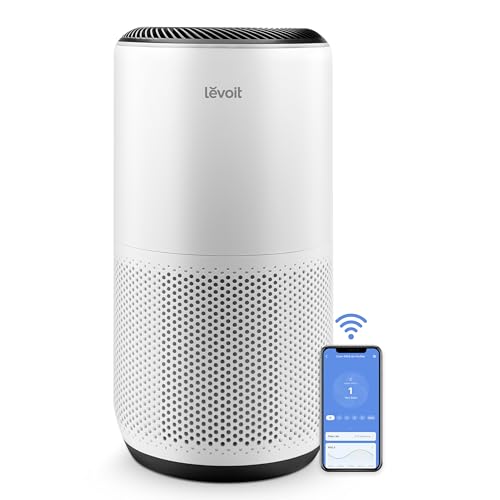
LEVOIT Core 400S — the purifier side, exemplified
Large-room smart purifier pick
At a glance: Smart purifier for large rooms up to 1,718 sq ft (maker’s figure) · HEPA filtration with a 3-in-1 filter · Auto mode and air quality monitor named in the listing · Sleep mode
Strengths
- Auto mode lets the machine respond to the room instead of running blind
- Large-room coverage class suits open living spaces where dust and pet loads are heaviest
- Sleep mode keeps it bedroom-viable overnight despite the fan
Trade-offs
- Adds no moisture whatsoever — dry-air complaints will remain untouched
- Filter cartridges are a recurring cost to budget for
- Smart features need setup that app-averse households may not want
Best for: dusty, pet-owning or pollen-troubled homes whose main rooms are large. Not suited for: anyone whose real complaint is winter dryness. Check price on Amazon

Levoit LV600S — the humidifier side, exemplified
Large-tank smart humidifier pick
At a glance: Warm and cool mist in one machine · 6L tank, coverage up to 753 sq ft (maker’s figures) · Top fill · Smart sensor with app and voice control named in the listing · Quiet sleep mode
Strengths
- Both warm and cool mist covers year-round preferences in one unit
- Large top-fill tank means fewer refills and easier cleaning access
- A built-in humidity sensor helps the machine hold a target instead of overshooting
Trade-offs
- Removes nothing from the air — dust and pollen are untouched
- Demands the regular tank cleaning and descaling every humidifier needs
- Warm mist means a heating element, so placement away from children matters
Best for: heated homes with dry bedrooms and living rooms through winter. Not suited for: anyone trying to solve dust, pollen or smoke. Check price on Amazon
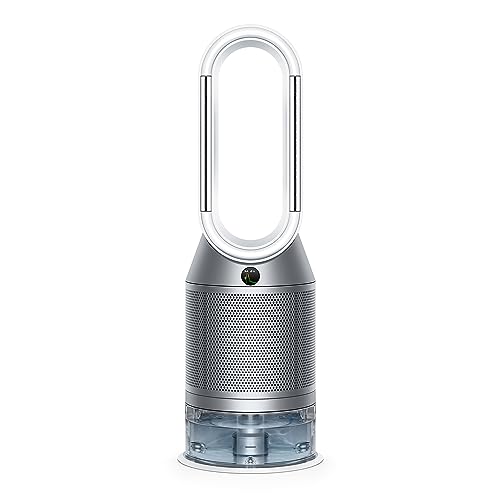
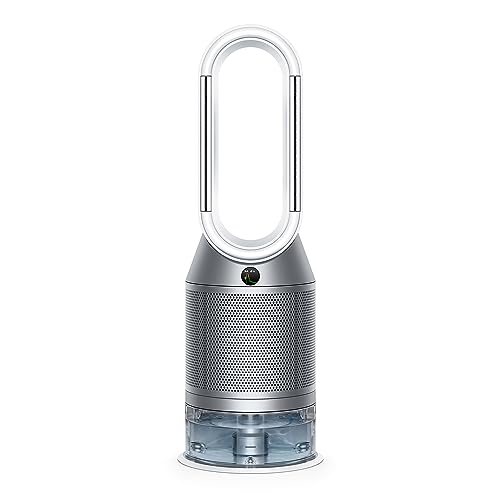
Dyson Purifier Humidify+Cool PH03 — the combination answer
Premium two-in-one pick
At a glance: Purifier, humidifier and fan in one tower · Dyson’s own listing under the Purifier Humidify+Cool name · Sealed filtration design is the brand’s stated approach · Premium tier positioning
Strengths
- One footprint does both jobs, which suits small flats and tidy bedrooms
- Purification and humidification are managed together rather than by two competing machines
- Fan function adds warm-weather usefulness the other two machines lack
Trade-offs
- Premium pricing buys convenience, not double performance in either role
- You still inherit the humidifier’s cleaning discipline
- If one function fails, both leave the room at once
Best for: small homes that genuinely need both jobs done and value one elegant unit. Not suited for: buyers who want the strongest dedicated machine in each role for the same money. Check price on Amazon — and the full single-product assessment is at Dyson PH03 review.
Diagnose Your Home Before You Spend Anything
Most wrong purchases in this category are diagnosis errors, so spend a week observing before you spend money. Keep a short note, room by room. Where does dust reappear fastest, and how soon after cleaning? Do you wake with a dry throat or tight skin, and does that track with the heating being on? Are there static shocks, and in which months? Is there condensation on bedroom windows in the morning — a sign of plenty of moisture, not too little — or are wooden surfaces and plant leaves drying out? Does the air smell of anything persistent, and can you name the source? A cheap hygrometer turns the moisture half of these questions from guesswork into numbers, and a torch shone across a darkened room at night shows you the airborne dust half more vividly than any advertisement.
Then match the pattern. Dust, pollen, hair and smells with comfortable moisture: purifier. Dryness symptoms with clean, fast-settling air: humidifier. Both patterns, which is the classic heated family home in winter: both machines, bought in the order of whichever problem bothers you more, and placed where each problem lives — purifier where life and pets happen, humidifier where people sleep. Condensation, musty smells and visible mould: neither — you have a moisture excess or a building problem, and adding a humidifier would make it worse; ventilate, find the source, and consider the dehumidifier guides such as best whole house dehumidifiers if the pattern fits. That single branch of the decision tree saves more money than any other paragraph on this page.
Can You Run Both at Once?
Yes — with two practical cautions. Place the machines a sensible distance apart rather than side by side: a humidifier venting moist air straight into a purifier’s intake makes the purifier work on damp air and can leave its filter musty over time, while a purifier’s outflow aimed at a humidifier’s sensor can confuse its readings. A few feet of separation in the same room, or different rooms entirely, avoids both. Second, keep the humidity target moderate. The comfortable middle range is the goal; a purifier does not license you to push moisture higher, and an over-humid room undermines the clean-air work by encouraging the damp conditions mould prefers. Run the purifier continuously at a low speed, run the humidifier as the season and the hygrometer dictate, and clean the humidifier on schedule. That combination — filtered air at sensible moisture — is what most people were actually imagining when they searched for either machine.
How to Run Each Machine Well
For the purifier: unwrap the filter before first use, stand the unit in the open with a clear intake, and run it continuously at the lowest speed that keeps the room feeling fresh, with boosts after cooking, vacuuming or a smoky day outside. Vacuum the pre-filter surface every few weeks, replace cartridges on the maker’s cycle, and keep a calendar reminder so the filter never quietly expires. For the humidifier: fill with fresh water daily rather than topping up stale water, empty and rinse the tank regularly, and do a proper clean and descale on the rhythm the maker specifies — sooner if you see film or smell anything musty. Use distilled or demineralised water if your tap water is hard and your design is ultrasonic, to avoid white mineral dust on furniture. Keep the mist outlet away from walls, bedding and electronics, and let the room’s hygrometer, not enthusiasm, decide the setting.
Both machines reward being placed where the problem actually is. A purifier in a hallway cleans hallway air; a humidifier in a spare room does nothing for the bedroom where you wake up dry. And both machines punish being bought and forgotten in opposite ways — the purifier by quietly ceasing to filter, the humidifier by quietly ceasing to be hygienic — so whichever you choose, put its one recurring chore in your calendar the day it arrives.
Common Mistakes on Both Sides
- Buying a humidifier for a dust problem, or a purifier for dry air — the diagnosis error this whole page exists to prevent.
- Running a purifier for an hour a day and concluding purifiers do not work.
- Topping up a humidifier tank for a week without emptying or rinsing it.
- Pushing humidity high enough to fog windows, then blaming the house for the resulting damp patches.
- Placing the two machines side by side so the purifier inhales the humidifier’s mist.
- Using fragrance oils to mask a musty humidifier instead of cleaning it.
- Expecting either machine to fix mould, leaks or a faulty boiler — source problems that need repairs and, where safety is concerned, professionals.
Final Verdict, by Situation
For the dusty, pet-owning, pollen-season household: purifier first, and the Levoit Core 400S class of large-room machine is the shape of the answer; add a humidifier later only if winter dryness proves itself. For the heated flat with dry skin, static and cracking furniture: humidifier first, exemplified by the LV600S, run with a hygrometer and a cleaning routine. For the small home that truly has both problems and hates clutter: the Dyson PH03 combination is the honest premium shortcut, assessed in depth at our Dyson PH03 review. For the damp, musty home: neither machine — fix the moisture source. And for everyone: diagnose first, buy once, and maintain what you bought. Readers narrowing the purifier side can continue at best air purifiers for a bedroom or best whole home air purifiers, and the moisture side at best whole house humidifiers.
Buying Guide: Choosing Well on Either Side
On the purifier side, choose by room size first: measure the room, then pick a machine whose maker-rated coverage comfortably exceeds it, because ratings assume ideal conditions. Look for a genuine HEPA layer and, if smells matter to you, a carbon layer with some substance to it rather than a token scented sheet. Check the replacement filter’s current price before you buy the machine, and treat that as part of the purchase. Decide honestly about smart features: auto modes and air-quality sensors genuinely help households that will never think about fan speeds again, while simple on-unit controls suit households that distrust apps. Finally, think about noise at the speed you will actually use, which is rarely the whisper-quiet lowest setting quoted in headlines and rarely the loudest boost either — the middle speeds are where purifiers live, and that is the sound you are buying.
On the humidifier side, choose by tank size and cleaning access before anything else, because those two factors decide whether the machine is still in use by February. A tank that lifts off easily, fills under a tap and opens wide enough to scrub inside will be cleaned; a sealed, fiddly tank will not, whatever your intentions in the shop. Match the mist type to your household: cool mist is the usual default around children and pets, warm mist feels cosier to some adults but involves a heating element, and evaporative designs avoid mineral dust at the cost of a wick to maintain. A built-in humidity sensor that can hold a target level is worth having, because overshooting is the humidifier’s characteristic failure. And buy the hygrometer at the same time — judging humidity by feel alone is how rooms end up either still dry or quietly dripping.
On both sides, beware the combination bargain that promises everything. Genuine combination machines exist — the Dyson covered in this comparison is one — but the market also contains humidifiers with a token filter pad marketed as purification, and purifiers with a damp sponge marketed as humidification. The test is simple: does each function have its real mechanism — a proper sealed filter path for purification, a proper tank and vapour output for humidification — or a gesture toward one? Gestures do neither job, and the money is better spent on one real machine now and the other later.
Scenario Guide: Eight Homes, Eight Answers
The young family in a heated flat, with a baby, dry winter air and a dog: you have both problems, split by room. The humidifier belongs in the bedroom where everyone sleeps, sized modestly and cleaned religiously; the purifier belongs in the living room where the dog, the visitors and the day’s dust are. Buy the humidifier first if broken sleep from dry air is the nightly complaint, the purifier first if the dog’s shedding season is what you see and smell.
The pollen-season household in a leafy suburb: purifier, and it is not close. Your problem arrives on the air, in particles, and only filtration addresses it. Run the machine in the bedroom as well as the living room if nights are the worst — many households buy one large unit for the day rooms and a compact one for sleeping. The humidifier question can wait until winter, and may never need asking if your heating is gentle.
The home worker in a small city flat near a busy road: purifier first, for traffic dust and fumes, with a carbon layer that earns its place. Your flat’s moisture is probably adequate, because small occupied flats generate plenty of water vapour from cooking, showers and breathing; measure before assuming otherwise. If a hygrometer later proves the air genuinely dry in winter, a small bedroom humidifier is a cheap second act.
The older house with wooden floors, a piano and winter static that bites: humidifier first. Your building and its contents are telling you the air is dry, and stable moderate moisture protects wood as well as comfort. A purifier earns a place only if dust or a pet enters the picture; otherwise you would be filtering air that was never your problem.
The wildfire-region household: purifier, urgently and generously sized, with attention to carbon for the smell that permeates everything in smoke season. Keep spare filters in the house before the season starts, because that is when shops sell out. A humidifier is irrelevant to smoke and its moisture can even make smoky air feel heavier; leave it in the cupboard until the air outside clears.
The renter in a damp-prone flat with black spots in the bathroom corners: neither machine, and please do not buy a humidifier. Your moisture is already excessive where it matters. Ventilate after showers and cooking, report leaks and mould to your landlord, keep furniture a little off cold external walls, and consider a dehumidifier for the worst room if the pattern is chronic. A purifier can help a room feel fresher once the damp itself is dealt with, but it is the garnish, not the meal.
The plant lover whose tropical collection crisps every winter: humidifier, placed among the plants, with the honest caveat that a single room humidifier raises ambient moisture modestly rather than recreating a greenhouse. Grouping plants together, pebble trays and the humidifier together do more than any one measure. Your purifier, if you own one for dust, should stand apart from the plant corner so it is not inhaling constant mist.
The household that simply feels its air is ‘stale’: start with ventilation and diagnosis, not a purchase. Staleness is often carbon dioxide and cooking residue in a sealed modern home, and the cheapest fix is airing rooms daily. If the feeling persists with windows managed, a purifier with carbon usually addresses what remains; if the staleness comes with dry throats and static, the humidifier joins it. Measure, ventilate, then buy — in that order.
A Seasonal Calendar for Households That Own Both
Spring: purifier to the fore for pollen; windows shut on high-count mornings; humidifier cleaned, dried and stored rather than left standing with water in it. Summer: purifier continues for dust, traffic and any smoke; humidifier stays stored unless your climate or air conditioning dries the air unusually — in which case run it modestly and watch the hygrometer, because summer overshoot invites mustiness. Autumn: heating returns, settled dust stirs, purifier up a gear for a week; retrieve the humidifier, clean it before first use, and start it when the hygrometer — not the calendar — says the air has dried. Winter: both machines in their rhythm, purifier continuous and low, humidifier holding a moderate target in the sleeping rooms, with its weekly clean diarised. That calendar, unglamorous as it is, is what ‘good indoor air’ actually looks like in practice: not a machine, but a routine.
Myths That Sell the Wrong Machine
Myth one: a humidifier cleans the air because the room feels fresher. Moist air can feel fresher while containing exactly the same dust and pollen; feeling is not filtration. Myth two: a purifier dries the air out. It removes no moisture; the sensation comes from moving air on skin. Myth three: bigger humidity is always healthier. Past the comfortable middle, extra moisture condenses, feeds mould and damages the home — the hygrometer exists precisely to stop enthusiasm overshooting. Myth four: a purifier makes ventilation unnecessary. Filters handle particles and some odours; they do not refresh oxygen or remove the moisture and carbon dioxide a household generates, so airing rooms still matters. Myth five: one machine in the hall serves the whole house. Air does not commute through closed doors for either machine; place each where its problem lives. Every one of these myths survives because it contains a grain of felt experience — and every one leads to a purchase that disappoints for a diagnosable reason.
Where Each Machine Sits in a Whole-Home Air Routine
It helps to place both machines in the wider routine they belong to, because neither is the foundation of it. The foundation is source control: fix leaks, service combustion appliances, use the cooker hood, vacuum with a machine that does not redistribute dust, wash bedding hot and regularly, and keep soft furnishings as clean as life allows. The second layer is ventilation: outdoor air, admitted when it is clean and dry enough, dilutes what indoor life generates in a way no appliance fully replaces. Only then come the machines, each polishing a specific dimension — the purifier polishing particles and odours, the humidifier polishing moisture. Households that buy the machines first and skip the foundations end up asking appliances to compensate for a shedding rug, a broken extractor and a leaking pipe, and then conclude the appliances are useless. Households that build the layers in order find the machines are the easy final step. That ordering also explains the one situation where both answers in this comparison are wrong: when the foundation itself is broken, as with damp and mould, no amount of polishing substitutes for repair.
There is a budgeting lesson in the same picture. Spend first on the hygrometer and on the source fixes that cost little — a cooker hood filter, a vacuum service, bedding you can wash hot. Spend next on the machine that matches your diagnosed problem, sized properly rather than stretched across the whole house. Spend last, and only if the second problem proves itself over a season, on the other machine. Households routinely invert that order, buying both machines in a single anxious weekend and neither a hygrometer nor a filter for the hood — and then maintain neither machine, because two new routines arrived at once. One machine, learned properly, maintained faithfully, beats two neglected ones on every measure that matters, including the only one that counts in the end: whether the home actually feels better to live in, month after month, when the novelty has worn off and the routine is all that remains.
The Five-Question Decision, in Order
If you take nothing else from this page, take these five questions in this order. First: is there damp, condensation or mould anywhere in the home? If yes, stop — neither machine is the next step; ventilation and repair are. Second: what does a hygrometer say in the rooms where you sleep and live? Persistently low readings in the heating season make the humidifier case; comfortable readings close it. Third: what settles on your surfaces, and how fast? Visible dust returning within days, pet hair in sunbeams and pollen that follows you indoors make the purifier case. Fourth: which complaint would you pay to remove tonight — the dry throat or the dusty shelves? Buy that machine first, learn its routine for a month, and only then judge whether the second problem still justifies the second machine. Fifth: who in this household will do the humidifier’s cleaning, by name, and on which day? If the honest answer is nobody, buy the purifier and a smaller, simpler humidifier later — or accept dry air and spend the money on the source fixes. Five questions, honestly answered, outperform any amount of specification comparison, because the best machine in this category is reliably the one that matches the diagnosed problem and the household’s real habits.
Notice what those questions never ask: which machine is more advanced, more popular or more heavily advertised. The purifier and the humidifier are both mature, simple technologies whose differences in daily life come down to fit, sizing and upkeep rather than features. A modest machine in the right room, maintained on schedule, will outperform a flagship in the wrong room with an expired filter or a slimy tank, every single week of the year. That is the comparison’s real verdict, underneath all the tables: diagnose honestly, place deliberately, maintain faithfully — and either machine will repay you.
One last scenario deserves a sentence of its own, because it arrives in our reading more than any other: the household that bought the wrong machine first. Do not compound the error by defending the purchase. A humidifier bought for dust can be cleaned, dried and stored for the winter it will genuinely serve, or passed to the relative whose heated flat needs it; a purifier bought for dry air can move to the room where dust actually gathers. The diagnosis framework in this article works just as well for the machine already in your cupboard as for the one in your basket — and recognising a mismatch early, while returns are still possible, is worth more than any discount code.
Keep the receipt, the filter date and the cleaning schedule together in one note on your phone, whichever machine you buy. That single habit — knowing what you bought, when its consumable expires and when its next clean is due — is the difference between appliances that quietly serve a household for years and appliances that quietly stop working while everyone assumes otherwise.
Reading Your Home Over a Week, Not a Moment
The purifier-versus-humidifier question is often asked at the worst possible moment: during a single dry evening, a dusty weekend of decorating, or the first cold snap of the year. A fairer way to decide is to watch the home for a week and note which complaint actually recurs. Keep a simple record on paper or in a phone note: the time of day you notice dry skin, a scratchy throat on waking, static shocks from door handles, visible dust drifting in sunlight, or condensation on bedroom windows in the morning. Patterns matter more than single episodes. Dryness that appears only on the coldest nights, when heating runs longest, points toward humidity support in the bedroom. Dust that is worst after vacuuming, visitors, or opening windows on a high-pollen day points toward particles, and therefore toward filtration.
A basic hygrometer, the small dial or digital gauge sold for greenhouses and reptile tanks as readily as for homes, turns guesswork into something steadier. Place it where you sleep for two or three nights, then in the living room for the same period, and compare the readings morning and evening. Many households discover the two rooms live in different climates: a well-sealed, heated bedroom may sit far drier than a kitchen-influenced living space where cooking and showers add moisture daily. That discovery alone often resolves the either-or framing, because the honest answer becomes room-specific: filtration where particles gather, humidity where dryness bites, and neither where the air is already comfortable.
Children, older relatives and guests complicate the picture in a useful way, because they reveal sensitivities the main occupants have adapted to. A grandparent who coughs through every visit, or a child whose eczema-prone skin flares in one room but not another, is giving you information about that room. Treat those observations as prompts to check humidity and dust in that specific space, not as a verdict on the whole house, and not as a medical conclusion. If symptoms are persistent or worrying, the right next step is a conversation with a clinician; machines can adjust comfort, but they cannot explain a symptom.
Sharing One Socket: Routines for Homes That Own Both
Households that end up owning both machines often worry they have bought a contradiction. In practice the two devices divide the year and the floor plan between them quite naturally. Filtration tends to earn its place during pollen season, decorating projects, wildfire-smoke days in affected regions, and any period when windows stay open and outdoor particles come in. Humidity support earns its place during the heating season, when indoor air dries out for weeks at a time. Many homes therefore run the purifier as the near-constant background appliance and bring the humidifier out as a seasonal specialist, stored clean and dry in between.
Where both run in the same period, separation helps. A modest distance between the machines keeps the humidifier’s moist output from being drawn straight through the purifier, which can load a filter with damp dust and shorten its useful life. If they share a bedroom, place the humidifier nearer the bed, where its effect is felt, and the purifier where room air circulates freely, and avoid aiming moist output directly at the purifier’s intake. Timers help too: humidity support concentrated overnight, when dryness is most noticeable and doors are closed, with filtration running steadily across the day, is a rhythm many households find easy to keep.
Maintenance is where combined ownership succeeds or fails, because two machines mean two routines competing for the same limited attention. Pair each task with an existing habit: humidifier rinsing with the morning kettle, filter checks with the monthly smoke-alarm test, deep cleaning with the change of bedding. A routine attached to something you already do survives; a routine that relies on remembering a date on a calendar usually does not. If you know your household will only sustain one maintenance routine well, that is a genuine argument for choosing one machine and using it properly over owning both and neglecting each.
Frequently Asked Questions
Can either machine help with snoring?
Dry air can leave the nose and throat feeling parched overnight, and some people find that comfortable humidity makes breathing feel easier and sleep less disturbed, which may in turn mean quieter nights for some sleepers. That is a comfort effect, not a treatment, and snoring has many causes that no appliance addresses. A purifier has no direct bearing on snoring at all. If snoring is loud, nightly, or accompanied by pauses in breathing or heavy daytime sleepiness, treat that as a reason to seek professional advice rather than to shop for a device.
Which machine should a renter buy first?
Renters usually benefit from starting with the machine that matches the complaint they cannot fix by changing the building. You cannot easily improve a landlord’s ventilation or replace single-glazed windows, but you can filter the air in the room you sleep in, or add humidity to a bedroom dried out by storage heaters. Choose the portable, room-scale answer to the problem you feel most nights, keep the packaging in case a move comes quickly, and favour models with widely available replacement filters or simple, filter-free designs that will not strand you if you relocate.
Which is better for a bedroom, a purifier or a humidifier?
It depends entirely on what bothers you in that bedroom. Dust, pollen and a room that feels stale point to the purifier; waking dry-throated in the heating season points to the humidifier. Many bedrooms end up with both, run as described above, with the purifier on its quiet overnight setting. If budget forces one choice, fix the problem you actually notice every night.
Can a humidifier clean the air at all?
No, not in any meaningful sense. A humidifier adds water vapour; it has no filtration stage for room air, and any dust in the room stays in the room. Some combination machines genuinely do both jobs because they contain a real purifier as well — that is a purifier and a humidifier sharing a body, not a humidifier cleaning air by itself.
Will a purifier make my dry-air symptoms worse?
A purifier does not remove moisture from the air, so it does not lower humidity. Moving air can feel cooler and, to some people, slightly drier on the skin, but the room’s actual moisture level is unchanged. If dryness is your complaint, the answer is added moisture, not less filtration.
Is it safe to run a purifier and humidifier in the same room?
Yes, with sensible separation between the machines, a moderate humidity target, and the humidifier kept clean. Avoid aiming moist output straight into the purifier’s intake, and stop and clean the humidifier if anything smells musty. Households with health concerns should take advice from a qualified professional for their situation.
What if my home is damp rather than dry?
Then neither of these machines is your answer, and a humidifier would actively make things worse. Condensation, musty smells and mould point to excess moisture or a building fault: ventilate, find and fix the source, and look at dehumidification if the pattern is whole-house. Do not try to purify your way out of a damp problem.
Which machine costs less to run?
In electricity both are modest. In consumables, the purifier asks for a filter cartridge on a cycle of months; the humidifier asks mainly for your time — daily filling and regular cleaning — plus water treatment in hard-water areas. The purifier is the lower-effort machine overall, which is worth weighing honestly against your household’s routines.