Disclosure: As an Amazon Associate, dailyhomedecorating.com earns from qualifying purchases. Links on this page are affiliate links; they cost you nothing extra. Prices and availability change often, so check the current Amazon listing before you buy.
This bento lunch box review assesses the category the way we would assess any piece of daily equipment: not by how it photographs, but by how it behaves across a working week of packing, carrying, eating and washing. A bento lunch box is used more often than almost anything else in a kitchen — twice a day, every weekday, in bags and classrooms and cars — so small virtues and small irritations compound faster here than in any other container category. We look at design and build, at performance across four real use cases, at how the leading designs differ, and at who should buy each type and who should skip the format altogether.
Our verdict, up front. For most adults, a gasketed plastic tray with a removable inner tray is the bento to buy: it seals, it reheats, it washes easily, and it asks little of you. For most children, the deciding feature is not compartments but the latch, and the best children’s boxes are the ones small hands open without help. Stainless steel is the connoisseur’s choice — beautiful, permanent, and entirely unbothered by a decade of use — provided your lunches are dry and your destination has a plate. Insulated boxes with a flask are the specialists, worth their bulk and premium tier the moment hot food matters. The detail behind those sentences follows, and every model named is described in prose; check price on Amazon for the current listing of any that interest you.
Key Takeaways
- The category splits cleanly into plastic trays, stainless steel trays, insulated flask systems and two-tier designs; each has a distinct owner.
- Sealing quality, latch design and gasket access separate the boxes that last from the boxes that fade within a year.
- In real use, bento boxes excel at composed, room-temperature lunches and struggle honestly with soup, bulk portions and very tall food.
- Removable trays and gaskets are the strongest predictors of long-term satisfaction in owner feedback.
- Buy for your most common lunch and your actual bag; the best-specified box that stays home is worthless.
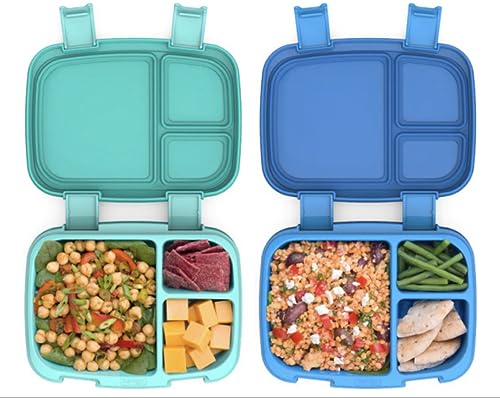
Bento Lunch Box Review: What This Product Is and Where It Fits
A bento lunch box is a rigid container divided into fixed compartments under a single lid, intended to carry a complete meal in which each food keeps its own space. The format descends from Japanese bento tradition, where a meal is composed — a staple, a protein, vegetables, something pickled, something sweet — and the box’s divisions are part of the cuisine rather than packaging around it. Western versions keep the divisions and adapt the materials: moulded plastic with silicone gaskets, stainless steel, insulated shells with vacuum flasks, and stacking tiers.
In the kitchen ecosystem, the bento sits between the plain storage tub and the thermal flask. It is not a storage product, though it lives in the same cupboard; it is a serving product, closer to a plate with a lid than to a canister. That distinction explains both its strengths and its limits. Judged as storage, a bento looks inefficient — fixed shapes, modest capacity, air in the compartments. Judged as a portable plate, it is superb: lunch arrives composed, separated and ready, and eating from it feels like a meal rather than a unpacking. Most disappointment with bento boxes comes from buying one while expecting the other.
The market segments by eater. Adult boxes emphasise capacity, restraint and microwave-friendly materials. Children’s boxes emphasise opening, toughness and trays that lift out. Insulated boxes emphasise temperature. Steel boxes emphasise permanence. Within each segment, designs differ less in compartment count than in the quality of their lids, latches and seals — the unglamorous parts this review weighs most heavily, because they are what a year of daily use actually tests. Readers who want the category’s full decision framework alongside this review will find it in our bento lunch box buying guide; readers who want the trade-offs argued rather than assessed can turn to our bento lunch box pros and cons analysis.
In this guide
Design, Build and Setup
Pick up the leading designs and the first impression is of a category that has matured. Trays are thick-walled and rigid, dividers reach close to the lid so food stays in its compartment, and the better lids close with a calm, even pressure rather than a wrestle. The design language splits by material. Plastic trays are sculptural — rounded compartments, integrated latches, colours from school-bright to office-grey. Steel trays are architectural: pressed compartments, a flat latched lid, an air of cafeteria permanence. Insulated boxes are the most engineered, with handles, wide bases for stability and a flask that lifts out from the centre of the layout. Two-tier designs are the minimalists, two shallow boxes and a band, closer to tableware than equipment.
Build quality announces itself in the lid. On the best plastic designs, a silicone gasket runs in a channel around the lid’s edge, latches engage at several points, and the seal is even enough that a compartment of yoghurt survives a commute at an angle. On lesser designs the gasket is thinner, the latch single, and the seal a hope rather than a mechanism. Steel lids typically forgo the gasket entirely — an honest design decision, since the format expects dry food — and rely on a firm latch and the user’s understanding. Hinges matter more than they should: the tray-and-shell designs that separate completely for washing avoid the hinge problem altogether, which is one reason they dominate the adult market.
Setup, such as it is, takes one wash. There are no parts to assemble beyond reseating a gasket or dropping a tray into its shell, no learning curve beyond the geography of the compartments. The only genuine setup advice is behavioural: pack the first lunches in the evening, learn what fits where without time pressure, and if the box is for a child, rehearse opening and closing at the kitchen table until it is boring. A bento that has been rehearsed is a bento that works on day one; a bento first opened in a noisy lunch hall is a small emergency. Everything else about the category’s ownership is care, which we cover near the end of this review.
The Designs Assessed in This Review
Five real, widely available designs anchor this review, one for each strand of the category. Each is described in prose at a qualitative tier; check price on Amazon for the current listing and bundle.

Bentgo Fresh — The Adult Plastic Benchmark
The Bentgo Fresh is the reference point for adult plastic bento: four compartments in a removable tray, a gasketed outer lid with latches, and a layout built around a main plus sides. In use, its virtues are the quiet ones — the seal contains dressed salad, the tray reheats and washes separately from the shell, and the proportions match real adult lunches. Its limitations are equally characteristic: two-handed latching, a footprint that wants a proper lunch bag, and plastic’s eventual staining. Best for: daily adult commuters. Not suited for: children or hot food. Tier: mid.

Bentgo Kids — The Children’s Benchmark
The Bentgo Kids shrinks the formula intelligently: five smaller compartments, one latch, a drop-resistant shell and a removable tray. The portioning is the design’s intelligence — a full box is a right-sized child’s lunch — and the single latch respects small hands. It will be outgrown, as all children’s equipment is, but across the years it fits, it is close to faultless at its job. Best for: nursery and primary-age children. Not suited for: teenagers or large appetites. Tier: entry to mid.
OmieBox — The Insulated Specialist
The OmieBox builds an insulated box around a removable vacuum flask, so hot and cold food travel together. It is the heaviest and bulkiest design here and sits at the premium tier, and in exchange it does the one thing no tray can: it serves a hot main at lunchtime in a building with no microwave. The flask portion is child-sized or a modest adult main; the surrounding compartments handle the cold supporting cast. Best for: school lunches and microwave-free workplaces. Not suited for: minimalists or big appetites. Tier: premium.
PlanetBox Rover — The Stainless Steel Standard
The PlanetBox Rover is a five-compartment steel tray with a latched lid and an ecosystem of accessory pots for dips and dressings. Its build is the story: nothing to stain, nothing to scent, nothing to crack, and a composed, almost ceremonial presentation of food. The absence of a liquid seal and of microwave compatibility are not oversights but the steel format’s terms, stated plainly. Best for: dry, composed lunches and plastic-averse households. Not suited for: reheating or wet food without accessories. Tier: premium.
Monbento MB Original — The Two-Tier Alternative
The Monbento MB Original stacks two sealed tiers and looks like design object rather than lunch equipment. It suits course-style eating — main below, salad or dessert above — and the option to carry one tier on a light day is a flexibility no single tray offers. Capacity is moderate and tall food is unwelcome, but for the adult it suits, it is the box most likely to be carried with pleasure. Best for: design-conscious adults and course-style meals. Not suited for: very large or very wet lunches. Tier: mid to premium.
Performance in Real Use
The School Run
School is the format’s most demanding environment: a box packed at dawn, carried in a bag that is swung, dropped and left in a warm room, opened by small hands under time pressure, and returned home with a verdict. Children’s bento designs pass this test on three points — the latch, the tray and the portions. A box a child opens alone preserves both the lunch and the child’s dignity; a removable tray contains the aftermath; honest child-sized portions mean the box comes home empty, which is the only review score parents truly track. Insulated designs add the hot-food dimension that transforms school lunch from sandwich rotation to real meals, and parents consistently describe that as the premium tier justifying itself. Where school exposes weakness is in seals asked to contain yoghurt in a bag carried upside down — the best gasketed designs cope; perimeter-only designs teach the lesson once.
The Office Commute
For adults, the commute is the seal’s examination and the office is the microwave’s. A gasketed plastic tray rides against a laptop without incident, reheats its tray at noon, and returns home to a two-minute wash; across a month of weekdays this routine is where the category earns its reputation. Steel’s office performance is a study in trade-offs: the lunch presents beautifully and the box feels permanent, but reheating means finding a plate, and a dressed salad means remembering the accessory pot. Two-tier designs perform elegantly for the salad-and-main eater and awkwardly for the leftover-curry eater. The consistent finding across designs is that the box disappears when it matches the routine and intrudes when it does not — there is no design that survives a fundamental mismatch, and no mismatch that good specifications can rescue.
Meal Prep and the Fridge
Used as meal-prep equipment, bento boxes show both their composition genius and their storage limits. A Sunday session portioning composed lunches into identical trays produces a fridge shelf of rare order — each day’s lunch complete, stackable, grab-and-go — and for people whose prep is composed meals, this is the format at its best. For bulk prep of a single dish, the fixed compartments waste space and the trays lose to plain tubs, which stack denser and freeze better. The hybrid that experienced preppers settle on is instructive: tubs for the batch, a bento for the day. The bento is filled from the tubs each morning or evening, which takes two minutes and converts storage into a meal. Judged as a system rather than a single product, that pairing is hard to beat, and it is how most long-term bento owners actually live.
Days Out, Picnics and Travel
Outside the routine, the bento’s composed nature makes it a natural picnic and travel format: one box per person, each lunch complete, no shared tubs to pass around. Grazing layouts shine here, and steel trays come into their own outdoors, unbothered by being sat on or dropped on grass. The cautions are temperature and time — a plain tray on a hot day needs an insulated bag and an ice pack, and a long journey pushes any design’s freshness. For car travel and days out, the format’s one-item discipline is a genuine pleasure: headcount in, headcount out, nothing left behind in a layby. It is a use case the category was not designed for and handles gracefully, which says something good about the underlying idea.
Strengths and Trade-Offs
Strengths
- Composed meals, every day. The dividers are the product: flavours and textures stay separate, portions structure themselves, and lunch arrives as a meal rather than a mixture.
- One-item discipline. One box to pack, carry, open and wash replaces a small fleet of tubs and pots, and the routine it creates is sustainable in a way multi-container systems often are not.
- A design for every eater. The category’s strands — plastic, steel, insulated, two-tier — map honestly onto real routines, so a well-matched buyer is genuinely well served rather than compromised.
Trade-offs
- Rigidity is the price of structure. Fixed compartments cannot adapt to tall, bulky or awkward food, and very wet food is excluded from most designs; the food adapts to the box, not the reverse.
- Temperature neutrality. Plain trays neither heat nor cool; cold food drifts warm and hot food drifts cold unless you step up to insulated designs with their bulk and premium tier.
- Wear concentrates in the lid. Latches, hinges and gaskets decide lifespan across every material, and they demand a small daily care routine that the format cannot waive.
How It Compares
| Criterion | Bento lunch box | Plain container set | Flask and insulated bag | Glass containers |
|---|---|---|---|---|
| Meal composition | Excellent | Manual — several tubs | Poor | Moderate |
| Liquid sealing | Good in gasketed plastic; poor in steel | Good in leakproof models | Excellent | Good |
| Reheating | Plastic yes; steel no | Usually yes | No — heat before filling | Excellent |
| Durability | Steel excellent; plastic good | Good | Good | Breakable |
| Weight in bag | Light to moderate | Light | Heavy | Heavy |
| Best role | Daily composed lunch | Storage and bulk prep | Hot food anywhere | Home and desk reheating |
The comparison clarifies the bento’s territory: it is the only option built around the meal itself rather than around storage or temperature. Where a rival wins a row, it wins by specialising — the flask on heat, glass on reheating, tubs on bulk. The bento’s claim is the whole lunch, composed, on an ordinary day. Buyers whose lunches live on that territory will find the comparison almost irrelevant; buyers whose lunches live elsewhere should believe the table and buy the specialist. Our bento lunch box reviews roundup scores the individual models against each other, while this review’s job is the category itself.
Who Should Buy It — and Who Should Skip It
Buy a bento lunch box if you pack lunch at least three times a week, if your meals naturally compose into a main plus sides, if you value portion structure without effort, or if you are packing for a child who eats better when foods are separate and who needs a box they can open alone. Buy plastic if you reheat and carry wet food; buy steel if your food is dry and your horizon is years; buy insulated if hot food is the point; buy two-tier if you eat in courses and carry light. Within those matches, the category delivers exactly what it promises, daily.
Skip it if your lunch is usually soup, stew or a single bulky portion; if you pack rarely enough that a washing routine will never form; if your appetite needs volume no tray offers; or if you know, honestly, that a fixed layout will irritate you within a fortnight. Those buyers are better served by a good leakproof tub or a flask system, and there is no shame in the verdict — the bento is a specialist that markets itself as a generalist, and this review exists partly to correct that.
Before buying, run this checklist. Does the main compartment fit your usual main dish whole? Can the intended user open and close the lid unaided, every time? Does the seal match your wettest regular food? Does the material match your reheating reality? Does the box fit the bag it will ride in? Is the gasket removable and the tray separable for washing? Six yeses make a purchase; any no names the compromise you are accepting. The step-by-step version of this logic lives in how to choose a bento lunch box.
Setup, Care and Maintenance Essentials
Ownership is simple but not effort-free. Wash all parts before first use. After each use, rinse or wash the same day; remove the gasket periodically and wash beneath it, because that hidden channel is where odours are born. Dry everything open and store the box unlatched so the gasket rests uncompressed — this one habit measurably extends sealing life. Plastic trays can stain from tomato and turmeric; a paste of bicarbonate of soda left briefly on a stain lifts most of it, and accepting faint staining as patina lifts the rest. Steel needs only washing and drying, and rewards it by looking new for years. Insulated flasks perform best pre-warmed or pre-chilled to match their contents, and their seals deserve the same gasket care as any tray.
Two habits protect the whole system. First, let hot food cool before sealing it into any bento for carrying, because trapped steam condenses and makes everything damp — room-temperature packing is the tradition the format grew up with, and it exists for this reason. Second, keep one small lidded pot in the system regardless of your box’s seal, for dressings and sauces; it is the cheapest insurance in lunch packing. Treat the box this way and the designs in this review will serve for years — the same routine-care logic that keeps any hardworking kitchen system, from lunch boxes to the organisers in our makeup organisers guide, performing as it did on day one.
Value and Tiers, Assessed
This review works in qualitative tiers deliberately, and the reasoning deserves a paragraph. Lunch box line-ups are rebundled constantly — a box sold alone in spring is sold with a bag and cutlery by autumn — and a price printed in a review is a small falsehood within weeks. What endures is the tier logic. At the entry tier, you are buying the format test: a functional compartmented box whose latches and seals are adequate, ideal for discovering whether bento suits your life and for spares. At the mid tier, you are buying refinement where it matters — even gasketed seals, removable trays, latches engineered for thousands of cycles — and for most adults this is the value summit of the category. At the premium tier, you are buying one of two things: permanence, in steel, or a capability, in insulation and hot food. Both are legitimate; neither is necessary for a good lunch.
The value mistake is confusing tier with virtue in either direction. The premium steel box is poor value for a reheater and excellent value for a dry-food devotee who will use it for years; the entry box is excellent value as a first experiment and poor value as a third replacement for its own broken predecessor. Cost per use is the only honest metric, and it is dominated by a variable no reviewer controls: whether the box is used daily. A mid-tier box used two hundred times a year is cheap by any arithmetic; a premium box used twice is a ornament. That is why this review keeps returning to fit — of size, of latch, of material to routine. Fit is what converts a purchase into a cost per use so low the tier stops mattering, and fit is available at every tier for the buyer who diagnoses their own lunch honestly before shopping.
Final Verdict
The bento lunch box is a mature, well-differentiated category whose best designs genuinely improve the daily lunch of the people they match. The plastic tray is the right default for adults, the latched children’s tray is a small triumph of appropriate design, steel is the permanence play, and the insulated flask box is a specialist that earns its premium the first time a child opens hot pasta in a cold lunch hall. Buy the strand that matches your routine, respect the lid and the gasket, and the box will repay you every weekday. If this review has a single sentence to be remembered by, it is that the best bento lunch box is not the one with the most compartments, the strongest seal or the finest material in the abstract — it is the one whose assumptions about food, hands, bags and washing match your household so closely that using it feels like no decision at all. Every design assessed here achieves that for somebody; the buyer’s work is to discover whether that somebody is them, and the checklists, comparisons and use-case notes above are the fastest route we know to finding out before the money is spent rather than after. Whether the value equation works for your household is the subject of our verdict on whether a bento lunch box is worth it.
A Month of Ownership: What Changes After the First Week
Most reviews, this one included, can only simulate the first impression. Ownership has a second act that is worth describing, because it is where the category’s reputation is actually made. In the first week, everything is novelty: the compartments delight, the packing feels like a small craft project, and even the washing is part of the ritual. By the fourth week, the ritual has either become invisible — the box packed in four minutes while the kettle boils, washed without thought while dinner cooks — or it has become friction, and the box is used on Mondays only. The difference between those outcomes is rarely the box’s specification. It is whether the box fits the bag, the bag fits the commute, the latch fits the hands and the layout fits the food. Fit compounds; specification merely starts.
Two changes surprise new owners. The first is that their lunches improve in variety without any resolution to eat better — the empty compartment effect described elsewhere in our coverage is real, and a month of it measurably changes what a household buys at the weekend, because bento-friendly foods (berries, cherry tomatoes, cheese portions, nuts, dips) start appearing on the shopping list unbidden. The second surprise is how personal the box becomes. A daily object handled twice a day acquires the status of a favourite mug; owners develop loyalty to a layout and irritation at substitutes. This is why we advise living with one box for a month before standardising a household on it: the second act cannot be rushed, and it is the act that decides whether a premium purchase was wisdom or waste.
Wear, at one month, should be nil on any design in this review. Gaskets should seal as new, latches should close with their original action, and plastic should be unmarked beyond perhaps a faint souvenir of a tomato sauce. If a box shows meaningful wear inside a month of normal use — a loosening latch, a gasket that needs pressing twice — that is the design telling you its lifespan, and it is information worth acting on while returns are still possible. The category’s good designs are boringly durable at this horizon; that boredom is the quality.
The Details Listings Don’t Show
Some of the most consequential properties of a bento box never appear in a listing, and a review should name them. Divider height is one: dividers that stop well short of the lid let small items — peas, berries, nuts — migrate between compartments in a shaken bag, while full-height dividers keep the map of the meal intact. Lid geometry is another: a domed lid gives soft and tall food room, a flat lid compresses it, and the difference decides whether a sandwich arrives as packed. The sound and feel of the latch is a third — a latch that closes with a definite, low-effort action will be closed properly every time, including by tired adults and small children, while a stiff latch invites the half-closed carry that ends in a bag incident.
Then there is the empty-box test: how the box behaves when it is not carrying lunch. Does it nest or stack with its siblings in the cupboard, or does every box demand its own territory? Does the lid store with the base, or does it begin the slow migration that fills drawers with orphaned lids? Does the box fit the dishwasher’s top rack without monopolising it, and does it dry in reasonable time or hold pools of water in its compartments until morning? None of these properties sells a box, and all of them shape ownership. The designs assessed here handle most of them well — tray-and-shell systems store as one unit, steel trays stack flat — but the questions are worth asking of any design you consider, because the answers are the difference between equipment and clutter.
Finally, the detail nobody lists: how the box ages in appearance. Plastic clouds and stains gradually; for some owners that patina reads as a tool well used, for others as decline, and the difference is temperamental rather than technical. Steel’s appearance is stable for years, which is part of its premium logic. Two-tier designs in pale colours show every turmeric encounter. None of this affects function, but a box you are faintly embarrassed by is a box you will eventually leave at home, and since a bento only works when carried, appearance is — unexpectedly — a performance specification.
Sizes and Layouts, Compared in Depth
Because fit decides more than features, it is worth slowing down on the geometry. Adult trays divide into two philosophies. The main-plus-sides layout — one large compartment with two or three smaller ones — assumes a conventional lunch: a principal item and supporting acts. It is the most versatile pattern and the one the Bentgo Fresh represents. The equal-compartments layout — four or five spaces of similar size — assumes a grazing lunch and serves snackers, tasters and many children better, at the cost of refusing any single large item. Two-tier layouts split the difference vertically, mains below and lighter food above, and reward course-style eaters while frustrating anyone whose main is tall. Insulated layouts are dictated by the flask: a central hot portion with cold compartments around it, which suits a hot-main-plus-sides meal and nothing else quite as well.
Children’s sizing deserves its own paragraph because it is so often bought wrong. A young child’s lunch is smaller than adults instinctively pack; a box sized to adult logic makes a correct lunch look sparse, and children read sparseness as scarcity. The right children’s box looks full with a right-sized lunch — that fullness is a feature, encouraging eating and making the meal feel generous. As appetite grows, the graduation path runs from five-small-compartments children’s trays to adult main-plus-sides trays, often via a year or two of the larger children’s designs. Buying ahead — the big box a child will grow into — fails at both ends: too big now, and by the time it fits, tastes and latches have moved on.
Bag fit is the last geometry, and the most neglected. Measure the lunch bag or tote panel the box must lie in, and compare it with the box’s footprint including its latch protrusions, which listings rarely dimension. A box that fits diagonally fits badly: it tilts, and tilt is the enemy of seals and of composed compartments. The insulated designs are the bulkiest and the most likely to demand a dedicated bag; steel trays are the flattest and slip into laptop bags’ margins most easily, though we would keep any box carrying food in a separate bag from electronics as a matter of policy. Geometry is unglamorous, and it decides everything.
How We Assessed These Boxes
A word on method, because lunch boxes invite a particular kind of reviewing nonsense: the unboxing verdict. A bento box cannot be judged on a desk. The properties that matter — seal behaviour in a moving bag, latch behaviour in small or hurried hands, washing behaviour at the end of a long day, fit against real food — only appear in use, repeated. So this review weights the evidence in that order: the accumulated pattern of owner experience with each design across months of daily use first, the mechanical facts of construction second, and first impressions a distant third. Where owners of a design consistently praise the same property — the PlanetBox’s indifference to years, the OmieBox’s hot lunches, the Bentgo Kids’ latch — we treat that convergence as the finding. Where owners consistently complain — perimeter seals asked to carry yoghurt, stiff latches, gaskets that cannot be removed — we treat that as a finding too, even when the specification sheet looks impeccable.
We also assessed against the category’s own promises rather than against an imaginary perfect container. A steel box is not marked down for lacking a microwave function it never claimed; it is marked on whether its terms are clear and whether, on those terms, it excels. A children’s box is not praised for capacity it should not have. This sounds obvious and is routinely violated in roundups that score every box on every axis and crown the least specialised product the winner. Lunch is personal; the correct output of a review is a match, not a champion — though we do name defaults for readers who simply want the safest recommendation for a typical routine, and those defaults are stated plainly in the verdicts.
One more methodological note: we disregard, entirely, any numerical ratings or counts attached to listings. They fluctuate, they aggregate different bundles and generations of a product, and they cannot tell you whether a latch suits your child’s hands. Construction, layout, materials and the pattern of long-term owner experience can. That is the evidence this review is built from.
We would add one more evidence source that readers can generate themselves: the questions-and-answers sections under listings, filtered mentally for owners describing months rather than days. A latch complaint repeated across a year of ownership is data; a delivery complaint is noise. Learning to read that distinction will serve you for every kitchen purchase after this one, and it is the closest a buyer at home can come to the long-view assessment this review tries to provide.
Troubleshooting the First Month
New bento owners meet a small set of recurring problems, nearly all of which are technique rather than product. If lunch arrives damp, the cause is almost always steam: food packed warm and sealed condenses as it cools. Let cooked items reach room temperature before lidding, and the problem ends. If a supposedly sealed compartment leaks, check the gasket’s seating first — a gasket twisted in its channel after washing defeats the best lid — and check that the food was below the divider line, because an overfilled compartment holds the lid off its seal around the entire box. If crackers soften, they were packed against something moist without a sealed boundary, or the box was stored in a humid bag; a small pot or a sealed compartment is the fix.
If a child reports the box is hard to open, believe them and practise together; if practice does not fix it within days, the latch is wrong for those hands and exchanging the box is not fussiness but the entire point of the product. If plastic picks up a smell, wash the gasket separately, dry everything thoroughly in the open air, and store the box unlatched; smells are moisture’s hobby and they retire when the moisture does. If food migrates between compartments, the dividers are being asked to contain items smaller than their gaps or the box is travelling at violent angles; pack small items in the lidded pot every system should include. Almost every first-month problem has this shape — a small mismatch between the box’s assumptions and the household’s habits — and almost every one is adjustable on the habits side, which is encouraging news: it means the category rewards a little attention far out of proportion to the effort.
What a Longer, Slower Check Reveals About This Bento Lunch Box
A single review session can flatter or condemn a bento lunch box unfairly, so this section slows the judgement down and looks at what only repeated, ordinary use tends to reveal. Run the bento lunch box through your least favourite version of its job first, not the easiest demonstration: the awkward corner, the rushed weekday timing, the fuller load, the lower light, or whatever condition in your routine makes this category work hardest. Decide in advance what good enough looks like for the job the bento lunch box does in your home, because chasing a flawless result usually costs more time than the flaw itself, and most households are happier with a reliable ninety percent they actually repeat. Measure before anything else, and measure the bento lunch box in its working state rather than its packed or folded state, because handles extend, lids open, cords trail, doors swing and users stand somewhere, and all of that belongs in the measurement.
Think about who else will use the bento lunch box and what they will do differently: shorter reach, less patience, stronger habits, no interest in the manual, and a tendency to leave things wherever they were last set down. Keep a short note of what you adjusted on the bento lunch box during the first month, even just a line on your phone, since those notes turn vague impressions into a setup you can repeat, share or troubleshoot months later. Pay attention to the second and third use rather than the first, because the first use of a bento lunch box measures your learning curve while the later uses measure the product itself, and confusing those two is the commonest reviewing mistake. Photograph your setup once the bento lunch box is working well — the position, settings, arrangement or layout you settled on — so that after a move, a deep clean or a seasonal break you can recreate the arrangement that worked instead of rediscovering it.
Look at replacement parts and consumables for the bento lunch box while you are still comparing, confirming that the pieces most likely to wear, clog, tear, fade or get lost can actually be obtained without replacing the whole product. Use a simple decision checklist at the end: the bento lunch box fits the measured space, suits the real frequency of the job, matches the household’s cleaning temperament, has obtainable parts, and has a named storage home — five yeses make a confident order. Read the manual’s warnings page for the bento lunch box even if you read nothing else, because that page is a compressed list of every way the product has ever been misused, and it tells you exactly which of your own habits needs adjusting. For troubleshooting, start with the boring causes first: power, water, fit, blockage, alignment, a full container, a loose connection or a setting changed by the last person who used the bento lunch box, because boring causes account for most apparent failures.
Finally, remember that the best bento lunch box for your home is the one whose size, habits and upkeep disappear into your routine, leaving only the result behind — a cleaner surface, a better-lit seat, a tidier shelf, an easier job — week after ordinary week. Keep the packaging of a larger bento lunch box until those first ordinary tests are done, flattened if space is tight, because re-boxing an awkward shape from scratch is the hidden difficulty inside many otherwise straightforward returns. Watch for edge cases in your own home: the pet that investigates everything, the child who treats every new object as furniture, the guest who uses force where you use familiarity, and the weather, light or season that changes how a bento lunch box behaves. Check the floor, wall, ground or surface the bento lunch box will meet, since level, texture, moisture and finish decide more about everyday performance in food storage & organization settings than most shoppers expect when they are comparing listings on a screen.
A well-judged bento lunch box explains itself to that second person without a lecture, with controls, grips, openings or adjustments that make sense on contact, and that intuitiveness is worth recording because guests, partners and teenagers will all test it. Finish the longer check by looking at wear points rather than features: the hinge, seam, edge, wheel, latch, surface or joint on a bento lunch box that moves, flexes or gets handled most is where its second year is decided, whatever its first week felt like. If a problem with the bento lunch box repeats in the same spot or the same stage of the job, treat the pattern as the clue — patterns point to setup, surface or technique, while random problems point more often to the individual unit.
Frequently Asked Questions
What should a good bento lunch box review actually test?
The things daily use tests: whether the seal contains wet food in a moving bag, whether the intended user can open the lid unaided, whether the tray washes and reheats conveniently, whether the compartments fit real meals, and whether the latches and gasket survive months of repetition. Capacity numbers and compartment counts are the least informative parts of a listing. A useful review spends its words on lids, latches, seals and routines, because those are what owners praise and curse a year later — which is why this review is organised around them.
Which bento lunch box is best overall?
For the largest number of adults, a gasketed plastic tray with a removable inner tray — the Bentgo Fresh pattern — is the best overall balance of sealing, reheating, washing and tier. It is not the best for any single extreme: steel outlasts it, insulated boxes out-heat it, two-tier designs out-style it. Best overall means fewest compromises across an ordinary week, and the removable-tray plastic design has the shortest list of daily frictions for a typical commuter lunch of a main, sides and something wet in a small compartment.
Do bento lunch boxes keep food hot or cold?
Standard trays do neither in any meaningful way; food drifts towards room temperature across a morning, slowed somewhat by an insulated bag and an ice pack for cold food. That is by design — the format’s tradition is the room-temperature meal — but buyers who need temperature performance should choose an insulated bento with a vacuum flask, which keeps its flask contents hot or cold for the school or work morning while the surrounding compartments carry the rest. Expecting a plain tray to behave like a flask is the category’s most common buying error.
Are stainless steel bento boxes better than plastic?
Better at some things, worse at others. Steel wins on longevity, staining, odours and the pleasure of eating from it, and it is the choice for buyers avoiding plastic. Plastic wins on liquid sealing, microwave reheating, weight and tier. The honest answer depends on your lunch: dry and composed points to steel; wet and reheated points to plastic. Neither material rescues a wrong size or a latch the user cannot work, so settle those first and let the material question be the last one you answer.
How do you stop a bento lunch box from smelling?
Wash it the day it is used, remove the gasket regularly and wash and dry the channel beneath it, and always store the box dry with the lid ajar so the seal is not sitting damp and compressed. Odours live in moisture and residue, not in the material itself — even plastic, the most odour-prone material here, stays fresh under that routine, and steel stays fresh under almost any routine. A box that already smells usually recovers after a thorough gasket-out wash and a day airing open; prevention is simply easier than the cure.
Can children open bento lunch boxes by themselves?
Yes, if the box is chosen for it — and that if is the whole game. Children’s designs with a single latch and a tray format are made to be opened by small hands, and most young children manage them independently after a little practice at home. Adult boxes with multi-point latches are a different matter and can defeat a small child completely. Practise at the kitchen table before the first school day, and treat independent opening as a feature to verify, not to assume from the packaging. A child who opens their own lunch calmly is a child who eats it calmly, and that outcome is worth more than any compartment count on the box.
Related Reading
Compare models head-to-head in our bento lunch box reviews, weigh the format in bento lunch box pros and cons, or browse home organisation deals for the rest of the kitchen. And if this review has persuaded you that the format fits your life but left you undecided between two designs, live with the cheaper of the two for a month: the questions that remain after a month of real lunches are the right questions, and they are almost never the ones a listing page answers.


