Disclosure: As an Amazon Associate, dailyhomedecorating.com earns from qualifying purchases. Links on this page are affiliate links; they cost you nothing extra. Prices and availability change often, so check the current Amazon listing before you buy.
A good bento lunch box buying guide should save you from the two mistakes that ruin most packed lunches: buying a box that is too small for the food you actually eat, and buying a box whose lid you cannot trust in a bag. This bento lunch box buying guide works through both problems in order. We explain the main types of bento box, the handful of specifications that genuinely matter, and the trade-offs between plastic, stainless steel and insulated designs, then we profile the buyers each type suits and finish with the shortlist of models we would point a friend towards. Product picks in this guide are described in prose at qualitative tiers — entry, mid and premium — and we suggest you check price on Amazon for the current listing before deciding, because line-ups and bundles change often.
The short version is this. Most adults do best with a four or five compartment plastic box with a sealing lid and a removable tray. Most children do best with a smaller box that opens with one latch and survives being dropped. Anyone who wants hot food at midday needs an insulated design with a vacuum flask insert, because no ordinary bento box keeps soup hot. And anyone who hates the idea of replacing plastic every couple of years should look hard at stainless steel, accept that it cannot go in the microwave, and enjoy a box that shrugs off a decade of use.
Key Takeaways
- Compartment layout matters more than raw size: buy for the way you actually eat, not for the biggest number on the box.
- Leak resistance lives in the lid and gasket, and only some compartments on some boxes are sealed — check which ones.
- Plastic boxes are light, cheap and microwave friendly; stainless steel boxes last far longer but cannot be microwaved or sealed as tightly.
- Hot food needs an insulated box with a flask insert; a standard bento keeps nothing warm for long.
- Kids need one-latch opening, a tray that lifts out for washing, and a size matched to a child’s appetite rather than an adult’s.
- Every pick below sits at a stated qualitative tier; check price on Amazon to see where it sits today.
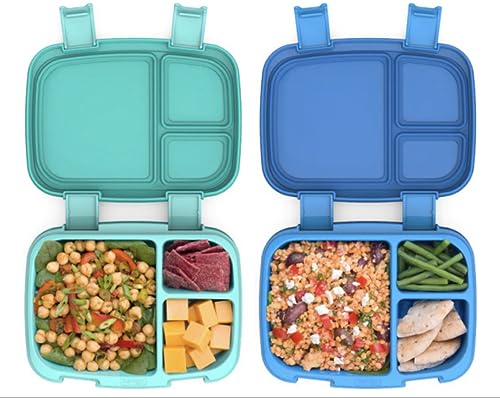
Bento Lunch Box Buying Guide: What a Bento Box Does and the Main Types
A bento lunch box is a single container divided into compartments, designed to carry a complete meal — a main, sides, fruit, a dip or a snack — in one tidy package where each food keeps its own space. The idea comes from Japanese bento tradition, where a meal is composed rather than piled: portions are deliberate, colours and textures sit side by side, and the box itself imposes a gentle structure on what you pack. Modern bento boxes keep that structure and add lids, seals and materials chosen for school bags, office commutes and fridge shelves.
That structure is the whole point. A plain tub holds food; a bento box organises it. The dividers stop a sauce migrating into a sandwich, keep crackers crisp away from cucumber, and make a modest amount of food look and feel like a proper meal. People who graze, people packing for picky children, and people following any kind of portion-aware eating pattern all tend to eat better from a divided box than from a single open container, simply because the box asks them to decide what lunch is before they leave the house.
One-Piece Plastic Trays With a Sealing Lid
The most common modern type is a moulded plastic tray with fixed compartments and a single lid that clamps or latches over the whole thing, often with a silicone seal. These are the boxes most adults and children in North America and Europe actually use. They are light, inexpensive, usually microwave and dishwasher friendly, and the better ones seal each compartment well enough that yoghurt stays in its corner during a commute. Their weaknesses are the weaknesses of plastic generally: they can stain with tomato and turmeric, hold odours if left unwashed, and the hinges and latches are the parts that eventually tire. Expect this type to be the default recommendation unless you have a specific reason to choose otherwise.
Stainless Steel Bento Boxes
Stainless steel boxes take the same divided layout and build it from metal, usually with a single unsealed or lightly sealed lid. They are the durability champions: they do not stain, do not hold smells, do not crack when dropped, and can serve a family for many years. The compromises are real. Steel cannot go in the microwave, so food must be moved to a plate to reheat. Most steel lids are not leak resistant, so wet foods need a separate small sealed pot, which many steel systems sell as an accessory. And steel costs more up front, sitting firmly at the premium tier. Buyers who value longevity and dislike plastic near food choose steel happily and plan around the reheating step.
Insulated Bento Boxes With a Hot Food Flask
A smaller, cleverer category pairs a compartmented tray with insulation and a small vacuum flask, so one meal can carry both hot and cold food: pasta or soup in the flask, salad and fruit in the tray around it. These boxes are bulkier and heavier, and they sit at the premium tier, but they solve the single most common bento complaint — that everything arrives at room temperature. They are especially popular for schoolchildren, whose lunch may sit in a warm classroom for hours, and for workers with no microwave access. If temperature matters to you, this is the type to study; if it does not, the extra bulk buys you nothing.
Two-Tier and Stacking Bento Boxes
Two-tier designs stack one shallower box on another, held together with a band or a lid that doubles as the base of the upper tier. They suit people who like to separate courses — a main below, salad or fruit above — and people who want the option of taking one tier on a light day. Some come with cutlery stored in the lid. The format is elegant and compact in a bag, though the seals between tiers vary, and the total capacity can be smaller than the footprint suggests. This is the minimalist’s bento: tidy, adult, and quietly stylish rather than utilitarian.
Single-Compartment Boxes With Removable Dividers
Finally, some boxes offer one open space with dividers you can move or remove. They trade the fixed structure of a true bento for flexibility: a sandwich fits today, a divided grazing lunch fits tomorrow. If you are unsure whether the bento format suits you at all, this is a gentle way in, though committed bento users usually end up preferring fixed compartments because nothing shifts in transit. When you are comparing everything in this guide, keep one question in front of you: which of these types matches the lunch you packed most recently? That answer narrows the field faster than any specification. For a deeper head-to-head on the category’s strengths and weaknesses, see the honest pros and cons of bento lunch boxes.
In this guide
Top Picks at a Glance
The table below is the shortlist this guide keeps returning to. Every model is a real, widely sold bento box described here in prose; tiers are qualitative, and we suggest you check price on Amazon for each before you buy, since bundles with bags and accessories change the value picture. Detailed mini-reviews of each pick follow later in the guide.
| Pick | Badge | Type | Tier | Best for |
|---|---|---|---|---|
| Bentgo Fresh | Best Overall | Plastic tray, sealing lid | Mid | Adults packing varied lunches daily |
| Bentgo Kids | Best for Children | Plastic tray, one latch | Entry to mid | School lunches for younger children |
| OmieBox | Best for Hot Food | Insulated with flask insert | Premium | Hot and cold food in one box |
| PlanetBox Rover | Best Stainless Steel | Steel tray, five compartments | Premium | Buyers who want a box for years |
| Monbento MB Original | Best Two-Tier | Stacking two-tier plastic | Mid to premium | Minimalist adults and course-style meals |
| Sistema To Go Bento Box | Best Budget | Plastic with snack pot | Entry | First-time bento users and spares |
How Much Capacity Do You Actually Need?
Capacity is the specification buyers get wrong most often, in both directions. A box that is too small turns lunch into a negotiation: the apple does not fit, the sandwich is compressed, and by Thursday the box is abandoned for the canteen. A box that is too large is nearly as bad — food slides around, portions creep upward, and the box itself becomes a burden in a bag that also holds a laptop, a water bottle and a book.
Think in meals, not millilitres. An adult who eats a sandwich, a piece of fruit, a small salad and a snack needs a main compartment that swallows the sandwich without crushing it, plus two or three smaller spaces. A grazer who eats little and often needs more, smaller compartments and less depth in any one of them. A child’s box should be sized to a child’s appetite: a box that is too big makes a normal lunch look lost and unappetising, and it will come home half full. As a working rule, pack the lunch you ate yesterday, mentally, into any box you are considering. If it fits with a little room to spare, the capacity is right. If you have to edit the lunch, the box is wrong, however good its other qualities are.
Depth matters as much as footprint. Shallow boxes suit sliced foods, sushi, salads and flatbreads; deeper boxes suit pasta, rice dishes and chunky fruit. Two-tier boxes split their capacity across levels, which suits course-style eating but can frustrate anyone whose main dish is tall. And remember that lids dome or flatten differently: some boxes gain useful height from a raised lid, others compress soft food when closed. None of this appears in a headline capacity figure, which is why this guide treats capacity as a fit question rather than a number.
Will It Leak in Your Bag?
Leak resistance is the second question, and the one where marketing language needs the most care. A lid can be described as leakproof, leak resistant or spill resistant, and those phrases are not interchangeable. What matters mechanically is whether there is a continuous silicone gasket, whether the lid presses that gasket evenly — latches on multiple sides or a full perimeter clamp — and, crucially, which compartments the seal actually covers.
On many tray-style boxes, the seal runs around the outer edge and the internal dividers reach the lid, so each compartment is individually contained. On others, only the whole-box perimeter is sealed and dividers stop short, meaning liquids can migrate between compartments inside the box even though nothing escapes into your bag. On most stainless steel boxes, the lid is unsealed entirely: fine for sandwiches and dry foods, wrong for yoghurt unless you add a small lidded pot. Dips, dressings and juicy fruit are the real-world test. If your lunches regularly include them, prioritise a gasketed plastic or insulated box, and treat any steel box as a dry-food carrier with accessories. Our companion piece, a full bento lunch box review of how these designs perform day to day, walks through what each sealing style feels like across a working week.
Microwave, Dishwasher and Freezer: What Survives Your Routine?
A bento box lives inside your kitchen routine, so check the routine before the box. If you reheat lunch at work, a microwave-safe tray saves decanting food onto a plate; that rules out stainless steel and some insulated flasks’ outer shells, while most plastic trays and tiers are happy in a microwave with the lid off or vented. If you freeze portions, confirm the box is freezer safe and expect to leave headroom for expansion. If you wash up by machine, a removable tray that separates from the outer shell is a genuine quality-of-life feature: the tray goes in the dishwasher while the shell and gasket get a quick hand wash, which keeps seals supple for longer.
Gaskets deserve a sentence of their own. The silicone ring that makes a box leak resistant is also the part most likely to hold odours or grow tired if it is baked daily in a hot dishwasher or left damp in a closed box. Boxes whose gaskets remove easily for washing age better than boxes with fixed seals. Whatever you buy, the care pattern is the same: wash promptly, dry with the lid ajar, and never store the box sealed while it is still damp. Those habits, covered in more depth in our step-by-step guide on how to choose a bento lunch box, do more for a box’s lifespan than the choice between two good brands.
Adults, Children and Everyone Between: Who Is the Box For?
The adult and children’s markets look similar and behave differently. Adult boxes prioritise capacity, a restrained appearance and compartments arranged for a main plus sides. Children’s boxes prioritise opening: small hands need one latch or a lid that releases without a fight, because a box a child cannot open independently is a box a teacher has to open thirty times. Children’s boxes also get dropped, sat on and left in warm bags, so impact resistance and easy cleaning outrank elegance, and a removable tray that contains the mess is worth more than an extra compartment.
Teenagers are the awkward middle: they want adult capacity and adult looks with school-proof toughness. Older children often graduate to the smaller adult trays or the two-tier designs. And adults packing for themselves should be honest about setting — a brightly coloured kids’ box is excellent equipment, but if its appearance makes you leave it at home, it fails its only job. Buy the box you will actually carry, in the colour you will actually carry it in.
How to Prioritise by Use Case
Specifications only become decisions when they meet a routine. Here are the four profiles we hear about most, and the order in which each should rank the criteria above.
The Daily Office Commuter
You pack five lunches a week, carry the box in a bag with electronics, and reheat at least sometimes. Rank leak resistance first — a gasketed lid is non-negotiable near a laptop — then microwave safety, then capacity. A four-compartment plastic tray is your natural home. The Bentgo Fresh profile below was written with you in mind, and the insulated options only earn their bulk if your office microwave queue has defeated you.
The Parent Packing School Lunches
You pack in the morning rush, the box rides in a backpack, and it must open easily, wash easily and survive drops. Rank opening mechanism first, then removable tray, then size honesty. Younger children suit the Bentgo Kids style of box; children who want hot food suit the OmieBox style. Buy two if the budget allows — one in use, one in the wash — and the whole system stops depending on last night’s dishwasher run.
The Meal Prepper
You cook in batches on Sunday and portion the week. Rank stackability and fridge footprint first, then freezer safety, then compartment count. Uniform boxes that stack neatly beat a drawer of mismatched shapes. Bento trays work well for composed meals; for bulk portions of a single dish, pair them with plain storage — the same organising logic we apply in our favourite storage baskets for bringing order to busy cupboards applies inside the fridge too.
The Light Grazer and Snack Packer
You eat small amounts across the day: fruit, cheese, crackers, nuts, a dip. Rank compartment number and small-compartment sealing first. Five and six compartment trays, and two-tier boxes with a snack level, suit you better than one deep main well. Steel trays shine here because grazing food is mostly dry, and their dividers keep flavours separate without needing a liquid seal.
The Picks in Detail
Each pick below is presented the same way: what it is, who it suits, its honest strengths and trade-offs, and a verdict line. All are prose-only recommendations at this stage — check price on Amazon on the current listing, and read the most recent listing details for the exact bundle, colours and accessories included.

Bentgo Fresh — Best Overall for Adults
The Bentgo Fresh is a four-compartment plastic tray with a sealing outer lid and a removable inner tray, aimed squarely at adults. Its layout — one generous main compartment, two medium sides and a small well suited to a dip or a treat — matches the way most grown-ups actually compose lunch, and the seal is the kind that lets you pack yoghurt or dressed salad without anxiety. The tray lifts out for washing and microwaving, which keeps the outer shell and its seal out of the dishwasher’s worst heat.
Strengths: sensible adult layout; trustworthy seal for saucy foods; removable tray that microwaves and washes separately. Trade-offs: the latch style takes two hands; the footprint is too large for small bags; like all plastic, it will eventually hold a stubborn curry stain. Best for: daily adult lunches with varied, sometimes wet food. Not suited for: children, or anyone wanting hot food. Tier: mid. Check price on Amazon.

Bentgo Kids — Best for Younger Children
The Bentgo Kids applies the same tray idea at child scale: five small compartments, a single latch small hands can manage, and a drop-resistant build with a rubberised edge. Portions are honestly sized for younger appetites, and the removable tray keeps washing simple on school nights. It is the box we suggest when a parent says their child grazes rather than eating one main dish, because five little spaces invite variety without overwhelming.
Strengths: genuinely child-friendly opening; portion sizes that match small appetites; tough, forgiving build. Trade-offs: children outgrow the capacity sooner than parents expect; no hot food option; the bright styling is not for teenagers. Best for: nursery and primary school lunches. Not suited for: older children with big appetites. Tier: entry to mid. Check price on Amazon.
OmieBox — Best for Hot and Cold Together
The OmieBox is an insulated bento built around a removable vacuum flask, so a child or adult can carry hot pasta in the flask and cold fruit and salad in the compartments around it. It is heavier and bulkier than a simple tray, and it sits at the premium tier, but nothing else on this list solves the warm-classroom problem as neatly. The handle and wide shape suit school bags, and the flask’s portion is sized for a child’s main or an adult’s modest one.
Strengths: real hot food alongside cold food; insulation that helps cold food too; sturdy, cheerful build. Trade-offs: weight and bulk; the flask portion is not huge; more parts to wash than a plain tray. Best for: school lunches and microwave-free workplaces. Not suited for: minimalists or very small bags. Tier: premium. Check price on Amazon. If temperature is your deciding factor, our verdict on whether a bento lunch box is worth it weighs the insulated premium honestly.
PlanetBox Rover — Best Stainless Steel
The PlanetBox Rover is a five-compartment stainless steel tray with a latched lid, sold as a long-life system with optional accessories such as small lidded pots for dips and dressings. The steel neither stains nor holds odours, the layout invites composed, colourful meals, and the whole thing feels like equipment rather than a consumable. It is the premium-tier choice for buyers who dislike plastic and plan in years.
Strengths: outstanding longevity; no staining or lingering smells; generous, well-shaped compartments. Trade-offs: no microwave reheating; the lid is not a liquid seal, so wet food needs the accessory pots; the highest upfront commitment on this list. Best for: dry and semi-dry composed lunches, plastic-averse households. Not suited for: soup carriers or microwave reheats. Tier: premium. Check price on Amazon.
Monbento MB Original — Best Two-Tier Design
The Monbento MB Original stacks two tiers under a single lid, with an intermediate seal between levels and cutlery available in its range. It looks like a piece of design rather than school equipment, which matters more than reviewers admit: adults carry it willingly. The tier format suits course-style lunches — main below, salad or dessert above — and taking a single tier on light days is a real flexibility.
Strengths: elegant, adult appearance; flexible one-or-two-tier use; good seals for a stacking design. Trade-offs: total capacity is moderate; tall foods fit awkwardly; the band-and-lid routine is slower than a single latch. Best for: design-conscious adults and course-style meals. Not suited for: very large appetites or rushed small children. Tier: mid to premium. Check price on Amazon.

Sistema To Go Bento Box — Best Budget Starting Point
The Sistema To Go bento is the entry-tier way to test the format: a compartmented plastic base, a clip lid, and a small separate pot for yoghurt or dressing in its common configuration. It is widely available, light, and cheap enough to buy as a spare or a first experiment without commitment. It will not match the seal refinement or longevity of the mid and premium picks, but it teaches you whether divided lunches suit your life.
Strengths: very accessible tier; light and simple; the separate pot handles wet food sensibly. Trade-offs: clips and hinges are the long-term weak points; styling is purely functional; capacity suits moderate lunches. Best for: first-time bento users, spares and gym bags. Not suited for: buyers wanting a years-long daily driver. Tier: entry. Check price on Amazon.
First Setup and Care Essentials
There is no real setup to a bento box, but there is a first-week routine that decides whether it becomes a habit. Wash everything before first use, including the gasket, and dry it fully. Pack the first few lunches the night before, when you have time to learn what fits where; morning packing becomes fast only after the layout is familiar. Keep a small pot or two for dressings even if your box seals well — separating a dressing until lunchtime keeps salads crisp in any box ever made.
For ongoing care: rinse or wash the box the day it is used, because dried sauces and forgotten fruit are what stain and scent plastic. Remove gaskets periodically for a proper wash underneath. Dry open. Store lids ajar so seals rest uncompressed. Steel boxes need nothing more than washing and drying; insulated flasks keep their performance best when pre-warmed with hot water before filling with hot food, and pre-chilled for cold. Treat the box like the daily tool it is and any of the picks above will serve for years — the same principle behind any organised storage system, where a little routine care protects the investment.
Mistakes to Avoid
The first mistake is buying for the fantasy lunch instead of the real one: the elaborate grain-bowl box bought by a sandwich eater will gather dust. The second is assuming leakproof means every compartment — check what the seal covers before trusting it with soup-adjacent foods, and never carry actual soup in a tray-style box at all; soup belongs in a flask. The third is sizing a child’s box by adult logic. The fourth is ignoring the wash: a box that is annoying to clean will be left dirty, then avoided, then replaced. The fifth is buying five identical boxes before one has survived a month of real use — live with one, learn your preferences, then standardise. Finally, do not overlook the bag: measure the bag or lunch tote the box must ride in, because a box that does not fit the bag is a box that stays home. Our roundup of hands-on bento lunch box reviews covering each major design shows how these mistakes show up in practice.
Materials Compared: Plastic, Stainless Steel, Glass and Silicone
Material decides more of your daily experience than any other choice, so it deserves a slower look than a specification table gives it. Plastic is the default for good reasons: it is light in the bag, inexpensive to replace, moulds into any compartment shape, and goes in the microwave. Modern food-grade plastics are a world away from the flimsy tubs of a decade ago, and the better trays resist warping through years of dishwashing. The honest costs are staining from strongly coloured foods, a tendency to hold the ghost of last week’s garlic dressing if washing is lazy, and hinges and latches that are moulded as part of the design and eventually fatigue. None of that makes plastic a bad choice; it makes it a choice with a lifespan, which the mid tier pricing reflects.
Stainless steel inverts every term of that bargain. It shrugs off stains, odours, drops and decades. It also refuses the microwave, weighs noticeably more, and its lids rarely seal against liquid, because metal-on-metal cannot compress like a gasket. Steel buyers are really buying permanence and a particular pleasure: food presented in a steel tray looks composed and appetising in a way that survives opening the lid in a dull office. If your lunches are sandwiches, salads without runny dressing, fruit, cheese and dry snacks, steel’s weaknesses barely touch you. If your lunches are saucy, steel asks you to add small sealed pots and a reheating plate to your routine.
Glass appears in bento-adjacent products rather than classic bento trays: heavier, beautifully non-staining, microwave and oven friendly, but breakable and rarely divided into true compartments. It suits home workers who reheat at a desk they never leave. Silicone appears as collapsible travel boxes and as lids and gaskets; as a main material it is flexible and forgiving but can feel floppy with heavy food. For most buyers the real contest is plastic versus steel, and it is decided by two questions: do you reheat in the box, and do you carry wet food? Plastic answers yes to both; steel answers no to both and offers permanence instead.
Lids, Latches and Hinges: The Parts That Decide Lifespan
Ask owners of older bento boxes what failed, and almost nobody says the tray. They say the latch snapped, the hinge cracked, or the seal stopped sealing. The moving and flexing parts are the product, so inspect them like they matter. Latches that close on two or four sides spread pressure evenly across a gasket, which is both why they seal better and why they resist the warping that kills single-clasp lids. A latch should close with a definite, easy action — if a new box already needs force, small hands and cold mornings will defeat it.
Hinges divide into living hinges, where a thin web of plastic flexes, and separate pinned or interlocking hinges. Living hinges are simple and wash easily but have a finite flex life; interlocking designs can be sturdier and sometimes separate for washing, which also helps cleaning. Lids that remove completely are easier to wash and dry than lids captive on a hinge, and a removable tray inside a shell — the pattern used by several picks above — is effectively the same idea taken further: the part that touches food most is the part that washes most easily.
Gaskets should sit in a channel you can access. A seal you can lift out, wash beneath and reseat will stay hygienic and effective; a seal bonded permanently into a lid traps moisture and old food at its edges and cannot be replaced when it tires. None of these details photograph well, which is why listings underplay them, but they are exactly what separates a box that serves one school year from a box that serves five. When you compare two similar boxes, choose the one whose lid, latch and gasket look more serviceable, even over a small capacity advantage.
Accessories Worth Having — and the Ones to Skip
A small ecosystem surrounds bento boxes, and a few accessories genuinely improve the system. Small lidded dip pots are the highest-value addition for any box, sealed or not: they quarantine dressings and sauces until the moment of eating, which keeps salads crisp and crackers dry. A fitted insulated bag matters if the box rides in a warm car or a sunny classroom, and it contains the consequences if a seal ever does fail. A slim ice pack extends safe carrying time for dairy and cooked foods in warm weather. Spare trays, where a system offers them, turn one box into a rotation and remove the morning dependence on last night’s wash.
Cutlery stored in lids is convenient when it is well made and annoying when it rattles or vanishes; judge it as a bonus, never a reason to buy. Elaborate themed dividers, picks and decorations delight children for a week and complicate washing forever — buy them as occasional treats, not as the system. And be sceptical of very large bundle kits at the entry tier: twenty pieces sounds generous until you realise eighteen of them are tiny pots you will never use, while the box itself is the weakest part of the deal. Spend on the box first; accessorise second, slowly, in response to real lunches that went wrong.
How Compartments Shape What You Eat
There is a behavioural side to bento boxes that pure buying advice often misses: the layout edits your lunch before you eat it. Fixed compartments are portion decisions made by the mould. A tray with one large and three small spaces quietly produces a main-plus-sides meal; a tray of five equal spaces produces a tasting menu. Neither is healthier by magic, but both are more deliberate than an open tub, into which lunch is simply tipped. Parents notice this first: a child who would reject a plate of mixed food will happily eat the same items from separate compartments, because nothing touches and everything is identifiable. Adults notice it second, usually when they realise their packed lunches have become more varied without any conscious effort — the empty small compartment asks a question every morning, and the answer is often a handful of berries, a few nuts or a square of cheese that would otherwise never have been packed.
This is also why matching the layout to the eater matters more than maximising compartment count. A worker whose lunch is a single portion of leftovers gains nothing from six tiny wells and loses the ability to fit the meal at all. A snacker gains nothing from one cavernous space. When you shop, picture your three most common lunches and assign each item a compartment in the box you are considering. If every item finds a home and one compartment is sometimes spare, the layout is right. If items are homeless, or compartments are always spare, keep looking — the right layout exists at every tier, and finding it is most of what this guide exists to help you do.
Reading a Listing Like a Reviewer
Product listings are written to sell, but they contain the facts you need if you read them forensically. Start with the care instructions, which quietly reveal the material and construction: a box whose tray is dishwasher safe but whose lid is hand wash only is telling you where its delicate parts live. Look for whether the gasket is described as removable, whether the tray separates from the shell, and whether replacement parts or spare trays exist — a maker who sells spares expects the box to be kept, which is a good sign. Treat capacity figures as orientation only, and look instead for photographs of the box filled with real food, which reveal depth and divider height honestly.
Be wary of leak claims without the word gasket or seal anywhere nearby; a snap lid alone is a dust cover, not a liquid seal. Be equally wary of enormous piece counts, which pad bundles with tiny pots. Check what is actually included: some boxes are sold singly, some with a bag, some with cutlery, and the bundle changes the value more than small price differences do — one more reason this guide works in qualitative tiers and sends you to check price on Amazon for the configuration you would actually buy. Finally, look at the questions other buyers asked about latches and washing; the answers, from owners rather than marketers, are where a box’s real lifespan is recorded.
A Word on Longevity and Replacing Boxes Sensibly
A reusable box only earns its environmental and financial keep if it is reused for a long time, so buy with a replacement cycle in mind. A premium steel box that serves for many years is, over its life, the cheapest and lightest-footprint option on this page, even though it asks the most on day one. A mid-tier plastic box that serves daily for a few years is a perfectly sound purchase. The wasteful pattern is the repeated entry-tier box bought, disliked and replaced each term — cheap boxes bought three times cost more, in every sense, than one good box bought once. If you are buying for a child whose appetite and taste will change, the calculus softens: a modest box that fits now beats a premium box that fits a hypothetical future. For adults with stable routines, though, the advice of this whole guide compresses into one line: choose the type honestly, choose the size by yesterday’s lunch, and then buy the best-made version of that box you are comfortable paying for. You will feel the quality every single weekday, at the exact moment you open the lid.
A Pre-Purchase Measurement and Compatibility Audit for Your Bento Lunch Box
Use this audit in the final ten minutes before you order a bento lunch box, because that is when most buying-guide advice stops being abstract and starts being a tape measure, a doorway and a return label you would rather not need. Write down three numbers for the bento lunch box you are considering: the footprint where it will sit or be stored, the largest dimension it reaches in normal use, and the clearance it needs so doors, drawers, lids, handles or moving parts can work without catching. Watch for edge cases in your own home: the pet that investigates everything, the child who treats every new object as furniture, the guest who uses force where you use familiarity, and the weather, light or season that changes how a bento lunch box behaves. If you want a concrete listing check, take a name already shortlisted in this guide, such as Bentgo Fresh, Bentgo Kids and OmieBox, and verify that exact bento lunch box listing against the measurements and compatibility questions above, field by field, rather than trusting the headline description alone.
Read the manual’s warnings page for the bento lunch box even if you read nothing else, because that page is a compressed list of every way the product has ever been misused, and it tells you exactly which of your own habits needs adjusting. Plan the storage home for the bento lunch box before it arrives, naming the exact cupboard, corner, shelf, hook or stretch of floor, because a product without a home migrates around the house and slowly becomes the clutter it was bought to reduce. Finally, remember that the best bento lunch box for your home is the one whose size, habits and upkeep disappear into your routine, leaving only the result behind — a cleaner surface, a better-lit seat, a tidier shelf, an easier job — week after ordinary week. Measure before anything else, and measure the bento lunch box in its working state rather than its packed or folded state, because handles extend, lids open, cords trail, doors swing and users stand somewhere, and all of that belongs in the measurement.
When something about the bento lunch box disappoints, change one variable at a time — position, setting, timing, load, accessory or technique — and give the change a fair trial, because changing three things at once leaves you with a better or worse result and no idea why. Photograph your setup once the bento lunch box is working well — the position, settings, arrangement or layout you settled on — so that after a move, a deep clean or a seasonal break you can recreate the arrangement that worked instead of rediscovering it. Consider the cleaning rhythm honestly: a bento lunch box that needs attention after every use suits a household that enjoys small rituals, and frustrates a household that wants to finish a job and walk away, so match the upkeep to the temperament, not the intention. Then measure the route, not just the destination, since a bento lunch box that fits its final spot perfectly can still fail at a narrow hallway, a tight turn, a low doorway or a cupboard mouth that is smaller than the space behind it.
Share the checklist result with anyone who shares the space, since a bento lunch box chosen by one person and resented by another rarely survives, however sensible the purchase looked on paper. Keep the packaging of a larger bento lunch box until those first ordinary tests are done, flattened if space is tight, because re-boxing an awkward shape from scratch is the hidden difficulty inside many otherwise straightforward returns. Seasonal thinking helps more than expected: a bento lunch box bought in one season will meet different light, humidity, mud, heat, guests and routines in another, so judge its size, storage and upkeep against the hardest season it will face. Compatibility is the second audit, and for a bento lunch box it means checking what it must work alongside: the surfaces, fittings, power or water access, storage and other pieces already in your food storage & organization setup that the new purchase has to cooperate with every day.
Use a simple decision checklist at the end: the bento lunch box fits the measured space, suits the real frequency of the job, matches the household’s cleaning temperament, has obtainable parts, and has a named storage home — five yeses make a confident order.
Frequently Asked Questions
What size bento lunch box does an adult need?
Most adults need a box whose main compartment fits their usual main dish whole — a sandwich, a wrap or a portion of leftovers — plus two or three side spaces. Judge by meals rather than numbers: lay out yesterday’s lunch and choose the smallest box it fits comfortably. Oversized boxes let food slide and portions creep; undersized boxes crush food and get abandoned. If you regularly pack both a main and a separate salad, a two-tier design often fits that pattern better than one very large tray.
Are bento lunch boxes actually leakproof?
Some are, within limits. A plastic or insulated box with a continuous silicone gasket and a lid that clamps evenly will contain yoghurt, dressings and juicy fruit through a normal commute. But many boxes seal only the outer perimeter, letting liquids wander between compartments, and most stainless steel lids are unsealed by design. No tray-style bento should be trusted with soup or thin liquids at any angle in a bag; those belong in a vacuum flask, which is exactly what insulated designs like the OmieBox build in.
Can you put a bento lunch box in the microwave?
Plastic trays and tiers usually can, with the lid removed or vented, and removable inner trays are made for exactly that. Stainless steel never can — food must be tipped onto a plate first, which is the steel format’s biggest daily inconvenience. Insulated boxes split: the flask itself is not microwaved, though food can be heated before filling it in the morning. Always confirm with the specific model’s care guidance, and never microwave a sealed box, because steam pressure will defeat the seal and redecorate the microwave.
How long does a bento lunch box last?
A stainless steel box can last many years, often outliving the lunch routine it was bought for, because there is little to wear out beyond a latch. A good plastic box used daily typically serves for a few years before hinges, latches or staining retire it, and gaskets that are washed and dried properly extend that considerably. Insulated boxes sit between the two: the flask is durable, the outer parts age like plastic. Buying at a higher tier usually buys lifespan, which is why we frame tiers qualitatively rather than promising numbers.
What is the best bento lunch box for a child?
The best children’s box opens with one latch a small hand can manage, has a removable tray for easy washing, and is sized to a child’s real appetite so lunch looks generous rather than lost. Five smaller compartments suit grazers and picky eaters because variety invites tasting. If your child wants hot food, choose an insulated design with a flask insert. Whatever you choose, let the child practise opening and closing it at home before the first school day — independence at the lunch table is the feature that matters most.
Is a bento box better than separate containers?
For composed meals, yes: one box with fixed compartments keeps flavours apart, packs faster, washes as one item and imposes helpful portion structure. Separate containers win for bulk meal prep, for very wet foods, and when different items need different treatment — one frozen, one microwaved. Many households end up with both: bento boxes for daily composed lunches, plain tubs for batch cooking and leftovers. The systems complement each other, and a tidy cupboard holds both without chaos.
Related Reading
Continue with the complete bento lunch box review, compare the formats in our bento lunch box reviews roundup, or settle the value question in is a bento lunch box worth it. For the wider kitchen tidy-up, see home organisation deals worth knowing about.


