Disclosure: As an Amazon Associate, dailyhomedecorating.com earns from qualifying purchases. Links on this page are affiliate links; they cost you nothing extra. Prices and availability change often, so check the current Amazon listing before you buy.
Every lunch container format has a personality, and the honest way to choose one is to weigh its bento lunch box pros and cons against your own routine rather than against an ideal. This article lays out the bento lunch box pros and cons in full: seven genuine advantages, seven real disadvantages, and — most usefully — an explanation of what those trade-offs mean for different kinds of eaters. A bento box is neither the miracle some listings promise nor the gimmick sceptics assume. It is a divided container with a strong point of view about how lunch should be organised, and whether that point of view delights or irritates you depends on how you eat.
The quick verdict: a bento lunch box suits people who eat composed meals — a main plus distinct sides — and who pack lunch most days. It suits grazers, portion-aware eaters and parents of children who like foods kept separate. It does not suit soup lovers, bulk meal preppers, or anyone whose lunch is one big portion of a single dish. If you recognise yourself in the first group, the pros below will feel decisive; if you are in the second, the cons will save you money. Either way, by the end you will know — and the picks mentioned are described in prose at qualitative tiers, with a suggestion to check price on Amazon before buying.
Key Takeaways
- The biggest pro is structure: compartments keep flavours, textures and temperatures of dry food apart, so lunch tastes as intended.
- The biggest con is rigidity: fixed compartments cannot adapt to oversized, odd-shaped or very wet foods.
- Bento boxes encourage variety and portion awareness without any deliberate dieting effort.
- They wash up as one item but demand prompt washing; a forgotten bento is an unpleasant bento.
- Leak performance varies enormously by design — gasketed plastic contains wet food, most steel lids do not.
- For daily packers the pros compound; for occasional packers the cons dominate.
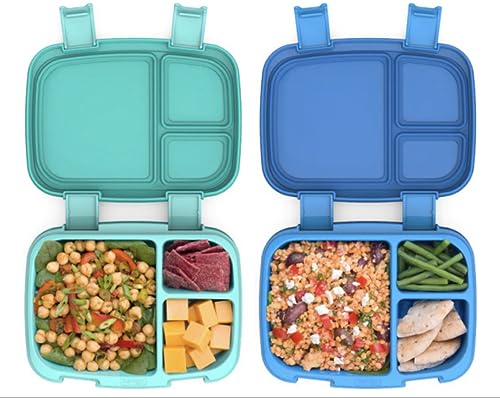
Bento Lunch Box Pros and Cons: The Pros in Detail
Pro 1: Flavours and Textures Stay Separate
The defining advantage, and the reason the format exists. In a single open container, lunch homogenises: the dressing soaks the bread, the crackers soften against the cucumber, the berries bleed into everything. A bento box’s dividers keep each food in its own climate. Crisp stays crisp, dry stays dry, and strongly flavoured items — pickles, olives, a wedge of blue cheese — do not colonise the rest of the meal. This is not a minor aesthetic point. Much of what makes a packed lunch disappointing by midday is texture collapse, and separation is the only fix that does not involve packing three separate tubs. Children benefit most visibly: many will eat foods from compartments that they would refuse if those same foods touched on a plate.
Pro 2: Built-In Portion Structure
A bento box is a portion guide you do not have to think about. The compartments are sized decisions: a main space for the main, smaller spaces for sides and treats. Filling the box produces a meal that is roughly balanced by construction, and the physical boundary of a full box quietly answers the question of how much lunch is enough. People managing their eating — for energy, for medical guidance, or simply to stop the afternoon slump that follows an enormous lunch — consistently find the format helpful precisely because it requires no counting, weighing or willpower at the point of packing. The box decides; you just fill it. Parents use the same structure in reverse, sizing a child’s box so that a full box equals a right-sized lunch.
Pro 3: Variety Without Effort
An empty small compartment is a prompt. Packing a bento each morning, you find yourself adding a handful of cherry tomatoes, a few nuts, a small piece of fruit or a square of dark chocolate — not from virtue, but because the space is there and looks unfinished without something in it. Over a week, that prompt meaningfully widens the variety of what you eat compared with the sandwich-and-crisps default that an open container encourages. Variety is the quiet nutritional win of the format: more different foods, in modest amounts, with no recipe planning involved. It also makes leftovers useful — the two spoonfuls of salad or the last piece of chicken that are too small to store alone become a compartment in tomorrow’s lunch instead of waste.
Pro 4: One Item to Pack, Carry and Wash
Compared with the alternative system — a main tub, a side tub, a dip pot, a snack bag — a bento box is a single object. It packs in one motion, occupies a predictable footprint in a bag or fridge, and returns home as one item to wash rather than a archaeological dig through a lunch bag. For parents running a school-night routine, and for commuters emptying a work bag, that singularity is a daily mercy. It also reduces the slow attrition of mismatched containers and lost lids that plagues every kitchen drawer: one box, one lid, nothing to match. Households that standardise on bento boxes for daily lunches find the container drawer becoming calmer too — one system, consistently applied, beats a drawer of mismatched tubs and orphaned lids.
Pro 5: Lunch Looks Like a Meal, and That Matters
Presentation is usually dismissed as decoration, but appetite is partly visual. Opening a box where food sits in composed sections — colour beside colour, each item identifiable — makes a packed lunch feel like something someone made for you, even when that someone was you, half asleep, at seven in the morning. That feeling is a real part of why bento users stick with packing lunch while open-container users drift back to buying it. For children the effect is stronger still: a lunch that looks abundant and organised gets eaten more completely than the same food tumbled together, and it comes home emptier, which any parent will tell you is the metric that counts.
Pro 6: Less Packaging Waste Than the Alternatives
A daily bento replaces a daily stream of cling film, foil, sandwich bags and shop-bought lunch packaging. The box itself is a durable good; used daily across a school or working year, its footprint per lunch becomes very small, and a steel box used for years smaller still. This pro needs honesty about scale — the box does not save the planet — but for households trying to cut single-use kitchen plastic, the packed lunch is one of the most frequent sources of it, and the bento is one of the easiest substitutions to sustain because it asks for no sacrifice in how lunch tastes. Indeed, as the pros above argue, lunch usually improves.
Pro 7: A System Children Can Run Themselves
A well-chosen children’s bento — one latch, a tray that lifts out — is equipment a young child can genuinely operate alone: open it, eat from it, close it, carry it. That independence is worth more than any single feature on a specification list. It frees teachers, builds a child’s confidence, and makes the packed lunch feel like theirs. The compartment format helps here too, because a child can survey the whole lunch at a glance and choose their own order, which is a small but real autonomy at a part of the day when almost everything else is scheduled by adults. Our step-by-step advice on how to choose a bento lunch box covers child-specific sizing and latches in practical detail.
In this guide
The Cons, Stated Honestly
Con 1: Fixed Compartments Cannot Adapt
The structure that creates the pros is itself the first con. Compartments are fixed shapes, and food is not. A whole apple may not fit where sliced apple would. A tall sandwich, a bulky wrap, a leftover chicken leg — all can defeat a layout designed for neat, flat items. You adapt your food to the box, cutting and arranging, and on days when lunch is an awkward shape the bento stays in the cupboard and a plain tub comes out. Flexible eaters who pack whatever the fridge offers often find this rigidity grating within a fortnight. It is the single most common reason bento boxes are abandoned, and no brand fixes it, because it is the format itself.
Con 2: Wet Food Is a Limited Citizen
Soups and stews simply do not belong in a tray-style bento; thin liquids defeat seals in a tilted bag, and every manufacturer quietly knows it. Even within gasketed boxes, very wet items are safest in a separate small pot, which reintroduces the multi-container system the bento was meant to replace. Stainless steel boxes, whose lids are typically unsealed, push this further: yoghurt, dressed salad and juicy fruit all need accessories. If your favourite lunches are saucy, curried or soup-based, the bento format fights you daily, and an insulated flask or a plain leakproof tub serves you better. Insulated bento designs with a built-in flask are the exception that proves the rule — they exist precisely because the base format cannot do hot, wet food.
Con 3: Everything Arrives at the Same Temperature
A standard bento is thermally neutral. Cold food warms towards room temperature across a morning; hot food cools the same way. An ice pack and an insulated bag slow the drift for cold food, but nothing in a plain tray keeps a meal hot. Workers without a microwave and children in warm classrooms feel this most. It is a manageable con — much good lunch food is designed to be eaten at room temperature, and Japanese bento tradition assumes exactly that — but buyers expecting a thermal performance the box never promised will be disappointed, and should be looking at insulated designs instead, a distinction our complete bento lunch box buying guide draws in detail.
Con 4: The Box Must Be Washed, Promptly, Every Day
One item to wash is a pro; that it must be washed daily, and suffers if it is not, is the matching con. A bento left sealed in a bag from Friday to Monday is a small horror, and the compartments and gasket that make the box good also give old food more edges to cling to. Plastic can hold stains and odours from strong foods if washing is lazy. Steel is more forgiving, and removable trays and gaskets reduce the burden, but no design removes it. Households that know their evenings are chaotic should count this honestly: a bento system runs on a washing routine, and if the routine fails, the box quietly stops being used.
Con 5: Capacity Ceilings for Big Appetites
Bento boxes are portioned by design, which means they have ceilings. Adults with large appetites, physical jobs, or training schedules may find even adult trays modest, and the answer — a second box, or supplementing with separate containers — erodes the one-item elegance. Teenagers routinely outgrow children’s boxes mid-year. Two-tier designs help by stacking, and some adult trays are generously sized, but the format will never match a big open tub for sheer volume. If your lunch is measured in abundance rather than composition, weigh this con heavily.
Con 6: The Good Ones Are Not the Cheap Ones
Entry-tier bento boxes exist and are fine as experiments, but the qualities that make the format work — an even-sealing lid, a removable gasket, hinges and latches that survive daily use — live at the mid tier and above, and steel and insulated designs sit at the premium tier. A household equipping two children and an adult with good boxes is making a real purchase, not a trivial one. The counter-argument is lifespan: cost per lunch falls quickly with daily use. But buyers should go in clear-eyed that the bento on a listing’s first page and the bento that seals in year two are often different products at different tiers. Check price on Amazon for the specific model, not the category’s cheapest representative.
Con 7: Lids, Latches and Gaskets Are Wear Parts
Every bento has moving or flexing parts, and they age. Latches loosen or snap, living hinges whiten and crack, gaskets compress and stop sealing evenly. A box rarely dies dramatically; it fades — first the dressing escapes once, then the lid needs pressing twice, then it is quietly demoted to storing craft supplies. Designs with removable, replaceable gaskets and sturdy multi-point latches age slowest, and steel boxes age slowest of all because there is so little to wear. Still, compared with a plain tub and lid, a bento has more to go wrong, and buyers who are hard on equipment should factor that in.
What the Trade-Offs Mean for You
The pros and cons above are not a score to be totalled; they land differently on different lives. For the daily office commuter with a composed-lunch habit, the pros — separation, structure, one-item simplicity — are experienced five times a week, while the headline cons barely apply: office lunches are rarely soup, rarely oversized, and the washing routine folds into the evening. For this profile the format is close to all upside, and the main decision is plastic versus steel, which our hands-on bento lunch box reviews of the leading models can help settle.
For the parent of a young child, the balance is also strongly positive, with one caveat: the child must be able to open the box, and the box must match the child’s appetite. Get those two things right and the pros — independence, variety, separation for picky eaters — run the school year. Get the latch wrong and every other pro is theoretical. For the meal prepper cooking in bulk, the balance flips: fixed compartments fight batch portions, capacity ceilings bite, and plain containers do the job better. The bento may still earn a place for composed leftovers, but as a supporting player.
For the soup-and-stew devotee and the big-appetite eater, the cons are not edge cases; they are the daily experience, and honesty requires saying the format is probably wrong for you as a primary system. And for the occasional lunch packer — twice a month, say — the economics and the washing routine both argue for a simple tub, because bento pros compound with frequency while the cons are charged on every single use. Frequency is the hidden variable in this entire article: the more often you pack, the better the bento bargain becomes, which is exactly the question our analysis of whether a bento lunch box is worth it takes apart.
Bento in Context: How It Compares With the Alternatives
| Criterion | Bento lunch box | Plain containers set | Insulated bag + flask |
|---|---|---|---|
| Flavour separation | Excellent — built in | Good, but needs several tubs | Poor — food travels mixed or in tubs |
| Wet and hot food | Limited; flask models excepted | Good with leakproof tubs | Excellent for hot food |
| Portion structure | Excellent — automatic | None — free-form | None |
| Flexibility of shape | Low — fixed compartments | High | High |
| Items to wash | One | Several | Several |
| Upfront tier | Entry to premium by material | Entry | Mid |
Read the table as a personality test rather than a league table. The bento wins the columns about composition and simplicity and loses the columns about flexibility and temperature. Plain containers are the flexible generalists; the flask system is the temperature specialist. Many real households own the bento for daily composed lunches and one of the others for the days the bento cannot handle — soup day, leftover day — and that hybrid is not indecision, it is the correct reading of the trade-offs.
Three Designs That Show the Balance Clearly
Abstract pros and cons become concrete in specific designs. The three below are described in prose because each embodies a different point on the trade-off map; check price on Amazon for current listings.

Bentgo Fresh — The Balanced Plastic Tray
The Bentgo Fresh shows the plastic tray format at its most even-handed: four compartments, a gasketed lid that contains wet sides, and a removable tray for washing and microwaving. Its pros are the format’s pros, undiluted — separation, structure, one-item ease — and its cons are the format’s honest ones: no hot food, a footprint that needs a decent-sized bag, and plastic that will one day stain. Best for: daily adult commuters. Not suited for: soup lunches or tiny bags. Tier: mid.
PlanetBox Rover — The Longevity Argument
The PlanetBox Rover, a five-compartment stainless steel tray, pushes the pros of durability and presentation to their limit and accepts the cons just as fully: no microwave, no liquid seal without its accessory pots, and a premium tier. For dry and composed lunches it may be the last box a household buys for years; for saucy lunches it is the wrong tool in beautiful material. Best for: plastic-averse households packing dry food. Not suited for: reheating or wet meals. Tier: premium.
OmieBox — The Exception That Fixes the Biggest Con
The OmieBox exists to cancel the temperature con: an insulated box with a vacuum flask at its centre, carrying hot food in the flask and cold food around it. In exchange it accepts bulk, weight and a premium tier, and its flask portion suits a child or a modest adult main. It demonstrates the healthiest way to read any con in this article — as a design brief. If your main objection to bento is temperature, this is the shape of the answer. Best for: school lunches and microwave-free workplaces. Not suited for: minimalists. Tier: premium.
How to Buy Smart, Given the Cons
Buying smart means choosing which cons you are willing to live with, because you cannot eliminate them all. Start from your most common lunch, not your ideal one, and let it veto designs: soup vetoes trays, reheating vetoes steel, a tiny bag vetoes large footprints and insulated bulk. Then check the wear parts — latches on multiple sides, a gasket you can remove, a tray that separates — because those decide whether the pros survive into a second year. Match the box to the eater’s appetite honestly, especially for children, and if the box is for a child, test the latch with the child’s hands before the first school morning, not during it.
Resist two temptations. The first is the giant bundle at an entry tier, which spends your money on accessory pots instead of lid quality. The second is buying a full family set before one box has survived a month of real lunches; preferences about layout only reveal themselves in use. One box, lived with, teaches more than any article — including this one. When you are ready to compare the leading designs side by side, our full bento lunch box review works through a week of real packing with each format.
Setup and Care That Reduce the Cons
Several cons shrink dramatically with small habits. The temperature con shrinks when you pack with temperature in mind: chilled food packed cold with an ice pack in an insulated bag stays pleasantly cool for a school morning, and room-temperature-friendly lunches — grain salads, sandwiches, cheese, fruit — are a tradition in themselves rather than a compromise. The wet-food con shrinks with one small dip pot, which quarantines anything runny regardless of the box’s seal. The washing con shrinks when the box is rinsed on arrival home rather than discovered in the morning; a two-minute rinse is the entire secret, and it also prevents the staining and odour that lazy washing causes in plastic.
The rigidity con shrinks with a knife: most awkward foods fit once sliced, portioned or deconstructed — a wrap becomes pinwheels, a chicken leg becomes slices, a whole apple becomes wedges with the core removed. Bento tradition treats this preparation as part of the pleasure rather than a workaround, and packed this way, food is also easier to eat in short breaks. Finally, the wear con shrinks when gaskets are dried before the lid is closed and boxes are stored unlatched, so seals rest instead of sitting compressed for years. None of these habits is burdensome; together they convert most of the cons list from reasons to avoid the format into minor operating instructions.
The Balance at a Glance
For readers who want the whole argument on one screen: the pros are separation of flavours and textures, automatic portion structure, effortless variety, one-item packing and washing, meals that look and feel composed, less single-use packaging, and a system children can operate themselves. The cons are fixed compartments that cannot adapt, limited tolerance for wet food, no temperature control in plain designs, a non-negotiable daily washing routine, capacity ceilings for large appetites, meaningful cost at the tiers where quality lives, and lids, latches and gaskets that wear. Neither list is longer in any way that matters; what matters is which list describes your weekdays. If the pros list reads like your lunch and the cons list reads like somebody else’s problems, you have your answer. If the reverse is true, you have your answer too, and it has saved you a purchase. Most readers land in between, recognising two or three cons as their own — and for them the practical path is the one this article has repeated: choose the design whose signature con is the one your routine never triggers, mitigate the rest with a dip pot, an ice pack and a two-minute rinse, and let frequency turn the remaining balance in your favour.
Bottom Line
The bento lunch box is a format with strong opinions: lunch should be composed, separated, portioned and carried as one considered object. If your eating agrees with those opinions, the pros will feel obvious within a week and the cons will read as small print. If your eating disagrees — big, wet, hot, improvised lunches — the cons are the headline and another system will serve you better. There is no universal verdict, and any article offering one is selling something. What we can say universally is that frequency decides the economics, appetite decides the size, and the latch decides whether a child’s box is a triumph or a daily frustration. Decide those three things honestly and the format will not disappoint you. One final observation from years of watching households adopt and abandon lunch systems: the people who love their bento boxes rarely talk about the box. They talk about lunch — about eating better at work, about a child who finishes what is packed, about the small pleasure of opening a meal that looks considered. The people who abandon the format talk about the box constantly, because for them the box was always in the way. That difference is the whole pros-and-cons question in miniature. The right bento disappears into the routine and leaves only the lunch behind; the wrong one inserts itself into every stage of the day. Everything in this article — the latch tests, the size honesty, the material matching — exists to put you in the first group, and the companion guides linked throughout will help you choose the specific box that gets you there. Start with the lunch you packed most recently, hold it in mind while you read any listing, and let that ordinary, real meal — not the photographed fantasy lunch — cast the deciding vote between the pros and the cons.
The Pros and Cons Shift With the Material
Everything above describes the format in general, but the balance tilts noticeably depending on what the box is made of, and buyers often find their real decision is material rather than brand. In plastic, the pros sharpen around convenience: light weight, microwave reheating, the best liquid seals in the category, and tiers that make a two-box rotation affordable. The cons sharpen around lifespan and care: staining, odour retention when washing slips, and latches that age. Plastic is the format’s friendly face — the easiest to live with this month, the least likely to be in service in five years.
In stainless steel, the balance inverts. The durability pro becomes overwhelming: a steel tray treats drops, dishwashers and decades as non-events, and it never holds yesterday’s flavours. Presentation improves too. But the cons gather around daily friction — no microwave, more weight in the bag, and a lid that asks you to keep wet food in separate pots. Steel suits people whose lunches are naturally dry and composed, and whose routines include a plate at the other end. It frustrates people who reheat saucy leftovers, which is not a defect in the box but a mismatch in the match.
Insulated designs with flasks rewrite the list rather than rebalancing it. They delete the temperature con entirely and add genuine hot food to the pros — a transformative change for schoolchildren and outdoor workers — while adding bulk, weight, more parts to wash and a premium tier to the cons. Two-tier plastic designs sit in their own corner: their distinctive pro is flexibility between one tier and two, their distinctive con is that neither tier is ever quite the shape of a single large lunch. There is no material without a signature con; there is only the material whose signature con you personally will never meet. A reheater should not buy steel. A soup lover should not buy a plain tray. A minimalist should not buy the insulated system. Match the con to the life you do not lead, and the pros are free.
A Week of Lunches: Where the Balance Shows in Practice
Abstract trade-offs are easiest to judge against an ordinary week. Monday is a sandwich, carrot sticks, hummus and grapes: a bento’s perfect day, every pro on display, the hummus quarantined, the sandwich uncompressed, the box washed in a minute. Tuesday is leftover pasta bake, reheated at work: plastic and steel part company — the plastic tray goes in the microwave, the steel box’s contents go onto a plate, and both lunches are good, with the steel owner paying a small daily tax for a decade of durability. Wednesday is soup: every tray in this article loses, the flask system wins, and the honest bento household uses a different container without feeling the system has failed.
Thursday is a grazing lunch of cheese, crackers, olives, nuts and fruit: the five-compartment layouts earn their keep, and the separation pro is at its most obvious, because this lunch in an open tub would be a salty, softening jumble by noon. Friday is the test of the washing con: the box from Thursday, forgotten in a bag, decides whether its owner is a bento person. Rinsed on Thursday night, Friday is another good lunch. Discovered on Friday morning, it is a small penance and, repeated often, the end of the habit. Read across the week, the pattern is clear: the format wins most days for most composed lunches, loses honestly on soup day, and depends throughout on a two-minute evening habit. That is a favourable balance for the majority of lunch packers — which is why the format keeps growing — but it is a balance, not a shutout, and the days it loses are predictable enough that you can check them against your own week before spending anything.
Food by Food: Where the Format Shines and Struggles
Another way to audit the balance is to walk the foods people actually pack and grade the format on each. Sandwiches and wraps: a clear pro, provided the main compartment is honestly sized — the sandwich arrives uncompressed, its filling un-migrated, and cutting it into halves or pinwheels to fit is a thirty-second task. Salads: a pro with a condition — the leaves stay crisp precisely because the dressing travels in a pot or a sealed small compartment; a salad packed pre-dressed in any container is a salad surrendered. Rice and grain dishes: a quiet pro, since grains sit happily in a main compartment at room temperature and pair naturally with small compartments of toppings, pickles and protein.
Pasta and saucy leftovers: the contested middle. In a gasketed plastic tray they travel well and reheat in the tray itself; in steel they travel adequately and reheat on a plate; at room temperature for hours they are nobody’s best lunch. Fruit: whole fruit tests the rigidity con, cut fruit tests the seal — wedges and berries are bento natives, a whole large apple is a bento critic. Yoghurt and dips: entirely a question of the individual compartment’s seal, excellent in the best plastic designs, an accessory-pot job in steel. Crisps, crackers and baked snacks: an underrated pro, because separation from anything moist is the difference between crisp and leathery. Hot dishes: a con for every plain tray and the entire reason insulated flask designs exist. Read your own five favourite lunches against this list and the format’s verdict for you personally is usually obvious within a minute.
The Cost Ledger, Worked Through Honestly
Because several pros and cons are financial, it is worth doing the arithmetic in words. A packed lunch habit saves money against bought lunches at almost any box tier; the box pays for itself quickly when it is used daily, which is why we resist calling even premium steel expensive in context. The honest costs are elsewhere. There is the cost of the second box, which most daily users eventually buy so the system survives washing days. There is the cost of accessories that some designs require — dip pots for steel, a fitted bag for insulation, an ice pack for warm commutes — each small, but real, and worth totalling before comparing headline prices between systems. And there is the replacement cost when a plastic box’s latch fails in year two, which is the moment the premium steel box’s arithmetic quietly wins.
Set against that are the savings the pros generate beyond the lunch itself. Variety from small compartments reduces food waste, because odds and ends become ingredients rather than bin candidates. Portion structure reduces the bought snacks that follow an unsatisfying lunch. And a system a child operates independently saves the most stretched resource in a school-morning household, which is adult time. None of this makes the bento a financial instrument; it makes it a purchase whose true price is the sticker minus the habits it supports, and whose true cost is only charged if it sits unused. An unused premium box is the most expensive outcome on this page, and it is almost always the result of a mismatch — wrong size, wrong material, wrong latch — rather than a bad product. The buying guidance in our bento lunch box buying guide exists to prevent exactly that outcome.
Common Complaints, Investigated
Reading owner complaints is a useful audit of any format, because the same grievances recur and most trace back to the trade-offs above rather than to defective products. The complaint that a box smells is almost always a washing story: a gasket left damp, a box stored sealed, a curry left over a weekend. Steel complains least here, removable gaskets fix most of it, and the underlying con — the format’s daily washing demand — is the real entry on the ledger. The complaint that a lid warped or a latch loosened is the wear con arriving on schedule, faster in boxes that live in hot dishwashers and slower in boxes whose trays wash separately from their shells.
The complaint that food arrived soggy divides into two different failures. Sometimes it is a seal failure — a perimeter-only design asked to carry something wet between compartments — which is a buying error the cons list predicts. More often it is a packing error: warm food sealed into a box, condensing as it cools, raining gently on everything. Bento tradition packs food at room temperature for exactly this reason, and letting cooked items cool before lidding is the single most effective soggy-lunch prevention in any container. The complaint that a box is too small is the capacity con, and it is the most preventable of all: it means the buyer shopped by photograph rather than by yesterday’s lunch. The complaint that a child could not open the box is the saddest, because it converts every pro into a daily lunchtime struggle, and it is why this article repeats the latch test like a refrain.
Notice what is absent from the recurring complaints: almost nobody says the compartments were a bad idea. The separation, structure and variety — the core pros — are rarely regretted even by people who abandon a particular box. They abandon the size, the material, the latch or the washing routine, and many of them buy a different bento rather than returning to tubs. That pattern is the most trustworthy verdict available on the format: its idea is sound, its execution varies, and the pros and cons in this article are best used as a fitting guide — matching the idea to the eater, the food and the routine — rather than as a verdict on the idea itself.
Living With the Trade-Offs: A Week-by-Week Reality Check for a Bento Lunch Box
A pros-and-cons list is a snapshot, but living with a bento lunch box is a film, and this section follows the trade-offs across the first weeks when novelty fades and routine takes over. In week one, most owners notice the headline advantage of a bento lunch box constantly, because every use is a comparison with whatever came before it, while the headline drawback feels minor simply because it is still new. Think about who else will use the bento lunch box and what they will do differently: shorter reach, less patience, stronger habits, no interest in the manual, and a tendency to leave things wherever they were last set down. If you already own a bento lunch box, run the same week-by-week check backwards and note which drawback you have genuinely stopped noticing and which one still earns a small sigh, because that sigh is the most honest review you will ever read.
Use a simple decision checklist at the end: the bento lunch box fits the measured space, suits the real frequency of the job, matches the household’s cleaning temperament, has obtainable parts, and has a named storage home — five yeses make a confident order. Measure before anything else, and measure the bento lunch box in its working state rather than its packed or folded state, because handles extend, lids open, cords trail, doors swing and users stand somewhere, and all of that belongs in the measurement. Read the manual’s warnings page for the bento lunch box even if you read nothing else, because that page is a compressed list of every way the product has ever been misused, and it tells you exactly which of your own habits needs adjusting. Consider the cleaning rhythm honestly: a bento lunch box that needs attention after every use suits a household that enjoys small rituals, and frustrates a household that wants to finish a job and walk away, so match the upkeep to the temperament, not the intention.
Per-use costs forgive nothing, so weigh any drawback that appears every time you reach for the bento lunch box — noise, wobble, awkward controls, slow setup, difficult emptying or cleaning — far more heavily than its position on a balanced list suggests. By week three the pattern usually reverses: the advantage becomes invisible background, part of how the room or routine simply works now, while any recurring friction with the bento lunch box — a awkward reach, a fiddly clean, a storage squeeze — is the thing you feel on every single use. Seasonal thinking helps more than expected: a bento lunch box bought in one season will meet different light, humidity, mud, heat, guests and routines in another, so judge its size, storage and upkeep against the hardest season it will face. Keep a short note of what you adjusted on the bento lunch box during the first month, even just a line on your phone, since those notes turn vague impressions into a setup you can repeat, share or troubleshoot months later.
Share the checklist result with anyone who shares the space, since a bento lunch box chosen by one person and resented by another rarely survives, however sensible the purchase looked on paper. Test the bento lunch box in the first week under deliberately ordinary conditions rather than saving it for a special occasion, so that any problem surfaces while returning, exchanging or adjusting your setup is still simple. Check the floor, wall, ground or surface the bento lunch box will meet, since level, texture, moisture and finish decide more about everyday performance in food storage & organization settings than most shoppers expect when they are comparing listings on a screen. Decide in advance what good enough looks like for the job the bento lunch box does in your home, because chasing a flawless result usually costs more time than the flaw itself, and most households are happier with a reliable ninety percent they actually repeat.
Plan the storage home for the bento lunch box before it arrives, naming the exact cupboard, corner, shelf, hook or stretch of floor, because a product without a home migrates around the house and slowly becomes the clutter it was bought to reduce. For troubleshooting, start with the boring causes first: power, water, fit, blockage, alignment, a full container, a loose connection or a setting changed by the last person who used the bento lunch box, because boring causes account for most apparent failures. If you want a concrete listing check, take a name already shortlisted in this guide, such as Bentgo Fresh, PlanetBox Rover and OmieBox, and verify that exact bento lunch box listing against the measurements and compatibility questions above, field by field, rather than trusting the headline description alone.
Frequently Asked Questions
What is the biggest advantage of a bento lunch box?
Separation. Fixed compartments keep flavours and textures apart, so crisp food stays crisp, dry food stays dry and strong flavours do not spread through the meal. That single property is why the format exists, and it drives most of the secondary benefits: because food is separated, portions are structured, variety creeps in, and lunch looks like a meal rather than a mixture. If separation does not matter to you — if you are happy with a single-dish lunch — the bento’s main advantage is irrelevant to you, and a plain container will serve just as well.
What is the biggest disadvantage of a bento lunch box?
Rigidity. The compartments are fixed, so the food must adapt to the box: oversized, tall or awkwardly shaped items may not fit, and very wet foods are excluded from most designs entirely. Buyers who pack whatever the fridge offers, in whatever shape it comes, tend to find this irritating quickly. The disadvantage is manageable — slicing and portioning food solves most fit problems, and a small separate pot solves most wet ones — but it never disappears, because it is the price of the structure that creates the advantages.
Do bento lunch boxes leak?
It depends entirely on the design. Plastic and insulated boxes with a continuous silicone gasket and a lid that clamps evenly will contain yoghurt, dressings and juicy fruit through a normal journey. Boxes that seal only around the outer edge can let liquids move between compartments internally. Most stainless steel lids are not sealed at all and should be treated as dry-food carriers, with small lidded pots for anything wet. No tray-style bento of any material should be trusted with soup; that job belongs to a flask.
Are bento lunch boxes good for weight management?
They can help, in a modest and honest way. The compartments act as pre-set portions, so filling the box produces a bounded meal without counting or weighing, and the structure encourages variety — more different foods in smaller amounts. That is a genuinely useful framework for people who prefer environmental cues to deliberate restriction. A bento box is not a diet product, though: it will happily carry a large, energy-dense lunch if that is what you pack. The box sets the boundaries; what goes inside them remains your decision.
How long do bento lunch boxes last?
Stainless steel boxes last the longest — years of daily use, because there is little to wear beyond a latch. Good plastic boxes typically serve a few years of daily use before latches, hinges or staining retire them, and their lifespan extends noticeably when gaskets are washed and dried properly and the tray rather than the whole box goes in the dishwasher. Insulated boxes fall between. Across all materials, the pattern is the same: the tray almost never fails first — the moving and sealing parts decide lifespan, so they deserve your attention when buying.
Are bento lunch boxes worth it for adults?
For adults who pack lunch most days and eat composed meals, yes — the separation, portion structure and one-item simplicity are experienced daily, and the cost per use falls quickly even at the premium tier. For adults who pack occasionally, or whose lunch is a single bulky or wet dish, the honest answer is usually no: a plain leakproof container does that job with less rigidity and less routine. The deciding questions are frequency and food style, and our worth-it analysis works through both with a simple checklist.
Related Reading
Start with the bento lunch box buying guide for types and tiers, then how to choose a bento lunch box step by step. For keeping the rest of the kitchen as organised as your lunch, see home organisation deals.


