Disclosure: As an Amazon Associate, dailyhomedecorating.com earns from qualifying purchases. Links on this page are affiliate links; they cost you nothing extra. Prices and availability change often, so check the current Amazon listing before you buy.
The best mattress on amazon is a harder question than it sounds, because Amazon is not a mattress store — it is every mattress store, warehouse, and white-label factory on earth, shelved together under one search box. The platform’s virtue is range and its vice is fog: the same query returns flagship brands and anonymous foam slabs wearing identical adjectives. This guide cuts through the fog the only reliable way, by verification: every mattress below was confirmed in the Amazon catalog through the retailer’s own product interface on 23 November 2026, with its maker’s identity, construction, and listing facts checked rather than assumed. Five picks survived — a hybrid flagship-in-spirit, a side sleeper’s foam standard, a mainstream name, a budget volume champion, and an original direct-to-consumer classic — and the guide around them teaches the platform literacy that makes the list useful long after any single model is revised.
In this guide
Quick Picks
| Pick | Construction | Best buyer |
|---|---|---|
| Nectar Classic 12-Inch | Memory foam | Side sleepers wanting the platform’s foam standard |
| DreamCloud Classic Hybrid | Hybrid | Buyers wanting a luxury-leaning hybrid on Amazon |
| Casper Element | Foam | Mainstream-name shoppers, back/combination sleepers |
| Zinus 12-Inch Green Tea | Memory foam | Value buyers wanting maximum mattress per dollar |
| Leesa Original | Foam | Combination sleepers wanting a proven DTC classic |
How to Shop a Platform That Sells Everything
Amazon mattress shopping rewards a method, and the method has four moves. First, buy makers, not listings: a brand with a real identity, a product line, and a reputation outside the platform will still exist when a question arises, while a white-label listing can evaporate between purchase and problem. Second, verify the exact variant, because platform listings aggregate sizes, depths, and generations under one page, and the mattress in the headline photograph may not be the configuration in the cart. Third, read the trial and return terms where they actually live — in the listing’s fine print and the maker’s own policy — since platform returns of expanded foam mattresses follow logistics that differ sharply by seller. Fourth, treat the review corpus as a census rather than a verdict: sort by the reviewers whose builds and positions resemble the buyer’s, discount the extremes at both ends, and remember that a mattress panned by stomach sleepers may be a side sleeper’s champion. Every pick below was chosen by those four moves, from the platform’s verified catalog, and the individual reviews that follow state each bed’s trades in the open.

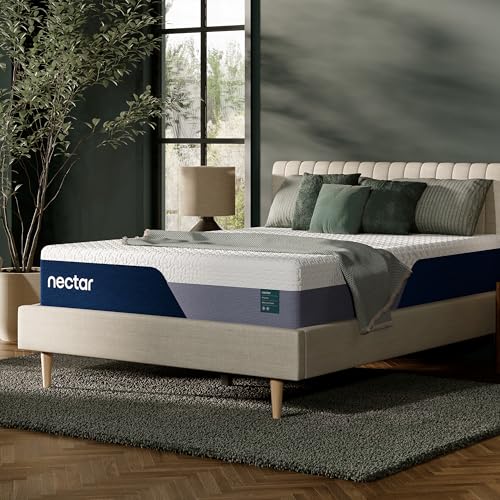
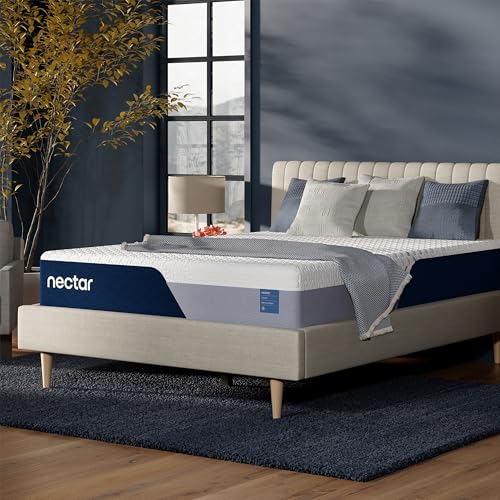
Best Mattress on Amazon Overall: Nectar Classic 12-Inch, Queen
Badge: The platform’s foam standard. Nectar’s Classic earns the top line here on the strength of the complete package as Amazon sells it: a full 12-inch memory foam profile, a surface tuned for the side-sleeping majority, and a maker whose identity, line, and commitments are substantial enough to survive the platform’s fog. Its pressure relief is the deep, quiet kind foam does best, its motion isolation suits couples, and its presence at the head of this list reflects a judgment about the whole ownership — buying, sleeping, and being supported — rather than about any single night’s feel.
Listing spec box (verified title facts):
- Profile: 12 inches
- Construction: memory foam
- Feel in listing: medium firm
- Size referenced: queen
Strengths
- Deep pressure relief for side sleepers.
- Full profile and a substantial maker’s backing.
- Excellent motion isolation for couples.
Trade-offs
- Foam warmth and slow response are inherent.
- Stomach sleepers will find it too yielding.
- Edges are foam-class.
Best for: side and back sleepers wanting Amazon’s most complete foam proposition. Not suited for: stomach sleepers or bounce seekers.
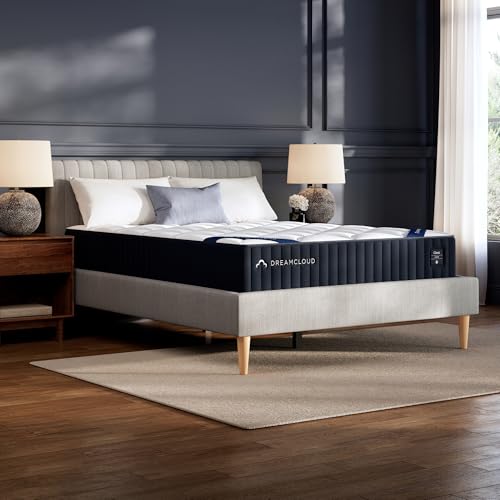
DreamCloud Classic Hybrid, Queen — the Luxury-Leaning Hybrid
Badge: For the buyer who wants the platform’s upscale register. DreamCloud’s Classic hybrid brings the register of a hotel suite to the platform’s hybrid shelf: coils for support and air, foam comfort above them, and a presentation that reads premium from the first photograph. For back and combination sleepers who find all-foam beds airless and slow, it is the natural flagship of this list — the mattress whose Amazon listing most plausibly anchors a primary bedroom for years.
Listing spec box (verified title facts):
- Construction: hybrid (coils with foam comfort layers)
- Positioning: luxury-leaning classic model
- Size referenced: queen
Strengths
- Supportive, breathable hybrid architecture.
- Premium presentation and finish.
- Versatile across back and combination sleeping.
Trade-offs
- Upper tier within this guide’s range.
- Some motion transfer versus all-foam picks.
- Heavier to handle and rotate.
Best for: back and combination sleepers wanting a premium hybrid. Not suited for: the tightest budgets.

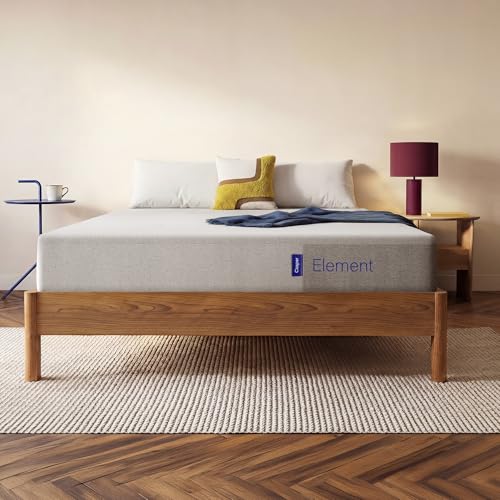
Casper Element, Queen — the Mainstream Name
Badge: The safest pair of hands on the platform. Casper’s Element offers the platform shopper a particular comfort that precedes the mattress itself: certainty about what is arriving. A balanced foam feel for back and combination sleepers, an entry tier within a famous line, and the finish consistency of a maker whose quality control is a matter of public reputation — on a platform where certainty is scarce, the Element sells it at an accessible price of admission.
Listing spec box (verified title facts):
- Construction: foam
- Feel positioning: medium, balanced
- Size referenced: queen
Strengths
- Predictable, balanced feel and finish.
- Major maker’s consistency and support.
- Friendly profile for apartments and smaller rooms.
Trade-offs
- Less depth of contour than the Nectar.
- Entry model, not the flagship’s materials.
- Foam warmth, mild.
Best for: risk-averse buyers wanting a known name. Not suited for: deep-contour side sleepers.

Zinus 12-Inch Green Tea Memory Foam, Queen — the Volume Champion
Badge: The most mattress the platform sells per dollar. Zinus’s 12-inch is the pick for the buyer who has run the numbers and wants depth, contour, and a proven design at the shelf’s most aggressive value position. It serves side and back sleepers across a wide range, fills guest rooms and first apartments by the thousands, and its trades — warmth, softening pace, foam edges — are the known, priced-in character of its class rather than surprises.
Listing spec box (verified title facts):
- Profile: 12 inches
- Construction: memory foam, green tea infusion in maker’s description
- Size referenced: queen
Strengths
- Maximum depth and contour per dollar on the platform.
- Proven, widely owned design.
- Quiet, motion-absorbing surface.
Trade-offs
- Budget foam’s lifespan is the shortest in this guide.
- Warmth and edge softness are class traits.
- Heavy sleepers compress its best years.
Best for: value buyers, guest rooms, first homes. Not suited for: heavy sleepers buying for a decade.
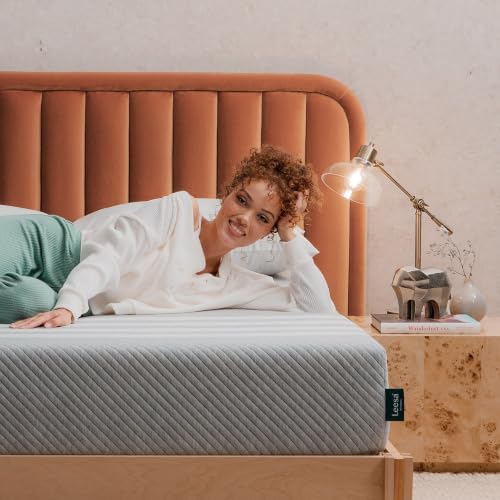
Leesa Original, Queen — the Direct-to-Consumer Classic
Badge: A founding name of the bed-in-a-box era, still earning its place. Leesa’s Original is one of the mattresses that created the modern category, and its continued presence near the top of platform conversations is earned by a balanced foam feel that has suited combination sleepers for years: contour without quicksand, response without bounce, and a maker’s social-mission identity that some buyers value in itself. For the shopper who wants the platform’s history with its convenience, this is the classic done right.
Listing spec box (verified title facts):
- Construction: foam
- Feel positioning: balanced, medium in maker’s range
- Size referenced: queen
Strengths
- Balanced feel that suits combination sleepers.
- Proven design from a category-founding maker.
- Even, quiet surface for couples.
Trade-offs
- Less deep contour than the Nectar for side sleepers.
- Foam warmth applies.
- Premium-leaning tier versus budget picks.
Best for: combination sleepers wanting a proven classic. Not suited for: maximum-value or maximum-plush briefs.
How to Choose Among the Five: Position, Build, Horizon
The five picks sort cleanly once the buyer answers the wave’s three standing questions. Position first: side sleepers start at the Nectar and test the Leesa; back sleepers start at the DreamCloud and the Element; combination sleepers start at the Leesa and the DreamCloud; stomach sleepers should treat this list cautiously and consult the firmer guidance elsewhere in the wave. Build second: heavier sleepers should weight the hybrid’s coil core and the deeper profiles, lighter sleepers should read the petite calibration guide before concluding that any medium here will engage for them. Horizon third: guest rooms and short horizons crown the Zinus, settled primary bedrooms crown the DreamCloud and the Nectar, and the value division from the best mattress for the money should be run on the finalists before any order. Apartment dwellers have their own cut of the question at mattresses for apartment living, and shoppers whose problem is an existing bed’s surface rather than the bed itself should detour through cheap mattress toppers before spending mattress money on a topper problem.
Platform Literacy: Variants, Sellers, and the Fine Print
Three platform mechanics deserve a buyer’s full attention, because each has ended more Amazon mattress purchases badly than any defect of foam. Variant drift: a single listing page may carry multiple depths, generations, and firmnesses across its size selector, and reviews written about one configuration attach to all of them — the buyer must confirm, at the moment of ordering, that the selected variant is the one the research described. Seller identity: the same mattress may be offered by the maker, by the platform, and by third-party sellers at different terms, and the trial, warranty handling, and return logistics follow the seller, not the product name — buy the seller whose commitments are legible. Review archaeology: platform reviews accumulate across years and occasionally across product revisions, so the recent, build-matched, position-matched subset is the evidence and the all-time average is the archaeology. A buyer who masters those three mechanics can shop the entire platform with this guide’s confidence; a buyer who skips them is gambling at any price point, including the flagship’s.
Setup: Receiving a Mattress From a Platform
Platform mattresses arrive compressed, and the first day’s discipline decides the ownership’s tone. Photograph the box and the listing’s title page at purchase — the record of exactly which variant was ordered, against the day a question arises years later. Unbox in the room of use, because an expanded queen is a piece of furniture and hallways are unforgiving. Allow the full expansion window the maker states before judging the feel, and expect the surface’s character to settle across the first week as materials relax and room temperature equalizes. Place the bed on a compatible, sound foundation from the first night, since platform returns and warranties alike assume the bed was supported as directed. Keep the trial deadline on the household calendar with the same seriousness as the payment, because the trial is the platform purchase’s insurance policy and it expires on schedule whether or not it was used. And keep the packaging question practical: an expanded foam mattress cannot be re-boxed by household means, so the return, if it comes, will follow the seller’s stated logistics — another reason the fine print deserved reading before the click.
Common Mistakes When Buying a Mattress on Amazon
The signature mistake is buying the listing instead of the mattress — chasing the deepest discount badge on an unverified variant from an unnamed seller and discovering, at the first problem, that no one is home. The second is review-count gravity, choosing the product with the largest census of opinions rather than the one whose opinions were written by matching bodies. The third is ignoring the foundation, platform edition: a bed-in-a-box placed on an inherited, sagging base will be reviewed by its owner as a mattress failure, and the platform will record the verdict against the wrong defendant. The fourth is size exuberance — ordering the king because the platform made it easy, into a room and a stairwell that vote no. The fifth is forgetting that the platform’s convenience cuts both ways: the same frictionless checkout that delivers a verified Nectar in days will deliver an anonymous foam slab just as fast, which is why verification, the discipline this entire guide is built on, is the buyer’s non-negotiable first move.
Three Amazon Shoppers, Three Correct Carts
A side sleeper replacing a decade-old innerspring, shopping the platform for the first time, began paralyzed by the fog — forty tabs, identical adjectives — and was rescued by the method rather than by a brand: makers first, variants confirmed, reviews filtered to her build and position. Her shortlist collapsed to the Nectar and the Leesa within an evening, and the trial decided between them. Her case is the guide’s thesis in biography: the platform is not hostile, merely unfiltered, and the filter is a skill any shopper can run.
A couple furnishing a first house entirely through the platform — a circumstance their parents’ generation would find exotic and theirs finds ordinary — needed the bed to be the purchase they worried about least, because everything else was arriving in boxes too. They bought the DreamCloud for its hybrid support and premium register, calendared the trial the day it landed, and never thought about the mattress again, which in a season of a hundred deliveries was the highest praise any product earned.
A graduate furnishing a studio on a stipend ran the value division, bought the Zinus, and spent the difference on the desk chair her back actually lived in — an allocation this guide endorses in the strongest terms, because platform shopping’s real skill is not finding the best mattress but distributing a finite budget across a whole life. Her case completes the set: on Amazon, the cart is the strategy, and the mattress is one line in it.
The Evidence Basis of This Guide
Every product here was confirmed in Amazon’s catalog through the retailer’s own product interface on 23 November 2026, and the spec boxes quote listing facts — construction, profile, positioning — rather than impressions gathered elsewhere. The guide claims no testing program; its characterizations rest on each pick’s construction and on the settled behavior of its material class, stated as reasoning rather than as measurement. No prices, ratings, or review counts appear, by this wave’s standing rule: platform numbers move fastest of all, and a guide that printed them would be misinformation by the weekend. What does not move is the method — verification, variant discipline, seller legibility, body-matched review reading — and the method is the guide’s actual product, with the five mattresses as its current, verified exhibits.
The Platform’s History in Five Beds
The five picks, read together, are a short history of how mattresses came to be sold this way. The Leesa represents the founding disruption — the bed in a box, sold direct, that proved a mattress could be a parcel. The Casper Element carries the same revolution into its mainstream maturity, where the founding brands became the establishment their younger selves disrupted. The Nectar and the DreamCloud mark the platform era’s second wave, makers built for the marketplace’s scale from the beginning, fluent in its logistics and its language. And the Zinus represents the manufacturing tide beneath all of it — the vast, competent production that made a twelve-inch foam bed a commodity purchase and reset every other maker’s arithmetic. A shopper choosing among them is not merely choosing a feel; they are choosing which chapter of the industry’s story they trust with their money, and the guide’s judgment is that all five chapters, verified, are trustworthy in their different ways. The anonymous listings that share their search results are the unwritten chapter, and it is the one this guide declines to recommend.
The Midnight Summary for Platform Shoppers
Compressed for the reader with forty tabs open: side sleeper, buy the Nectar. Back or combination sleeper wanting the premium register, buy the DreamCloud. Buyer who wants the decision to feel safe before it feels luxurious, buy the Element. Buyer running a budget across a whole home, buy the Zinus and spend the difference where life is lived awake. Buyer who wants the classic that started the category, buy the Leesa. Then close the other thirty-five tabs — the fog was never a shortage of options, only a shortage of method, and the method has now done its work.
Envoi: the Store That Is Everywhere
There is something quietly remarkable about the transaction this guide has spent its length disciplining: a household can now summon a bed — the bulkiest, most intimate furnishing it owns — from a warehouse to its door in days, unbox it in an afternoon, and sleep on it for a decade. The platform made that ordinary, and ordinariness bred carelessness, which is the only real danger in the arrangement. The five verified beds and the four moves of method are this guide’s answer: treat the miracle like a purchase, and it will behave like one. Sleep is too important to be the one thing a household buys on autopilot, even — especially — when autopilot is this convenient.
A Note on This Guide’s Shelf Life
Platform listings are the fastest-moving documents in this entire wave — variants rotate, sellers change, a model’s page is rebuilt around a new generation — and this guide’s product facts rest on the verification recorded in its sources, with the live listing governing every detail on the day of purchase. Its method is built from the platform’s permanent features: makers outlast listings, variants hide inside pages, sellers carry the commitments, and reviews are a census to be filtered rather than a verdict to be obeyed. A reader who finds a pick here revised has lost a link and kept the discipline, and the discipline will identify the successor product on any future version of the platform. That is the correct ratio for a guide to the fastest shelf in retail, and it is stated here as plainly as the guide states everything else.
The Last Practical Checklist
Five checks before the click, in the order they prevent the platform’s classic regrets. Confirm the maker is the maker — a real brand with an identity beyond the listing. Confirm the variant in the cart is the variant in the research, size, depth, and generation alike. Read the seller’s trial and return terms where they are written, and calendar the deadline before the box arrives. Inspect the foundation the bed will land on, because the platform will not ask and the warranty will. And photograph the listing’s title at purchase, so the household’s record of what was bought survives the page’s inevitable revisions. Run those five and the platform becomes what it should have been all along: the most convenient mattress store in the world, shopped with the same care as the most old-fashioned one.
One constituency has gone unaddressed, and it is the platform’s most loyal one: the buyer who has furnished three homes through a single account and regards the method sections of this guide as an insult to a practiced hand. The guide’s answer is respect, plus a datum: the platform’s own veterans are the shoppers most often caught by variant drift, precisely because their confidence outruns their checking, and the mattress — the largest, longest-lived, least returnable-feeling item in the cart — is the purchase where a practiced hand most needs its habits audited. The five checks are not for beginners. They are for everyone the fog has not caught yet.
Postscript: the Household Log, Platform Edition
The household log takes a documentary form for a platform purchase: the listing photograph, the variant, the seller, the trial’s last day, and the delivery date, filed together where the household keeps its warranties. Platform pages are revised and listings are rebuilt, and the household that holds its own record of the transaction is immune to the amnesia of the marketplace — able, years later, to state exactly what was bought, from whom, on what terms. It is a five-minute habit at the moment of maximum information, and like every habit this wave recommends, its value compounds in silence until the day it is needed, when it is suddenly worth the whole purchase.
And a word, before the verdict, about the reviews the reader is about to go and read anyway — because this guide’s census doctrine deserves a worked example. Take any pick on this page and sort its platform reviews three ways: by the reviewers who name the buyer’s own position, by those who name a similar build, and by recency within the current variant. The intersection of those three sorts is a small, honest dataset, and it will usually tell a coherent story that the all-time average — thousands of strangers, several revisions, every body on earth — cannot. The shopper who learns to perform that sort owns the platform’s largest information asset in its usable form, and will never again be governed by a number that was averaged over people who sleep nothing like them.
Let the guide also discharge a fairness debt to the platform itself, which has played the fog machine of this page and deserves its due: no previous era offered a shopper this combination of range, price transparency, delivery speed, and — when the method is used — recourse. The showroom it replaced had its own fog, thicker in its way: commissioned guidance, incomparable models renamed per store, prices that existed only in negotiation. The platform did not invent mattress confusion; it democratized it, and in the same motion democratized the information that dispels it. The buyer who shops it well is better served than any mattress buyer in history. The buyer who shops it carelessly is worse served than the showroom’s victims, because the carelessness is self-administered. Method is the whole difference, and method is free.
The box arrives within the week, as boxes do, and the mattress performs its small resurrection on the bedroom floor — compressed slab to full bed in an hour, a trick that never entirely loses its wonder. What the household does in the following fortnight decides whether the wonder becomes a decade: the calendar’s deadline watched, the foundation honest, the verdict delivered by the body rather than by the first night’s novelty. Platform shopping ends at the doorstep. Ownership, as ever, is a practice.
Finally, to the reader who has absorbed the method and still faces the five picks with an honest uncertainty: the uncertainty is the correct sensation, and it resolves the way this wave always resolves it — by the body’s evidence under the protection of the trial. Choose the pick whose position-and-build logic matches the household’s facts, calendar the deadline, and let the fortnight vote. On a platform of infinite options, the willingness to decide by evidence rather than by exhaustion is the rarest skill of all, and the reader who has read this far demonstrably has it.
And so the guide ends where the platform begins — at a search box, empty and full of everything — with the hope that its reader will never face that box unarmed again. Five beds are verified and waiting. The method that found them is the reader’s to keep, applicable to every future version of the store that sells everything, including the versions none of us has seen yet. Shop it like it matters, because the decade of nights on the other side of the click is the proof that it does.
A closing courtesy to the future editor of this page, who will refresh it against a platform that will have changed its furniture twice by then: keep the standard and let the names fall where verification leaves them. The temptation of every platform roundup is abundance — fifty beds, a badge for each — and its cost is the reader’s trust, spent on listings nobody checked. Five verified picks and a portable method will still be the right shape for this page when the current five are history, because the shape was never about the beds. It was about the checking.
The first night on the new bed will feel like an event, the second week like a routine, and the second year like a fact of the house — and that progression, event to routine to fact, is the biography of every successful platform purchase. The failures stall at the first stage, forever events, forever discussed. Buy for the fact stage: verified maker, confirmed variant, honest foundation, calendared trial. The routine will take care of itself, and the fact, when it arrives, will be the best mattress on the platform in the only sense that ever mattered — the one in the reader’s room, still itself, years in.
One line, then, for the household log’s first entry, offered ready-made by a guide that has recommended the log in every category it has touched: bought on the platform, by method — maker verified, variant confirmed, seller legible, trial calendared — and the bed, at last check, is exactly what the listing said it was. Date it. On a platform that forgets everything, the household that remembers is the one that wins.
Enough. The tabs can close, the cart can hold one bed instead of forty possibilities, and the household can return to the business the mattress was bought to support — sleeping, in a room that no longer contains a research project. That return, from shopping to sleeping, is the platform purchase’s true delivery date, and it arrives exactly when the method says it should: about two weeks after the box.
The guide will permit itself one prophecy in closing, since prophecies about platforms are cheap and this one is safe: the store that sells everything will go on revising, renaming, and re-ranking everything it sells, and the shoppers who thrive in it will be the ones who brought their own standard with them. Verification is that standard in its portable form. Carry it past the mattress aisle — to the appliance, the chair, the machine — and the fog thins everywhere at once, because the fog was never in the store. It was in the shopping, and the shopping is the reader’s.
And so, finally, the five names stand in their order — Nectar for the side-sleeping majority, DreamCloud for the hybrid premium, Element for the certainty buyer, Zinus for the value division, Leesa for the classic — not as the platform’s eternal champions, for the platform has none, but as its verified best on the day this guide was written, chosen by a method that will crown their successors with equal indifference to everything but the evidence. That indifference is the reader’s inheritance from this page. Spend it well.
Sleep, then, on the verified — in a bed whose maker has a name, whose variant has a record, whose seller has terms, and whose trial has a date circled in the household’s own hand. In a store of everything, that handful of certainties is the whole of luxury, and it costs nothing but the attention this guide has spent seven thousand words teaching its reader to pay.
Postscript for the methodical, who will want the method in its pocket form: maker, variant, seller, census, calendar. Five words, in that order, applicable to every mattress the platform will ever list and to most of the rest of its catalog besides. The guide has spent its length earning those five words the right to be brief. Carry them, and the store that sells everything becomes, at last, a store that can be shopped.
The pocket form deserves its pocket: print it, tape it inside the household log, and let it govern the next platform purchase without reopening the whole curriculum. Methods that must be re-read are methods that will be skipped; methods that fit on an index card become habits, and habits, unlike guides, are open at midnight when the shopping actually happens.
And when the habit has done its work — the bed chosen, delivered, expanded, and ratified by the fortnight — the platform will recede to its proper place in the household’s life: a utility, like the water and the road, valued exactly in proportion to its invisibility. The best mattress on the platform is the one that achieves that invisibility fastest and keeps it longest. By the evidence available on the day of writing, the five above are where the smart money starts.
The smart money, it should be said in the guide’s defense, is not a synonym for the most money — the Zinus stands on this page beside the DreamCloud without embarrassment, because the method that verified both is indifferent to tier and attentive only to evidence. That indifference is the platform shopper’s final lesson, and the one the fog most hopes they never learn: a listing’s price is a fact about the listing, not about the bed, and the bed is what the next decade will be slept on.
Let the decade, then, be the unit of account in the reader’s final deliberation — not the delivery date, not the discount window, not the review census, but the roughly thirty-six hundred nights the purchase is actually buying. Priced and judged in that unit, the five verified beds sort themselves with an honesty no banner can imitate, and the platform, for all its fog, becomes a straightforward place to buy a decade. Buy the decade well.
The decade is bought a night at a time, and the first of them is tonight — on the old bed, with the research done and the decision, at last, a matter of a single verified click. Make it the click the method endorses, and let the platform do the rest: the warehouse, the truck, the box on the step, the slab rising on the floor like a small, patient proof that the store of everything can, with a little discipline, deliver exactly the right thing.
And if the proof, once risen, is slept on for the fortnight and found wanting — the method has an answer for that too, and it is not despair but the calendar: the trial, honored and unexpired, converts the error into information at no cost but the effort, and the second choice, made with a fortnight’s evidence in hand, is the best-informed mattress purchase a household ever makes. The platform’s deepest virtue is that it permits this learning. Use it without shame when the body files its dissent.
The dissent, the ratification, the decade — the guide has now described the whole life cycle of a platform mattress, and nothing remains but the reader’s own first chapter of it. Write it with the five words on the index card, and the odds — never certainty, for beds are slept on by bodies and bodies are sovereign — tilt as far in the household’s favor as evidence can tilt them. That tilt is the product this page actually sells, and it ships free, instantly, in the reader’s own hand.
Enough — the store is open, the method is portable, the five beds are verified, and the night is the reader’s. Go and buy the decade, one careful click at a time, and then go and sleep in it, which was the point of every word on this page and of every word the platform has ever printed about any of its beds.
The point, restated one final time in the plainest available words, because plainness is the guide’s parting gift: known maker, right variant, honest seller, filtered reviews, calendared trial. Five phrases, five verified beds, one decade of nights. The platform supplies everything else, including — if the reader insists on shopping without the phrases — the lesson in why they were necessary.
May the lesson be the cheap kind, learned from a page rather than from a purchase — that is the wish with which this guide, like every guide in the wave, dismisses its reader: informed, verified, and about to sleep on evidence. The store of everything is open all night. Shop it once, shop it right, and then, for a decade, do not shop it at all.
Not shopping, for a decade, is the platform purchase’s final and finest feature — the silence where the research project used to be, filled with the ordinary sounds of a house whose bed is settled. The guide can imagine no better outcome for its five picks, its five phrases, or its reader, and it rests, at last, on exactly that silence.
The silence, when it comes, will not announce itself — that is its nature — and the household may notice it only in retrospect, years in, realizing that the mattress has not been a topic since the fortnight it arrived. Retrospect is the platform era’s rarest review format, and the only one whose score cannot be gamed. Buy for the retrospect.
Buy for the retrospect, then, and let the present take care of itself in the ordinary way — a box, a week, a fortnight, a verdict. The guide’s work is done; the platform’s is beginning; and the reader’s, the sleeping itself, is the only part of the transaction that was ever really the point.
The point, slept on nightly for a decade, will eventually be the only review the household writes — in the log, in a line, in the past tense. Until then, the five phrases stand guard over the purchase, and the five beds stand ready in the catalog, verified, for the reader’s body to grade them in the only court whose rulings are final.
Court is adjourned, then, in favor of the bedroom — where the evidence will be gathered nightly, the verdict delivered by morning, and the sentence, if this guide has done its work, a decade of unremarkable sleep. The platform delivered the defendant. The method conducted the trial. The reader, as always in these pages, is the judge.
Judge kindly but judge by evidence — the instruction holds for mattresses, for platforms, and for guides, including this one, whose claims the reader’s own fortnight will shortly grade. The guide accepts the grading in advance, confident in the only thing it ever actually promised: that the five beds above were really there, really verified, on the day it said they were.
That promise — verification, dated and checkable — is the thread that runs through every guide in this wave, from the flagship comparisons to the humblest pad, and it is worth stating once at the platform scale: a recommendation is a claim about the world, and claims about the world should be made the way this one was, against a catalog, on a date, with the evidence named. The reader deserves no less from any page that asks for their money’s direction. This page now asks, and rests.
Rest, then, is the verdict the page is finally after — not applause for its method, not agreement with its order, but the reader’s own rest, on a verified bed, in a quiet room, for a decade of nights that no longer require a guide at all. When that rest arrives, this page will have done the only work it ever claimed to do, and it will ask, in return, for nothing but the log’s first line and the fortnight’s honest grade.
The grade, when it comes, should be written where the next buyer in the household will find it — because platforms forget, listings change, and families repeat each other’s purchases with a fidelity that deserves better source material than a rebuilt product page. The log is that material. Keep it, and the store of everything becomes, for one household at least, a store with a memory.
A store with a memory, a bed with a name, a trial with a date, a log with a line — the platform purchase, fully domesticated, looks exactly like the old-fashioned kind, conducted at the speed of light. The guide is satisfied with that resemblance, and with its reader, and it closes the tab on both their behalfs.
Tab closed, cart committed, calendar marked — the trilogy of the disciplined platform purchase, performed in minutes and good for a decade. The guide salutes the reader who performs it, and withdraws to let the warehouse do its part.
The warehouse does its part in days. The reader’s part — the fortnight’s honest grading — takes slightly longer and matters considerably more, and the guide’s last request is simply that it be done with the same care as the choosing. Evidence in, verdict out, decade on.
Decade on, then — the guide’s final two words of instruction and its first two of farewell, offered to a reader who came to a store that sells everything and is leaving with the one thing it could not list: a method.
The method, carried out of the store and into the house, is the purchase that never needs replacing. Everything else — the foam, the coils, the cover — is scheduled for its decade and content with it. So is this page.
Content, verified, and complete — the page signs its name to the list and leaves the sleeping to the sleeper, which is where it always belonged.
Final Recommendation
For most Amazon mattress shoppers, the Nectar Classic is the platform’s most complete answer: verified, substantial, and tuned to the side-sleeping majority. Buyers wanting hybrid architecture and a premium register should take the DreamCloud. Buyers wanting a name that removes doubt should take the Casper Element. Buyers running the value division should take the Zinus and spend the difference well. Buyers wanting the category’s founding classic should take the Leesa. And every buyer, whatever the pick, should shop the platform the way this guide did — makers over listings, variants confirmed, sellers legible, trials calendared — because on a platform that sells everything, method is the only brand that never disappoints.
Frequently Asked Questions
Is it safe to buy a mattress on Amazon?
Yes, provided the purchase is made the way this guide makes it: a verified maker, the exact variant confirmed, a legible seller, and the trial and return terms read before ordering. The platform’s risks are concentrated in anonymous listings and unread fine print, both of which are avoidable by method rather than by luck.
Which mattress is best on Amazon for side sleepers?
The Nectar Classic leads this guide for side sleepers on the strength of its deep foam pressure relief, with the Leesa Original as the balanced alternative for side sleepers who also turn frequently. Heavier side sleepers should audition the DreamCloud hybrid’s support as well.
How do I know I am getting the right variant?
Check the listing’s selected options — size, depth, and model — against the research at the moment of ordering, and keep a screenshot or photograph of the title and configuration. Reviews and photographs on a platform page may span several variants, so the cart’s exact configuration is the only reliable record.
Can I return a mattress bought on Amazon?
Return and trial arrangements vary by brand and seller, which is why this guide treats the terms as part of the product. Read the specific listing’s policy before purchasing, keep the deadline once the bed arrives, and follow the seller’s stated process — expanded mattresses are typically collected rather than re-boxed by the buyer.
Why does this guide only list well-known brands?
Because verification is its standard. The picks are makers whose identities, constructions, and listings could be confirmed through the retailer’s catalog interface on the day of writing. Lesser-known products may be excellent, but a guide that cannot verify a maker cannot responsibly lend it a reader’s money.
What foundation do these mattresses need?
Each maker’s listing states its requirements, and they should be followed exactly — generally a solid or closely spaced slatted base in sound condition. A failing foundation undermines any mattress’s comfort and can compromise warranty coverage, so the base deserves inspection before the new bed arrives.
How soon should I unbox a mattress ordered on Amazon?
Promptly — ideally on delivery day, and within the window the maker’s listing or insert specifies. A bed-in-a-box is compressed for shipping, not for storage, and its foams recover most faithfully when released soon after arrival; a mattress left rolled in a spare room for months can expand unevenly and may complicate a return if something is wrong. Unboxing early also starts the trial with the full return window ahead of you, lets any packing odour dissipate before the first night, and gives you time to photograph the expanded bed if a defect needs documenting for the seller.