Disclosure: As an Amazon Associate, dailyhomedecorating.com earns from qualifying purchases. Links on this page are affiliate links; they cost you nothing extra. Prices and availability change often, so check the current Amazon listing before you buy.
Shopping for a winkbed gravitylux mattress review usually means you have already read the brand’s own page and want a plainer account of what this bed actually is, who it tends to suit, and what you give up by ordering a mattress that only ships from one maker’s website. This review works through the GravityLux layer by layer, explains its firmness choices in ordinary language, and then lines it up against three foam mattresses you can order through Amazon, so you can judge whether the direct route earns its extra friction.
One honesty note before anything else. The GravityLux is sold by WinkBeds through its own store, and when we checked the Amazon catalog through the retailer’s product database on 23 November 2026, no listing for this mattress appeared. That means there is no Amazon purchase link for the bed itself anywhere in this article, and nothing below pretends otherwise. Where a claim comes from the maker’s published description rather than from a verifiable listing, the text says so, and the alternatives section only recommends mattresses whose listings were confirmed.
Where You Can and Cannot Buy the GravityLux
WinkBeds runs a direct-to-consumer model. You pick a size and a firmness on the company’s site, the bed is compressed and boxed, and it ships to your door from the brand rather than from a marketplace warehouse. That single-channel setup has real consequences a shopper should weigh early. Returns, trial questions, and warranty claims all go through one company’s support desk, which many buyers find simpler than a marketplace ticket system. The trade-off is comparison friction: you cannot put the GravityLux in the same cart as a competing bed, read it against marketplace delivery estimates, or use a gift card balance you already hold elsewhere.
The three alternatives reviewed later in this page exist precisely for readers who decide that friction matters. Each one is an all-foam or mostly-foam bed with a confirmed Amazon listing, an official product image, and a “Check price on Amazon” link, because the current figure belongs on the listing page, not frozen into an article that may be read months from now.
In this guide
Winkbed Gravitylux Mattress Review: What Kind of Bed Is It?
Strip away the marketing vocabulary and the GravityLux is WinkBeds’ memory-foam entry: a bed built entirely from foam layers, with no springs anywhere in the stack. The company positions it as the foam counterpart to its better-known hybrid, aimed at sleepers who like the slow, close hug of memory foam but worry about the two classic foam complaints, sleeping warm and sinking too far through the middle.
According to the maker’s own description, the comfort layers use gel-infused memory foam, a common formulation in which gel particles or swirls are blended into the foam to help it feel less heat-trapping at the surface. Underneath sits a support core the brand describes as zoned, meaning the foam is firmer through the lumbar region and comparatively gentler under the shoulders. Zoning of that kind is a sensible idea for back and combination sleepers, because hips carry more weight than shoulders and a uniform slab tends to let the pelvis drop into a hammock curve.
None of that makes the GravityLux a medical product, and this review will not treat it as one. A mattress can feel more or less comfortable to a particular back; it cannot diagnose, treat, or fix a spinal condition. If you live with persistent back pain, a clinician or physical therapist is the right source of advice, and any bed purchase should be judged on the trial terms that let you send it back if your body disagrees.
The Firmness Menu, Translated
WinkBeds has historically offered the GravityLux in more than one firmness, typically described with labels such as softer, luxury firm, and firmer. Labels like those are not standardized across the industry, so treat them as positions within this one product line rather than as measurements you can carry to another brand. Within the line, though, the ordering tells you something useful.
The softer build gives the memory foam more room to compress, which deepens the contouring cradle around shoulders and hips. Side sleepers with narrower frames often prefer that end of a range because their lighter weight does not push far into a firm surface, and a too-firm bed leaves their shoulder floating on top of the foam instead of nestling into it. The middle option, the luxury-firm style build, is the one most couples land on when one partner sleeps on a back and the other turns onto a side, because it keeps the surface flatter for back sleeping while still yielding at the pressure points. The firmer build suits committed back and stomach sleepers who want the foam to behave more like a supportive platform than a nest, and who find that deep sinkage leaves their lower back arched by morning.
If you are choosing between two adjacent options, weight usually settles it. Lighter sleepers feel any given foam as firmer than heavier sleepers do, because they compress less of it. A bed that reads as balanced to a 220-pound back sleeper can feel like a plank to a 120-pound side sleeper, which is why firmness advice that ignores body weight misleads so many buyers.
How the Feel Changes by Sleep Position
Side sleeping on the GravityLux
Side sleepers load a mattress through two narrow points, the shoulder and the hip, and memory foam’s slow response is generally kind to both. The foam softens under body heat, lets the shoulder sink to a depth that keeps the neck closer to neutral, and spreads the hip load over a wider patch than a spring surface usually does. On the softer GravityLux build that effect is strongest. On the firmer build, a lightweight side sleeper may find the shoulder never quite gets in, which shows up as a numb arm or a pillow being shoved higher through the night.
Back sleeping and the zoned core
Back sleepers need the opposite bargain: enough give at the surface to fill the small of the back, and enough pushback underneath to stop the pelvis from tipping down. This is where the zoned support core earns its mention. A firmer band through the middle third of the bed resists exactly the heaviest part of a supine body. Whether a given sleeper notices the zoning varies, but the design intent is sound, and it is the main structural argument for choosing this bed over a uniform foam slab at a similar tier.
Stomach sleeping, with caution
Stomach sleepers are the hardest group to serve with memory foam, because the material’s cradle works against them: hips sink, the belly drops, and the lower back extends. A firmer GravityLux build on a supportive base gives a stomach sleeper the best chance within this line, yet anyone who sleeps prone all night should read foam lineups skeptically and lean on the trial period rather than on any review’s reassurance, including this one.
Couples, motion, and the edge of the bed
All-foam beds are naturally quiet and naturally good at swallowing motion, and the GravityLux follows that pattern: a partner’s turn or early exit sends very little travel across a foam stack compared with a bouncy innerspring. The compromise lives at the perimeter. Foam edges compress under a seated body, so if you dress on the edge of the bed or sleep right out at the border, expect less support there than a coil bed with a reinforced rim would give. For most couples sharing a queen or larger, the motion advantage outweighs the softer edge; for a single sleeper who uses every inch of a full size, it deserves a thought.
Temperature: What Gel Foam Can and Cannot Do
Memory foam earned its warm reputation honestly. It softens with heat, holds the body in a close wrap, and reduces the air gaps that let a sleeper cool down. Gel infusions and ventilated cuts moderate that behavior at the surface, and the GravityLux uses the gel approach according to its maker. Moderate is the operative word. A gel layer can take the edge off the first hour’s warmth; it cannot turn a foam bed into the cool, airy ride of a latex or coil design, and a hot sleeper in an uncooled room should calibrate expectations accordingly. Pairing any foam mattress with breathable sheets and a lighter duvet does as much for night temperature as the foam formulation does, a point the cooling-sheet guides on this site return to often.
Three Amazon-Listed Foam Beds to Compare Against It
Because the GravityLux cannot be bought through Amazon, the honest comparison is not a link to the bed itself but a short bench of foam mattresses whose listings were verified in the Amazon catalog on 23 November 2026. Each pick below carries its official catalog image and a plain purchase link. Read them as reference points for what the marketplace offers at three different tiers of foam-bed design.

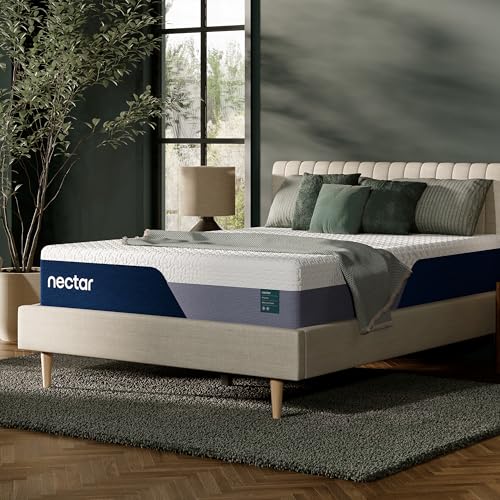
Nectar Premier 13-Inch Memory Foam Mattress, Queen
Badge: Closest foam-for-foam rival. The Premier is the step-up version of Nectar’s familiar memory foam bed, and its catalog description emphasizes a thicker profile, a medium-firm stance, and a cooling top layer over contouring foam. Against the GravityLux it makes an interesting contrast in buying experience as much as in construction: Nectar sells through Amazon as well as directly, so a buyer who wants marketplace checkout, marketplace delivery tracking, and a familiar returns doorway can get a premium foam bed without leaving that ecosystem.
Spec box (from the verified listing title):
- Profile: 13 inches
- Feel stated by maker: medium firm
- Construction: memory foam with cooling top layer
- Trial stated in listing: 1-year trial
- Size referenced: queen
Strengths
- A taller foam stack than entry-level beds, which usually translates into deeper pressure relief for side sleepers.
- Medium-firm positioning lands near the middle of the market, suiting mixed-position couples.
- Sold through Amazon, so checkout, tracking, and returns run through a system many households already use.
Trade-offs
- Still an all-foam bed, so warm sleepers should expect moderation rather than a genuinely cool surface.
- Edge support follows the foam pattern and feels soft when you sit on the border.
- The taller profile may need deep-pocket sheets on some pillow-top setups.
Best for: foam lovers who want a premium-tier memory foam bed with marketplace convenience. Not suited for: sleepers who run hot and already know foam makes them restless.

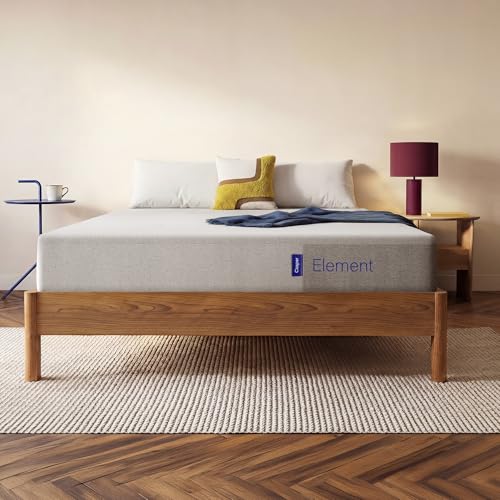
Casper Sleep Original 11-Inch Hybrid Mattress, Queen
Badge: The hybrid escape hatch. Some readers start with a GravityLux review and end up realizing they do not actually want an all-foam bed; they want foam comfort with a springier, cooler, more supportive chassis underneath. Casper’s Original Hybrid answers that reading of the brief. Its listing describes breathable memory foam over zoned support with springs in the build, which changes two things at once: air moves through a coil core more freely than through solid foam, and the perimeter holds up better when you sit or sleep near the edge.
Spec box (from the verified listing title):
- Profile: 11 inches
- Feel stated by maker: medium
- Construction: memory foam over zoned support, hybrid build
- Trial stated in listing: 100-night trial
- Size referenced: queen
Strengths
- Coil support gives the bed a livelier response, so changing position takes less effort than on slow foam.
- Zoned support mirrors the GravityLux idea of extra pushback under the hips, executed with springs.
- Breathable foam over an airy core suits sleepers who found pure memory foam stuffy.
Trade-offs
- Motion isolation is good for a hybrid but rarely matches a solid foam stack.
- The medium feel may read soft to heavier stomach sleepers.
- Hybrid construction makes the box heavier to maneuver on delivery day.
Best for: couples and combination sleepers who want foam comfort without the foam-bed trade-offs. Not suited for: purists who specifically want the deep, slow cradle of memory foam.

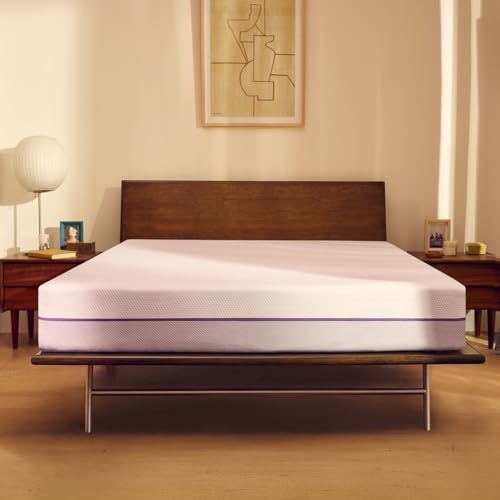
Lucid 10-Inch Gel Memory Foam Mattress, Queen
Badge: The value benchmark. Every GravityLux shopper should know what the budget end of foam looks like, because the gap between this Lucid and a premium direct bed is where the GravityLux has to justify itself. The Lucid listing describes a medium-feel gel memory foam mattress with a bamboo-derived charcoal story in its fuller description and a fiberglass-free build, which matters to many households. What you give up versus premium foam is refinement: zoning, elaborate firmness menus, and long trial theater are not the point here. What you get is a straightforward, widely bought foam bed that arrives through Amazon.
Spec box (from the verified listing title):
- Profile: 10 inches
- Feel stated by maker: medium
- Construction: gel memory foam, fiberglass free
- Cover material noted in listing: bamboo charcoal
- Size referenced: queen
Strengths
- Sits in the budget tier of the foam category, useful for guest rooms and first apartments.
- Gel infusion addresses surface warmth in the same moderate way as pricier foam beds.
- Medium feel is a safe default for a spare bed that hosts many body types.
Trade-offs
- No zoned core, so back sleepers get uniform rather than targeted support.
- A 10-inch profile offers less sink depth for heavier side sleepers.
- Foam edges compress noticeably under seated weight.
Best for: budget shoppers, guest rooms, and anyone testing whether foam suits them at all. Not suited for: heavier sleepers who need a tall, zoned support system every night.
Side-by-Side: GravityLux Against the Bench
| Bed | Build | Feel direction | Where it is sold | Standout trait |
|---|---|---|---|---|
| WinkBeds GravityLux | All-foam, zoned support core per maker | Choice of firmness builds | Brand’s own website only | Firmness menu within one foam design |
| Nectar Premier 13 | All-foam with cooling top layer | Medium firm | Amazon listing verified | Tall premium foam stack, long stated trial |
| Casper Original Hybrid | Foam over coils, zoned | Medium | Amazon listing verified | Spring support and airflow under foam comfort |
| Lucid 10 Gel Memory Foam | All-foam, gel infused | Medium | Amazon listing verified | Budget-tier simplicity |
Read the table as a map of decisions rather than a ranking. The GravityLux asks you to accept a single sales channel in exchange for choosing your firmness inside a zoned foam design. The Nectar Premier keeps the all-foam character and adds marketplace convenience at a premium tier. The Casper changes the physics by adding coils. The Lucid strips the idea down to its essentials and its price tier follows.
How to Choose Between a Direct Foam Bed and a Marketplace One
Start with the trial, not the foam. A mattress is a body-fit product, and the only reliable test is sleeping on it through a few weeks of ordinary nights. Compare the length of each seller’s home trial and, just as carefully, the mechanics of a return: who arranges pickup, whether a fee applies, and whether the bed must be kept for a minimum break-in period before a return opens. Direct brands often compete hard on trial length; marketplace purchases lean on the platform’s familiar processes. Neither is automatically better, but you should know which system you are actually buying into.
Next, match the support story to your dominant position. Side sleepers should prioritize pressure relief depth; back sleepers should look for zoning or a firmer midsection; stomach sleepers should be suspicious of soft foam in any channel. Then check the unglamorous logistics: box weight for your staircase, whether your foundation is foam-compatible (closely spaced slats or a solid platform, per the maker’s guidance), and how long off-gassing odor typically takes to fade in a ventilated room, since all boxed foam beds carry some new-foam smell at first.
Finally, price the whole sleep system, not the mattress alone. A new bed often wants a new protector, sometimes new pillows because the loft that suited a thin old mattress strands your neck on a taller one, and occasionally deeper sheets. Readers comparing hybrid rivals of this brand may also want our coverage of a hybrid rival compared head-to-head and another premium hybrid matchup, while anyone cross-shopping the maker’s other matchups can start with the eco-luxury comparison and the customizable hybrid comparison.
Setting Up Any Boxed Foam Mattress Well
Unbox in the room where the bed will live, because an expanded queen is an awkward object to carry through a hallway. Cut the outer plastic with care near the fabric, let the mattress unroll on its foundation, and remove the inner wrap so air can reach the foam. Most foam beds reach near-full height within a day, though cooler rooms slow the foam’s expansion and the last bit of corner fullness can take longer. Sleep on it once it feels evenly expanded, and air the room rather than sealing the bed under heavy bedding for the first day or two, which helps the new-foam smell dissipate.
Give the trial a fair structure. Foam beds commonly feel firmer in week one than they will in week four, both because the foam breaks in and because your body is comparing it with the old bed’s familiar dips. Rotate the mattress head-to-foot after the first couple of weeks if the maker allows it, keep a waterproof protector on from night one so a spill never threatens a return or a warranty claim, and take a few notes about morning comfort rather than judging from a single restless night. Shoppers layering a foam bed for pressure relief sometimes add a topper later; our notes on toppers chosen for hip comfort explain that route, and readers torn between two firmness directions can compare plush queen options with firm queen options before deciding. Anyone whose restless legs complicate mattress shopping should also read mattresses and restless leg comfort with the comfort-only framing it deserves.
Mistakes GravityLux Shoppers Commonly Make
The first is treating a firmness label as a measurement. Soft, luxury firm, and firmer describe positions inside one brand’s range; they do not transfer to another maker’s range, and choosing by label alone is how a side sleeper ends up on a bed built for a stomach sleeper. The second is ignoring the foundation. A zoned foam core laid over wide-spaced slats or a tired box spring cannot do its job, and the resulting sag gets blamed on the mattress. The third is judging in the first three nights, before break-in, and the fourth is forgetting that a direct purchase means direct returns: read the brand’s current trial and return terms on its own site before ordering, since those terms, not this review, govern your purchase.
Final Recommendation
The GravityLux makes its case to a specific reader: someone who wants memory foam’s pressure relief, values a firmer band of support through the middle of the bed, and is comfortable buying direct from the maker with the trial as the safety net. For that reader it is a coherent design, provided the firmness choice matches body weight and sleep position. Readers who would rather keep everything inside Amazon’s system are not settling by doing so. The Nectar Premier covers the premium foam brief, the Casper Original Hybrid covers the foam-curious who want springs underneath, and the Lucid covers the honest budget end. Choose the channel and the support story first; the brand name matters less than either.
Foam Density, Durability, and What They Mean for This Bed
Shoppers comparing foam mattresses eventually meet the word density, usually quoted in pounds per cubic foot, and it is worth understanding before it is used to sell you anything. Density describes how much material is packed into a given volume of foam. In memory foam comfort layers, higher density generally correlates with slower, richer contouring and better resistance to the early softening that makes a cheap bed feel tired within a couple of years. In support cores, density relates to how stubbornly the foam pushes back against the heaviest parts of the body night after night.
Brands do not all publish their foam densities, and WinkBeds’ consumer-facing description of the GravityLux leans on design language rather than a full engineering sheet. That is common in this category and it is not, by itself, a red flag. What it means practically is that the trial period carries more weight than the specification page. A foam bed that still feels supportive at night sixty tells you more than a density figure quoted out of context, because density interacts with layer thickness, zoning cuts, and the firmness build you chose. Two beds with identical comfort-layer density can feel unrelated if one stacks that foam over a zoned core and the other over a uniform slab.
Durability expectations should also be calibrated to the category. All-foam mattresses typically give their best years first, with gradual softening rather than sudden failure, and rotating the bed head-to-foot a few times a year evens out the wear where a couple’s heavier sides compress the foam. A protector matters more than most owners expect, because moisture is foam’s quiet enemy: sweat and spills migrate into the comfort layers over years and accelerate breakdown, and a waterproof protector that goes on from the first night is the cheapest durability upgrade in the entire purchase.
GravityLux or the Original WinkBed Hybrid?
Because WinkBeds built its name on a hybrid, many readers of a GravityLux review are really deciding between the maker’s two philosophies. The hybrid pairs foam comfort layers with a coil support system, which produces a bed that pushes back quickly, sleeps comparatively airy, and holds its edges. The GravityLux removes the coils and lets foam do every job, which deepens the contouring, quiets motion almost completely, and trades away some bounce and perimeter strength.
Neither philosophy is the upgrade of the other; they serve different sleepers. If you change positions often and dislike the effort of climbing out of a foam cradle, the hybrid’s livelier surface usually fits better. If a partner’s movement wakes you, or if pressure points at the shoulder and hip are your main complaint, foam’s stillness and wrap argue for the GravityLux. Couples split on the question often compromise on the hybrid for its middle character, while solo sleepers can follow their own preference without negotiation. The useful move is to name your top complaint about your current bed first, then pick the philosophy that addresses that complaint, rather than starting from brand loyalty to either design.
Sizes, Room Fit, and the Practical Side of Ordering
Foam mattresses in this class are sold in the standard size ladder from twin through king and California king, and the GravityLux follows the direct-brand pattern of building to order size at checkout. Two practical checks save most of the regret in this category. The first is measuring your actual bed frame rather than trusting its label, because older frames and imported frames occasionally stray from the nominal dimensions, and a foam mattress that is an inch too wide for its frame will bulge and wear strangely. The second is confirming the stairwell and doorway path for a king or split king box; boxed foam is far easier to move than a traditional mattress, but the box is still long and heavy, and a two-person carry plan made in advance beats improvisation on the landing.
Height deserves a thought as well. A foam bed’s profile plus a modern foundation can raise the sleep surface well above what an older innerspring setup offered, which changes how you get in and out of bed and how your feet meet the floor. Older sleepers and anyone with mobility concerns should add the mattress height to the foundation height and compare the total against the seat height of a firm chair, which is roughly the level most people rise from comfortably. Nightstands and lamps chosen for a lower bed can also look and feel mismatched beside a tall foam stack, a decorating detail this site’s readers tend to notice even when mattress reviewers ignore it.
What Living With an All-Foam Bed Is Actually Like
The first week on memory foam surprises people in predictable ways. The bed feels firmer than the showroom memory of foam, because new foam has not yet broken in and because a cold delivery-day mattress is literally stiffer until it warms to the room. Getting up takes a fraction more effort than on springs, since there is no coil energy helping you roll. The surface feels unusually still, and many light sleepers report noticing a partner’s movements less within the first nights, which is the foam category’s most consistent real-world advantage.
By the second month the bed has usually softened into its long-term character, and the owner’s remaining impressions tend to settle around temperature and edges. Temperature impressions depend heavily on the room: the same gel foam bed that feels neutral in an air-conditioned house can feel warm in a summer attic bedroom, which is why reviews that declare a foam bed simply hot or simply cool are less useful than they sound. Edge impressions depend on habits. Sleepers who migrate to the border will keep noticing the give; sleepers who stay central tend to forget the issue entirely. Framing your expectations around your own habits, rather than around a stranger’s verdict, is the closest thing mattress shopping has to a reliable method.
Who Should Skip the GravityLux
Committed stomach sleepers who have already struggled on foam should take the hint their history is offering. So should sleepers who know they run hot and have no way to cool the bedroom, because gel foam moderation may not be enough for them. Anyone who needs a bed they can also buy a matching base, bedding, and next-day replacement for inside one marketplace order will find the direct channel limiting. And shoppers who want to inspect foam densities and full layer specifications before buying will find this brand’s consumer description thinner than they like; for them, a maker that publishes an engineering sheet, or a marketplace bed whose listing answers more questions, is the better starting point.
The GravityLux for Particular Sleepers
Heavier sleepers
Body weight changes every promise a foam bed makes. A heavier sleeper compresses comfort layers fully and lives mostly on the support core, so the zoned construction matters more to them than the surface foam does, and the firmer build is usually the sensible starting point within this line. Heavier readers should also weigh the alternatives honestly: the Casper hybrid’s coils carry weight with less long-term softening than most foam cores, while a tall all-foam stack like the Nectar Premier gives more material between the sleeper and the foundation. What heavier sleepers should avoid is a thin, soft foam bed of any brand, because bottoming out onto the foundation is both uncomfortable and hard on the mattress.
Lightweight sleepers
At the other end of the scale, the risk flips. A light sleeper on a firm foam bed barely dents the surface, which can leave shoulders unsupported and make the bed feel harder than its label suggests. The softer GravityLux build exists for this reader, and the same logic explains why the Lucid’s medium feel is often described very differently by buyers of different sizes. If you are light and a side sleeper, prioritize depth of pressure relief over every other feature, and be skeptical of any firmness advice written by someone twice your weight.
Older sleepers and anyone with limited mobility
Foam’s deep cradle is a mixed blessing when getting out of bed is already effortful. A bed that holds you in a gentle hollow also asks more of your arms and core at the edge of the morning, and the compressible foam perimeter offers little to push against. None of that rules the category out, but it argues for a firmer build, a foundation height chosen deliberately rather than by accident, and a trial long enough to test the full routine of a morning rather than a single night’s sleep. A sturdy bed frame with a headboard you can steady yourself on helps more than any mattress feature.
Guest rooms and second homes
A direct-brand premium foam bed is rarely the rational guest-room purchase, and saying so plainly serves the reader better than pretending otherwise. Guests arrive with every body type and position preference, a bed used forty nights a year does not need a decade of durability engineering, and the Lucid-tier of the market exists for exactly this job. Where a GravityLux-class bed does make sense beyond the primary bedroom is the guest room that doubles as a home office recovery space or hosts a long-stay relative, situations where the sleeper’s comfort genuinely matters night after night.
Ownership Costs Beyond the Mattress Itself
Budget-minded readers should map the full purchase before comparing tiers. A foam mattress typically wants a compatible foundation if the old one is a sprung box, and reusing an unsuitable base can void warranty support as well as cause sagging. A waterproof protector is close to mandatory for protecting both the foam and any return or warranty position. Taller modern profiles sometimes outgrow existing sheets, and deep-pocket replacements belong in the budget when the new stack is several inches taller than the old. Pillows are the sleeper most people forget: a loft that worked on a thin, worn mattress can strain the neck on a plush new one, and a pillow refresh is a common second purchase in the first month. None of these costs argue against the GravityLux or for it; they argue for comparing complete sleep systems rather than headline mattress tiers, whichever channel you buy through.
How This Review Verified Its Purchase Links
Because this site links readers to products, the verification method matters and is stated openly. On 23 November 2026, the Amazon catalog was queried through the retailer’s own product interface for each brand named in this article. The GravityLux, and WinkBeds mattresses generally, returned no listing under the brand, which is why the bed is discussed without a purchase link and why its confirmed-versus-unconfirmed status is recorded in the article’s sources file. The Nectar Premier, Casper Original Hybrid, and Lucid gel memory foam mattress each returned listings whose titles matched the products described, and only those confirmed listings received links and official catalog images. If a listing changes after publication, the link text’s instruction stands: check the current Amazon listing before buying, because that page, not this article, carries the live details.
Memory Foam, Gel Foam, and Latex: Placing the GravityLux on the Feel Spectrum
Readers cross-shopping this bed often have a latex mattress or a traditional innerspring somewhere in their comparison set, and a short map of how the materials behave prevents expensive confusion. Memory foam is the slow material: it responds to heat and pressure over seconds, holds an impression briefly when you press a hand into it, and returns gradually when the weight lifts. That slowness is the source of both its pressure relief and its drawbacks, since the same delayed response that cradles a hip also resists a quick roll to the other side. Gel memory foam is memory foam with an additive strategy, not a different material family, so expect the same basic character with a modestly cooler first impression at the surface.
Latex behaves almost oppositely. It answers pressure instantly, pushes back with a buoyant, on-top-of-the-bed feel, and breathes more openly than dense foam. Sleepers who describe memory foam as quicksand usually love latex, and sleepers who find latex bouncy and unsupportive usually prefer foam’s embrace; the disagreement is about preference, not quality. Innerspring and hybrid beds sit closer to latex on the responsiveness spectrum while adding the familiar support language of coils. Placing the GravityLux honestly on that map — deep in the slow, contouring, quiet corner — tells a reader more than any firmness number. If your happiest nights have been on spring beds in hotels, a pure foam bed is a genuine change of category, and the trial matters accordingly. If your happiest nights have been on foam, the GravityLux’s zoned core is an attempt to fix the one thing foam owners complain about most, the midsection giving way first.
Questions to Ask Before Ordering Direct
A direct purchase rewards a shopper who asks five questions before checkout, and the answers should come from the brand’s current published terms rather than from any review. How long is the home trial, and is there a minimum number of nights before a return can start? Who pays for return shipping or pickup, and does the company arrange collection from your home or ask you to donate or dispose of the bed locally? What does the warranty actually cover — impressions beyond a stated depth are the usual trigger — and what foundation conditions does it require? How are exchanges handled if the firmness you picked turns out wrong, since swapping a softer build for a firmer one is a different process from a refund? Finally, how long does delivery realistically take to your area, because made-to-order direct beds can move more slowly than marketplace stock? A brand that answers those questions clearly on its own pages has earned more trust than one that buries them, and a shopper who has read the answers will never be surprised by the process if the bed disappoints.
A Short Word on Certifications and Materials Language
Foam mattresses accumulate certifications and material claims quickly, and a calm reading of them helps. CertiPUR-US, which appears in several of the verified listings quoted in this article, is a foam certification covering content, emissions, and durability testing for the foam itself; it says nothing about whether a bed will suit your back. Gel infusions, charcoal infusions, and copper infusions are formulation choices whose effects are real but modest, and they should be weighed as minor comfort features rather than as health interventions. Fiberglass-free construction, noted in the Lucid listing, matters to owners who worry about the flame-barrier material escaping if a cover is removed, and it is a legitimate thing to check on any budget foam bed. The general rule: treat certifications as hygiene factors that a serious bed should have, treat infusion stories as small comfort modifiers, and let support design, firmness fit, and trial terms drive the decision.
Should You Replace the Bed, or Top the One You Own?
A GravityLux review lands on many desks at the moment an existing mattress starts to disappoint, and replacement is not always the right answer to that disappointment. A topper changes the surface of a bed whose support core is still sound. If your current mattress is flat, even, and merely too firm, two or three inches of quality memory foam on top can reproduce much of the GravityLux’s surface character for a fraction of a new bed’s commitment, and the verified topper listings in this site’s other guides show how wide that market is. The test is the support underneath: press a hand into the middle of your bare mattress and look for dips, soft spots, or a hammock curve that returns every night. A topper follows the shape beneath it, so it cannot rescue a sagging core, and money spent topping a failed mattress is usually spent twice.
Replacement earns its cost when the support story itself is the problem — when the middle has softened, when one side of a couple’s bed has worn faster than the other, or when the bed’s basic character never suited you and no surface layer will change that. It also earns its cost when the household is changing around the bed: a move to a larger size, a partner moving in, or a spare room becoming a nursery all reset the calculation. Readers in the topping camp should still read the firmness discussion above, because the same body-weight logic governs which topper thickness and density will feel right, and readers in the replacement camp should keep their old-bed disposal plan in mind, since direct brands and marketplaces differ in whether they will take the old mattress away.
The Bottom Line for Couples Deciding Together
Most GravityLux purchases are negotiated between two sleepers, and the negotiation usually fails by averaging: each partner states a preference, the couple splits the difference, and both end up on a bed neither loves. A better method is to rank complaints rather than preferences. If one partner’s deal-breaker is being woken by movement and the other’s is a sore shoulder, an all-foam bed in a middle firmness addresses both complaints at once, which is exactly the GravityLux’s home ground. If one partner’s deal-breaker is heat and the other’s is motion, no foam bed resolves the heat complaint fully, and the couple should look at the hybrid side of the maker’s range or at coil-based alternatives instead of hoping gel foam will negotiate for them. Weight difference matters too: a much heavier partner compresses shared foam more deeply, which can tilt a lighter partner toward the middle on softer builds, a problem firmer builds and larger sizes both mitigate. Decide the size first if the budget allows any flexibility, because an extra sixteen inches of width has settled more mattress arguments than any foam formulation ever marketed.
Reading Owner Feedback Without Being Misled by It
Anyone researching this bed will read owner comments, and a few filters make those comments more useful. Weight every firmness complaint by the writer’s build and sleep position when they mention them, and discount the ones that do not, because a firmness verdict without a body attached to it carries almost no information. Separate delivery and service stories from sleep stories; a slow courier says nothing about the foam. Pay the most attention to comments written after several months rather than several days, since foam beds change during break-in and early reviews freeze a bed at its least representative moment. Notice, too, what owners stop mentioning: motion transfer rarely appears in long-term foam reviews because the category simply solves it, while heat appears in every season of every year, which tells you where the genuine, persistent trade-off lives. Finally, remember that owners of direct-brand beds self-selected into that channel, so their satisfaction with the buying process says more about their own preferences than about whether the channel would suit you.
Frequently Asked Questions
Is the GravityLux sold on Amazon?
When the Amazon catalog was checked for this review on 23 November 2026, no GravityLux listing appeared; WinkBeds sells the mattress through its own website. That is why this article links to verified alternative foam beds instead of to the GravityLux itself.
Which GravityLux firmness suits a side sleeper?
Within the maker’s range, side sleepers generally lean toward the softer build, because shoulders and hips need depth to keep the spine level, and lighter side sleepers in particular may find the firmer builds hold them too high on the surface.
Does a gel memory foam mattress sleep cool?
Gel infusion moderates surface warmth rather than eliminating it. Foam still wraps the body closely and limits airflow compared with latex or coil designs, so hot sleepers should pair any gel foam bed with breathable bedding and a cool room, and should judge temperature over the whole trial.
Can a mattress help my back pain?
No mattress treats a medical condition, and this one is no exception. A supportive, comfortable bed can be part of sleeping better, but persistent back pain deserves professional assessment, and any purchase should rest on return terms that protect you if the bed does not suit your body.
How long should I give a new foam mattress before judging it?
Several weeks is a fair window. Foam softens slightly with use, your body needs time to stop comparing the new surface with the old one, and most trial policies expect a minimum break-in period before a return in any case.
What foundation does a foam mattress like this need?
A solid platform or closely spaced slats that keep the foam evenly supported. Wide gaps let foam press through and sag, and an aging box spring can undermine even a well-made zoned core, so check the maker’s current foundation guidance before the bed arrives.