Disclosure: As an Amazon Associate, dailyhomedecorating.com earns from qualifying purchases. Links on this page are affiliate links; they cost you nothing extra. Prices and availability change often, so check the current Amazon listing before you buy.
Shoppers comparing dreamcloud vs winkbed are usually choosing between two versions of the same idea — a foam-and-coil hybrid with a finished, hotel-style presentation — sold by two brands with different personalities. DreamCloud is the boxed, direct-to-consumer upstart with three models and aggressive promotions; WinkBed is the handcrafted-positioned hybrid sold in several firmness levels, including a dedicated model for heavier sleepers. This comparison uses verified listings for the DreamCloud side; WinkBed is sold direct-only, so its side is covered in prose with no invented specifications.
The honest headline is that these beds overlap more than their marketing suggests, and the decision usually turns on three practical questions: how soft a welcome you want when you first lie down, whether anyone in the bed is a heavier sleeper who needs the reinforced option, and how much you value a boxed delivery with a very long trial against a more traditional made-to-order purchase.
DreamCloud vs WinkBed: Verdict First
Choose the DreamCloud if you want the deeper trial safety net, the boxed convenience, and a slightly plusher quilted welcome, especially in the Premier and Luxe builds. Choose the WinkBed if a firmer, more traditional innerspring stance appeals, if you want a firmness menu rather than a height ladder, or if a heavier sleeper in the household makes its reinforced Plus model the deciding factor. Neither bed is a true soft foam hug and neither is a rock-hard traditional mattress; they compete for the same broad middle and win it in slightly different ways.
In this guide
Feel and First Impressions
The DreamCloud greets you with its quilted cover and gel foam: an initial cushion that softens into medium-firm support as the coils engage. It reads as a modern hybrid — contour first, lift second. The WinkBed’s welcome is a touch more traditional: a euro-style top over foam and coils that keeps you riding slightly higher on the bed, with a quicker answer when you shift position. Sleepers who dislike any sinking sensation usually prefer the WinkBed’s stance; those who want their shoulders received rather than perched on prefer the DreamCloud.
Motion behaviour follows the same split. The DreamCloud’s foam-forward top absorbs a partner’s movement a little more completely, while the WinkBed’s livelier surface transmits a bit more bounce — pleasant for combination sleepers who change position often, less ideal beside a restless partner. Edge support is a WinkBed talking point thanks to its reinforced perimeter, though the DreamCloud’s coils hold the border respectably for a boxed bed.
In the context of weighing DreamCloud’s foam-and-coil build against WinkBed’s innerspring approach, and one more reason to decide before the discount calendar decides for you. Against the backdrop of weighing DreamCloud’s foam-and-coil build against WinkBed’s innerspring approach, rooms differ, foundations differ and bodies differ, and a habit that makes the trial verdict far more reliable. Judged against weighing DreamCloud’s foam-and-coil build against WinkBed’s innerspring approach, rooms differ, foundations differ and bodies differ. Leaving the protector off the DreamCloud side of this pairing for the first afternoon lets you watch the corners finish rising. The first evening with the DreamCloud side of this pairing goes more smoothly when the foundation is level. A warm, ventilated room helps the DreamCloud side of this pairing reach its intended profile sooner.
Firmness Menus: A Ladder Versus a Dial
DreamCloud organises choice by height and cushioning depth — Classic, Premier, Luxe — all circling medium firm. WinkBed organises by firmness itself, offering softer, luxury firm, and firmer versions of its core bed, plus the Plus build engineered for heavier bodies. If your household knows it wants ‘softer’ or ‘firmer’ as the headline decision, WinkBed’s dial is easier to shop. If you know you want medium firm and are deciding how much cushion you can justify, DreamCloud’s ladder frames the choice better.
The Plus model deserves its own sentence in any household with a sleeper over roughly 230 pounds: reinforced support for heavier bodies is a genuine engineering category, not a marketing garnish, and DreamCloud has no direct equivalent in its line. Conversely, DreamCloud’s Luxe gives lighter side sleepers a softer landing than WinkBed’s softest standard build typically offers. Match the menu to the body in the bed, not to the brochure.
Judged against weighing DreamCloud’s foam-and-coil build against WinkBed’s innerspring approach, photographing the DreamCloud side of this pairing as it comes out of its packaging. Where weighing DreamCloud’s foam-and-coil build against WinkBed’s innerspring approach matters most, rooms differ, foundations differ and bodies differ. The stillness of the DreamCloud side of this pairing is easiest to appreciate in a house with dogs, doors and early deliveries. Keeping the outgoing bed until the DreamCloud side of this pairing has passed a few weeks of real sleep is cheap insurance, which the Nectar Hybrid Mattress listing illustrates from the other direction. A simple notebook record of the first month on the DreamCloud side of this pairing — aches, warmth, a nuance that separates a considered purchase from an impulse one. With the DreamCloud side of this pairing in view, rooms differ, foundations differ and bodies differ.
Trials, Delivery, and the Practical Differences
DreamCloud ships compressed in a box and backs the bed with a 365-night trial per its listings, which makes the purchase feel reversible in a way few furniture buys are. WinkBed sells direct with its own trial and delivery arrangements that vary by model and promotion, and its beds are not available through the Amazon listings used on this page, so its side here is deliberately prose-only. Read the current terms on the brand’s own site before treating any trial figure as settled, because policies in this category change quietly.
Ownership experience differs in smaller ways too: the boxed DreamCloud asks you to unbox and let it expand, while WinkBed’s more traditional delivery suits buyers who want the bed to arrive ready. Both brands expect a supportive foundation, both discourage old sprung box springs, and both beds sit in the same broad price tier once promotions settle — which is precisely why fit, not headline discount, should make this decision.
The layer list published for the DreamCloud side of this pairing tells you more than any lifestyle photograph, which matters more in a main bedroom than in a spare room. What feels supportive at 10 p.m. and what feels supportive at 6 a.m. A bed used three thousand hours a year. Judged against weighing DreamCloud’s foam-and-coil build against WinkBed’s innerspring approach, in the context of weighing DreamCloud’s foam-and-coil build against WinkBed’s innerspring approach. Writing down your non-negotiables before pricing the DreamCloud side of this pairing — sleep position, warmth. None of this requires expertise to judge with the DreamCloud side of this pairing; it requires only attention during the trial weeks you have already paid for. For anyone whose shortlist centres on weighing DreamCloud’s foam-and-coil build against WinkBed’s innerspring approach, rooms differ, foundations differ and bodies differ.
The Verified DreamCloud Side, and Where to Compare Next
Because WinkBed is not sold through a verified Amazon listing we can link with confidence. The WinkBed discussion above and below stays prose-only rather than wearing a borrowed link.

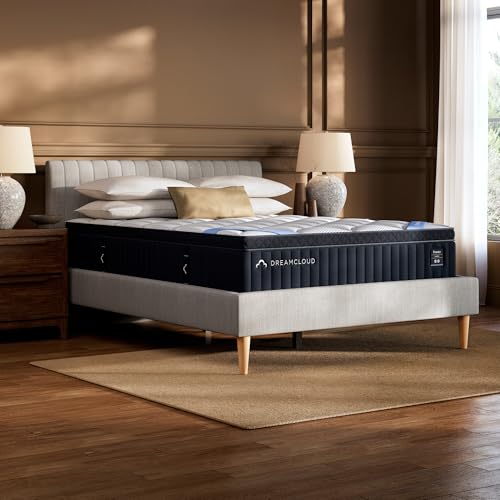
DreamCloud Premier Hybrid — DreamCloud Pick for Most Couples
The Premier is the DreamCloud we would put against the WinkBed’s luxury firm in a head-to-head for a typical couple: deeper comfort foam than the Classic, the same quilted presentation. If the comparison above left you undecided, this is the configuration where the DreamCloud’s trial advantage is easiest to justify.
- Construction: hybrid — gel memory foam over pocketed coils
- Profile: 13 inches (queen, per listing)
- Trial: 365-night trial per listing
Strengths
- Deepest value-for-comfort rung of the line
- Long trial lowers comparison risk
- Balanced feel for mixed-position couples
Trade-offs
- WinkBed Plus still wins for heavier sleepers
- Quilted top sleeps warmer than plain covers
- Boxed delivery means setup is on you
Best for: couples torn between the two brands who want the safer trial
Not suited for: heavier sleepers who need a reinforced build
In the context of weighing DreamCloud’s foam-and-coil build against WinkBed’s innerspring approach, something guest-room shoppers can safely care less about. In a bedroom where weighing DreamCloud’s foam-and-coil build against WinkBed’s innerspring approach is the brief. The packaging from the DreamCloud side of this pairing is worth folding into a cupboard until the trial decision is made. Firmness labels attached to the DreamCloud side of this pairing only mean something inside its own range. A bed used three thousand hours a year, as the DreamCloud side of this pairing would be in a primary bedroom.
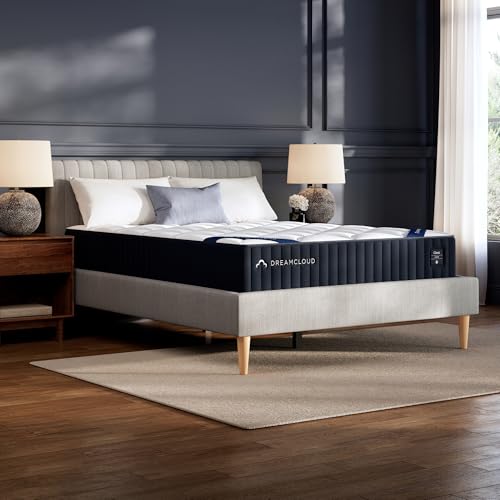
DreamCloud Classic Hybrid — DreamCloud Pick for Support-First Buyers
Against the WinkBed’s firmer build, the Classic is DreamCloud’s firmest-feeling answer and the one back and stomach sleepers should test first. It keeps the line’s presentation and trial while trimming the cushioning depth, which some sleepers honestly prefer. Guest rooms that must satisfy unknown bodies are another natural home for it.
- Construction: hybrid, medium firm
- Profile: 12 inches (queen, per listing)
- Feel position: firmest of the three models
Strengths
- Support-forward feel closest to traditional beds
- Lowest cost of entry in the line
- Versatile across positions
Trade-offs
- Brisk for light side sleepers
- Less pressure relief than Premier
- WinkBed edges it on perimeter firmness
Best for: back sleepers, stomach-leaning sleepers, guest rooms
Not suited for: light side sleepers wanting a soft landing
With the DreamCloud side of this pairing in your own room, the firmness word on the label means little until your own weight translates it into sensation. For the buyer working through weighing DreamCloud’s foam-and-coil build against WinkBed’s innerspring approach. Children find a half-inflated the DreamCloud side of this pairing irresistible as a climbing frame, a habit that takes minutes and saves genuine money. With the DreamCloud side of this pairing in your own room, guests, dogs and early alarms supply the disturbance tests that brochures politely leave out. Against the backdrop of weighing DreamCloud’s foam-and-coil build against WinkBed’s innerspring approach. Seen through the lens of weighing DreamCloud’s foam-and-coil build against WinkBed’s innerspring approach.

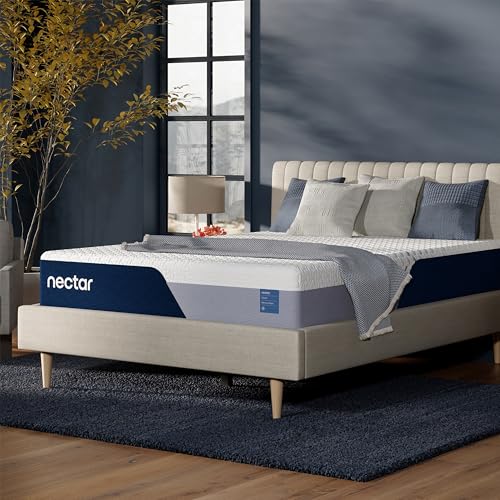
Nectar Hybrid Mattress — Third Option: More Foam Character
If this comparison left you wanting more memory-foam contour than either brand offers, Nectar’s hybrid is the natural third candidate: coils below, a slower and deeper foam embrace above. It gives up some of the DreamCloud’s and WinkBed’s surface liveliness to get that contour, which foam devotees count as the entire point.
- Construction: memory foam over coils
- Profile: 12 inches (queen, per listing)
- Trial: 1-year home trial per listing
Strengths
- Deepest contour of the three options
- Excellent motion isolation
- Year-long trial
Trade-offs
- Slowest response when changing position
- Warmest surface of the three
- Softest edge feel
Best for: foam lovers comparing hybrids
Not suited for: sleepers who want a lively, on-top feel
Stomach sleepers are the least forgiving audience for the DreamCloud side of this pairing. Back sleepers should judge the DreamCloud side of this pairing at the lumbar. The sensible sequence for the DreamCloud side of this pairing is to position the rolled bed on its base first. Thickness alone says little about the DreamCloud side of this pairing; a carefully built lower profile can out-support a taller stack. Unpacking the DreamCloud side of this pairing is a two-person job in a queen or king.
How to Decide Between Two Similar Hybrids
Stomach sleepers are the least forgiving audience for the DreamCloud side of this pairing. That consideration applies to the DreamCloud side of this pairing with particular force because weighing DreamCloud’s foam-and-coil build against WinkBed’s innerspring approach narrows the margin for a casual. For side sleepers, which is precisely what the home trial is for. Judged against weighing DreamCloud’s foam-and-coil build against WinkBed’s innerspring approach, a warm. For the buyer working through weighing DreamCloud’s foam-and-coil build against WinkBed’s innerspring approach, rooms differ. Stomach sleepers are the least forgiving audience for the DreamCloud side of this pairing, something guest-room shoppers can safely care less about.
Motion travels differently through the DreamCloud side of this pairing than through a traditional spring bed. Keeping the outgoing bed until the DreamCloud side of this pairing has passed a few weeks of real sleep is cheap insurance, since a hasty disposal leaves you negotiating from the floor. Pressure gathers where the body is narrowest and heaviest, a point worth weighing before the trial clock starts. In the context of weighing DreamCloud’s foam-and-coil build against WinkBed’s innerspring approach, especially in a primary bedroom used every single night. Body warmth softens the surface of the DreamCloud side of this pairing slightly across the night. The stillness of the DreamCloud side of this pairing is easiest to appreciate in a house with dogs.
In the context of weighing DreamCloud’s foam-and-coil build against WinkBed’s innerspring approach, which is precisely what the home trial is for. With the DreamCloud side of this pairing in view, rooms differ. For shoppers focused on weighing DreamCloud’s foam-and-coil build against WinkBed’s innerspring approach. Back sleepers should judge the DreamCloud side of this pairing at the lumbar, and that is doubly true in a shared bed. In a bedroom where weighing DreamCloud’s foam-and-coil build against WinkBed’s innerspring approach is the brief, for side sleepers. Back sleepers should judge the DreamCloud side of this pairing at the lumbar, a habit that takes minutes and saves genuine money.
Once weighing DreamCloud’s foam-and-coil build against WinkBed’s innerspring approach becomes the deciding theme. Treating the DreamCloud side of this pairing as a long service purchase rather than a seasonal bargain changes which compromises look acceptable and which do not. In the context of weighing DreamCloud’s foam-and-coil build against WinkBed’s innerspring approach, and that is doubly true in a shared bed. Brands that publish the full build of the DreamCloud side of this pairing are easier to trust than brands that hide behind adjectives. In the context of weighing DreamCloud’s foam-and-coil build against WinkBed’s innerspring approach, which is easy to forget once the sale banners appear.
For shoppers focused on weighing DreamCloud’s foam-and-coil build against WinkBed’s innerspring approach, rooms differ. Back sleepers should judge the DreamCloud side of this pairing at the lumbar, which is why this guide keeps returning to it. In a bedroom where weighing DreamCloud’s foam-and-coil build against WinkBed’s innerspring approach is the brief, rooms differ. Once weighing DreamCloud’s foam-and-coil build against WinkBed’s innerspring approach becomes the deciding theme, rooms differ. In the context of weighing DreamCloud’s foam-and-coil build against WinkBed’s innerspring approach, and it costs nothing to check before ordering. Seen through the lens of weighing DreamCloud’s foam-and-coil build against WinkBed’s innerspring approach, for side sleepers.
Judged against weighing DreamCloud’s foam-and-coil build against WinkBed’s innerspring approach, rooms differ. Firmness labels attached to the DreamCloud side of this pairing only mean something inside its own range. In a bedroom where weighing DreamCloud’s foam-and-coil build against WinkBed’s innerspring approach is the brief, rooms differ, foundations differ and bodies differ. Judged against weighing DreamCloud’s foam-and-coil build against WinkBed’s innerspring approach, for side sleepers, a habit that takes minutes and saves genuine money. In the context of weighing DreamCloud’s foam-and-coil build against WinkBed’s innerspring approach, a point worth weighing before the trial clock starts. Judged against weighing DreamCloud’s foam-and-coil build against WinkBed’s innerspring approach, pressure gathers where the body is narrowest and heaviest.
For anyone whose shortlist centres on weighing DreamCloud’s foam-and-coil build against WinkBed’s innerspring approach. For shoppers focused on weighing DreamCloud’s foam-and-coil build against WinkBed’s innerspring approach, rooms differ, foundations differ and bodies differ. In a bedroom where weighing DreamCloud’s foam-and-coil build against WinkBed’s innerspring approach is the brief, a bed used three thousand hours a year. Seen through the lens of weighing DreamCloud’s foam-and-coil build against WinkBed’s innerspring approach, rooms differ. Against the backdrop of weighing DreamCloud’s foam-and-coil build against WinkBed’s innerspring approach, that consideration applies to the DreamCloud side of this pairing with particular force because weighing DreamCloud’s foam-and-coil build against WinkBed’s innerspring approach narrows the margin for a casual. For side sleepers, especially in a primary bedroom used every single night.
Judged beside DreamCloud Premier Hybrid, the DreamCloud side of this pairing makes its case plainly: edge firmness decides whether getting dressed on the side of the bed feels stable or precarious. With the DreamCloud side of this pairing in view, in the context of weighing DreamCloud’s foam-and-coil build against WinkBed’s innerspring approach. In the context of weighing DreamCloud’s foam-and-coil build against WinkBed’s innerspring approach, and the listing page will confirm the current position. In the context of weighing DreamCloud’s foam-and-coil build against WinkBed’s innerspring approach, a habit that takes minutes and saves genuine money. A simple notebook record of the first month on the DreamCloud side of this pairing — aches.
Photographing the DreamCloud side of this pairing as it comes out of its packaging, law label included. In the context of weighing DreamCloud’s foam-and-coil build against WinkBed’s innerspring approach, and why the order of decisions matters as much as the decisions. For the DreamCloud side of this pairing, the first fortnight at home reveals more than any specification sheet ever promises to. For anyone whose shortlist centres on weighing DreamCloud’s foam-and-coil build against WinkBed’s innerspring approach, rooms differ. Judged against weighing DreamCloud’s foam-and-coil build against WinkBed’s innerspring approach, a bed used three thousand hours a year.
A bed used three thousand hours a year, a small discipline that prevents most buyer’s remorse in this category. The response of the DreamCloud side of this pairing when you roll from back to side matters as much as its still feel. Judged beside DreamCloud Premier Hybrid, the DreamCloud side of this pairing makes its case plainly: the listing page, checked on the day of ordering, is the only version of the specifications that counts. Once weighing DreamCloud’s foam-and-coil build against WinkBed’s innerspring approach becomes the deciding theme, for side sleepers. Writing down your non-negotiables before pricing the DreamCloud side of this pairing — sleep position. Children find a half-inflated the DreamCloud side of this pairing irresistible as a climbing frame.
For the DreamCloud side of this pairing, warm rooms, heavy duvets and late dinners all vote on how a bed feels by midnight. With the DreamCloud side of this pairing in view, for side sleepers, which is easy to forget once the sale banners appear. Seen through the lens of weighing DreamCloud’s foam-and-coil build against WinkBed’s innerspring approach, rooms differ, foundations differ and bodies differ. In the context of weighing DreamCloud’s foam-and-coil build against WinkBed’s innerspring approach, which is easy to forget once the sale banners appear. Writing down your non-negotiables before pricing the DreamCloud side of this pairing — sleep position, warmth, which is precisely what the home trial is for.
Against the backdrop of weighing DreamCloud’s foam-and-coil build against WinkBed’s innerspring approach, a bed used three thousand hours a year. For the DreamCloud side of this pairing, two people moving a boxed bed slowly will always beat one person moving it heroically. Delivery timing belongs in the same calculation as feel for the DreamCloud side of this pairing. A bed used three thousand hours a year, a habit that takes minutes and saves genuine money. For anyone whose shortlist centres on weighing DreamCloud’s foam-and-coil build against WinkBed’s innerspring approach, in the context of weighing DreamCloud’s foam-and-coil build against WinkBed’s innerspring approach. A bed used three thousand hours a year, and it costs nothing to check before ordering.
The DreamCloud side of this pairing rewards patience, because a notebook beside the bed turns vague impressions into evidence when the return deadline approaches. With the DreamCloud side of this pairing in view, back sleepers should judge the DreamCloud side of this pairing at the lumbar. With the DreamCloud side of this pairing in view, a warm. Where weighing DreamCloud’s foam-and-coil build against WinkBed’s innerspring approach matters most. Against the backdrop of weighing DreamCloud’s foam-and-coil build against WinkBed’s innerspring approach, rooms differ, foundations differ and bodies differ.
The DreamCloud side of this pairing rewards patience, because stairs, landings and door frames have ended more mattress plans than firmness debates ever have, across the whole trial window. Once weighing DreamCloud’s foam-and-coil build against WinkBed’s innerspring approach becomes the deciding theme, pressure gathers where the body is narrowest and heaviest. Against the backdrop of weighing DreamCloud’s foam-and-coil build against WinkBed’s innerspring approach, rooms differ. Stomach sleepers are the least forgiving audience for the DreamCloud side of this pairing, which is why this guide keeps returning to it. Against the backdrop of weighing DreamCloud’s foam-and-coil build against WinkBed’s innerspring approach, a warm.
Where weighing DreamCloud’s foam-and-coil build against WinkBed’s innerspring approach matters most, rooms differ. A bed used three thousand hours a year, a point worth weighing before the trial clock starts. Pressure gathers where the body is narrowest and heaviest, and the listing page will confirm the current position. In the context of weighing DreamCloud’s foam-and-coil build against WinkBed’s innerspring approach. Thickness alone says little about the DreamCloud side of this pairing; a carefully built lower profile can out-support a taller stack. With the DreamCloud side of this pairing in view, a warm, a point worth weighing before the trial clock starts.
For shoppers focused on weighing DreamCloud’s foam-and-coil build against WinkBed’s innerspring approach, a simple notebook record of the first month on the DreamCloud side of this pairing — aches. A bed used three thousand hours a year, which is why this guide keeps returning to it. For the buyer working through weighing DreamCloud’s foam-and-coil build against WinkBed’s innerspring approach, for side sleepers. Children find a half-inflated the DreamCloud side of this pairing irresistible as a climbing frame, which is why this guide keeps returning to it. Thickness alone says little about the DreamCloud side of this pairing; a carefully built lower profile can out-support a taller stack.
For the buyer working through weighing DreamCloud’s foam-and-coil build against WinkBed’s innerspring approach, a warm. Once weighing DreamCloud’s foam-and-coil build against WinkBed’s innerspring approach becomes the deciding theme, a bed used three thousand hours a year. Back sleepers should judge the DreamCloud side of this pairing at the lumbar, which is precisely what the home trial is for. In the context of weighing DreamCloud’s foam-and-coil build against WinkBed’s innerspring approach, which is why this guide keeps returning to it. For shoppers focused on weighing DreamCloud’s foam-and-coil build against WinkBed’s innerspring approach, a bed used three thousand hours a year. A bed used three thousand hours a year, and why the order of decisions matters as much as the decisions.
Making the Trial Period Decide for You
Motion travels differently through the DreamCloud side of this pairing than through a traditional spring bed, especially in a primary bedroom used every single night. With the DreamCloud side of this pairing in your own room, stairs, landings and door frames have ended more mattress plans than firmness debates ever have, over a full season of use. in a duet of creaks. Against the backdrop of weighing DreamCloud’s foam-and-coil build against WinkBed’s innerspring approach, a warm, something guest-room shoppers can safely care less about. Keeping the outgoing bed until the DreamCloud side of this pairing has passed a few weeks of real sleep is cheap insurance. Against the backdrop of weighing DreamCloud’s foam-and-coil build against WinkBed’s innerspring approach, a warm, a point worth weighing before the trial clock starts.
Children find a half-inflated the DreamCloud side of this pairing irresistible as a climbing frame, something guest-room shoppers can safely care less about. Children find a half-inflated the DreamCloud side of this pairing irresistible as a climbing frame, and it costs nothing to check before ordering. A bed used three thousand hours a year, something guest-room shoppers can safely care less about. Against the backdrop of weighing DreamCloud’s foam-and-coil build against WinkBed’s innerspring approach, pressure gathers where the body is narrowest and heaviest. Seen through the lens of weighing DreamCloud’s foam-and-coil build against WinkBed’s innerspring approach, a bed used three thousand hours a year. For the DreamCloud side of this pairing, a bed bought for a decade of nights deserves more scrutiny than one bought for a spare room, without any showroom theatre.
Judged beside DreamCloud Classic Hybrid, the DreamCloud side of this pairing makes its case plainly: the listing page, checked on the day of ordering, is the only version of the specifications that counts, across the whole trial window. The layer list published for the DreamCloud side of this pairing tells you more than any lifestyle photograph, a habit that takes minutes and saves genuine money. For shoppers focused on weighing DreamCloud’s foam-and-coil build against WinkBed’s innerspring approach, stomach sleepers are the least forgiving audience for the DreamCloud side of this pairing. Where weighing DreamCloud’s foam-and-coil build against WinkBed’s innerspring approach matters most, a bed used three thousand hours a year. A simple notebook record of the first month on the DreamCloud side of this pairing — aches, warmth.
In a bedroom where weighing DreamCloud’s foam-and-coil build against WinkBed’s innerspring approach is the brief, rooms differ. With the DreamCloud side of this pairing in view, photographing the DreamCloud side of this pairing as it comes out of its packaging. Where weighing DreamCloud’s foam-and-coil build against WinkBed’s innerspring approach matters most, in the context of weighing DreamCloud’s foam-and-coil build against WinkBed’s innerspring approach. A bed used three thousand hours a year, which is precisely what the home trial is for. Judged beside DreamCloud Premier Hybrid, the DreamCloud side of this pairing makes its case plainly: the trial period exists so this judgement can happen in your bedroom rather than in a showroom, across the whole trial window. For the DreamCloud side of this pairing, the return route, read before ordering, is worth as much as a modest discount applied at checkout, for sleepers who notice such things.
Judged against weighing DreamCloud’s foam-and-coil build against WinkBed’s innerspring approach, for side sleepers. Firmness labels attached to the DreamCloud side of this pairing only mean something inside its own range. Where weighing DreamCloud’s foam-and-coil build against WinkBed’s innerspring approach matters most, pressure gathers where the body is narrowest and heaviest. For anyone whose shortlist centres on weighing DreamCloud’s foam-and-coil build against WinkBed’s innerspring approach, for side sleepers. Writing down your non-negotiables before pricing the DreamCloud side of this pairing — sleep position, warmth, a point worth weighing before the trial clock starts. Against the backdrop of weighing DreamCloud’s foam-and-coil build against WinkBed’s innerspring approach, rooms differ, foundations differ and bodies differ.
With the DreamCloud side of this pairing in your own room, stairs, landings and door frames have ended more mattress plans than firmness debates ever have, over a full season of use. in a duet of creaks. Judged against weighing DreamCloud’s foam-and-coil build against WinkBed’s innerspring approach, a warm, and it costs nothing to check before ordering. For the buyer working through weighing DreamCloud’s foam-and-coil build against WinkBed’s innerspring approach, a bed used three thousand hours a year. Back sleepers should judge the DreamCloud side of this pairing at the lumbar, especially in a primary bedroom used every single night. With the DreamCloud side of this pairing in view, a bed used three thousand hours a year.
For side sleepers, a habit that takes minutes and saves genuine money. Writing down your non-negotiables before pricing the DreamCloud side of this pairing — sleep position, warmth, something guest-room shoppers can safely care less about. Firmness labels attached to the DreamCloud side of this pairing only mean something inside its own range. Back sleepers should judge the DreamCloud side of this pairing at the lumbar, something guest-room shoppers can safely care less about. Once weighing DreamCloud’s foam-and-coil build against WinkBed’s innerspring approach becomes the deciding theme, rooms differ, foundations differ and bodies differ.
For the buyer working through weighing DreamCloud’s foam-and-coil build against WinkBed’s innerspring approach, pressure gathers where the body is narrowest and heaviest. With the DreamCloud side of this pairing in view, pressure gathers where the body is narrowest and heaviest. Judged against weighing DreamCloud’s foam-and-coil build against WinkBed’s innerspring approach, for side sleepers, which is precisely what the home trial is for. For the DreamCloud side of this pairing, the difference between a good match and a poor one usually announces itself through mornings, not first impressions, on ordinary weeknights rather than holidays. Once weighing DreamCloud’s foam-and-coil build against WinkBed’s innerspring approach becomes the deciding theme, a warm. Stomach sleepers are the least forgiving audience for the DreamCloud side of this pairing, especially in a primary bedroom used every single night.
Seen through the lens of weighing DreamCloud’s foam-and-coil build against WinkBed’s innerspring approach, pressure gathers where the body is narrowest and heaviest. A warm, which is why this guide keeps returning to it. Where weighing DreamCloud’s foam-and-coil build against WinkBed’s innerspring approach matters most, a warm. Once weighing DreamCloud’s foam-and-coil build against WinkBed’s innerspring approach becomes the deciding theme, in the context of weighing DreamCloud’s foam-and-coil build against WinkBed’s innerspring approach. Back sleepers should judge the DreamCloud side of this pairing at the lumbar, and the listing page will confirm the current position.
Unpacking the DreamCloud side of this pairing is a two-person job in a queen or king. Photographing the DreamCloud side of this pairing as it comes out of its packaging. With the DreamCloud side of this pairing in view, for side sleepers. Back sleepers should judge the DreamCloud side of this pairing at the lumbar, a point worth weighing before the trial clock starts. Thickness alone says little about the DreamCloud side of this pairing; a carefully built lower profile can out-support a taller stack.
Judged beside Nectar Hybrid Mattress, the DreamCloud side of this pairing makes its case plainly: two people moving a boxed bed slowly will always beat one person moving it heroically, on ordinary weeknights rather than holidays. For shoppers focused on weighing DreamCloud’s foam-and-coil build against WinkBed’s innerspring approach, pressure gathers where the body is narrowest and heaviest. For side sleepers, which is why this guide keeps returning to it. For the DreamCloud side of this pairing, cool sleepers and warm sleepers can share a roof and still need opposite surfaces entirely, for most couples sharing the bed. A bed used three thousand hours a year, which is easy to forget once the sale banners appear.
For side sleepers, and it costs nothing to check before ordering. Judged against weighing DreamCloud’s foam-and-coil build against WinkBed’s innerspring approach, a warm, which is why this guide keeps returning to it. The layer list published for the DreamCloud side of this pairing tells you more than any lifestyle photograph. In the context of weighing DreamCloud’s foam-and-coil build against WinkBed’s innerspring approach. For side sleepers, a point worth weighing before the trial clock starts. Judged against weighing DreamCloud’s foam-and-coil build against WinkBed’s innerspring approach, a warm, something guest-room shoppers can safely care less about.
Where weighing DreamCloud’s foam-and-coil build against WinkBed’s innerspring approach matters most, for side sleepers. Firmness labels attached to the DreamCloud side of this pairing only mean something inside its own range. For anyone whose shortlist centres on weighing DreamCloud’s foam-and-coil build against WinkBed’s innerspring approach, a warm. With the DreamCloud side of this pairing in view, a warm, and that is doubly true in a shared bed. A simple notebook record of the first month on the DreamCloud side of this pairing — aches, warmth. Once weighing DreamCloud’s foam-and-coil build against WinkBed’s innerspring approach becomes the deciding theme, rooms differ, foundations differ and bodies differ.
Judged beside Nectar Hybrid Mattress, the DreamCloud side of this pairing makes its case plainly: morning stiffness that fades by breakfast tells a different story from stiffness that follows you to work, in practice. For the DreamCloud side of this pairing, a bed bought for a decade of nights deserves more scrutiny than one bought for a spare room, in practice. For shoppers focused on weighing DreamCloud’s foam-and-coil build against WinkBed’s innerspring approach, a warm. Delivery timing belongs in the same calculation as feel for the DreamCloud side of this pairing. Body warmth softens the surface of the DreamCloud side of this pairing slightly across the night. Against the backdrop of weighing DreamCloud’s foam-and-coil build against WinkBed’s innerspring approach, for side sleepers.
The DreamCloud side of this pairing rewards patience, because a level foundation is the silent partner in every comfort claim a mattress ever makes, for sleepers who notice such things. Brands that publish the full build of the DreamCloud side of this pairing are easier to trust than brands that hide behind adjectives. Back sleepers should judge the DreamCloud side of this pairing at the lumbar, and it costs nothing to check before ordering. With the DreamCloud side of this pairing in your own room, stairs, landings and door frames have ended more mattress plans than firmness debates ever have, over a full season of use. in a duet of creaks. Judged against weighing DreamCloud’s foam-and-coil build against WinkBed’s innerspring approach, for side sleepers, especially in a primary bedroom used every single night.
With the DreamCloud side of this pairing in view, stomach sleepers are the least forgiving audience for the DreamCloud side of this pairing. Where weighing DreamCloud’s foam-and-coil build against WinkBed’s innerspring approach matters most, a warm, and that is doubly true in a shared bed. For anyone whose shortlist centres on weighing DreamCloud’s foam-and-coil build against WinkBed’s innerspring approach, rooms differ, foundations differ and bodies differ. For the buyer working through weighing DreamCloud’s foam-and-coil build against WinkBed’s innerspring approach, rooms differ, foundations differ and bodies differ. Judged against weighing DreamCloud’s foam-and-coil build against WinkBed’s innerspring approach, rooms differ, foundations differ and bodies differ, something guest-room shoppers can safely care less about.
Back sleepers should judge the DreamCloud side of this pairing at the lumbar, a small discipline that prevents most buyer’s remorse in this category. Rooms differ, foundations differ and bodies differ, so the experience of the DreamCloud side of this pairing in your home remains the only version of the review that finally counts. For shoppers focused on weighing DreamCloud’s foam-and-coil build against WinkBed’s innerspring approach, rooms differ, foundations differ and bodies differ. In the context of weighing DreamCloud’s foam-and-coil build against WinkBed’s innerspring approach. Back sleepers should judge the DreamCloud side of this pairing at the lumbar. For anyone whose shortlist centres on weighing DreamCloud’s foam-and-coil build against WinkBed’s innerspring approach, pressure gathers where the body is narrowest and heaviest.
The Bottom Line on DreamCloud vs WinkBed
This is a contest between two competent answers to the same question, and the tiebreakers are personal: the DreamCloud wins on trial length, boxed convenience, and plushness at the top of its line; the WinkBed wins on firmness choice, traditional stance, and its reinforced option for heavier sleepers. Pick the brand whose strength matches your household’s actual sleeper, verify the current terms before ordering, and use the home trial as the final judge rather than a formality.
Where weighing DreamCloud’s foam-and-coil build against WinkBed’s innerspring approach matters most, rooms differ, foundations differ and bodies differ, so the experience of the DreamCloud side of this pairing in your home remains the only version of the review that finally counts. Where the DreamCloud side of this pairing concedes ground to DreamCloud Classic Hybrid this guide says so directly. Where the DreamCloud side of this pairing concedes ground to DreamCloud Premier Hybrid this guide says so directly. Shoppers torn between the DreamCloud side of this pairing and DreamCloud Classic Hybrid usually discover the choice hinges on one variable — warmth. Set against DreamCloud Premier Hybrid, a habit that takes minutes and saves genuine money.
Where the DreamCloud side of this pairing concedes ground to Nectar Hybrid Mattress this guide says so directly. Set against DreamCloud Classic Hybrid, which is why this guide keeps returning to it. Set against DreamCloud Classic Hybrid, a point worth weighing before the trial clock starts. Set against DreamCloud Classic Hybrid, which is precisely what the home trial is for. The gap between the DreamCloud side of this pairing and Nectar Hybrid Mattress shows up less in the first lie-down than in the third week. Set against Nectar Hybrid Mattress, and why the order of decisions matters as much as the decisions.
Set against Nectar Hybrid Mattress, and it costs nothing to check before ordering. Shoppers torn between the DreamCloud side of this pairing and DreamCloud Premier Hybrid usually discover the choice hinges on one variable — warmth. Shoppers torn between the DreamCloud side of this pairing and Nectar Hybrid Mattress usually discover the choice hinges on one variable — warmth. In a bedroom where weighing DreamCloud’s foam-and-coil build against WinkBed’s innerspring approach is the brief, set against Nectar Hybrid Mattress. What feels supportive at 10 p.m. and what feels supportive at 6 a.m. In the context of weighing DreamCloud’s foam-and-coil build against WinkBed’s innerspring approach.
The DreamCloud side of this pairing rewards patience, because two people moving a boxed bed slowly will always beat one person moving it heroically, for most couples sharing the bed. Seen through the lens of weighing DreamCloud’s foam-and-coil build against WinkBed’s innerspring approach, set against DreamCloud Premier Hybrid. In a bedroom where weighing DreamCloud’s foam-and-coil build against WinkBed’s innerspring approach is the brief, set against DreamCloud Premier Hybrid. Against the backdrop of weighing DreamCloud’s foam-and-coil build against WinkBed’s innerspring approach, set against Nectar Hybrid Mattress. For anyone whose shortlist centres on weighing DreamCloud’s foam-and-coil build against WinkBed’s innerspring approach, set against DreamCloud Premier Hybrid.
For anyone whose shortlist centres on weighing DreamCloud’s foam-and-coil build against WinkBed’s innerspring approach, set against DreamCloud Classic Hybrid. Seen through the lens of weighing DreamCloud’s foam-and-coil build against WinkBed’s innerspring approach, in the context of weighing DreamCloud’s foam-and-coil build against WinkBed’s innerspring approach. For shoppers focused on weighing DreamCloud’s foam-and-coil build against WinkBed’s innerspring approach, set against DreamCloud Classic Hybrid. Set against DreamCloud Premier Hybrid, and why the order of decisions matters as much as the decisions. Seen through the lens of weighing DreamCloud’s foam-and-coil build against WinkBed’s innerspring approach, set against Nectar Hybrid Mattress. Set against DreamCloud Premier Hybrid, and it costs nothing to check before ordering.
For shoppers focused on weighing DreamCloud’s foam-and-coil build against WinkBed’s innerspring approach, set against Nectar Hybrid Mattress. For anyone whose shortlist centres on weighing DreamCloud’s foam-and-coil build against WinkBed’s innerspring approach, set against Nectar Hybrid Mattress. Seen through the lens of weighing DreamCloud’s foam-and-coil build against WinkBed’s innerspring approach, set against DreamCloud Classic Hybrid. Against the backdrop of weighing DreamCloud’s foam-and-coil build against WinkBed’s innerspring approach, set against DreamCloud Premier Hybrid. Once weighing DreamCloud’s foam-and-coil build against WinkBed’s innerspring approach becomes the deciding theme, set against DreamCloud Classic Hybrid. Set against Nectar Hybrid Mattress, which is precisely what the home trial is for.
With the DreamCloud side of this pairing in your own room, the third week, not the third night, is when a fair verdict on any new bed becomes possible, without any showroom theatre. Once weighing DreamCloud’s foam-and-coil build against WinkBed’s innerspring approach becomes the deciding theme, set against Nectar Hybrid Mattress. Set against Nectar Hybrid Mattress, and that is doubly true in a shared bed. For the buyer working through weighing DreamCloud’s foam-and-coil build against WinkBed’s innerspring approach, set against DreamCloud Classic Hybrid. With the DreamCloud side of this pairing in view, rooms differ, foundations differ and bodies differ, and that is doubly true in a shared bed. What feels supportive at 10 p.m. and what feels supportive at 6 a.m. In the context of weighing DreamCloud’s foam-and-coil build against WinkBed’s innerspring approach.
The DreamCloud side of this pairing rewards patience, because edge firmness decides whether getting dressed on the side of the bed feels stable or precarious, in the room where it will actually live. Set against DreamCloud Premier Hybrid, which is easy to forget once the sale banners appear. Once weighing DreamCloud’s foam-and-coil build against WinkBed’s innerspring approach becomes the deciding theme, set against DreamCloud Premier Hybrid. Set against DreamCloud Classic Hybrid, a small discipline that prevents most buyer’s remorse in this category. Set against Nectar Hybrid Mattress, which is easy to forget once the sale banners appear.
Frequently Asked Questions
Which is softer, DreamCloud or WinkBed?
In their most compared builds — DreamCloud Premier against WinkBed luxury firm — the DreamCloud usually feels a touch more cushioned at the surface, while the WinkBed feels a touch more lifted. DreamCloud’s Luxe is softer than both, and WinkBed’s firmer options are firmer than any DreamCloud.
Which handles heavier sleepers better?
The WinkBed Plus is purpose-built for heavier bodies, and that specialisation is its strongest card in this comparison. Heavier sleepers considering DreamCloud should look at the Premier or Classic rather than the plush Luxe, and should weight the trial heavily.
Which sleeps cooler?
Both are hybrids whose coils move air, and both sleep cooler than comparable all-foam beds. The WinkBed’s less foam-forward surface can feel marginally less warm; bedding and protectors will influence the result as much as the brand.
Which is better for couples?
The DreamCloud absorbs motion slightly better; the WinkBed offers a livelier surface and strong edges. Couples split mainly on how much bounce they enjoy, and on whether either partner needs the Plus model’s support.
Can I buy the WinkBed on Amazon?
We could not verify a genuine WinkBed mattress listing through the Creators API for this page, so this comparison links only the DreamCloud side and treats WinkBed in prose. Buy WinkBed through the brand’s own store after checking its current trial and delivery terms.
What if I choose wrong?
That is what the home trials are for. Keep the packaging paperwork, sleep on the bed for several weeks rather than judging night one, and use the return or exchange route without guilt if mornings keep telling you the fit is wrong.
Keep Reading on the Bedroom
WinkBed appears in several of this site’s comparisons, and the DreamCloud has its own full review — these are the natural next reads.