Affiliate disclosure: Daily Home Decorating may earn a commission when you buy through links in this guide, at no extra cost to you. As an Amazon Associate, we earn from qualifying purchases. Cover fit depends on the sofa’s measurements and design; check the product’s current size chart, fabric compatibility, and return terms before ordering.
The best covers for sofas are the ones that fit the upholstery and shape you actually own. A standard stretch slipcover can work well on a fabric sofa with separate cushions, but it may slide on smooth leather. A fitted recliner cover needs openings and separate sections that move with the footrest. A reversible sofa throw can protect the seats without covering every inch. Treating all of these as one interchangeable product is the fastest way to buy a cover that bunches, slips, or blocks the mechanism.
This guide compares sofa covers by use: full slipcovers for fabric sofas, separate seat and back covers, furniture throws, recliner-specific covers, and covers marketed for leather-look upholstery. We explain how to measure, which details in a listing matter, and what to consider before covering genuine leather. We have not physically tested each item. Amazon product cards use item matches returned by Amazon Creators API, and images were checked at the time of research. Stock, colors, seller terms, and fit can change.
For household-friendly furniture ideas, also see our comfortable sofa guide, sofa brand comparison, and living room rug guide.
Quick picks by sofa type
- Best starting point for a standard fabric sofa: a one-piece stretch slipcover if the sofa has a compatible boxy shape and you want full-body coverage. Check the seller’s width range, arm style, back shape, and cushion configuration.
- Best for a sofa with separate seat cushions: individual cushion covers or a multi-piece set. These can be easier to adjust and remove, but measure each cushion and confirm the listing includes the number of pieces you need.
- Best for a recliner sofa: a recliner-specific sectional cover set with separate pieces for seats, arms, and footrests. Confirm that the cover allows the recliner to open and close as intended.
- Best for a smooth leather surface: a fitted protector or throw whose backing is compatible with leather and will not damage the finish. Avoid assuming a generic elastic slipcover will stay put.
- Best for quick, partial protection: a reversible sofa mat or throw across the seat and back. It is easier to remove for washing, although it will not protect all sides or stay perfectly aligned on every sofa.
These are fit categories, not lab-tested winners. A “universal” label does not guarantee a universal fit. Compare the product’s measurement diagram with the actual sofa, and read care instructions before buying.
What kind of sofa cover do you need?
One-piece stretch slipcovers
A one-piece slipcover wraps around the seat, back, and arms as one continuous piece. Most use stretch fabric and elastic edges to hold the cover in place. They can refresh the color of a fabric sofa and protect against dust, everyday rubbing, pet hair, or light spills. Their fit depends heavily on shape: high arms, wide rolled arms, deep seat cushions, a tight back, and a skirt can all affect how neatly the fabric sits.
Many listings include foam tuck rods that slide between seat cushions and the sofa back. These can help reduce looseness, but they do not turn a poor size match into a tailored cover. Measure the sofa’s widest points and check whether the size chart is based on total width, cushion width, or a model family. Look at the before-and-after photos for sofas with arms and backs similar to yours.
One-piece covers are often easiest to put on, but they can bunch when people sit and may need adjustment. If your sofa has separate cushions, a single cover may obscure their outline or feel loose over the gaps. If the sofa is used heavily, consider a multi-piece set that lets you remove one cushion cover at a time for cleaning.
Multi-piece covers and cushion protectors
Multi-piece sets typically have separate pieces for the back, seat cushions, and sometimes the arms. Individual pieces can stay in place more neatly than a single cover on some sofa shapes. They can also make it easier to remove a dirty seat cover without stripping the entire sofa. Before ordering, count the included pieces and compare that number with the sofa: three seat cushions and two back cushions are not the same as a two-cushion loveseat.
Measure cushion width, depth, and thickness at the center, where padding can be fullest. Some cushion covers stretch over a range, but their dimensions are still limits. A tight fit may stress seams or compress the cushion; a loose fit wrinkles and rotates. Check whether the cover closes with elastic, ties, zippers, or a tucked design, and whether the fabric will cover the underside as well.
Separate cushion covers do not protect the arms, outer back, or lower frame. If you want full furniture coverage, buy a coordinated full slipcover rather than relying on cushion pieces alone. If you mainly want to protect high-contact surfaces from pets or snacks, a fitted seat set can be more convenient and less visually dominant.
Throws and reversible sofa mats
A throw or sofa mat covers only the areas you select. It can protect the seat and back where a pet rests, provide a washable layer over a leather cushion, or add seasonal color. It is quick to remove and usually does not require a tight fit. This flexibility makes a throw useful when you do not want to hide a sofa’s original upholstery.
The tradeoff is movement. A loose cover can slide, fold, or bunch as people sit. Some products add elastic straps, nonslip backing, or a larger drape over the sofa. Check what the backing is made of and make sure it is approved for the sofa’s finish. If the cover is for a pet, measure the area the animal uses and select enough length to cover the seat and the back cushion where paws rest.
Throws are not a substitute for a waterproof barrier unless the product specifically says it is waterproof and explains its construction. “Water-resistant” and “waterproof” are not interchangeable. A mat can help catch fur or crumbs but may not stop liquids from reaching seams. Blot spills promptly and follow the sofa maker’s care instructions.
Recliner and motion-sofa covers
A recliner sofa needs a cover that accommodates moving footrests, separate seat backs, arm gaps, and sometimes a center console. A fitted set may use multiple pieces to cover each seat while leaving joints free. A standard couch cover can interfere with the motion, get pulled into a gap, or prevent a footrest from closing. Search by the number and configuration of reclining seats, then examine the product’s diagram and operating guidance.
Before purchase, measure each seat section separately and identify fixed seats, reclining seats, console sections, and cupholders. A three-seat recliner may have two moving end seats and a fixed center, or a different layout. Make sure the cover set has pieces for the actual configuration. Check whether the cover allows controls to remain accessible and whether it can be installed without disconnecting electrical components.
Install and test the cover with the sofa unplugged if the manufacturer’s instructions call for it. Keep fabric clear of hinges, linkages, motors, cables, and footrest gaps. Slowly operate each seat while watching for snags. If the cover shifts into the mechanism or makes the sofa harder to use, remove it. Do not cut holes in a powered sofa cover unless the product instructions specify a safe opening for controls.
Special considerations for leather sofas
Smooth genuine leather and many faux-leather finishes are slicker than woven fabric. A stretchy cover that grips a fabric sofa may slide, wrinkle, or pull off a leather seat. Abrasive backings, rough seams, or trapped grit may also scratch or rub the finish. If you want a full cover for a leather sofa, look for clear seller guidance that it is compatible with that surface and test it on an inconspicuous area before leaving it in place.
For partial protection, a soft, breathable throw or sofa mat can be a lower-commitment option. Choose a non-abrasive underside and avoid covers that trap moisture or dye against the leather. Dark dyes may transfer onto light upholstery, especially when damp. Remove the cover periodically to inspect the leather, air it out, and clean both surfaces according to their manufacturers’ instructions.
Do not use a sofa cover to hide a spill or neglect cleaning. Dust and grit can sit between the cover and leather and rub against the surface with every movement. Keep leather away from strong direct sunlight and heat, and use only a care method appropriate to the specific finish. Genuine leather, bonded leather, and synthetic leather may need different care. The sofa’s tag and care manual take priority over generic advice.
A cover also changes how leather feels and looks. It can reduce direct contact with the material and mask its natural texture. If the goal is protecting a new sofa, weigh the benefit of coverage against the look and feel you bought. A washable throw over the most-used seat may be a better compromise than wrapping the entire sofa.
Product examples found through Amazon Creators API
The cards below are matched Amazon catalog items for different cover types. Their title and image came from Amazon Creators API; image URLs returned HTTP 200 during research. Availability and listing details can change. Check the size, sofa type, materials, seller, and return policy on the live page. A product title mentioning “leather look” does not prove that it is safe for every genuine leather surface.
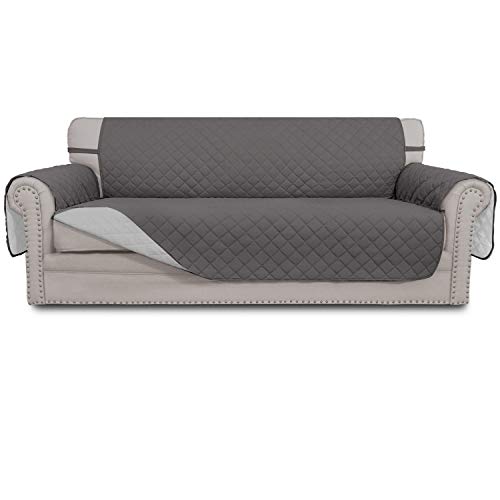
Easy-Going reversible three-cushion sofa cover
A reversible furniture mat style to compare for broad seat protection. Verify sofa width, number of cushions, backing, and washing instructions.

ULTICOR multi-piece recliner sofa cover
A recliner-specific cover set to evaluate for a three-seat motion sofa. Match the number of reclining seats and check that fabric stays clear of the mechanism.
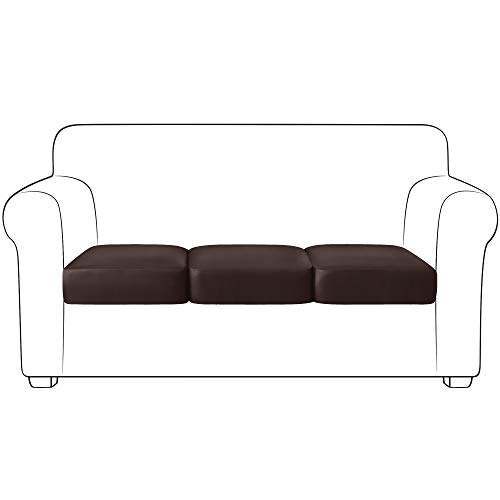
Yates Home PU leather-look cushion covers
A separate cushion-cover style for a coordinated faux-leather appearance. Confirm dimensions and material compatibility; do not assume it suits genuine leather.

Easy-Going stretch sofa slipcover
A full-cover option for a compatible standard fabric sofa. Check the manufacturer’s chart for width and arm shape before ordering.
How to measure a sofa cover correctly
Use a flexible tape and keep it snug without compressing the upholstery. For a sofa with a chaise, measure the chaise section separately and confirm that the cover is designed for the correct left- or right-facing orientation. For a sectional, note whether the pieces join with clips and whether the cover needs to accommodate a corner wedge. A cover intended for a straight sofa can pull diagonally across a sectional and expose the seams.
Start with the exact sofa rather than a generic label such as loveseat or three-seater. Measure outside arm to outside arm at the widest point. Then measure the back height from the floor, the seat width between arms, seat depth from the back cushion to the front edge, and arm width and height. Measure each loose cushion separately if the cover uses individual pieces. Use the product’s own diagram to see which dimensions it expects.
Measure upholstery when cushions are in their normal position, not compressed by someone sitting. For rounded arms, note whether the cover stretches around a broad curve. For a tight back, check whether the cover includes enough fabric to tuck behind cushions. For a recliner, measure each module and the space between sections. A console, chaise, or attached pillow-top arm can make a standard size unsuitable even when the overall sofa width seems right.
Compare your measurements with the size range, leaving room for the seller’s expected stretch. Do not size up automatically: extra fabric may sag, while an undersized cover can pull on seams. If you are between two sizes, ask the seller which measurement controls the choice. Keep the product listing’s chart or save a screenshot in case the delivered cover differs from the stated size.
Choose fabric by how you use the sofa
Stretch polyester and elastane blends can contour to sofa curves, but they may feel warm or cling to clothing. Jacquard patterns add texture and can hide small marks, though the weave may catch on claws. Velvet feels soft but can show nap direction and pressure changes. A quilted or padded mat can add a little cushioning but may alter the sofa’s seat feel. Read the material and washing instructions instead of choosing from the color photo.
For pets, consider fur pickup, snag risk, and whether the cover can be washed. A dense, smooth fabric may be easier to vacuum, but there is no universal pet-proof textile. A cover with separate sections can be easier to wash after a muddy paw incident. Keep a spare dry cover if the sofa is used daily and laundering takes time.
For children or frequent meals, prioritize ease of removal and clear cleaning instructions. A waterproof layer may help with spills, but it can feel less breathable and may make noise. If a cover is treated with a coating, check the care method and whether repeated washing changes its performance. Use the product as a protective layer, not permission to leave liquids sitting on the sofa.
For leather, prioritize a gentle underside and secure placement. For fabric upholstery, the cover should not transfer color or lint. Test a small hidden area with the dry cover first, then inspect after a short period of use. Avoid leaving a damp cover on any upholstery.
Install and maintain the cover
Wash a new cover first only if its instructions allow it. Some products recommend prewashing to reduce loose dye; others should be installed dry and washed only on specific settings. Check for colorfastness and follow temperature and drying instructions. Do not use bleach unless the label permits it. Shrinkage can make a cover impossible to reinstall.
For a full slipcover, locate the center seams and align them with the sofa’s center before pulling the fabric over the arms. Smooth the fabric from the back toward the seat and tuck excess material as the instructions show. Use included foam rods only in the specified gaps. For separate pieces, identify each panel before fitting; confusing a back cushion piece with a seat cover can stretch the seams unnecessarily.
Check the cover after the first few days and adjust it before it becomes deeply creased. Remove pet hair and crumbs regularly. Wash according to the care label and let the cover dry fully before reinstalling. Inspect elastic, ties, and seams for wear. If a cover becomes loose or damaged, replace it rather than pinning it near a recliner mechanism or using improvised fasteners that could snag.
Use the sofa’s own cleaning code as the authority
Furniture makers assign cleaning codes to identify approved care methods. Ashley explains that tags are often under seat cushions or beneath the unit and lists codes for water-based, solvent-based, combined, or vacuum-only cleaning. La-Z-Boy similarly says to identify the fabric cleaning code and follow the instructions for that upholstery. These instructions matter when a cover is used because moisture, dye transfer, or friction can affect the original surface.
Before covering a leather sofa, read the leather care sheet. Manufacturers commonly caution against harsh chemicals and direct heat, and may recommend gentle dusting and prompt attention to spills. A cover does not eliminate the need for this care. If a cover sits over the leather for long periods, remove it occasionally to inspect the surface for trapped dust, dye, or moisture.
Do not spray upholstery cleaner onto a fitted cover while it is on the sofa unless both manufacturers say that is safe. Cleaner can pass through the cover and affect the underlying furniture. Remove the cover, clean it separately, and allow it to dry completely before reinstalling. If the sofa has a stain or a special fabric, contact a professional upholstery cleaner instead of experimenting with household chemicals.
Common sofa-cover buying mistakes
- Assuming universal fit means tailored fit. The product may cover many widths but still be loose on your arm or back shape.
- Ignoring the seat configuration. A two-cushion cover set may not fit a three-cushion sofa or a chaise.
- Using a standard cover on a recliner. Extra material can obstruct the footrest or moving parts.
- Assuming stretch fabric grips leather. Smooth surfaces often need compatible backing or a different style of protector.
- Reading “water-resistant” as waterproof. Confirm what liquid protection the product actually claims.
- Removing covers for washing without checking the label. Some upholstery covers should not be laundered.
- Using rough or dyed material on pale leather. Test for abrasion and color transfer before extended use.
Another mistake is buying a cover based only on a sofa’s number of seats. Sofa widths and cushion shapes vary, and the arms consume different amounts of space. A three-seat slipcover is not a standardized size. Read the drawing, ask questions, and keep the packaging until you know the fit works.
Which type should you choose?
Choose a full stretch cover when your sofa is upholstered in fabric, the shape matches the seller’s diagram, and you want broad coverage. Choose separate cushion covers when the seat cushions are the parts that need the most protection or the sofa shape makes a one-piece cover too loose. Pick a throw when you want a removable layer that leaves the frame visible and is easy to wash.
Choose a recliner-specific cover only after confirming the exact arrangement of seats and the clearance around each moving section. For leather, start with a soft throw or a cover explicitly described as compatible with the surface. If the sofa is valuable or has a special finish, ask the manufacturer before placing a fitted slipcover on it. Sometimes the safest protection is regular care and a removable washable throw in the main seating spot.
The best match is the one you can install securely, remove without damaging the upholstery, and clean according to the product instructions. Compare a short list of candidates by measurement, material, configuration, cleaning, and return policy. If one detail is unclear, contact the seller before purchasing. A small amount of measurement now is easier than packing a bulky cover for return later.
Sources
- Ashley care and cleaning guidance for upholstery and leather care codes.
- La-Z-Boy fabric and leather care.
- La-Z-Boy cleaning and care FAQ.
- Ashley warranty information; improper cleaning may affect coverage.