Disclosure: As an Amazon Associate, dailyhomedecorating.com earns from qualifying purchases. Links to Amazon on this page are affiliate links; they cost you nothing extra. Prices and availability change often, so check the current Amazon listing before you buy.
The best mattresses for sore backs address the most ordinary misery in sleep: waking stiff, aching, and older than you went to bed — not injured, not diagnosed, just sore, the way millions of people are sore after desk days, garden weekends, long drives, and mattresses that have quietly stopped doing their job. A sore back in the morning usually has a mechanical story the bed can influence: a surface that let your spine sag out of line for eight hours, pressure that kept your muscles bracing instead of resting, or a worn trough that holds you in yesterday’s posture. This guide chooses mattresses that answer those stories — level support, genuine pressure relief, fresh materials with their full life ahead of them — and it is honest about the boundary: soreness that is sharp, radiating, persistent, or new deserves a clinician, not a shopping cart. For the everyday ache, though, the mattress is the single biggest variable in the room, and these six picks work it from every architecture in the pool.
Think of this guide as the friendly front door to the lot’s back-comfort cluster: specific conditions and positions have their own deep guides, linked throughout, while this one serves the general reader whose back is simply, reliably sore.
Where to Buy
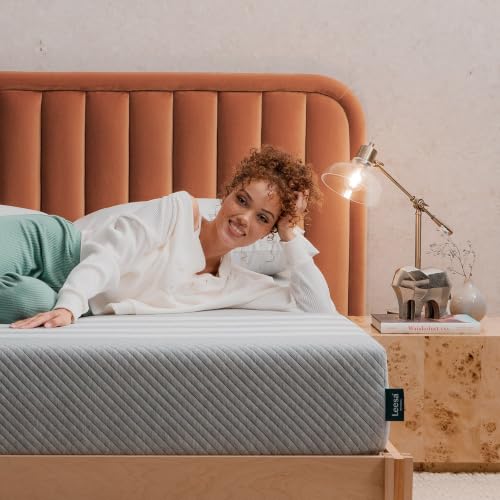
All six picks are sold on Amazon — verify current price, size, and trial terms on the listing before buying. Start with the Leesa Original 10″ Memory Foam Mattress, the contouring all-rounder whose responsive foam suits sore backs that also move a lot at night; confirm it via this Check on Amazon link. The remaining picks: Nectar 12″ Memory Foam Mattress — Check on Amazon; Zinus 12 Inch Green Tea Memory Foam Mattress — Check on Amazon; GhostBed Classic 11 Inch Memory Foam Mattress — Check on Amazon; Sealy Dreamlife 12″ Hybrid Mattress-in-a-Box — Check on Amazon; Layla 10″ Copper Infused Memory Foam Mattress — Check on Amazon.
In this guide
Quick Picks
| Pick | Badge | Why it earns its place |
|---|---|---|
| Leesa Original 10″ Memory Foam Mattress | Best Overall | Responsive contouring that cushions sore muscles without trapping the sleeper who needs to move. |
| Nectar 12″ Memory Foam Mattress | Best Support | Firm-leaning alignment with a year to test whether your mornings change. |
| Zinus 12 Inch Green Tea Memory Foam Mattress | Best Value | Twelve dense inches that fix the worn-mattress problem at the friendliest tier here. |
| GhostBed Classic 11 Inch Memory Foam Mattress | Best for Restless Sleepers | A springy, cool surface for sore sleepers who patrol the bed looking for the comfortable spot. |
| Sealy Dreamlife 12″ Hybrid Mattress-in-a-Box | Best Hybrid | Encased coils hold the level that sore backs wake straightest on. |
| Layla 10″ Copper Infused Memory Foam Mattress | Best Adjustable | Two firmnesses in one mattress — because a sore back’s preference changes with the week it’s having. |
Key Takeaways
- Morning soreness is usually a level problem: the spine spent the night sagging, and muscles braced to compensate.
- Medium-firm, fresh, and level beats both the worn mattress and the extreme-firmness overcorrection.
- If your current mattress has a visible trough, no topper or trick fixes it — replacement is the honest spend.
- Responsiveness matters for sore sleepers: a surface you can move on easily gets used in more positions, and variety rests muscles.
- Judge by a two-week morning log, not the first night — sore backs calibrate slowly and first impressions lie.
- Specific patterns deserve their specific guides — Best Mattresses For Upper Back Pain for the shoulder-blade ache, Best Mattresses For Joint Pain when the ache lives in the joints.
How These Picks Were Chosen
We screened the verified pool for the everyday-soreness profile: medium to medium-firm support with documented alignment design, pressure relief at the common ache addresses (lumbar, hips, shoulders), fresh-material value (this keyword’s villain is usually the old mattress, so price-to-freshness mattered), and trial lengths that let a morning log accumulate. Plush sink-in builds and ultra-firm boards were both excluded — soreness lives between those errors. The six survivors span foam, hybrid, and flippable designs because sore backs arrive with different histories: the desk worker, the weekend athlete, the new parent, the gardener.
Health framing, stated once and meant: these are comfort products. Nothing here diagnoses or treats; the guide’s red-flag line — sharp, radiating, persistent, or worsening pain goes to a clinician — appears in the how-to and FAQ because it matters more than any pick.
The 6 Best Mattresses for Sore Backs — Reviewed
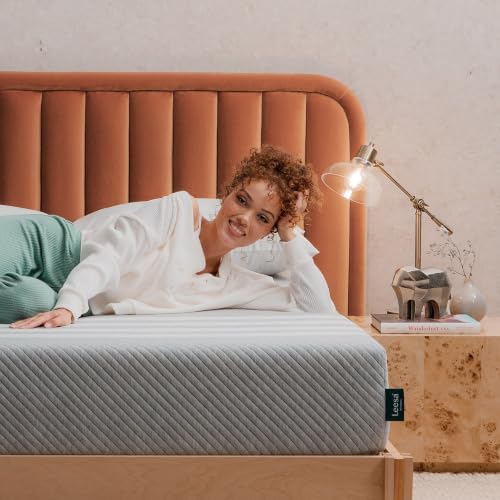
Leesa Original 10″ Memory Foam Mattress
Our badge: Best Overall
The Leesa Original 10″ Memory Foam Mattress leads because everyday soreness needs a mattress that is kind in two directions at once: contouring enough to unload tired muscles — its memory foam top layer cradles the lumbar curve, hips, and shoulders — and responsive enough that changing position costs nothing, so the sleeper actually uses the variety that rests a sore back across the night. The medium-firm feel is the category’s consensus sweet spot for general back comfort, the support core holds the level, and the breathable cover keeps the surface fresh-feeling. A hundred-night trial and ten-year warranty frame it fairly.
Strengths
- Contour-plus-bounce: pressure relief without the foam trap
- Medium-firm consensus feel suits the widest range of sore backs
- Easy movement encourages the position variety that rests muscles
Trade-offs
- Ten inches suits average builds; heavier sleepers should take a deeper pick
- Uniform support — no lumbar zoning for backs with a specific address
- Foam feel may read soft to sleepers arriving from a firm innerspring
| Color | Grey |
| Size | Queen |
| Dimensions | 80 x 60 x 10 inches |
| Weight | 71 pounds |
The Leesa’s sore-back experience is about mornings trending the right way: not a miraculous first night, but a second week in which the stiff shuffle to the bathroom shortens. Its contouring unloads the muscles that spent the day bracing — lower back, hip flexors, the shoulder girdle — while its responsiveness means a 3 a.m. position change is a roll, not an excavation. For the general reader of this keyword, that combination is the most probable good outcome in the pool.
It also suits the couple version of soreness — two backs, different aches, one mattress — because its medium-firm democracy offends almost no one. Start the trial with a morning log (stiffness rated one to ten, thirty seconds while the coffee brews) and let two weeks of data make the decision your first night cannot.
Best for: general morning soreness and combination sleepers wanting kind, movable support / Not suited for: heavier sleepers or backs needing targeted lumbar engineering
Choose it as the all-round answer; skip it if your ache has a specific address. Check on Amazon

Nectar 12″ Memory Foam Mattress
Our badge: Best Support
The Nectar 12″ Memory Foam Mattress is the support-first answer: firm-leaning contouring over an adaptive support layer that promotes spinal alignment for back, side, and stomach sleepers, in a twelve-inch build with a cooling top layer. For the sore back whose story is sag — the old mattress dipping, the spine following, the muscles bracing all night against the slope — the Nectar’s discipline is the direct correction, and its 365-night trial plus forever warranty make it the safest way to test whether level sleep fixes your mornings.
Strengths
- Firm-leaning alignment directly answers the sag story behind most morning soreness
- A year-long trial spans every season your back has opinions about
- Deep contouring still cushions the pressure points while support holds
Trade-offs
- Slow foam response when turning
- Firmness may need a break-in week for sleepers arriving from plush
- Seventy-eight pounds at setup
| Color | White |
| Size | Queen |
| Dimensions | 80 x 60 x 12 inches |
| Weight | 78 pounds |
The Nectar’s trial length is a clinical instrument disguised as a marketing offer: soreness fluctuates with workload, weather, and activity, and only a long window separates the mattress’s effect from the noise. Use it — log mornings across a work project, a garden weekend, a lazy Sunday — and the pattern will tell you whether level support is your answer. The forever warranty then protects the answer indefinitely.
For couples, its motion isolation means one sore back’s restless night does not become two. It is the guide’s recommendation when the diagnosis-of-the-moment is “my mattress sags and my back knows it.”
Best for: sore backs caused by a sagging old mattress, wanting insured support / Not suited for: sleepers wanting a bouncy, quick surface
Choose it for disciplined support; skip it if you love spring. Check on Amazon

Zinus 12 Inch Green Tea Memory Foam Mattress
Our badge: Best Value
The Zinus 12 Inch Green Tea Memory Foam Mattress is the fresh-mattress fix at the friendliest tier: twelve inches of layered foam — pressure-relieving memory foam, airflow comfort foam, high-density support base — in a medium-firm feel, with green tea and charcoal infusions keeping a hard-working bed fresh. For the enormous population whose sore back is simply an old mattress’s autobiography, the Zinus delivers the essential correction — new, dense, level support — without flagship money, and its decade of category presence means the design is proven rather than promised.
Strengths
- The essential fix — fresh, dense, level — at the guide’s best value
- Twelve inches suits back and side sleepers across average builds
- Freshness infusions suit a bed that hosts a working, sweating human
Trade-offs
- Foam edges are the soft spot in an otherwise complete file
- Slow response when repositioning
- Heavier sleepers should take a deeper-margin pick from this lot’s load guides
| Color | White |
| Size | Queen |
| Dimensions | 80 x 60 x 12 inches |
| Weight | 62.3 pounds |
The Zinus pitch is diagnostic honesty: before spending flagship money on a sore back, eliminate the variable that explains most cases — the worn mattress. Its density and depth do that at a price that leaves budget for the pillow and bedding upgrades that complete a sleep system. Many readers will find their mornings fixed here, full stop; those whose soreness persists on fresh, level support have learned something valuable for the clinician conversation, cheaply.
It is also the guest-room and first-apartment hero of this guide: real support, real depth, no ceremony. Sore backs visiting your spare room will notice the upgrade before you mention it.
Best for: sore backs on worn mattresses and value-first shoppers / Not suited for: heavier sleepers or edge-support sticklers
Choose it to fix the obvious first; skip it if your mattress is new and the ache persists. Check on Amazon

GhostBed Classic 11 Inch Memory Foam Mattress
Our badge: Best for Restless Sleepers
The GhostBed Classic 11 Inch Queen Memory Foam Mattress serves the sore sleeper who moves: gel memory foam and aerated latex over a high-density alignment core, in a balanced medium-firm feel with a springy, cool surface. Sore backs rarely lie still — discomfort drives a patrol of positions through the night — and the GhostBed makes that patrol cheap, each new position arriving with fresh pressure distribution instead of a wrestling match with slow foam. Its fifty-pound weight also makes it the easiest pick to rotate, and rotation is part of keeping support even for a back that notices everything.
Strengths
- Springy surface turns the sore sleeper’s position patrol into rest instead of labor
- High-density core holds alignment beneath the movement
- Cooling gel and latex suit the warm, restless night
Trade-offs
- Contains a latex layer — excluded for latex-sensitive shoppers
- Uniform support, no targeted lumbar zone
- Medium-firm may read lively for sleepers wanting deep stillness
| Color | White |
| Size | Queen |
| Dimensions | 80 x 60 x 11 inches |
| Weight | 50 pounds |
The GhostBed reframes restlessness as information: a sore back changes position to unload tissue, and a mattress that cooperates turns those changes into a distributed rest no single position provides. Couples benefit too — the dense core absorbs much of the patrol’s motion before it reaches the other side. For the desk worker whose back accumulates the day and spends the night working it off in installments, this is the most sympathetic surface in the guide.
Its American-made, CertiPUR-US file and accessible tier complete a pick with no weak page. If your soreness comes with movement, start here.
Best for: restless sore sleepers and combination sleepers wanting a lively, cool surface / Not suited for: latex-sensitive shoppers
Choose it for movement-friendly support; skip it if you want foam’s deepest stillness. Check on Amazon

Sealy Dreamlife 12″ Hybrid Mattress-in-a-Box
Our badge: Best Hybrid
The Sealy Dreamlife 12″ Hybrid Mattress-in-a-Box holds the level with springs: seven inches of individually encased coils providing targeted support, under gel memory foam that cushions the ache addresses and a high-density transition layer. For a sore back, coil support has a specific virtue — it does not relax as it warms, so the level you fall asleep on is the level you wake on, and muscles that trust the surface stop bracing against its slow surrender. The ventilated core keeps the bed fresh through the night, and Surface-Guard antimicrobial technology handles the hygiene file.
Strengths
- Coil level is constant all night — no warm-foam drift for muscles to brace against
- Targeted encased support adapts to back and side positions alike
- Easy exits: the coils help a stiff morning body out of bed
Trade-offs
- Motion isolation trails the foam picks
- Just over eighty pounds at setup
- Responsive feel may read bouncy to foam loyalists
| Color | Dreamlife |
| Size | Queen |
| Dimensions | 80 x 60 x 12 inches |
| Weight | 80.6 pounds |
The morning exit deserves its sentence: a sore back’s hardest moment is often the sit-up and stand, and the Sealy’s coils return energy to that movement instead of absorbing it — a small mercy repeated daily becomes a quality-of-life feature. Its support also ages on the coil clock, the slowest in this guide, so the level that fixes your mornings is the level you keep.
Foam devotees should trial it with an open mind across two weeks; the morning log, not the first lie-down, is the judge. For the sore back that has tried foam and still wakes braced, the Sealy is the structural alternative.
Best for: sore backs wanting constant coil level and assisted mornings / Not suited for: couples prioritizing total motion isolation
Choose it for unchanging support; skip it if you need foam’s silence. Check on Amazon

Layla 10″ Copper Infused Memory Foam Mattress
Our badge: Best Adjustable
The Layla 10″ Copper Infused Memory Foam Mattress closes the guide with an admission most mattresses will not make: a sore back’s firmness preference is not stable. Bad weeks want firmer discipline; recovered weeks want softer cushioning. The flippable Layla offers both — a soft side rated 4–5 of 10 and a firm side at 8 of 10 — in copper-infused memory foam that moves heat away and resists microbes, over a convoluted airflow layer and support core. One purchase, two mattresses’ worth of calibration, and a flip that doubles as the rotation this guide prescribes.
Strengths
- Two firmnesses track a sore back’s changing weeks without a second purchase
- Copper cooling suits the warm, achy night
- The flip is built-in rotation — support stays even by design
Trade-offs
- Flipping sixty-nine pounds is a two-person technique
- The soft side is genuinely soft — disciplined backs will live on the firm side
- Ten and a half inches suits average builds best
| Color | Gray |
| Size | Queen |
| Dimensions | 80 x 60 x 10.5 inches |
| Weight | 69 pounds |
The Layla’s experiment protocol is this guide’s method in product form: two weeks per side, morning log running, and the data picks your firmness — no showroom guessing, no return shipping. Sore backs are variable; a variable mattress is the honest match. Its copper infusion also suits the sleeper whose soreness comes with heat, the achy-and-warm combination that fragments sleep worst.
For the undecided — and soreness makes everyone undecided, because the preference genuinely changes — the Layla is the purchase that cannot be wrong about firmness. It can only be early or late to the side you need this month.
Best for: sore backs with variable firmness needs and undecided shoppers / Not suited for: sleepers who already know they want one firm coil feel
Choose it for options; skip it if your preference is settled. Check on Amazon
Comparison Table
| Pick | Support Character | Feel | Profile | Check price on Amazon |
|---|---|---|---|---|
| Leesa Original 10″ | Responsive contouring foam | Medium-firm, buoyant | 10 inch | Check price on Amazon |
| Nectar 12″ Memory Foam | Adaptive support layer | Firm-leaning contouring | 12 inch | Check price on Amazon |
| Zinus 12″ Green Tea | High-density foam base | Medium-firm | 12 inch | Check price on Amazon |
| GhostBed Classic 11″ | High-density core + latex | Medium-firm, springy | 11 inch | Check price on Amazon |
| Sealy Dreamlife 12″ | Encased coils | Supportive hybrid | 12 inch | Check price on Amazon |
| Layla 10″ Copper | Flippable foam, two firmnesses | Soft side / firm side | 10.5 inch | Check price on Amazon |
How to Choose the Best Mattress for a Sore Back
Diagnose the Mattress Before the Back
Three free tests: look at your unloaded mattress for a trough; lie on a firm floor or a newer mattress elsewhere and compare mornings; and check the mattress’s age against its type’s honest lifespan. If the trough is visible or the comparison mornings are dramatically better, your sore back has a mattress cause and this guide’s replacement logic applies. If a good mattress changes nothing across a fair trial, the cause lives elsewhere — and that information is worth the trial by itself.
Medium-Firm Is the Evidence-Backed Middle
For general back soreness, the research-consensus zone is medium-firm: firm enough to hold the level, cushioned enough to unload pressure. Both extremes disappoint — plush sags the spine, boards bruise the contact points and keep muscles bracing. Every pick here lives in or near that zone, and the flippable Layla exists for backs whose zone migrates.
Keep a Morning Log for Two Weeks
Stiffness on waking, rated one to ten, plus one line about the night. Two weeks of that log across a trial separates a mattress’s effect from workload noise, weather, and wishful thinking. It also produces the document a clinician will thank you for if the soreness persists — patterns in a log are diagnostic gold compared to “my back hurts.”
Do Not Overcorrect to Extra-Firm
The sore back’s classic shopping error is swinging from a sagging plush to a floor-hard firm, trading sag-brace soreness for pressure-brace soreness. The level you need is level, not hard: support that holds the spine’s line while cushioning its contact points. If a firm pick feels punishing at the shoulders and hips in week two, it is not discipline — it is a mismatch.
Know the Red Flags
Pain that shoots down a leg, numbness or weakness, soreness after a fall or accident, pain that wakes you in the second half of the night and does not ease with movement, or soreness that persists unchanged across a good mattress trial — each is a clinician’s file, promptly. Mattresses are for the mechanical, everyday ache. The Best Mattresses For Degenerative Disc Disease and Best Mattresses For Chronic Pain guides serve diagnosed patterns with appropriate framing; this guide’s reader should graduate to them only via a professional’s direction, not a search engine’s.
How Do You Run a Two-Week Mattress Trial for a Sore Back?
Week zero: photograph your old mattress’s trough, note its age, and log three baseline mornings on it. Setup day: install the new mattress on your existing foundation (audit it first — a sagging base counterfeits a sagging mattress), fit your usual pillow and bedding so the mattress is the only changed variable, and resist judging night one, when every back votes for the familiar. Days one to fourteen: log stiffness on waking and one line about the night; live normally — desk days, exercise, garden — because the mattress must serve your real life, not a spa simulation. Day fourteen: compare the log’s trend, not its best day. Improvement that trends is a keeper; a flat line is information; worsening is a return while the trial allows. Keep the log either way — it is the most useful document your back owns.
Problem: the first nights feel worse — normal calibration noise for most backs; hold judgment to day ten unless pain is sharp or radiating, which is a stop-and-call situation, not a trial phase.
Problem: shoulders ache on the new firmer mattress — your pillow is now too low for the higher surface, or the firmness overshot; adjust the pillow first, it is the cheap variable.
Problem: soreness moved from lower back to hips — pressure has replaced sag as the story; a touch more surface cushioning (or the Layla’s softer side) is the calibrated response.
Problem: mornings improved but afternoons still ache — the mattress did its shift; the afternoon ache belongs to the desk, the chair, and the movement habits of your day, which no mattress can serve.
Problem: your partner’s back disagrees with yours — medium-firm democracy (the Leesa pattern) or a flippable compromise; log both backs and let the household data decide.
The Worn Mattress: Sore Backs’ Usual Suspect
Most morning soreness that a mattress can fix is caused by a mattress that used to be fine. Foam compacts, coils fatigue, and the decline is gradual enough that the sleeper adapts — sleeping around the trough, propping with pillows, waking stiff and blaming age. The tells: a visible or hand-felt center dip, a mattress older than its type’s honest lifespan, soreness that improves on hotel beds and guest rooms, and a foundation that has never been inspected. If two tells match, replacement outranks every accessory purchase — no topper resurrects a core, and no pillow corrects a valley. This guide’s value picks exist because the fix, once diagnosed, should not require flagship money.
Sore Back, Sore Everything: The Sleep-System View
A mattress works inside a system: the pillow that sets the neck’s line, the foundation that sets the mattress’s line, the day’s movement that sets the muscles’ readiness to rest. Sore-back shoppers get the most from sequencing the fixes by cost — pillow height tonight, foundation audit this weekend, mattress trial this month — and changing one variable at a time so the log can attribute improvements honestly. The mattress is the largest variable and usually the decisive one, but the system view prevents the classic waste: a flagship mattress undermined by a collapsing base and a pillow from the previous decade, returning a verdict of “nothing works” that the evidence never supported.
Weekend Warriors and Desk Workers: Two Soreness Tribes
General soreness has two great tribes, and they buy mattresses differently once they understand themselves. The desk worker’s soreness is accumulative: eight seated hours shorten hip flexors, slump the thoracic spine, and switch off the muscles that are supposed to share the spine’s work, so the night is asked to undo a day of stillness. For this tribe, the mattress’s job is restoration — level support that lets shortened tissues lengthen, pressure relief at the points the chair ignored, and enough responsiveness that the sleeper’s natural position changes (the body’s own overnight physiotherapy) happen freely. The weekend warrior’s soreness is episodic: the garden, the match, the house project, the ambitious hike — honest exertion followed by two nights of protest from muscles that were asked for more than their weekday training prepared them for. For this tribe, the mattress’s job is recovery infrastructure: cool surfaces for inflamed-feeling tissue, contouring that unloads the specific muscles the weekend spent, and a trial long enough to be judged across several weekends rather than one quiet week.
Both tribes make the same shopping error — buying on a Monday, when the desk worker is freshest and the warrior is sorest, and grading candidates against the wrong baseline. The two-week log this guide prescribes exists to average the tribes’ weather: desk days and project days, quiet weeks and brutal ones, all recorded in thirty-second morning entries. What survives that averaging is the mattress’s true effect, and it is the only effect worth paying for. Readers whose soreness has stopped being tribal and become a daily pattern will find the budget-conscious treatment in Best Affordable Mattresses For Back Pain, those whose complaint is pressure at the contact points rather than stiffness should read Best Mattresses For Pressure Relief, and the household’s guest-room standard for visiting fellow-sufferers lives in Best Mattresses For Sleeper Sofas.
Soreness and Sleep Position: The Map Most Shoppers Never Draw
Ask a sore-backed sleeper where it hurts and you will get a location; ask where they sleep and you will usually get a shrug — yet the second answer explains the first more often than any product specification. Back sleepers with lumbar soreness are frequently sleeping in a subtle hammock, whether the mattress sags or their own pelvis sinks into an over-soft comfort layer, and their fix is levelness with the lumbar curve supported rather than flattened. Side sleepers with soreness between the shoulder blades are often sleeping with the spine tilted — shoulder insufficiently sunk, pillow insufficiently high, the thoracic segment spending the night in lateral bend — and their fix is geometry at two points, not a new mattress alone. Stomach sleepers with morning soreness have the position itself as the prime suspect, and their fix begins with the pillow experiment this lot’s belly-sleeper guide prescribes before any mattress verdict is fair. The map — position, pain location, morning half-life — takes one honest minute to draw and converts mattress shopping from a lottery into a diagnosis of the mechanical kind a mattress can actually answer.
Draw it during the trial as well as before the purchase: the wake position, recorded beside the stiffness rating, is the body’s own testimony about which geometry it chose when nobody was supervising. A mattress that serves the intended position but fails the chosen one has failed the only examination that counts, and the log — as ever in this lot — is how the failure gets caught inside the return window instead of after it.
Children and Teens With Sore Backs: A Brief for Parents
Parents shopping this keyword are sometimes shopping for a child — the teenager with the suddenly adult-sized body, the young athlete whose mornings have started including complaints — and the category’s rules shift in ways worth stating. Growing spines are not small adult spines: their soreness more often traces to growth itself, to sport loads, to the backpack-and-screen posture of modern school life, and to mattresses that were bought for a much smaller body and quietly outgrown. The outgrowing is the parent’s first audit — a child whose feet now reach a mattress’s last inches, or whose weight has doubled since its purchase, is sleeping on a specification that expired, and replacement is maintenance rather than indulgence. Firmness guidance inverts some adult instincts: a lighter body needs less firmness to achieve the same level, so the adult’s firm prescription, applied to a teen, becomes a board. And the red-flag threshold sits lower for the young — soreness that persists, localizes, or arrives with any neurological symptom in a child or adolescent is a pediatric conversation promptly, not a mattress experiment.
The hopeful note is that young backs respond to correction quickly: a correctly sized, honestly medium-firm mattress, a pillow matched to the new shoulder width, and a school bag audited for sanity resolve most of what parents bring to this keyword. Buy for the body that exists this school year, expect to buy again as it changes, and let the trial log be a family habit rather than a purchase event — teenagers who learn to read their own sleep become adults who shop this category well.
The Mattress Audit You Can Do This Weekend
Before any purchase, a sore-backed reader can extract most of this guide’s diagnostic value from the mattress already in the bedroom, in about twenty minutes, free. Start unloaded: strip the bed, run a taut string or a long straightedge across the sleep zone, and photograph the gap beneath it — the trough, measured rather than remembered. Press a hand firmly into the hip zone and the shoulder zone in turn and feel for the difference between surface softness and structural surrender; a mattress whose core answers the hand with uniform resistance is tired at the top, while one whose center gives like a hammock is tired at the foundation of itself. Sit on the edge you use every morning and grade its honesty. Lie in your usual position for ten minutes with a book, and notice where the ache’s preview gathers. Write the four findings down — trough depth, core response, edge grade, ache preview — because that scrap of paper is now your specification sheet’s first draft: it names what the replacement must not do.
Shoppers who run the audit buy differently. They stop comparing candidates against an idealized back and start comparing them against a documented failure, which is a contest the right mattress can actually win. And occasionally the audit acquits the mattress entirely — level, resilient, honest edges — and redirects the search to the pillow, the foundation, or the clinician, saving the entire purchase price for the price of twenty minutes and a piece of string.
Soreness, Stress, and the Vise of Poor Sleep
One relationship deserves plain statement before this guide closes: soreness and stress tighten around each other. A stressful season raises muscle tension, tension fragments sleep, fragmented sleep lowers the next day’s pain threshold, and the lowered threshold makes the same mattress feel worse — a spiral in which the bed is blamed for the season. The trial log is the spiral’s natural enemy, because it separates the variables in ink: stiffness recorded alongside the day’s honest chaos rating shows the pattern that memory blurs, and many shoppers discover their mattress was acquitted by their own data weeks before their stress was. None of this argues against replacing a genuinely failed mattress — the audit in this guide settles that question mechanically. It argues for grading the replacement against the season it was trialed in, and for forgiving a good mattress a bad fortnight that belonged to the calendar rather than the coils.
Sleep, in the end, is the one recovery tool that requires no effort, no equipment beyond the bed, and no talent — which is why protecting it with an honest mattress, honestly judged, is the highest-leverage kindness a sore-backed person can buy themselves. The rest is mornings, logged and improving.
The Long View: Soreness Across a Lifetime of Mattresses
A final perspective, because sore backs are rarely a one-purchase problem. The mattress that fixes a thirty-year-old’s desk stiffness will be replaced by the mattress that serves a forty-year-old’s first disc grumble, and that by the one that respects a sixty-year-old’s joints — and the shopper who keeps the logs, audits, and specification notes from each round starts every subsequent purchase a decade wiser than the market expects. That accumulated self-knowledge is the real product this guide has been selling under the mattress reviews: your back’s file, written by you, in mornings. Keep the file current, buy by it rather than by advertising, and each successive mattress decision gets faster, cheaper, and righter — which is as much as any category of consumer goods can honestly offer a person.
Postscript: The Ordinary Miracle
It is worth ending on what success looks like in this modest category, because it is easy to miss: a morning indistinguishable from the good ones of ten years ago. No shuffle, no negotiation with the first standing minute, no inventory of complaints taken over coffee. Sore-backed shoppers sometimes wait for a dramatic transformation and overlook the ordinary miracle when it arrives — the pain simply not being there, the day starting at full height. That ordinariness is the product every pick in this guide is selling, and it is worth every dollar and every logged morning it costs to get it back.
One Sentence to Carry Into the Morning
Here is the guide in a sentence: your back is keeping score in the mornings whether you read the scoreboard or not — so read it, in a two-week log, on a level mattress, with the red flags routed to a clinician and everything else routed to evidence. That is the whole method. The picks above are simply the surfaces most likely, on the specifications available, to make the scoreboard worth reading.
Common Buying Mistakes
Buying a Topper for a Dead Mattress
A topper on a trough is upholstery on a valley. If the core has gone, the money belongs to a mattress; toppers serve sound mattresses needing a feel adjustment only.
Swinging to Extra-Firm
The overcorrection trades one bracing pattern for another. Medium-firm with real cushioning is the zone; discipline is levelness, not hardness.
Judging by Night One
Every back votes for the familiar on night one. The two-week log exists because first impressions in this category are systematically wrong.
Changing Everything at Once
New mattress, new pillow, new foundation, new routine — and no idea what helped. One variable at a time, logged, is slower and vastly cheaper in the end.
Ignoring the Red Flags
Shopping is not a diagnostic strategy. Sharp, radiating, persistent, or worsening pain belongs to a clinician — the mattress decision can wait a week; that evaluation should not.
Final Recommendation
The Leesa Original 10″ Memory Foam Mattress is our top pick for sore backs: kind contouring, easy movement, and the consensus medium-firm feel, judged by a two-week morning log. Sag-story backs should take the Nectar’s insured discipline — Check on Amazon for its year-long trial — worn-mattress households the Zinus’s fresh value, and the undecided the Layla’s two answers in one. Whatever you choose, run the trial like an experiment and keep the log: your mornings, recorded, are the only review that was ever about your back. And if the ache has a specific address — upper back, joints, a diagnosed condition — the lot’s specialist guides linked throughout this page go deeper than a general guide honestly can.
Frequently Asked Questions
What firmness is best for a sore back?
Medium-firm is the consensus zone for general soreness: level support that holds the spine’s line, with enough cushioning to unload pressure points. Both plush (sag and brace) and extra-firm (pressure and brace) tend to keep muscles working overnight.
How do I know if my mattress is causing my sore back?
Check for a visible trough, compare mornings after sleeping on a newer or firmer surface elsewhere, and note whether soreness eases within an hour of getting up and moving. Two or more pointing at the mattress makes replacement the rational first experiment — run it as a logged trial.
Can a new mattress fix morning stiffness?
When the stiffness is the mattress’s work — sag, pressure, a worn surface — yes, commonly, across the first two weeks on level support. When it persists unchanged through a fair trial on a good mattress, the cause is elsewhere and a clinician should hear about it, log in hand.
Is a firm mattress better than a soft one for soreness?
Neither extreme: the target is level. A firm mattress that bruises shoulders and hips keeps muscles bracing just as a soft one that sags does. Judge by whether your spine rests in line and your contact points feel unloaded — the morning log grades it honestly.
How long should I trial a mattress for back soreness?
At least two weeks of logged mornings, ideally a month — soreness fluctuates with your days, and only a trend separates the mattress’s effect from noise. The long trials in this guide (up to a year) exist precisely for this measurement problem.
When is a sore back not a mattress problem?
When pain is sharp, shoots down a leg, comes with numbness or weakness, follows an accident, wakes you nightly without easing, or persists unchanged across a good mattress. Those patterns deserve medical evaluation promptly — buy the mattress for comfort, but get the assessment first.


