Disclosure: As an Amazon Associate, dailyhomedecorating.com earns from qualifying purchases. Links to Amazon on this page are affiliate links; they cost you nothing extra. Prices and availability change often, so check the current Amazon listing before you buy.
The best mattresses for joint pain are won or lost at about six points on your body: two shoulders, two hips, two knees. Joints ache at night for a simple mechanical reason — they are where your bones come closest to the surface, so they take the concentrated pressure of your weight against the mattress, and a surface that is too hard turns that pressure into a dull, sleep-stealing ache while a surface that is too soft lets the joint sink, twist, and strain at an angle. The right mattress spreads the load: it cushions the bony points deeply enough to relieve pressure while supporting the body evenly enough that shoulders, hips, and knees stay in comfortable alignment. Nothing here treats or cures joint conditions — this is comfort and wellness framing — but the difference between a pressure-punishing bed and a pressure-relieving one is the difference between sleeping through the night and rotating like a rotisserie at 3 a.m.
Every pick below earned its place on pressure-relief architecture: thick memory foam comfort layers, zoned cushioning, responsive grid or latex-style surfaces that redistribute load, and medium to medium-firm feels that cushion without collapsing. We favored mattresses whose verified listings document those layers, and we flag where a pick’s support-first character makes it a better match for some joints than others.
Where to Buy
All six picks are sold on Amazon, where you should confirm current price, size, and trial terms before buying. Start with the Purple Mattress, whose GelFlex Grid is the most distinctive pressure-relief technology in the pool; verify its listing through this Check on Amazon link. The remaining picks: Zinus 12 Inch Green Tea Memory Foam Mattress — Check on Amazon; Leesa Original 10″ Memory Foam Mattress — Check on Amazon; Sweetnight CoolNest Queen Mattress — Check on Amazon; Layla 10″ Copper Infused Memory Foam Mattress — Check on Amazon; Novilla Bliss Queen Size Mattress — Check on Amazon.
In this guide
Quick Picks
| Pick | Badge | Why it earns its place |
|---|---|---|
| Purple Mattress | Best Overall | The GelFlex Grid flexes under shoulders and hips and stays firm elsewhere — pressure relief with alignment in one surface. |
| Zinus 12 Inch Green Tea Memory Foam Mattress | Best Zoned Foam | Patented zoned pressure relief delivers targeted cushioning where joints press hardest. |
| Leesa Original 10″ Memory Foam Mattress | Best for Side Sleepers | Premium all-foam design for cooling, contouring, and targeted pressure relief at the shoulder and hip. |
| Sweetnight CoolNest Queen Mattress | Best Cooling | Five-zone ergonomic support cushions pressure areas head to toe while the CoolNest system sheds heat. |
| Layla 10″ Copper Infused Memory Foam Mattress | Best Adjustable Feel | Flippable: soft on one side, medium-firm on the other, with copper-gel foam that firms up under concentrated weight. |
| Novilla Bliss Queen Size Mattress | Best Budget | Three-layer gel memory foam that distributes weight evenly and eases tension at the back and hip, at a friendly tier. |
Key Takeaways
- Joint comfort is pressure management: cushion the bony points deeply, support everything else evenly.
- Side sleepers put the most load on shoulder and hip joints and generally need the deepest comfort layers.
- Zoned and grid surfaces relieve pressure selectively — soft where you press, firm where you need holding up.
- A flippable mattress like the Layla lets you change the pressure equation without buying a second bed.
- Too soft is as risky as too hard: sinking twists knees and hips, so medium feels with real support cores win for most joint-sensitive sleepers.
- Your pillow and sleep position share the workload with the mattress; the buying guide below treats them as one system — and for the pressure science in full, see Best Mattresses For Pressure Relief.
How These Picks Were Chosen
We screened the verified pool for documented pressure-relief design: named zoned systems, grid or adaptive surfaces, thick dedicated comfort layers, and copper or gel foams engineered to respond under load. Firm, thin, or purely support-first mattresses were excluded for this keyword even when excellent for back-focused shoppers, because joint comfort punishes hardness at the surface. We also weighed trial length — joint response is personal and sometimes slow to declare itself — and feel adjustability, which is why a flippable pick and a grid pick both made the cut: they let the sleeper change variables without changing mattresses.
Method honesty: this is desk research from verified listings, not clinical testing, and joint pain has many causes that no mattress addresses. We frame every benefit as sleep comfort. If joint pain is new, worsening, swollen, or accompanied by other symptoms, that is a conversation for a clinician; the mattress decision can happily wait until after it.
The 6 Best Mattresses for Joint Pain — Reviewed

Purple Mattress
Our badge: Best Overall
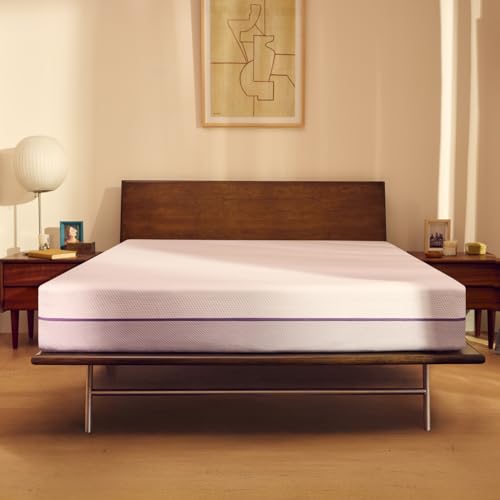
The Purple Mattress is built around two inches of the GelFlex Grid, a hyper-elastic polymer lattice that does something foam cannot: it buckles locally under concentrated pressure and stays supportive everywhere else. Press a shoulder or hip into it and the grid’s walls flex away, cradling the joint and spreading its load across a wide area; lie flat and the same grid holds your back and legs up with a firm, even hand. Purple’s listing describes the result as cradling pressure points at the hips and shoulders while keeping the spine aligned, in a medium-firm feel that suits back, stomach, side, and combination sleepers.
Strengths
- GelFlex Grid flexes exactly where joints press and stays firm where they do not
- Temperature-neutral, air-channeled design sleeps cool — no foam heat buildup
- Responsive surface makes position changes easy on stiff, sore joints
Trade-offs
- The grid feel is genuinely unusual; some sleepers need the full trial to decide they love it
- At one hundred pounds it is the heaviest mattress in this guide — plan setup help
- Premium tier positioning; the grid is the reason, but budget shoppers should look below
| Color | White |
| Size | Queen |
| Dimensions | 80 x 60 x 11 inches |
| Weight | 100 pounds |
For joint-sensitive sleepers, the Purple’s deepest virtue is that it solves the hardness-versus-sink dilemma structurally instead of by compromise. Foam mattresses split the difference with medium firmness everywhere; the grid is soft and firm in different places at the same moment, which is what a shoulder and a lumbar actually need simultaneously. The surface is also instantly responsive — no waiting for foam to soften or release you — so the small hours’ repositioning that sore joints demand happens without effort or the rocking struggle that wakes a partner. Edge support foam and a durable base keep the perimeter stable for sitting and standing, the moments when knees and hips work hardest.
Temperature neutrality is a quiet bonus with a joint angle: the grid’s air channels draw heat away continuously, so the surface never becomes the warm, clammy environment that makes restless sleepers shift constantly. Fewer forced position changes means fewer joint complaints at dawn. If you are choosing between the Purple and a traditional contouring foam, the deciding question is feel: sleepers who love being hugged should look at the Zinus or Leesa below; sleepers who want pressure relief without the hug will find the grid revelatory.
Best for: side and combination sleepers whose shoulders and hips are the nightly complaint / Not suited for: sleepers who love the slow, deep hug of traditional memory foam
Choose it for the most intelligent pressure relief in the pool; skip it if its weight or premium tier is a barrier. Check on Amazon

Zinus 12 Inch Green Tea Memory Foam Mattress
Our badge: Best Zoned Foam
The Zinus 12 Inch Queen Green Tea Memory Foam Mattress approaches pressure relief with patented zoned technology: targeted cushioning and support distributed differently across the surface, so the zones under your shoulders and hips give more while the zones under your waist and legs hold firmer. Wrapped in a medium-firm feel with a breathable knitted cover over a durable base foam, it contours, supports, and moves with the body — and it does all of that at a mid-market tier with CertiPUR-US foams and an OEKO-TEX Standard 100 cover.
Strengths
- Patented zoned pressure relief targets cushioning where joints load the surface
- CertiPUR-US foams and OEKO-TEX cover; fiberglass-free construction
- Motion absorption keeps a partner’s movement from jarring sensitive joints awake
Trade-offs
- Classic memory foam response — position changes take a moment of foam negotiation
- Sleeps warmer than the grid and hybrid alternatives despite the breathable cover
- Allow a day or two of ventilation for the initial unboxing smell to dissipate
| Color | White |
| Size | Queen |
| Dimensions | 80 x 60 x 12 inches |
| Weight | 62.3 pounds |
Zoning is the honest way to make foam joint-friendly, because joints do not load a mattress evenly and a uniform surface cannot answer uneven questions. On the Zinus, a side sleeper’s hip meets a zone designed to receive it, while the waist zone resists the sag that would otherwise bend the spine sideways. The green tea and charcoal infusions keep the foam fresh between protector washes — a small thing that matters in a bed you are counting on for years of nightly therapy-by-comfort. Couples benefit from foam’s signature stillness: the surface absorbs movement rather than transmitting it, so your shoulder is not renegotiating its position every time your partner rolls over.
Set expectations on feel: this is the traditional memory foam experience, contouring and calm, and it rewards sleepers who settle into a position and stay. Restless combination sleepers who change sides hourly may prefer the Purple’s instant response or the Layla’s copper firming. But for the classic joint-pain profile — a side or back sleeper whose hips and shoulders ache against hard surfaces — the Zinus’s zoned contouring at this tier is hard to argue with. Households managing several comfort issues at once will find its certified-materials story pairs well with the hygiene-first thinking in Best Mattresses For Allergies.
Best for: side and back sleepers wanting zoned foam cushioning with certified materials / Not suited for: very restless sleepers who need an instantly responsive surface
Choose it for zoned contouring value; skip it if you sleep hot and restless. Check on Amazon
Leesa Original 10″ Memory Foam Mattress
Our badge: Best for Side Sleepers
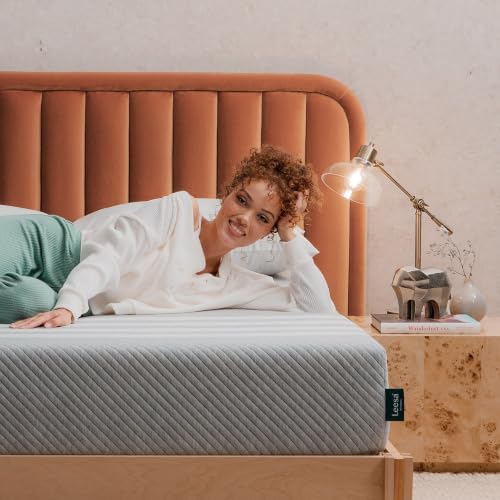
The Leesa Original 10″ Memory Foam Mattress is a premium all-foam mattress designed, in the brand’s own framing, for cooling, contouring, and pressure relief — with targeted pressure relief called out specifically, and lower-back comfort among its aims. Its audience is all sleep positions, but its contouring character makes it a natural side-sleeper pick: the foam receives the shoulder and hip, spreads their load across a broad contact patch, and keeps the waist supported so the spine runs straight rather than sagging into a hammock curve.
Strengths
- Targeted pressure relief designed into a premium all-foam build
- Breathable twill cover and cooling design temper foam warmth
- Assembled in the USA; CertiPUR-US certified
Trade-offs
- Ten inches is the slimmest profile here — very heavy side sleepers may want more depth
- Contouring foam feel is a commitment; grid and latex fans will find it slow
- Premium-leaning tier for an all-foam build
| Color | Grey |
| Size | Queen |
| Dimensions | 80 x 60 x 10 inches |
| Weight | 71 pounds |
Side sleeping is the joint-stress position: the full weight of the torso funnels through one shoulder and one hip, and the Leesa’s contouring is calibrated for exactly that funnel. Sleepers describe the foam style as pressure-dissolving — the joint sinks until the load is spread widely enough that no single point protests. The signature four-stripe breathable cover is more than branding; it keeps the surface from feeling sealed, and the mattress’s overall temperature behavior is among the better all-foam performances in the pool. For couples, the foam stillness applies here too: two sets of sensitive joints can share the bed without negotiating every movement.
The Leesa also carries a social footnote some shoppers value: the company donates one mattress to nonprofits for every ten sold. That does not change how it sleeps, but in a guide full of near-identical foam claims, considered manufacturing and a decade of brand presence are legitimate tiebreakers. Pair it with a pillow that fills the shoulder-to-neck gap — side sleepers’ neck joints are the forgotten third point of the position — and the whole side-sleeping system aligns. Our sibling guide Best Mattresses For Back Pain And Side Sleepers works through that pillow-and-position system in detail.
Best for: side sleepers whose shoulders and hips need deep, even contouring / Not suited for: very heavy sleepers or anyone wanting a responsive, on-top feel
Choose it for premium contouring comfort; skip it if you prefer to sleep on rather than in your mattress. Check on Amazon
Sweetnight CoolNest Queen Mattress
Our badge: Best Cooling
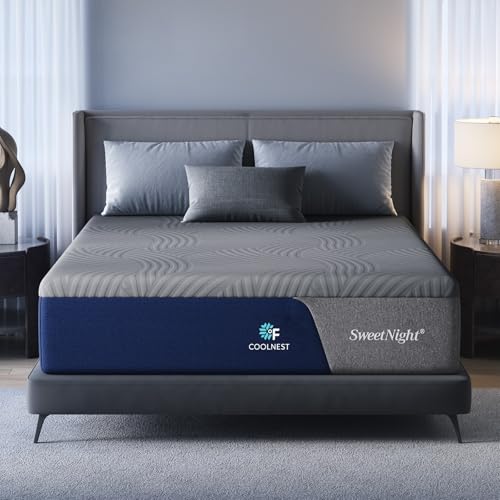
The Sweetnight CoolNest Queen Mattress is a fourteen-inch, medium-feel cooling memory foam mattress whose support story is a five-zone ergonomic design: support and comfort foams arranged to cushion pressure areas from head to toe, redistributing pressure while maintaining stability and balanced support. Its CoolNest system layers PCM high-resilience foam with gel-infused memory foam to dissipate heat, under a 3D-woven breathable cover — a combination aimed at the hot, achy sleeper whose joints complain loudest when the bed runs warm and restless.
Strengths
- Five-zone ergonomic support cushions pressure areas along the whole body
- Serious cooling stack: PCM foam, gel memory foam, ventilated breathable cover
- Fourteen-inch profile gives deep material between joints and the support core
Trade-offs
- The tall profile needs deep-pocket sheets and suits lower frames best
- Full expansion can take up to seventy-two hours per the listing
- Medium feel may be more cushion than strict firm-support sleepers want
| Color | Grey & Blue |
| Size | Queen (U.S. Standard) |
| Dimensions | 80 x 60 x 14 inches |
| Weight | 68.67 pounds |
Zoning at five points rather than three lets the CoolNest treat the body as a chain of pressure events — head, shoulders, lumbar, hips, legs — each with its own answer. For the joint-pain shopper whose complaints are distributed (a shoulder and a knee and a hip, depending on the night), that whole-body zoning is the appeal: wherever you load it, the surface has a planned response. The motion isolation is thorough foam work, absorbing a partner’s movement at multiple layers, and the reinforced breathability story — the cover’s ventilation design, the hollow-structured PCM foam’s airflow — keeps the deep profile from sleeping like a sauna, which thick foam mattresses often do.
The mattress is CertiPUR-US certified with a certified cover and carries ten-year protection. It arrives compressed and needs its full expansion window; plan the unboxing for a morning, not a bedtime. Hot sleepers with joint pain are an underserved group — most cooling mattresses are firm, most joint mattresses are warm — and the CoolNest is the one pick here engineered for both at once. If heat is your primary disruptor even beyond joints, the dedicated analysis in Best Mattresses For Night Sweats extends this pick’s logic.
Best for: hot sleepers with distributed joint pressure who want zoned cushioning and real cooling / Not suited for: sleepers wanting a low, firm, minimalist profile
Choose it for zoned comfort that stays cool; skip it if your frame cannot take a fourteen-inch mattress. Check on Amazon

Layla 10″ Copper Infused Memory Foam Mattress
Our badge: Best Adjustable Feel
The Layla 10″ Copper Infused Memory Foam Mattress solves the joint shopper’s hardest guessing game — how soft is soft enough? — by refusing to make you guess. It is flippable: one side soft, the other medium-firm, so the same mattress offers two pressure equations. Its copper-gel memory foam adds a second trick: the copper particles condense under body weight and firm up in response, so the foam gives more where you barely touch it and pushes back more where a hip or shoulder drives deep — a variable response aimed squarely at pressure management. The purchase includes two free memory foam pillows and a 120-night trial.
Strengths
- Two firmness levels in one mattress — flip to change your pressure setup
- Copper-gel foam firms responsively under concentrated joint load
- Copper cooling technology moves heat away from the body efficiently
Trade-offs
- Flipping a sixty-nine-pound mattress is a two-person, occasional chore
- The soft side may be too soft for stomach sleepers’ hips
- Copper foam’s variable response feels different from uniform foam; use the trial to learn it
| Color | Natural |
| Size | Queen |
| Dimensions | 80 x 60 x 10.5 inches |
| Weight | 69 pounds |
The flippable design is more than a novelty for joint shoppers, whose needs genuinely change: a shoulder in a flare week wants the soft side’s deep reception; the same shoulder in a good month may prefer the medium-firm side’s support. Couples with different pressure preferences get a compromise no single-feel mattress can offer, and the 120-night trial is long enough to test both sides properly — a fortnight each, minimum, before judging. The copper story is dual-purpose: the same particle network that firms under load also forms a heat-transfer path that pulls warmth away, so the Layla sleeps cooler than its deep-contouring feel suggests.
Made in the USA and made to order, the Layla also avoids the long warehouse compression that can tire foam before it reaches you. In daily life it feels like the thoughtful middle of this guide: contouring like the Zinus, adjustable like nothing else here, cooler than its foam peers. For shoppers paralyzed between “soft for my joints” and “firm for my back,” it is the pick that lets the mattress — not the guess — settle the argument.
Best for: undecided or changing-needs sleepers who want two firmness options and adaptive pressure response / Not suited for: anyone who would never actually flip a heavy mattress
Choose it for flexibility no rival here matches; skip it if you want a single, set-and-forget feel. Check on Amazon

Novilla Bliss Queen Size Mattress
Our badge: Best Budget
The Novilla Bliss Queen Size Mattress closes the guide with the budget route to real pressure relief: a three-layer foam design whose NanoGel memory foam contours gently to the body while the comfort and support layers distribute weight evenly and ease tension at key pressure points like the back and hip. Twelve inches of material means the comfort layers have genuine depth to work with, the reinforced edge support keeps the full surface usable, and the gel foam’s heat dissipation keeps the contouring from turning stuffy.
Strengths
- Three-layer design distributes weight evenly and eases hip and back pressure
- Twelve-inch profile gives comfort layers real depth at a budget tier
- CertiPUR-US certified with a hundred-day trial and ten-year protection
Trade-offs
- No zoning — pressure relief is uniform contouring rather than targeted
- Expansion can take up to seventy-two hours; plan the setup day
- Edge support is foam-grade: fine for sleeping, less firm for sitting than hybrids
| Color | Bliss |
| Size | Queen (U.S. Standard) |
| Dimensions | 80 x 60 x 12 inches |
| Weight | 61.5 pounds |
Uniform contouring, done well, is a legitimate pressure strategy: instead of engineering zones, the Novilla lets memory foam’s natural behavior — sink where loaded, spread the load — do the work across the whole surface. For back sleepers and lighter side sleepers, that evenness is often enough, and the balanced support keeps the spine aligned while the surface stays kind. The breathable knitted cover and plant-infused freshness foam keep the bed pleasant between washes, and the motion isolation is the deep quiet that only layered foam delivers — a real mercy when a partner’s schedule differs from yours.
Budget honesty: the Novilla asks you to accept slower expansion, uniform rather than zoned relief, and foam-grade edges in exchange for its tier. For a first pressure-relief mattress, a guest room that hosts an achy parent, or a shopper testing whether contouring foam suits their joints before spending premium money, that trade is well judged. The hundred-day trial makes the test nearly free of risk.
Best for: budget shoppers and guest rooms needing honest, even pressure relief / Not suited for: sleepers needing targeted zoning for one specific problem joint
Choose it for value-priced contouring; skip it if you want zoned or grid engineering. Check on Amazon
Comparison Table
| Pick | Pressure-Relief Method | Feel | Profile | Check price on Amazon |
|---|---|---|---|---|
| Purple Mattress | GelFlex Grid flexing | Medium-firm, responsive | 11 inch | Check price on Amazon |
| Zinus 12 Inch Green Tea | Patented zoned foam | Medium firm, contouring | 12 inch | Check price on Amazon |
| Leesa Original 10″ | Targeted foam contouring | Contouring | 10 inch | Check price on Amazon |
| Sweetnight CoolNest 14″ | Five-zone ergonomic foam | Medium, cooling | 14 inch | Check price on Amazon |
| Layla 10″ Copper | Copper-gel variable response | Soft / medium-firm (flippable) | 10.5 inch | Check price on Amazon |
| Novilla Bliss 12″ | Even foam weight distribution | Balanced contouring | 12 inch | Check price on Amazon |
How to Choose the Best Mattress for Joint Pain Comfort
Map Your Pressure Points Before You Shop
Your sleep position decides which joints are at risk. Side sleepers load the shoulder and hip; back sleepers spread load but can strain knees and the lower back’s joints if the surface sags; stomach sleepers twist the neck and stress the hips. Write down where you actually ache in the morning — that map is your shopping brief. A shoulder-dominant side sleeper needs the deepest shoulder reception (grid, zoned foam, or the Layla’s soft side); a hip-dominant back sleeper needs even distribution with a support core that will not trough. Shopping without the map leads to buying the internet’s average mattress for your very specific joints.
Choose a Relief Technology, Not Just a Firmness Label
“Medium” describes every mattress and therefore none. What relieves joint pressure is a mechanism: a grid that flexes locally, zones that soften selectively, copper particles that firm under load, or deep foam that spreads weight evenly. This guide’s six picks use five different mechanisms, and they feel genuinely different. If one mechanism has failed you before — say, uniform foam left your shoulder numb — switch mechanisms, not just brands. The comparison table above is organized by mechanism for exactly this reason.
Guard the Middle: Support Under the Cushion
Every joint-friendly surface in this guide sits on a support core that keeps the pelvis and spine level. That pairing is non-negotiable: cushion without support lets joints sink into flexion, and morning stiffness follows. When comparing options, ask what stops the sink — a high-density base, encased coils, a zoned firm zone — and be skeptical of any thick, soft mattress that cannot answer. The relationship between cushioning and spinal support is explored from the back’s perspective in Best Mattresses For Sore Backs, a useful cross-check for shoppers whose pain spans back and joints.
Use Pillows as Joint Equipment
A mattress cannot fix a pillow problem. Side sleepers need a pillow thick enough to fill the shoulder gap so the neck joints stay neutral, and a pillow between the knees keeps the top leg from dragging the pelvis into a twist that loads the hip and knee. Back sleepers often do better with a thinner pillow and, if knees ache, a small pillow beneath them. Budget for pillows as part of the mattress purchase; several sleepers “return” mattresses that were innocent while the pillow was guilty.
Trial Like You Mean It
Joint response to a new surface unfolds over weeks, including flare cycles that a single good week can hide. Use the full trial, alternate nothing else in your routine during the test if you can, and keep a one-line morning note: which joints, how stiff, how long to loosen. That log turns a vague impression into a decision — and it is exactly the evidence that makes a return, if needed, a confident one.
How Should You Care for a Pressure-Relief Mattress?
Pressure-relief layers are the first to age, so care is comfort preservation. Rotate the mattress head-to-foot every three to six months to spread the load map; flippable models like the Layla should also be flipped on a schedule so both faces share the years. Keep a protector on — moisture degrades foam’s responsiveness quietly — and avoid heavy plush pads that bury a carefully engineered surface under generic softness. Vacuum the surface monthly, air the bed in the morning before making it, and never fold or bend a foam mattress for moving beyond what the manufacturer allows; creased comfort layers never quite recover their pressure map.
Problem: shoulder still aches on a new contouring mattress — check the pillow first (too thin collapses the neck and loads the shoulder), then give the foam its full break-in; if it persists past the trial’s midpoint, a different relief mechanism — grid instead of foam — is the honest next step.
Problem: hips sink too deep by morning — the support core is losing to your weight or the foundation is sagging; inspect the base with a straight edge before blaming the comfort layers.
Problem: knees ache after back sleeping — try a small pillow under the knees to unload the joint angle, and confirm the mattress is not hammock-ing your pelvis downward.
Problem: one side of the bed feels softer than the other — rotate the mattress and, for couples, swap sides for a week; uneven early wear usually equalizes once the load map changes.
Problem: the mattress sleeps warmer than expected — switch to breathable bedding before concluding the mattress is at fault; heavy duvets defeat gel and grid cooling alike.
Side Sleeping: The Joint-Stress Position, Done Right
Most joint-pain shoppers sleep on their sides, and most side-sleeping problems are geometry problems. The shoulder is narrower than the hip’s load path is deep; the waist floats unsupported; the top leg falls forward and twists the pelvis. A joint-friendly side-sleeping setup answers all three: a surface that receives the shoulder and hip deeply (the relief mechanisms in this guide), a midsection that holds the waist up (zoning, support cores), and a knee pillow that parks the top leg in neutral. Get those three right and side sleeping becomes what it should be — the position with the happiest joints in the house. Get only the mattress right and you have solved perhaps sixty percent of the problem, which is why this guide keeps returning to the system rather than the product.
Weight, Depth, and Pressure: The Physics Under the Marketing
Pressure is force divided by area, and every relief technology here is an area-increasing machine: foam spreads load by contouring, the grid spreads it by flexing, zoning spreads it by refusing to bottom out at the waist while yielding at the hip. Heavier sleepers generate more force and therefore need more depth and density to achieve the same spread — a ten-inch contouring mattress that delights a lighter side sleeper may bottom out under a heavier one, converting relief into a hard stop against the support core. That is why this guide pairs each pick with honest weight-related trade-offs, and why heavier joint-sensitive shoppers should start at the twelve-to-fourteen-inch end of the list or the grid, whose flexing does not depend on foam depth alone. Conversely, very light sleepers may not load a firm zoned mattress enough to engage its cushioning, and for them the Layla’s soft side exists. Match the physics to your body, not to the average reviewer.
Joint Pain Beyond the Mattress: The Daytime Half of the Story
A mattress governs eight hours of a joint’s day; the other sixteen deserve equal honesty in a guide that claims to help. The joints that ache at night are loaded all day — by chairs that hold hips below knees, by stairs taken one defensive step at a time, by shoes whose cushioning retired years ago, by the simple deconditioning that pain itself causes when movement starts to feel expensive. Sleep professionals and rheumatologists alike describe the same virtuous circle from opposite ends: better-rested joints tolerate more daytime movement, and more daytime movement produces deeper, less fragmented sleep. The mattress’s contribution to that circle is real but bounded — it removes the night’s provocations (pressure peaks, unsupported sag, the wrestling match of turning in slow foam) so the day’s work starts from a rested baseline. Readers building the full picture will find the daytime and nighttime halves treated together in Best Mattresses For Rheumatoid Arthritis when the joint story is inflammatory, and in this lot’s chronic comfort guides when it is persistent and multi-site.
Practical bedroom additions, in the spirit of that circle: a bed height that lets feet rest flat while sitting — several of this guide’s deeper profiles on a standard frame achieve it — so the first stand of the day loads knees and hips through their strongest range; a nightstand arranged so nothing essential requires a twisted reach; and a morning routine that gives stiff joints gentle movement before full weight-bearing, because the first ten minutes set the day’s tone disproportionately. Heat and cold, used as your clinician advises, belong to the evening wind-down for many joint-pain sleepers, and a mattress that sleeps temperature-neutral — the grid and ventilated picks here — stops the bed itself from arguing with that routine. None of this is treatment, and new, hot, swollen, or rapidly worsening joint symptoms are a clinician’s file promptly. But a bedroom arranged as thoughtfully as the mattress inside it is how the night’s gains survive contact with the morning.
Hands, Wrists, and the Small Joints the Guides Forget
Joint-pain coverage concentrates on the load-bearing stars — hips, knees, shoulders — but the small joints write their own night stories. Hands and wrists ache from positions nobody chooses: the wrist folded under a pillow, the hand trapped beneath a hip, the fingers curled tight for hours. A mattress cannot splint a wrist, but its surface decides how much pressure a trapped hand absorbs and how easily a sleeper can reposition without fully waking — one more reason this guide weights responsiveness so heavily for joint shoppers. Pillow arrangement helps directly: a small cushion that keeps the top hand resting open and elevated on the body’s side, rather than pinned beneath it, is a two-dollar intervention with an outsized morning effect. Ankles and feet, the other forgotten joints, respond to the simplest geometry of all — a pillow under the calves for back sleepers that lets the feet rest unloaded and unpointed. None of this is treatment, and hand symptoms with numbness or tingling deserve clinical attention in their own right. But the sleeper who audits the small joints’ night, joint by joint, often finds one fixable provocation hiding among the big ones — and the mattress that makes repositioning cheap makes every one of those fixes easier to keep.
What to Track: A Joint Sleeper’s Simple Metrics
Joint comfort resists vague impressions, so give the trial numbers. Three metrics, recorded in under a minute each morning, outperform a month of “it feels better, I think”: the time it takes to get from lying to standing comfortably, counted in seconds for the first week and compared in the fourth; the number of times pain woke you or forced a position change, tallied honestly rather than estimated at breakfast; and a single stiffness rating for the day’s worst joint, one to ten, taken at the same hour daily. Plotted across a trial, those three lines separate a mattress that is helping from a mattress that is merely new — novelty always wins week one, and only the trend survives it.
The same metrics serve the clinician conversation when the mattress is not the answer: a month of wake-counts and stiffness trends is the kind of evidence that changes treatment plans, which makes the trial log a medical document as well as a shopping one. Keep it either way the verdict falls.
Common Buying Mistakes
Buying the Softest Bed in the Store
Showroom softness is a five-minute sensation; eight hours of pelvic sink is a joint strain program. Joint shoppers need cushion at the points and support between them — the mechanisms in this guide — not uniform plushness.
Buying Firm Because “Firm Is Good for Pain”
The opposite myth. Hard surfaces concentrate pressure exactly on the joints you are protecting. Firm belongs in the support core; the surface your joints meet should be engineered to give.
Ignoring the Pillow’s Role
Neck and shoulder complaints blamed on mattresses are pillow failures a remarkable share of the time. Audit the pillow with the same rigor as the mattress — height, fill, age — before spending mattress money.
Testing for Three Nights and Returning in a Panic
Bodies adapt to new pressure maps over weeks, and joints in a flare will dislike any new surface. Use the structured trial — notes, patience, the full window — before concluding a mattress failed.
Forgetting the Foundation
A sagging base converts every relief technology into a hammock. Straight-edge your slats or foundation before the new mattress arrives; it is the cheapest comfort upgrade in this entire topic.
Final Recommendation
For most joint-sensitive shoppers, the Purple Mattress is the standout: its grid relieves shoulders and hips with a precision foam cannot match, while holding alignment and sleeping cool. Foam loyalists should take the Zinus’s zoned contouring seriously, and anyone torn between soft and firm should let the Layla settle it — Check on Amazon to review its flippable design and trial. Hot sleepers with distributed aches have a purpose-built answer in the Sweetnight, and budget shoppers are honestly served by the Novilla. Whichever you choose, fix the pillow and foundation alongside it, and judge the result over weeks, not nights. To complete the pressure-relief system around the bed, Best Throw Pillows For Bedrooms Under $100 is a surprisingly relevant place to hunt for knee and lumbar support cushions.
Frequently Asked Questions
What mattress firmness is best for joint pain?
Most joint-sensitive sleepers land in the medium to medium-firm range with a genuinely cushioning surface layer — soft enough to relieve pressure points, supported enough to keep joints aligned. The exact point in that range depends on your position and weight, which is why adjustable and long-trial picks feature heavily in this guide.
Is memory foam good for achy joints?
Its contouring spreads load across a wide area, which is precisely what pressure-sensitive joints need, and the zoned and gel versions here improve on the basic formula. Its weaknesses are heat in cheap builds and slow response for restless sleepers; the grid and flippable picks exist for shoppers those weaknesses exclude.
Why do my joints hurt more in the morning?
Hours of immobility in one position, on a surface that concentrates pressure, is a common everyday explanation — the joint is loaded, still, and unrelieved all night. A pressure-relieving surface plus position variation reduces that load. Persistent or worsening morning symptoms, especially with swelling or stiffness lasting well into the day, deserve a clinician’s evaluation rather than a shopping solution.
Should side sleepers with hip pain choose a softer mattress?
They should choose a more cushioning surface over a supportive core — which is not the same as a soft mattress. Zoned foam, the grid, and the Layla’s soft side all deliver hip reception without pelvic sag. Pure softness lets the pelvis drop and the hip joint angle worsen.
Does a mattress topper fix joint pressure on an old mattress?
A topper can improve surface cushioning if the mattress underneath still supports evenly. If the base mattress sags or troughs, a topper follows the trough and the joint geometry stays broken — in that case the mattress itself is the purchase, and a topper is money spent delaying it.
How long before I know if a new mattress helps my joints?
Allow two to four weeks of consistent use, ideally spanning a normal flare cycle, and keep brief morning notes. Joint comfort is a trend, not a single night’s verdict, and the long trials on these picks are designed to be used exactly that way.


