Disclosure: As an Amazon Associate, dailyhomedecorating.com earns from qualifying purchases. Links on this page are affiliate links; they cost you nothing extra. Prices and availability change often, so check the current Amazon listing before you buy.
This food storage bags review treats a humble kitchen staple with the seriousness it quietly deserves. Food storage bags decide whether the chicken you froze in October tastes like dinner or like the inside of a freezer, whether last night’s soup survives the trip to the fridge without perfuming everything around it, and whether the expensive cheese you bought for the weekend is still worth eating on Sunday. The category looks simple — a plastic pouch with a seal — but the differences between a good bag and a poor one show up in seal reliability, film thickness, freezer endurance and how honestly the bag handles liquids, and those differences compound across hundreds of uses a year.
Our verdict up front. For everyday freezer work, a thick, double-seal disposable freezer bag from a major maker remains the benchmark everything else is judged against, because the seal is predictable and the film resists punctures from bones and frozen edges. For households trying to cut single-use plastic, reusable silicone bags are the most durable upgrade, provided someone in the house actually washes them. Vacuum seal bags are in a class of their own for long freezer storage and bulk meat buying, but they ask for a machine and a little patience. The rest of this review is the evidence behind those sentences, organised so you can read the sections that match your kitchen and skip the rest. We also include the simple home tests behind our judgements, so you can check any bag in your own drawer against the same standard before you spend anything.
Key Takeaways
- Seal design matters more than brand: double zip tracks and slider closures fail far less often than single thin press seals.
- Freezer bags and storage bags are not the same product — freezer film is thicker and resists freezer burn far longer.
- Vacuum sealing removes the air that causes freezer burn, extending useful freezer life more than any zip bag can.
- Reusable silicone and PEVA bags pay off only if they are washed and dried properly after every use.
- Never reuse a disposable bag that held raw meat, poultry or seafood — that rule has no exceptions.
- Check price on Amazon for current listings, since pack sizes and counts change frequently.
What Food Storage Bags Are and Where They Fit
Food storage bags are flexible pouches, most often made from polyethylene film, food-grade silicone or laminated vacuum film, that close with a press seal, a slider, a zip track or a heat weld. They exist because rigid containers are not always the right tool. A container holds a fixed shape whether it is full or nearly empty; a bag collapses around its contents, squeezing out the dead air space that dries food out and takes up freezer room. A freezer full of flat, stacked bags holds noticeably more than the same freezer full of half-empty tubs, and anyone who has played Tetris with a chest freezer before a holiday knows that difference is not trivial.
The category divides into four families. Disposable zip and press-seal bags are the workhorses: sandwich size for lunches, quart for leftovers and produce, gallon for marinating and bulk storage, and freezer versions of each with thicker film. Slider bags swap the press seal for a small plastic slider that runs the closure shut, which helps cold or wet hands and anyone with limited grip strength. Vacuum seal bags and rolls are a different system entirely — a textured, multi-layer film that a vacuum sealer evacuates and heat-welds shut, producing the tightest, longest-lasting storage the category offers. Reusable bags, in silicone or PEVA, aim to replace the disposable habit with something washable that lasts for years rather than minutes.
Where do bags beat containers? Marination, first of all: a bag lets you coat meat in a small amount of marinade because the liquid wraps the food instead of pooling under it. Freezing flat is second — soups, sauces and ground meat frozen in flat bags thaw quickly under water and stack like books. Third is travel and lunch packing, where a bag weighs almost nothing and can be discarded or rinsed at the destination. Where do containers win? Anything you will open daily for weeks, anything crisp that crushes, and dry pantry goods that need a hard, pest-resistant wall — which is why so many organised kitchens pair bags with a set of rigid canisters, a pairing we explore in our food storage bags buying guide.
Sizing is the first practical decision. Sandwich bags suit portions and snacks; quart bags are the true all-rounders for produce, cheese and leftovers; gallon bags handle whole chickens, bunches of greens and marinating jobs; and two-gallon sizes exist for turkeys, bulk flour transfers and proofing dough. Buying one size and forcing it into every job is the most common false economy in this category — a half-empty gallon bag wastes film and traps air, while an overstuffed quart bag strains its seal exactly when you can least afford a leak.
In this guide
The Food Storage Bags Worth Recommending
Six products cover the realistic needs of almost every household, and they are the reference points for the rest of this review. Each is treated in prose here; match the type to your habits first and the brand second, because the best bag in the wrong format will still disappoint you.
Ziploc Gallon Freezer Bags — the disposable benchmark
Best for: households that freeze regularly and want a seal they can trust without thinking about it. Not suited for: anyone committed to eliminating single-use plastic, or for storage measured in many months, where vacuum sealing does better.
The gallon freezer bag from Ziploc is the product most people picture when they picture this category, and it has earned that position through the seal. The double zip track gives an audible, tactile confirmation as it closes, and the film is thick enough to resist the small punctures that frozen corners and bone ends inflict on thinner bags. In freezer use it keeps food in good condition for the realistic span of home freezing — weeks to a few months — provided you press out the excess air before sealing, ideally leaving the last inch of seal open, squeezing, then closing. The write-on block sounds like a gimmick until you are staring at three identical frosted bags in February trying to remember which one is the chilli. Its honest limitation is the category’s limitation: it is a disposable product, and a heavy freezer habit goes through boxes steadily. Treat it as the benchmark for seal quality, and check price on Amazon before stocking up, since counts per box vary.
Hefty Slider Freezer Bags — the easy-closure option
Best for: anyone whose hands are wet, cold or less strong — batch cooks working straight from a cutting board, older cooks, kids packing their own lunches. Not suited for: liquid-heavy storage carried in a bag or lunchbox, where a slider can be knocked open more easily than a double zip.
The slider closure is a small mechanical answer to a real annoyance: press seals demand dry, aligned fingertips, and they punish haste with a half-closed corner that leaks air all night. The Hefty slider runs along the track and closes the bag in one pass, and the freezer-grade film is respectably thick with a wide, grippable top edge. In daily use the difference shows up at the sink, sealing bags of washed greens or portioned meat with damp hands without the usual fumbling. The trade-off is that the slider itself is a small rigid part that can crack if crushed under heavy freezer loads, and the closure, while secure, is not the one we would trust upside down with soup. For dry and semi-dry freezer and fridge work, though, it is the most forgiving closure in the disposable family.

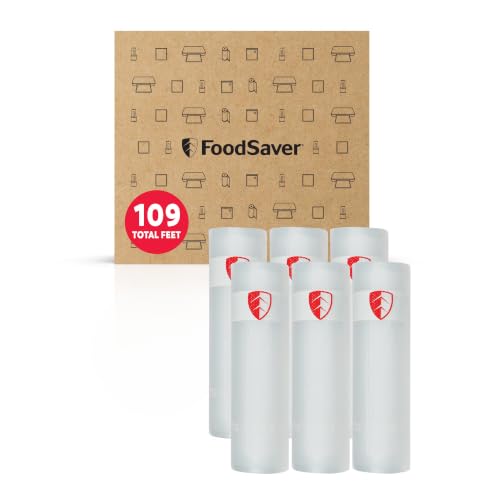
FoodSaver Vacuum Seal Bags and Rolls — the long-storage system
Best for: bulk buyers, hunters, gardeners freezing a harvest, and anyone who has ever thrown away freezer-burned meat and felt the waste. Not suited for: quick daily leftovers, where the machine ritual is more effort than the food justifies.
Vacuum sealing changes the physics of storage. Instead of pressing out some air by hand, the machine removes nearly all of it and heat-welds the bag shut, so the film hugs the food and there is almost no oxygen left inside to dry surfaces and stale fats. FoodSaver’s bags and rolls use multi-layer film with air channels that let the machine draw a proper vacuum, and the rolls let you cut a bag to the exact size of the job, which reduces waste on odd-shaped items. Steaks, roasts and hard cheeses keep their quality for many months rather than weeks, and sous vide cooks get a bag rated for the bath. The honest costs are the machine itself, counter or drawer space, and a per-bag effort that makes the system wrong for a handful of grapes. Used where it belongs — the big, expensive, long-term freezes — nothing else in this review comes close, a point we return to in food storage bags vs reusable silicone bags.

Stasher Silicone Bags — the reusable upgrade
Best for: households reducing single-use plastic who want one bag that handles the fridge, freezer, microwave and dishwasher. Not suited for: anyone who knows the bags will sit unwashed in the sink — an unwashed reusable is worse than a fresh disposable.
Stasher bags are made from platinum food-grade silicone with a pinch-lock seal that presses shut along a wide top edge. They are thick, satisfyingly sturdy, and genuinely versatile: they freeze well, they can reheat food in the microwave or a pot of water, they stand up on their own when open, and they go in the dishwasher, which removes the biggest friction point of reusable bags. The seal is water-tight when closed properly, though it rewards a deliberate press along the full length rather than a casual pinch. Over years of use a set replaces a large number of disposable bags, and the per-use cost falls steadily. The limitations are upfront cost, bulk — silicone is thicker than film, so a dozen Stashers take real drawer space — and a seal that is excellent rather than absolute for long liquid transport. As the premium reusable option, it anchors the reusable end of this category.
(re)zip Reusable Storage Bags — the lightweight reusable
Best for: lunches, snacks, travel organisation and fridge storage where a light, flat, see-through bag is the point. Not suited for: long freezer storage or hot liquids, where silicone or vacuum film is the stronger material.
The (re)zip bags take a different reusable route: a lightweight PEVA film with a double zip seal, transparent, flat and easy to label. They behave like the disposable bags they replace — same sizes, same feel in a lunchbox — which makes them the easiest switch for households whose routines are built around zip bags. They rinse clean, air-dry quickly over a bottle or rack, and pack flat when empty, so a working set takes almost no storage space. The double zip is genuinely leak-resistant for snacks, sandwiches and fridge items. Their ceiling is durability: PEVA is thinner than silicone, the seal can wear with heavy use, and they are not the bag for a six-month freeze or a microwave reheat. Think of them as the high-turnover reusable — excellent at the daily jobs, honestly not built for the extreme ones.

IDEATECH Reusable Freezer Bags — the value reusable set
Best for: families who want to move a whole freezer routine to reusables without a premium outlay. Not suited for: cooks who need heat tolerance for reheating in the bag — these are storage bags, not cooking bags.
IDEATECH’s reusable freezer bags are the budget-friendly end of the reusable shelf: food-grade PEVA-style film, zip closures, and multi-packs sized for family freezers, typically mixing gallon, quart and snack sizes in one box. The value proposition is simple — for roughly the cost of a couple of boxes of disposables, you get a set that can be rinsed and reused through a season of freezing, which makes them a low-risk way to test whether your household will actually maintain reusables before investing in silicone. The seals are serviceable rather than luxurious, the film is thinner than Stasher’s silicone, and hand-washing with a thorough dry is part of the deal. Judged as an experiment that often becomes a habit, they earn their place here; judged as buy-it-for-life equipment, they are a stepping stone, and we say so plainly in our food storage bags pros and cons breakdown.
Design, Materials and Closures: What Actually Differs
Three design choices decide how a food storage bag performs: the film, the closure and the seams. Film first. Disposable bags are polyethylene, and the meaningful variable is thickness. Standard storage bags use a thinner film that is fine for the fridge and pantry but tears more readily in the freezer and lets freezer burn establish itself sooner. Freezer bags use a thicker gauge that resists punctures, flexes without cracking at low temperatures and slows moisture loss. That is why swapping a sandwich bag into freezer duty so often ends in dried-out, frosted food — the product was never built for the job, and no sealing technique rescues the wrong film.
Silicone is a different material class altogether: flexible, heat-tolerant, and thick enough to stand up, with a lifespan measured in years. PEVA sits between the two — a chlorine-free plastic film used by most lightweight reusables, more durable than a disposable, less capable than silicone, and not intended for heat. Vacuum film is a laminate: layers chosen so one side can be heat-welded while textured channels let air escape during evacuation. When a listing makes a material claim, the useful question is never the marketing word; it is what the material lets you do — freeze for months, reheat in the bag, wash in a machine — that a thinner film cannot.
Closures deserve the same scrutiny. A press seal depends on two tracks being aligned and pressed along their full length; it is cheap and effective when done carefully and the most common source of slow leaks when done casually. Double tracks add redundancy — if one track misses a crumb, the second still holds. Sliders mechanise the press, trading a small rigid part for consistency. Pinch-lock silicone seals work on compression across a wide lip and are the most forgiving of a quick close, though they can pop if a bag is overfilled and squeezed. Vacuum welds are not closures at all in the reopening sense: the bag is cut open, which is why vacuum storage suits food you will use all at once.
Seams and corners are the quiet failure points. The bottom seal of a cheap bag splits under the weight of liquids or the pressure of freezing expansion, and corners collect marinade that never quite rinses out of a reusable. Good bags reinforce the bottom seam and round or weld the corners cleanly. When you evaluate any bag in hand, fill it with water once over the sink before trusting it with food: thirty seconds of testing reveals more about seals and seams than any amount of packaging copy, a habit we recommend in how to choose food storage bags as well.
Performance in Real Use
Freezer duty: burn, punctures and the flat-freeze advantage
Freezer burn is dehydration and oxidation at the food’s surface, and it is caused by air — air left in the bag, and air that migrates through thin film over time. In practice, a thick freezer zip bag with the air pressed out keeps most foods in good shape for weeks to a few months; a vacuum bag extends that horizon severalfold because there is simply far less air to begin with. Punctures are the second freezer enemy: frozen food develops hard edges, bags shift when the door opens, and thin film loses. Freezer-gauge film and silicone both shrug off the knocks that split sandwich bags. The flat-freeze technique multiplies every bag’s usefulness: fill, seal most of the way, lay flat and press the remaining air out, freeze on a tray until solid, then file the flat bags upright like books. Thawing is faster, stacking is denser, and labelling the top edge keeps a crowded freezer legible.
Fridge and leftovers: odours, leaks and daily rhythm
In the fridge, the enemies are leaks and odour transfer rather than burn. A bag of soup stock laid on a shelf is a small act of faith in a seal, and this is where double zips and pinch-locks earn their keep. Bags excel at awkward leftovers — half an onion, a wedge of melon, the end of a cheese — that would otherwise demand a container three times their size. They also corral small items that otherwise migrate around the fridge: herb stems, opened packets, cut citrus. The discipline that makes fridge bags work is dating them; a bag is anonymous in a way a container is not, and the write-on strip or a piece of tape is the difference between a system and a mystery collection. Reusables shine here because the same bag cycles daily, and a quick rinse keeps the rhythm going.
Liquids and marinades: where bags are unbeatable
Marinating is the bag’s signature skill. Because the liquid wraps the food, you can marinate a whole chicken in a fraction of the liquid a bowl would need, turning the bag occasionally to redistribute. The rules are simple and non-negotiable: use a freezer-grade bag for strength, set the filled bag in a bowl or tray in the fridge so any leak is contained, and never reuse a bag that held raw meat marinade. For soups and stocks, leave headspace for expansion, seal with minimal air, and freeze flat. For transport, double-bag liquids or choose silicone; a single press seal in a moving lunch bag is a risk most people only take once. Sous vide belongs to vacuum bags and silicone, both of which tolerate the water bath — thin disposables are not built for sustained heat and should stay out of it.
Pantry, snacks and on the go
Outside the cold zones, bags are the organisers of small things: portioned snacks, baking ingredients decanted from torn packets, coffee, spice refills, and the trail mix economy of family life. Here the demands are modest — visibility, a seal that survives a cupboard, and sizes that match portions — and lightweight reusables and simple zip bags both serve well. The caution is pests and staleness in long pantry storage: a bag is not a hard barrier, so flour, grains and cereals that live in the cupboard for months belong in rigid containers, with bags handling the short-term and the portable. That division of labour — bags for flexible, short and cold storage; containers for the long dry store — is the pattern in most kitchens that feel under control, and it pairs naturally with the storage ideas in best storage baskets for the cupboards around it.
Strengths and Trade-Offs of Food Storage Bags
Strengths
- Space efficiency: bags collapse around food and freeze flat, so a freezer holds more and a fridge shelf wastes less air.
- Marinating and portioning: no other storage format coats food in less marinade or divides bulk buys into meal-size portions as quickly.
- Cost and weight: per use, a disposable bag is the cheapest storage in the kitchen, and any bag is light enough for lunches, travel and camping without thinking about it.
Trade-offs
- Waste: disposable convenience is paid for in single-use plastic, and even diligent households go through boxes in a heavy freezing season.
- Seal dependence: a bag is only as good as its closure on the day — a crumb in the track or a rushed press quietly undoes the whole system.
- Protection: bags do not protect against crushing, pests or determined freezer odours the way rigid containers do, so they are one tool in a system, not the whole system.
How Food Storage Bags Compare With the Alternatives
Against rigid containers, bags win on space, marinating and portioning, and lose on crush protection, stackability when soft, and long dry storage. Against beeswax wraps and foil, bags win on seal security and liquids, and lose on reusability and moulding around odd shapes. Against doing nothing — the original packaging — bags win almost everywhere, because manufacturer packaging is designed for transport, not for the weeks after opening. The honest summary is that bags are the flexible middle layer of a storage system: containers for the pantry backbone, bags for the cold and the quick, vacuum for the long freeze. Our side-by-side of the two bag philosophies in are food storage bags worth it works through the cost side of that system in detail.
Who Should Buy Food Storage Bags — and Who Should Skip Them
Buy with confidence if you batch cook, buy meat or produce in bulk, freeze garden produce, pack lunches daily, or marinate often — these are the households where bags repay their drawer space every week. Buy reusables specifically if someone in the home will wash them the same day; buy disposables without guilt if the alternative is food waste, which is the larger environmental cost in most kitchens. Skip the vacuum system if your freezing is measured in days, and skip premium silicone if your bags mostly carry dry snacks, where lightweight reusables do the same job for less. Before buying, run this checklist: Which sizes do I actually run out of? What share of my use is freezer versus fridge? Will these be washed, and by whom? Do I need heat tolerance, or only storage? The answers point at one family of bags, and buying that family well beats buying every family thinly. Storage beyond the kitchen follows the same logic — match the format to the job, as with best under bed storage in the bedroom.
Care, Hygiene and Safe Reuse
Food safety with bags rests on a few bright lines. Never reuse a disposable bag that held raw meat, poultry, seafood or eggs — wash-and-reuse advice that ignores this is not frugal, it is reckless, because the film’s seams and scratches can shelter bacteria that rinsing does not reliably remove. A disposable bag that held dry goods, produce or bread can reasonably be shaken out and used again for the same kind of job, though manufacturers design them for single use and seals weaken with each cycle. Reusable bags are built for washing: silicone goes in the dishwasher or a hot soapy soak; PEVA bags wash by hand in warm soapy water and must dry fully — propped open over a bottle or rack — because a reusable stored damp grows the very problems you bought it to avoid. All bags should be inspected for tears, cloudy worn film and tired seals, and retired when the closure stops closing crisply. Finally, cool food before bagging it for the fridge, label and date everything, and remember that a bag extends the life of food; it does not suspend the rules of food safety.
How We Judge a Bag: Seal, Film and Seam Tests You Can Repeat
Every judgement in this review comes back to tests any home cook can repeat in five minutes, and we describe them so you can audit our conclusions against the bags already in your drawer. The water test comes first: fill the bag halfway with water, seal it, hold it upside down over the sink and squeeze gently. A good seal stays dry at the track and the corners; a poor one weeps immediately, and a marginal one weeps when squeezed — and marginal is a fail, because a freezer load shifting at midnight squeezes bags harder than your hand does. The tissue test follows for dry storage: seal a dry tissue inside, submerge the bag briefly, and check whether the tissue stays dry, which reveals the slow pinhole leaks that let freezer air creep in over weeks.
Film quality shows itself in the stretch and recovery test. Pull a corner of an empty bag gently: good polyethylene stretches a little and stops, poor film keeps creeping and thins visibly, and that creep is tomorrow’s tear. In the freezer, the crack test matters — a bag that turns brittle and crackly at freezer temperature will split along fold lines, which is why freezer-grade film is formulated to stay supple when cold. For reusables, the equivalent checks are the seal after fifty washes, not the seal out of the box: silicone pinch-locks and PEVA zips both loosen with use, and a bag whose closure has gone vague should be retired to dry storage duty before it fails over something wet.
Seam inspection is the least glamorous and most predictive test of all. Run a fingertip along the bottom weld: it should feel uniform, without thin spots, bubbles or a ridge that catches. Corners deserve a close look because they concentrate stress and trap residue in reusables. None of this requires equipment, and it explains why two bags with identical packaging claims can live completely different lives in the same kitchen — the difference is manufacturing consistency, which is exactly what the established makers are selling when their boxes cost a little more than the generic alternative.
Sizes, Counts and Getting Value From a Box
Value in this category is a matching problem, not a price problem. A box is good value when its sizes match your actual jobs and its count matches your pace, so the last bag is used while the film and seals are still in their prime rather than after years in a drawer. Track your own usage for a fortnight before a big restock: most households discover that one size does seventy percent of the work — quart for fridge households, gallon for freezing households — and that the variety box they bought out of optimism left them with a stack of a size they never touch. Buying the hero size in a larger count and the supporting sizes in small counts is nearly always the better arithmetic, and it is the arithmetic our food storage bags buying guide builds its recommendations around.
Counts also interact with storage. Bags are light but bulky, and a wholesale-club tower of boxes can crowd out the very drawer the bags are meant to serve; decanting a working supply into the drawer and keeping the reserve in a cupboard — perhaps in one of the best closet organizer shelves style setups that keep back-stock visible — prevents the classic outcome of buying more bags while a forgotten box sits at the back of a shelf. For reusables, the count question reverses: too few bags means they are always in the wash when needed, which pushes the household back to disposables; a working set usually means at least as many reusables as the household uses disposables on its busiest day, plus a couple in the wash.
Finally, consider the cost that never appears on the box: the food a failed bag wastes. A split seam under a marinating chicken or a freezer-burned joint of meat costs more than a whole box of the bags that would have prevented it. That is why our recommendations weight seal reliability and film quality above small differences in box price, and why we suggest treating bags as cheap insurance for expensive food rather than as a commodity to minimise. Buy the bag that protects the food, in the size that fits the job, and the category becomes one of the best-value corners of the kitchen.
A Week With These Bags: Where Each One Earned Its Place
Abstract scores become clearer against an ordinary week. Monday is bulk-buy day: a family pack of chicken breasts gets divided into meal portions, each pressed flat in a gallon freezer bag with the air rolled out, labelled and frozen on a tray. This is the disposable freezer bag’s home turf — portions separated, no cross-contamination between the raw meat and anything else, and a flat stack that will thaw one portion at a time under cold water on busy evenings. The same evening, the leftover marinade experiment stays in the bin where it belongs: the bag that held raw chicken is never washed and reused, and that small waste is the price of a rule that keeps the household safe.
Wednesday is leftover night, and the rhythm changes. Soup goes into a silicone bag that stands open on the counter while it is filled, seals with a press along the lip, and lies flat in the fridge without threatening the shelf below it. Cooked rice portions into lightweight reusables for lunches; half a lemon and the end of a cucumber into a quart zip that will be rinsed and go again. The fridge looks organised not because of any system more complicated than this: every soft, awkward, half-used thing is in a bag, dated, visible, and taking up only the space its contents need.
Saturday is the freezer’s long game. A tray of garden tomatoes and a bulk pack of mince from a warehouse run meet the vacuum sealer, because these are the items that will still be in the freezer when the season turns, and they are exactly where freezer burn does its expensive damage. The vacuum bags take ten minutes of machine work and repay it months later when the mince thaws looking like mince. Meanwhile the slider bags handle the day’s damp-handed jobs — washed salad leaves, portioned berries — where a press seal would have fought back, and the snack-size reusables head out in pockets and bike bags, light as air and home again for a rinse.
Across the week, each family of bags did the work the others do badly, and none of them was asked to do everything. That, more than any single product, is the finding of this review: the category is a team. Stock the team in the sizes your week actually uses, keep the hygiene lines bright, and food storage bags stop being a background purchase and become one of the quiet systems that make a kitchen feel competent. If your week looks different — more lunches, less freezing, no garden — the balance shifts, and food storage bags vs reusable silicone bags and the buying guide will help you re-weight it.
The Environmental Question, Answered Honestly
No review of this category is complete without the waste question, and it deserves a straighter answer than either camp usually gives. Disposable bags are single-use plastic, and a household that freezes and packs daily will use a sobering number of them in a year. Reusable bags exist to cut that number, and where they are genuinely used for years, they do. But the honest ledger has a second column: food waste. Spoiled food carries a far heavier environmental cost than the bag that would have saved it — the water, land, feed and transport inside a wasted joint of meat dwarf the footprint of a polyethylene pouch. The practical conclusion is not to feel virtuous or guilty about a bag; it is to prevent food waste first, then reduce bag waste where the reduction is real.
Real reduction looks like this: reusables for the high-frequency, low-risk jobs — snacks, lunches, produce, dry goods — where they cycle daily and are washed with loads you are already running; disposables reserved for raw meat, long freezes and the jobs where a failure would waste food; and vacuum bags for the bulk freezes where one bag protects a large quantity of food for months. It also looks like buying the right sizes so half-empty bags are not wasted, and retiring a reusable only when its seal truly fails rather than when a newer colour appears. Households that follow that pattern typically cut their disposable use by a large share without adding food waste — the only version of the swap that actually helps, and the version we weighed throughout our are food storage bags worth it analysis.
Food Storage Bags Review: Final Verdict
Food storage bags are the hardest-working cheap thing in the kitchen, and the category rewards choosing by job rather than by habit. Keep a thick double-seal freezer bag as your disposable standard, a slider bag for wet-handed moments, reusables sized to your daily rhythm if your household will wash them, and vacuum bags for the freezes that matter. That layered kit, used with air pressed out, labels on, and the raw-meat rule respected, will outperform any single wonder product. When you are ready to buy, check price on Amazon for the pack sizes that match your usage, and round out the system with the guidance in our buying guide linked above.
One last word on buying order, because it decides whether the system sticks. Start with the bag your household burns through fastest — for most, that is the gallon or quart freezer bag — and buy that one well. Add the slider box the next time wet-handed sealing frustrates you, the first reusable set when you are ready to test the washing habit, and the vacuum system only when a freezer-burn loss makes its case for you. Built in that order, the drawer assembles itself around real habits instead of good intentions, and every product in it earns its space the way the six above earned their places in this review.
Under the Surface: The Food Storage Bags Details That Decide Long-Term Satisfaction
Listings present a food storage bags at its best, so this section slows the assessment down and looks at the evidence an individual model offers: its construction, its finish, its listing detail and the checks you can run before and just after it arrives. The aim is a verdict based on inspection rather than impression.
Start With Your Space and Your Routine
Where the food storage bags has moving parts, work them through their full range during your first checks, listening and feeling for roughness that a photograph cannot show. If two options look nearly identical, compare the parts you will touch every day, since those contact points decide whether a food storage bags feels solid or flimsy after the novelty wears off. Seasonal checks suit most Food Storage & Organization items well, so tie a quick inspection of the food storage bags to a job you already do, such as changing clocks or clearing gutters. Photograph the food storage bags as delivered, before assembly or first use, so that any later question about condition, parts or finish can be answered from evidence rather than memory.
When you examine a food storage bags in detail, work from the largest element to the smallest, checking overall proportions first, then construction, then finish, and only then the small features sellers emphasise. A food storage bags that fits on paper can still fail in daily use if a doorway, a corner, a cupboard door or a walkway cuts into the space it needs, so trace the full path from delivery to final position. Apply the same checks to each shortlisted example, whether that is the FoodSaver Vacuum Seal Bags; the Stasher Silicone Bags; the Ziploc Gallon Freezer Bags, because consistent testing is what makes the differences between models visible. The best food storage bags for a rented home may differ from the best for an owned one, because fixings, marks and alterations carry different consequences in each case.
When Small Problems Appear
Ask how the food storage bags will be cleaned on an ordinary week, with the products and time you actually have, not with a special routine you are unlikely to keep up. Guests notice different things than owners do, so if the food storage bags will be used by visitors, test it from a fresh user’s point of view, without the habits you have already built around it. If you shop with someone else, agree the must-haves together before looking, so that the food storage bags you choose is a shared decision rather than one person’s compromise discovered later. Recheck any adjustable part of the food storage bags after the first week of use, once materials have settled and the household has stopped being careful with it.
Where the food storage bags has a surface you will set things on, lean on, or load, consider the heaviest realistic load in your household rather than the lightest display load in the photos. A closer look at any single food storage bags should start with the unglamorous evidence: the underside, the back, the inside and the fittings, because review photographs concentrate on the angles that flatter it most. Read the listing for what it does not say as carefully as for what it does, because missing information about materials, assembly or care is itself a useful signal when you compare food storage bags options. Check the dimensions given in the listing against your own measurements rather than relying on the room name in a photograph, since staged photos routinely make Food Storage & Organization pieces look smaller than they are.
Think about the end of the food storage bags’s life with you as well, including whether it could move to another room, be passed on, or be stored without damage when your needs change. A slight wobble, a stiff action or a small misalignment on day one rarely improves on its own, so address it during setup while adjustments are still easy to make.
A Short Decision Checklist
- The material and finish, matched to light, moisture and wear in its spot
- Delivery path, from the door to the final position
- The main job the food storage bags must do, written in one sentence
- Who will use the food storage bags most, and any limits they have
- Where the food storage bags and its accessories will be stored when not in use
- The measured space, including clearance to use and clean around the food storage bags
- Packaging kept until the food storage bags has passed its first trial in place
- What your current arrangement does badly that the food storage bags must fix
Taken together, these checks take only a little time, yet they answer the questions that decide whether the food storage bags suits your home, your household and your routine, and they do so before money changes hands rather than after.
Frequently Asked Questions About Food Storage Bags
What is the difference between freezer bags and regular storage bags?
Freezer bags use thicker film that resists punctures, flexes without cracking at low temperatures and slows the moisture loss that causes freezer burn. Regular storage bags are thinner and are designed for the fridge, pantry and lunches. A storage bag pressed into freezer duty usually fails early through tears or frost, while a freezer bag works perfectly well in the fridge — which is why many households simply standardise on freezer bags for everything cold.
How do I stop freezer burn when using zip bags?
Freezer burn needs air, so remove as much as you can: fill the bag, seal it almost fully, then press or roll the air out before closing the last inch — or lower the open bag slowly into a bowl of water so the water pressure pushes air out, sealing just before the water reaches the top. Use freezer-grade film, freeze flat, and use food within a reasonable span. For storage measured in many months, vacuum sealing is the real answer.
Can I reuse disposable food storage bags?
Only in narrow circumstances. A bag that held dry goods, produce or bread can be shaken out and reused for a similar dry job. A bag that held raw meat, poultry, seafood, eggs or anything greasy should be thrown away — the risk of cross-contamination is not worth the saving. Manufacturers design disposable bags for single use, and seals degrade with washing, so treat any reuse as a bonus, not a system. Reusable silicone and PEVA bags exist precisely for households that want washing and reuse built in.
Are silicone food storage bags worth the higher price?
For households that use bags daily and wash them reliably, yes: silicone bags last for years, handle the freezer, microwave and dishwasher, and replace a large number of disposables over their life. For occasional use, or in homes where bags will sit unwashed, the value collapses — a lightweight reusable or a plain disposable serves better. The deciding factor is not the material; it is the washing habit, which is why we suggest starting with an affordable reusable set if you are unsure.
What sizes of food storage bags should I keep?
Quart and gallon cover most households: quart for produce, cheese and leftovers, gallon for marinating, bulk portions and freezing. Add sandwich size if you pack lunches, and snack size only if portioning small items is a daily habit. Buying the two core sizes in freezer grade, plus a small count of specialty sizes, prevents both the waste of half-empty large bags and the leaks of overstuffed small ones.
Can food storage bags go in the microwave or sous vide bath?
Only bags designed for it. Silicone bags and vacuum seal bags made for sous vide tolerate heat within their stated limits. Standard disposable zip bags are not built for sustained heat and should not be used for cooking or reheating; transfer the food to a dish instead. Always follow the specific product’s guidance, keep bags away from direct heat sources, and never use a bag in a conventional oven.
Related reading: food storage bags buying guide · how to choose food storage bags · best mini fridges


