Disclosure: As an Amazon Associate, Reviews Took earns from qualifying purchases. Links to Amazon on this page are affiliate links; they cost you nothing extra.
Check load rating and assembly.
This guide is built from Amazon product listings and maker specs, not our own testing, so confirm size, contents and current price on each product page. Health products are for general information and are not medical advice.
Check the current price on Amazon before you buy, as prices can change.
Last updated: November 2, 2026.
In this guide
Quick Picks
| Product | Type | Best for |
|---|---|---|
| Furinno Reed Closet Organizers and Storage 5-Cube Reversible | Closet organizer | closet organization |
| Large Closet Organizers and Storage Bins – 8 Pack Trapezoid | Closet organizer | closet organization |
| Fabric Storage Bins for Organizing – 6 Pack Large Trapezoid | Closet organizer | closet organization |
| Amazon Basics 3-Shelf Adjustable Heavy Duty Steel Wire Rack | Closet organizer | closet organization |
| 5 Pack Closet Organizers and Storage Reinforced Stackable Closet | Closet organizer | closet organization |
| AWTATOS 12 Cube Storage Organizer Closet Organizer Storage | Closet organizer | closet organization |
| Extendable Metal Wire Shelf Organizer – Adjustable 15-24.4in | Closet organizer | closet organization |
Our Picks

1. Furinno Reed Closet Organizers and Storage 5-Cube Reversible
A Furinno Reed Closet Organizers and Storage 5-Cube Reversible (closet organizer), per the listing. Check price on Amazon.
Good for: closet organization. Watch out: Check dimensions.
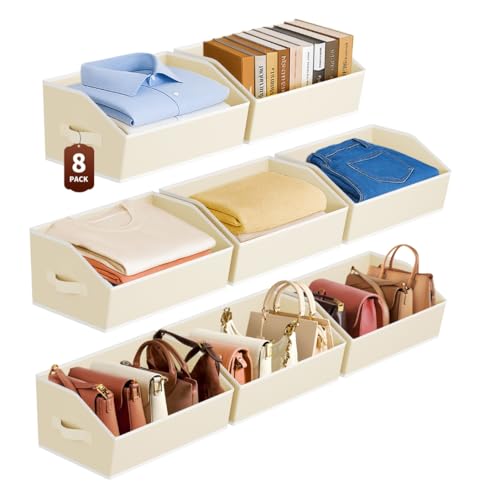
2. Large Closet Organizers and Storage Bins – 8 Pack Trapezoid
A Large Closet Organizers and Storage Bins – 8 Pack Trapezoid (closet organizer), per the listing. Check price on Amazon.
Good for: closet organization. Watch out: Check dimensions.

3. Fabric Storage Bins for Organizing – 6 Pack Large Trapezoid
A Fabric Storage Bins for Organizing – 6 Pack Large Trapezoid (closet organizer), per the listing. Check price on Amazon.
Good for: closet organization. Watch out: Check dimensions.
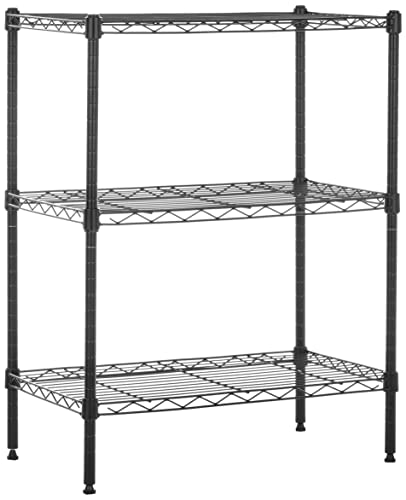
4. Amazon Basics 3-Shelf Adjustable Heavy Duty Steel Wire Rack
An Amazon Basics 3-Shelf Adjustable Heavy Duty Steel Wire Rack (closet organizer), per the listing. Check price on Amazon.
Good for: closet organization. Watch out: Check dimensions.

5. 5 Pack Closet Organizers and Storage Reinforced Stackable Closet
A 5 Pack Closet Organizers and Storage Reinforced Stackable Closet (closet organizer), per the listing. Check price on Amazon.
Good for: closet organization. Watch out: Check dimensions.

6. AWTATOS 12 Cube Storage Organizer Closet Organizer Storage
An AWTATOS 12 Cube Storage Organizer Closet Organizer Storage (closet organizer), per the listing. Check price on Amazon.
Good for: closet organization. Watch out: Check dimensions.

7. Extendable Metal Wire Shelf Organizer – Adjustable 15-24.4in
An Extendable Metal Wire Shelf Organizer – Adjustable 15-24.4in (closet organizer), per the listing. Check price on Amazon.
Good for: closet organization. Watch out: Check dimensions.
How to Choose
Size and fit
Check dimensions for your space or vehicle.
Build and materials
Durable materials last longer.
Ease of use
Simple setup and cleaning help.
Cube Units, Wire Racks and Stackable Bins Compared
The picks in this guide fall into three families, and each solves a slightly different problem. Cube-style organizers give you square openings that hold folded clothes, shoes and fabric bins. They look tidy, are easy to rearrange in a grid, and suit people who like a uniform, boxed-in layout. Their weakness is rigid cell size: a bulky item that does not fit the cube simply does not fit, and a wide closet may need several units side by side.
Wire shelving racks, like the adjustable steel unit listed here, offer open, airy levels whose height you can often change. Air moves freely, which helps with stored fabrics, and you can see what is on each level. Small items can slip through gaps or tip over, so many people add a liner or place items in baskets. Extendable wire shelves that slide to fit a width suit narrow reach-in closets where a fixed unit would not fit.
Stackable and trapezoid bins are containers, not shelves. They work inside a shelf or on a floor to group small things such as socks, scarves, belts and seasonal accessories. Fabric bins are soft and quiet and conceal clutter, while rigid ones stack better. Decide whether you need structure (shelves), containment (bins) or both. A common, practical combination is one shelving unit plus a set of matching bins that fit its openings, so check the bin dimensions against the shelf openings before ordering either.
Load Capacity, Stability and Anchoring
Weight is the quiet limit on any closet shelf. Folded jeans, boots and books add up quickly, and a shelf rated for light fabric storage may sag under heavier loads. Look for the maker’s stated capacity per level and for the whole unit, and treat missing figures as unknown. Where the listing says heavy duty or reinforced, read the specifics instead of relying on the label.
Place heavy items on the lowest levels and lighter ones higher. This keeps the center of gravity low and makes tipping less likely. Distribute weight evenly across each level rather than stacking everything at one end. For tall freestanding units, particularly in homes with children or pets, use a wall anchor or strap if the maker provides or recommends one, and follow the instructions for the wall type. Stackable cubes should be connected with the supplied connectors or ties, since an unconnected stack can shift or topple.
Check the floor too. A closet floor that is carpeted, sloped or uneven can make a freestanding unit wobble. Adjustable feet, felt pads or thin shims can help level it. After assembly, give the unit a gentle push to see how it behaves before loading it. Recheck bolts and connectors after the first few weeks, since fasteners can loosen as things settle. If a shelf bows visibly or a joint creaks, reduce the load.
Measuring and Zoning the Space Before You Buy
Take a few measurements and write them down: the inside width, the depth, the height under the rod or ceiling, and the door opening. Also note the space needed for door swing and for hanging clothes, which hang about a shoulder width deep. A shelf deeper than the clear space will block hangers or stop the door from closing. Mark the footprint on the floor with painter’s tape to preview how it feels.
Divide the closet into zones. Hanging items stay on the rod, while folded clothes go on shelves, shoes and bags on the floor or lowest level, and rarely used items up high. Place the zone you use daily at the center of your reach, roughly between hip and shoulder height. Place seasonal clothing in bins at the top or bottom, and label them so you do not need to open each one.
Think about the shelf spacing. If you fold sweaters, you need less vertical space than for storing boots or handbags. Adjustable levels let you change the layout as your wardrobe changes. Leave a little empty room on each level, because shelves packed to the brim make items hard to remove and put back. Check that a unit’s height leaves clearance if it sits under a hanging rod. If your closet has odd angles, consider modular pieces that you can arrange around them.
Materials, Finish and Protecting Your Clothes
Materials affect durability, appearance and what you can safely store. Steel wire is strong and open but can leave marks on delicate fabrics if there is no liner, and rough or unfinished wire ends can snag. Look for a coated or plated finish. Fiberboard and laminate surfaces are smooth and look neat, but they can swell if exposed to moisture, so they suit dry closets. Plastic cubes are light and easy to wipe, but thin plastic can bend. Fabric bins are flexible and quiet but can sag if unsupported.
Think about odor and ventilation. Newly made products can have a scent, so air them out before putting clothes inside. Closets that are damp or lack airflow can lead to musty smells, so avoid packing shelves tightly against walls and leave space around bins. Open wire designs help air circulate. Cedar blocks or other deterrents are an option for wool storage, following their instructions, but do not place them in direct contact with delicate items.
Protect folded clothes with a soft liner on rough shelves, and use fabric bins or boxes for delicate pieces. Keep shoes on a separate level so dirt does not transfer to clothes. Avoid hanging heavy bags on the side of light shelving, which stresses the frame. If a bin has a rigid base but a soft body, check that it holds its shape when full. Choose colors and finishes that are easy to clean, since closets collect dust. A quick wipe-down every season helps keep fabrics fresh.
Assembly, Budget Tiers and Signs It Is Time to Replace
Before opening the box, clear a workspace and check the parts against the list. Assembly for cubes often involves connecting panels or plastic joints, while wire racks usually need sleeves, posts and shelves to be fitted at set heights. Read the instructions through once, use a rubber mallet if the maker recommends one, and tighten connectors firmly. Some units are best built in place, as they are awkward to carry once assembled, so plan your route to the closet.
In qualitative terms, entry-level organizers are light and low-cost, with simple materials and limited adjustability. Mid-range units add sturdier frames, more flexible layouts or better finishes. Higher-priced options tend to offer thicker materials, higher stated capacities or modular systems. A higher price does not guarantee suitability, so compare dimensions, load guidance and the number of pieces. Read each listing’s cautions, such as the note to check dimensions or assembly, and treat them as prompts to verify before buying.
Signs that a unit needs replacing include shelves that sag or will not stay level, cracked joints, bent or rusting wire, connectors that no longer hold, fabric bins that have lost their shape and a frame that wobbles even after tightening. Before replacing, check whether a part can be swapped. When you do buy again, use what you learned: record the dimensions that worked, note what you stored on each level and choose a design that fits how your closet is really used.
Reach-In, Walk-In and Rental-Friendly Closets
The same shelving behaves very differently depending on the closet it goes into. A reach-in closet is shallow, usually about two feet deep, with a single door or sliding doors, and every inch of width and height counts. A walk-in closet gives you room to move, but its long walls and corners need a layout so the space does not turn into a pile. Knowing which kind you have shapes the products that make sense.
In a reach-in closet, narrow units, stackable bins and adjustable wire shelves tend to work well because they use vertical space without blocking the doors. Sliding doors limit access to half the width at a time, so frequently used items belong in the center, where you can always reach them. Bifold and hinged doors open more fully, which allows deeper units.
A walk-in closet suits freestanding cube units and racks placed along walls, with a clear path down the middle. Leave enough room to open drawers or bins fully and to stand comfortably while dressing.
Renters have another consideration. Freestanding units and tension-style shelves avoid drilling and can leave with you when you move. Wall-mounted systems are stronger for heavy loads, but they leave holes, so check your lease. A good compromise is freestanding storage that is stable by itself and, where allowed, anchored to the wall for safety. Whatever you choose, measure the closet before buying and read each listing for the exact dimensions rather than the size implied by a title.
Deciding What Goes Where in the Closet
Good storage is not only about buying shelves. It is about placing items where you will use them. A simple principle is to match location to frequency. Things you use daily should sit between knee and shoulder height, where you can grab them without bending or stretching. Items you use a few times a year can go higher or lower, and those you use rarely belong in the hardest-to-reach spots.
A few category rules can keep a system working:
- Fold knits, sweaters and casual clothing on shelves or in bins, since hanging can stretch them.
- Keep shoes together, either on a low rack or in shallow bins that let you see what is inside.
- Use the highest shelf for out-of-season items, spare bedding or luggage, and label the bins.
- Store small items such as belts, scarves and accessories in a dedicated bin so they do not scatter.
Seasonal rotation helps, especially in small closets. Move off-season clothing to the top shelf or under the bed and bring current items forward twice a year. This is also a natural moment to remove anything you no longer wear. Open shelves look tidy only when the contents are neat, so consider using matching bins for the busiest zones. Fabric bins hide clutter and offer a softer look, while clear containers let you see the contents at a glance. Labels cost little and save time for everyone who uses the closet.
Making the Most of Small and Awkward Closets
Many closets are not simple rectangles. Sloped ceilings, corners, low headers and odd door positions make standard shelving a poor fit. Start by measuring the usable width, depth and height at several points, because walls and ceilings are rarely perfectly straight. Note any baseboard, vents or switches that could interfere.
Several tactics are useful in tight spaces.
- Use adjustable or extendable shelves that can be set to the exact width of an alcove.
- Stack modular cubes or bins so you can build to the height you have and take down a layer if the ceiling slopes.
- Add a second hanging rod below the first for short garments such as shirts and folded pants, which doubles hanging space.
- Use the back of the door for slim organizers if the door clearance allows it.
- Choose slim containers so that depth is not wasted behind items you cannot see.
Avoid filling every inch. A packed closet makes it harder to see and reach things, which defeats the purpose. Leave a little free space so that clothes can breathe and you can put things back easily. If you have a deep closet, consider pull-out bins or baskets so that items at the back remain reachable. In an extremely small closet, it may be better to store some items elsewhere, such as in a dresser, under the bed or on an open rack outside, than to force everything into one space.
Keeping a Closet System Organized Over Time
A closet that looks neat on day one can drift back to clutter within weeks if there is no routine. The goal is to make putting things away easier than dropping them. That means fewer steps. Open bins and easy-to-pull shelves are quicker to use than lidded containers that need two hands.
Build a few small habits. Put clothes in the laundry basket and the closet in the same trip. Return shoes to their spot at the end of the day. Take a few minutes each season to check what is worn, damaged or no longer fits. If you add a new item, consider whether something should go out, so that the total stays steady.
Check the structure now and then. Look for sagging shelves, loose hardware or bins that bow, and redistribute heavy items before they cause damage. Wipe dust from wire shelves and fabric bins, and wash fabric bins when the care label allows. Rotate and refold garments to avoid permanent creases.
When your needs change, such as a new baby, a new job or a change in wardrobe, adjust the layout. Modular systems make this easier because you can move shelves or add a cube without starting over. A closet is not a fixed project. It is a system that works best when you revisit it.
Planning the Closet Before Buying a Single Bin
Closet organisers fail when they are bought before the closet is understood. Empty one section completely, sort its contents into keep, relocate and release, and only then measure what remains: the shelf depths, the hanging drops, the awkward corners where shoes go to be forgotten. Most closets do not need more storage products; they need the right three. The cube systems, stackable bins, wire shelves and fabric boxes in this guide each solve a different geometry problem, and matching product to geometry is the whole craft.
Work out your ratio of hanging to folded storage honestly. People who hang everything need rail space and slim hangers more than bins; people who fold everything need shelf divisions so stacks stay separate. The common failure is a shelf of tall, mixed stacks that collapse into each other; dividing that shelf with cubes or stackable boxes converts one chaotic surface into addressed compartments, and clothes stop migrating.
Plan vertical ambition carefully. Stacking bins to the ceiling stores a lot and retrieves little; the top layer should hold only the genuinely seasonal. Keep the daily zone between knee and shoulder height, the weekly zone a step beyond, and the seasonal zone highest. An organiser system that respects that geography gets used calmly for years.
Measuring shelves and the bin-fit trap
Measure shelf depth front to back and buy bins that use most of it without overhanging; a bin that sticks out catches sleeves and looks untidy forever. Measure height between shelves with the same care, and remember that a bin’s stated size may exclude its lid or handles. Take the measurements to the product pages rather than trusting memory in a shopping aisle, and order one test bin before committing to a full set for an awkward shelf.
Systems Compared: Cubes, Wire Shelves, Fabric Bins and Stackables
Cube organisers, like the Furinno and AWTATOS picks, create structure where none exists: a bare alcove becomes a divided unit, and each cube can take a fabric box or stand open for folded stacks. They suit renters and spare rooms because they assemble without fixings and move house easily. Their limit is weight and rigidity; load the lower cubes heaviest and keep the system out of damp garages where board-based units suffer.
Wire shelving, like the Amazon Basics rack and the extendable shelf organiser, is the strength option: ventilated, adjustable, indifferent to spills, and ideal for linen, shoes and heavier items. Wire shelves inside an existing closet multiply surfaces without construction, and the extendable designs adapt to odd widths that fixed shelves cannot. The trade-off is small items slipping between wires, solved with a liner or a bin riding on the shelf.
Fabric bins are the soft interface: they protect clothes, look calm, and slide like drawers when they have decent handles and a bit of internal structure. The trapezoid designs in this guide, wider at the top, suit shelves where you want to see contents at a glance. Stackable rigid organisers serve the middle ground, creating drawer-like order for accessories, underwear and children’s clothes whose small pieces defeat open shelves.
Labels and the discipline of one category per container
A container earns its place when it holds one named category and the label says so. Mixed bins become junk drawers with lids. Label the front face that you see when the closet opens, use words a guest or a teenager would understand, and when a category outgrows its bin, split it rather than starting a second anonymous overflow bin elsewhere.
Zoning: Daily, Weekly, Seasonal and the Art of the Capsule Rail
Arrange the closet by frequency, not by garment type alone. The clothes you wear weekly belong at eye level near the opening; occasion and seasonal pieces migrate to the far ends, the high shelves and the deep corners. Within the daily zone, grouping by outfit logic, work clothes together, gym kit together, shortens mornings more than any product. Organisers support this by giving each group a boundary: a bin for gym kit, a cube for work shirts, a shelf for the weekend uniform.
Children’s closets need growth built in. Low cubes they can reach, categories simple enough for a six-year-old to maintain, and one cube deliberately left as the dumping cube, because a system with no sanctioned mess collapses into total mess. As children grow, the same cubes relabel rather than being replaced, which is the quiet economy of modular systems.
Shared closets survive on borders. Each person’s zone gets its own bins in a distinguishing colour or style, shared items like spare bedding live in the neutral middle, and nobody’s overflow crosses the border. It sounds formal; in practice it ends the daily low-grade negotiation that makes shared storage exhausting.
The seasonal swap ritual
Twice a year, run the swap deliberately: off-season clothes washed, folded into the high and deep containers, in-season clothes brought into the daily zone, and one honest edit pass while everything is in your hands anyway. The swap is when organiser systems prove themselves, because labelled, modular containers turn a dreaded afternoon into a tidy hour.
Keeping the System Alive After the First Tidy Week
Every closet system decays at the laundry interface. Clothes come back clean and get put wherever there is a gap, and within a month the categories blur. The fix is a small one: return laundry to its labelled homes even when it takes an extra minute, and run a ten-minute reset weekly, rehanging, refolding one stack, returning strays. Systems maintained in minutes survive; systems maintained in heroic quarterly efforts do not.
Watch capacity honestly. When every bin is full, the answer is an edit, not another bin, because a closet at one hundred percent capacity cannot be used gently and clothes suffer for it. Keep one small buffer of empty space in the system permanently; it absorbs gifts, new purchases and laundry-day surges without breaking the geography.
Dust and freshness need a thought in closed closets. Leave doors ajar occasionally in humid weather, keep a small moisture absorber in problem closets, and wash fabric bins occasionally since they collect the dust they protect clothes from. A system that smells fresh invites the tidiness that keeps it working.
More Questions Worth Asking Before You Buy
Should I buy a full system or build gradually?
Buy the skeleton in one go, cubes or shelving sized to the space, because structure must fit the closet as a whole. Add bins gradually as categories clarify. This sequence avoids both the empty-system problem and the random-bin problem.
What is the best organiser for a closet with no shelves?
A freestanding cube unit or a wire rack creates the missing architecture without tools, and hanging organisers can subdivide the rail space in the meantime. Measure the floor footprint and the door swing before ordering; freestanding units need to enter the closet and let the door close.
How do I organise deep shelves where things disappear?
Use bins as drawers: one category per bin, pulled out to access the back rather than reaching into darkness. Nothing should live loose behind the bins. Depth becomes an asset instead of a black hole the moment everything has a handle.
Scenario Guide: Wardrobes, Linen Cupboards and Children’s Rooms
The linen cupboard is a closet with different citizens: bulky, soft, and prone to avalanche. Stackable organisers and fabric bins sized to the shelf depth turn towel and sheet sets into pull-out units, one set per container, so the midnight hunt for a guest set no longer disturbs the whole shelf. Label by set rather than by item, sheets with their matching cases together, and the cupboard starts behaving like a library instead of a laundry basket with a door.
The wardrobe with doors that barely close needs subtraction before organisation, and then the slimmest possible structure: low-profile cubes or wire shelves that add division without stealing depth. In such wardrobes the organiser’s own bulk is the enemy, so favour systems whose walls are thin and whose bins use the full shelf depth. The walk-in closet has the opposite luxury and the opposite risk: space invites sprawl, and zones with labelled boundaries matter more, not less, when there is room to be vague.
Children’s rooms need organisers at child height with categories a child can police: one cube for school clothes, one for play clothes, one for the current obsession. Systems that children can maintain get maintained; systems designed for adult tidiness in a child’s room become adult resentment on a schedule. As the child grows, relabel the same cubes; the furniture of organisation should outlast several childhoods of contents.
The wardrobe audit that makes organisers work
Once a year, empty one section entirely, clean the closet’s interior, and return only what has a home. Time it to a season change so the edit and the swap are one job. Count what returns against the containers you own; if contents have genuinely grown, that is the moment to add capacity deliberately, one matching unit, rather than in the drip of random boxes that slowly destroys the system’s coherence.
Ownership Notes: Assembly, Stability and Second Homes
Assemble cube and rack systems fully before loading, check every connector and shelf clip is seated, and load the heaviest items low so the structure settles into stability rather than top-heaviness. For tall units in children’s rooms or anywhere a unit could be climbed or pulled, fix it to the wall as the maker directs; organisers are furniture for safety purposes the moment they are tall and loaded.
Modular systems earn a second life easily: a cube unit that organised a wardrobe becomes garage shelving, a student’s room divider, a craft station. Buy connectors and panels you can reconfigure rather than fixed shapes when your housing situation is likely to change, and keep the spare connectors and instructions in one labelled bag inside the unit itself, because the day you reconfigure it is never the day you can find the parts.
A Final Word on Closets That Stay Tidy
Every tidy closet in the world runs on the same three rules, and organisers merely make them easier to keep. Everything has one home. The home is labelled or obvious. Anything without a home is a decision waiting to be made, not a resident. When a closet drifts, and all closets drift, it is always one of the three rules that has quietly lapsed, and the ten-minute reset that restores it is cheaper than any product. Buy the organisers that make the rules physical in your space, cubes that give categories walls, bins that give them addresses, shelves that give them floors, and then let the rules do the work they have always done.
The closet you are really building is the morning you want: clothes visible, choices quick, nothing buried, nothing accusatory. That morning is available in almost any closet, at almost any budget, with the systems in this guide and one honest afternoon. It is among the highest-return afternoons a home offers.
A Note on Diplomacy: Sharing a System With Another Human
More closet systems die of diplomacy than of design. One partner reorganises by logic; the other lives by memory of where things were. The peace treaty is simple: agree the zones together, label visibly enough that memory is never required, and grant each person one sovereign container whose internal order is beyond comment. Within those borders, the system serves both; across them, no system survives contact with a Tuesday. Build the treaty into the setup afternoon and the organisers will be blamed for nothing, which is the highest achievement available to them.
The one-shelf experiment
If the full conversion feels daunting, run the one-shelf experiment: choose the worst shelf in the closet, empty it completely, fit it with the right containers for its true categories, and live with it for a fortnight. The shelf will either prove the system, in which case the rest of the closet follows willingly, or reveal that your categories were wrong, in which case you have learned cheaply. Every successful closet in this guide’s experience began as one shelf that worked.
Frequently Asked Questions
Is it easy to install?
Check the manual.
Is it worth the price?
Budget options cover basics.
How do I care for it?
Clean as directed.
Do I need to anchor a freestanding closet shelf?
In homes with children or pets, or for tall units, anchoring is a sensible precaution. Follow the maker's instructions and use hardware suited to your wall type.
How do I stop small items falling through wire shelves?
Add a liner, mat or shelf cover, or use baskets and bins on those levels. Make sure any liner is suited to the shelf and does not trap moisture.
Can cube organizers hold heavy items?
It depends on the model. Check the stated capacity per cube or level, put heavy things low and spread weight evenly. If no figure is given, assume it is for light to moderate loads.
Will a shelf unit fit under my hanging rod?
Compare the unit's height with the clearance under the rod and allow room to lift items out. Measure the closet before ordering and mark the footprint on the floor.
Are fabric bins a good idea for clothes?
They work well for soft items and keep contents out of sight. Choose bins with some structure so they hold their shape, and avoid overfilling them.
How can I keep a closet from smelling musty?
Leave space for air to circulate, keep clothes dry and clean, and avoid storing damp items. Open wire shelving helps airflow in tight spaces.
Is it better to buy one big unit or several small ones?
Several smaller or modular units are easier to carry and rearrange, while one large unit can look more uniform. Choose based on your closet's shape and how often you expect to change the layout.
How do I organize a small closet with no shelves?
Add freestanding storage that fits the space, such as a cube unit, an adjustable wire rack or stackable bins. A second hanging rod doubles space for shirts and folded pants. Use over-the-door organizers for small items, and store off-season clothing on the top shelf or under the bed.
Should I hang or fold clothes in a closet?
Hang items that wrinkle easily, such as dress shirts, dresses and slacks. Fold knitwear, sweatshirts and casual tops, since hanging can stretch the fabric and leave shoulder bumps. Folded clothes in bins or on shelves also use space efficiently, and heavy items stay supported.
Do closet shelves need to be anchored to the wall?
Tall freestanding units can tip, especially with children or pets in the home, so anchoring is a safe practice and is often recommended by makers. Use the hardware or anti-tip straps included, and mount them into studs when possible. Check your lease if you rent and use a method your landlord allows.
What is the best way to store shoes in a closet?
Choose a low rack, shallow shelf or stackable bins so that shoes stay visible and do not get crushed. Pair them by type, and keep the most used ones at the front. Clean off dirt before storing, and use ventilated containers to limit odor and moisture.
Questions to Ask Before You Buy
- What exactly will go on these shelves: folded sweaters, shoes, bags, or boxes?
- Have you measured the closet depth, width, and the clearance below any hanging rod?
- Does the floor of the closet sit level, or will a freestanding unit need shims?
- Do you want open shelves you can see into, or bins that hide the contents?
- Will you rearrange things often, making adjustable levels worth having?
- Does the listing include the assembly tools, and can one person manage it alone?
Matching It to Your Use
A child’s closet, a guest room closet, and a main bedroom closet rarely need the same layout. Younger kids do better with low, open spaces where they can reach things themselves. A guest room often benefits from a few empty shelves so visitors can unpack. A main closet usually calls for a mix, with dividers for small items and larger bins for seasonal clothing.
Think about frequency, too. Items you grab daily belong at eye level, while things used once or twice a year can go on the highest or lowest levels. Sorting before you buy shows how much space you truly need.
Who Should Skip It
If your closet has an unusual shape, such as a steep sloped ceiling or a very shallow depth, a standard freestanding unit may waste more room than it saves. Renters who cannot drill into walls should look closely at whether a model needs fixed mounting. People who plan to store very heavy items should check the maker’s listing and instructions for load guidance and not assume every shelf handles the same weight.
Anyone who dislikes assembly may also want to weigh how many parts and connectors a design involves before committing.
Bottom Line
Adjustable shelves fit changing needs.
More Home & Garden Guides
- Best Hanging Shoe Organizers
- Best Jewelry Boxes and Bracelet Stands
- Best Rotating Makeup Organizers
- Best Cotton Hand Towels for Bathrooms
- Best Shower Filters and Filtered Heads
- Best Touchless Foaming Soap Dispensers
- Best Smart Body Scales
- Best Adhesive and Corner Shower Organizers