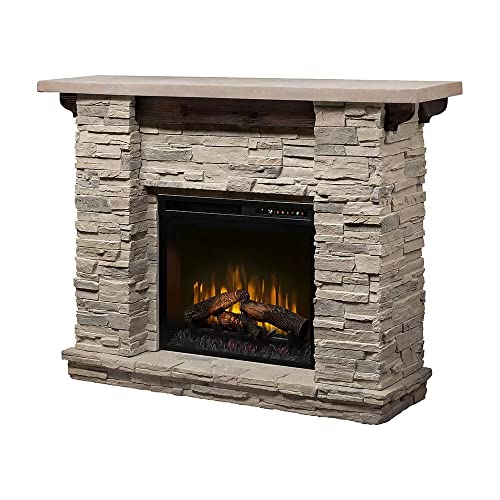
Disclosure: As an Amazon Associate, dailyhomedecorating.com earns from qualifying purchases. Links on this page are affiliate links; they cost you nothing extra. Prices and availability change often, so check the current Amazon listing before you buy.
A fireplace heater buying guide should start with a simple truth: this is a heating appliance first and a piece of decor second. A fireplace heater is a portable or freestanding electric heater that pairs a real heating element and a fan with a simulated flame display, so the room feels warmer and looks warmer at the same time. That heat-first identity is what separates it from an electric fireplace in the furniture sense. An electric fireplace is usually a mantel unit, a media console, or a wall insert chosen mainly for how it anchors a room, with heat as a welcome extra. A fireplace heater is chosen the other way around: you shop for warmth, zone comfort, and easy placement, and the flame effect is the reason it feels nicer than a plain box heater while it works.
Key Takeaways
- Decide the job first: a fireplace heater is supplemental zone heat for the room you actually sit in, not a replacement for a whole-home heating system.
- Choose the heating style by comfort preference: infrared-style radiant warmth feels direct and cosy, while fan-forced warmth spreads through the air faster.
- Placement and electrical safety matter more than flame realism. The unit needs a flat floor spot, clear space around it, and a direct wall outlet connection.
- Never plug a fireplace heater into an extension cord or a power strip. Plug it straight into the wall outlet, every time, with nothing between the plug and the socket.
- Look for a thermostat, a timer, a remote, and flame-without-heat operation if you want the ambience on mild evenings without warming the room further.
- Keep the safety feature group complete: tip-over shutoff and overheat protection should be present and described in the manual for any model you consider.
This guide walks through the types, the criteria that actually change daily comfort, the picks worth shortlisting, and the setup habits that keep a heater pleasant rather than worrying. By the end you should be able to walk past the pretty product photos and judge any model on the things that matter at nine o’clock on a cold evening: how the warmth feels, where the unit will live, how you will control it from the sofa, and how safely it fits your household routine.
In this guide
What a Fireplace Heater Does and the Main Types
Every fireplace heater does two jobs at once. The first job is moving warmth into the part of the room where people are. The second job is visual: a flame display, glowing embers, and a stove or log-set styling that makes a corner look settled instead of temporary. A plain space heater does the first job and ignores the second, which is why so many of them end up hidden behind chairs. The flame display is not a gimmick if it changes how you use the product. A heater you are happy to leave visible is a heater you will actually use, in the room you actually live in, instead of dragging it in and out of a cupboard.
Stove-Style Fireplace Heaters
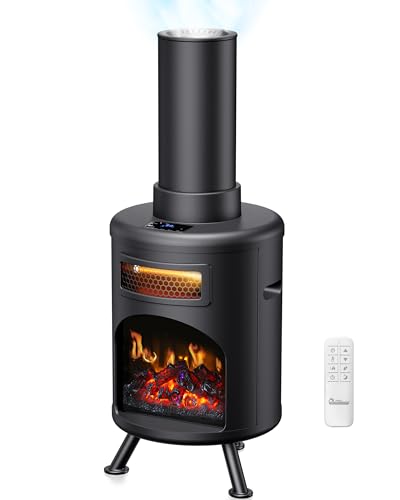
The stove style is the classic shape: a compact cabinet that echoes a small wood stove, often with legs, a door-like front, and a flame view through a window. Stove-style units suit living rooms, reading corners, and bedrooms where a visible, furniture-like object fits better than an appliance. They tend to be genuinely portable, so the same unit can warm a morning kitchen corner and an evening sofa spot, as long as each spot meets the placement and outlet rules. Because the cabinet is the visual focus, flame quality and viewing angle matter here. Check whether the flame looks convincing from a seated eye level, not just standing in front of it, because that is the angle you will see for hours.
Infrared Fireplace Heaters
Infrared models warm objects and people more directly, the way sunlight feels warm on skin even when the air is cool. Many infrared fireplace heaters hide the elements inside a larger cabinet with a log set and flame display on the front, so they read as small fireplaces rather than stoves. The comfort signature is a steady, enveloping warmth that many people find less drying than a blast of hot air. Infrared cabinets are often the choice for larger seating areas where the heater sits across the room and needs its warmth to reach the sofa. The trade-off is size: the cabinets are bulkier, less grab-and-go, and they need a more permanent home in the room.
Fan-Forced Fireplace Heaters
Fan-forced models push warmed air out with a fan, which raises the felt temperature of the surrounding air quickly. In a small room with the door closed, that quick air warming can feel like the fastest route to comfort. The compromises are fan noise and air movement: some people love the white-noise hum, others notice it during quiet television dialogue or in a bedroom. Fan-forced units in fireplace styling range from small stoves to tower-like cabinets. If you are sensitive to noise, prioritise models that talk honestly about quiet operation and multiple fan speeds, and plan to run a lower, steadier setting rather than short hot blasts.
Compact and Personal Fireplace Heaters
At the small end are compact units meant for one person in one spot: beside a desk, next to a reading chair, or warming feet under a table in a chilly home office. These are not whole-room solutions and should never be bought as if they were. Their strength is efficiency of purpose. Heating the few feet around you lets you leave the rest of the house cooler, which is where the real comfort-per-watt logic of zone heating lives. Judge compact models on stability, control simplicity, and how safely they sit on the floor surface you actually have.
Whichever type you lean toward, keep the concept straight: the difference between an electric fireplace and a fireplace heater explains how the furniture-first and heat-first categories overlap, and why shopping them with the same checklist leads to disappointment. Readers comparing the two categories directly should also read the electric fireplace buying guide after this one, because the priorities genuinely reverse between the categories.
Top Picks at a Glance
The shortlist below is organised by job, not by hype. Each pick is presented in prose so you can judge the fit before checking the current listing, and each one sits in a qualitative tier so you know whether you are looking at an entry-level experiment or a long-term furniture-grade purchase.
Duraflame Infrared Quartz Fireplace Stove — Best Overall
Best for: Living rooms that need a visible, stove-styled heater as the main zone-heat source near the seating area. Not suited for: Anyone who needs to move the heater between floors daily, or who wants a wall-hugging unit for a narrow room. Tier: mid. The Duraflame stove format is the reference design for this category: a freestanding cabinet with a three-sided flame view on many versions, infrared-style warmth that feels direct on skin and furniture, and controls that a guest can understand without a manual. It earns the overall spot because it balances the two jobs of the category — it heats like an appliance and sits like furniture. Strengths: convincing stove presence, warmth that reaches across a seating group, simple control layout. Trade-offs: it claims real floor space, the stove look will not suit ultra-minimal rooms, and like every heater here it must live within reach of a wall outlet because extension cords are not an option.
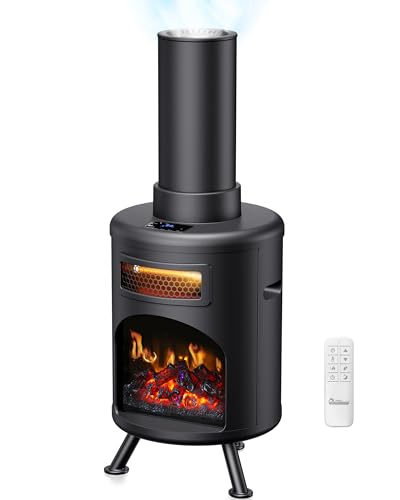
Dr Infrared Heater Fireplace Style Space Heater — Best for Larger Seating Areas
Best for: Open living areas where the heater sits farther from the sofa and needs to project comfort across distance. Not suited for: Small bedrooms where a big cabinet dominates, or buyers who want the most realistic flame above all else. Tier: mid to premium. Dr Infrared built its name on dual-system portable heaters, and the fireplace-styled versions wrap that heating approach in a cabinet with a flame display. The appeal is output character: a blend of radiant and air-circulated warmth that feels thorough in a draughty room. Strengths: strong whole-zone comfort, sturdy cabinet feel, thermostat-led running rather than constant full blast. Trade-offs: the cabinet is furniture-sized, the styling is plainer than dedicated decor brands, and placement needs planning rather than impulse.

Dimplex Electric Fireplace Stove Heater — Best Flame Realism in a Stove Body
Best for: Buyers who care most about how the flame looks during long evenings and want a brand with deep electric-flame heritage. Not suited for: Shoppers who want the largest cabinet and the most furniture presence. Tier: mid to premium. Dimplex has spent decades on flame simulation, and its stove-style heaters show it: layered flame movement, ember beds that glow rather than blink, and proportions that look right beside an armchair. Strengths: flame quality, refined cabinet detailing, quiet confidence in fit and finish. Trade-offs: you pay for the flame craft, the heating role is best as zone comfort rather than heroics, and model availability shifts between seasons.

LifeSmart Infrared Fireplace Heater — Best Value Cabinet
Best for: Households that want the infrared cabinet format and a mantel-like front without stepping into premium territory. Not suited for: Buyers who want a tiny footprint or a stove silhouette. Tier: entry to mid. LifeSmart cabinets typically pair infrared elements with a fireplace front, sometimes with a mantel top that can hold a small plant or framed photo if the manual allows items on top — always check, because many heaters require the top to stay clear. Strengths: generous cabinet presence for the tier, straightforward remote control, a look that settles a room. Trade-offs: finish quality varies by model year, flame effects are pleasant rather than class-leading, and the footprint needs a committed corner.

Heat Storm Infrared Fireplace Heater — Best Compact Option
Best for: Smaller rooms, home offices, and anyone who wants fireplace character in a tidier body. Not suited for: Large open-plan spaces expecting one small unit to do everything. Tier: entry to mid. Heat Storm is known for compact infrared heaters, and its fireplace-styled models bring the flame display to rooms where a full cabinet would crowd the furniture. Strengths: manageable size, easy repositioning within a room, simple controls. Trade-offs: compact bodies warm compact zones, the flame window is smaller, and stability checks matter if the floor is uneven.

EdenPURE Infrared Fireplace Heater — Best for Steady, Gentle Warmth
Best for: People who dislike hot blasts and want a mellow, background style of warmth with a fireplace front. Not suited for: Anyone expecting rapid warm-up of a cold room in minutes. Tier: mid to premium. EdenPURE markets gentle infrared comfort, and the fireplace versions suit households that run a heater for long, steady stretches rather than quick bursts. Strengths: even comfort character, furniture-style presentation, simple ownership story. Trade-offs: gentle systems reward patience, the cabinets are substantial, and the brand sits above entry pricing as a tier.
How Much Heating Reach Do You Need?
Talk about heating power in honest, qualitative terms. A fireplace heater is a supplemental source: it raises comfort in the zone around it, lets you turn the main thermostat down a notch, and makes one room feel like the warm heart of the house. It is not a furnace, and any buying guide that implies one portable unit will transform a whole cold house is setting you up to be disappointed. Think in zones. A closed-door bedroom or study is a small, easy zone. A living room where the family gathers is a medium zone that suits most full-size models. An open-plan space with high ceilings and a staircase is a hard zone where a fireplace heater improves the seating area rather than equalising the whole volume.
Ceiling height, insulation, window area, and how cold the room starts all change the result more than small differences between similar models. That is why the smartest question is not which heater is strongest on paper, but which heater matches the zone you will actually create. Close doors when you can. Put the heater where its warmth reaches people, not where it warms a hallway. Use rugs and curtains to make the zone easier to keep comfortable — the best rugs for a fireplace area guide and a sensible seating layout, like the one in arranging two sofas around a corner fireplace, do more for felt warmth than model-hopping ever will.
Which Heating Style Feels Right: Infrared or Fan-Forced?
Infrared warmth lands on you and on the furniture, so a room can feel comfortable before the air itself is fully warm. People describe it as sitting in a patch of winter sun. It suits reading chairs, sofas, and any spot where you stay still for a while, because your body is the thing being warmed. Fan-forced warmth moves air, so the whole pocket of room air comes up to temperature and the comfort spreads to people who move around: children on the floor, someone cooking in an adjoining kitchen area, a desk worker who keeps getting up. Neither is better in the abstract. Match the style to the behaviour. Still sitters lean infrared; busy rooms lean fan-forced; many households end up happy with hybrid designs that circulate air while radiating from the cabinet.
Noise belongs in this decision too. A fan makes some sound by definition, and at a high setting in a quiet room you will hear it. Infrared-led designs still often use a fan to distribute warmth, so read control descriptions carefully: multiple speeds, a quiet or low mode, and a thermostat that cycles gently all matter more than a single bold promise on the box. If the heater will share a room with a television, imagine dialogue scenes, not action scenes, when judging noise claims.
What Size and Shape Fit Your Room?
Measure the spot before you fall for a cabinet. A fireplace heater needs flat, stable floor, clearance on all sides as the manual directs, and distance from curtains, upholstery, bedding, paper, and anything else that can burn or melt. That clearance is not decorative advice; it is the operating condition of the product. Keep the heater away from fabric that could drape or blow against it, and never let curtains hang near the front or sides. In practice this means the charming idea of tucking the unit right beside a sofa arm usually fails the clearance test, and the right spot is a clear patch of floor with breathing room.
Shape follows room shape. Stove bodies are roughly square and sit happily in corners at an angle. Cabinets are wide and shallow, better flat against a wall like a sideboard. Compact units fit beside desks and in bedrooms where floor area is precious. Also think about the view: the flame window should face the seating, at a distance where it reads as a fireplace rather than a screen. A few feet of separation usually flatters both the flame effect and the warmth spread.
Which Controls Will You Actually Use?
The controls you will use daily are a thermostat, a small set of heat levels, and flame brightness. The controls that earn their keep over a winter are a timer, a remote, and flame-only mode. A thermostat stops the heater from overshooting and turns it into a background comfort keeper instead of a manual chore. A timer matters because safe use means the heater runs while you are present and awake; a timer that switches the unit off as an evening ends is a genuine safety-friendly convenience, not a luxury. Flame-only mode lets the display run with no heat on a mild night, which is when many owners fall in love with the category. A remote sounds trivial until the heater is across the room and the film has started. Child locks, display dimming, and memory of the last setting are small mercies that separate thoughtful models from basic ones.
How to Prioritise by Use Case
The Living Room Anchor
You want one heater that lives in the main room all winter. Prioritise cabinet or stove presence, infrared or hybrid warmth that reaches the sofa, a remote, and flame quality, because you will look at it daily. This is the profile where stepping up a tier pays off in finish and flame craft.
The Bedroom Warmer
You want gentle warmth while you read and get ready for bed, then the unit off while you sleep. Prioritise quiet running, a timer, and a compact or stove footprint. The rule for bedrooms is strict and simple: do not leave a heater running unattended or overnight; follow the manufacturer guidance for your model, warm the room while you are in it and awake, and switch it off when you turn in. Warm bedding does the overnight job safely — see the best blankets for the living room and beyond for the cosy half of that system.
The Home Office Fix
You want warm feet and hands at a desk in the coldest room of the house. Prioritise a compact footprint, fast fan-forced or focused infrared warmth, and dead-simple controls you can reach without standing. Keep the unit on the floor, stable, and clear of paper, cables, and chair casters.
The Renter or Guest Room
You want warmth without renovation and a heater that can move to storage in spring. Prioritise portability, a mid-tier price position, and a design that suits more than one room. Stove styles shine here because they look intentional wherever they land.
Safety: The Non-Negotiable Section of Any Fireplace Heater Buying Guide
Read this section twice, because it is the part of the fireplace heater buying guide that protects your home. Space-heating appliances demand respect, and the habits below apply to every model in this guide and every model you will ever meet.
- Plug directly into the wall. A fireplace heater draws serious current. Plug it straight into a wall outlet. Never use an extension cord, never use a power strip, never use a multi-socket adapter, and never run the cord under a rug. If the right spot in the room has no outlet within cord reach, move the heater or move the furniture — do not bridge the gap with a cord accessory.
- Keep clearance from anything that can burn. Follow the manual’s distances and treat them as minimums. Curtains, bedding, upholstery, clothing, paper, and soft furnishings must stay well away from the heater’s front and sides. Check the spot again after rearranging furniture, and teach everyone in the house the same rule.
- Never leave it running unattended. Run the heater while you are in the room and awake. Do not leave it running when you leave the house, and do not run it overnight while you sleep; follow your manufacturer’s guidance, which points the same way. Use the timer as a backstop, not as permission to walk away.
- Insist on the safety feature group. Look for tip-over shutoff, which cuts power if the unit is knocked or lifted, and overheat protection, which cuts power if internal temperatures climb too high. These features are a group to confirm in the manual, described qualitatively here because implementations differ by model. They are backstops, not substitutes for placement and supervision.
- Mind the household. Keep the heater stable on a flat floor, out of walkways where it can be tripped over, and supervise children and pets around it as you would around any hot appliance. Surfaces can get hot; treat the cabinet with the respect you would give a real stove.
- Inspect before each season. Check the cord and plug for damage, keep vents and intakes free of dust, and stop using any unit that smells wrong, sounds wrong, or trips its protection repeatedly until it has been checked.
No honest guide can promise that a heater treats air, helps breathing, or delivers health benefits, and this one makes no such claims. A fireplace heater warms a room and looks good doing it. Judge medical-sounding marketing as marketing.
First Setup and Care Essentials
Setup is mostly placement discipline. Unbox on the floor where the unit will live, let it reach room temperature, and read the manual’s clearance and outlet instructions before the first switch-on. Place it on a flat, hard, stable surface; soft carpet can undermine stability and block low intakes on some designs. Plug directly into the wall outlet, dress the cord so nobody walks on it, and test every function while you are standing there: heat levels, thermostat response, timer, remote, and flame-only mode. Run the tip-over check the manual describes, on a safe surface, so you know the protection works. For the first evenings, stay aware of smells: a new heater can give off a brief manufacturing odour that should fade; persistent or worsening smells mean switch off and investigate.
Care is light but real. Dust is the enemy of intakes and flame windows alike. Wipe the cabinet with a dry or barely damp cloth while the unit is unplugged and cool, vacuum intake grilles gently, and clean the flame-viewing panel so the display stays convincing. Store the heater upright, indoors, with the cord loosely coiled, and keep the manual — you will want the clearance figures again next winter. Before the first cold snap each year, repeat the cord inspection and a short supervised test run.
Mistakes to Avoid
The most common mistake is buying for the flame screenshot and ignoring the zone: a small compact unit in a draughty open-plan room will disappoint no matter how pretty it is. The second mistake is placement by furniture symmetry instead of by clearance and outlet reach, which is how heaters end up on extension cords — the single most dangerous habit in this category. The third is treating the heater as whole-house heat and running it at maximum constantly, which overshoots comfort and stresses the appliance; zone heating with a thermostat is both pleasanter and saner. The fourth is forgetting the room itself: draught-proofing, curtains, and a rug under the seating area raise the comfort any heater can deliver, which is why this guide keeps pointing at the room as part of the system. Finally, do not buy a model whose manual you cannot find and read before purchase; the manual is where the real clearances, features, and limits live.
For a second opinion on the category before you commit, read the hands-on fireplace heater review and the balanced fireplace heater pros and cons. If you are still deciding whether the category itself earns its floor space, is a fireplace heater worth it works through the value question honestly, and the step-by-step how to choose a fireplace heater turns this guide’s criteria into a checklist. Shoppers who started with plain heaters can compare against the wider field in best space heaters.
How Realistic Should the Flame Look?
Flame realism is the emotional core of the purchase, so judge it like a sceptic. A convincing display has layered depth: logs or embers that glow unevenly, flame movement that varies rather than loops obviously, and brightness that can be dimmed for evening viewing. A weak display looks like a screensaver — flat, repetitive, and too orange. You will watch this effect for hundreds of hours, so small annoyances compound. View the flame from your actual seat distance when you can, and imagine it at night with room lights low, because that is its best and most honest setting. Daylight showrooms flatter nobody’s flame effect.
Different brands take different routes to realism. Some use sculpted log sets with internal lighting, some project flame imagery, and some combine ember glow with moving light patterns. None of these approaches is automatically superior; execution is everything. What matters is whether the illusion survives a relaxed glance from the sofa. You are not meant to study it like a film. You are meant to feel, peripherally, that the corner of the room is alive. The best displays achieve that background magic; the worst demand attention and then disappoint it.
Also consider the cabinet around the flame. A stove body with a proper door frame and legs sells the illusion when the unit is off, which is most of the day. A cabinet with a mantel line does the same in a more traditional room. Plastic-looking finishes, visible screws in odd places, and flimsy doors undermine the effect no matter how good the lighting is. Since this object sits in your living space all winter, buy the cabinet you enjoy looking at in daylight, not just the flame you enjoy at night.
Running the Heater Well: Thermostats, Timers and Daily Rhythm
A fireplace heater earns its place through daily rhythm, not occasional heroics. The pleasant pattern is this: switch it on when you settle into the room, let the thermostat hold a comfortable level rather than running flat out, and switch it off when the evening ends. Thermostat-led running feels better because the warmth stays even, without the hot-then-cold swings of manual switching. It also treats the appliance kindly, since steady moderate work is gentler than repeated maximum blasts.
Timers fit this rhythm beautifully when used correctly. Set a timer as a backstop for the end of an evening, especially if you are prone to falling asleep in front of a film. The timer is a safety net for a supervised evening, not a licence to leave the heater running in an empty room. Repeat the rule until it is boring: the heater runs while you are present and awake, plugged directly into the wall, with clear space around it, and it stops when you leave or sleep.
Think about electricity in qualitative terms. Any portable heater uses meaningful energy while it runs, so the economical strategy is zoning: warm the occupied room, close its doors, and let unoccupied rooms stay cooler. A fireplace heater used this way replaces wasteful whole-house warmth with targeted comfort. Used carelessly — maximum setting, open doors, empty room — it becomes an expensive ornament. The appliance is the same; the habits decide the value.
Fireplace Heater Buying Guide
It is worth pausing on the phrase itself, because a good fireplace heater buying guide should leave you with a decision method, not just a shortlist. The method is: define the zone, choose the heating style that matches how the zone is used, pick the cabinet shape that fits the room with proper clearance, confirm the safety feature group in the manual, verify the controls you will touch daily, and only then compare flame quality and tier. Followed in that order, the method protects you from the category’s one big trap — falling for a beautiful flame attached to the wrong heater for your room.
Worked examples make the method concrete. A couple in a draughty rental living room, doors that close, sofa eight feet from the only sensible heater spot: an infrared cabinet or stove, mid tier, with a remote and strong flame, because they sit still for films and the warmth must travel. A parent warming a playroom for two hours after school: a fan-forced stove style with a thermostat and timer, placed on a hard floor away from toys and fabric, because the room is busy and sessions are short. A homeworker in a cold spare room: a compact unit beside the desk, simple controls, stability first, because the zone is one chair and the rest of the house can stay cool. Three different rooms, three different right answers, one method.
Finally, buy from the manual outward. Before ordering, find the model’s manual or full specification from the maker and confirm the clearance distances, the safety features, the control list, and the care instructions. If a listing cannot tell you whether tip-over shutoff and overheat protection are fitted, treat that silence as a reason to look at another model. The brands in the shortlist above publish this information; hold every contender to the same standard.
Seasonal Thinking: Autumn Setup, Winter Rhythm, Spring Storage
A fireplace heater is a seasonal companion, and thinking across the year improves the purchase. In autumn, you set it up once, properly: the right spot, the wall outlet, the clearances checked, the functions tested while the weather is still mild and mistakes are cheap. This is also the moment to arrange the room around it — seating angled toward the flame, a rug defining the warm zone, curtains that close fully against the evening cold. In winter, the heater settles into rhythm: on when the family gathers, thermostat holding comfort, off when the house sleeps. The households that love these appliances are the ones that build this rhythm without thinking about it.
Spring asks for a small closing ritual. Clean the intakes and cabinet while the unit is unplugged and cool, inspect the cord, coil it loosely, and store the heater upright in a dry indoor space, with its manual. A heater stored well starts next winter as a pleasure; a heater shoved damp into a garage corner starts as a worry. If floor space is precious and storage is tight, let that influence the original purchase: a compact or stove style that tucks into a cupboard beats a grand cabinet that spends summer as an obstacle.
There is also a mid-season role many owners discover: the shoulder months when the main heating is off but evenings turn cool. A fireplace heater is perfect here, taking the chill off one room for a few hours without firing the whole system. Flame-only mode extends the role further into warm months, when the display alone makes a room feel finished during a dinner or a film. When you total these uses — deep winter zone heat, shoulder-season top-ups, year-round ambience — the category’s value story becomes clear, and it is exactly the story the worth-it analysis in this cluster examines from the sceptic’s side.
One last buying-guide habit: keep expectations calibrated and the purchase will satisfy. You are buying focused warmth, a lively corner, and a pleasanter winter routine. You are not buying a furnace, a real fire, or a medical device. Within those honest borders, a well-chosen fireplace heater is one of the most enjoyed appliances in the home — which is why the shortlist in this guide rewards balance over spectacle, and why placement, safety, and controls outrank any single headline feature.
Comparing the Shortlist Honestly
Set the six shortlisted designs side by side in your mind and the pattern of the category emerges. The Duraflame stove is the all-rounder: strong presence, infrared character, easy controls. The Dr Infrared cabinet is the reach specialist, happiest throwing comfort across a bigger room to a distant sofa. The Dimplex stove is the flame connoisseur’s choice, where the display itself is the headline and the heating is a well-mannered partner. The LifeSmart cabinet is the value route into the big infrared format, accepting plainer flame craft in exchange for an accessible tier. The Heat Storm is the pragmatist’s compact, trading spectacle for footprint. The EdenPURE is the slow-and-steady cabinet for households that run heat for long stretches and dislike blasts of hot air.
Notice what this comparison does not do: it does not crown a universal winner, because the category does not have one. It maps designs to rooms and habits. That mapping is the whole craft of buying a fireplace heater well. A buyer who starts from their room — its size, its seating, its outlets, its draughts, its people — will choose correctly among these six almost automatically. A buyer who starts from a photograph will gamble. Let the room decide, confirm the safety features and clearances in the manual, keep the cord rules sacred, and the heater you bring home will feel less like a purchase and more like a permanent improvement to winter.
A Final Word on Tier and Timing
Tier, in this category, buys finish, flame craft, control polish, and cabinet sturdiness more than it buys raw warmth. An entry-tier heater can warm a small zone perfectly well; a premium-tier heater makes the same job feel like furniture ownership. Decide which of those you are paying for and the tier question answers itself. Timing matters too: heaters sell out and selections thin in the first cold snap, so autumn buyers choose from the full field while January buyers choose from what is left. If you are reading this guide in the cold with a chilly room, forgive the advice and simply apply the method quickly — zone, style, shape, safety, controls, flame — and let a good-enough match warm you tonight rather than a perfect match warm you eventually.
One more consideration belongs in every complete guide: the people who share the room. A heater that delights one partner and annoys the other with fan hum will migrate to a cupboard by February. If you shop as a household, shortlist together, weigh noise and flame style together, and agree the spot together — including the discipline that nothing drapes, stacks, or leans near it, and that its plug lives in the wall socket and nowhere else. Shared agreement turns safety rules from one person’s nagging into the household’s ordinary habit, and ordinary habits are the ones that survive a whole winter. That, more than any feature list, is what separates the heaters still glowing in March from the ones listed for resale in January.
Putting the Shortlist to Work: A First-Month Reality Check for Your Fireplace heater
A buying guide can rank features, but a fireplace heater only proves itself once it is living in your seasonal & holiday routine. The first month is the honest test period: the novelty fades, the daily habits settle in, and the small mismatches between a listing photo and your room become impossible to ignore. Use the weeks after delivery as a structured trial rather than a victory lap. Keep the packaging until you have lived with the fireplace heater through ordinary weekdays and one busy weekend, because the two situations stress very different qualities. What follows is a practical way to judge whether the model you chose is genuinely right, and what to adjust while adjusting is still easy.
Week One: Fit, Clearance and the Walk-Past Test
Start with movement. Walk the routes you actually use — carrying laundry, a tray, a vacuum, or shopping bags — and notice whether the fireplace heater narrows any of them. Open every door, drawer, lid or panel to its full travel and check it against walls, skirting and neighbouring furniture. Sit or stand where you will normally use it and look at it from that height, not from the doorway: proportions that looked balanced in a listing can feel top-heavy or lost once your eye level changes. If something feels awkward now, it will not improve with familiarity; small placement changes made in week one are far easier than returns made in month three.
Weeks Two to Four: Load It the Way You Really Live
Most fireplace heater disappointments come from a gap between the staged use in photographs and the untidy reality of a working home. So load it honestly. Put the heavy, awkward, everyday items in first, not the photogenic ones, and leave it that way for a fortnight. Watch for the early warning signs that matter: flexing, wobbling, sticking, fading, lingering odours, or parts that need constant re-adjusting. Note which features you reach for daily and which you have not touched at all, because that pattern tells you what to prioritise — and what to ignore — if you ever buy a second one for another room.
Before the trial month ends, run through this short decision checklist for your fireplace heater:
- Photograph the fireplace heater in place from the doorway and from your usual seat, and judge the proportions from the pictures rather than from memory.
- Check every fixing, joint and moving part once by hand, and tighten or adjust anything that has settled after the first days of use.
- Move one item you use every day to the most reachable position, and one rarely used item to the least reachable, then see whether the layout still makes sense.
- Clean the fireplace heater once using only the method the maker recommends, and note how long it honestly takes you.
- Write down the single change you would make if you bought again — size, finish, layout or configuration — while the reasoning is still fresh.
A tape measure, a spirit level and ten patient minutes prevent more fireplace heater regrets than any amount of comparison shopping after the fact. When a listing is vague about a dimension, material or included part that matters to you, treat the vagueness itself as information and look for a clearer seller. Photograph your room at the time of day you will use the fireplace heater most, and compare candidates against that light rather than against bright midday photographs. Small households should weight compactness and easy storage more heavily, while large households should weight durability and simple operation, because the failure modes differ. If the fireplace heater will serve children or older relatives, test the key actions with the weakest grip and the shortest reach in the house in mind. Leave a little capacity unused — in size, storage or power — because a fireplace heater run permanently at its limit ages faster and annoys sooner than one with headroom. Notice which parts are replaceable and which are not; a fireplace heater whose wear parts can be swapped cheaply often outlasts a sealed design twice its price in spirit, if not in years. Consider the fireplace heater from the perspective of the person who cleans around it, because designs that trap dust, block access or demand special products quietly tax every week of ownership. Think about noise, light and heat as neighbours of the fireplace heater, not afterthoughts, since a choice that performs well but disturbs the room around it rarely stays popular for long.
If the fireplace heater passes the month with only minor grumbles, you have bought well, and the remaining niggles are usually arrangement problems rather than product problems. If it fails on fit or on daily friction, act while the return window is open instead of hoping the irritation will fade. Either way, the trial turns a hopeful purchase into a known quantity, and that knowledge is what makes the next seasonal & holiday decision faster and calmer.
Frequently Asked Questions
What is the difference between a fireplace heater and an electric fireplace?
A fireplace heater is a heating appliance with a flame display, bought primarily for warmth and placed flexibly on the floor. An electric fireplace is usually a furniture piece or built-in insert bought primarily for looks, with heat as a secondary feature. The two overlap in the middle, but shopping priorities reverse: for a heater, judge warmth, safety features, and controls first; for a furniture fireplace, judge size, finish, and installation first.
Can a fireplace heater warm a whole house?
No, and it should not be asked to. A fireplace heater is supplemental zone heat: it makes the room you are in feel properly warm so the main system can work less hard. Closed doors, sensible placement near the seating, and curtains drawn against cold windows all help it do that job well. For whole-house warmth you need a whole-house system; the heater’s role is targeted comfort where people actually sit.
Is it safe to plug a fireplace heater into a power strip?
No. Plug the heater directly into a wall outlet, always. Extension cords, power strips, and multi-socket adapters are not made for the sustained draw of a heating appliance and are a recognised fire risk in this category. If the heater cannot reach a wall outlet from a safe position with good clearance, choose a different position. This rule has no exceptions for short cords, heavy-duty labels, or just-for-tonight convenience.
Can I leave a fireplace heater on overnight?
Do not run a fireplace heater unattended or overnight while you sleep; follow your manufacturer’s guidance, which directs supervised use. Warm the bedroom while you are awake in it, use the timer as a backstop if you tend to drift off on the sofa, and let good bedding keep you warm through the night. Supervised, present, awake use is the safe pattern for every portable heater.
Which is better, infrared or fan-forced?
It depends on how you use the room. Infrared warmth lands directly on people and furniture and feels like winter sunlight, suiting still activities like reading and watching films. Fan-forced warmth raises the air temperature of the zone and suits busier rooms. Many models blend both. Choose by behaviour, not by specification pride, and weigh fan noise if the room is quiet.
Does the flame work without the heat?
On most models, yes: flame-only mode runs the display with the heating off, which is lovely on mild evenings and during seasons when you want the look without warmth. Confirm the feature on the specific model before buying, because it is one of the most enjoyed functions in the category and a genuine shame to discover missing after purchase.
Related Guides
Continue with the fireplace heater reviews roundup for side-by-side thinking, the electric fireplace review for the furniture-first alternative, and seasonal timing in space heater Black Friday deals. Taken together, this cluster gives you the category from every angle: the shortlist, the single-model deep dive, the honest pros and cons, the value verdict, and the step-by-step method — everything a careful buyer needs before a single cold evening is spent.