Disclosure: As an Amazon Associate, dailyhomedecorating.com earns from qualifying purchases. Links on this page are affiliate links; they cost you nothing extra. Prices and availability change often, so check the current Amazon listing before you buy.
This fan reviews is written for households who want a clear, honest answer rather than a showroom pitch. A fan is a simple machine with a complicated job: it has to move air across real rooms, around real furniture, past real sleepers, workers and children, and keep doing it quietly for season after season. Everything below works through that job in order — what fans do and do not do, the types worth considering, the criteria that actually separate a good buy from a regretted one, the safety and cleaning habits that keep a fan pleasant, and a set of named picks presented prose-first so you can judge the reasoning before you ever look at a listing.
Readers comparing approaches will also want the companion pieces in this cluster: the fan buying guide, the fan pros and cons, and the direct answer in is a fan worth it. Neighbouring categories are covered in our guides to best tower fans and desk fans and air circulators.
Key Takeaways
- A fan cools people, not empty rooms — run it where people are and switch it off when they leave.
- Placement and aim beat raw power: the far seat in the room is the honest test.
- Smooth, even sound at your real-use speed matters more than any headline feature.
- Keep grilles fitted, bases level and cords clear; unplug before every clean.
- Match the type — tower, pedestal, circulator, desk, window or ceiling — to the room first, then compare models.
- Prose-first picks in this guide are tiered by position, not by invented numbers.
In this guide
Fan Reviews: How to Read Fan Reviews Honestly
Plural reviews — the accumulated experience of many owners — are most useful when you read them for patterns rather than verdicts. One owner’s rattle is an anecdote; the same rattle mentioned across seasons is a design note. One sleeper’s perfect fan is a preference; many sleepers praising the same smooth low speed is evidence. This article gathers the recurring themes that emerge across the category, names the designs owners return to, and shows you how to separate a fan that suits your room from a fan that merely suited someone else’s.
The Patterns Owners Repeat
Reach and coverage
Judge a fan by the far seat, not the near one. Stand where you actually sit, sleep or work and ask whether the breeze arrives there in a useful, steady form, or whether it fades into a vague stir halfway across the room. Coverage is about placement and aim as much as raw strength, and a modest fan in the right corner routinely beats a stronger one trapped behind furniture. Across many owners, this is the theme that survives the first month, when novelty has faded and the fan is simply part of the room.
Noise in real life
Noise is a quality, not just a quantity. A smooth, even hum disappears into a room within minutes, while a rattling grille, a buzzing motor note or a speed that hunts up and down will still be annoying at midnight. Think in qualitative terms: can you sleep, take a call and watch a quiet scene at the speed you will actually use, not just at the lowest showroom setting? Across many owners, this is the theme that survives the first month, when novelty has faded and the fan is simply part of the room.
Control you will actually use
Remotes, timers and oscillation matter only if they match your habits. A timer earns its place for sleepers who want the breeze to fade after they drift off. Oscillation earns its place in shared rooms. Simple dials earn theirs in guest rooms and workshops where nobody wants to learn a menu. Count the controls you will touch weekly, and ignore the rest. Across many owners, this is the theme that survives the first month, when novelty has faded and the fan is simply part of the room.
Stability and safety
Every floor fan should sit flat, resist a casual knock and keep its grille firmly in place. Place tower and pedestal models on a level surface, never on a rug edge or a wobbling board, and give the oscillation path a clear arc. The protective grille exists for a reason: curious fingers, especially small children’s fingers, should never be able to reach moving blades, and no fan should ever be used with a damaged or removed guard. Across many owners, this is the theme that survives the first month, when novelty has faded and the fan is simply part of the room.
Cleaning and upkeep
Dust is the slow tax on every fan. Blades, grilles and tower outlets collect it, airflow softens, noise creeps up and the breeze starts to smell like the top of a wardrobe. Always unplug a fan before wiping or opening anything for cleaning, follow the maker’s instructions for its grille, and favour designs whose dusty parts you can actually reach without a toolkit and an afternoon. Across many owners, this is the theme that survives the first month, when novelty has faded and the fan is simply part of the room.
The designs that recur in owner conversation, presented prose-first in qualitative tiers. Treat each as a starting point for your own room-by-room judgement, not as a league table.

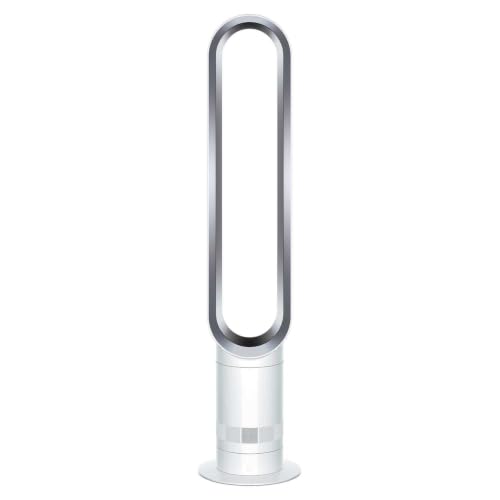
Dyson Cool — Best Overall
The Dyson Cool represents the premium bladeless tower design in this line-up, offered here as a prose-only pick in the premium tier — check the current listing for live details before you buy. Judge it the way this guide judges every fan: by the far seat in the room, by the smoothness of its sound at the speed you will sleep or work at, and by whether its grille, base and controls feel made to be used daily. Place it on a flat, level surface with a clear path for its airstream, keep the protective grille in place at all times, and unplug it before any cleaning of blades or grille. For a household matching its tier and shape to the right room, it is a credible, honestly positioned option rather than a miracle, and that honesty is exactly what a good pick should offer.

Lasko Tower Fan — Best for Bedrooms
The Lasko Tower Fan represents the mainstream tower design in this line-up, offered here as a prose-only pick in the mid-range tier — check the current listing for live details before you buy. Judge it the way this guide judges every fan: by the far seat in the room, by the smoothness of its sound at the speed you will sleep or work at, and by whether its grille, base and controls feel made to be used daily. Place it on a flat, level surface with a clear path for its airstream, keep the protective grille in place at all times, and unplug it before any cleaning of blades or grille. For a household matching its tier and shape to the right room, it is a credible, honestly positioned option rather than a miracle, and that honesty is exactly what a good pick should offer.

Honeywell TurboForce — Best Compact Pick
The Honeywell TurboForce represents the compact circulator design in this line-up, offered here as a prose-only pick in the entry tier — check the current listing for live details before you buy. Judge it the way this guide judges every fan: by the far seat in the room, by the smoothness of its sound at the speed you will sleep or work at, and by whether its grille, base and controls feel made to be used daily. Place it on a flat, level surface with a clear path for its airstream, keep the protective grille in place at all times, and unplug it before any cleaning of blades or grille. For a household matching its tier and shape to the right room, it is a credible, honestly positioned option rather than a miracle, and that honesty is exactly what a good pick should offer.
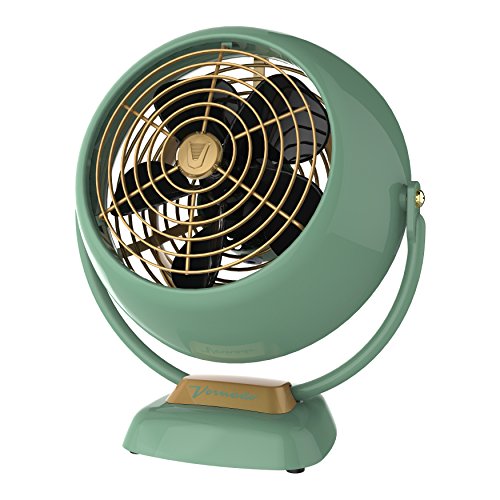
Vornado Air Circulator — Best for Whole-Room Mixing
The Vornado Air Circulator represents the whole-room circulator design in this line-up, offered here as a prose-only pick in the mid-range tier — check the current listing for live details before you buy. Judge it the way this guide judges every fan: by the far seat in the room, by the smoothness of its sound at the speed you will sleep or work at, and by whether its grille, base and controls feel made to be used daily. Place it on a flat, level surface with a clear path for its airstream, keep the protective grille in place at all times, and unplug it before any cleaning of blades or grille. For a household matching its tier and shape to the right room, it is a credible, honestly positioned option rather than a miracle, and that honesty is exactly what a good pick should offer.

Dreo Tower Fan — Best Modern Tower
The Dreo Tower Fan represents the modern tower design in this line-up, offered here as a prose-only pick in the mid-range tier — check the current listing for live details before you buy. Judge it the way this guide judges every fan: by the far seat in the room, by the smoothness of its sound at the speed you will sleep or work at, and by whether its grille, base and controls feel made to be used daily. Place it on a flat, level surface with a clear path for its airstream, keep the protective grille in place at all times, and unplug it before any cleaning of blades or grille. For a household matching its tier and shape to the right room, it is a credible, honestly positioned option rather than a miracle, and that honesty is exactly what a good pick should offer.
Woozoo Globe — Best Small-Space Pick
The Woozoo Globe represents the compact oscillating globe design in this line-up, offered here as a prose-only pick in the entry tier — check the current listing for live details before you buy. Judge it the way this guide judges every fan: by the far seat in the room, by the smoothness of its sound at the speed you will sleep or work at, and by whether its grille, base and controls feel made to be used daily. Place it on a flat, level surface with a clear path for its airstream, keep the protective grille in place at all times, and unplug it before any cleaning of blades or grille. For a household matching its tier and shape to the right room, it is a credible, honestly positioned option rather than a miracle, and that honesty is exactly what a good pick should offer.
What Changes After the First Season
Second-season opinions are the most valuable in the category. By then owners know whether the grille still comes off willingly, whether the base still sits steady, whether the remote has been lost, found and quietly abandoned, and whether the fan earned a permanent corner or a cupboard. Designs with simple controls, reachable dusty parts and a calm sound age well in these accounts. Designs bought for novelty features age poorly, because the feature is forgotten while the wobble, buzz or awkward footprint is remembered every single day.
Common Mistakes
Buying for the empty room: choosing maximum power to chill a space, then running the fan all day in nobody’s company. Buy for people in seats, beds and desks instead, and let placement do the heavy lifting.
Aiming at the problem’s opposite: pointing a fan at a wall of curtains, a pile of papers or a sleeper’s face, then blaming the fan. Adjust angle before speed, and bounce the airstream off a wall or ceiling when a direct breeze is too much.
Ignoring the grille and the guard: running a fan with a loose, damaged or removed grille, or letting small fingers near moving blades. The guard is part of the product; keep it fitted, keep the fan on a level surface out of tipping range, and unplug before any cleaning.
Forgetting the second season: buying a shape that cannot be cleaned easily or stored anywhere. Decide the winter home and the cleaning routine at the moment of purchase, not at the first dusty evening of the second summer.
Skipping the companion reading: the decision improves when this article is read alongside fan buying guide and the category guides to best tower fans and whole house fans.
Setup, Care and Maintenance Essentials
Set the fan on a flat, level surface with its oscillation arc clear and its cord routed away from feet. Test each speed and listen. Keep the protective grille fitted and intact at all times, position the unit so children’s fingers cannot reach the blades, and supervise its use around small children as you would any appliance with moving parts. For cleaning, always unplug first, then wipe or remove the grille exactly as the maker directs, and let everything dry before reassembly. Store the fan clean, upright and with its cord loosely coiled, and the next season will start with a fan that sounds and blows the way it did when it was new.
A Closer Look, Room by Room
On an ordinary evening, the question in the studio apartment is rarely about maximum power and almost always about fit: a warm corner that the rest of the home never seems to reach. A fan earns its place when it answers that specific discomfort without creating a new one — no papers skating off the desk, no curtain billowing into the bed, no conversation raised to compete with a rattling grille. That is why experienced buyers test the middle settings first, sit in the farthest seat, and listen for a full minute before deciding anything. They check whether the breeze can be aimed where people actually are, whether the controls make sense in the dark, and whether the unit can be moved one-handed when the room gets rearranged, which in most homes is far more often than anyone admits. They also think about the second season, not just the first week: dust on the grille, a cord that has to cross a doorway, a base that rocks on floorboards. None of these details photographs well, and all of them decide whether a fan is still loved in its third summer or quietly replaced in its second.
After a week of living with it, the question in the studio apartment is rarely about maximum power and almost always about fit: a desk where papers, heat and concentration compete all afternoon. A fan earns its place when it answers that specific discomfort without creating a new one — no papers skating off the desk, no curtain billowing into the bed, no conversation raised to compete with a rattling grille. That is why experienced buyers test the middle settings first, sit in the farthest seat, and listen for a full minute before deciding anything. They check whether the breeze can be aimed where people actually are, whether the controls make sense in the dark, and whether the unit can be moved one-handed when the room gets rearranged, which in most homes is far more often than anyone admits. They also think about the second season, not just the first week: dust on the grille, a cord that has to cross a doorway, a base that rocks on floorboards. None of these details photographs well, and all of them decide whether a fan is still loved in its third summer or quietly replaced in its second.
In practice, the question in the bedroom is rarely about maximum power and almost always about fit: a desk where papers, heat and concentration compete all afternoon. A fan earns its place when it answers that specific discomfort without creating a new one — no papers skating off the desk, no curtain billowing into the bed, no conversation raised to compete with a rattling grille. That is why experienced buyers test the middle settings first, sit in the farthest seat, and listen for a full minute before deciding anything. They check whether the breeze can be aimed where people actually are, whether the controls make sense in the dark, and whether the unit can be moved one-handed when the room gets rearranged, which in most homes is far more often than anyone admits. They also think about the second season, not just the first week: dust on the grille, a cord that has to cross a doorway, a base that rocks on floorboards. None of these details photographs well, and all of them decide whether a fan is still loved in its third summer or quietly replaced in its second.
In a real household, the question in the guest room is rarely about maximum power and almost always about fit: a warm corner that the rest of the home never seems to reach. A fan earns its place when it answers that specific discomfort without creating a new one — no papers skating off the desk, no curtain billowing into the bed, no conversation raised to compete with a rattling grille. That is why experienced buyers test the middle settings first, sit in the farthest seat, and listen for a full minute before deciding anything. They check whether the breeze can be aimed where people actually are, whether the controls make sense in the dark, and whether the unit can be moved one-handed when the room gets rearranged, which in most homes is far more often than anyone admits. They also think about the second season, not just the first week: dust on the grille, a cord that has to cross a doorway, a base that rocks on floorboards. None of these details photographs well, and all of them decide whether a fan is still loved in its third summer or quietly replaced in its second.
After a week of living with it, the question in the dorm room is rarely about maximum power and almost always about fit: workout corners that hold onto warmth long after the session ends. A fan earns its place when it answers that specific discomfort without creating a new one — no papers skating off the desk, no curtain billowing into the bed, no conversation raised to compete with a rattling grille. That is why experienced buyers test the middle settings first, sit in the farthest seat, and listen for a full minute before deciding anything. They check whether the breeze can be aimed where people actually are, whether the controls make sense in the dark, and whether the unit can be moved one-handed when the room gets rearranged, which in most homes is far more often than anyone admits. They also think about the second season, not just the first week: dust on the grille, a cord that has to cross a doorway, a base that rocks on floorboards. None of these details photographs well, and all of them decide whether a fan is still loved in its third summer or quietly replaced in its second.
Once the novelty fades, the question in the studio apartment is rarely about maximum power and almost always about fit: a nursery that needs gentle movement rather than a direct blast. A fan earns its place when it answers that specific discomfort without creating a new one — no papers skating off the desk, no curtain billowing into the bed, no conversation raised to compete with a rattling grille. That is why experienced buyers test the middle settings first, sit in the farthest seat, and listen for a full minute before deciding anything. They check whether the breeze can be aimed where people actually are, whether the controls make sense in the dark, and whether the unit can be moved one-handed when the room gets rearranged, which in most homes is far more often than anyone admits. They also think about the second season, not just the first week: dust on the grille, a cord that has to cross a doorway, a base that rocks on floorboards. None of these details photographs well, and all of them decide whether a fan is still loved in its third summer or quietly replaced in its second.
After a week of living with it, the question in the dorm room is rarely about maximum power and almost always about fit: guests arriving into a room that has sat closed all day. A fan earns its place when it answers that specific discomfort without creating a new one — no papers skating off the desk, no curtain billowing into the bed, no conversation raised to compete with a rattling grille. That is why experienced buyers test the middle settings first, sit in the farthest seat, and listen for a full minute before deciding anything. They check whether the breeze can be aimed where people actually are, whether the controls make sense in the dark, and whether the unit can be moved one-handed when the room gets rearranged, which in most homes is far more often than anyone admits. They also think about the second season, not just the first week: dust on the grille, a cord that has to cross a doorway, a base that rocks on floorboards. None of these details photographs well, and all of them decide whether a fan is still loved in its third summer or quietly replaced in its second.
After a week of living with it, the question in the nursery is rarely about maximum power and almost always about fit: a rental where permanent fixtures are simply not an option. A fan earns its place when it answers that specific discomfort without creating a new one — no papers skating off the desk, no curtain billowing into the bed, no conversation raised to compete with a rattling grille. That is why experienced buyers test the middle settings first, sit in the farthest seat, and listen for a full minute before deciding anything. They check whether the breeze can be aimed where people actually are, whether the controls make sense in the dark, and whether the unit can be moved one-handed when the room gets rearranged, which in most homes is far more often than anyone admits. They also think about the second season, not just the first week: dust on the grille, a cord that has to cross a doorway, a base that rocks on floorboards. None of these details photographs well, and all of them decide whether a fan is still loved in its third summer or quietly replaced in its second.
On an ordinary evening, the question in the living room is rarely about maximum power and almost always about fit: workout corners that hold onto warmth long after the session ends. A fan earns its place when it answers that specific discomfort without creating a new one — no papers skating off the desk, no curtain billowing into the bed, no conversation raised to compete with a rattling grille. That is why experienced buyers test the middle settings first, sit in the farthest seat, and listen for a full minute before deciding anything. They check whether the breeze can be aimed where people actually are, whether the controls make sense in the dark, and whether the unit can be moved one-handed when the room gets rearranged, which in most homes is far more often than anyone admits. They also think about the second season, not just the first week: dust on the grille, a cord that has to cross a doorway, a base that rocks on floorboards. None of these details photographs well, and all of them decide whether a fan is still loved in its third summer or quietly replaced in its second.
Once the novelty fades, the question in the nursery is rarely about maximum power and almost always about fit: a rental where permanent fixtures are simply not an option. A fan earns its place when it answers that specific discomfort without creating a new one — no papers skating off the desk, no curtain billowing into the bed, no conversation raised to compete with a rattling grille. That is why experienced buyers test the middle settings first, sit in the farthest seat, and listen for a full minute before deciding anything. They check whether the breeze can be aimed where people actually are, whether the controls make sense in the dark, and whether the unit can be moved one-handed when the room gets rearranged, which in most homes is far more often than anyone admits. They also think about the second season, not just the first week: dust on the grille, a cord that has to cross a doorway, a base that rocks on floorboards. None of these details photographs well, and all of them decide whether a fan is still loved in its third summer or quietly replaced in its second.
Seen from the chair rather than the doorway, the question in the dorm room is rarely about maximum power and almost always about fit: workout corners that hold onto warmth long after the session ends. A fan earns its place when it answers that specific discomfort without creating a new one — no papers skating off the desk, no curtain billowing into the bed, no conversation raised to compete with a rattling grille. That is why experienced buyers test the middle settings first, sit in the farthest seat, and listen for a full minute before deciding anything. They check whether the breeze can be aimed where people actually are, whether the controls make sense in the dark, and whether the unit can be moved one-handed when the room gets rearranged, which in most homes is far more often than anyone admits. They also think about the second season, not just the first week: dust on the grille, a cord that has to cross a doorway, a base that rocks on floorboards. None of these details photographs well, and all of them decide whether a fan is still loved in its third summer or quietly replaced in its second.
In practice, the question in the dorm room is rarely about maximum power and almost always about fit: air that feels still and heavy by late evening. A fan earns its place when it answers that specific discomfort without creating a new one — no papers skating off the desk, no curtain billowing into the bed, no conversation raised to compete with a rattling grille. That is why experienced buyers test the middle settings first, sit in the farthest seat, and listen for a full minute before deciding anything. They check whether the breeze can be aimed where people actually are, whether the controls make sense in the dark, and whether the unit can be moved one-handed when the room gets rearranged, which in most homes is far more often than anyone admits. They also think about the second season, not just the first week: dust on the grille, a cord that has to cross a doorway, a base that rocks on floorboards. None of these details photographs well, and all of them decide whether a fan is still loved in its third summer or quietly replaced in its second.
Seen from the chair rather than the doorway, the question in the bedroom is rarely about maximum power and almost always about fit: a rental where permanent fixtures are simply not an option. A fan earns its place when it answers that specific discomfort without creating a new one — no papers skating off the desk, no curtain billowing into the bed, no conversation raised to compete with a rattling grille. That is why experienced buyers test the middle settings first, sit in the farthest seat, and listen for a full minute before deciding anything. They check whether the breeze can be aimed where people actually are, whether the controls make sense in the dark, and whether the unit can be moved one-handed when the room gets rearranged, which in most homes is far more often than anyone admits. They also think about the second season, not just the first week: dust on the grille, a cord that has to cross a doorway, a base that rocks on floorboards. None of these details photographs well, and all of them decide whether a fan is still loved in its third summer or quietly replaced in its second.
Seen from the chair rather than the doorway, the question in the kitchen corner is rarely about maximum power and almost always about fit: a nursery that needs gentle movement rather than a direct blast. A fan earns its place when it answers that specific discomfort without creating a new one — no papers skating off the desk, no curtain billowing into the bed, no conversation raised to compete with a rattling grille. That is why experienced buyers test the middle settings first, sit in the farthest seat, and listen for a full minute before deciding anything. They check whether the breeze can be aimed where people actually are, whether the controls make sense in the dark, and whether the unit can be moved one-handed when the room gets rearranged, which in most homes is far more often than anyone admits. They also think about the second season, not just the first week: dust on the grille, a cord that has to cross a doorway, a base that rocks on floorboards. None of these details photographs well, and all of them decide whether a fan is still loved in its third summer or quietly replaced in its second.
After a week of living with it, the question in the nursery is rarely about maximum power and almost always about fit: a warm corner that the rest of the home never seems to reach. A fan earns its place when it answers that specific discomfort without creating a new one — no papers skating off the desk, no curtain billowing into the bed, no conversation raised to compete with a rattling grille. That is why experienced buyers test the middle settings first, sit in the farthest seat, and listen for a full minute before deciding anything. They check whether the breeze can be aimed where people actually are, whether the controls make sense in the dark, and whether the unit can be moved one-handed when the room gets rearranged, which in most homes is far more often than anyone admits. They also think about the second season, not just the first week: dust on the grille, a cord that has to cross a doorway, a base that rocks on floorboards. None of these details photographs well, and all of them decide whether a fan is still loved in its third summer or quietly replaced in its second.
Seen from the chair rather than the doorway, the question in the nursery is rarely about maximum power and almost always about fit: a warm corner that the rest of the home never seems to reach. A fan earns its place when it answers that specific discomfort without creating a new one — no papers skating off the desk, no curtain billowing into the bed, no conversation raised to compete with a rattling grille. That is why experienced buyers test the middle settings first, sit in the farthest seat, and listen for a full minute before deciding anything. They check whether the breeze can be aimed where people actually are, whether the controls make sense in the dark, and whether the unit can be moved one-handed when the room gets rearranged, which in most homes is far more often than anyone admits. They also think about the second season, not just the first week: dust on the grille, a cord that has to cross a doorway, a base that rocks on floorboards. None of these details photographs well, and all of them decide whether a fan is still loved in its third summer or quietly replaced in its second.
On an ordinary evening, the question in the dorm room is rarely about maximum power and almost always about fit: air that feels still and heavy by late evening. A fan earns its place when it answers that specific discomfort without creating a new one — no papers skating off the desk, no curtain billowing into the bed, no conversation raised to compete with a rattling grille. That is why experienced buyers test the middle settings first, sit in the farthest seat, and listen for a full minute before deciding anything. They check whether the breeze can be aimed where people actually are, whether the controls make sense in the dark, and whether the unit can be moved one-handed when the room gets rearranged, which in most homes is far more often than anyone admits. They also think about the second season, not just the first week: dust on the grille, a cord that has to cross a doorway, a base that rocks on floorboards. None of these details photographs well, and all of them decide whether a fan is still loved in its third summer or quietly replaced in its second.
Seen from the chair rather than the doorway, the question in the kitchen corner is rarely about maximum power and almost always about fit: air that feels still and heavy by late evening. A fan earns its place when it answers that specific discomfort without creating a new one — no papers skating off the desk, no curtain billowing into the bed, no conversation raised to compete with a rattling grille. That is why experienced buyers test the middle settings first, sit in the farthest seat, and listen for a full minute before deciding anything. They check whether the breeze can be aimed where people actually are, whether the controls make sense in the dark, and whether the unit can be moved one-handed when the room gets rearranged, which in most homes is far more often than anyone admits. They also think about the second season, not just the first week: dust on the grille, a cord that has to cross a doorway, a base that rocks on floorboards. None of these details photographs well, and all of them decide whether a fan is still loved in its third summer or quietly replaced in its second.
Final Verdict
The fan remains the home’s most honest comfort appliance: limited, transparent and, when matched to the right room, genuinely effective. Let this fan reviews be the standard you buy by — room first, type second, sound and safety always, model last — and the fan you choose will still be earning its corner years from now.
Reading Fan Reviews Against Your Own Space and Routine
A single review session can flatter or condemn a fan unfairly, so this section slows the judgement down and looks at what only repeated, ordinary use tends to reveal. Run the fan through your least favourite version of its job first, not the easiest demonstration: the awkward corner, the rushed weekday timing, the fuller load, the lower light, or whatever condition in your routine makes this category work hardest. Share the checklist result with anyone who shares the space, since a fan chosen by one person and resented by another rarely survives, however sensible the purchase looked on paper. If a problem with the fan repeats in the same spot or the same stage of the job, treat the pattern as the clue — patterns point to setup, surface or technique, while random problems point more often to the individual unit.
Measure before anything else, and measure the fan in its working state rather than its packed or folded state, because handles extend, lids open, cords trail, doors swing and users stand somewhere, and all of that belongs in the measurement. Think about who else will use the fan and what they will do differently: shorter reach, less patience, stronger habits, no interest in the manual, and a tendency to leave things wherever they were last set down. Watch for edge cases in your own home: the pet that investigates everything, the child who treats every new object as furniture, the guest who uses force where you use familiarity, and the weather, light or season that changes how a fan behaves. Read the manual’s warnings page for the fan even if you read nothing else, because that page is a compressed list of every way the product has ever been misused, and it tells you exactly which of your own habits needs adjusting.
If you want a concrete listing check, take a name already shortlisted in this guide, such as Dyson Cool, Lasko Tower Fan and Honeywell TurboForce, and verify that exact fan listing against the measurements and compatibility questions above, field by field, rather than trusting the headline description alone. Decide in advance what good enough looks like for the job the fan does in your home, because chasing a flawless result usually costs more time than the flaw itself, and most households are happier with a reliable ninety percent they actually repeat. When something about the fan disappoints, change one variable at a time — position, setting, timing, load, accessory or technique — and give the change a fair trial, because changing three things at once leaves you with a better or worse result and no idea why. Consider the cleaning rhythm honestly: a fan that needs attention after every use suits a household that enjoys small rituals, and frustrates a household that wants to finish a job and walk away, so match the upkeep to the temperament, not the intention.
Seasonal thinking helps more than expected: a fan bought in one season will meet different light, humidity, mud, heat, guests and routines in another, so judge its size, storage and upkeep against the hardest season it will face. Pay attention to the second and third use rather than the first, because the first use of a fan measures your learning curve while the later uses measure the product itself, and confusing those two is the commonest reviewing mistake.
Frequently Asked Questions
Does a fan actually cool a room?
Not in the way an air conditioner does. A fan moves air, and moving air makes the people in the room feel cooler because it helps moisture leave the skin. An empty room is no colder for having a fan running in it, which is why the sensible habit is simple: run the fan where people are, and switch it off when everyone leaves. That one habit is most of honest fan ownership.
Where should I place a fan for the best effect?
Start low and unobstructed, on a flat, level surface, aimed at the people or at a wall or ceiling the airstream can bounce from into the occupied part of the room. Keep the oscillation arc clear, keep the cord out of walkways, and adjust the angle before reaching for a higher speed. Small changes in aim routinely matter more than small changes in power.
Are fans safe around children?
They can be, with ordinary care. Keep the protective grille fitted and intact, never use a fan with a damaged guard, and place the unit where small fingers cannot reach through or tip it over. Tower and bladeless-style designs reduce access further, but supervision and sensible placement still matter more than any single design feature. Always unplug the fan before cleaning it.
How often should a fan be cleaned?
Whenever you can see dust building on the grille or blades, and at least at the start and end of the main season of use. Dust softens the breeze and can add noise. Unplug the fan first, then follow the maker’s instructions for wiping or removing the grille. A fan that is easy to clean is a fan that actually gets cleaned, so treat access as a buying criterion.
Which fan type is best for sleeping?
The one whose sound stays smooth and even at a gentle speed, whose controls you can work half-asleep, and whose breeze can be aimed across the bed rather than directly at your face all night. For many sleepers that is an oscillating tower or a circulator bounced off a wall; for others a quiet desk fan at a distance. Judge by a full minute of listening at the setting you will really use.
Is a more expensive fan always better?
No. Extra money should buy smoother sound, steadier build, better controls and easier cleaning, and sometimes it does. Sometimes it buys styling alone. The tier language in this guide exists for that reason: match the fan to the room, the sleeper or worker in it, and the seasons it must survive, and let a mid-range model win whenever it honestly fits better.
Related Guides
Continue with our fan buying guide for the companion view of this same decision.
Continue with our fan pros and cons for the companion view of this same decision.
Continue with our fan review for the companion view of this same decision.
Continue with our how to choose a fan for the companion view of this same decision.
Continue with our is a fan worth it for the companion view of this same decision.
For a neighbouring category, see best tower fans.
For a neighbouring category, see desk fans and air circulators.
For a neighbouring category, see window fans for the bedroom.
For a neighbouring category, see ceiling fans with lights.