Disclosure: As an Amazon Associate, Reviews Took earns from qualifying purchases. Links to Amazon on this page are affiliate links; they cost you nothing extra.
Check tilt and speed range.
This guide is built from Amazon product listings and maker specs, not our own testing, so confirm size, contents and current price on each product page. Health products are for general information and are not medical advice.
Check the current price on Amazon before you buy.
Last updated: November 2, 2026.
In this guide
Quick Picks
| Product | Type | Best for |
|---|---|---|
| DREO Smart Fan for Bedroom Powerful 85 ft Airflow 12 Inches Desk | Desk fan | personal cooling |
| BESKAR USB Clip on Fan Portable Small Desk Fan with Cord Powered | Desk fan | personal cooling |
| DREO Fan for Bedroom Desk Air Circulator Fans with Remote 11 Inch | Desk fan | personal cooling |
| DREO Smart Fan for Bedroom Powerful 85 ft Airflow 12 Inches Desk | Desk fan | personal cooling |
| DREO Fan for Bedroom 12 Inches 70ft Powerful Airflow 25db Quiet | Desk fan | personal cooling |
| Honeywell TurboForce Air Circulator Small Tabletop Fan Quiet | Desk fan | personal cooling |
| AmazonBasics 3 Speed Air Circulator 7-Inch | Desk fan | personal cooling |
| Honeywell TurboForce Air Circulator Small Tabletop Fan Quiet | Desk fan | personal cooling |
Our Picks

1. DREO Smart Fan for Bedroom Powerful 85 ft Airflow 12 Inches Desk
A DREO Smart Fan for Bedroom Powerful 85 ft Airflow 12 Inches Desk (desk fan), per the listing. Check price on Amazon.
Good for: personal cooling. Watch out: Check size and noise.
2. BESKAR USB Clip on Fan Portable Small Desk Fan with Cord Powered
A BESKAR USB Clip on Fan Portable Small Desk Fan with Cord Powered (desk fan), per the listing. Check price on Amazon.
Good for: personal cooling. Watch out: Check size and noise.

3. DREO Fan for Bedroom Desk Air Circulator Fans with Remote 11 Inch
A DREO Fan for Bedroom Desk Air Circulator Fans with Remote 11 Inch (desk fan), per the listing. Check price on Amazon.
Good for: personal cooling. Watch out: Check size and noise.
4. DREO Smart Fan for Bedroom Powerful 85 ft Airflow 12 Inches Desk
A DREO Smart Fan for Bedroom Powerful 85 ft Airflow 12 Inches Desk (desk fan), per the listing. Check price on Amazon.
Good for: personal cooling. Watch out: Check size and noise.
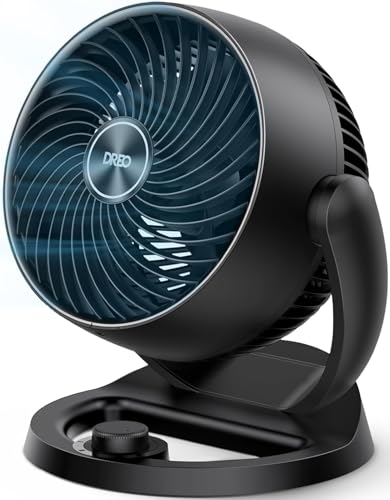
5. DREO Fan for Bedroom 12 Inches 70ft Powerful Airflow 25db Quiet
A DREO Fan for Bedroom 12 Inches 70ft Powerful Airflow 25db Quiet (desk fan), per the listing. Check price on Amazon.
Good for: personal cooling. Watch out: Check size and noise.
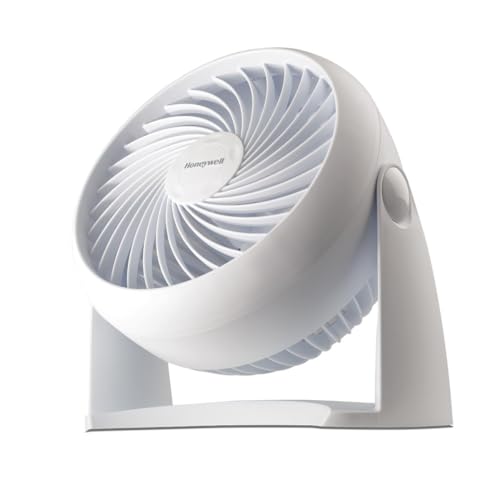
6. Honeywell TurboForce Air Circulator Small Tabletop Fan Quiet
A Honeywell TurboForce Air Circulator Small Tabletop Fan Quiet (desk fan), per the listing. Check price on Amazon.
Good for: personal cooling. Watch out: Check size and noise.

7. AmazonBasics 3 Speed Air Circulator 7-Inch
An AmazonBasics 3 Speed Air Circulator 7-Inch (desk fan), per the listing. Check price on Amazon.
Good for: personal cooling. Watch out: Check size and noise.
8. Honeywell TurboForce Air Circulator Small Tabletop Fan Quiet
A Honeywell TurboForce Air Circulator Small Tabletop Fan Quiet (desk fan), per the listing. Check price on Amazon.
Good for: personal cooling. Watch out: Check size and noise.
How to Choose
Size and fit
Check dimensions for your space or vehicle.
Build and materials
Durable materials last longer.
Ease of use
Simple setup and cleaning help.
Air Circulator Versus Ordinary Desk Fan
The words fan and circulator are often used loosely, but they describe a real difference in design. A traditional desk fan spreads air in a wide, gentle cone, which feels nice when you sit directly in front of it. An air circulator uses a deeper blade design and a tighter housing to push air in a narrower, faster column that travels farther across a room. The point is to keep the air in a space moving, rather than only to cool one person, which can reduce stuffy spots and even out temperatures.
Which one you want depends on how you will use it. If you sit at a desk and want a breeze on your face and arms, a small fan or a clip-on model can do the job. If you want to move air around a bedroom, home office or small apartment, a circulator may be a better match, since it can be aimed at a wall or ceiling to stir the whole room. The titles in this guide mix both types, with some described as air circulators and others as simple desk or clip-on fans.
- Choose a small fan for personal cooling at arm’s length.
- Choose a circulator for moving air across a room or helping a cooling or heating system spread air.
- Choose a clip-on if desk space is tight and you want the fan up and out of the way.
Remember that fans cool people by moving air across skin, and they do not lower the temperature of the room itself. Turn them off when you leave, since they do not help an empty space.
Size, Airflow Claims and Noise
Blade diameter in the product name, such as 7, 11 or 12 inches, is a starting point for judging how much air a fan moves. A larger blade can move more air at a lower speed, which often means less noise for the same effect. A small 7-inch fan is easy to fit on a crowded desk, but it will cover less area. A larger one gives broader coverage but needs more room and can look bulky next to a monitor. Check the listing dimensions against your desk, shelf or nightstand.
Some listings quote how far air travels, in feet, or a noise level in decibels. Treat those as the maker’s claims, which depend on test conditions you cannot see, and compare them only loosely. The post’s watch-out says to check size and noise, and that is the practical approach: read customer feedback for descriptions of how loud the fan is at low and high speed, and whether the motor hums, rattles or whines. Noise at night matters most in bedrooms, so look for comments from people who use it there.
Also check the speed range. A good fan has a low setting that is quiet enough to sleep with and a high setting that moves enough air on hot days. Fewer speeds can be fine if the lowest is gentle. A fan that jumps from silent to very strong with nothing in between can be annoying. A stable base reduces vibration and noise, as does a motor that is well balanced.
Controls, Tilt and Oscillation
How you control the fan affects how often you actually use it. Basic dials and buttons are simple and reliable, but a remote lets you adjust speed from bed or across the room. Smart models, like the DREO options in the list, add app or voice control, timers and sometimes scheduling. Those features can be handy if you like automation, but they add setup, depend on an app and may not be necessary if you only want a quick breeze. Read the listing to see exactly what the smart features do and which systems they work with.
Tilt and oscillation are about aim. A fan that tilts up and down lets you point air at the ceiling, a wall or your face, and an oscillating head sweeps air across a wider area. Oscillation spreads the breeze but may be more distracting than a fixed direction, and a fan that sweeps a draft across a sleeping person may not suit everyone. Look for a model that lets you turn oscillation off. Some circulators also pivot in multiple directions, which makes them flexible for different spots.
- Check that the tilt holds its position and does not slump after a while.
- Check whether a timer or sleep mode is included if you will use it overnight.
- Look for a display that can be dimmed or turned off if you are light sensitive.
Simple controls are not a downside. A fan you can operate without thinking is often the one you reach for most.
Power Source, Cord Length and Placement
Desk fans draw power in different ways. Mains-powered models plug into a wall socket and generally offer more airflow. USB-powered fans, like the clip-on in this list, draw from a computer, power bank or adapter, which makes them convenient for desks and travel but usually limits power. Battery-powered or rechargeable options exist elsewhere in the category, and if one is listed, check run time and charging method. Cord length matters more than you may think, so measure the distance from your desk to the outlet and look for a listing that states cord length.
Placement changes how well a fan works. For personal cooling, set it slightly to the side rather than directly in front, so you get a steady flow without a constant blast. For room circulation, aim a circulator toward a wall or corner so that the air bounces around the room, or point it at the ceiling for a gentler spread. In hot weather, you can place a fan near a window to push warm air out or pull cooler air in, depending on conditions. In winter, a circulator can help spread warm air from a heater or vent, though you should follow the heater’s safety guidance and keep fans clear of it.
Keep the fan on a stable, flat surface and away from loose papers, curtains and anything the blades could catch. A clip-on needs a sturdy edge, so check the maximum thickness the clip can grip. Do not let cords run where they can be stepped on or pinched.
Cleaning, Safety and When to Replace
Dust builds up quickly on fan blades and grilles, and a dirty fan moves less air and can spread dust around. Unplug the fan before cleaning. Wipe the grille and blades with a damp cloth or a soft brush, and use a vacuum attachment for stubborn dust. Some fans have removable grilles that make this easier, but follow the manual and do not force parts apart. Never spray liquid directly into the motor housing, and let everything dry before reconnecting power.
Safety features are worth checking. Look for a guard with gaps small enough to keep fingers out, a stable base that resists tipping and a cord and plug in good condition. If you have children or pets, choose a design with a tighter grille and place the fan out of reach. Do not cover the fan or block its intake. If the fan smells hot, sparks or emits smoke, unplug it and stop using it.
Signs it is time to replace a fan include blades that wobble or rub, a motor that groans or fails to start, a damaged cord, a cracked grille or a base that will not hold the head in place. Cheaper fans are fine for light use, and mid-range ones tend to offer quieter motors and more control, but check recent feedback regardless. Before you buy, check the warranty and return terms on the listing, and consider how and where the fan will be used so you can choose a size and style that suits your space.
Picking a Fan by the Space It Has to Serve
Small fans look similar in photos, but where you put them changes which kind works best. These setups cover most buyers.
Desk or home office
At a desk, the fan sits close to you, so quiet running and a gentle low speed matter more than maximum airflow. The 7-inch AmazonBasics circulator and the compact Honeywell tabletop fan fit a cramped desk, while the 11 and 12 inch DREO models move more air with a bigger footprint. Check that the base does not crowd the keyboard and that the tilt reaches your face.
Bedroom nightstand or dresser
For sleeping, noise level and brightness are the key points. A fan with a remote or smart controls, like the DREO models with remotes, lets you change speed without getting out of bed. Look for a display you can dim or turn off, and a timer so it shuts off after you fall asleep.
Clip-on and tight spaces
The BESKAR USB clip-on fan suits a headboard, a shelf edge or a workbench where there is no flat surface. It is a personal cooler rather than a room mover, and USB power limits its strength. It pairs well with a laptop, a power bank or a wall adapter.
Kitchen, workshop and craft rooms
Rooms where heat or fumes build up benefit from a fan that can be aimed across the room. Keep it away from splashes and open flames, and clean it more often, since cooking grease and dust gather on blades quickly.
Airflow Patterns That Make Rooms Feel Cooler
A circulator does not lower the air temperature. It moves air across your skin, which helps sweat evaporate and makes you feel cooler. Understanding a few simple tricks helps the fan do more with the same power.
- Create a cross-breeze. If you can open two windows, aim a fan to push hot air out of one while another lets cooler air in.
- Aim at a wall or ceiling. A focused jet can bounce and spread more gently, which feels less harsh than a direct blast.
- Pair it with an air conditioner. Placing a circulator so it moves cool air farther into the room can let you set the thermostat a little higher.
- Use the evening trick. When it is cooler outside, a fan in a window facing out can pull warm indoor air away.
- Turn it off when no one is there. Because the cooling effect is on people, a fan in an empty room does nothing useful.
Common Mistakes When Buying a Small Fan
- Trusting the distance claims. Titles that promise a long throw describe a best-case measure in a lab. Treat them as a way to compare models, not as what you will feel at a desk.
- Ignoring the lowest speed. A fan that is loud or strong at its lowest setting is hard to use at night or near the face.
- Overlooking the cord. A short cord limits placement. Check its length, or plan on a safe extension.
- Buying smart features you will not use. App control is nice, but if you only need on and off, a simpler remote model costs less.
- Skipping cleaning access. Grilles that are hard to remove collect dust that then blows around the room.
Budget Versus Premium: Where the Money Goes
Lower-priced fans tend to have fewer speed steps, simpler controls and louder motors. They can still move air well enough for a desk. Higher-priced ones usually add smoother speed control, quieter motors, remotes or app connections, timers and sturdier build. Some use motors designed for more precise speed control, which can mean quieter operation at low settings.
If the fan will run for hours in a bedroom or office, spending more on noise and controls pays off every day. If it is for occasional use in a workshop or as a spare, a basic model is fine. Whatever you buy, the specifications to compare are the speed range, noise rating on the listing, tilt angle and size, since those decide how the fan feels in your space.
Safety and Placement Basics
Small fans are low-risk, but a few habits keep them that way. Place the fan on a flat, stable surface where it cannot be knocked over, and keep the cord out of walkways. Make sure children and pets cannot reach the blades through the grille, and never push objects through the guard. A fan that wobbles, smells hot or makes a grinding noise should be unplugged and checked.
For clip-on and USB models, use a power source that matches the listed voltage and current, and avoid covering the motor with fabric or papers. Placing the fan a little away from curtains, loose paper and bedding prevents anything from being pulled toward the intake. These few checks take seconds and make everyday use worry-free.
Reading the Picks Side by Side: How These Fans Differ in Daily Use
The eight fans in this guide fall into a few clear families, and the family matters more than any single headline claim. The DREO models that lead the list are desk circulators built around a strong, focused stream of air, with the smart versions adding app and voice control on top of the same basic job. The BESKAR entry is a different tool altogether: a small clip fan that runs from USB or a cord, made for edges, shelves, stroller-style mounting points and other places where a flat base will not sit. The Honeywell TurboForce models are the long-running, no-frills option, with a pivoting head and a design that has been sold for years with very few changes. The AmazonBasics circulator is the simplest desk fan here, a compact three-speed unit for people who want a breeze on a work surface and nothing more.
Thinking in families helps you avoid a common disappointment. A clip fan will never move air across a whole room the way a twelve-inch circulator can, and it is not meant to. Its strength is placement: it goes exactly where you sit or sleep, so a modest amount of air feels like plenty. A smart desk fan, by contrast, earns its keep when it lives across the room from you, because schedules, timers and phone control save you from getting up. If the fan will sit within arm’s reach on your own desk, those connected features add little, and the simpler DREO with a remote, or even the basic Honeywell, may serve you just as well for everyday use.
Noise character also splits the list. Circulators with smaller blades tend to produce a higher, thinner sound at full speed, while the larger DREO and Honeywell housings push air with a lower tone that many sleepers find easier to ignore. None of these fans is silent at its top setting, and the guide’s earlier sections explain why the quiet figures in listings are usually measured at the lowest speed. The practical test is the middle range: most owners end up living on the low and medium settings, so judge a fan by how pleasant it sounds there, not by what it can do at maximum for a few minutes after a workout or a hot commute home.
Finally, consider how each fan ages. Models with sealed, simple controls and no app dependency, like the TurboForce and the AmazonBasics unit, have very little that can stop working. Smart fans add convenience but also add a setup step, a Wi-Fi connection and an app that needs to keep supporting the product. That trade is worth making when you will genuinely use scheduling, for example cooling a bedroom before bedtime, and less worthwhile for a workshop or a spare room where the fan runs only when you are standing next to it anyway.
A Room-by-Room Setup Routine That Takes Ten Minutes
Where a small fan sits changes its effect more than one speed step up or down. Start by deciding what the fan is for in that room. If it is personal cooling, place it so the airstream crosses your body at the height where you actually sit or lie, which usually means desk height for work and mattress height for sleep. If it is room circulation, place it low and aim it slightly upward or toward a far wall, so the moving air mixes the warm layer near the ceiling with the cooler air near the floor instead of blasting one chair.
Next, clear the intake. Small fans pull air from behind and from the sides of the housing, and a fan pushed hard against a wall, a curtain or a pile of papers will feel weak no matter how strong the motor is. Leave a hand’s width of open space behind the fan, keep cords and fabric out of the intake path, and check that a clip fan’s clamp is fully seated on a surface thick enough for it to grip without rocking. A fan that vibrates against a thin shelf edge will buzz even if it is perfectly quiet on a solid desk.
Then run a short settling test. Sit where you normally sit, set the fan to its middle speed, and give it a few minutes. If you feel the air on your face but your hands and lap stay warm, lower the fan or tilt it down slightly. If papers move but you feel little, the stream is passing above or beside you, so narrow the angle rather than raising the speed. For oscillation, watch one full sweep and confirm the fan spends most of its arc covering occupied space rather than a wall or an empty corner. Small adjustments at setup save weeks of reaching for the remote.
Bedrooms deserve one extra step. Place the fan so it does not blow directly into your face all night, which many people find drying, and use the timer if your model has one so the fan can ease off once the room has cooled. If two people share the room and disagree about airflow, a circulator aimed at the ceiling gives a gentler, indirect effect that is often the compromise that works, because the air returns down the walls instead of arriving as a single directed stream.
Troubleshooting Weak Airflow, Buzzing and Control Problems
When a fan that once felt strong starts to feel weak, work through the simple causes first. Dust is the most common one. A film of dust on the blades and grille narrows the passages the air moves through and unbalances the blade, so airflow drops and noise rises at the same time. Unplug the fan, remove the grille if the manual allows it, and wipe the blades with a slightly damp cloth. Let everything dry fully before you switch it back on. If the fan uses a washable grille, rinse and dry it the same way rather than running the fan to dry it.
Buzzing and rattling usually come from contact, not from the motor. Check that the fan is standing on a flat, solid surface, that the grille screws or clips are seated, and that nothing light, such as a cable or a sheet of paper, is touching the housing. A clip fan that has slowly worked its clamp loose will chatter against the shelf it grips, and reseating the clamp firmly often ends the noise at once. If a rattle only appears at one speed, run the fan at that speed while you press gently on different parts of the housing; the spot where the noise stops is the loose panel or grille section to reseat.
Remote and app problems have their own order of checks. For a remote, replace the battery before assuming the fan is faulty, and make sure nothing blocks the sensor window on the fan, since remotes need a clear line to that small dark panel. For a smart fan, confirm the fan is on the Wi-Fi band the maker specifies, keep the router password handy during setup, and try the manual controls on the fan itself. If the fan works perfectly from its own buttons but not from the app, the fan is fine and the problem sits in the connection or the account, which a fresh pairing usually resolves.
Stop using the fan and contact the maker if the cord or plug is damaged, if the housing is cracked near the motor, if you smell burning, or if the fan trips a breaker. Those are not cleaning problems. Small fans are inexpensive, and a unit with electrical damage is not worth repairing at home.
Keeping a Small Fan Working Well Season After Season
A light routine keeps these fans close to their first-month performance. Wipe the grille every few weeks during heavy use, since that is where dust builds fastest and where it most restricts the intake. Once a season, do the deeper clean described above, check the cord along its whole length for nicks or stiff sections, and confirm that tilt and oscillation still move smoothly through their full range without clicking or sticking. A fan that will be stored for winter should be cleaned first, covered loosely so dust stays off the blades, and kept somewhere dry rather than in a damp garage corner.
Storage position matters more than people expect. Do not wrap the cord tightly around the fan or use it to carry the unit, because repeated tight bends near the plug and near the motor housing are where cords fail. Coil the cord loosely and let it rest beside the fan. For clip fans, store the clamp closed on a piece of cardboard or leave it relaxed rather than stretched open on a thick object for months, so the spring keeps its grip for the next season.
Know the signs that a fan is reaching the end of its useful life. A motor that starts slowly, needs a push to begin turning, or changes speed on its own is wearing out. Bearings that grind rather than hum, a housing that grows hot to the touch, or a fan that only runs at one speed despite working controls all point the same way. At that stage cleaning will not restore performance, and replacing the fan is safer and usually cheaper than any repair. When you replace it, the notes you made about what you liked, the size that fit your space, the speeds you actually used and the noise level you slept through, are the best buying guide for the next one, because they describe your room and your habits rather than a stranger’s.
More Questions Readers Ask About Small Fans
Should I run two small fans instead of one larger fan?
Two small fans can work well when the room has two separate spots that need air, such as a desk and a bed, or when you want air moving through a room from a window toward an interior door. One larger circulator is simpler and usually stronger for a single seating area. If you already own one fan and the far side of the room still feels still, adding a second small fan at the other end often helps more than replacing the first fan with a bigger one.
How do I keep a clip fan from slipping or falling?
Clamp it to a surface that is thick and rigid enough for the jaws to grip fully, with the pads flat against the surface rather than catching an edge. Check the grip after the first hour of use, because vibration can walk a loose clamp slowly along a smooth shelf. If the surface is too thin or too thick for a secure grip, move the fan rather than forcing the clamp, and never clip a fan where it could fall onto a sleeper if it did come loose.
Can a small fan help in a room with no windows?
It can make the room feel fresher by keeping air moving and preventing the still, stuffy feeling that builds up in enclosed spaces, and it can help spread air from a vent or an open door. It cannot bring in outdoor air or remove humidity by itself, so pair it with whatever ventilation the building provides and keep the door open when you can if the room feels stale.
Why does my fan feel strong up close but weak across the room?
That is normal for small fans. The stream of air spreads and slows as it travels, and a desk fan is designed for the few feet around a chair or a bed rather than for throwing air across a large room. Circulator models hold their stream together over a longer distance than ordinary desk fans, which is one reason the guide separates the two types, but even they have limits. Move the fan closer to where you sit, or aim it so the stream travels along a wall and returns, instead of expecting it to cross open space.
Is it sensible to leave a fan running when nobody is in the room?
A fan cools people, not rooms, so running one in an empty room mostly uses electricity without making anyone more comfortable. The exceptions are circulation jobs: helping a heater or an air conditioner spread treated air, drying a damp corner, or moving air through a space for a pet. For ordinary personal cooling, switch the fan off when you leave, or use a timer so it stops on its own.
How long should a small fan run each day?
There is no fixed daily limit for a healthy fan in good condition, and many run through workdays and summer nights without trouble. What matters is the state of the unit and where it sits: a clean fan on a stable surface, with an undamaged cord and open space around its intake, is a very different proposition from a dusty fan wedged behind furniture. Check a hard-working fan now and then for heat in the housing, new noises or a cord that has been trapped under a chair leg, and give any fan a rest and a clean if it starts to sound strained. If you rely on one fan for most of the day, keeping a simple spare, even a basic model, means a failure in a heatwave is an inconvenience rather than an emergency.
Frequently Asked Questions
Is it easy to install?
Check the manual.
Is it worth the price?
Budget options cover basics.
How do I care for it?
Clean as directed.
Does a desk fan cool a room?
Not directly. A fan moves air and helps you feel cooler by evaporating moisture from your skin. It does not lower the room temperature, so turn it off when you are not there.
Is a USB fan strong enough?
USB fans are convenient and suit personal use at a desk, but they usually move less air than a mains-powered fan. Check the listing and read feedback for how they perform on high speed.
Can I sleep with a fan on?
Many people do. Choose one with a quiet low speed and a timer if you wish, and aim it so that it is not blowing directly on you all night. If you have breathing concerns, speak to a health professional.
How do I make a fan quieter?
Clean the blades, place it on a stable, flat surface, and use a lower speed. Check for loose screws or a wobbling base, which can cause rattling.
Where should I place a circulator in a room?
Aim it toward a wall or into a corner so that air moves around the room, or point it at the ceiling for a softer effect. Keep it clear of curtains and papers.
Are smart fans worth it?
They are useful if you like timers, schedules or remote control from a phone. If you only want a simple breeze, a basic model with a remote or dial may be enough.
Can I use a fan with a heater?
A circulator can help spread warm air, but follow the heater maker's safety instructions and keep the fan and cords away from hot surfaces. Check the manuals for both.
Is a small fan cheaper to run than air conditioning?
Generally yes. Small fans draw far less power than air conditioners, so running one for personal cooling costs very little. Check the wattage on the listing. A fan does not cool the air itself, so it works best when combined with sensible window and shade use.
Should a fan blow in or out of a window?
Both can help. At night, a fan facing out can push warm indoor air away while cooler air enters elsewhere. In the day, if outside air is hotter than inside, keep windows closed and use the fan to circulate indoor air only.
Why does my fan make a rattling or humming noise?
Common causes are dust on the blades, a loose grille or base, or an uneven surface. Unplug it, clean the blades and tighten any screws. If the noise persists at a particular speed, try a lower setting or contact the maker about the warranty.
Does a fan help with stuffy air or odors?
It can move air around, which may make a room feel fresher, but it does not filter or remove odors. For real ventilation, open a window or use an exhaust fan. A circulator can help spread air from a filter or purifier through the room.
Bottom Line
Air circulators move air farther than basic fans.
More Home & Garden Guides
- Best Small Thermoelectric Coolers
- Best Heated Throws and Full-Size Blankets
- Best Heated Foot Warmers for Home
- Best Cordless Clippers and Trimmer Kits
- Best Pour-Over Kettles with Temperature Control
- Best Rechargeable Wearable Fans
- Best Low-Profile and Large Ceiling Fans
- Best Indoor Humidity and Temperature Monitors