Disclosure: As an Amazon Associate, dailyhomedecorating.com earns from qualifying purchases. Links on this page are affiliate links; they cost you nothing extra. Prices and availability change often, so check the current Amazon listing before you buy.
This is a fan worth it is written for households who want a clear, honest answer rather than a showroom pitch. A fan is a simple machine with a complicated job: it has to move air across real rooms, around real furniture, past real sleepers, workers and children, and keep doing it quietly for season after season. Everything below works through that job in order — what fans do and do not do, the types worth considering, the criteria that actually separate a good buy from a regretted one, the safety and cleaning habits that keep a fan pleasant, and a set of named picks presented prose-first so you can judge the reasoning before you ever look at a listing.
Readers comparing approaches will also want the companion pieces in this cluster: the fan buying guide, the fan pros and cons, and the direct answer in how to choose a fan. Neighbouring categories are covered in our guides to best tower fans and desk fans and air circulators.
Key Takeaways
- A fan cools people, not empty rooms — run it where people are and switch it off when they leave.
- Placement and aim beat raw power: the far seat in the room is the honest test.
- Smooth, even sound at your real-use speed matters more than any headline feature.
- Keep grilles fitted, bases level and cords clear; unplug before every clean.
- Match the type — tower, pedestal, circulator, desk, window or ceiling — to the room first, then compare models.
- Prose-first picks in this guide are tiered by position, not by invented numbers.
In this guide
Is a Fan Worth It? The Short Answer
Worth it if: your discomfort is moving-air discomfort — stuffy rooms, warm corners, heavy evenings, one hot desk — and you will place the fan well, run it where people are and clean it occasionally. Not worth it if: you expect an empty room to become cold, you cannot tolerate any mechanical sound at night, or the fan would stand guardless within reach of small fingers or be knocked daily in a crowded walkway. For most households in the first group, a fan is among the most honestly earned comforts in the home.
What You Actually Get
You get immediacy: comfort in the time it takes to cross a room and press a button. You get portability: the same unit serving a desk, a sofa and a bed across one day. You get mixing: warm corners and cold edges softened into one livable temperature. And you get simplicity: an appliance you understand completely, can clean yourself and can store in a cupboard. What you do not get is refrigeration, silence, or a set-and-forget appliance that never asks for a wipe, an aim adjustment or a sensible position. The value case rests entirely on the first list being what you actually wanted.
The Real Costs Beyond Money
The costs are space, sound and small chores. Floor space in the rooms that can least spare it. A constant, if gentle, mechanical presence in the room’s sound. A grille to clean, with the fan unplugged, several times a season. A cord to route and a base to keep level and unknocked. None of these is large, and together they are the true price of ownership, which is why households that weigh them in advance report the highest satisfaction with the fans they buy.
Who It Pays Off For
In the bedroom, facing air that feels still and heavy by late evening, a fan pays off quickly and visibly. The discomfort is exactly the kind moving air solves, the fan can be aimed at people rather than furniture, and its running habit — on when occupied, off when empty — fits the room’s natural rhythm.
In the living room, facing a warm corner that the rest of the home never seems to reach, a fan pays off quickly and visibly. The discomfort is exactly the kind moving air solves, the fan can be aimed at people rather than furniture, and its running habit — on when occupied, off when empty — fits the room’s natural rhythm.
In the home office, facing sleep that breaks whenever the room turns stuffy, a fan pays off quickly and visibly. The discomfort is exactly the kind moving air solves, the fan can be aimed at people rather than furniture, and its running habit — on when occupied, off when empty — fits the room’s natural rhythm.
Who Should Skip It
Skip it if the room’s problem is heat with no relief — a fan recirculating very hot air offers limited comfort and a different solution deserves your budget first. Skip it if the only placement is unsafe: an unstable surface, a damaged guard, a position within easy reach of unsupervised small fingers. And skip it if nobody in the household will ever clean it, because a dusty fan’s breeze and sound both deteriorate until the purchase feels wasted for reasons that were preventable.
If the verdict is yes, these prose-first alternatives cover the main shapes of a sensible purchase, each in a stated qualitative tier.

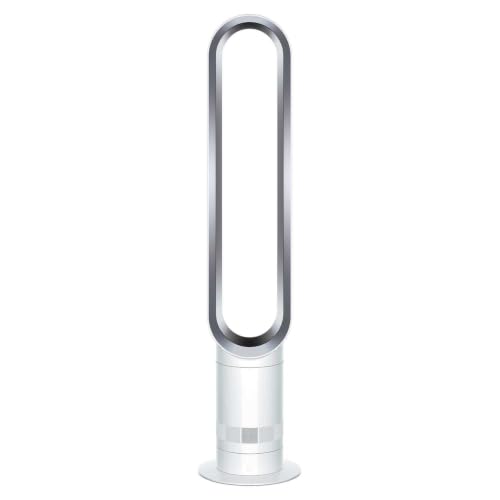
Dyson Cool — Best Overall
The Dyson Cool represents the premium bladeless tower design in this line-up, offered here as a prose-only pick in the premium tier — check the current listing for live details before you buy. Judge it the way this guide judges every fan: by the far seat in the room, by the smoothness of its sound at the speed you will sleep or work at, and by whether its grille, base and controls feel made to be used daily. Place it on a flat, level surface with a clear path for its airstream, keep the protective grille in place at all times, and unplug it before any cleaning of blades or grille. For a household matching its tier and shape to the right room, it is a credible, honestly positioned option rather than a miracle, and that honesty is exactly what a good pick should offer.

Lasko Tower Fan — Best for Bedrooms
The Lasko Tower Fan represents the mainstream tower design in this line-up, offered here as a prose-only pick in the mid-range tier — check the current listing for live details before you buy. Judge it the way this guide judges every fan: by the far seat in the room, by the smoothness of its sound at the speed you will sleep or work at, and by whether its grille, base and controls feel made to be used daily. Place it on a flat, level surface with a clear path for its airstream, keep the protective grille in place at all times, and unplug it before any cleaning of blades or grille. For a household matching its tier and shape to the right room, it is a credible, honestly positioned option rather than a miracle, and that honesty is exactly what a good pick should offer.

Honeywell TurboForce — Best Compact Pick
The Honeywell TurboForce represents the compact circulator design in this line-up, offered here as a prose-only pick in the entry tier — check the current listing for live details before you buy. Judge it the way this guide judges every fan: by the far seat in the room, by the smoothness of its sound at the speed you will sleep or work at, and by whether its grille, base and controls feel made to be used daily. Place it on a flat, level surface with a clear path for its airstream, keep the protective grille in place at all times, and unplug it before any cleaning of blades or grille. For a household matching its tier and shape to the right room, it is a credible, honestly positioned option rather than a miracle, and that honesty is exactly what a good pick should offer.
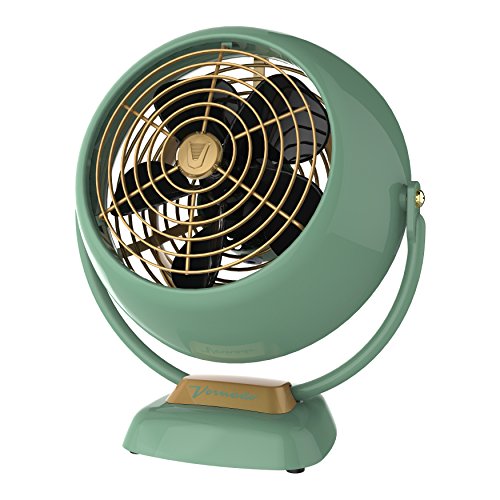
Vornado Air Circulator — Best for Whole-Room Mixing
The Vornado Air Circulator represents the whole-room circulator design in this line-up, offered here as a prose-only pick in the mid-range tier — check the current listing for live details before you buy. Judge it the way this guide judges every fan: by the far seat in the room, by the smoothness of its sound at the speed you will sleep or work at, and by whether its grille, base and controls feel made to be used daily. Place it on a flat, level surface with a clear path for its airstream, keep the protective grille in place at all times, and unplug it before any cleaning of blades or grille. For a household matching its tier and shape to the right room, it is a credible, honestly positioned option rather than a miracle, and that honesty is exactly what a good pick should offer.

Dreo Tower Fan — Best Modern Tower
The Dreo Tower Fan represents the modern tower design in this line-up, offered here as a prose-only pick in the mid-range tier — check the current listing for live details before you buy. Judge it the way this guide judges every fan: by the far seat in the room, by the smoothness of its sound at the speed you will sleep or work at, and by whether its grille, base and controls feel made to be used daily. Place it on a flat, level surface with a clear path for its airstream, keep the protective grille in place at all times, and unplug it before any cleaning of blades or grille. For a household matching its tier and shape to the right room, it is a credible, honestly positioned option rather than a miracle, and that honesty is exactly what a good pick should offer.
Woozoo Globe — Best Small-Space Pick
The Woozoo Globe represents the compact oscillating globe design in this line-up, offered here as a prose-only pick in the entry tier — check the current listing for live details before you buy. Judge it the way this guide judges every fan: by the far seat in the room, by the smoothness of its sound at the speed you will sleep or work at, and by whether its grille, base and controls feel made to be used daily. Place it on a flat, level surface with a clear path for its airstream, keep the protective grille in place at all times, and unplug it before any cleaning of blades or grille. For a household matching its tier and shape to the right room, it is a credible, honestly positioned option rather than a miracle, and that honesty is exactly what a good pick should offer.
Common Mistakes
Buying for the empty room: choosing maximum power to chill a space, then running the fan all day in nobody’s company. Buy for people in seats, beds and desks instead, and let placement do the heavy lifting.
Aiming at the problem’s opposite: pointing a fan at a wall of curtains, a pile of papers or a sleeper’s face, then blaming the fan. Adjust angle before speed, and bounce the airstream off a wall or ceiling when a direct breeze is too much.
Ignoring the grille and the guard: running a fan with a loose, damaged or removed grille, or letting small fingers near moving blades. The guard is part of the product; keep it fitted, keep the fan on a level surface out of tipping range, and unplug before any cleaning.
Forgetting the second season: buying a shape that cannot be cleaned easily or stored anywhere. Decide the winter home and the cleaning routine at the moment of purchase, not at the first dusty evening of the second summer.
Skipping the companion reading: the decision improves when this article is read alongside fan buying guide and the category guides to best tower fans and whole house fans.
Setup, Care and Maintenance Essentials
Set the fan on a flat, level surface with its oscillation arc clear and its cord routed away from feet. Test each speed and listen. Keep the protective grille fitted and intact at all times, position the unit so children’s fingers cannot reach the blades, and supervise its use around small children as you would any appliance with moving parts. For cleaning, always unplug first, then wipe or remove the grille exactly as the maker directs, and let everything dry before reassembly. Store the fan clean, upright and with its cord loosely coiled, and the next season will start with a fan that sounds and blows the way it did when it was new.
A Closer Look, Room by Room
In a real household, the question in the living room is rarely about maximum power and almost always about fit: guests arriving into a room that has sat closed all day. A fan earns its place when it answers that specific discomfort without creating a new one — no papers skating off the desk, no curtain billowing into the bed, no conversation raised to compete with a rattling grille. That is why experienced buyers test the middle settings first, sit in the farthest seat, and listen for a full minute before deciding anything. They check whether the breeze can be aimed where people actually are, whether the controls make sense in the dark, and whether the unit can be moved one-handed when the room gets rearranged, which in most homes is far more often than anyone admits. They also think about the second season, not just the first week: dust on the grille, a cord that has to cross a doorway, a base that rocks on floorboards. None of these details photographs well, and all of them decide whether a fan is still loved in its third summer or quietly replaced in its second.
After a week of living with it, the question in the nursery is rarely about maximum power and almost always about fit: a rental where permanent fixtures are simply not an option. A fan earns its place when it answers that specific discomfort without creating a new one — no papers skating off the desk, no curtain billowing into the bed, no conversation raised to compete with a rattling grille. That is why experienced buyers test the middle settings first, sit in the farthest seat, and listen for a full minute before deciding anything. They check whether the breeze can be aimed where people actually are, whether the controls make sense in the dark, and whether the unit can be moved one-handed when the room gets rearranged, which in most homes is far more often than anyone admits. They also think about the second season, not just the first week: dust on the grille, a cord that has to cross a doorway, a base that rocks on floorboards. None of these details photographs well, and all of them decide whether a fan is still loved in its third summer or quietly replaced in its second.
Seen from the chair rather than the doorway, the question in the kitchen corner is rarely about maximum power and almost always about fit: a warm corner that the rest of the home never seems to reach. A fan earns its place when it answers that specific discomfort without creating a new one — no papers skating off the desk, no curtain billowing into the bed, no conversation raised to compete with a rattling grille. That is why experienced buyers test the middle settings first, sit in the farthest seat, and listen for a full minute before deciding anything. They check whether the breeze can be aimed where people actually are, whether the controls make sense in the dark, and whether the unit can be moved one-handed when the room gets rearranged, which in most homes is far more often than anyone admits. They also think about the second season, not just the first week: dust on the grille, a cord that has to cross a doorway, a base that rocks on floorboards. None of these details photographs well, and all of them decide whether a fan is still loved in its third summer or quietly replaced in its second.
On an ordinary evening, the question in the bedroom is rarely about maximum power and almost always about fit: a warm corner that the rest of the home never seems to reach. A fan earns its place when it answers that specific discomfort without creating a new one — no papers skating off the desk, no curtain billowing into the bed, no conversation raised to compete with a rattling grille. That is why experienced buyers test the middle settings first, sit in the farthest seat, and listen for a full minute before deciding anything. They check whether the breeze can be aimed where people actually are, whether the controls make sense in the dark, and whether the unit can be moved one-handed when the room gets rearranged, which in most homes is far more often than anyone admits. They also think about the second season, not just the first week: dust on the grille, a cord that has to cross a doorway, a base that rocks on floorboards. None of these details photographs well, and all of them decide whether a fan is still loved in its third summer or quietly replaced in its second.
After a week of living with it, the question in the living room is rarely about maximum power and almost always about fit: workout corners that hold onto warmth long after the session ends. A fan earns its place when it answers that specific discomfort without creating a new one — no papers skating off the desk, no curtain billowing into the bed, no conversation raised to compete with a rattling grille. That is why experienced buyers test the middle settings first, sit in the farthest seat, and listen for a full minute before deciding anything. They check whether the breeze can be aimed where people actually are, whether the controls make sense in the dark, and whether the unit can be moved one-handed when the room gets rearranged, which in most homes is far more often than anyone admits. They also think about the second season, not just the first week: dust on the grille, a cord that has to cross a doorway, a base that rocks on floorboards. None of these details photographs well, and all of them decide whether a fan is still loved in its third summer or quietly replaced in its second.
In a real household, the question in the studio apartment is rarely about maximum power and almost always about fit: a rental where permanent fixtures are simply not an option. A fan earns its place when it answers that specific discomfort without creating a new one — no papers skating off the desk, no curtain billowing into the bed, no conversation raised to compete with a rattling grille. That is why experienced buyers test the middle settings first, sit in the farthest seat, and listen for a full minute before deciding anything. They check whether the breeze can be aimed where people actually are, whether the controls make sense in the dark, and whether the unit can be moved one-handed when the room gets rearranged, which in most homes is far more often than anyone admits. They also think about the second season, not just the first week: dust on the grille, a cord that has to cross a doorway, a base that rocks on floorboards. None of these details photographs well, and all of them decide whether a fan is still loved in its third summer or quietly replaced in its second.
After a week of living with it, the question in the living room is rarely about maximum power and almost always about fit: sleep that breaks whenever the room turns stuffy. A fan earns its place when it answers that specific discomfort without creating a new one — no papers skating off the desk, no curtain billowing into the bed, no conversation raised to compete with a rattling grille. That is why experienced buyers test the middle settings first, sit in the farthest seat, and listen for a full minute before deciding anything. They check whether the breeze can be aimed where people actually are, whether the controls make sense in the dark, and whether the unit can be moved one-handed when the room gets rearranged, which in most homes is far more often than anyone admits. They also think about the second season, not just the first week: dust on the grille, a cord that has to cross a doorway, a base that rocks on floorboards. None of these details photographs well, and all of them decide whether a fan is still loved in its third summer or quietly replaced in its second.
Seen from the chair rather than the doorway, the question in the guest room is rarely about maximum power and almost always about fit: guests arriving into a room that has sat closed all day. A fan earns its place when it answers that specific discomfort without creating a new one — no papers skating off the desk, no curtain billowing into the bed, no conversation raised to compete with a rattling grille. That is why experienced buyers test the middle settings first, sit in the farthest seat, and listen for a full minute before deciding anything. They check whether the breeze can be aimed where people actually are, whether the controls make sense in the dark, and whether the unit can be moved one-handed when the room gets rearranged, which in most homes is far more often than anyone admits. They also think about the second season, not just the first week: dust on the grille, a cord that has to cross a doorway, a base that rocks on floorboards. None of these details photographs well, and all of them decide whether a fan is still loved in its third summer or quietly replaced in its second.
On an ordinary evening, the question in the home office is rarely about maximum power and almost always about fit: workout corners that hold onto warmth long after the session ends. A fan earns its place when it answers that specific discomfort without creating a new one — no papers skating off the desk, no curtain billowing into the bed, no conversation raised to compete with a rattling grille. That is why experienced buyers test the middle settings first, sit in the farthest seat, and listen for a full minute before deciding anything. They check whether the breeze can be aimed where people actually are, whether the controls make sense in the dark, and whether the unit can be moved one-handed when the room gets rearranged, which in most homes is far more often than anyone admits. They also think about the second season, not just the first week: dust on the grille, a cord that has to cross a doorway, a base that rocks on floorboards. None of these details photographs well, and all of them decide whether a fan is still loved in its third summer or quietly replaced in its second.
In a real household, the question in the dorm room is rarely about maximum power and almost always about fit: a nursery that needs gentle movement rather than a direct blast. A fan earns its place when it answers that specific discomfort without creating a new one — no papers skating off the desk, no curtain billowing into the bed, no conversation raised to compete with a rattling grille. That is why experienced buyers test the middle settings first, sit in the farthest seat, and listen for a full minute before deciding anything. They check whether the breeze can be aimed where people actually are, whether the controls make sense in the dark, and whether the unit can be moved one-handed when the room gets rearranged, which in most homes is far more often than anyone admits. They also think about the second season, not just the first week: dust on the grille, a cord that has to cross a doorway, a base that rocks on floorboards. None of these details photographs well, and all of them decide whether a fan is still loved in its third summer or quietly replaced in its second.
Seen from the chair rather than the doorway, the question in the bedroom is rarely about maximum power and almost always about fit: a rental where permanent fixtures are simply not an option. A fan earns its place when it answers that specific discomfort without creating a new one — no papers skating off the desk, no curtain billowing into the bed, no conversation raised to compete with a rattling grille. That is why experienced buyers test the middle settings first, sit in the farthest seat, and listen for a full minute before deciding anything. They check whether the breeze can be aimed where people actually are, whether the controls make sense in the dark, and whether the unit can be moved one-handed when the room gets rearranged, which in most homes is far more often than anyone admits. They also think about the second season, not just the first week: dust on the grille, a cord that has to cross a doorway, a base that rocks on floorboards. None of these details photographs well, and all of them decide whether a fan is still loved in its third summer or quietly replaced in its second.
Seen from the chair rather than the doorway, the question in the guest room is rarely about maximum power and almost always about fit: a warm corner that the rest of the home never seems to reach. A fan earns its place when it answers that specific discomfort without creating a new one — no papers skating off the desk, no curtain billowing into the bed, no conversation raised to compete with a rattling grille. That is why experienced buyers test the middle settings first, sit in the farthest seat, and listen for a full minute before deciding anything. They check whether the breeze can be aimed where people actually are, whether the controls make sense in the dark, and whether the unit can be moved one-handed when the room gets rearranged, which in most homes is far more often than anyone admits. They also think about the second season, not just the first week: dust on the grille, a cord that has to cross a doorway, a base that rocks on floorboards. None of these details photographs well, and all of them decide whether a fan is still loved in its third summer or quietly replaced in its second.
After a week of living with it, the question in the nursery is rarely about maximum power and almost always about fit: a warm corner that the rest of the home never seems to reach. A fan earns its place when it answers that specific discomfort without creating a new one — no papers skating off the desk, no curtain billowing into the bed, no conversation raised to compete with a rattling grille. That is why experienced buyers test the middle settings first, sit in the farthest seat, and listen for a full minute before deciding anything. They check whether the breeze can be aimed where people actually are, whether the controls make sense in the dark, and whether the unit can be moved one-handed when the room gets rearranged, which in most homes is far more often than anyone admits. They also think about the second season, not just the first week: dust on the grille, a cord that has to cross a doorway, a base that rocks on floorboards. None of these details photographs well, and all of them decide whether a fan is still loved in its third summer or quietly replaced in its second.
In practice, the question in the kitchen corner is rarely about maximum power and almost always about fit: a nursery that needs gentle movement rather than a direct blast. A fan earns its place when it answers that specific discomfort without creating a new one — no papers skating off the desk, no curtain billowing into the bed, no conversation raised to compete with a rattling grille. That is why experienced buyers test the middle settings first, sit in the farthest seat, and listen for a full minute before deciding anything. They check whether the breeze can be aimed where people actually are, whether the controls make sense in the dark, and whether the unit can be moved one-handed when the room gets rearranged, which in most homes is far more often than anyone admits. They also think about the second season, not just the first week: dust on the grille, a cord that has to cross a doorway, a base that rocks on floorboards. None of these details photographs well, and all of them decide whether a fan is still loved in its third summer or quietly replaced in its second.
Seen from the chair rather than the doorway, the question in the home office is rarely about maximum power and almost always about fit: a nursery that needs gentle movement rather than a direct blast. A fan earns its place when it answers that specific discomfort without creating a new one — no papers skating off the desk, no curtain billowing into the bed, no conversation raised to compete with a rattling grille. That is why experienced buyers test the middle settings first, sit in the farthest seat, and listen for a full minute before deciding anything. They check whether the breeze can be aimed where people actually are, whether the controls make sense in the dark, and whether the unit can be moved one-handed when the room gets rearranged, which in most homes is far more often than anyone admits. They also think about the second season, not just the first week: dust on the grille, a cord that has to cross a doorway, a base that rocks on floorboards. None of these details photographs well, and all of them decide whether a fan is still loved in its third summer or quietly replaced in its second.
Once the novelty fades, the question in the dorm room is rarely about maximum power and almost always about fit: workout corners that hold onto warmth long after the session ends. A fan earns its place when it answers that specific discomfort without creating a new one — no papers skating off the desk, no curtain billowing into the bed, no conversation raised to compete with a rattling grille. That is why experienced buyers test the middle settings first, sit in the farthest seat, and listen for a full minute before deciding anything. They check whether the breeze can be aimed where people actually are, whether the controls make sense in the dark, and whether the unit can be moved one-handed when the room gets rearranged, which in most homes is far more often than anyone admits. They also think about the second season, not just the first week: dust on the grille, a cord that has to cross a doorway, a base that rocks on floorboards. None of these details photographs well, and all of them decide whether a fan is still loved in its third summer or quietly replaced in its second.
In practice, the question in the studio apartment is rarely about maximum power and almost always about fit: a rental where permanent fixtures are simply not an option. A fan earns its place when it answers that specific discomfort without creating a new one — no papers skating off the desk, no curtain billowing into the bed, no conversation raised to compete with a rattling grille. That is why experienced buyers test the middle settings first, sit in the farthest seat, and listen for a full minute before deciding anything. They check whether the breeze can be aimed where people actually are, whether the controls make sense in the dark, and whether the unit can be moved one-handed when the room gets rearranged, which in most homes is far more often than anyone admits. They also think about the second season, not just the first week: dust on the grille, a cord that has to cross a doorway, a base that rocks on floorboards. None of these details photographs well, and all of them decide whether a fan is still loved in its third summer or quietly replaced in its second.
In a real household, the question in the home office is rarely about maximum power and almost always about fit: sleep that breaks whenever the room turns stuffy. A fan earns its place when it answers that specific discomfort without creating a new one — no papers skating off the desk, no curtain billowing into the bed, no conversation raised to compete with a rattling grille. That is why experienced buyers test the middle settings first, sit in the farthest seat, and listen for a full minute before deciding anything. They check whether the breeze can be aimed where people actually are, whether the controls make sense in the dark, and whether the unit can be moved one-handed when the room gets rearranged, which in most homes is far more often than anyone admits. They also think about the second season, not just the first week: dust on the grille, a cord that has to cross a doorway, a base that rocks on floorboards. None of these details photographs well, and all of them decide whether a fan is still loved in its third summer or quietly replaced in its second.
Final Verdict
The fan remains the home’s most honest comfort appliance: limited, transparent and, when matched to the right room, genuinely effective. Let this is a fan worth it be the standard you buy by — room first, type second, sound and safety always, model last — and the fan you choose will still be earning its corner years from now.
The Earn-Its-Place Test: When a Fan Repays the Space It Takes
Worth-it questions about a fan are really questions about frequency, so start by honestly counting how often the job it does actually arises in your household in a normal month, not in the motivated week when you decided to shop for one. Multiply that frequency by the friction it removes each time — minutes saved, mess avoided, a workaround retired, a room made usable for longer each day — and the value of a fan stops being a feeling and becomes a rough but usable number. Share the checklist result with anyone who shares the space, since a fan chosen by one person and resented by another rarely survives, however sensible the purchase looked on paper. If you want a concrete listing check, take a name already shortlisted in this guide, such as Dyson Cool, Lasko Tower Fan and Honeywell TurboForce, and verify that exact fan listing against the measurements and compatibility questions above, field by field, rather than trusting the headline description alone.
Think about who else will use the fan and what they will do differently: shorter reach, less patience, stronger habits, no interest in the manual, and a tendency to leave things wherever they were last set down. Read the manual’s warnings page for the fan even if you read nothing else, because that page is a compressed list of every way the product has ever been misused, and it tells you exactly which of your own habits needs adjusting. Keep the packaging of a larger fan until those first ordinary tests are done, flattened if space is tight, because re-boxing an awkward shape from scratch is the hidden difficulty inside many otherwise straightforward returns. For troubleshooting, start with the boring causes first: power, water, fit, blockage, alignment, a full container, a loose connection or a setting changed by the last person who used the fan, because boring causes account for most apparent failures.
Then subtract the standing costs honestly: the floor, shelf, cupboard or counter space a fan occupies every day, the cleaning and upkeep it asks for, and the small accessories or consumables its ownership quietly requires. Keep a short note of what you adjusted on the fan during the first month, even just a line on your phone, since those notes turn vague impressions into a setup you can repeat, share or troubleshoot months later. The deciding experiment is to live one ordinary week noticing every moment the fan would have been used, marking each one down, because a week of real tally marks settles the worth-it question better than another evening of comparison shopping. Measure before anything else, and measure the fan in its working state rather than its packed or folded state, because handles extend, lids open, cords trail, doors swing and users stand somewhere, and all of that belongs in the measurement.
Finally, remember that the best fan for your home is the one whose size, habits and upkeep disappear into your routine, leaving only the result behind — a cleaner surface, a better-lit seat, a tidier shelf, an easier job — week after ordinary week. Watch for edge cases in your own home: the pet that investigates everything, the child who treats every new object as furniture, the guest who uses force where you use familiarity, and the weather, light or season that changes how a fan behaves. Test the fan in the first week under deliberately ordinary conditions rather than saving it for a special occasion, so that any problem surfaces while returning, exchanging or adjusting your setup is still simple. When something about the fan disappoints, change one variable at a time — position, setting, timing, load, accessory or technique — and give the change a fair trial, because changing three things at once leaves you with a better or worse result and no idea why.
A fan earns its place fastest in households where the job is frequent and the current workaround is genuinely annoying, and slowest where the job is seasonal, occasional, or already handled well by something you own.
Frequently Asked Questions
Does a fan actually cool a room?
Not in the way an air conditioner does. A fan moves air, and moving air makes the people in the room feel cooler because it helps moisture leave the skin. An empty room is no colder for having a fan running in it, which is why the sensible habit is simple: run the fan where people are, and switch it off when everyone leaves. That one habit is most of honest fan ownership.
Where should I place a fan for the best effect?
Start low and unobstructed, on a flat, level surface, aimed at the people or at a wall or ceiling the airstream can bounce from into the occupied part of the room. Keep the oscillation arc clear, keep the cord out of walkways, and adjust the angle before reaching for a higher speed. Small changes in aim routinely matter more than small changes in power.
Are fans safe around children?
They can be, with ordinary care. Keep the protective grille fitted and intact, never use a fan with a damaged guard, and place the unit where small fingers cannot reach through or tip it over. Tower and bladeless-style designs reduce access further, but supervision and sensible placement still matter more than any single design feature. Always unplug the fan before cleaning it.
How often should a fan be cleaned?
Whenever you can see dust building on the grille or blades, and at least at the start and end of the main season of use. Dust softens the breeze and can add noise. Unplug the fan first, then follow the maker’s instructions for wiping or removing the grille. A fan that is easy to clean is a fan that actually gets cleaned, so treat access as a buying criterion.
Which fan type is best for sleeping?
The one whose sound stays smooth and even at a gentle speed, whose controls you can work half-asleep, and whose breeze can be aimed across the bed rather than directly at your face all night. For many sleepers that is an oscillating tower or a circulator bounced off a wall; for others a quiet desk fan at a distance. Judge by a full minute of listening at the setting you will really use.
Is a more expensive fan always better?
No. Extra money should buy smoother sound, steadier build, better controls and easier cleaning, and sometimes it does. Sometimes it buys styling alone. The tier language in this guide exists for that reason: match the fan to the room, the sleeper or worker in it, and the seasons it must survive, and let a mid-range model win whenever it honestly fits better.
Related Guides
Continue with our fan buying guide for the companion view of this same decision.
Continue with our fan pros and cons for the companion view of this same decision.
Continue with our fan review for the companion view of this same decision.
Continue with our fan reviews for the companion view of this same decision.
Continue with our how to choose a fan for the companion view of this same decision.
For a neighbouring category, see best tower fans.
For a neighbouring category, see desk fans and air circulators.
For a neighbouring category, see window fans for the bedroom.
For a neighbouring category, see ceiling fans with lights.