Disclosure: As an Amazon Associate, dailyhomedecorating.com earns from qualifying purchases. Links on this page are affiliate links; they cost you nothing extra. Prices and availability change often, so check the current Amazon listing before you buy.
Most people typing winkbed vs casper into a search box are not really asking which logo wins. They are asking whether to buy a mattress the slow, deliberate way — direct from a maker that lets you choose a firmness — or the familiar way, through a brand whose beds sit in the Amazon catalog with listings you can read tonight. This comparison answers that question honestly: WinkBeds sells only through its own store, so there is no Amazon link for its side of the contest, while Casper’s side is represented by two verified listings. What follows compares the beds themselves first, then the buying routes, because both halves decide whether you sleep well on the purchase.
Quick Verdict
Choose the WinkBed house style if you want a firmer, more traditional-feeling support story, the ability to pick a firmness build at ordering, and a direct relationship with the maker across a long home trial. Choose Casper if you want the purchase to happen inside Amazon’s system, prefer a medium feel that asks nothing of you, and like choosing between a simpler all-foam bed and a hybrid with springs. Neither bed treats any medical condition; both are comfort products, and the trial terms on each side are the real insurance policy behind any verdict printed here.
In this guide
Winkbed Vs Casper: The Two Beds at a Glance
| Question | WinkBed (flagship hybrid line) | Casper (Original / Element lines) |
|---|---|---|
| Where sold | Maker’s own website only; no Amazon listing found on 23 Nov 2026 | Amazon listings verified for Element and Original Hybrid |
| Construction direction | Foam comfort over coil support, with a zoned lumbar emphasis in the maker’s description | Element: all-foam. Original Hybrid: foam over springs with zoned support |
| Firmness approach | Buyer picks a firmness build at checkout | Fixed medium to medium-firm feels, varying by model |
| Feel shorthand | Supportive, flatter, more traditional | Balanced, cushioning, easygoing |
| Trial | Long home trial per maker’s current terms | 100-night trial stated in the verified listings |
That table compresses a lot, so the sections below unpack it round by round. A note on naming: WinkBeds sells several beds, and this comparison takes its flagship hybrid as the WinkBed side, since that is the mattress most shoppers mean. Casper’s side is split deliberately between the Element, its straightforward foam bed, and the Original Hybrid, because Casper shoppers face that fork immediately and the WinkBed comparison changes depending on which Casper you mean.
Round One: Construction and What It Does to the Feel
WinkBeds built its reputation on a hybrid that layers foam over individually wrapped coils and talks, in its own materials, about extra support through the lumbar zone. The result, in category terms, is a bed that behaves like a modern descendant of the traditional innerspring: you sleep more on it than in it, position changes come easily, and the surface answers quickly when you sit up to read. Shoppers who grew up on spring beds and found early memory foam claustrophobic usually recognize this feel as home.
Casper’s Element goes the other direction: foam all the way down, with a medium feel the listing describes as breathable and cooling for a foam bed. It is the simpler object — lighter, quieter, cheaper in tier — and its comfort comes from cushioning rather than from pushback. The Original Hybrid splits the difference by putting Casper’s foam over springs with zoned support, which is why it is the Casper that most directly answers WinkBed: both beds then argue about the same architecture, and the argument becomes about tuning rather than about category.
Verdict on construction: against the Element, WinkBed offers the more engineered support system; against the Original Hybrid, the two are architectural cousins, and the decision moves to feel, firmness choice, and channel.
Round Two: Firmness and the Luxury of Choosing
WinkBed’s most distinctive offer is not a material but a menu. Its beds have traditionally been offered in more than one firmness build, so a stomach sleeper and a side sleeper can buy the same model name in different calibrations. That menu solves a real problem, because a single fixed firmness is always a compromise somebody pays for. It also creates a decision some shoppers would rather not make, and a wrong pick means an exchange process rather than a shrug.
Casper removes the decision. The Element sits at a medium feel, the Original foam and hybrid versions hover around medium to medium-firm, and the brand’s whole pitch is that a well-chosen middle serves most bodies without homework. For a shopper who has paralyzed themselves comparing firmness charts, that confidence is a feature. For a shopper whose body is genuinely at an extreme — very light, very heavy, strictly prone — a fixed middle is a gamble the trial has to cover.
Verdict on firmness: WinkBed wins for shoppers who know their requirement and want the bed built to it; Casper wins for shoppers who want the requirement decided for them and are genuinely average in weight and position, which is more people than mattress forums admit.
Round Three: Sleep Position by Sleep Position
Side sleepers
Casper’s foam-forward comfort is the friendlier surface here, particularly the Element and the foam Original, because shoulders and hips get cushioning without needing to order a special soft build. WinkBed answers with its softer firmness option, which closes much of the gap, but a side sleeper choosing WinkBed must actively pick that build rather than drifting into the default middle. Edge: Casper, on effortlessness.
Back sleepers
Back sleepers are WinkBed’s home crowd. A flatter, more supportive surface with lumbar emphasis keeps the pelvis from sinking into the curve that leaves backs stiff by morning, and the firmer builds suit heavier back sleepers who overwhelm medium foam. Casper’s zoned support in the Original line narrows the difference, yet the Element’s uniform foam is the weakest back-sleeping tool in this comparison. Edge: WinkBed.
Stomach sleepers
Prone sleepers need the firmest, flattest surface on the table and should be suspicious of medium foam in any logo. WinkBed’s firmer build is the only contestant designed with them in mind. Casper’s medium feels will let many stomach sleepers’ hips dip, particularly past average weight. Edge: WinkBed, clearly, though committed stomach sleepers should still treat the trial as the real test.
Combination sleepers and couples
People who rotate through positions all night value responsiveness, because a bed that answers slowly makes every turn a small project. Both hybrids serve them well; the Element’s all-foam stillness serves the partner of a combination sleeper better than the sleeper themselves. Couples with different position styles face the classic split, and here WinkBed’s firmness menu helps only if both partners share a requirement, since one bed still gets one build. A king size, whichever brand, forgives more disagreements than any foam formulation. Edge: even, decided by which partner’s complaint is louder.
Round Four: Temperature, Motion, and Edges
On temperature, architecture predicts more than branding. The Element’s solid foam core is the warmest design in the comparison, moderated by breathable foam claims in its listing. The Original Hybrid breathes through its coil core. WinkBed’s hybrid construction gives it the same structural advantage, and its foam layers sit over moving air rather than over a foam slab. Hot sleepers should read that as: hybrids first, whichever logo, and manage the rest with bedding and room temperature rather than expecting any mattress to air-condition them.
Motion runs the other way. Foam swallows movement; springs conduct a little of it. The Element is the quietest bed here, the two hybrids are close behind, and no contestant is genuinely bouncy in the old innerspring sense. Edges favor the hybrids as well, because a coil perimeter resists the seated collapse that foam borders allow. A reader who dresses sitting on the bed every morning should weight that detail heavily; it is the kind of thing that never appears in a headline and is felt every single day.
The Casper Side, Reviewed as Purchases
Since Casper is the side of this comparison you can actually buy through Amazon, its two representative listings deserve a closer look. Both were verified in the Amazon catalog on 23 November 2026, and both carry official catalog images here.

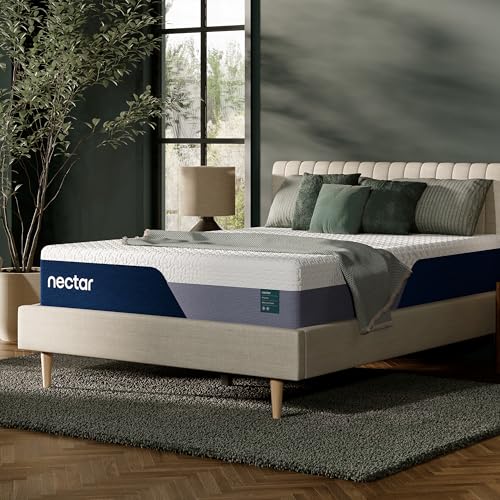
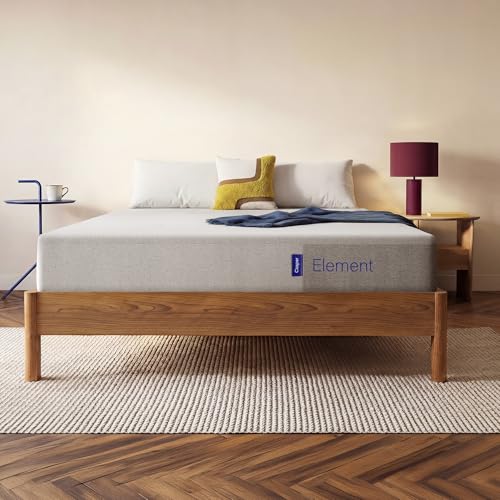
Casper Sleep Element, Queen
Badge: The simple foam option. The Element is Casper stripped to its essentials: a medium-feel foam mattress whose listing emphasizes motion isolation, breathable cooling foam, and a 100-night trial. In this comparison it plays the role of the low-fuss purchase — the bed for a first apartment, a soon-to-be guest room, or a shopper who has decided that a good medium foam bed at a modest tier beats a month of research.
Spec box (from the verified listing title):
- Feel stated by maker: medium
- Construction: memory foam, all-foam build
- Trial stated in listing: 100-night trial
- Certification noted: CertiPUR-US
- Size referenced: queen
Strengths
- Motion isolation is the best in this comparison, courtesy of the solid foam build.
- Medium feel asks nothing of the buyer — no firmness homework before checkout.
- Light, simple delivery and setup compared with any hybrid box.
Trade-offs
- Uniform foam support is the weakest tool here for heavier back and stomach sleepers.
- Foam edges compress under seated weight.
- Runs warmer than either hybrid in the comparison.
Best for: solo sleepers, guest rooms, and foam fans on a budget tier. Not suited for: heavier sleepers or anyone who needs firm, flat support.

Casper Sleep Original Hybrid, Queen
Badge: The true WinkBed rival. Put springs under Casper’s foam and the comparison with WinkBed becomes a genuine contest of tuning. The listing describes an 11-inch hybrid with a medium feel, breathable memory foam, and zoned support, which means Casper is chasing the same lumbar story WinkBed tells, executed with its own foam recipe and spring layout.
Spec box (from the verified listing title):
- Profile: 11 inches
- Feel stated by maker: medium
- Construction: memory foam over zoned spring support
- Trial stated in listing: 100-night trial
- Size referenced: queen
Strengths
- Zoned support answers the back-sleeper argument WinkBed usually wins by default.
- Coil core improves airflow and edge strength over the Element.
- Medium feel suits mixed-position couples without a firmness debate.
Trade-offs
- No firmness menu: very light or very heavy sleepers take the middle as given.
- Heavier box than the all-foam Element on delivery day.
- Motion isolation, while good, does not match a solid foam stack.
Best for: couples and back-leaning sleepers who want hybrid support inside Amazon’s system. Not suited for: shoppers who know they need an unusually firm or soft build.
Round Five: The Buying Routes Themselves
Comparisons usually stop at the beds, but winkbed vs casper is half a comparison of shops. Buying from WinkBeds means the maker’s own trial, the maker’s own delivery schedule, and the maker’s own support desk. Direct brands tend to compete on generous trial lengths and on exchange policies for firmness swaps, because they have no showroom and no marketplace to lean on. Read the current terms on the brand’s site before ordering; they, not this article, govern the purchase.
Buying Casper through Amazon means the platform’s checkout, tracking, and returns machinery, a 100-night trial stated in the listings, and the ability to bundle the bed with a protector, pillows, and sheets in one order. For households that manage everything through one account, that convenience is a real feature, not a triviality. The counterweight is that firmness exchanges are not really Amazon’s game; a wrong feel usually means a return and a fresh decision rather than a swap arranged by a sleep specialist.
Either way, the supporting purchases matter. Both beds want a supportive, compatible base; both will feel taller than the worn mattress they replace; and both reward a protector from night one. Readers building a full Casper-leaning setup may also want Casper alternatives gathered in one place, and readers still circling the WinkBed side can compare WinkBed against a customizable hybrid and WinkBed against a luxury hybrid rival. Foam-curious shoppers should also read the best purple mattresses before deciding that these two brands are the whole market, and anyone furnishing a small space can sanity-check sizing against mattresses for apartments.
How to Decide in Ten Minutes
Answer three questions in order. First, what is your dominant sleep position, and does your body weight push you toward an extreme of firmness? If yes to an extreme, WinkBed’s menu or a firmer alternative deserves your attention; if you are a middle-weight, mixed-position sleeper, Casper’s fixed medium was designed for you. Second, which failure would annoy you more: a bed that sleeps a little warm and still, or a purchase process that runs through a maker’s website and support desk instead of a platform you know? Your answer assigns the channel. Third, who else sleeps in the bed, and what is their loudest complaint about the current one? Buy for the loudest complaint in the household, not for the average of two mild preferences.
If the answers point in opposite directions — you want WinkBed’s firmer build but Amazon’s checkout — the Original Hybrid is the honest compromise, accepting a fixed medium feel in exchange for the platform. If they point toward WinkBed but the direct route still gives you pause, remember that the trial is the product as much as the foam is: order only when you have read the return mechanics closely enough to use them without stress.
Common Mistakes in This Comparison
Shoppers treat “hybrid” as a synonym for firm, when both hybrids here sit near the middle of the feel range and differ mostly in response and airflow. They compare headline trial lengths without reading return mechanics, although the pickup process is what they will actually experience if the bed fails. They assume the Element and the Original Hybrid are the same Casper in two boxes, when the spring core changes support, temperature, and edges all at once. And they forget the foundation, laying a zoned hybrid over a dying box spring and then blaming the mattress for the valley that forms by month two.
The WinkBed Side in Depth
To judge the comparison fairly, the WinkBed side deserves the same close reading the Casper listings received, with the caveat that its details come from the maker’s published descriptions rather than from a marketplace listing this site could verify line by line. WinkBeds is an American direct brand built around a single flagship idea: a hybrid mattress that behaves like the supportive hotel beds many adults grew up trusting, refined with foam comfort layers and a reinforced lumbar zone. Around that flagship, the company has added an all-foam model, the GravityLux discussed elsewhere in this wave, and a latex hybrid under its EcoCloud name, which tells you the brand thinks in terms of material philosophies rather than endless model sprawl.
The flagship’s construction story, as the maker tells it, runs foam over individually wrapped coils, with the coil unit zoned so the middle of the bed pushes back harder than the ends. That zoning is the brand’s signature claim and the reason back sleepers dominate its marketing. Wrapped coils also explain the bed’s traditional virtues: it is comparatively easy to move on, the perimeter feels usable, and air circulates through the support core in a way no foam slab can match. The firmness menu wraps around all of this — the same basic architecture delivered in softer, middle, and firmer calibrations, plus a plus-scale build the brand aims at heavier bodies.
What WinkBed does not offer is equally informative. There is no showroom network to lie on one first, no marketplace listing to fold into a larger order, and no budget tier: the brand occupies the premium direct segment and prices its story accordingly, in tier terms well above a Casper Element. A shopper who values a single accountable seller and a long trial will call that focus. A shopper who wants next-week delivery inside a familiar platform will call it friction. Both are describing the same facts.
The Casper Side in Depth
Casper’s history explains its tuning. The company helped invent the modern bed-in-a-box category by betting that one well-judged medium feel could serve most sleepers, and although its range has since widened into hybrids and premium models, that founding bet still shapes the Element and the Original: fixed feels, plain language, and an emphasis on removing decisions rather than offering them. Where WinkBed asks “which firmness are you?”, Casper asks “why should firmness be your problem?”
The Element is that philosophy at its purest — one foam bed, one feel, modest tier, done. The Original Hybrid complicates it slightly by adding springs and zoned support, an admission that the broad middle of sleepers still divides into back sleepers who want pushback and side sleepers who want cushion. Casper’s foam recipes lean breathable, with open-cell style language in its listings, because the brand knows foam’s warm reputation is the main objection its fixed-feel foam beds face.
The practical consequence for this comparison is that “Casper” names a range of commitment. A shopper can enter at the Element’s simplicity and never think about mattresses again for years, or climb to the Original Hybrid and stand toe-to-toe with WinkBed’s architecture. WinkBed, by contrast, starts at a higher tier of engineering and asks more of the buyer’s attention from the first click. Neither posture is a trick; they are different answers to the question of how much mattress shopping a person wants to do.
Durability and the Five-Year View
Five years in, what separates these beds is less their first-night feel than how their materials age. Coil support systems tend to hold their character for a long time and fail, when they fail, gradually and evenly. Foam comfort layers soften with use, fastest where the heaviest sleeper lies, which is why rotating a mattress head-to-foot matters and why a couple with a large weight difference may see one side age ahead of the other on any brand. WinkBed’s firmer builds and zoned coils are, in category terms, a durability argument as much as a comfort one: more pushback in the middle is also more resistance to the middle wearing first. Casper’s Element, as the simplest foam object here, should be bought with the most modest lifespan expectations of the three, which its tier honestly reflects.
Warranty language deserves a skeptical read on both sides. Mattress warranties typically respond to measurable impressions beyond a stated depth, not to the subjective softening owners actually notice, so a long warranty is not a promise that the bed will feel new for its whole term. The trial, again, is the meaningful protection, because it tests the thing you can actually judge: how you sleep now. Judge durability claims by construction and materials, judge the purchase by trial terms, and keep the protector on so neither claim is ever complicated by a stain.
Sizes, Split Setups, and Household Logistics
Both brands sell the standard size ladder, and both will happily sell you a king — which, for couples divided on firmness, is often the wisest money in the whole comparison, since width forgives what firmness cannot. Households with adjustable bases or partners with irreconcilable needs sometimes split a king into two twin XL mattresses, a route that lets each side pick a different brand entirely; a WinkBed on one side and a Casper on the other is a legitimate, if diplomatically delicate, resolution to this entire comparison. Adjustable-base shoppers should confirm each model’s compatibility with the maker or listing, since foam and hybrid beds flex differently and warranty terms sometimes specify approved base types.
Delivery logistics differ by channel more than by brand. Marketplace stock moves through warehouse networks built for speed, while direct beds may be built closer to order and travel on the maker’s schedule. In both cases the box is heavy, a king especially, and planning the route from door to bedroom — including who helps carry it — is part of the purchase. Old mattress removal is another quiet divider: platforms and brands vary in whether they offer it, and a household without a plan for the old bed should settle that question before the new box arrives, not after.
How to Read Owner Reviews for These Two Brands
Owner feedback for both brands follows the physics of their designs, and reading it with that map in hand prevents whiplash. WinkBed reviews cluster around support and firmness calibration: praise from back sleepers who finally feel held flat, complaints from side sleepers who chose a firmer build than their shoulders wanted. Casper reviews cluster around convenience and the medium feel’s broad adequacy, with complaints arriving from the extremes — heavy stomach sleepers who sink, light side sleepers who float. Notice that both brands’ complaints are mostly firmness-fit complaints, which means they are mostly avoidable by matching build to body before ordering, and mostly unfixable by brand loyalty afterward. The most useful review for you is always the one written by someone with your weight, your position, and your previous bed; everything else is atmosphere.
A Worked Decision: Four Households, Four Answers
Abstract verdicts help less than concrete ones, so consider four households facing exactly this comparison. The first is a couple in their thirties, both back sleepers, one of them sixty pounds heavier, replacing a sagging innerspring in a warm apartment. Their loudest complaint is waking with stiff lower backs; their second is heat. WinkBed’s firmer hybrid build answers the first complaint directly and its coil core helps the second as much as any mattress can, so the direct route is worth its friction for them — provided they read the trial terms and keep the protector receipt.
The second household is a solo side sleeper in a first apartment, light-framed, furnishing everything at once on a tight overall budget. Her loudest complaint is a sore shoulder from a hand-me-down futon, and her scarcest resource is not money but decision energy. The Element answers her honestly: medium foam cushioning for the shoulder, a simple delivery she can manage alone, and a tier that leaves budget for the pillows and sheets a new bed demands. Telling her to research firmness menus would be worse advice than the bed.
The third household is a mixed-position couple, one partner a restless rotator, the other a light sleeper who wakes at movement. Their complaints pull in opposite directions — he wants responsiveness, she wants stillness — and the Original Hybrid is the designed compromise: springs enough for his turning, foam enough to keep his turning from crossing the bed, zoned support for the back sleeping they both do by morning. A king, if the room allows it, buys them the rest of the peace.
The fourth household is a stomach sleeper living with a much lighter side-sleeping partner, the hardest pairing in mattress shopping. No single fixed-feel bed serves both, and this comparison’s honest output for them is WinkBed’s firmer build tested rigorously through the trial, or a split king with two different beds entirely. What they should not do is average their preferences into a medium foam bed that leaves him hammock-curved and her shoulder perched, which is the outcome most couples in their position report regretting.
What About the Other Beds in Each Range?
Both brands sell beyond the models compared here, and a thorough shopper will meet them. On the WinkBed side, the all-foam GravityLux moves the brand toward Casper’s foam territory while keeping the firmness menu, and the latex EcoCloud moves it toward responsive, breathable luxury; readers whose real question is foam-versus-hybrid inside one brand should start there. On the Casper side, the range climbs from the Element through the Original to premium hybrid models with more elaborate cooling and support stories, each step narrowing WinkBed’s engineering lead while keeping the fixed-feel philosophy and the platform convenience. The comparison’s logic survives those upgrades: at every tier, WinkBed offers calibration and Casper offers fluency, and your household’s loudest complaint should pick between those virtues rather than between logos.
It is also worth naming the wider field for one paragraph, because some readers will discover that neither brand’s answer fits. Latex hybrids serve sleepers who want responsiveness without coils’ motion; budget foam brands serve guest rooms better than either contestant; and adjustable split setups serve couples whose disagreement is structural rather than mild. Our wider guides exist for those readers, including firm queen mattresses compared and soft queen mattresses compared, which sort the market by feel rather than by brand allegiance.
Setting Up and Judging the Winner Fairly
Whichever side of this comparison you buy, the first month decides whether you keep it, and a little structure makes that month informative. Photograph your old setup before it leaves, because you will misremember its height and feel within a week. Unbox the new bed in the morning if you can, so it has the full day to expand before its first night, and keep the room ventilated while the new-material smell fades. Sleep on your usual pillows and bedding for the first several nights rather than changing everything at once; changing one variable at a time tells you what the mattress itself is doing. Note, briefly and in writing, how your back, shoulders, and sleep continuity feel on mornings one, seven, fourteen, and twenty-eight. Foam and hybrid beds both shift during break-in, bodies shift more slowly still, and a dated note beats a vague impression when a trial deadline approaches.
Rotate the bed head-to-foot once in the first month if the maker permits it, confirm the foundation is doing its job — no sagging slats, no tired sprung base — and resist judging temperature until you have slept through a genuinely warm night with your normal bedding. If, by the end of the trial’s first half, the loud complaint you bought the bed to solve is unchanged, start the return or exchange conversation then rather than hoping month two will reverse it. Trials are generous precisely so that shoppers use them decisively.
What “Medium” Actually Means, and Why It Decides This Comparison
The entire winkbed vs casper question quietly rests on one word: medium. Casper’s fixed feels live there, WinkBed’s most popular build lives near there, and most adults sleep acceptably there — which is precisely why the differences between these brands concentrate at the edges of the population. Medium, in practice, means a surface that lets a shoulder sink a moderate amount, holds a back sleeper’s pelvis roughly level, and asks a stomach sleeper to accept a slight curve. For a sleeper of average weight in mixed positions, that bundle of compromises feels like no compromise at all, and such sleepers often cannot tell premium beds apart after a week. Mattress marketing depends on that fact less than it appears to, because the shoppers who read comparisons are rarely the average sleeper; they are the ones the average bed failed.
So locate yourself honestly before choosing. If you have slept comfortably on hotel beds, friends’ guest beds, and a college futon, you are probably in the broad middle, and Casper’s fluency was built for you. If specific beds have hurt you in specific ways — a shoulder that aches on anything firm, a back that stiffens on anything soft, a partner whose turning ends your night — you are shopping from the edges, and calibration, zoning, and trial length matter more than convenience. WinkBed’s whole business is a bet that edge shoppers will do homework; Casper’s is a bet that middle shoppers outnumber them. Both bets have paid off for years, which is why this comparison has no universal winner and why any review that names one without asking about your body is selling something.
The Tier Conversation, Without Invented Prices
This site does not print fixed mattress prices, because they change too often to stay honest in an article, but tier relationships are stable enough to discuss. The Element occupies the accessible tier of branded foam beds. The Original Hybrid sits a clear step above it, where most mainstream hybrids live. WinkBed’s flagship occupies the premium direct tier, above the Original Hybrid’s neighborhood, and its plus and latex siblings climb from there. What the steps buy is real but specific: more elaborate zoning, firmer calibration options, heavier builds, longer stated trials. What they do not buy is a different category of sleep for the average body. A household deciding between tiers should therefore ask which specific feature the step purchases — a firmness build, a coil core, an extra trial month — and whether that feature addresses their named complaint. Paying a tier for a feature you do not need is the most common way mattress budgets leak, and both brands, like all brands, are happy to let it happen.
Ancillary spending follows the same tiers. Premium beds tend to be taller, which can trigger deep-pocket sheet purchases; heavier hybrids can demand a sturdier frame than a foam bed does; and a household upgrading from a tired twin to a king anything should budget for the bedding change in full. None of this favors either contestant, but a shopper who prices the whole project will not be ambushed by it, and the platform convenience of Casper’s side does make bundling those extras into one delivery genuinely simpler.
Edge Cases Worth a Paragraph Each
Adjustable bases. Both brands sell into the adjustable-base market, but flexibility varies by model and the warranty fine print sometimes names approved base types. A reader whose base purchase is non-negotiable should confirm compatibility for the exact model, in writing, before the mattress ships.
Very hot climates and uncooled rooms. In a bedroom that cannot be cooled, construction differences shrink and material differences dominate: no foam-forward bed, Casper or otherwise, will feel airy at eighty-five degrees, and WinkBed’s hybrid advantage narrows to “less warm” rather than “cool.” Such readers should weight latex and traditional innerspring options outside this comparison more heavily than brand loyalty inside it.
Temporary and transitional living. A bed bought for a year of graduate school, a work assignment, or a first lease should be bought like the Element: light, simple, and easy to resell or demote to a guest room. A bed bought for a decade in a settled home can justify WinkBed’s deliberateness. Matching the purchase’s ambition to the household’s horizon is a form of honesty neither brand’s marketing will perform for you.
Back problems and medical questions. Both brands’ beds are comfort products. Neither diagnoses, treats, or prevents any condition, and a shopper whose pain is persistent, worsening, or accompanied by other symptoms needs a clinician’s input that no comparison article can substitute. Within that boundary, the trial is the ethical way to test a bed’s effect on your own mornings.
A Brief History of How These Two Brands Came to Disagree
The disagreement between these brands is really a disagreement about what went wrong with mattress shopping in the first place. The older industry sold beds through showrooms, where a shopper lay down for four self-conscious minutes under fluorescent light and then negotiated a price nobody else in the store would be offered. The first wave of online brands, Casper most famously, attacked that model’s absurdity: one bed, one fair price, shipped in a box, judged at home over a long trial instead of in a store over a long afternoon. The simplification was the product as much as the foam was, and millions of sleepers who had dreaded mattress stores bought happily into being told that one medium feel was enough.
The second wave, where WinkBed lives, accepted the box and the trial but rejected the simplification. Its founders’ bet was that the showroom’s one real virtue — choice of firmness, guided by someone paying attention — had been thrown away with its vices, and that a direct brand could restore calibration without restoring the fluorescent lights. Hence the firmness menu, the heavier and more traditional hybrid construction, and the support-first marketing aimed at back sleepers who felt the one-feel revolution had passed them by. Read this way, winkbed vs casper is not a contest between two mattresses but between two theories of the shopper: one trusts the average, the other courts the exception. Most households contain one of each, which is why the argument survives every attempt to settle it with a single verdict.
There is a third lesson in the history, and it belongs to the reader. Both theories agree on the trial, because both brands learned the same thing from the showroom era: nobody can judge a mattress quickly, in public, fully clothed, with a salesperson watching. Whatever you buy from this comparison, buy it on terms that let the judgment happen slowly, at home, in your own bed frame and bedding, across ordinary and difficult nights alike. That shared agreement is the most trustworthy sentence in either brand’s marketing, and the one this article most wants you to keep.
What Each Brand’s Owners Tend to Say a Year Later
Long-term owner sentiment, read across both brands’ public feedback, tells a consistent story about where satisfaction actually comes from, and it is rarely the feature that sold the bed. WinkBed owners who remain happy a year on tend to credit the unglamorous things: the bed still feels flat and supportive, the edges still hold when they sit to put on shoes, the exchange they made during the trial — a softer build swapped for a firmer one, or the reverse — landed them on the right calibration. The recurring regret in that camp is channel regret, not sleep regret: a slow delivery, a support interaction that took patience. Casper owners who remain happy credit the opposite virtues: the bed arrived without drama, asked nothing of them, and quietly suited a body that never needed calibration in the first place. Their recurring regret is extremity regret — the heavy stomach sleeper who wishes he had bought firmer, the light side sleeper who wishes she had bought softer.
Notice what that pattern teaches. Satisfaction tracks the match between the shopper’s self-knowledge and the brand’s philosophy more than it tracks any material. The happiest WinkBed owners are the ones who knew their requirement and used the menu; the happiest Casper owners are the ones who correctly judged that they had no special requirement to serve. Misery, in both camps, belongs to shoppers who bought the other brand’s philosophy by accident — the exception who bought the average bed, the average sleeper talked into a research project. If this comparison has a single practical sentence, it is that one: know which kind of sleeper you are before you decide which kind of brand to buy, and let the trial, not hope, arbitrate any remaining doubt.
One More Consideration: The Bed You Already Own Is Evidence
Before ordering from either side of this comparison, interrogate the mattress you are replacing, because it is the best data you own. Where has it failed — in the middle, at the shoulder line, everywhere at once? A bed that failed in the middle is telling you its support core gave up, which argues for the strongest support story in your budget and against topping or repeating a light foam build. A bed that never failed structurally but always felt wrong is telling you its feel was miscalibrated for your body, which argues for WinkBed’s menu or for changing material families entirely rather than buying a similar bed with a new logo. A bed that suited you for years and simply aged out argues for the least dramatic purchase of all: the closest modern equivalent, which for many innerspring veterans is a hybrid like WinkBed’s or Casper’s Original, and for many foam converts is a straightforward foam bed like the Element.
Also interrogate your pillows before blaming any mattress for a sore neck. A new bed changes sleep-surface height, and a pillow loft chosen for a sunken old mattress can crane the neck on a fresh, taller one. Both brands’ owners occasionally condemn a mattress in week one for what turns out to be a pillow mismatch, then quietly reverse themselves after a loft change. Keep your old pillows for the first nights, by all means, but hold the suspicion in reserve: if the body feels supported and the neck does not, the pillow is the cheaper suspect, and solving it there leaves a good mattress purchase intact.
And a Note on Buying for Someone Else
A surprising share of these two brands’ beds are bought by one person for another: a parent furnishing a student’s first apartment, an adult child replacing a parent’s worn mattress, a host upgrading a guest room before a long visit. Buying for someone else inverts this comparison’s logic. Calibration is a gift only when you truly know the sleeper’s body and habits; otherwise the fluent, middle-feel purchase is the safer generosity, because a medium bed rarely delights but seldom offends, and the recipient can exchange within the trial without the awkwardness of criticizing a carefully researched present. If the bed is for an older parent, prioritize edge strength, moderate total height with their existing base, and a delivery that includes placement rather than a box abandoned at the door — logistics they will remember longer than foam formulations. If it is for a guest room, buy like the second household in the worked examples above: simple, medium, and durable enough for a decade of occasional nights, and spend the savings on the pillows and bedding guests actually touch.
A Note on Bedding, Because It Changes the Verdict at the Margins
Whichever bed wins your comparison, the first layer your skin meets is not the mattress but the sheet, and bedding can rescue or ruin a marginal firmness decision. A taut, crisp cotton sheet makes any bed feel a fraction firmer and cooler; a soft, stretchy knit lets the foam beneath it do more of its contouring work. Couples who disagree mildly about a bed sometimes discover that the disagreement was partly textile: the partner who wanted softer was really asking for a surface that yields immediately, which a knit sheet and a thin topper can supply on one side of a king without touching the other side’s support. Keep this in reserve during the trial. Before concluding that a mattress is wrong, it is worth one experiment with the bedding you already own — a different sheet set, the duvet folded back, a pillow of another loft — because those experiments are free, reversible, and occasionally decisive, and because a return started over a solvable bedding mismatch wastes a trial that a better-matched bed will later need.
Final Word
WinkBed is the deliberate purchase: more support engineering, a firmness decision to make, a direct channel to deal with, and a bed that rewards shoppers who know what their body needs. Casper is the fluent purchase: a medium feel that suits the broad middle of sleepers, two clear constructions, and Amazon’s machinery wrapped around both. The Element serves simplicity, the Original Hybrid serves the genuine head-to-head, and WinkBed serves the shopper who reads comparisons like this one all the way to the end — which suggests you already know which kind of buyer you are.
Related guides
Frequently Asked Questions
Can I buy a WinkBed mattress on Amazon?
Checking the Amazon catalog on 23 November 2026 returned no WinkBed listing; the brand sells through its own website. That is why only the Casper side of this comparison carries purchase links.
Which bed is firmer, WinkBed or Casper?
It depends on the build chosen. WinkBed lets the buyer select a firmness, including firmer options beyond Casper’s fixed medium range, while Casper’s Element and Original lines sit around medium to medium-firm for most sleepers.
Which is better for back sleepers?
WinkBed’s support story, with its lumbar emphasis and firmer builds, is aimed squarely at back sleepers. Casper’s Original Hybrid narrows the gap with zoned support, while the all-foam Element is the least back-focused bed in this comparison. No mattress treats back conditions; persistent pain deserves professional advice.
Which sleeps cooler?
The hybrids, on both sides, because air moves through a coil core more freely than through solid foam. The Element is the warmest design here, though breathable bedding and a cool room matter as much as the mattress choice.
Is the Casper Element or the Original Hybrid the better WinkBed alternative?
The Original Hybrid, because it matches WinkBed’s architecture — foam over zoned springs — and competes on support. The Element competes on simplicity and price tier instead, which is a different argument.
What if my partner and I want different firmness?
Neither brand in this comparison sells a split-firmness queen as its standard offer, so couples usually compromise on size first — a king softens disagreements — and on the middle firmness that serves the partner with the stronger requirement, protected by the trial.