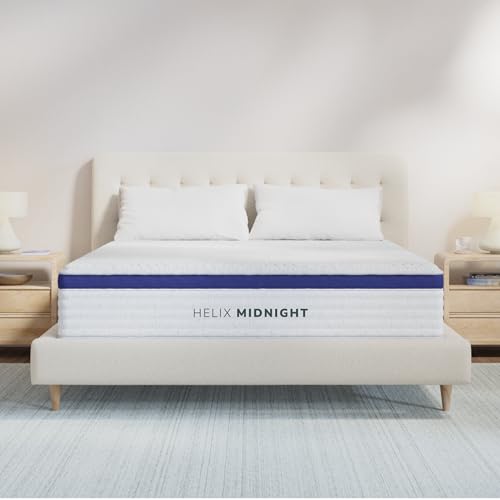
Disclosure: As an Amazon Associate, dailyhomedecorating.com earns from qualifying purchases. Links on this page are affiliate links; they cost you nothing extra. Prices and availability change often, so check the current Amazon listing before you buy.
The search for the best casper mattress alternatives starts from a position of respect: Casper’s medium-feel formula served a generation of sleepers well enough that “something like a Casper, but—” is now a complete shopping brief. The word after “but” is the whole decision. But firmer, but cooler, but cheaper, but plusher, but with springs, but with a longer trial — each version of the sentence nominates a different alternative, and this guide is organized by those sentences rather than by brand. Six mattresses are reviewed, every one verified in the Amazon catalog on 23 November 2026, beginning with the Casper Element itself as the baseline the others must answer to.
In this guide
Quick Picks
| Pick | The “but” it answers | Character |
|---|---|---|
| Casper Element | — (the baseline) | Medium foam, maximum simplicity |
| Purple Mattress | But cooler, and nothing like foam | GelFlex Grid over foam |
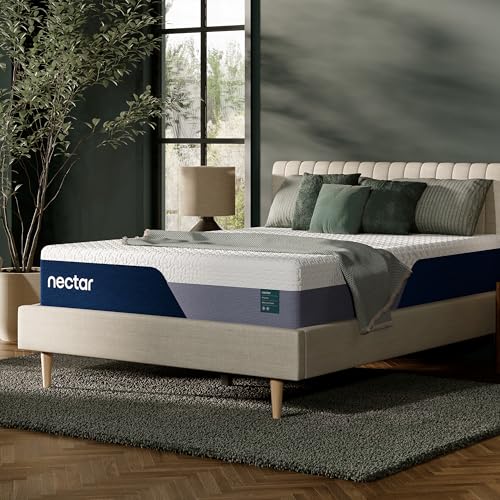
| Nectar 12 | But firmer, with a year to decide | Firm-leaning memory foam |
| Tuft & Needle Original | But less enveloping | Adaptive foam, medium firm |
| Leesa Original | But a touch more buoyant | Foam with a livelier recipe |
| Zinus 12 Green Tea | But at a budget tier | Memory foam, medium firm |
How the Baseline Earns Its Place
Casper’s achievement was never a material; it was a calibration. The company’s founding bet — that one medium feel, honestly executed, would serve the broad middle of sleepers better than a showroom’s worth of choices — survived contact with millions of bodies, and the Element distills that bet into its simplest purchasable form. An alternatives guide that pretends the baseline is a straw man insults its readers, many of whom slept happily on a Casper for years and are replacing it only because foam ages. So the Element leads this guide as the control: if none of the alternatives’ “buts” is your sentence, the correct purchase may be another Casper, and the guide’s remaining pages exist to help you discover whether one of them is.

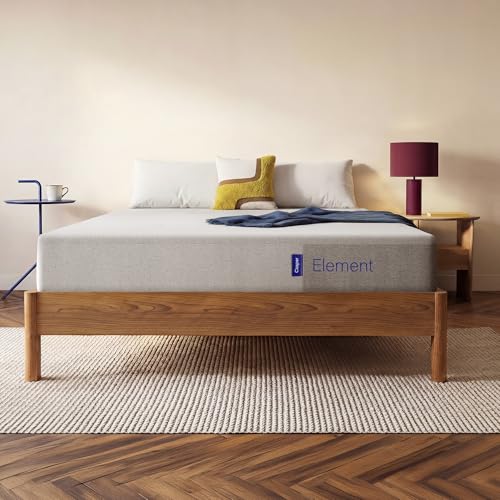
The Baseline: Casper Element, Queen
Badge: The control in the experiment. A medium-feel, all-foam mattress whose listing emphasizes motion isolation, breathable cooling foam, CertiPUR-US certification, and a 100-night trial. Its virtues are the ones that made the brand: it asks nothing, offends few bodies, isolates a partner’s motion beautifully, and arrives with the simplicity of a household appliance. Its limits are the ones that generate this guide’s search traffic: uniform support, a warm foam core, and a feel fixed at the middle whether your body lives there or not.
Facts from the verified listing title:
- Feel stated by maker: medium
- Construction: memory foam, all-foam build
- Trial stated in listing: 100-night trial
- Certification noted: CertiPUR-US
- Size referenced: queen
Strengths
- The safest single firmness guess in the industry.
- Excellent motion isolation for couples.
- Light, simple, and proven across an enormous ownership base.
Trade-offs
- No zoning, no firmness choice, no springs.
- Warmest architecture among this guide’s serious contenders.
- Edges surrender under seated weight.
Best for: the broad middle of sleepers, guest rooms, and anyone replacing a Casper with a Casper on purpose. Not suited for: bodies at the firmness extremes or sleepers who run hot.

Purple Mattress, Queen — “But Cooler, and Nothing Like Foam”
Badge: The material rebel. Purple’s GelFlex Grid — a hyper-elastic polymer lattice that buckles under pressure points and stands firm elsewhere — is the only genuinely different sleeping physics in this guide. It answers two Casper complaints at once: heat, because the open lattice is mostly air, and the foam sensation itself, for sleepers who discovered they dislike being cradled. Its 9.25-inch profile is the slimmest here, and its feel is the most polarizing object in the category, which is why its trial matters more than its description.
Facts from the verified listing title:
- Profile: 9.25 inches
- Grid layer: 2 inches of GelFlex Grid
- Traits named in listing: cooling, pressure relief, responsive, breathable
- Size referenced: queen
Strengths
- Point-by-point pressure relief side sleepers feel immediately.
- The coolest-feeling surface in this guide.
- Instant response — no foam lag, no hollow to escape.
Trade-offs
- The lattice feel divides sleepers absolutely.
- Thin profile gives heavier bodies less depth to work with.
- Perimeter gives more than a coil bed’s or a thick foam’s.
Best for: hot sleepers, side sleepers, and the foam-fatigued. Not suited for: traditionalists or heavy stomach sleepers.

Nectar 12-Inch Memory Foam, Queen — “But Firmer, With a Year to Decide”
Badge: The protection upgrade. Nectar answers the Casper owner whose medium became a hammock, or whose trial ended before their back had finished voting. The stance is firmer, the foam stack is a full twelve inches with a cooling top layer, and the listing states a 365-night trial — the longest experiment in this guide by a factor of three. For a back sleeper leaving Casper’s middle behind, this is the guide’s most direct nomination.
Facts from the verified listing title:
- Profile: 12 inches
- Feel stated in listing: firm feel
- Construction: memory foam with cooling top layer
- Trial stated in listing: 365-night trial
- Size referenced: queen
Strengths
- Firmer support holds a back sleeper’s line where medium foam yields.
- A year-long stated trial transforms the risk of switching.
- Cooling top layer moderates the foam experience honestly.
Trade-offs
- Light side sleepers may ride too high on the firm surface.
- Still foam: warm core, soft edges, foam’s aging curve.
- A tier above the Element’s simplicity.
Best for: back sleepers and the trial-burned. Not suited for: light side sleepers or shoppers who loved Casper’s softness.

Tuft & Needle Original, Queen — “But Less Enveloping”
Badge: The foam for people who dislike foam’s manners. Tuft & Needle’s adaptive foam is not memory foam: it does not wait for your heat, does not hold your shape like a mold, and does not make turning over feel like an exit negotiation. The stance is medium firm, the character cooler and more responsive than Casper’s, and the listing carries a 100-night trial with a ten-year limited warranty in its stated terms. Combination sleepers leaving Casper’s embrace usually land here first.
Facts from the verified listing title:
- Feel stated by maker: medium firm gel foam
- Construction: proprietary adaptive foam
- Trial stated in listing: 100-night trial
- Warranty stated in listing: 10-year limited
- Size referenced: queen
Strengths
- Responsive surface flatters position-changers.
- Cooler, less enveloping character than memory foam.
- Supportive stance suits back and combination sleepers.
Trade-offs
- Less pressure cradle for demanding shoulders.
- All-foam edges and all-foam warmth relative to hybrids.
- Firm-leaning first weeks can mislead light sleepers.
Best for: combination sleepers and anyone who felt “stuck” in a Casper. Not suited for: cradle devotees.
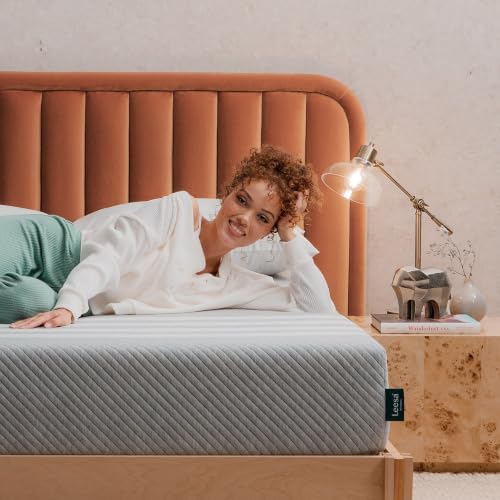
Leesa Original 10-Inch, Queen — “But a Touch More Buoyant”
Badge: The gentle lateral move. Leesa’s Original was Casper’s first great rival for a reason: a similar all-foam brief executed with a livelier top layer, so the sleeper rests a little more on the bed and a little less in it, with cooling language in the listing and a decade of ownership history behind the recipe. For the Casper owner whose complaint is a nuance — a bit warm, a bit stuck, a bit soft by year three — the Leesa is the smallest change that addresses all three nuances at once.
Facts from the verified listing title:
- Profile: 10 inches
- Construction: memory foam with cooling positioning in the listing
- Certification noted: CertiPUR-US
- Size referenced: queen
Strengths
- Livelier surface than the baseline without leaving foam’s family.
- Balanced feel rarely produces a household argument.
- Mature model with a long, legible ownership record.
Trade-offs
- Ten inches is modest depth for heavier bodies.
- Still an all-foam bed, with foam’s edges and warmth.
- Nuance-level difference; Casper loyalists may not feel the upgrade.
Best for: Casper owners with small, specific complaints. Not suited for: shoppers needing a firmness revolution.

Zinus 12-Inch Green Tea, Queen — “But at a Budget Tier”
Badge: The honest economy answer. Not every Casper alternative needs to climb; some households need the second bed, the rental, the first apartment, at a tier that leaves the budget intact for the rest of the room. The 12-inch Green Tea is that answer executed at its best configuration — medium firm, adequately deep, certified foams per its listing — with the budget tier’s known terms: foam that ages on a shorter schedule and protections to match. Bought with open eyes for the right room, it is not a compromise but a correct allocation.
Facts from the verified listing title:
- Profile: 12 inches
- Feel stated by maker: medium firm
- Construction: Green Tea memory foam
- Certifications noted in listing: CertiPUR-US and OEKO-TEX
- Size referenced: queen
Strengths
- Budget tier with a genuinely serviceable medium-firm foam bed.
- Depth that serves average bodies properly.
- Frees budget for the foundation, pillows, and bedding around it.
Trade-offs
- Foam durability on a budget schedule, especially under heavy nightly use.
- Warm, uniform foam support without zoning.
- Shorter protections than the premium picks.
Best for: guest rooms, rentals, first apartments, and disciplined budgets. Not suited for: a heavy primary sleeper planning a decade.
Choosing by Your Sentence After “But”
The guide’s method deserves one explicit pass, because it generalizes to every alternatives search in the category. Complete the sentence honestly before reading another review: my Casper was good, but — and then finish it with the complaint that survived the most mornings, not the one that sounds most sophisticated. But it sagged is a support sentence, and its answers are the Nectar’s firmness among foams, or the zoned hybrids beyond this guide. But it slept hot is a materials sentence, answered by the Purple’s lattice or the Tuft & Needle’s character among foams, and by coils or latex beyond them. But I felt stuck is a response sentence, answered by the Tuft & Needle and the Leesa’s livelier recipes. But it cost too much for a guest room is an allocation sentence, answered by the Zinus without apology. But nothing, actually is the most valuable sentence of all, and its answer is the Element, bought again with confidence. Shoppers who cannot finish the sentence should not buy yet; they should sleep on the incumbent another month with a notebook, because the sentence always arrives, and buying before it does is how households acquire a second mattress with the first one’s complaints.
Weight and position then audit the sentence’s answer. A heavy back sleeper whose sentence is heat should not let the heat answer override the support requirement; the correct purchase serves the heavier constraint first. A light side sleeper whose sentence is sagging should not buy the firmest remedy on the page; the Nectar’s stance would trade their solved problem for a shoulder problem. The sentence nominates, the body disposes, and the trial — chosen as long as the household can manage — ratifies.
What About Casper’s Own Other Beds?
Fairness requires noting that the first alternative to a Casper is sometimes another Casper. The Original Hybrid answers the support and airflow sentences from inside the brand, adding zoned springs beneath the familiar foam, and the brand’s premium lines climb from there toward cooling and calibration stories of their own. A Casper owner whose loyalty is to the company rather than to the Element should price that internal ladder before leaving it, because brand familiarity — with its foams’ character, its service, its trial mechanics — is a real asset that switching spends. This guide’s six picks earn their place for the reader whose sentence points outside the house: to a different material, a different tier, a different protection, or a different feel than any Casper calibration offers. Readers still inside the house can find the hybrid examined in WinkBed against Casper’s range, and the wider market’s shape in the best purple mattresses, firm queen mattresses, and Zinus’s own alternatives field.
Setup, Trial Discipline, and the Honest First Month
Every pick in this guide is a boxed bed, and boxed beds share a liturgy worth performing well. Unbox in the bedroom, on the foundation the bed will keep, after confirming that foundation is flat and closely supported; budget and premium foams alike sag into wide slat gaps and then take the blame. Ventilate the room for the first day, dress the bed with the protector before the first night, and resist changing pillows and bedding in the same week, so the new surface is the only new variable. Take the dated morning notes — back, shoulder, temperature, partner disturbance — at one week and at four, because foam beds break in and bodies recalibrate on different schedules, and the trial’s decision should be read from the second set of notes rather than the first. Rotate the mattress once in the first month if the maker permits it. And keep the packaging until the size and model are confirmed, a small discipline that has saved more returns than any review ever written.
Common Mistakes in the Alternatives Search
The first is shopping by logo proximity — assuming the alternative must be another famous name — when the sentence after “but” often points to an unglamorous construction change instead. The second is overcorrection, treated at length elsewhere in this wave: the medium-bed owner who buys the firmest object in the category and trades a solved problem for a shoulder. The third is ignoring the incumbent’s age: a seven-year-old Casper replaced by a new Element will feel like an upgrade even if nothing else changes, because foam’s aging, not Casper’s design, was the complaint. The fourth is comparing trial lengths without reading return mechanics. The fifth is forgetting that the alternative’s price is a basket — foundation, protector, possibly deeper sheets and new pillows — and that the basket, fairly counted, sometimes promotes the baseline back into first place.
The Casper Phenomenon, Briefly Explained for the Leaver
It helps to understand what Casper actually changed, because the alternatives market is unintelligible without it. Before the boxed era, a mattress was a showroom negotiation conducted on a bed you had lain on for four minutes, at a price that varied by salesperson and by weekend. Casper’s intervention was to declare the whole ritual unnecessary: one bed, tuned to the middle, sold at one price, judged at home for a hundred nights. The declaration was so successful that its terms became the category’s default grammar — every pick in this guide speaks it, with trials and boxes and medium feels — and the alternatives business is therefore not a rebellion against Casper’s model but a diversification within it. Each alternative exists because the middle, however well tuned, is a place rather than a world: bodies live at its edges, rooms run hot beyond its foam’s moderation, budgets sit below its tier and ambitions above it. A leaver is not correcting a mistake; they are using the freedom the model itself created, which is the freedom to judge a bed at home and to keep judging until the fit is right. That is worth remembering when brand rhetoric on any side tries to make a switch feel like a betrayal or a homecoming. It is a purchase. The sentence after “but” is its entire justification, and it needs no other.
Room by Room: Placing the Alternatives
The primary bedroom has dominated this guide, but alternatives are often bought for the other rooms, where the picks sort themselves by duty rather than by prestige. The guest room’s ideal is the Element or the Zinus — inoffensive, durable enough for occasional duty, priced so the household’s generosity can flow into pillows and linens instead. The teenager’s room, where a bed is outgrown in spirit before it is outworn in fact, wants the Leesa’s balance or the Tuft & Needle’s resilience, either of which will survive being studied on, lounged on, and eventually inherited by a first apartment. The rental property wants the Zinus’s arithmetic and a protector with real authority. The vacation home wants whichever pick’s delivery and trial can be managed between visits, which in practice means the platform’s logistics and a bed whose feel needs no supervision — the Element again, or the Leesa. And the primary bedroom of a couple in open disagreement wants the largest size the room allows before it wants any particular logo, because width settles more Casper-versus-alternative arguments than foam chemistry ever has.
Three Casper Households and Their Sentences
A couple whose six-year-old Casper had been, in their words, the best purchase of their first apartment, found their sentence in the bed’s second act: but it sleeps warmer than it used to, in a new house whose bedroom catches the afternoon sun. Their bodies had not changed and neither had the foam’s nature; the room had. They bought the Purple, less for its novelty than for its airflow, kept their Casper-era bedding, and reported the peculiar satisfaction of a switch that felt like a continuation — the same medium contentment, minus the August. Their case teaches the room’s role in every alternatives decision: sometimes the sentence after “but” is about the house, and the correct alternative is the one that answers the house.
A back sleeper whose Casper had been chosen by a partner’s research rather than his own body arrived at his sentence through three years of polite mornings: but it lets me sink where I need to be held. He bought the Nectar for its firmer stance and spent its long trial the way this wave keeps prescribing — notes, patience, a decision read from the second month — and his verdict, when it came, was less about the brand than about the discovery that firmness is a personal coordinate rather than a quality grade. His case is the guide’s most common one, and the Nectar exists on this page for him.
A pair of graduate students furnishing a shared house needed two beds and had one bed’s budget, and their sentence was pure allocation: but there are two of them. They bought the Zinus for the spare room and the Leesa for the primary, an arrangement that sounds like a compromise and functioned as a curriculum — within a year they knew exactly which feel the household preferred, knowledge that will govern a decade of later purchases. Their case dignifies the budget pick: bought knowingly, for the right room, it is not the cheap option but the reconnaissance.
Durability Expectations, Set Honestly for Every Pick
Alternatives shopping often smuggles in a hope that the next bed will last forever, and a guide owes its readers the category’s real aging curves. All-foam beds — five of this guide’s six — soften gradually under nightly load, fastest in the middle, fastest under heavy bodies, on schedules that run from the budget pick’s handful of years to the premium foams’ longer arcs. The grid bed ages differently, its polymer columns resisting impression while the foam beneath it follows foam’s rules. None of the six is a lifetime object, and the honest planning horizon for a primary bed in this guide is the better part of a decade for the premium picks under average bodies, less for the budget pick and less under heavy ones. Rotation, protection, and a worthy foundation stretch every one of those horizons, and a household that performs those three kindnesses will consistently out-sleep a household that buys a tier higher and neglects them. Longevity, in this category, is a behavior as much as a specification.
The Hybrid Door This Guide Deliberately Leaves Open
An attentive reader will notice that this guide’s bench is foam-heavy, and the reason is fidelity to the search: a Casper alternative is usually sought by a foam sleeper refining a foam decision. But a meaningful minority of Casper leavers are actually leaving foam itself — its warmth, its edges, its stillness-turned-stagnation — and for them the correct alternative is a change of architecture that this page should name plainly rather than gesture at. The hybrid field, where foam comfort rides on zoned coils, answers the support, airflow, and edge sentences simultaneously, at the cost of some motion isolation and some tier. The latex field answers heat and durability with a buoyancy foam never imitates. Both fields are covered elsewhere in this wave — the comparisons against WinkBed’s zoned hybrid run through them in detail — and the leaver whose sentence keeps failing to fit this guide’s six picks should take the hint their sentence is offering: the dissatisfaction is not with Casper but with foam, and no foam alternative, however well chosen, will retire it. Knowing when a guide’s ceiling has been reached is part of reading it well.
What the Listings Will Not Tell You, and the Trials Will
Every listing in this guide is a compressed argument, and the compression hides the same three things on every page. It hides how the bed will feel at your weight, because firmness is a relationship and the listing knows only its half of it. It hides how the bed will feel in your room, because temperature is a household property before it is a product property. And it hides how the bed will feel in month seven, because break-in and body adaptation rewrite every first impression in this category. The trials exist because those three unknowns cannot be published, only slept. A shopper who internalizes that stops reading listings as verdicts and starts reading them as nominations — this bed is worth a trial, that one is not — which is the most efficient posture the category allows. Nominate by the sentence, verify by the trial, and let the listings go back to being what they are: the beginning of the evidence, never the end of it.
The Environmental Ledger of Switching
Alternatives shopping has a footprint, and a conscientious guide should acknowledge it once. Every switched mattress is a large object manufactured, shipped, and eventually discarded, and a household that switches restlessly — chasing each season’s refinement — multiplies that footprint beyond any single bed’s materials story. The mitigations are the same behaviors that serve the sleep: diagnose before buying, so the switch is the last one for years; choose the configuration that will serve the household’s real horizon; keep the protector on and the rotation scheduled so the chosen bed reaches its full span; and route the departing Casper, if it has life left, to a guest room, a family member, or a donation stream rather than to the curb by default. Certifications such as the CertiPUR-US marks carried by several listings in this guide speak to foam content and emissions — the inspectable part of the ledger — while the uninspectable part, the sheer number of beds a household consumes in a lifetime, is governed entirely by the quality of its decisions. Buy once, on a named sentence, and the greenest paragraph in this guide is the one you never have to read again.
A Skeptic’s Note on “Cooling” Across This Whole Guide
Because heat is the loudest sentence in alternatives shopping, the word cooling deserves one consolidated audit across all six picks. On the Purple it names an architecture — an open lattice that is mostly air — and the claim survives translation into physics. On the Tuft & Needle it names a character — a foam that holds the body less closely and answers faster — and the claim survives as a comparison within foam. On the Nectar, the Leesa, and the Element it names surface treatments and breathable-foam formulations whose honest translation is “less warm than the foam you feared, warmer than any structure with air inside it.” On the Zinus it names an infusion story, the gentlest claim of all. A shopper who applies those translations will allocate their hope correctly: foam alternatives moderate heat, material alternatives — grid, coils, latex — address it. The guide’s picks are ordered by many virtues, but on this one the ranking is a physics table, and physics does not negotiate with marketing in either direction.
The Partner Problem, Revisited for Switchers
Couples switching from a Casper face a subtler negotiation than couples buying fresh, because the incumbent has been silently setting the household’s terms: both partners have adapted to its medium, and any alternative will feel like a change imposed on the partner who was content. The equitable method is to let the discontented partner’s sentence lead the nomination — they are the one the current bed is failing — while the contented partner holds a specific, bounded veto: not over the direction of the switch, but over its extremes, exercised after a fortnight on the new bed rather than from the listing. Size remains the great solvent, and a switch is the natural moment to buy it, since the household is already paying the disruption costs of delivery and disposal. Toppers, finally, are the switcher’s diplomacy: a thin layer on one half of a new bed can return a measure of the old bed’s kindness to the partner who misses it, without taxing the partner who fled it. Households that negotiate the switch this way report something the forums rarely capture — that the second mattress, chosen jointly from evidence, becomes a small household achievement rather than one partner’s purchase the other endures.
What to Do With the Old Casper
The departing mattress deserves a plan, and Casper-era beds have unusually good second acts available to them. A foam bed with years of even wear left is a genuine asset to a guest room, a teenager, a first apartment in the family, or a donation stream that accepts mattresses in clean, protected condition — which is one more reason the protector’s discipline pays out at the end as well as during the trial. A bed whose middle has gone should not be palmed off on a guest or a child out of household diplomacy; its honest destinations are recycling, where facilities exist, or disposal, and the city’s bulky-item calendar is the page to consult before the new bed’s delivery day rather than after it. Photograph the old bed’s label and condition for the household’s records, particularly if any warranty conversation remains open, and settle the exit before the replacement arrives, because two queens in one hallway is the specific purgatory this wave’s guides keep warning about. The switch, handled this way, reads as a household upgrading its equipment; handled carelessly, it reads as an accumulation, and the difference is entirely in the planning.
The Guide’s Method, Stated Once for the Record
Readers who have followed this wave’s mattress coverage will recognize the discipline, but an alternatives guide should state its own evidence rules explicitly, because the genre is notorious for laundering reputation into recommendation. Every pick here was confirmed in the Amazon catalog through the retailer’s product interface on 23 November 2026; the spec boxes quote only what the verified listing titles state; no price, rating, or review count appears anywhere in the guide, because those figures move and stale numbers mislead; no hands-on testing is claimed, and the characterizations of feel rest on each design’s construction and on the settled behavior of its material family, which is the strongest evidence available short of a trial. The trials, finally, are treated throughout as the decisive instrument — not as a marketing courtesy but as the only laboratory in which firmness-at-your-weight, temperature-in-your-room, and feel-in-your-marriage can actually be measured. A reader who wants more certainty than that method offers is not being failed by this guide; they are asking the category for something it does not contain, and the honest response is to say so.
Seasonal Timing and the Alternatives Calendar
A practical word on when to switch, since the category’s promotional calendar is as predictable as its trials are generous. The boxed-bed industry discounts around the familiar retail peaks — the summer holidays, the autumn events, the new year — and a household whose incumbent can serve another month without taxing anyone’s back will usually find its chosen alternative’s tier softened by waiting for one. This guide prints no prices and tracks no sales, so the counsel is structural rather than specific: decide the pick first, by the sentence, and then let the calendar choose the week, rather than letting a promotion choose the pick, which is the single most reliable way households end up owning the wrong mattress at an excellent price. The exception proves the rule — a bed that has failed outright, whose mornings are costing health and temper, should be replaced on the trial’s schedule rather than the calendar’s, because a month of bad sleep is also a price, and it is denominated in a currency sales do not refund.
And If Two Sentences Compete
Many households arrive with not one sentence but two — but it sleeps hot, and but it sags — and the guide should say how competing sentences are ranked, because the ranking is where alternatives shopping usually goes wrong. Rank by physics before preference: a support failure is progressive and will worsen through the new bed’s life if it is not answered, while a temperature preference is static and can be negotiated with bedding, room, and season. Rank by night count: the complaint that appears three hundred nights a year outranks the one that appears on August’s worst ten. Rank by body: the heavier, older, or more symptomatic partner’s sentence — within the standing boundary that symptoms belong to clinicians — outranks the adaptable partner’s. And rank by reversibility: the complaint a topper, a pillow, or a duvet change can answer should be answered there first, reserving the mattress purchase for the complaint only a mattress can solve. A household that ranks its sentences this way will usually find that one pick in this guide was nominated by the exercise itself, and that the other sentence has been quietly reassigned to the bedding budget, where it belonged all along.
The View From the Second Purchase
There is a particular clarity that only second-time buyers possess, and this guide has been written to borrow it for first-time leavers. The second purchase is never about the bed in the abstract; it is about the specific way the first bed’s promise expired — the month the middle softened, the summer the foam’s warmth became a grievance, the morning a shoulder started keeping its own calendar. Second-time buyers read listings differently, too: they skip the photography, interrogate the trial’s mechanics, price the foundation without being asked, and treat every superlative as a claim awaiting a construction. They also forgive differently — a new bed’s first-week strangeness does not frighten them, because they remember the first bed’s first week, and a partner’s initial skepticism does not read as a verdict. If this guide has a single ambition beyond its six picks, it is to lend that clarity in advance: to make the reader’s next mattress purchase behave like a second purchase even when it is, chronologically, a first switch. The sentence method, the ranking of complaints, the trial discipline, the exit planned before the entrance — all of it is second-purchase wisdom, written down so that it can be had at first-purchase prices.
A Last Look at the Baseline’s Quiet Virtues
Before the verdict, the baseline deserves one paragraph of ungrudging praise, because alternatives guides are structurally unkind to incumbents and this one has tried to be fair. The Element’s medium foam bed is, for the sleeper it fits, close to a solved problem: silent, still, simple, kind to shoulders, indifferent to seasons of fashion, and supported by a company whose service operation has processed more returns, exchanges, and midnight questions than any rival in this guide. Its ownership literature, read in bulk, is the sound of a product doing its job for the broad middle it promised to serve. The alternatives exist for the edges of that middle — and the edges, added together, are millions of sleepers — but a reader who finishes this guide and buys the baseline again has not failed the exercise. They have completed it, with the additional knowledge of exactly which edges they do not live on, which is worth the reading by itself.
The Midnight Summary, for the Partner Who Asked
One member of most households reads the guide; the other asks for the summary at midnight, and the summary deserves to exist in the article rather than be improvised badly. It goes like this. Our Casper was a good medium foam bed, and we are replacing it for one named reason. If the reason is heat, the strange purple grid bed is the answer, because it is mostly air. If the reason is that it went soft under your back, the firmer Nectar is the answer, and it gives us a year to be sure. If the reason is that you felt stuck in it, the Tuft and Needle is the answer, because its foam answers back. If the reason is small — a nuance here, a degree there — the Leesa is the answer, because it is the same idea tuned slightly livelier. If the reason is that the spare room needs one and money is finite, the Zinus is the answer, bought without a blush. And if there is no reason, the answer is another Casper, and the guide was still worth reading. Everything above this paragraph is the evidence for it; the paragraph is what the household actually needed, and a guide that cannot survive compression into it did not know its own argument.
Housekeeping for the Meticulous
Models in this category revise themselves on a calendar indifferent to articles: a foam is renamed, a profile changes by an inch, a trial’s terms are adjusted, a listing is refreshed with new language. This guide’s descriptions rest on the listings verified on the date in its sources file, and the live listing — read on the day of ordering — is the authority wherever a season has passed between the reading and the buying. What does not revise is the reasoning, because it rests on the category’s stable physics and economics: foam softens under load on a schedule weight sets, depth is function, airflow is architecture, a trial outranks a warranty, and a complaint correctly named is a purchase half made. A reader who finds a pick here superseded has lost a link and kept the compass, which remains the correct ratio for a shelf that reinvents itself twice a year.
One More Reader: the First-Time Buyer Tempted to Skip the Baseline
A final constituency deserves direct address: the first-time buyer who has never owned a Casper and arrived here because the alternatives looked more interesting than the incumbent. Their temptation is to treat the baseline as a default for other people and to buy novelty as a form of sophistication. The guide’s counsel runs the other way. A first boxed-bed purchase is an experiment about one’s own body — its weight class, its heat, its allegiance to cradle or level — and the cheapest, clearest first experiment in the category is a medium foam bed with a generous trial, which is to say something very like the baseline or the Leesa beside it. The exotic picks earn their premiums from sleepers who already know their coordinates; a first-time buyer does not yet, and the grid’s polarization or the firm bed’s austerity can waste a trial teaching a lesson the middle would have taught kindly. Buy the middle first, keep the morning notes, and let the second purchase — if one is ever needed — be the interesting one. Sophistication in this category is not owning the strangest bed; it is knowing, from evidence, exactly which bed you own and why.
And one sentence of parting counsel, offered to every reader regardless of pick: the best alternative to a Casper is the mattress whose trial you actually run — notes kept, variables held steady, decision made from the second month’s mornings — because an unexamined trial converts even the perfect alternative into another anecdote, while an examined one converts even a modest pick into a decade of unremarkable, restorative nights, which is all any bed in this guide was ever promising.
A Note on Reading This Guide Beside Its Sibling
This guide has a deliberate sibling in the same wave — the survey of alternatives to Zinus — and readers comparison-shopping the whole budget-to-premium ladder may wonder why the two benches overlap without duplicating. The overlap is the market’s own shape: the same half-dozen verified mattresses anchor every honest alternatives conversation in this tier, because the category’s credible middle is genuinely that compact. What differs between the guides is the direction of travel — one written for the household climbing from the budget shelf, this one for the household refining a premium-middle purchase — and direction changes the advice even where the objects are shared: the Zinus is a destination in one guide and a reconnaissance in the other, the Nectar a ceiling in one and a floor in the other. Read the guide that matches your direction, and let the other stand as evidence that the shelf, honestly surveyed, is smaller and more navigable than its marketing suggests.
Envoi
Casper’s deepest contribution to this market may end up being the alternatives themselves: by proving that a mattress could be judged at home, returned without shame, and discussed in plain language, the company created the conditions under which its own customers could leave it intelligently. This guide is a product of those conditions, and so is every pick in it. Whoever wins your order — the incumbent renewed, the grid, the firm foam, the lively foam, the balanced veteran, or the budget’s honest answer — the manner of the winning matters as much as the name: a named complaint, a verified listing, a trial honestly run. Sleep, in the end, is not brand-loyal, and neither, after a guide like this one, should you be.
Final Recommendation
Let your sentence decide. Cooler and different: the Purple. Firmer and safer: the Nectar. Less enveloping: the Tuft & Needle. A nuance better: the Leesa. A tier cheaper: the Zinus 12. Nothing at all: the Element, again, without a flicker of embarrassment. Casper built the middle of this market so well that leaving it should require a reason, and this guide’s whole argument is that the reason — named precisely, audited by your body, protected by a trial — is the only brand loyalty worth having.
Frequently Asked Questions
What is the best alternative to a Casper mattress overall?
There is no single answer, because “alternative” implies a direction. For most Casper leavers the Tuft & Needle Original is the closest like-for-like step with a cooler, more responsive character; for back sleepers wanting firmer support it is the Nectar; for hot sleepers it is the Purple. Your complaint names the pick.
Which alternative sleeps coolest?
The Purple, whose open grid is mostly air and does not hold heat the way foam does. Among the foam picks, the Tuft & Needle’s adaptive foam feels coolest in character. In a genuinely hot room, consider a hybrid or latex bed, and remember bedding and room temperature dominate any mattress.
Which alternative is most similar to Casper?
The Leesa Original — an all-foam bed of similar brief with a slightly livelier surface — and, trivially, Casper’s own Element and Original lines. Shoppers wanting similarity with one nuance fixed should start with the Leesa.
Which alternative is best for back sleepers?
The Nectar, for its firmer stance and year-long stated trial, among this guide’s picks; back sleepers who need zoned support should also look at hybrid designs. No mattress treats back conditions, and persistent pain warrants professional assessment.
Is the Zinus really a Casper alternative?
For the rooms and budgets it suits — guest rooms, rentals, first apartments — yes: a medium-firm foam bed at a budget tier. For a heavy primary sleeper planning a decade of nightly use, its foam will age sooner than the premium picks, and the honest alternative is to climb.
Should I just buy another Casper?
If your old Casper served you well and simply aged, quite possibly yes — a fresh Element or the Original Hybrid restores the feel you already know you like. Alternatives earn their premium when a specific complaint — heat, softness, support, response — has named itself across many mornings.