Disclosure: As an Amazon Associate, Reviews Took earns from qualifying purchases. Links to Amazon on this page are affiliate links; they cost you nothing extra.
Check depth and stability.
This guide is built from Amazon product listings and maker specs, not our own testing, so confirm size, contents and current price on each product page. Health products are for general information and are not medical advice.
Check the current price on Amazon.com for each product.
Last updated: November 2, 2026.
In this guide
Quick Picks
| Product | Type | Best for |
|---|---|---|
| Metal Bird Bath for Outside Outdoor Removable 40” Tall | Bird bath | attracting birds |
| Bird Bath Heater for Outdoors Winter 100W Heated Bird Bath Deicer | Bird bath | attracting birds |
| 120W Bird Bath Heater for Outdoors in Winter Birdbath Heater White | Bird bath | attracting birds |
| 100W Heated Bird Baths for Outdoors Heated Birdbath Terracotta | Bird bath | attracting birds |
| 35In Metal Bird Bath for Outside Vintage Freestanding Birdbaths | Bird bath | attracting birds |
| 35In Metal Bird Bath for Outside Vintage Freestanding Birdbaths | Bird bath | attracting birds |
Our Picks

1. Metal Bird Bath for Outside Outdoor Removable 40” Tall
A Metal Bird Bath for Outside Outdoor Removable 40” Tall (bird bath), per the listing. Check price on Amazon.
Good for: attracting birds. Watch out: Clean and refill often.
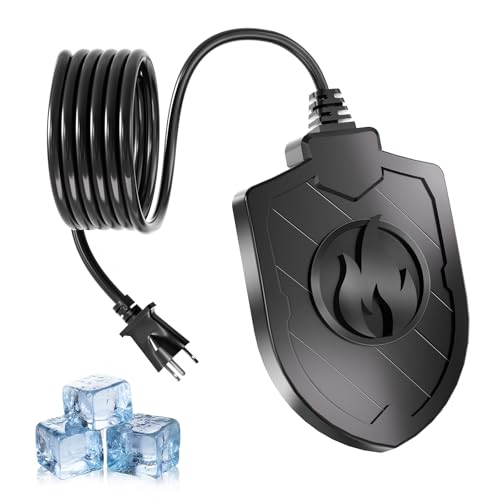
2. Bird Bath Heater for Outdoors Winter 100W Heated Bird Bath Deicer
A Bird Bath Heater for Outdoors Winter 100W Heated Bird Bath Deicer (bird bath), per the listing. Check price on Amazon.
Good for: attracting birds. Watch out: Clean and refill often.

3. 120W Bird Bath Heater for Outdoors in Winter Birdbath Heater White
A 120W Bird Bath Heater for Outdoors in Winter Birdbath Heater White (bird bath), per the listing. Check price on Amazon.
Good for: attracting birds. Watch out: Clean and refill often.

4. 100W Heated Bird Baths for Outdoors Heated Birdbath Terracotta
A 100W Heated Bird Baths for Outdoors Heated Birdbath Terracotta (bird bath), per the listing. Check price on Amazon.
Good for: attracting birds. Watch out: Clean and refill often.

5. 35In Metal Bird Bath for Outside Vintage Freestanding Birdbaths
A 35In Metal Bird Bath for Outside Vintage Freestanding Birdbaths (bird bath), per the listing. Check price on Amazon.
Good for: attracting birds. Watch out: Clean and refill often.
6. 35In Metal Bird Bath for Outside Vintage Freestanding Birdbaths
A 35In Metal Bird Bath for Outside Vintage Freestanding Birdbaths (bird bath), per the listing. Check price on Amazon.
Good for: attracting birds. Watch out: Clean and refill often.
How to Choose
Rating
Check size, strength or protection ratings.
Build
Durable materials last longer.
Safety
Use protective gear and follow instructions.
Depth, Shape and Surface: What Birds Can Actually Use
Birds are cautious about water, and a bath that looks attractive to people may be unusable for them. Depth is the first thing to check. Songbirds generally prefer shallow water, with a gently sloping edge so they can wade in gradually. A bowl that is deep at the edge or has steep sides may be ignored or may be unsafe for small birds. If a bath is too deep, adding a flat stone in the middle creates a shallow spot.
The surface also matters. A rough or textured bottom gives birds grip, while a glossy, slick finish can make them slip. Metal baths can warm up in direct sun and cool quickly in cold weather, so consider the material and location. Check the listing for the basin diameter, since a wider basin gives more room for several birds, but it also needs more water and more frequent cleaning.
Think about the shape. Wide, shallow bowls on a pedestal suit most garden birds and give them a clear view of surroundings. Basins with ornate details can be harder to scrub. Look for a design that is easy to clean, with a basin you can lift out or tip for emptying.
- Aim for a shallow basin with a gentle slope.
- Add stones or pebbles for grip if the surface is smooth.
- Choose a basin wide enough for the birds you want to see.
Check the product description for dimensions, since a bath that looks big in a photo may be smaller than you expect.
Choosing a Safe, Attractive Spot in the Yard
Where you put a bird bath affects how many birds visit. Birds want clear sightlines to spot predators, but also cover nearby to escape quickly. A spot with a few shrubs or small trees a short flight away works well, while a bath tucked against a dense hedge can be a hiding place for cats. Keep it in the open enough that birds can see danger coming.
Consider sun and shade. Water in full sun heats up and evaporates quickly, and it can grow algae faster. Partial shade keeps water cooler and reduces maintenance, but avoid placing it under trees that drop a lot of leaves and berries into the basin. Keep the bath away from windows if possible, or add decals to reduce the risk of collisions.
Stability is key. Pedestal baths can tip if the ground is uneven or if a large bird lands on the edge. Place the base on level ground, and use a flat paver or stone underneath if the soil is soft. Check that any assembly, such as joining a bowl to a stand, is tight and stable. Metal pieces that lift out should sit firmly in place.
- Place the bath where you can see it from a window, but not so close that birds are startled.
- Keep it away from places where cats can ambush.
- Avoid areas where pesticides or fertilizers may reach the water.
A little thought about location often matters more than the bath itself.
Keeping the Water Clean and Safe
A dirty bath can spread disease among birds, so cleaning is not optional. Change the water daily if you can, or at least every couple of days, and scrub the basin regularly. Use a stiff brush and plain water for routine cleaning. For tougher algae, a diluted solution of household vinegar or a mild bleach mixture is often suggested; rinse thoroughly afterward and check local wildlife guidance for what is appropriate. Avoid strong chemicals and scented detergents that could harm birds.
Warm weather speeds up algae and mosquito growth. Standing water can attract mosquitoes, so refresh it often, or use a moving water feature to discourage them. A dripper or small fountain also attracts birds because the sound and motion signal fresh water. If you add a pump, check that it is designed for outdoor bird use and read the safety information.
Keep the area around the bath tidy. Remove droppings and fallen leaves, and rinse the surrounding stones. Do not place feeders directly above the bath, as seed hulls and droppings will fall in.
- Scrub weekly and rinse well.
- Refill with fresh water after every cleaning.
- Keep a dedicated brush for the bath and do not use it for other purposes.
Consistent cleaning keeps birds healthy and keeps your bath looking good. Choose a design that makes it easy, because a bath that is awkward to scrub tends to be neglected.
Winter Use: Heaters, Deicers and Cold-Weather Care
In cold climates, birds need open water as much as they do in summer, and finding liquid water in freezing weather can be hard. A heater or deicer made for bird baths keeps part of the water from freezing. Several of the items in this guide are heated models or bath heaters, so it is worth knowing how they work and what to check.
Look at how the heater is designed to operate. Some are placed in an existing basin, others are built into a heated bath. Check the wattage and the manual for the size of basin it is intended for, and whether it has a thermostat so it only heats when needed. Thermostat-controlled units use less energy and avoid overheating the water. Confirm that the unit is rated for outdoor use and that the cord is suited to the conditions.
Power safety matters. Use an outdoor-rated, grounded outlet, ideally with ground fault protection, and keep connections off the ground where water can collect. Position the cord so it cannot be chewed or tripped over. Check the heater and cord regularly for damage.
- Do not use plastic or ceramic basins unless the maker says they are heater-safe.
- Never add antifreeze or salt to bird water.
- Clear ice and debris to keep the heater working properly.
In freezing weather, refill with lukewarm water as needed. Clean the basin before the cold season, and store non-heated ceramic baths indoors if the maker advises, since freezing water can crack them.
Material Choice, Weight and How Long It Will Last
Bird baths come in metal, ceramic, concrete, resin and other materials, and each ages differently outdoors. Metal baths are lightweight and often affordable, but they can rust, scratch or become hot in direct sun. Check whether the finish is rust-resistant and how the parts are joined. A lightweight bath can blow over in strong wind, so weight it down with stones in the base or choose a heavier design.
Concrete and ceramic baths are heavy and stable, though they can crack with freezing and thawing if left full in winter. Resin and plastic are lighter and resist cracking but may fade in the sun. Stained or rough surfaces are harder to clean. Choose what suits your climate and how often you are willing to maintain it.
Look at the assembly. A removable bowl simplifies cleaning, and a stand with a wide base is more stable. Check whether hardware is included and what tools you need. Read the listing carefully for height and diameter, and measure where it will sit.
- Check for sharp edges and tidy welds.
- Look for fasteners that resist rust.
- Confirm the weight rating of the stand if you plan to add a heater or water.
Signs it is time to replace a bath include cracks that leak, rust that flakes into the water, a wobbling stand that cannot be fixed or a surface that cannot be cleaned. Budget models can be a fine start, while more durable materials suit those who want a lasting fixture. Choose the option you will keep clean and in place for several seasons.
Pedestal Baths Versus Ground-Level Dishes
Most shoppers picture a pedestal bird bath, but birds do not all prefer the same height. Pedestal baths sit at about waist height, are easy to see from a window and keep water away from many ground predators. Ground-level dishes, on the other hand, suit species that normally drink and bathe near the earth, such as thrushes, towhees and some sparrows.
If your yard has both, you can offer a mix. A tall metal model such as the 40 inch removable pedestal style gives you a focal point and good visibility. A shallow tray on the ground or a low-set dish attracts ground feeders, but needs more watching if cats or other animals visit.
- Pedestal baths are better for yards with roaming cats or small dogs.
- Ground-level dishes are easier to refill and clean, and sit close to the cover that shy birds like.
- A hanging or deck-mounted dish suits small balconies and patios.
Whichever you choose, check that the basin is stable. Wind and heavy birds such as jays can tip a lightweight bowl on a slim stand, so look for a wide base or a design that can be staked or weighted.
Predators, Pests and Neighbors
A bird bath is a gathering point, which makes it a risk as well as a pleasure. Place it where birds can see approaching threats, with open sightlines of about ten feet, yet still near shrubs or branches within reach for a quick escape. Dense bushes right next to the bath give cats a place to hide, so keep dense cover a few feet back.
Wet birds are heavier and fly less well, so the bath should be where they can dry and preen safely. A nearby tree or fence post gives them a spot to shake out their feathers.
Other concerns worth knowing about:
- Window strikes: place the bath either within a few feet of a window or more than 30 feet away, so birds do not build up speed toward the glass.
- Squirrels and raccoons may drink from or knock over a bath. A heavy base and a smooth pole help.
- Bird feeders above or beside the bath drop hulls and droppings into the water, so keep them a short distance apart.
- If you live in a neighborhood with restrictions on ornaments or fixtures, a low-profile dish may be easier to approve than a tall statue.
Cleaning Methods That Are Safe for Birds
Dirty water spreads disease among birds, so cleaning is not optional. The basics are simple: scrub the basin, rinse thoroughly and refill with fresh water. A stiff brush works for most surfaces, and a mix of one part white vinegar to nine parts water handles algae and mineral films on most materials.
For stubborn stains, some wildlife groups suggest a diluted bleach solution of about one part bleach to nine parts water, followed by a thorough rinse and air drying. Never mix bleach with vinegar or other cleaners, and never leave residue in the basin. Skip soaps, detergents and scented products, which leave film that damages feathers.
- Scrub every few days in warm weather and at least weekly in cool weather.
- Rinse until you no longer smell any cleaner.
- Let the basin dry in the sun when you can; ultraviolet light helps limit algae.
- Check metal and painted finishes before using stronger solutions, since harsh chemicals can strip coatings.
Heated models like the 100W and 120W heater styles need extra caution. Unplug them before cleaning, keep the cord dry, and follow the instructions about scrubbing near the heating element.
Placement Through the Seasons
The right spot in July is not always the right spot in January. In summer, a location with morning sun and afternoon shade keeps water cooler and slows algae. A bath in full afternoon sun heats up quickly, and shallow water in a dark metal bowl may become too warm for comfortable bathing.
In winter, birds need open water more than they need a bath. Moving the bath into a spot that receives sun most of the day helps keep ice from forming. If you use a heater, place the bath near a safe outdoor outlet and use a cord rated for outdoor use, avoiding extension cords that run across walkways.
In spring and fall, expect migrating birds to appear. Increase cleaning, since more visitors mean faster contamination. In rainy seasons, check that the basin drains properly and does not overflow in a way that undermines the stand.
- Spring: clean after winter and check cracks from freezing.
- Summer: refill daily in heat and watch for algae.
- Fall: remove fallen leaves from the water often.
- Winter: keep water open if you can, or empty and store non-heated metal models to protect the finish.
Finally, think about how much time you want to spend. A single bath needs a few minutes every other day, but several baths, a heater and a drip device multiply the chores. Start with one bath, learn which birds visit and how the water behaves in your climate, and add more only if you enjoy the routine. A well-kept single bath attracts more birds than several neglected ones.
Keep a simple note of what you see. Recording species, times of day and any signs of sick birds, such as fluffed feathers or crusted eyes, helps you decide when to clean more often or pause the bath for a week to let disease clear.
Going Deeper: A Bird Bath Succeeds or Fails on Placement and Water, Not Looks
It is tempting to shop for a bird bath the way you would shop for a garden ornament, by silhouette and finish, and the baths in this guide certainly differ in style. But birds judge a bath by entirely different criteria: whether the water is shallow enough to stand in confidently, whether the surface gives their feet grip, whether they can see danger coming while they are vulnerable and wet, and whether the water is clean enough to drink. A plain bath in the right place with fresh water will be busy all day, while a beautiful one in the wrong place with stale water stands empty. Choose the design you love, by all means, but plan its placement and your cleaning routine with the birds’ priorities in mind.
Depth, texture and the confidence to bathe
Most small garden birds bathe in water they can stand in, roughly knuckle-deep, deepening gradually rather than dropping away at the edges. A bath with a gently sloping bowl, or one where you can add a flat stone or a shallow insert to create a beach area, invites far more use than a deep, smooth basin. Texture matters for the same reason: a slightly rough interior surface gives feet purchase, while a glazed, slippery bowl makes birds hesitate at the rim and drink without bathing. When you read the reviews above, picture a small bird at the edge deciding whether to step in; that moment of confidence is what bowl design is really about.
Heated baths and the winter question
Several picks in this guide are heaters or heated baths, and they answer a genuine need rather than a gimmick: in freezing weather, open water is scarce precisely when birds need energy most, and a bath that stays ice-free becomes a lifeline visited from dawn. A heater keeps a small area of water open rather than warming the bath like a spa, and it belongs in a bath that is already well placed and kept clean. If your winters are mild, a standard bath and a habit of breaking thin ice on cold mornings may serve perfectly well; if your garden regularly freezes hard for weeks, the heated options move from luxury to the most valuable picks on this list.
Placing the Bath So Birds Actually Come
Birds bathe when they feel they can escape. The ideal position offers a clear view around the bath, with shrubs or a tree a short flight away where a wet bird, whose flight is temporarily clumsy, can retreat and preen in safety. A bath in the middle of an exposed lawn with no cover nearby will mostly attract the boldest species; a bath hard against dense cover can ambush-worry the rest, since predators use that same cover. A few paces from shelter is the classic compromise. Consider your own view as well: a bath placed where you can watch it from a window or a favourite chair will give you far more pleasure, and a bath you can see is a bath you will remember to clean and refill.
Ground-level versus pedestal is partly taste and partly neighbourhood. A tall freestanding bath, like the metal designs in this guide, lifts the water away from ground predators and makes a feature of it, while a lower bath suits a wilder corner and the ground-feeding species. In gardens visited by cats, height and open sightlines matter more, and the bath should never sit where a cat can wait unseen within pouncing range. Sun and shade also play a part: full sun warms the water and encourages algae, deep shade keeps water cooler and cleaner but can make the spot feel enclosed; dappled light for part of the day is the happy middle most gardens can offer.
The Cleaning Routine That Makes a Bath Work
More than any purchase, cleanliness decides whether a bird bath helps or harms. Stagnant water grows algae, harbours mosquito larvae in warm weather, and can spread disease between the very birds you are trying to support. The workable routine is simple: tip out and refill the water frequently, every couple of days in warm weather, and scrub the bowl with a stiff brush regularly to remove the slippery film that builds up. Rinse thoroughly after any cleaning so no residue reaches the water. A bath that is easy to tip, lift or reach, one of the practical differences between the designs above, is a bath that gets cleaned, so be honest about your own habits when choosing between a grand, heavy bath and a lighter one you will happily carry to the tap.
Position the bath within reach of your hose or watering routine for the same reason. The best bird bath in the world fails if refilling it requires a special expedition; the baths that thrive are the ones folded into the ordinary rounds of the garden, topped up when the pots are watered and scrubbed when the paths are swept. In winter with a heated bath, check the water level more often, since heaters keep water open but evaporation and eager visitors empty a shallow bath faster than you expect, and a heater running in a dry bath is wasted and can be damaged.
What to Expect Across the Seasons
Spring brings courtship and then nestlings, and a reliable bath becomes part of the parents’ working day. Summer is peak bathing season, with birds queuing at busy hours and youngsters learning the routine clumsily at the edges. Autumn moult makes birds extra keen to bathe and preen, and migrating visitors may discover your garden through its water. Winter, as described, is when a bath can matter most of all. Watching this calendar unfold is the real return on the purchase, and it rewards the owner who keeps the water fresh through the unglamorous weeks as faithfully as in the photogenic ones.
Troubleshooting: When Birds Stay Away
The bath is new and ignored
Give it time first; birds are cautious of change and may take days or weeks to trust a new feature, especially if it appeared in a spot they had already mapped as safe. Check the water is fresh, the depth is shallow at the edges, and the position is not newly exposed by pruning. Moving an ignored bath a short distance, nearer the flight path between cover and feeder, often unlocks it.
Only large birds use it
Bold larger birds can monopolise a bath, and smaller species wait for quieter moments. A second, smaller water source elsewhere in the garden, even a simple shallow dish, spreads the opportunity, and perches near the main bath give small birds a staging post to judge their moment.
The water goes green within days
That is algae responding to sun and nutrients, and the answer is the cleaning rhythm plus a little more shade if the bath bakes all day. Scrub rather than reaching for treatments, since whatever enters the water enters the birds.
How the Picks in This Guide Differ in Practice
The tall metal freestanding baths are the classic garden feature: elegant, visible, and suited to a lawn or border where their height serves both birds and the view. The heated options, whether a heater added to an existing bath or a heated design, are the winter specialists and the first choice where frost is a real season rather than an occasional morning. Choosing among them is therefore a matter of climate and placement more than ranking: pick the silhouette that suits your garden, confirm it offers shallow, grippy bathing space, and, if your winters bite, let the heated picks lead. Every design here will be loved by birds if the water is fresh and the spot feels safe.
More Questions Worth Asking Before You Decide
Should I put stones in the bottom of a bird bath?
A flat stone or two creating a shallow island is genuinely helpful, giving birds a place to stand at their preferred depth and insects a way out. Keep them clean along with the bath itself.
How close to a feeder should a bath be?
Near enough that birds can combine both in one visit, far enough that seed debris does not constantly fall into the water. A short flight apart is the usual happy arrangement.
Do birds need a bath if there is a pond nearby?
A shallow bath still earns its place, since pond edges are often deep, muddy or exposed, and many small birds prefer the controlled shallows of a bath even with natural water in the area.
What is the kindest thing I can do in a heat wave?
Keep the bath full and fresh, check it morning and evening, and add a second shallow dish in shade. In extreme heat, reliable water is one of the most valuable things a garden can offer.
Inviting More Than Birds: The Bath as a Small Ecosystem
A well-kept bird bath quietly becomes infrastructure for the whole garden. Bees and butterflies drink at the shallow edges on hot days, especially if there is a stone they can land on without risking the deep middle, and dragonflies patrol any standing water in summer. Hedgehogs and other night visitors appreciate ground-level water, which is one argument for pairing a pedestal bath with a simple dish at soil level elsewhere in the garden. None of this requires extra purchases; it follows automatically from fresh water, shallow edges and a position that wildlife can reach safely. It also raises the value of the cleaning routine, because a bath serving that many visitors is a shared resource, and keeping it fresh is a small act of stewardship for the whole community of creatures using your garden.
For the gardener, the bath pays rent in another currency: observation. A bath concentrates the garden’s bird life in one visible place, and over a season you will learn your regulars, notice the first fledglings, spot the migrant passing through, and see behaviour, bathing order, dominance, alarm calls, that feeders alone never show you. Many people find the bath, bought almost as an ornament, becomes the most watched square metre of the garden. That is worth remembering when you choose its position: place it for the birds first, but within your own sight, and both parties to the arrangement will use it daily.
When a bath needs replacing rather than cleaning
Most baths last for years, but a bowl that has cracked, a surface that has become pitted and impossible to scrub clean, or a stand that has rusted or bent until the bath rocks, are signs to replace rather than persist. A rocking bath spills, a pitted bowl harbours grime in its texture, and birds notice instability. When that time comes, the lessons of the old bath, its best position, its ideal depth, the cleaning routine that worked, carry straight over to its successor from this guide, and the birds, creatures of habit, will adopt the new bath in the old place faster than they adopted the first.
Small Mistakes That Keep a Good Bath Empty
The first is filling too deep, out of generosity, so the water looks abundant but the small birds the bath was bought for can only drink at the rim. The second is placing the bath as a pure ornament, centred beautifully in open lawn or tucked picturesquely under a tree where falling debris fouls the water daily and cover hides predators rather than protecting bathers. The third is the well-meant addition of treatments, dyes or cleaning chemicals to keep the water looking pristine for human eyes, when plain water, frequently changed, is what birds need. The fourth is forgetting the bath in the seasons when it is least photogenic, late autumn and deep winter, which are precisely when reliable water is hardest for birds to find elsewhere. And the fifth is giving up too early: a bath in a new garden, or a garden whose planting is still young, may take a season to become part of the local birds’ mental map, and patience, with fresh water maintained throughout, is usually rewarded.
Hold those points against the picks above and the choice becomes straightforward. You are not really buying a bowl on a stand; you are establishing a small, dependable service for wildlife, and the best bath is the one whose depth, surface and position invite use, and whose weight and shape invite you to clean it without thinking twice. Choose that one, place it where birds feel safe and you can watch, keep the water fresh, and the bath will repay you with life and movement in the garden every day of the year, in a way few ornaments ever manage.
A Short Seasonal Routine for Bath Owners
In spring, give the bath a thorough scrub as activity builds, check the stand is firm after winter ground movement, and settle the bath into its position before nesting season makes the garden busy. Through summer, the rhythm is water-focused: top up frequently, scrub whenever a film appears, and keep an eye on evaporation during hot, windy spells, which can empty a shallow bath surprisingly quickly. Autumn asks for leaf discipline, since a bath under falling leaves fouls fast; a quick daily scoop of debris keeps the water sweet, and the scrubbing routine continues while migrants and moulting residents bathe heavily. In winter, the routine turns to ice: break or remove ice on cold mornings if you do not use a heater, check heated baths for water level and safe cable routing, and remember that a bath kept open through a freeze will be remembered and revisited by every bird in the neighbourhood.
None of this amounts to more than a few minutes a week, and most of it folds into rounds you already make around the garden. That is the design principle to carry into your choice from this guide: the right bath is the one that fits that light routine, light enough or accessible enough to tip and scrub, stable enough to stand through weather, and handsome enough that you enjoy seeing it from the house. Get those three qualities together and the bath stops being a purchase you evaluate and becomes a fixture you would miss, which, for a simple bowl of water, is a remarkable amount of value.
It is also worth saying plainly that a bird bath is one of the most forgiving purchases in this entire guide. If the first position disappoints, move it. If the depth seems wrong, add a stone. If one season is quiet, keep the water fresh and wait for the next. Unlike most garden equipment, a bath can be adjusted endlessly at no cost, and each adjustment teaches you something about the birds that share your garden. That forgiving nature makes the decision easier: choose the design that pleases you and suits your climate from the picks above, put it where you can see it, and start learning. The birds will do the rest, and within a season most owners find they are no longer evaluating the bath at all, just enjoying the small daily theatre it provides and wondering why they did not install one years earlier.
Start with fresh water and a good position, and let the garden’s busiest little landmark establish itself around your choice.
Within weeks, on any ordinary morning, you will likely find it already occupied, which is the only review that ultimately counts.
And on the coldest mornings, if you chose a heated option, that same quiet reliability becomes something close to a lifeline for the birds that depend on it.
Few garden purchases earn their keep so completely, or so charmingly, across every season of the year.
Choose the bath that fits your garden and your routine, keep its water fresh, and it will reward you daily in ways that have nothing to do with specifications and everything to do with life returning, again and again, to a small bowl of clean water placed with care.
Welcome them well, always.
Frequently Asked Questions
Is it right for beginners?
Check the features and manual.
Do I need extras?
Often protective gear or accessories.
How do I store it?
Dry and covered.
How deep should a bird bath be?
Shallow water, often just a couple of inches at the deepest, suits most small birds, with a sloping edge. Add stones to make deeper basins safer.
How often should I change the water?
Ideally daily, or at least every couple of days, with a scrub weekly. Warm weather needs more frequent changes.
Where is the best place to put a bird bath?
Choose a level spot with partial shade, open views and shrubs a short flight away. Keep it away from places where cats can hide.
Can I use a heater in any bird bath?
Only if the heater is designed for your basin material and size. Check the maker's instructions and use an outdoor-rated, grounded power supply.
How do I stop mosquitoes in a bird bath?
Change the water often and add moving water if possible. Do not use chemicals that could harm birds.
Why are birds not using my bath?
The water may be too deep, the bath too exposed or the spot lacking nearby cover. Try adding stones, moving it or adding a dripper.
Should I bring a bird bath indoors for winter?
Ceramic and concrete baths can crack if water freezes inside, so empty or store them. Heated baths are designed to stay out, but follow the manual.
Is it safe to clean a bird bath with bleach?
A dilute solution of about one part bleach to nine parts water is sometimes recommended for stubborn contamination, followed by a thorough rinse and drying. Vinegar and water works for routine cleaning. Never mix cleaners, and avoid soaps or scented products that leave residue.
Do bird baths attract rats or other pests?
Water alone rarely attracts rats, but spilled seed and nearby feeders can. Keep the bath away from seed spills, change the water often, and avoid placing it next to compost or garbage. Raccoons and squirrels may drink from it, which is normal.
Will a metal bird bath get too hot in summer?
Dark metal can warm water in direct afternoon sun. Place the bath where it gets shade after midday, use a light-colored finish if possible, and refill with cool water on hot days so birds always have a comfortable option.
How far should a bird bath be from a window?
Either within about three feet of the glass, where birds cannot build speed, or more than 30 feet away. Between those distances, a startled bird may fly toward reflections and hit the window. Decals or screens add extra protection.
Bottom Line
Heated baths keep water open in winter.
More Gardening Guides
- Best Stand-Up Weeders for Lawns
- Best Hand Tool Sets for Gardeners
- Best Plant Moisture and pH Testers
- Best Metal Hose Sprayers
- Best Garden Sprinklers and Hose Timers
- Best Retractable and Cart Hose Reels