Disclosure: As an Amazon Associate, Reviews Took earns from qualifying purchases. Links to Amazon on this page are affiliate links; they cost you nothing extra.
Check grip and leaks.
This guide is built from Amazon product listings and maker specs, not our own testing, so confirm size, contents and current price on each product page. Health products are for general information and are not medical advice.
Check the current price on Amazon.
Last updated: November 2, 2026.
In this guide
Quick Picks
| Product | Type | Best for |
|---|---|---|
| RAINPOINT Full-Metal Garden Hose Nozzle Heavy Duty Water Hose | Hose nozzle | watering and washing |
| Garden Hose Nozzle Sprayer 2 Pack 10 Watering Patterns Spray | Hose nozzle | watering and washing |
| RAINPOINT Garden Hose Nozzle Upgraded Heavy Duty Metal Spray | Hose nozzle | watering and washing |
| RESTMO Garden Hose Nozzle Heavy Duty Metal Water Hose Nozzle | Hose nozzle | watering and washing |
| FANHAO Upgraded 100% Metal Garden Hose Nozzle Heavy Duty High | Hose nozzle | watering and washing |
| Garden Hose Nozzle Heavy Duty Water Hose Sprayer Nozzle | Hose nozzle | watering and washing |
Our Picks

1. RAINPOINT Full-Metal Garden Hose Nozzle Heavy Duty Water Hose
A RAINPOINT Full-Metal Garden Hose Nozzle Heavy Duty Water Hose (hose nozzle), per the listing. Check price on Amazon.
Good for: watering and washing. Watch out: Check spray patterns.
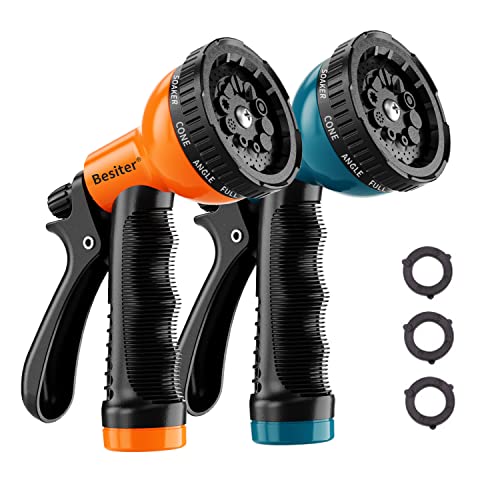
2. Garden Hose Nozzle Sprayer 2 Pack 10 Watering Patterns Spray
A Garden Hose Nozzle Sprayer 2 Pack 10 Watering Patterns Spray (hose nozzle), per the listing. Check price on Amazon.
Good for: watering and washing. Watch out: Check spray patterns.

3. RAINPOINT Garden Hose Nozzle Upgraded Heavy Duty Metal Spray
A RAINPOINT Garden Hose Nozzle Upgraded Heavy Duty Metal Spray (hose nozzle), per the listing. Check price on Amazon.
Good for: watering and washing. Watch out: Check spray patterns.
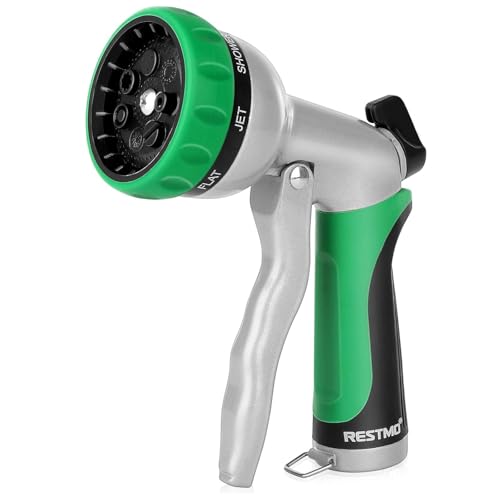
4. RESTMO Garden Hose Nozzle Heavy Duty Metal Water Hose Nozzle
A RESTMO Garden Hose Nozzle Heavy Duty Metal Water Hose Nozzle (hose nozzle), per the listing. Check price on Amazon.
Good for: watering and washing. Watch out: Check spray patterns.
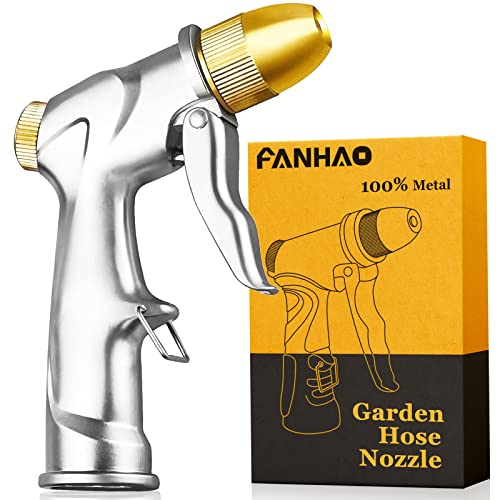
5. FANHAO Upgraded 100% Metal Garden Hose Nozzle Heavy Duty High
A FANHAO Upgraded 100% Metal Garden Hose Nozzle Heavy Duty High (hose nozzle), per the listing. Check price on Amazon.
Good for: watering and washing. Watch out: Check spray patterns.

6. Garden Hose Nozzle Heavy Duty Water Hose Sprayer Nozzle
A Garden Hose Nozzle Heavy Duty Water Hose Sprayer Nozzle (hose nozzle), per the listing. Check price on Amazon.
Good for: watering and washing. Watch out: Check spray patterns.
How to Choose
Rating
Check size, strength or protection ratings.
Build
Durable materials last longer.
Safety
Use protective gear and follow instructions.
Metal Versus Plastic Nozzle Bodies
Nozzles are made from metal, plastic or a mix, and the body material affects strength, weight and feel. Metal bodies, often zinc alloy or aluminum, tend to resist cracking when dropped or stepped on and feel solid in the hand. They can also be heavier, which matters if you hold the nozzle for a long time. Plastic bodies are lighter and often cheaper, and a good plastic design can be perfectly adequate for light garden work.
Listings that say full metal or 100 percent metal are the maker’s description, and a nozzle may still contain plastic parts inside, such as the dial, trigger inserts or seals. Check the description and photos to see which parts are metal. A rubber or soft coating over the body can improve grip when your hands are wet and protect against knocks.
Coatings and finishes matter. Painted or powder-coated metal can chip over time, exposing bare metal that may corrode, depending on the alloy. Look for descriptions of corrosion resistance, and rinse the nozzle if you use fertilizer or salty water. Brass fittings resist corrosion well in many conditions, but also differ in weight and look.
Think about temperature. Metal gets hot in direct sun and cold in winter, so wear gloves if you leave the nozzle outside, and store it in the shade. Plastic stays more neutral to the touch but can become brittle with age and sun exposure. Pick the material that suits your climate and how roughly you treat tools.
Spray Patterns and What Each One Is For
Many nozzles advertise a number of patterns, but only a few are used regularly. A shower or mist pattern spreads water in soft droplets, which suits seedlings, flower beds and hanging baskets, where heavy flow would knock soil or damage leaves. A flat or fan pattern covers a wide strip, which suits rinsing windows, decks and cars. A jet or stream concentrates the water into a narrow line for rinsing mud, cleaning gutters and reaching high spots.
Other settings include a cone pattern for general watering and a soaker setting that delivers a gentler, heavier flow at the base of plants. Some nozzles also offer a center or full setting, which is a broad all-purpose spray. Because makers label patterns with different names, look at the diagram or description to understand what each setting does.
More settings are not always better. A dial with many positions can be fiddly with wet hands, and it may leak at a half-set position. If you only use three patterns, a nozzle with fewer, clearer settings may be easier to live with. Check the markings on the dial and whether they are raised or printed, since printed marks can wear off.
Spray quality depends on the water pressure at your tap and the length and width of your hose. A fine mist needs enough pressure to break up the stream, and low pressure can make some patterns weak. If you find a pattern disappointing, check the pressure and the hose before blaming the nozzle.
Flow Control, Triggers and Shut-Off Valves
Controlling the flow is the main job of a nozzle. A trigger lets you squeeze to spray and release to stop, which is intuitive but can tire the hand during long sessions. Many triggers include a lock that holds the flow on, which helps with long watering jobs. Check that the lock is easy to engage and release, and that it holds firmly.
A separate flow control lever or valve lets you set the amount of water without squeezing. This is useful for moving between plants, because you can reduce the flow without returning to the tap. A shut-off valve at the front of the nozzle stops the water without changing the setting you chose. A thumb-operated lever can feel more comfortable for people with weaker grip.
Trigger direction matters too. Some designs are pulled with the fingers, others with the thumb or in a push-forward motion. Consider whether you are left or right handed, and whether you wear gloves. A wide trigger spreads pressure across the fingers and is more comfortable than a narrow one.
The internal valve is the part most likely to wear. Rubber seals and O-rings can harden or crack over time. A nozzle that drips when shut or sprays weakly after months of use may need new seals. Check whether the maker sells replacement parts, and note that a nozzle with a sealed unit may need to be replaced whole.
Grip, Weight and Comfort for Different Users
Comfort determines whether you reach for a nozzle again. Look at the handle shape, the coating and the position of the controls. A soft, textured grip prevents slipping when your hands are wet or gloved. A well-shaped handle fits the palm and keeps the wrist straight. Controls placed where your fingers or thumb naturally fall reduce strain.
Weight is a trade-off. A heavy metal nozzle feels solid, but it can tire the wrist when held for a long time, especially at arm’s length. A light nozzle is easier on the hands, but can feel flimsy. If you water for long sessions or have arthritis, weak grip or small hands, choose a design that requires little force, such as one with a flow lock or a lever that needs only a light touch.
Think about the size of the nozzle. A compact one is easy to store and to use in tight spots, such as between pots on a balcony, while a longer body or a wand extends your reach to hanging baskets and high beds. If you have a large garden, a longer reach saves bending.
Consider others who share it. If children or older family members use the nozzle, simpler controls and a lighter weight matter more than a long list of patterns. Try to hold the same type of nozzle in a shop if you can, or read customer comments about hand fatigue and trigger stiffness.
Leaks, Fixes and When to Replace
Most leaks come from a few simple causes. A drip at the connection to the hose usually means a worn or missing rubber washer inside the coupling. Replace it with a washer of the right size, and hand-tighten the fitting, avoiding excessive force with tools. A leak around the trigger or dial points to a worn O-ring or seal, and a leak from the spray face may indicate a loose part or debris.
Weak or uneven spray often comes from clogged holes. Mineral deposits and grit can block the small openings, so rinse the nozzle and clear the holes gently with a soft tool, avoiding anything that could enlarge them. If water pressure seems low at the nozzle but is fine at the tap, kinks in the hose or a partly closed valve are other things to check.
Check the thread. Standard hose threads are common, but cross-threading can happen if you force the nozzle on at an angle. Start by turning the fitting backward until you feel it drop into the thread, then turn forward. If the thread is damaged, a new nozzle or a replacement fitting is the sensible fix.
Signs that it is time to replace the nozzle include cracks in the body, a trigger that no longer returns, a valve that will not shut off, persistent leaks after replacing seals, and corrosion that makes the dial stick. Quality varies, so price alone does not predict life. A nozzle that is well matched to your tasks and handled with care can last a long time.
Water Pressure, Flow Rate and Hose Diameter
A nozzle does not make water, it shapes what the hose delivers. That means the results you get depend on your water pressure, the flow from your spigot and the size of your hose. Household water pressure often falls in a range that varies by area, and the flow in gallons per minute depends on the pipe, the spigot and how far the water travels. A strong spray pattern on a weak supply may feel disappointing, and a very powerful setting on a high-pressure line can be hard to control.
Hose diameter has a large effect. A five-eighths inch hose is the most common size in homes and carries more water than a half-inch hose, which feels less forceful at the far end. A three-quarter inch hose carries even more but is heavier and costlier. Length matters too. A longer hose loses some pressure to friction, and kinks, worn washers and partly open valves cut flow further.
- If the spray seems weak, check the spigot first and make sure it is fully open.
- Look for kinks and leaks along the hose before blaming the nozzle.
- Remove the nozzle and run the hose briefly to see the flow without it.
- Check for a clogged screen or debris in the nozzle inlet.
Some nozzles include a flow control that lets you reduce output for delicate plants and raise it for rinsing. That is a practical feature if your pressure is high. If you are unsure, test the nozzle with your actual hose, and keep the return window in mind in case the combination does not suit your setup.
Choosing a Nozzle by Task: Plants, Cars, Pets and Patios
Few people use a nozzle for only one thing, so match features to the job you do most. Watering plants calls for gentle, wide spray that does not wash away soil or damage leaves. A soft shower or mist setting is ideal for seedlings, containers and flower beds. A stronger, more focused stream is better for reaching hanging baskets or rinsing off a patio.
Car washing needs a mix. A wide fan pattern rinses the body, while a stronger jet removes mud from wheel wells and undercarriage. Be careful with very powerful streams on paint or trim, because they can drive grit into the surface. If you wash a vehicle often, look for a nozzle with a trigger lock so your hand does not tire.
Pet washing and outdoor cleanup call for a gentle but steady spray and an easy shut-off, since you may need to stop the water suddenly. A nozzle with a soft grip is easier to handle when your hands are wet.
- Choose a shower or mist pattern for plants and seedlings.
- Choose a flat or fan pattern for rinsing surfaces and vehicles.
- Choose a jet or stream for stubborn dirt and for reaching distance.
- Choose a pattern with a lock if you hold the trigger for long stretches.
If you do all of these jobs, a multi-pattern nozzle is convenient, but remember that more settings mean more parts and more places to leak. A simple nozzle with two or three patterns may be more reliable than one with ten.
Threads, Fittings and Connectors
Hose hardware is standardized in the United States, but small differences still cause leaks. Most garden hoses and nozzles use a three-quarter inch garden hose thread, which is different from the pipe threads used for plumbing. That is why most nozzles screw onto a hose end without extra parts. Quick-connect systems add a coupler to each part so that you can switch tools with a click.
If you plan to use quick connectors, make sure the nozzle you buy either includes a matching one or is compatible with the brand you own. Mixing brands can cause poor seals. Check whether the listing says the connector is included, since some products sell the connector separately.
Washers are the small rubber rings that seal the connection. They wear out, harden or go missing, and they are the most common cause of a drip at the hose end. Keep a few spare washers on hand and replace them when you notice a leak at the connection. Tighten by hand, since overtightening with tools can crush the washer or crack plastic threads.
- Check that the thread size matches your hose, which is usually standard.
- Look for brass or metal threads on the nozzle if you remove it often, because they resist wear better than soft plastic threads.
- Do not use thread tape on garden hose threads. The rubber washer does the sealing.
When replacing a hose end, choose a replacement that matches the hose diameter. A mismatched end can leak or fall off under pressure.
Saving Water and Using the Nozzle Wisely
A nozzle with a good shut-off saves water, because you can stop the flow at the end of the hose instead of walking back to the spigot. Over a season, that adds up, particularly if you water in short bursts. A nozzle that is hard to operate encourages people to leave the water running, so ease of use has a direct effect on how much you use.
Habits matter as much as hardware. Water early in the morning, when it is cooler and there is less evaporation, and aim at the base of plants rather than the leaves. Deep, less frequent watering encourages deeper roots than frequent light sprays. A gentle setting reduces runoff on dry soil, which can repel water at first.
Check for leaks regularly. A small drip at the connection or from the nozzle body can waste a surprising amount of water over time. Turn off the spigot when you are done, and drain the hose before storing it.
- Use a shut-off to stop the flow between tasks.
- Choose a mist or shower setting to reduce waste on small plants.
- Water the roots rather than the foliage when you can.
- Repair drips promptly with a new washer or a replacement part.
If your area has watering restrictions, check local rules before you start, because hand watering with a hose may be treated differently from sprinklers.
Going Deeper: A Nozzle Is a Water-Shaping Tool, and Shape Is Everything
Every task at the end of a hose wants water delivered in a different shape: a soft rain for seedlings, a flat fan for rinsing a path, a concentrated jet for mud on a tyre, a gentle shower for a hanging basket that would be blasted apart by anything stronger. A good nozzle is therefore not really a tap; it is a small library of shapes with a comfortable way of moving between them, built to survive being dropped on concrete and left in the sun. The nozzles in this guide divide along exactly those lines: full-metal pistol and wand-style sprayers built for years of service, multi-pattern heads that cover many shapes in one tool, and simpler heavy-duty sprayers for people who mostly want two or three honest settings that always work.
Metal versus plastic, honestly weighed
Metal construction, which most of this list favours, earns its reputation at the drop test and the thread: a metal nozzle survives the fall onto paving that cracks a plastic body, and its connector threads resist the cross-threading wear that makes plastic fittings weep after a season of swapping. Metal also feels planted in the hand at full pressure. The honest counterpoints are weight over a long watering session and cold hands in early spring, which is why some metal nozzles wear insulated or rubberised grips. Plastic still has a place for the lightest-duty, occasional use, but gardeners who water daily have mostly voted with their replacements: the nozzle is the most-handled, most-dropped tool in the garden, and it should be built like it.
Patterns: which ones you will actually use
A dial offering many patterns sounds generous, but most gardeners live on three: shower, flat or fan, and jet, with mist added if they raise seedlings or keep humidity-loving plants. When comparing the multi-pattern picks above, judge the quality of those core shapes first, how even the shower is, how cleanly the jet holds together, and how the dial feels to turn with wet hands, because a dial that is stiff or vague will be left on one setting forever. Single-pattern or few-pattern metal sprayers make the opposite bet, and for gardeners whose work is mostly washing down, watering established beds and filling buckets, that simplicity is a feature rather than a lack.
Trigger, grip and the long session
Watering a real garden takes longer than the advertisements suggest, and a trigger that must be squeezed hard throughout becomes the story of the nozzle by the end of it. Front-trigger, rear-trigger and thumb-controlled designs each suit different hands, and a locking clip or a flow-control valve that lets you set the water and rest your grip transforms long sessions. If you water containers daily, arthritis or grip strength is part of your life, or you simply dislike aching hands, weight these ergonomics as heavily as the spray patterns when you read the reviews above; the best nozzle is the one still comfortable at the last pot.
Matching the Nozzle to the Jobs Around Your Home
For watering plants, the shower pattern at moderate pressure is the workhorse, delivering water at a pace soil can absorb without compacting the surface or exposing roots. Seedlings and fresh sowings want mist or the gentlest shower, applied from a little height so the droplets land softly. Washing jobs, paths, bins, boots, the car, reward pressure and a jet or flat pattern, and here a sturdier nozzle with a confident shut-off matters, because these sessions involve constant starting and stopping. Filling is the forgotten job: a nozzle that opens fully without spraying everywhere, or that can be locked open comfortably, makes filling cans and buckets quicker and drier. Gardeners who also wash a dog, rinse a deck or clean outdoor furniture will find those jobs quietly voting for the versatile multi-pattern end of this list.
Water Pressure, Flow and Getting the Best From Your Supply
A nozzle can only shape the water it is given, and disappointing performance is often the supply rather than the tool. Long, narrow hoses, kinked runs and partly closed taps all starve a nozzle, while a short, full-bore run makes even a modest sprayer feel strong. If a new nozzle feels weak, work the chain backwards before blaming it: straighten the hose, check the tap is fully open, and inspect the inlet filter washer for grit. Conversely, very high pressure can make fine patterns mist and drift; a flow control at the nozzle tames that without a trip back to the tap, which is one of the practical luxuries the better picks here provide.
Care and Troubleshooting
Rinse grit from the inlet filter whenever flow drops, since a single handful of grit from a hose stored on the ground can half-block a nozzle. Store the nozzle out of standing water and, in freezing weather, drain it and bring it in or empty it thoroughly, because trapped water expanding in a metal body is a classic cause of split seams discovered in spring. A nozzle that drips at the connector usually needs a washer, not a replacement; one that leaks through the head when shut off may have grit in its valve, which a flush at full flow sometimes clears. Patterns that distort over time usually trace back to mineral scale or debris in the face plate, addressed by a soak and a gentle clean rather than force.
The dial will not turn or the pattern is stuck
Work the dial under running water, which floats grit out of the mechanism, and avoid forcing it dry. If it remains stiff, a soak in water with a little vinegar for scale, followed by a thorough rinse, restores most dials that have lived on hard water.
How the Picks in This Guide Differ in Practice
The full-metal RAINPOINT and FANHAO-style sprayers are the durability-first choices, aimed at daily gardeners who drop things and expect tools to cope. The multi-pattern options, including the two-pack in this list, are the versatility play, covering a household’s whole range of jobs and giving a spare for the second tap or the front garden. The RESTMO and remaining heavy-duty models sit in the productive middle: metal where it matters, patterns enough for real work, and handling tuned for long sessions. Choosing is a matter of your job mix and your hands, and gardeners who picture their busiest watering and washing week honestly will find the list sorts itself.
More Questions Worth Asking Before You Decide
Is a wand attachment better than a pistol nozzle for baskets?
For hanging baskets and the backs of borders, a wand’s reach keeps you off the ladder and out of the flowerbed, and its typically gentler head suits the plants. As a second tool beside a pistol nozzle, it is one of the most satisfying additions a gardener can make.
Why does my nozzle spray weaker at the far end of the garden?
Distance through hose costs pressure, especially uphill. A nozzle cannot restore what the run consumes, so shorten the run where you can, check for kinks, and choose patterns, like jet, that perform gracefully at lower pressure for far jobs.
Should I leave the nozzle attached to the hose all season?
Attached is convenient and common, but drain the hose after use in hot weather rather than leaving water baking in it, and bring the nozzle in for frosts. The connector washer will thank you for an occasional check either way.
What is the kindest pattern for newly planted shrubs?
A gentle shower delivered slowly at the base, soaking the root area without washing soil away from the roots. Patience matters more than pattern: slow water sinks in, fast water runs off.
Safety and Consideration at the End of the Hose
A jet pattern at full pressure deserves respect: it can sting skin, strip soft bark, damage render and bedding plants, and it should never be pointed at people or animals as a joke. Keep the powerful patterns for the jobs that need them, hard surfaces, mud, wheels, and return to shower for anything alive. Children love a hose in summer, and a nozzle with an easy, positive shut-off and a trigger lock is the safer household choice, since control of the water stays with the design rather than with grip strength. Finally, think of neighbours and water itself: a nozzle that shuts off cleanly between plants, rather than running onto the path while you walk, saves a surprising amount of water across a season, which is both a bill and a resource worth respecting in dry months.
There is also a small ergonomic truth worth stating: the best nozzle for a household is often the one every member can operate, including the person with the smallest hands or the least grip. A household where watering can be shared is a garden that gets watered, so if the nozzle will pass between hands, let the most challenged hand in the family have a say in the choice. The picks in this guide span enough grip styles and weights that such a compromise rarely costs performance, and it pays out every time someone else happily takes a turn with the hose on a hot evening when the garden needs it most.
In the end, a nozzle is judged in the hand, at the end of a long hose, on the hundredth use rather than the first. Picture that hundredth use as you read the reviews above: the weight settled into your grip, the dial turning without thought, the shower falling where you aim it and stopping the moment you decide. The models gathered here were chosen because they hold up under that picture. Pick the one whose shape matches your jobs and your hands, look after its washer and its filter, keep it out of the frost, and it will quietly become one of those tools you never think about, which in the garden is the highest praise any tool can earn, season after season of watering, washing and filling, done without a second thought.
One more habit separates gardeners who love their nozzle from those who tolerate it: putting the hose away properly. A nozzle dragged through soil as the hose is coiled collects the grit that later blocks it, and a nozzle left as the hose’s dragging tail gets the drops and knocks that shorten its life. Coil the hose with the nozzle in hand, rest it somewhere clean, and the tool rewards you by working like new for years. It is a tiny discipline, but like most tiny disciplines in gardening, it is the difference between equipment that ages gracefully and equipment that seems to fail all at once, and it costs nothing but a moment’s attention at the end of a job you were already finishing.
Choose with your busiest week in mind, and the nozzle will handle the quiet weeks beautifully too, which is all anyone can ask of the hardest-working fitting in the garden.
It will be in your hand often enough that the choice deserves exactly this much thought, and no less.
After all, few tools are used so often, in so many small ways, by so many people in a household across a single summer.
Get it right, and every one of those uses feels a little easier than it used to, every time, all season long, year after year, in all weathers, without complaint or fuss, just reliable service, every day, gladly given.
Frequently Asked Questions
Is it right for beginners?
Check the features and manual.
Do I need extras?
Often protective gear or accessories.
How do I store it?
Dry and covered.
Which spray pattern is best for seedlings?
A soft shower or mist pattern is usually best, because it spreads the water gently and avoids knocking the soil or damaging leaves. Use a low flow to prevent washing seeds away.
Why does my nozzle drip at the hose connection?
A worn or missing rubber washer in the coupling is the most common cause. Replace it with one of the correct size and tighten the fitting by hand.
Is a full-metal nozzle always better?
Metal bodies tend to be tougher and feel solid, but they are heavier and can get hot in the sun. Check which internal parts are metal and which are plastic.
How can I fix weak spray?
Rinse the nozzle and gently clear the holes of grit or mineral deposits, then check the hose for kinks and the tap for a partly closed valve. If the problem remains, the nozzle may need replacing.
Do I need a nozzle with a flow lock?
It helps for long watering sessions because you do not need to hold the trigger. Check that the lock is easy to use and holds firmly.
Can I use a nozzle with any hose?
Most use standard hose threads, but check the listing for the fitting size and any adapters. Make sure the washer is seated and the thread is not damaged.
How do I keep a nozzle from corroding?
Rinse it after use, especially after fertilizer, drain it and store it out of the sun. Check the maker's care guidance and replace worn seals.
Why is my hose nozzle spraying weakly?
Check the spigot first and confirm it is fully open. Then look for kinks in the hose, a clogged nozzle screen, or a worn washer. Long or narrow hoses lose pressure, and a flow control setting may be partly closed. Remove the nozzle to see whether the hose itself delivers a strong flow.
Do I need thread tape on a garden hose nozzle?
No. Garden hose connections seal with a rubber washer inside the female coupling, not with the threads. Tape is meant for plumbing pipe threads. Tighten the nozzle by hand until it seals, and replace the washer if it leaks. Overtightening can crush the washer or damage the threads.
What spray pattern is best for washing a car?
A wide fan or flat pattern is good for rinsing, and a stronger jet helps with mud on wheels and lower panels. Avoid a very strong stream directly on paint, trim or seals. Many people use a shower setting to wet the car and a flat pattern to rinse.
How long should a garden hose nozzle last?
It depends on the build, the water quality and how it is stored. Metal bodies resist cracking, but seals, washers and triggers still wear. Draining the hose, avoiding freezing and keeping the nozzle off the ground when not in use can extend its life considerably.
Questions to Ask Before You Buy
Nozzles are small, but the wrong one can make watering a chore. Ask yourself these questions before adding one to your cart.
- Do you water delicate seedlings, tough lawns, or wash cars and patios?
- Does your hose have standard threads, and does the listing mention a matching fitting?
- Would you rather squeeze a trigger, or set a flow and leave it?
- Do you need a shut-off so you can move between plants without walking back to the tap?
- How many spray modes will you really use, and are they easy to switch with wet hands?
- Does the grip suit people in your household with smaller or weaker hands?
Matching It to Your Use
A soft shower setting suits young plants and flower beds because it spreads the flow gently. A narrow jet is better for rinsing gutters, grills and muddy boots. Window and car washing usually call for a wide, even fan. If you do all of these in one weekend, a multi-mode head with a clear dial may save swapping tools, while a single-purpose wand keeps things simple for a small balcony.
Connection Details
Look at the washer inside the coupling and the way the nozzle attaches. A loose seal is a common reason for drips at the joint. Keep a few spare rubber washers in the shed.
Storage and Care Notes
Drain the nozzle after use and detach it from the hose when the weather turns cold. Trapped moisture can freeze and crack parts. Rinse away grit from the spray face now and then, since small holes can clog with mineral deposits. A little soak in diluted vinegar is a common home method, but check the maker’s instructions first. Hang the nozzle on a hook rather than leaving it on the ground, where it can be stepped on or baked in direct sun.
Bottom Line
Metal nozzles last longer than plastic.
More Gardening Guides
- Best Garden Sprinklers and Hose Timers
- Best Retractable and Cart Hose Reels
- Best Outdoor Bird Baths
- Best Stand-Up Weeders for Lawns
- Best Hand Tool Sets for Gardeners
- Best Plant Moisture and pH Testers