Disclosure: As an Amazon Associate, dailyhomedecorating.com earns from qualifying purchases. Links on this page are affiliate links; they cost you nothing extra. Prices and availability change often, so check the current Amazon listing before you buy.
Choosing the best bike helmet used to mean choosing a colour. The modern helmet shelf asks better questions: How do you actually ride — upright through town, head-down on weekend roads, or down trails where the trees have opinions? Do you want the lightest vented shell you can forget, or a lower-profile commuter lid that looks right locked outside a café? And beneath the styling, which safety features and fit systems will make this the helmet you wear on every ride rather than the one that lives on a hook? This guide answers with two verified picks that cover the two great families of everyday cycling — the sporty, vented all-rounder and the retro-styled urban commuter — plus the buying knowledge that matters more than either: certification, fit, and honest care.
A word about what a helmet is. A certified bicycle helmet is a piece of single-impact protective equipment: a crushable foam liner inside a shell, engineered and tested to manage the energy of one hard fall. It is not a guarantee of any outcome, and no honest guide should sell it as one. What it is, worn correctly and replaced after any crash, is the most effective piece of safety equipment cycling offers — which is why the fit sections of this page matter as much as the product sections. A modest helmet worn snug and level beats a premium one perched like a fascinator, every single ride.
Key Takeaways
- Buy certification first: a helmet for sale for cycling should meet the applicable bicycle helmet standard for your market, and the label inside the liner is where that is confirmed.
- Fit decides real-world performance — measure your head, match the size range, and use the retention dial and straps until the helmet sits level and does not shift.
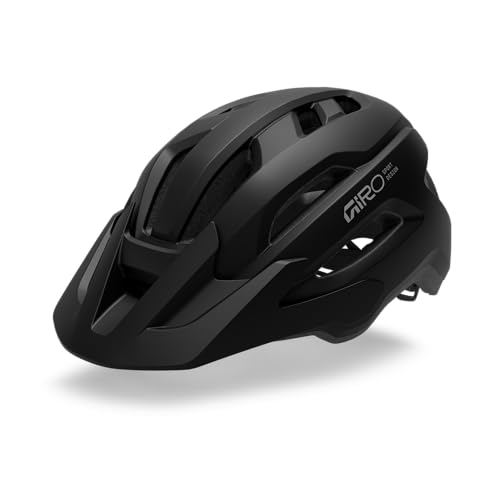
- The Giro Fixture MIPS is this guide’s sporty all-rounder for road, gravel and trail-leaning riders who want vents and a visor.
- The Thousand Heritage 2.0 is the commuter’s pick: low-profile retro styling, certified for cycling and skating use per its listing, in sizes for men and women.
- Replace any helmet after a crash, however cosmetic the damage looks, and retire helmets as their materials age according to the maker’s guidance.
In this guide
Quick Picks
Best all-round sport helmet: Giro Fixture MIPS — a universal-adult vented helmet with a rotational-impact liner system, sized for heads in the range stated in its listing, in a matte black and grey finish that goes with everything.
Best commuter style: Thousand Heritage 2.0 — a low-profile retro helmet whose listing describes certification for bicycle, skateboard, skating and roller-skate use, with the classic look riders who refuse the “mushroom” silhouette have been waiting for.
Everything after this section explains why those two earned their places, who should skip each, and how to buy the right size the first time.
How We Chose These Helmets
The shortlist was built on four filters. First, verifiability: only helmets with a current listing we could check were admitted as linked picks, and their claims in this guide are the claims their listings and makers support — fit ranges, styling categories and intended uses, not invented test data. Second, certification: a cycling helmet must carry the standard’s label for its market, full stop; fashion helmets without certification were excluded however handsome. Third, fit systems: an adjustable retention system that lets different head shapes achieve the same security earned priority over fixed padding alone. Fourth, honest coverage of real riding: rather than five near-identical road helmets, the guide chose the two designs that between them serve the commuter, the leisure rider, the gravel explorer and the weekend road rider — the cyclists who actually read pages like this one.
What we did not do is rank helmets by laboratory impact scores we did not run, invent prices, or borrow star-charts from other publications. Independent helmet testing programmes exist and are worth a reader’s evening; this guide’s job is the practical one of matching certified designs to riders and teaching the fit that makes any of them work.

Giro Fixture MIPS — the Best Bike Helmet for Most Riders?
Badge: Best all-rounder — road, gravel and light trail in one vented shell.
- Model: Giro Fixture MIPS, matte black/grey, per the listing
- Fit: universal adult sizing spanning 54–61 cm, per the listing
- Liner system: MIPS rotational-impact design
- Character: vented sport helmet with visor
The Fixture’s proposition is breadth. Giro built its reputation on helmets for riders who take the sport seriously, and the Fixture carries that DNA into a price-conscious, one-size-adult format: a well-vented shell that does not cook you on a climb, a visor that earns its keep against sun and trailside brush, and a fit system that cinches the liner down evenly rather than squeezing the forehead and floating at the back. The listing’s universal adult range, fifty-four to sixty-one centimetres, covers the broad middle of adult head sizes, and the matte black and grey finish is the one that will still look right when the bike, the kit and the season have all changed around it.
The MIPS liner deserves a plain explanation. Inside the main foam, a low-friction layer allows a small amount of relative movement between the helmet and the head in certain angled impacts; angled impacts are how most real falls arrive, and the design intent is to reduce the rotational motion transmitted in those events. It is a widely adopted system across the industry, not a Giro exclusive, and its presence here matters because it brings a feature once reserved for premium helmets into the all-rounder class. What it is not is a promise — it is one layer of a system whose other layers are certification, fit and the rider’s own judgement.
On the road and the trail, the Fixture’s virtues compound quietly. Ventilation that works at climbing speed, a shape that plays nicely with ordinary sunglasses, straps that lie flat rather than sawing at ears — these are the details that decide whether a helmet is worn on the spontaneous Tuesday ride as faithfully as on the planned Sunday one. Riders whose heads fall outside the stated range, or whose riding is purely urban and style-led, should read the Thousand section next; riders inside the range who ride a bit of everything have found their default answer.
Strengths
- Genuinely versatile: vented and visored for road, gravel and trail-leaning riding alike.
- MIPS liner system brings rotational-impact design into the all-rounder class.
- One universal adult size spanning the common range simplifies buying and household sharing between similarly sized riders.
Trade-offs
- Universal sizing cannot match the tailored fit of a multi-size range at the extremes of head size or shape.
- The sporty, visored look is wrong for riders who want a clean urban silhouette.
- Matte dark finishes absorb summer sun more than pale colours do, a small but real comfort note for hot climates.
Best for: the rider who does a bit of everything and wants one certified helmet that vents, shades and adjusts. / Not suited for: heads outside the stated range, or strict minimalists of urban style.

Thousand Heritage 2.0 — the Commuter Helmet People Actually Enjoy Wearing
Badge: Best for city riding, campus runs and anyone who hates the mushroom look.
- Model: Thousand Heritage 2.0 adult bike helmet, Speedway Creme in the listing’s featured variant
- Listing description: low-profile retro commuter helmet
- Certification described in listing: safety certified for bicycle, skateboard, skating and roller skates
- Sizing: offered for men and women, medium featured in the listing
Thousand started from a behavioural insight the big sport brands undervalued: the safest helmet is the one a rider is happy to be seen in, because that is the one that gets worn on the short rides — and short, casual, unplanned rides are exactly where helmets get left behind. The Heritage 2.0 is the refined second generation of that idea, a low-profile retro shell that reads as a design object rather than sporting equipment, in colourways like the Speedway Creme of the featured listing that pair with ordinary clothes instead of demanding Lycra as an apology.
The listing’s certification description deserves attention because it widens the helmet’s life: certified for bicycle use and also for skateboard, skating and roller-skate use, it suits the multimodal commuter whose week includes a board or skates as well as a bike, and the household that would rather own one handsome helmet per person than a rack of single-purpose ones. Fit and finish follow the commuter brief — a shape meant to sit lower and closer than a vented road helmet, with the clean lines that survive being carried into offices, lectures and cafés.
Where the Fixture is the answer for riders, the Heritage is the answer for trips. If your cycling is transportation — the market, the station, the school run, the evening ride to dinner — its trade-offs run in your favour: you surrender some ventilation and the visor, and you gain a helmet that disappears into your day. Riders planning long, hot, athletic miles should choose the Giro and accept the sportier look as the price of airflow.
Strengths
- Low-profile retro styling that riders genuinely keep wearing for short, everyday trips.
- Multi-use certification described in the listing covers skating and boarding alongside cycling.
- Colourways designed to live with ordinary wardrobes, not just riding kit.
Trade-offs
- Less ventilation than a sport helmet; long hot climbs are not its brief.
- No visor, so sun and brush protection falls to sunglasses and judgement.
- Style-led pricing means pure function-per-cost shoppers may prefer the sport all-rounder.
Best for: commuters, campus riders and style-conscious everyday cyclists, including multi-sport users. / Not suited for: long athletic road rides or trail riding where vents and a visor earn their keep.
Side by Side: Which Helmet Fits Your Riding?
The comparison reduces to a question about your week. If most of your miles are exercise — road loops, gravel explorations, trails, anything where you finish sweaty — the Fixture’s ventilation, visor and sport fit system serve you better, and its universal sizing makes it the easier gift or household purchase. If most of your miles are transport — short, frequent, in ordinary clothes, ending at places where you will carry the helmet around — the Heritage 2.0’s profile and multi-use certification fit your life, and its looks remove the small daily friction that leaves helmets at home. Riders who genuinely split the two lives are the honest case for owning both, using each where it belongs; riders who must choose should count their last twenty rides and let the majority rule.
Both picks share the non-negotiables: certification to look for on the label, an adjustable fit to dial in, foam that must be replaced after any impact, and straps that only work when they are actually fastened snugly. Neither pick excuses the rest of the safety system — lights, roadcraft, a maintained bike — and this guide would be failing you if the product sections drowned that sentence out.
How to Buy the Right Size, First Time?
Step one: measure honestly
Wrap a soft tape around your head at the level the helmet will sit — across the forehead just above the eyebrows and around the widest part of the back of the head. No tape? Use a piece of string, mark it, and measure the string flat. Do this twice; heads are not perfectly symmetrical and neither are hurried measurements. That circumference, in centimetres, is your size, and it should fall comfortably inside the helmet’s stated range rather than at its ragged edge.
Step two: respect head shape
Heads come in rounder and more oval families, and brands cut their moulds accordingly. A helmet that presses at the temples while floating at the forehead is telling you its shape is not yours, whatever the tape said. Within a size, use the retention dial and any supplied pads to centre the fit; if even distribution proves impossible, a different model is the correct purchase, not a larger size worn loose.
Step three: the two-finger checks
Set the helmet level — front edge low on the forehead, not tipped back like a cap. The strap should form its V just below the ears, and the buckle should sit snug enough that two fingers fit between strap and chin with effort, no more. Shake your head gently with the strap open: a well-fitted helmet barely moves. Then fasten up and try to roll it forward or backward with your hands; meaningful movement means adjustment or another size.
Step four: wear it around the house
Keep the tags’ conditions in mind and wear a new helmet indoors for twenty minutes. Pressure points announce themselves on this timescale, not in a thirty-second shop trial, and discovering them at home is the difference between an exchange and a helmet you quietly stop wearing in month two.
How to Wear and Care for a Helmet So It Can Do Its Job?
Wear it level, every ride, straps fastened — the unglamorous trinity. Store it out of heat and sunlight, since the foam and shell age faster in a hot car or on a sunny windowsill than in a cool cupboard. Clean it with mild soap and water; solvents and strong chemicals can attack the foam invisibly, which is the worst kind of attack a safety product can suffer. Never lend a crashed helmet a second life, never buy one second-hand whose history you cannot know, and never modify the shell with drills, paints or accessories the maker did not design for. After any impact — a crash, a hard drop onto concrete with momentum, a car door’s full attention — retire the helmet even if it photographs beautifully. The foam’s work is done in compression you often cannot see, and it does not reset.
Age retires helmets too. Sweat, ultraviolet light, and the small knocks of storage degrade materials over years; follow the maker’s replacement guidance for your model, and treat a helmet that has served a long, sweaty apprenticeship with the gratitude of replacement rather than the gamble of another season. Keep the purchase date written inside the shell with a marker — memory is an unreliable archivist for safety equipment.
Common Mistakes Helmet Buyers Make
The classic mistake is buying for the mirror instead of the tape measure, then wearing a beautiful helmet two sizes of wishful thinking too large. The second is the tip-back: a helmet worn high on the forehead protects the hairline’s vanity and little else. The third is the loose strap, dangling like jewellery while its owner believes themselves protected. Fourth comes the inherited helmet — a sibling’s outgrown lid, a partner’s spare, a charity-shop bargain — whose impact history is a novel nobody has read. Fifth, the immortal helmet: the ten-year-old foam companion whose owner points to its unmarked shell as evidence of youth, while its materials have aged through a decade of summers. Every one of these mistakes is free to avoid, and avoiding them does more for a rider than upgrading a model tier ever will.
A subtler mistake is category confusion: a climbing helmet, a ski helmet and a bicycle helmet are engineered and certified for different impact patterns, and their interchangeability is a myth of similar silhouettes. Buy the certification for the activity you are doing — which is why the Heritage 2.0’s listing, describing certification across cycling and skating uses, is genuinely useful information rather than a marketing flourish.
Final Recommendation
For most riders reading a general guide, the Giro Fixture MIPS is the default: certified, vented, visored, adjustable across the common adult range, and honest about its all-round brief. For the commuter whose helmet must survive contact with a wardrobe and a social life, the Thousand Heritage 2.0 is the pick that will actually be on your head at the moment it matters. Choose by your last twenty rides, measure before you order, fit it like you mean it, and replace it without sentimentality after any crash. That is the whole doctrine; the helmets are merely its two friendliest current expressions.
More from this site: reading gear for the evenings after the ride · ear protection for noisy commutes · kitchen recovery after long rides · measuring your home’s air like you measure your head · purifiers for the room your kit dries in
Helmets for Glasses Wearers, Beards, Long Hair and Other Real Heads
Fit guides are written for a standard head that nobody owns, so let this section speak to the actual ones. Glasses wearers should fit the helmet with their usual eyewear on, checking that the retention system does not drive the arms into the temples and that the shell leaves the frames their working room; sunglasses that sit over the straps, arms outside, stay put better at speed and come off without undressing the helmet. Bearded riders discover that chin straps and beards negotiate their own treaty — the strap should be snug against the jaw’s line with the beard arranged consistently, because a strap fitted over a flattened beard on Monday floats over a free one on Friday. Long hair changes the shell’s seating: a low ponytail routed beneath the retention, or a braid, keeps the helmet level where a high ponytail acts as a wedge that slowly tips it back, the classic fit fault wearing a hairstyle’s disguise. Riders who wear head coverings for faith or custom should fit the helmet over the covering they will actually ride in, and look to the models and sizes that accommodate that reality with the level, immobile fit this guide has insisted on throughout — several makers and community organisations publish guidance for exactly this fitting, and it deserves the same unhurried twenty-minute home trial as any other. In every case the doctrine is unchanged: the helmet must sit level, must not shift, and must be comfortable enough at minute twenty to be forgotten by minute forty. The head you have is the specification; the helmet’s job is to meet it.
What to Do With the Old Helmet
Retired helmets accumulate in garages because nobody knows their correct ending, so here it is. A crashed helmet should be destroyed as safety equipment — straps cut, so it can never be rescued into service by a well-meaning stranger — before it goes to waste; some makers invite crashed helmets back for inspection or replacement programmes, and their instructions outrank this paragraph. An aged but uncrashed helmet has no second career as a loaner, for the history reasons this guide has repeated, and its honest destinations are the maker’s recycling route where one exists, a role as a fitting dummy for a child’s dressing-up box with its straps removed, or the bin. What it should never become is the household spare, quietly promoted back to duty the day a guest arrives — the guest deserves the known-history spare this guide recommended, bought for the purpose and dated in marker like every other helmet in the house. Endings matter in safety equipment because beginnings depend on them: the new helmet’s authority is undermined every day its predecessor lingers as a tempting, dubious alternative on the same hook.
The Helmet and the City: Infrastructure’s Half of the Bargain
A helmet guide should end by acknowledging the limit of its own subject, because riders do not fall only by their own errors and no honest page should imply otherwise. The safest cycling cities in the world achieved their records primarily by design — protected lanes that separate the bicycle from the lorry, junctions that slow the turning car, networks that make the calm route the obvious route — and their helmet debates happen inside a safety those streets built. A rider in a less generous city wears the helmet as one layer in a personal system that substitutes, as far as one person can, for the infrastructure that has not yet arrived: the chosen calm street, the lit and visible machine, the defensive patience at the junction. None of that diminishes the two picks on this page; it locates them. Buy the helmet, fit it impeccably, and then — if the subject moves you — lend your voice to the boring, decisive work of street design in your own town, because the best bike helmet in the fullest sense is a city where it is needed least, and every rider who has ever been glad of theirs knows exactly why both halves of that sentence are true.
A Season With Each Pick: Two Small Diaries
Theory settles arguments; diaries settle purchases, so imagine the two picks lived with for a season. The Fixture’s spring begins on a road bike at dawn, vents earning their keep on the first real climb of the year, visor tipped against a low sun that has not yet learned manners. By June it has done gravel duty with dust in every vent — a rinse under the tap, a night’s drying, and it is ready — and by September it has survived being the household spare for a visiting brother whose head, mercifully, measured inside its range. Its owner’s single complaint across the season is the one this guide predicted: at the café in town it looks like equipment, because it is. The Heritage’s spring begins differently, on the station run, in ordinary clothes, locked and unlocked and carried through three meetings without once becoming the story. By June it has been to the market forty times and the office every day, and by September its owner realises the deepest statistic in this guide without reading it: the best helmet is the one in the photographs, all of them, because it was never once left behind for looking wrong. Neither diary is an advertisement. They are the two riding lives this page has described from its first section, and the reader who recognises their own week in one of them has finished choosing.
The Fitting Room at Home: Running Your Own Twenty Minutes
Because the home trial has been recommended throughout, here is its liturgy in one place, for the evening the box arrives. Clear a table, find the tape measure and a mirror, and put the kettle on — this is a ceremony, and it should feel like one. Measure twice, note the figure, and start with the size the measurement chooses rather than the size vanity prefers. Set the helmet level in the mirror, work the retention dial until the hold is even, arrange the straps into their V and their two-finger buckle, and perform the shake and roll tests without mercy. Then wear it — through the kettle’s boiling, through a chapter of something, through the small chores of the room — and interrogate the experience at five-minute intervals: pressure anywhere, migration anywhere, a strap’s edge announcing itself. Adjust once, in one variable, and repeat. At twenty minutes the helmet has told you everything a shop never could, and the verdict is one of three: a fit so forgettable it is already a habit, a fit one adjustment away, or a shape that is not yours and should be exchanged while the lesson is free. Every rider who has ever loved a helmet has passed this examination, knowingly or not. Sit it deliberately, and the season’s diaries in this guide stand a chance of being yours.
A Final Word Before the Questions
Everything in this guide reduces to a sentence a rider can hold at the door: certified, measured, level, fastened, replaced when its work is done. The two helmets above are simply that sentence made purchasable in its two friendliest current forms — the vented all-rounder and the handsome commuter — and the reader who has followed the argument to this point no longer needs a ranking to choose between them, only a mirror, a tape measure and an honest count of their last twenty rides.
Frequently Asked Questions
How do I know a helmet is properly certified?
Look inside the liner for the standard’s label for your market before you rely on any listing language, and buy from sellers whose listings name the model precisely. Certification is a property of the exact model and size run, and the physical label in the helmet you receive is the document that counts.
What does MIPS actually do?
It is a low-friction liner system that permits a small amount of movement between the helmet and the head in certain angled impacts, designed to reduce rotational motion in those events. It is one component in a system that also includes the certified foam, the fit and the straps — valuable, widely adopted, and not a guarantee of any outcome.
Can one helmet serve for cycling and skating?
Only if it is certified for both uses, as the Thousand Heritage 2.0’s listing describes for its model. Standards differ between activities because impact patterns differ; check the labels for the exact uses rather than assuming a shell that looks similar is certified similarly.
When must I replace a helmet?
After any crash or significant impact, without exception and regardless of visible damage; when the maker’s age guidance says so; and whenever straps, retention systems or foam are damaged, degraded or no longer adjust properly. When in doubt, replace — the doubt itself is information.
Is a universal-size helmet a good idea?
For heads comfortably inside its stated range, yes: a well-designed retention system can deliver a secure fit across that span, as the Fixture’s listing promises for its range. At the edges of the range, or with an unusually round or oval head, a model offered in several sizes may fit better, and fit always outranks convenience.
Why does my helmet feel fine in the shop and awful on rides?
Usually one of three causes: it is tipped rather than level, the retention dial is centring it on a pressure point your head shape dislikes, or the straps are arranged so the helmet migrates as you move. Re-run the fitting steps in this guide slowly at home; if the pressure persists after honest adjustment, the model’s shape is not your shape, and exchanging it is the safety-conscious choice.
The Wider Helmet Landscape, So the Two Picks Make Sense
Road helmets
Pure road helmets chase ventilation and low weight for riders who generate their own heat at speed and measure rides in hours. They drop the visor, sculpt their vents for airflow at a tucked head angle, and assume sunglasses as part of the system. The Fixture borrows this family’s ventilation philosophy while keeping the visor and versatility that pure road lids surrender — which is why it suits the road rider who also wanders onto gravel, and why the dedicated racer will eventually outgrow it toward lighter, airier, pricier territory.
Mountain-bike helmets
Trail helmets extend coverage lower at the back and sides, carry a real visor, and are shaped to work with goggles. Their protection philosophy answers a different fall pattern — slower, more angular, among rocks and roots. A rider whose miles are mostly trail should shop this family deliberately rather than stretching a road design; the Fixture’s visor and coverage make it a reasonable light-trail companion, while committed trail riders will want the deeper-coverage end of the category.
Urban and commuter helmets
The commuter family, the Heritage 2.0’s home, trades vents for coverage, clean lines and durability against the knocks of locks, racks and office corners. Some add features for city life — reflective details, light mounts, even integrated lights in some models across the market. The family’s founding insight remains Thousand’s: in the city, adoption is the safety feature, and a helmet designed to be lived with will out-protect a superior laboratory performer that stays home.
Children’s helmets
Kids’ helmets are not small adult helmets in philosophy: fit changes as heads grow, straps must be manageable by the wearer where possible, and the whole enterprise depends on the child tolerating the thing. Measure the child’s head with the same tape discipline, choose the size that fits now rather than the one they will grow into, and replace after the falls that childhood supplies generously. A household that treats children’s helmets with the same seriousness as its own teaches the habit that protects them at twenty-five.
E-bike considerations
Faster, heavier electric bikes have prompted new standards in some markets aimed at higher-speed impacts, and riders of fast e-bikes should ask whether a speed-oriented certification applies where they live. For the ordinary pedal-assist rider at bicycle speeds, a certified bicycle helmet remains the baseline; the honest advice is to match the helmet decision to the speeds your machine actually travels, and to revisit it if you upgrade the machine.
Riding With a Helmet: The Small Ergonomics
Sunglasses and helmets are a system: the helmet’s retention and shell should let the glasses’ arms sit comfortably, ideally over the straps, without the dial pressing the arms into your head on hour two. Ponytails have ended more helmet fits than any specification — many riders route a low ponytail under the retention system or through a shell gap designed for it, and if your hairstyle and a helmet refuse to coexist, that is fit information, not vanity. In winter, a thin liner or cap made for helmets preserves the fit while taking the edge off the wind; a thick woolly hat underneath destroys the fit it warms, and the correct cold-weather answer is a helmet-compatible layer or a larger dedicated winter setup fitted with the layer in place. In rain, a helmet cover or the visor’s small mercy keeps the worst off your glasses, and the foam does not care about weather the way it cares about solvents and heat. None of these details appears on a size chart, and all of them decide whether the helmet is on your head in February.
Carrying, Locking and Living With the Thing
A helmet’s life between rides shapes its condition. Clip it to a bag by a strap rather than swinging it against railings; hang it at home on a hook that does not deform the foam; keep it out of the boot’s heat and the dashboard’s sun. Commuters who lock a bike outside face the helmet question daily — carry it in, or secure it with the bike — and the Heritage school of design exists partly because carrying it in became pleasant rather than faintly embarrassing. Whatever you choose, inspect the helmet in good light every few weeks: shell cracks, compressed or crumbling foam, frayed straps, a buckle that no longer clicks with conviction. The inspection takes a minute and is the difference between maintaining safety equipment and merely owning its shape.
Buying for a Household
Households multiply every helmet question. Partners with different head shapes may find one brand’s mould suits them both or neither; children need their own sizes on their own replacement schedule; a spare for guests is a kindness only if its size and history are known. The Fixture’s universal adult range makes it the natural household spare — one helmet, honestly sized, that fits most visiting heads in its stated span — while primary helmets should always be personal: fitted to one head, shaped by one rider’s sweat and knocks, and retired on one rider’s schedule. Label each helmet inside with its owner’s name and purchase date, and the household’s safety equipment becomes an archive instead of a pile.
A Word on Cost, Without Prices
This guide prints no prices, because prices move and stale numbers mislead; the listings carry the current figures. The durable economics are these. Certification is not a premium feature — certified helmets exist at every tier — so a lower budget should be spent on fit and certification rather than stretched toward styling. The premium tiers buy lightness, ventilation, aerodynamics and finish, which are comfort and performance goods, honestly sold, rather than a different category of permission to ride. A rider choosing between the two picks here is therefore not choosing between safe and safer; they are choosing between two certified answers to two different riding lives, and the money question is which life’s comforts they will use daily. Spend there, replace after impacts without resentment, and the helmet budget of a riding life stays remarkably sane.
After a Fall: The Protocol Nobody Wants and Everybody Needs
Because helmets exist for the worst minute of a ride, the guide should say plainly what that minute’s aftermath asks of you. First, people before equipment: check yourself and your companions, and treat any head impact with the seriousness of seeking medical assessment where there is any doubt at all — this page offers no medical advice beyond that insistence. When the dust settles, the helmet’s part is simple. Do not ride home in a helmet that took the impact if any alternative exists; its foam has spent itself exactly as designed. Photograph it if an insurance or warranty conversation may follow, keep it rather than binning it until those conversations are done, and replace it before the next ride rather than after a few nostalgic ones. Riders are often surprised to find some makers operate crash-replacement programmes that soften the cost of a successor; the listing or maker’s site for your model will say whether yours does. What you must not do is the quietly common thing: inspect the shell, pronounce it unmarked, and promote the helmet back to duty. The shell is the wrapping. The gift inside has been opened.
Helmet Myths, Retired One by One
Myth: a tighter helmet is a safer helmet. A helmet should be snug and immobile, not a vice; pain and headaches mean the shape or size is wrong, and a rider in pain adjusts, loosens and eventually abandons — the unsafe outcomes arrive by that road. Myth: the strap is optional on quiet streets. Falls are not scheduled by traffic density, and an unstrapped helmet leaves the head in the first bounce of the only fall that matters. Myth: a helmet that has never crashed lasts indefinitely. Materials age in sunlight, heat and sweat whether or not they ever meet the road, which is why makers print replacement horizons. Myth: more vents automatically mean less protection. Vent design and certified protection coexist across the modern market; certification, not vent count, is the evidence to read. Myth: a helmet makes a rider invulnerable, so other care is optional. The helmet is one layer among lights, brakes, roadcraft and route choice, and riders who treat it as a permission slip misunderstand the equipment they are wearing. Each myth survives because it contains a crumb of plausibility; each crumb is best enjoyed as history.
The First Month With a New Helmet
Week one is for fit refinement: after each ride, note where the helmet announced itself — a forehead mark that fades in minutes is normal fitting pressure, a hotspot that lingers is a message — and adjust the dial, pads and strap geometry in small changes rather than wholesale re-fittings. Week two is for systems: settle the sunglasses arrangement, the ponytail or cap question, the bag clip and the home hook, until the helmet’s logistics disappear into routine. Week three is for weather: ride it in wind and, when it comes, rain, and learn its noises and its ventilation’s honesty at your speeds. By week four the helmet should have achieved the invisibility that is the true mark of the right purchase — present in every photograph of the month’s rides and absent from every complaint. A helmet still being negotiated with after a month of honest adjustment is telling you it was the wrong shape all along, and the mature response is to change it while the lesson is cheap, rather than to let it drift to the hook of good intentions where unworn helmets accumulate.
Group Rides, Clubs and Borrowed Roads
Organised rides add a social layer to the helmet doctrine. Clubs and events commonly require helmets as a condition of participation, not from fussiness but because a group rides at the mercy of its least predictable moment, and the requirement protects the rider behind you as well as the rider in the helmet. Newcomers sometimes read the rule as a judgement on their experience; it is better read as the culture that keeps experienced riders alive to be experienced. If you are introducing a friend to group riding, lend them your knowledge before you lend them a helmet — fit, straps, level — and if a helmet must be borrowed, let it be a known-history spare like the household Fixture described earlier, fitted carefully to its temporary head. The ride itself will teach the rest: a well-fitted helmet disappears at exactly the moment the road, the company and the morning take over, which is the experience every product on this page is ultimately selling.
Where to Buy and How to Check the Helmet That Arrives
Buy the exact model, in the exact size, from a seller whose listing names both — helmet listings are a category where a vague title can hide a different variant, a different size run or a different certification market. When the box arrives, treat the first ten minutes as an inspection rather than a celebration. Confirm the size on the box matches the size moulded or labelled inside the helmet. Find the certification label inside the liner and read it; it should name the bicycle standard for your market. Check the foam for cracks, dents or crumbling, the shell for damage, the straps for fraying and the buckle and dial for clean function. Try the full fitting sequence from this guide before removing anything the seller requires for returns. A helmet that fails any of these checks goes back, however inconvenient the errand feels: safety equipment bought at a discount on certainty is not a bargain at any figure. Keep the receipt and the box’s date information with the purchase-date note you write inside the shell, and your future self — standing in a shop in three years wondering how old this helmet is — will thank the archivist you were today.
Teaching the Habit: New Riders and Returning Riders
The last audience for this guide is the person buying for someone else: a partner returning to cycling after years, a teenager graduating to road riding, a parent persuaded onto an e-bike for the school run. The gift version of the doctrine is patience. Measure their head with them rather than guessing from hat sizes, let them try the fit protocol slowly, and normalise the adjustments of the first month. Returning riders often carry an old helmet and an older assumption — that the helmet in the garage is the helmet question answered. Check its date, its history and its foam together, kindly, and let the replacement be part of the return’s pleasure: new bike, new routes, new helmet. Habits are inherited more than they are instructed, and a household that visibly measures, fits, fastens and replaces its helmets raises riders who do the same without ever remembering being taught. That, more than any single product above, is what the best bike helmet ultimately means.
Helmets and the Rest of the Safety System
A helmet guide that ended at helmets would be quietly irresponsible, because riders do not fall in a vacuum of equipment — they fall in traffic systems, on surfaces, at speeds, among other people. The helmet’s companions deserve their paragraph. Lights, used in daylight as well as darkness on many riders’ judgement, make the cyclist a fact in drivers’ vision rather than a surprise. Brakes maintained before they announce themselves, tyres with tread and pressure appropriate to the surface, and a quick pre-ride squeeze-and-spin check catch the mechanical failures that precede a share of falls. Roadcraft — positioning that claims space predictably, eye contact where it can be had, a deep suspicion of car doors and junctions — prevents the falls that equipment then never has to answer for. And route choice, the least discussed safety technology of all, can trade a hostile arterial for a calm parallel street at the cost of two minutes. None of this diminishes the helmet; all of it explains why the best-protected rider is the one whose helmet is the last thing they rely on, worn faithfully in the hope it stays unemployed. Buy the helmet for the fall you cannot rule out, and ride for the fall you can.
How the Two Picks Age With You as a Rider
Riders change faster than helmets do. The commuter who begins on the Heritage in September may be riding club miles by June, and the road rider who swore by vents discovers the school run and a trailer. A sensible helmet wardrobe follows the life rather than the identity: the picks in this guide were chosen as a pair precisely because most real riding lives eventually contain both kinds of week. Start with the one your current twenty rides demand, fit it impeccably, and let the second join it when the riding does. What should never change across the wardrobe is the doctrine that opened this guide — certification read on the label, fit measured rather than assumed, straps fastened like they matter, and replacement after impact without negotiation. Products rotate; doctrine compounds. A rider who internalises that sentence has extracted everything this page knows, and the two helmets above will serve as its faithful, replaceable instruments.