Disclosure: As an Amazon Associate, dailyhomedecorating.com earns from qualifying purchases. Links on this page are affiliate links; they cost you nothing extra. Prices and availability change often, so check the current Amazon listing before you buy.
Key Takeaways
So, is a shop vac worth it? The short answer: worth it if your home regularly produces garage grit, workshop dust, car mess or clean-water spills on hard floors; not worth it if your cleaning is light, carpeted and storage is precious. Asking is a shop vac worth it is really asking whether one bulky, noisy, capable machine will be used weekly or resented monthly, and only your rooms can answer that. This guide works through the value, the hidden costs and the alternatives so the answer you reach is one you still believe next year.
In this guide
What You Actually Get
Shop vacs are not quiet machines, and honest ownership means planning around that fact. Run longer sessions at reasonable hours, keep doors and windows in mind if neighbours are close, and consider hearing protection for extended workshop use. Short, planned sessions also tend to clean better than marathon ones, because filters, tanks and patience all hold up. If noise is a deciding concern in a flat or shared building, weigh that honestly before buying the largest machine you can find.
Basements combine two jobs in one space: dry storage dust most of the year, and the occasional water incident that needs calm, safe handling. For a minor clean-water spill on a hard floor, wet pickup can save mopping time, provided the machine is set up for liquids and plugged into a protected outlet. For anything involving sewage, chemicals or a large volume of water, stop and call a professional rather than improvising with a household machine.
Not every home needs a shop vac, and saying so plainly helps readers decide well. If your floors are mostly carpet, your messes are light, and you have no garage, workshop or renovation plans, a good household vacuum and a mop may cover everything. Equally, if storage is extremely tight, a bulky tank machine can become an obstacle you resent. Buying only when the jobs justify it is what makes the purchase feel worthwhile later.
How you handle the hose matters more than most owners expect. Sharp bends, kinks and dragging the machine by the hose all shorten its life and reduce suction at the tool. Give the vacuum a clear rolling path, move the machine rather than stretching the hose to its limit, and coil the hose loosely for storage instead of crushing it into a tight space. Small habits like these are the difference between a machine that feels strong for years and one that fades within a season.
Wet pickup rewards calm preparation. Clear dry debris first so it does not turn to sludge in the tank, set the machine up for liquids as the manual directs, protect the outlet, and work in small sections so you always know how full the tank is getting. Listen for the change in sound as the float rises, and stop to empty rather than pushing on. Afterwards, the dry-out routine matters as much as the pickup itself, because a stored damp tank is where odours begin.
The Real Costs Beyond Money
Suction on paper and suction at the end of a hose are different things. Long hoses, clogged filters, full tanks and leaking seals all chip away at real performance, which is why a well-maintained mid-range machine often out-cleans a neglected stronger one. When pickup fades, work through the simple causes first: empty the tank, check the filter and bags, clear the hose, and confirm the lid and seals are seated. Most disappointing sessions trace back to one of those four, not to the motor.
Fair comparison means testing the same mess with the same setup. A machine judged on loose sawdust will feel heroic, while the same machine on fine drywall dust is a filtration test, not a power test. Compare how each option handles your dominant mess, how its filter system copes, how it empties, and how it stores. Those four answers predict satisfaction far better than any single headline figure or showroom demonstration.
Filters are the quiet centre of shop vac ownership. A clogged filter makes a strong motor feel weak, pushes fine dust back into the room and forces the machine to work harder on every job. Check the filter after dusty work, tap or brush loose dust away outdoors where the manual allows, wash only filters the maker labels washable, and let any washed filter dry completely before refitting it. Keeping a spare filter means a wet or washed one never has to go back in damp.
Wet pickup rewards calm preparation. Clear dry debris first so it does not turn to sludge in the tank, set the machine up for liquids as the manual directs, protect the outlet, and work in small sections so you always know how full the tank is getting. Listen for the change in sound as the float rises, and stop to empty rather than pushing on. Afterwards, the dry-out routine matters as much as the pickup itself, because a stored damp tank is where odours begin.
Emptying the tank sounds trivial until you do it badly in a clean room. Take the machine outside or to a utility area, unclip the lid slowly so settled dust does not puff upward, and tip debris straight into a bag you can seal. If you use collection bags, the job is cleaner still: lift the bag out, seal it, and the tank stays close to clean. Wipe the tank rim before refitting the lid so the seal seats properly and suction stays strong.
Never use any shop vac on flammable or combustible liquids, and never pick up hot ashes, embers or anything that is still smouldering. Fuel, solvents and hot debris belong nowhere near a vacuum motor, a paper filter or a plastic tank, no matter how urgent the mess feels. Let fireplaces and stoves cool completely and let a professional handle anything you are unsure about.
For wet pickup, follow the manual for your exact model: remove the dry filter before vacuuming liquids unless the maker explicitly says otherwise, and keep the float shutoff working so the motor stops drawing when the tank reaches its safe liquid level. A blocked or missing float turns a simple spill job into a motor-damaging overflow.
Electricity and water demand respect. Plug the vacuum into a GFCI outlet whenever you work around liquids, keep connections dry, and never use a machine with a damaged cord, cracked plug or exposed wiring. If the cord is damaged, stop using the vacuum until it is properly repaired or replaced; do not tape over damage and carry on.
Fine dust changes the filter conversation completely. Drywall dust, cement dust and similar fine material clog standard filters quickly and can pass through them, so use the filter bags and fine-dust filtration the manufacturer recommends for that material, and empty or replace them before suction falls away.
If you suspect lead paint dust or asbestos in an older home, do not vacuum it yourself with a household or shop machine. Disturbing that material is a health risk that calls for professional remediation with the right containment and equipment. Stop, leave the area alone, and get qualified advice before any cleaning continues.
After any wet job, empty the tank, rinse away residue if the manual allows it, and leave the tank dry before storage. A sealed, damp tank grows mould and odour surprisingly fast, and that smell will greet you on the next job. Drying the tank and accessories is a small habit that protects both the machine and your home.
Who It Pays Off For
Filters are the quiet centre of shop vac ownership. A clogged filter makes a strong motor feel weak, pushes fine dust back into the room and forces the machine to work harder on every job. Check the filter after dusty work, tap or brush loose dust away outdoors where the manual allows, wash only filters the maker labels washable, and let any washed filter dry completely before refitting it. Keeping a spare filter means a wet or washed one never has to go back in damp.
Wet pickup rewards calm preparation. Clear dry debris first so it does not turn to sludge in the tank, set the machine up for liquids as the manual directs, protect the outlet, and work in small sections so you always know how full the tank is getting. Listen for the change in sound as the float rises, and stop to empty rather than pushing on. Afterwards, the dry-out routine matters as much as the pickup itself, because a stored damp tank is where odours begin.
Dry pickup looks simple, yet technique still shows. Overlap passes slightly on dusty floors, slow down over fine material so the filter is not overwhelmed in one gulp, and give edges and corners their own pass with the crevice tool. On rugs, expect a shop vac to lift surface debris brilliantly while leaving deep, embedded grit for a household machine with a rotating brush. Using each tool for what it does best is not a compromise; it is how a home stays genuinely clean.
Where the vacuum lives decides how often you actually use it. A machine buried behind paint tins and seasonal boxes will be skipped in favour of a broom, while one parked within easy reach of the garage or utility room gets used weekly. Store attachments with the machine, ideally in an onboard holder or a single small bin, so the crevice tool is not in a different room from the job. Keep the cord loosely coiled and the tank empty and dry.
Who Should Skip It
Homes with pets generate a particular mix of hair, litter scatter, kibble and the occasional water-bowl flood. A shop vac handles the hard-floor scatter around litter trays and feeding stations quickly, and it does not mind the odd pebble or toy fragment. Hair on hard floors lifts easily; hair worked into rugs needs slower passes and realistic expectations. Rinsing and drying the tank after any damp pickup keeps pet odours from settling into the machine itself.
Around a bench, the mess is a mixture of fine dust and sharp offcuts, and the two behave very differently in a hose. Coarse debris needs an open path and a filter that is not already blinded by dust, while fine material needs proper filtration so it stays in the tank or bag instead of blowing back into the room. Clearing the bench and floor in short passes, then wiping surfaces down afterwards, leaves a workspace that is genuinely clean rather than merely rearranged.
Filters are the quiet centre of shop vac ownership. A clogged filter makes a strong motor feel weak, pushes fine dust back into the room and forces the machine to work harder on every job. Check the filter after dusty work, tap or brush loose dust away outdoors where the manual allows, wash only filters the maker labels washable, and let any washed filter dry completely before refitting it. Keeping a spare filter means a wet or washed one never has to go back in damp.
Not every home needs a shop vac, and saying so plainly helps readers decide well. If your floors are mostly carpet, your messes are light, and you have no garage, workshop or renovation plans, a good household vacuum and a mop may cover everything. Equally, if storage is extremely tight, a bulky tank machine can become an obstacle you resent. Buying only when the jobs justify it is what makes the purchase feel worthwhile later.
Strengths and Trade-Offs of Owning One
Strengths of ownership: one machine for debris, dust and spills; fast garage and car clean-ups; resilience during renovations. Trade-offs of ownership: storage space surrendered permanently; noise that schedules your cleaning; and a filter routine that cannot be skipped without performance quietly fading.
Wet pickup rewards calm preparation. Clear dry debris first so it does not turn to sludge in the tank, set the machine up for liquids as the manual directs, protect the outlet, and work in small sections so you always know how full the tank is getting. Listen for the change in sound as the float rises, and stop to empty rather than pushing on. Afterwards, the dry-out routine matters as much as the pickup itself, because a stored damp tank is where odours begin.
Seasonal jobs, from clearing a porch before guests arrive to cleaning a utility room at the start of winter, suit a machine that tolerates variety. One session might cover cobwebs in corners, grit by the door, a spilled bag of compost and dust on stored items. Moving methodically, emptying the tank between heavy stages, and checking the filter before the final room keeps performance steady from the first pass to the last.
Beyond the purchase itself, ownership asks for filters, bags where you use them, occasional replacement hoses or tools, and the storage space a bulky machine occupies. None of these is a reason to avoid the category, but all of them belong in an honest decision. A machine whose filters are easy to find and simple to fit will be maintained; one with obscure consumables will quietly be neglected until its performance disappoints.
Alternatives to Consider
Before deciding, weigh the realistic alternatives honestly: a stronger household vacuum, a compact utility machine for cars and spills only, or hiring help for rare big jobs. These prose-only representatives cover the compact end while verification is pending.

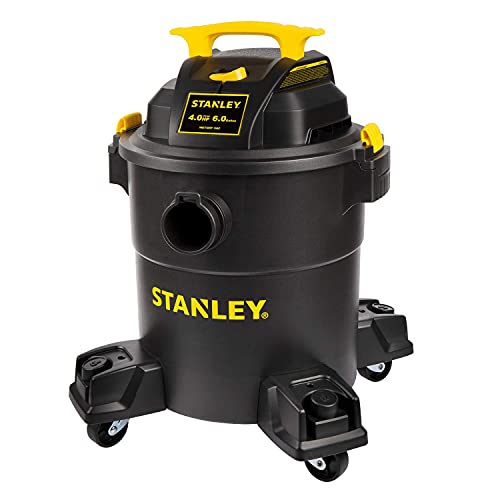
Stanley Wet Dry Vacuum
Best for: readers whose routine matches a practical option for car cleaning, utility rooms and smaller workshops where easy carrying and simple storage matter as much as raw pulling power. This is a prose-only pick in this guide, positioned by role rather than by a static price, so compare the current listing, the included attachments and the filter system before deciding.
In daily use, judge the Stanley Wet Dry Vacuum by how it handles your dominant mess, how cleanly the tank empties, and whether its tools reach the corners your home actually has. Strengths in this class tend to be straightforward wet and dry flexibility and tolerance for chunky debris. The honest trade-off is bulk: every machine in this category asks for storage space and makes real noise, and this one is no exception. Not suited for: anyone expecting a quiet, carpet-deep-cleaning household vacuum.
Basements combine two jobs in one space: dry storage dust most of the year, and the occasional water incident that needs calm, safe handling. For a minor clean-water spill on a hard floor, wet pickup can save mopping time, provided the machine is set up for liquids and plugged into a protected outlet. For anything involving sewage, chemicals or a large volume of water, stop and call a professional rather than improvising with a household machine.
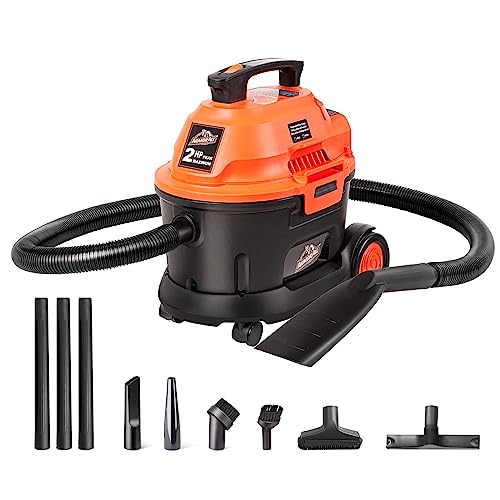
Armor All Wet Dry Utility Vac
Best for: readers whose routine matches a compact utility style that fits car interiors, tight storage corners and quick spill duty better than a full-size workshop machine. This is a prose-only pick in this guide, positioned by role rather than by a static price, so compare the current listing, the included attachments and the filter system before deciding.
In daily use, judge the Armor All Wet Dry Utility Vac by how it handles your dominant mess, how cleanly the tank empties, and whether its tools reach the corners your home actually has. Strengths in this class tend to be straightforward wet and dry flexibility and tolerance for chunky debris. The honest trade-off is bulk: every machine in this category asks for storage space and makes real noise, and this one is no exception. Not suited for: anyone expecting a quiet, carpet-deep-cleaning household vacuum.
How you handle the hose matters more than most owners expect. Sharp bends, kinks and dragging the machine by the hose all shorten its life and reduce suction at the tool. Give the vacuum a clear rolling path, move the machine rather than stretching the hose to its limit, and coil the hose loosely for storage instead of crushing it into a tight space. Small habits like these are the difference between a machine that feels strong for years and one that fades within a season.
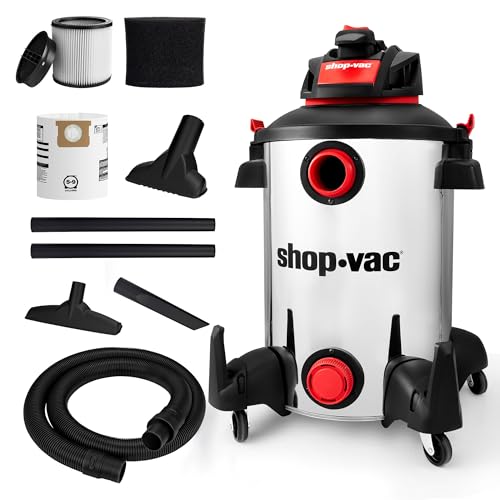
Shop-Vac Wet Dry Vacuum
Best for: readers whose routine matches the long-standing household name in this category, a sensible starting point for readers who want straightforward wet and dry pickup without specialist extras. This is a prose-only pick in this guide, positioned by role rather than by a static price, so compare the current listing, the included attachments and the filter system before deciding.
In daily use, judge the Shop-Vac Wet Dry Vacuum by how it handles your dominant mess, how cleanly the tank empties, and whether its tools reach the corners your home actually has. Strengths in this class tend to be straightforward wet and dry flexibility and tolerance for chunky debris. The honest trade-off is bulk: every machine in this category asks for storage space and makes real noise, and this one is no exception. Not suited for: anyone expecting a quiet, carpet-deep-cleaning household vacuum.
Shop vacs are not quiet machines, and honest ownership means planning around that fact. Run longer sessions at reasonable hours, keep doors and windows in mind if neighbours are close, and consider hearing protection for extended workshop use. Short, planned sessions also tend to clean better than marathon ones, because filters, tanks and patience all hold up. If noise is a deciding concern in a flat or shared building, weigh that honestly before buying the largest machine you can find.
Vacmaster Wet Dry Vac
Best for: readers whose routine matches a versatile household option that often appeals to readers balancing garage messes, pet areas and seasonal deep cleaning in one purchase. This is a prose-only pick in this guide, positioned by role rather than by a static price, so compare the current listing, the included attachments and the filter system before deciding.
In daily use, judge the Vacmaster Wet Dry Vac by how it handles your dominant mess, how cleanly the tank empties, and whether its tools reach the corners your home actually has. Strengths in this class tend to be straightforward wet and dry flexibility and tolerance for chunky debris. The honest trade-off is bulk: every machine in this category asks for storage space and makes real noise, and this one is no exception. Not suited for: anyone expecting a quiet, carpet-deep-cleaning household vacuum.
Beyond the purchase itself, ownership asks for filters, bags where you use them, occasional replacement hoses or tools, and the storage space a bulky machine occupies. None of these is a reason to avoid the category, but all of them belong in an honest decision. A machine whose filters are easy to find and simple to fit will be maintained; one with obscure consumables will quietly be neglected until its performance disappoints.
How to Get the Most Value If You Buy
Wet pickup rewards calm preparation. Clear dry debris first so it does not turn to sludge in the tank, set the machine up for liquids as the manual directs, protect the outlet, and work in small sections so you always know how full the tank is getting. Listen for the change in sound as the float rises, and stop to empty rather than pushing on. Afterwards, the dry-out routine matters as much as the pickup itself, because a stored damp tank is where odours begin.
Around a bench, the mess is a mixture of fine dust and sharp offcuts, and the two behave very differently in a hose. Coarse debris needs an open path and a filter that is not already blinded by dust, while fine material needs proper filtration so it stays in the tank or bag instead of blowing back into the room. Clearing the bench and floor in short passes, then wiping surfaces down afterwards, leaves a workspace that is genuinely clean rather than merely rearranged.
The right purchase starts with your rooms, not with a showroom. List the jobs you actually face monthly: garage floor, car, workshop bench, utility spills, renovation aftermath. Match the machine to the two or three most frequent jobs and let the rare ones be slower rather than buying for a worst case you may meet once. Readers who buy for their real routine almost always end up happier than readers who buy the biggest tank on the shelf.
Renovation mess is where a shop vac proves its worth most clearly. Plaster crumbs, tile chips, stripped wallpaper and tracked dust spread through a home quickly if they are left for a broom, which mostly pushes fine material into the air. Vacuuming in stages, room by room as work finishes, keeps dust from migrating onto furniture and floors you have already cleaned. Bagging fine debris at the machine keeps the tank cleaner and makes emptying far less dusty for whoever does it.
The Decision Checklist
Answer yes or no: Do I clean a garage, workshop or car at least monthly? Do hard floors dominate my messy areas? Do spills happen often enough to matter? Do I have dry storage within easy reach? Will I maintain filters without resentment? Is renovation or heavy DIY likely in the next few years? Four or more yes answers mean the purchase will very likely pay off; two or fewer mean skip it without regret.
Seasonal jobs, from clearing a porch before guests arrive to cleaning a utility room at the start of winter, suit a machine that tolerates variety. One session might cover cobwebs in corners, grit by the door, a spilled bag of compost and dust on stored items. Moving methodically, emptying the tank between heavy stages, and checking the filter before the final room keeps performance steady from the first pass to the last.
Dry pickup looks simple, yet technique still shows. Overlap passes slightly on dusty floors, slow down over fine material so the filter is not overwhelmed in one gulp, and give edges and corners their own pass with the crevice tool. On rugs, expect a shop vac to lift surface debris brilliantly while leaving deep, embedded grit for a household machine with a rotating brush. Using each tool for what it does best is not a compromise; it is how a home stays genuinely clean.
Related Guides
Keep exploring with these guides from the same cluster and the wider cleaning library.
best vacuums for car detailing
The Break-Even Question in Real Life: When a Shop Vac Pays Its Way
This section exists to ask the break-even question honestly, counting not just the purchase but the space, upkeep and attention the item will claim for as long as it is owned. It adds a layer that a feature list cannot give you, grounded in the home cleaning context this shop vac will actually live in. Where this guide names examples such as Stanley Wet Dry Vacuum, Armor All Wet Dry Utility Vac, Vacmaster Wet Dry Vac, use them as test cases for the checks below rather than as shortcuts past them.
Use the listings as a checklist rather than as entertainment. For each shop vac you shortlist, note the exact variant, the included parts, what is sold separately, and which photographs show the item in a setting like yours rather than in a studio. If a model named elsewhere in this guide catches your eye, treat it as a worked example for this process: run it through the same measurements, the same weekly rehearsal and the same friction list before letting familiarity turn into preference. Consistency is the whole trick. Shoppers go wrong not by choosing the objectively weaker shop vac, but by judging one contender on features, the next on looks and the third on a single enthusiastic anecdote.
Think about who else has a vote. A shop vac is usually shared, moved, cleaned or complained about by more than one person, and the second user’s priorities are often the ones that surface after the return window closes. Check height, weight, reach, noise, heat, sharp edges or sheer visual presence, whichever apply, against the smallest, oldest or least enthusiastic person who will live with it. If you are buying for a household that includes children, pets, elderly relatives or lodgers, run the clumsy scenario too: the spill, the knock, the curious tug, the door left open. A robust shop vac choice survives other people; a fragile one only survives its buyer.
Consider the edge cases that sit just outside normal use, because a shop vac will meet all of them eventually. The unusually large load, the unusually small task, the day you are in a hurry, the day something else in the room is broken and this has to cover for it. Versatility is not about a long feature list; it is about behaving predictably when conditions are imperfect. Where a design offers settings, modes, attachments or configurations, ask what each one is actually for in your home, and be suspicious of flexibility you cannot attach to a real occasion. One well-judged configuration used weekly beats five clever ones used once, and the honest shop vac for your home is the one whose strengths line up with your most frequent edge case, not your rarest.
Build a simple decision checklist and score it in writing. Five lines are enough: fit in the space, fit with the routine, ease of cleaning or upkeep, quality of the parts that move or wear, and how the shop vac will be stored or will look when it is not the centre of attention. Score each contender quickly, then look only at the lowest scores, because purchases are usually ruined by their weakest point rather than saved by their strongest. If two options tie, choose the one whose weakness is cheapest or easiest to live with. This sounds mechanical, and it is meant to: a written checklist is the best defence against the very human habit of falling for the last photograph you looked at.
Finally, plan the first fortnight. Decide where the shop vac will live from day one, what it replaces, what accessory or companion it needs straight away and what small job you will use to learn its habits while returning it is still simple. Keep the packaging until that learning period is over, note anything that surprises you, and deal with a mismatch early rather than adapting yourself around a poor fit for years. The households that end up happiest with a shop vac are rarely the ones that researched longest; they are the ones that checked fit honestly, bought for the ordinary week, and paid attention during the first days instead of assuming the decision ended at checkout.
Frequently Asked Questions
Can a shop vac replace a household vacuum?
For garages, workshops, cars and hard floors, largely yes, because it tolerates chunky debris and liquids that a household machine cannot. For deep carpet cleaning, a household vacuum with a rotating brush still does the better job. Most owners who keep both use each where it is strongest rather than forcing one machine to do everything, and that division of labour is the honest answer to the replacement question.
What should I never pick up with a shop vac?
Never vacuum flammable or combustible liquids, hot ashes, embers or anything smouldering, and never treat a shop vac as the answer to suspected lead paint dust or asbestos, which needs professional remediation. Sharp chemical spills and sewage also belong with professionals. When a mess involves fuel, heat, contamination or doubt, the safest and cheapest decision is to stop and get the right help.
Do I need to remove the filter for wet pickup?
Follow the manual for your exact model, because setups differ. In most cases the dry filter comes out before liquid pickup, and the float shutoff must be free to rise so the motor stops when the tank reaches its safe level. Never defeat or block the float. After the job, empty the tank and let everything dry before storage so mould and odour do not take hold.
How do I handle fine dust like drywall dust?
Fine dust needs the right filtration: use the filter bags and fine-dust filters the manufacturer recommends, change or empty them before they are packed, and expect suction to fall faster than it does on coarse debris. Work in smaller sections, check the filter between rooms, and wear suitable dust protection for the material you are cleaning, following local guidance for the job.
Why does my shop vac lose suction?
Work through the simple causes first: a full tank, a clogged filter or bag, a blocked hose or tool, and a lid or seal that is not seated. One of those four explains most disappointing sessions. Clear the blockage, clean or replace the filter as the manual allows, reseat the lid, and test again on a small area before assuming the motor itself is failing.
How should I store a shop vac between jobs?
Store it empty, clean and dry, with the tank lid seated, the hose loosely coiled without kinks, the cord untangled, and attachments kept with the machine. A dry utility corner or garage spot within easy reach means the vacuum actually gets used. Leaving liquid or damp debris sealed inside is the fastest route to odour, mould and a machine you dread opening next time.
Extra Notes on Seasonal Cleaning and Is A Shop Vac Worth It Ownership
Seasonal jobs, from clearing a porch before guests arrive to cleaning a utility room at the start of winter, suit a machine that tolerates variety. One session might cover cobwebs in corners, grit by the door, a spilled bag of compost and dust on stored items. Moving methodically, emptying the tank between heavy stages, and checking the filter before the final room keeps performance steady from the first pass to the last.
Ownership also rewards a simple routine after every session: shake loose dust from the filter area outdoors, check the tank for anything damp, confirm the float moves freely, and park the machine somewhere dry with its hose un-kinked. Readers who build that two-minute habit into the end of a job rarely face the slow decline in suction that makes owners blame a motor when the real cause was maintenance. It is unglamorous advice, and it is also the advice that keeps a purchase feeling worthwhile years later, long after the first impressive clean-up has been forgotten.
Extra Notes on Hose Handling and Is A Shop Vac Worth It Ownership
How you handle the hose matters more than most owners expect. Sharp bends, kinks and dragging the machine by the hose all shorten its life and reduce suction at the tool. Give the vacuum a clear rolling path, move the machine rather than stretching the hose to its limit, and coil the hose loosely for storage instead of crushing it into a tight space. Small habits like these are the difference between a machine that feels strong for years and one that fades within a season.
Ownership also rewards a simple routine after every session: shake loose dust from the filter area outdoors, check the tank for anything damp, confirm the float moves freely, and park the machine somewhere dry with its hose un-kinked. Readers who build that two-minute habit into the end of a job rarely face the slow decline in suction that makes owners blame a motor when the real cause was maintenance. It is unglamorous advice, and it is also the advice that keeps a purchase feeling worthwhile years later, long after the first impressive clean-up has been forgotten.
Extra Notes on Filter Care and Is A Shop Vac Worth It Ownership
Filters are the quiet centre of shop vac ownership. A clogged filter makes a strong motor feel weak, pushes fine dust back into the room and forces the machine to work harder on every job. Check the filter after dusty work, tap or brush loose dust away outdoors where the manual allows, wash only filters the maker labels washable, and let any washed filter dry completely before refitting it. Keeping a spare filter means a wet or washed one never has to go back in damp.
Ownership also rewards a simple routine after every session: shake loose dust from the filter area outdoors, check the tank for anything damp, confirm the float moves freely, and park the machine somewhere dry with its hose un-kinked. Readers who build that two-minute habit into the end of a job rarely face the slow decline in suction that makes owners blame a motor when the real cause was maintenance. It is unglamorous advice, and it is also the advice that keeps a purchase feeling worthwhile years later, long after the first impressive clean-up has been forgotten.
Extra Notes on Emptying Well and Is A Shop Vac Worth It Ownership
Emptying the tank sounds trivial until you do it badly in a clean room. Take the machine outside or to a utility area, unclip the lid slowly so settled dust does not puff upward, and tip debris straight into a bag you can seal. If you use collection bags, the job is cleaner still: lift the bag out, seal it, and the tank stays close to clean. Wipe the tank rim before refitting the lid so the seal seats properly and suction stays strong.
Ownership also rewards a simple routine after every session: shake loose dust from the filter area outdoors, check the tank for anything damp, confirm the float moves freely, and park the machine somewhere dry with its hose un-kinked. Readers who build that two-minute habit into the end of a job rarely face the slow decline in suction that makes owners blame a motor when the real cause was maintenance. It is unglamorous advice, and it is also the advice that keeps a purchase feeling worthwhile years later, long after the first impressive clean-up has been forgotten.
Extra Notes on Noise And Neighbours and Is A Shop Vac Worth It Ownership
Shop vacs are not quiet machines, and honest ownership means planning around that fact. Run longer sessions at reasonable hours, keep doors and windows in mind if neighbours are close, and consider hearing protection for extended workshop use. Short, planned sessions also tend to clean better than marathon ones, because filters, tanks and patience all hold up. If noise is a deciding concern in a flat or shared building, weigh that honestly before buying the largest machine you can find.
Ownership also rewards a simple routine after every session: shake loose dust from the filter area outdoors, check the tank for anything damp, confirm the float moves freely, and park the machine somewhere dry with its hose un-kinked. Readers who build that two-minute habit into the end of a job rarely face the slow decline in suction that makes owners blame a motor when the real cause was maintenance. It is unglamorous advice, and it is also the advice that keeps a purchase feeling worthwhile years later, long after the first impressive clean-up has been forgotten.
Extra Notes on Storage Sense and Is A Shop Vac Worth It Ownership
Where the vacuum lives decides how often you actually use it. A machine buried behind paint tins and seasonal boxes will be skipped in favour of a broom, while one parked within easy reach of the garage or utility room gets used weekly. Store attachments with the machine, ideally in an onboard holder or a single small bin, so the crevice tool is not in a different room from the job. Keep the cord loosely coiled and the tank empty and dry.
Ownership also rewards a simple routine after every session: shake loose dust from the filter area outdoors, check the tank for anything damp, confirm the float moves freely, and park the machine somewhere dry with its hose un-kinked. Readers who build that two-minute habit into the end of a job rarely face the slow decline in suction that makes owners blame a motor when the real cause was maintenance. It is unglamorous advice, and it is also the advice that keeps a purchase feeling worthwhile years later, long after the first impressive clean-up has been forgotten.
Extra Notes on Attachments Matter and Is A Shop Vac Worth It Ownership
Attachments are not filler in the box; they are what turn one suction source into a cleaning system. A wide utility nozzle covers floors, a crevice tool reaches the gaps machines miss, a brush loosens dust without scratching, and an extension wand saves your back on floors and high corners. Judge any model partly by whether its tools match your real jobs, and remember that a missing attachment usually matters more day to day than a small difference in headline power.
Ownership also rewards a simple routine after every session: shake loose dust from the filter area outdoors, check the tank for anything damp, confirm the float moves freely, and park the machine somewhere dry with its hose un-kinked. Readers who build that two-minute habit into the end of a job rarely face the slow decline in suction that makes owners blame a motor when the real cause was maintenance. It is unglamorous advice, and it is also the advice that keeps a purchase feeling worthwhile years later, long after the first impressive clean-up has been forgotten.
Extra Notes on Suction In Practice and Is A Shop Vac Worth It Ownership
Suction on paper and suction at the end of a hose are different things. Long hoses, clogged filters, full tanks and leaking seals all chip away at real performance, which is why a well-maintained mid-range machine often out-cleans a neglected stronger one. When pickup fades, work through the simple causes first: empty the tank, check the filter and bags, clear the hose, and confirm the lid and seals are seated. Most disappointing sessions trace back to one of those four, not to the motor.
Ownership also rewards a simple routine after every session: shake loose dust from the filter area outdoors, check the tank for anything damp, confirm the float moves freely, and park the machine somewhere dry with its hose un-kinked. Readers who build that two-minute habit into the end of a job rarely face the slow decline in suction that makes owners blame a motor when the real cause was maintenance. It is unglamorous advice, and it is also the advice that keeps a purchase feeling worthwhile years later, long after the first impressive clean-up has been forgotten.
Extra Notes on Wet Jobs Done Calmly and Is A Shop Vac Worth It Ownership
Wet pickup rewards calm preparation. Clear dry debris first so it does not turn to sludge in the tank, set the machine up for liquids as the manual directs, protect the outlet, and work in small sections so you always know how full the tank is getting. Listen for the change in sound as the float rises, and stop to empty rather than pushing on. Afterwards, the dry-out routine matters as much as the pickup itself, because a stored damp tank is where odours begin.
Ownership also rewards a simple routine after every session: shake loose dust from the filter area outdoors, check the tank for anything damp, confirm the float moves freely, and park the machine somewhere dry with its hose un-kinked. Readers who build that two-minute habit into the end of a job rarely face the slow decline in suction that makes owners blame a motor when the real cause was maintenance. It is unglamorous advice, and it is also the advice that keeps a purchase feeling worthwhile years later, long after the first impressive clean-up has been forgotten.
Extra Notes on Dry Jobs Done Thoroughly and Is A Shop Vac Worth It Ownership
Dry pickup looks simple, yet technique still shows. Overlap passes slightly on dusty floors, slow down over fine material so the filter is not overwhelmed in one gulp, and give edges and corners their own pass with the crevice tool. On rugs, expect a shop vac to lift surface debris brilliantly while leaving deep, embedded grit for a household machine with a rotating brush. Using each tool for what it does best is not a compromise; it is how a home stays genuinely clean.
Ownership also rewards a simple routine after every session: shake loose dust from the filter area outdoors, check the tank for anything damp, confirm the float moves freely, and park the machine somewhere dry with its hose un-kinked. Readers who build that two-minute habit into the end of a job rarely face the slow decline in suction that makes owners blame a motor when the real cause was maintenance. It is unglamorous advice, and it is also the advice that keeps a purchase feeling worthwhile years later, long after the first impressive clean-up has been forgotten.
Extra Notes on Buying For Your Home and Is A Shop Vac Worth It Ownership
The right purchase starts with your rooms, not with a showroom. List the jobs you actually face monthly: garage floor, car, workshop bench, utility spills, renovation aftermath. Match the machine to the two or three most frequent jobs and let the rare ones be slower rather than buying for a worst case you may meet once. Readers who buy for their real routine almost always end up happier than readers who buy the biggest tank on the shelf.
Ownership also rewards a simple routine after every session: shake loose dust from the filter area outdoors, check the tank for anything damp, confirm the float moves freely, and park the machine somewhere dry with its hose un-kinked. Readers who build that two-minute habit into the end of a job rarely face the slow decline in suction that makes owners blame a motor when the real cause was maintenance. It is unglamorous advice, and it is also the advice that keeps a purchase feeling worthwhile years later, long after the first impressive clean-up has been forgotten.