Affiliate disclosure: As an Amazon Associate, this site may earn from qualifying purchases. If you buy through links on this page, we may receive a commission at no extra cost to you.
Choosing the best shop vacuums starts with the mess you need to collect, not the biggest horsepower number on a box. A wet/dry vacuum can clear sawdust, wood chips, vehicle grit, renovation debris, and accidental water from a garage or workshop, but the right machine depends on tank capacity, filter setup, hose and nozzle fit, mobility, storage, and how often you will empty it. A large tank is helpful during a demolition cleanup; it can be an annoying, bulky choice for quick car detailing or a narrow utility closet.
This guide compares practical types of shop vacuums and explains how to choose one for a home workshop, garage, renovation project, or occasional household spill. It also clarifies what common labels do and do not tell you, when a standard wet/dry vacuum is the wrong tool for fine hazardous dust, and how to maintain the machine so suction stays useful. The goal is to help you match the vacuum to real tasks rather than assume that one model or one motor rating suits every home.
Quick answer: match capacity and filtration to the job
For a general garage or home workshop, a mid-size wet/dry vacuum is usually the most flexible starting point. It can handle routine sawdust, floor debris, and vehicle cleanup without taking up as much room as a large contractor tank. Choose a larger tank when you regularly collect bulky debris or liquid and want fewer interruptions. Pick a compact model when portability, storage, or car cleaning matters more than runtime. If your work creates fine dust, confirm that the entire collection system is suitable: filter, bag, hose, tool connection, and dust-control method all matter.
Our useful shortlist spans several familiar categories: RIDGID’s 12-gallon NXT wet/dry vacuum for a full-size garage setup; DEWALT’s 9-gallon wet/dry vacuum for a mid-size shop or jobsite; Vacmaster’s 5-gallon Beast model for a smaller footprint; a stainless 12-gallon Shop-Vac for users who prefer a metal tank; and a 12-gallon Craftsman general-purpose model. These are comparison examples, not a ranked laboratory test. Compare the current configuration and warranty before buying because included filters, hose diameters, tools, and regional bundles can change.
Shop vacuum models worth comparing
These examples represent different capacity and use profiles. Model names and images were obtained through Amazon Creators API; check the current listing for included accessories, regional variants, stock, and specifications before purchasing. A product appearing here is a starting point for comparison, not a promise that it is best for every workshop.
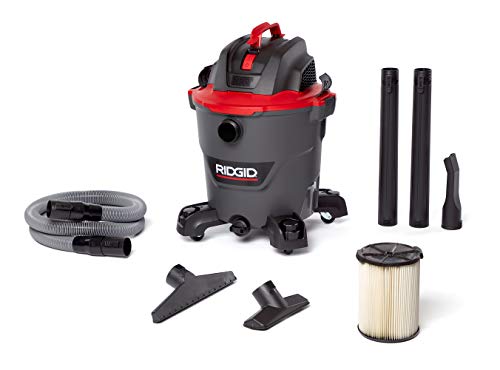
ASIN: B07R2723RD
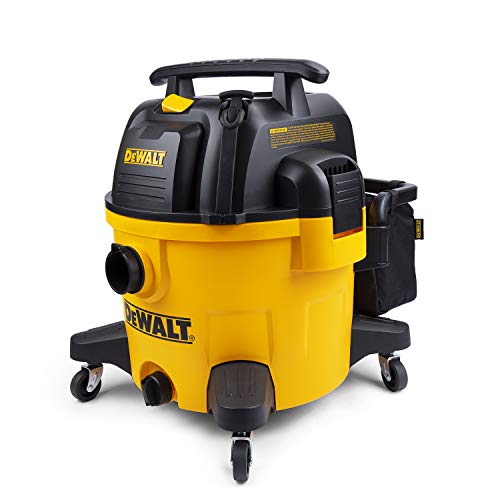
ASIN: B088BLNHDT

ASIN: B0D2D3CGV8

ASIN: B0982MVF19

ASIN: B07H7YV9JX
What makes a shop vacuum different?
A shop vacuum, often called a wet/dry vacuum, is built for rougher debris and more varied cleanup than a typical household upright. Its broad intake and utility hose can collect wood chips, small scraps, soil, and some liquid when configured for that purpose. Many models use a tank rather than a dust bag as the primary container, with a filter protecting the motor from collected material. Accessories may include a crevice tool, floor nozzle, utility nozzle, extension wands, or a blower outlet.
That robust format has trade-offs. Shop vacs can be louder, heavier, and less convenient on stairs than a household vacuum. A wide hose is useful for larger debris but less precise around cushions and delicate finishes. A tank can be easy to empty but dusty to maintain. A standard shop vacuum is not automatically a sealed HEPA dust extractor, and it is not automatically safe for every fine powder or contaminated material. Read the manual and match the filtration to the material being collected.
How to choose the best shop vacuums for your space
1. Start with the mess you collect most often
Write down the three cleanup jobs you do most. A woodworker may prioritize sawdust collection at a tool port, easy bag changes, and a hose that reaches around a bench. A car owner may want a manageable tank, a long cord, narrow attachments, and enough reach to clean between seats. Someone handling routine garage grit may care more about a stable floor nozzle and wheels that roll over concrete. Renovation cleanup may require a larger tank and a specific dust-control solution. Ranking tasks prevents you from buying capacity you rarely use or a small model that fills before the job is done.
Also consider where the vacuum will live. Measure the parking space with the hose and cord attached, not just the tank height. A big unit that blocks a walkway or must be carried down a flight of stairs can become a chore. If it will be moved between rooms, note its loaded weight and the quality of the handle, casters, and accessory storage. A smaller vacuum used regularly often delivers more value than a larger one left in a corner because it is awkward to move.
2. Choose tank capacity for debris volume, not marketing
Tank capacity describes how much material the container can hold, but usable fill volume is lower once the filter and float mechanism are accounted for. Dry debris can be light but bulky; wet cleanup can become heavy quickly. A larger tank reduces emptying breaks during a long cleanup, yet it takes more floor space and is harder to carry when full. A compact tank is easier to store and lift, but frequent emptying interrupts longer work.
For occasional vehicle interiors and small workbenches, a compact or mid-size tank can be more convenient. A shared household garage or active woodworking area may justify a larger tank. If you often collect liquid, think about where you will safely drain it and whether you can lift the container when partly full. Do not fill any model beyond its marked limit or defeat a float shutoff. The best capacity is the smallest tank that comfortably covers your usual job without becoming a storage burden.
3. Compare airflow, sealed suction, and motor labels carefully
Peak horsepower is a familiar advertising number, but it should not be treated as a direct measure of cleaning performance or as a fair way to compare models. Manufacturers may publish different measurements, and real pickup depends on the full airflow path: motor and fan design, tank, filter condition, hose diameter and length, fittings, and nozzle. If the vacuum will connect to a saw or sander, verify the port and adapter fit instead of assuming a powerful motor will compensate for a poorly matched connection.
Look for technical details in the current manufacturer documentation, then compare products using the same kind of measurement when available. If the specification is unclear, focus on the tasks, included accessories, filter options, and service support. A clean filter and open hose can make a noticeable difference; an impressive number printed on the carton cannot overcome a clogged filter, kinked hose, or undersized adapter.
4. Check filter and bag options before fine-dust work
Filters are task-specific. A standard cartridge filter may suit ordinary dry debris, while a foam sleeve or wet filter is used for liquid collection according to the manual. Fine dust may require a compatible high-efficiency filter and a collection bag that keeps dust contained during disposal. Confirm that a bag is made for the vacuum and material, fits the tank, and does not block the float or airflow. A HEPA label on one component does not necessarily mean the whole vacuum is a certified HEPA system.
For concrete, masonry, engineered stone, or other tasks that can generate respirable silica, treat dust control as a safety requirement rather than a product feature. OSHA’s construction silica guidance describes housekeeping methods including HEPA-filtered vacuuming and wet methods in situations where the silica standard applies. A general shop vacuum should not be substituted for a compliant dust-control system based on tank size or a generic filter claim. See OSHA’s construction silica guidance and follow applicable rules, tool instructions, and workplace exposure controls. For ordinary sawdust, use a filter and bag appropriate to the tool and follow the manufacturer’s guidance.
5. Confirm hose diameter and tool-port compatibility
Hose diameter affects what the vacuum can collect and how easily it connects to a tool. A wider hose can pass larger chips and debris without clogging as readily; a smaller hose may be easier to handle for cars, benches, and tight spaces. Power tools often use ports that differ by brand or model. Before buying a vac for dust collection, measure the tool port and compare the vacuum hose, adapters, and any recommended fittings. Look for a secure, sealed connection so dust travels into the collector rather than escaping at the joint.
Hose length also changes how useful a vacuum feels. A longer hose reaches farther around a vehicle or shop, but can reduce airflow and is harder to coil neatly. A short hose is manageable at a bench but may force you to move the tank frequently. Check whether the hose is flexible in cool weather, resists crushing, and stores on the vacuum. Accessory diameter labels may be nominal rather than identical, so verify fit before ordering extra attachments.
6. Think about noise, cords, wheels, and storage
Wet/dry vacuums can be loud enough to make short cleanups unpleasant, especially in a small attached garage. If noise matters, look for a published sound rating measured in a comparable way, or choose a model explicitly designed for quieter operation. Wear hearing protection when appropriate and avoid assuming a low-noise claim means the motor is quiet under every load. The vacuum’s pitch, the surface it sits on, and the connected tool can affect perceived sound.
Inspect the cord length and how it wraps for storage. A cord that is too short may require an extension; choose an extension rated for the device and follow its instructions. Large casters roll well on smooth concrete but may snag on gravel or thresholds. A top handle helps with lifting, but lifting a full tank is a different matter. Check whether the hose, wands, and nozzles have dedicated holders so the accessories stay together. Small conveniences influence whether the vacuum gets used for quick cleanup or only for major projects.
Comparing the five example vacuums
RIDGID 12-gallon NXT: a roomy garage or workshop choice
The RIDGID RT1200 listing identifies a 12-gallon NXT wet/dry vacuum. That capacity places it in the full-size household workshop range: useful when you collect recurring debris or want to clean several zones before emptying. Think about its footprint and full-tank weight before choosing it for a small storage closet. Check the current bundle for the exact hose, filter, nozzle, and accessory set; the same model family may appear with different configurations. Its role is most compelling when capacity and a workshop-oriented setup matter more than carrying the machine from room to room.
DEWALT DXV09PA: a mid-size option for mobile cleanup
The DEWALT DXV09PA listing describes a 9-gallon wet/dry vacuum with attachments and a blower function. A 9-gallon class can be a useful middle ground for a garage or renovation area where a small car-detailing vac would fill too quickly, but a 12- or 16-gallon tank would be excessive. Verify whether a blower outlet is included in the specific listing and treat it as a way to move loose leaves or debris in appropriate outdoor areas, not as a substitute for dust capture. For indoor fine dust, exhausting material back into a room defeats the purpose of vacuuming.
Vacmaster Professional Beast 5-gallon: smaller footprint, more frequent emptying
The VFB511H listing identifies a 5-gallon wet/dry vacuum. A compact tank can be easier to tuck beside a workbench or carry to a vehicle. Its smaller capacity means bulky sawdust or a large spill will require more stops, so choose it for portability and storage rather than long uninterrupted cleanup. Confirm the current package’s filters, bags, hose, and tool adapters before expecting it to connect to a particular saw. A compact model can be a strong fit for a hobby shop where the space is limited and debris volume is moderate.
Shop-Vac 12-gallon stainless model: a metal-tank alternative
The Shop-Vac listing describes a 12-gallon stainless wet/dry vacuum with a 6.0 peak horsepower motor and accessories. The stainless tank is a design preference, not proof that the machine is more powerful, easier to maintain, or immune to corrosion under all conditions. Compare weight, drain access, caster quality, accessory storage, warranty, and replacement filter availability. A large steel tank can suit a fixed garage station, while its mass may be a drawback if you carry the vacuum often or need to lift it over a step.
CRAFTSMAN 12-gallon general-purpose model: a broad-use comparison
The Craftsman CMXEVBE17594 listing describes a 12-gallon wet/dry shop vacuum with a filter, dust bag, hose, and attachments. Those included parts can make the initial package convenient, but verify that each item is present in the current listing and suitable for your debris. A dust bag can simplify emptying and help contain ordinary dry material when properly fitted; it does not turn a standard vacuum into a certified hazardous-dust extractor. This model is worth comparing when you want a larger general-purpose tank and a bundled set of everyday accessories.
Best shop vacuums by use case
For sawdust at a bench
Prioritize a sealed tool connection, an appropriate fine-dust filter and bag, manageable hose routing, and a stable place for the vacuum. If a saw has a dust port, check whether the collector’s adapter fits and whether the tool’s own dust port captures the type of debris produced. A shop vac can be part of the collection setup, but high-volume tools may need a dedicated dust collector. Keep the hose away from blades, belts, and moving parts. If you work with engineered stone or concrete, use a purpose-designed control method and applicable respiratory protection rather than relying on a general-purpose shop vacuum alone.
For a garage floor and car interior
A garage cleaner benefits from a floor nozzle that covers broad areas and a crevice tool that reaches corners. For car interiors, the same big floor nozzle is less helpful; narrow tools, a flexible hose, and a compact tank make the difference. Look at whether the vacuum can be rolled around a vehicle without tipping, and plan where the cord will run to avoid contact with doors or tires. If you detail cars regularly, a dedicated compact vacuum may be easier to maneuver than a large workshop tank.
For renovation debris
Renovation sites produce mixed material, from coarse fragments to fine dust. Separate those tasks. A utility vacuum can collect ordinary coarse debris when used according to its instructions, while hazardous or respirable dust needs a suitable control system. Do not vacuum hot ash, flammable liquids, combustible dust, or unknown chemicals unless the product is specifically designed and rated for that material. A wet/dry label does not mean universal chemical or fire resistance. Clear large sharp pieces manually with appropriate protection before they damage the hose or bag.
For liquid spills
Before collecting liquid, remove or change the filter and install the proper wet-collection configuration as the manual directs. Check the tank’s liquid capacity and float shutoff. Keep the motor housing, plug, and extension connections dry, and avoid using the vacuum near standing water where an electrical hazard exists. Empty the tank promptly, rinse it if allowed, and let components dry fully before switching back to dry debris. If the spill contains fuel, solvent, sewage, or a chemical, do not assume a household wet/dry vac is suitable; consult the product documentation and appropriate cleanup guidance.
How to use a shop vacuum without making a bigger mess
Match the nozzle to the material. A wide floor nozzle is efficient for flat floors; a crevice tool reaches corners; a utility nozzle can handle general surfaces; and a brush tool helps on delicate trim when compatible. Pick up long strips, wire, or sharp fragments carefully because they can lodge in a hose or puncture a bag. Keep the filter clean but do not knock fine dust into the air in an occupied room. Use a bag or disposal method appropriate to the debris, and avoid dumping dusty material in a way that creates a cloud.
When connecting to a power tool, secure the adapter, route the hose so it cannot be pulled into the workpiece, and switch the collector on before making dust-producing cuts. Use the tool manufacturer’s dust-collection requirements. Stop if the filter clogs, the suction drops, or dust escapes from the exhaust. Do not block the vacuum’s cooling vents or run it unattended where a hose could snag. For indoor cleanup, open ventilation only when safe and avoid blowing debris around with the vacuum’s blower function.
Maintenance that protects suction and the motor
Empty the tank before debris reaches the filter or float mechanism. Inspect the hose and fittings for cracks, clogs, and loose connections. Clean or replace the filter on the interval and in the manner specified by the manufacturer; a filter that is washed when it should stay dry can be damaged, and a dry-only filter may be inappropriate for liquid use. Allow a washable component to dry completely before reinstalling it. Replace torn filters rather than trying to seal a damaged media surface with tape.
Check the float valve after wet pickup and remove debris from the cage. Wipe the tank, especially after collecting damp soil or liquid, and store the machine where the cord, hose, and plastic accessories are not crushed. Keep replacement bags and filters with the model number they fit. If the motor smells hot, makes an unusual noise, or repeatedly trips a breaker, stop using the vacuum and consult the manual or service support. Regular, simple maintenance is usually more useful than chasing a higher motor rating.
Shop vacuum versus a dust extractor
A shop vacuum is a general cleanup tool; a dust extractor is designed around controlled collection at a tool, often with features aimed at finer dust, filter cleaning, or containment. The categories overlap, but they are not interchangeable in every situation. If your work generates significant fine dust, check the tool’s instructions, the collector’s filtration and certification, and the regulations that apply to the task. A standard cartridge filter may capture some material while still allowing the finest particles to escape. A HEPA filter alone also does not prove the full machine is a sealed HEPA system.
For silica-generating work, OSHA’s construction housekeeping guidance restricts dry sweeping or brushing where it could contribute to respirable silica exposure unless appropriate alternatives are infeasible. The guidance discusses HEPA-filtered vacuuming and other exposure-minimizing methods. That is worksite safety guidance and not a claim that any particular product here meets a required standard. Consult the applicable standard and competent safety professional for jobsite work. For ordinary household debris, follow the manufacturer’s filter instructions and do not use a vacuum for materials it excludes.
Common buying mistakes
- Buying the largest tank by default. More capacity can mean more weight, bulk, and storage trouble. Choose around the amount you collect in a normal session.
- Comparing peak horsepower as if it were a test score. It does not describe the whole airflow system or prove pickup at a tool. Compare consistent specifications and real accessory compatibility.
- Assuming every filter handles every material. Wet pickup, ordinary dust, fine dust, and hazardous dust can require different configurations.
- Ignoring hose adapters. A mismatch can reduce airflow and let dust escape. Check ports and dimensions before ordering.
- Expecting a blower to replace collection. Blowing debris can spread dust. Use collection where indoor air quality matters.
- Forgetting replacement supplies. Verify that compatible filters and bags are available and easy to source for the exact model.
- Overlooking disposal. Plan how you will empty the tank without making dust airborne or exposing yourself to unsuitable material.
Frequently asked questions
What size shop vacuum is best for a home garage?
A mid-size tank is a practical starting point for many garages, but the answer depends on how much debris you collect and how much storage space you have. Choose a smaller tank for quick car and bench cleanup; choose a larger one for frequent bulky debris or long cleanup sessions. Think about loaded weight and where you can empty it as well as gallon capacity.
Can a shop vacuum pick up water?
Many wet/dry vacuums can collect water when prepared correctly, but you must follow the manual about filters, float valves, electrical safety, and liquid limits. Never assume that any vacuum can pick up every liquid. Fuels, solvents, sewage, chemicals, and unknown substances may require specialized equipment or professional cleanup.
Can I use a shop vac with a table saw or miter saw?
Sometimes, if the vacuum, hose, and tool port are compatible and the tool’s manual permits that setup. Check hose diameter, adapter fit, dust volume, and filter requirements. A general shop vacuum may not keep up with a tool that produces a large volume of fine dust; a dedicated extractor or dust collector may be more appropriate.
Does a shop vacuum need a HEPA filter?
Not for every ordinary household cleanup. Filter needs depend on the material and exposure risk. A HEPA filter should not be treated as proof that the complete machine is HEPA-sealed, and some work requires a specific dust-control system. Follow the tool instructions and applicable safety rules, especially for silica-containing material or other hazardous dust.
Is a stainless-steel tank better than plastic?
Neither material is automatically better. Stainless steel may appeal for durability and appearance, while plastic can reduce weight and may be easier to move. Compare the whole machine: tank design, casters, handle, drain, filter access, warranty, and replacement parts. A metal tank can still dent, and a plastic tank can still last for years with appropriate care.
How often should I replace the filter?
Follow the manual and inspect the filter whenever suction changes or the tank is emptied. A filter may need cleaning more often in dusty work, but cleaning method varies by material. Replace it if it is torn, permanently clogged, or no longer fits securely. Do not run the vacuum without the required filter installed.
Can I use the vacuum’s blower to clean a workshop?
A blower can move leaves or loose debris in suitable outdoor spaces, but it can put dust into the air. Avoid blowing fine dust around an occupied room or jobsite. For indoor cleanup, use a collection method that captures debris and follow safety practices for the material.
Are these shop vacuums tested against each other?
No. The products are examples across different tank sizes and use styles, based on current Amazon Creators API listing information. This guide is a buying framework, not a controlled performance test. Confirm current specifications, accessories, availability, and warranty at the manufacturer’s documentation and product listing.
Final recommendation
The best shop vacuum is the one that fits your actual cleanup: a compact model for quick, portable jobs; a mid-size tank for mixed garage use; or a larger wet/dry vacuum for recurring debris and longer sessions. Before purchase, verify the exact filter, bag, hose, attachments, and current warranty. If you will collect fine hazardous dust, select the complete dust-control system for that material instead of treating an ordinary shop vac as a universal extractor.
For workshop organization and connected projects, see our guides to circular saw storage cases, tool bags for saws and drills, and dust collection for jobsite saws.
Certain content that appears on this site comes from Amazon. This content is provided “as is” and may change or be removed at any time. Product examples and images are supplied through Amazon Creators API; check current Amazon listings for the latest prices, availability, product details, and specifications.