Disclosure: As an Amazon Associate, dailyhomedecorating.com earns from qualifying purchases. Links on this page are affiliate links; they cost you nothing extra. Prices and availability change often, so check the current Amazon listing before you buy.
This guide is built around one search, insulated water bottle reviews, and it answers that search directly before it wanders anywhere else. You will find what an insulated bottle genuinely does well, where it honestly falls short, which designs suit which routines, how to clean and keep one properly, and how named bottles compare in prose while verification is pending. Nothing here invents a specification, a price, or a rating. Tiers are described in words, temperature behaviour is described qualitatively, and every recommendation is tied to a routine you can recognise in your own week.
Key Takeaways
- Vacuum insulation slows temperature change and greatly reduces condensation sweating.
- Lid design and cleaning access matter as much as the bottle body.
- The trade offs are weight, a higher cost tier, and narrower cleaning access on some designs.
- Buy for your repeated routine, not for your rarest outing.
- Wash daily, dry fully, and store the bottle open.
In this guide
Insulated Water Bottle Reviews: How This Round-Up Judges Bottles
Hygiene deserves more attention than insulation in most buying decisions, because a bottle is used with the mouth, refilled in shared spaces, and often left damp overnight. Straw lids, bite valves, silicone gaskets, and threaded caps all create sheltered places where mould and stale smells can develop if they are never separated and washed. A daily rinse is a minimum, a proper wash with warm soapy water and a bottle brush is the real habit, and a full strip down of the lid, with its seal removed where the maker allows it, should happen regularly. Follow the care label for dishwasher use, because lids and bodies are often treated differently.
Leak testing is worth doing at home before a bottle earns a place in a bag with electronics or paperwork. Fill it, close it exactly as the maker intends, dry the outside, and leave it on its side on a clean dry surface, then tip it and carry it around the house. Check around the seal, the spout, and any straw or vent. A bottle that leaks only when a seal is seated crookedly is teaching you something about its routine, while a bottle that leaks when closed correctly should be returned or repaired with a fresh seal. Trust is built by that small test, not by packaging.
Weight is the trade off nobody can design away. Two walls, a vacuum gap, a sturdier cap, and often a protective coating simply weigh more than a thin single wall, and a full insulated bottle carried all day on a walk or a commute is noticeably heavier. For a desk, a car, or a short trip to the gym that weight rarely matters. For long hikes, cycle touring, school bags already full of books, or travel where every item competes for space, it matters a great deal. Honest buying means picturing the full bottle, not the empty one in a shop, and deciding whether temperature control is worth carrying.
Value in this category is not simply the lowest shelf tier. An entry tier insulated bottle can deliver the core benefit, slower temperature change and far less sweating, perfectly well for a desk or school bag. A mid tier bottle usually adds a better lid, a tougher finish, more size choice, and seals and parts that are easier to replace. A premium tier bottle may add refinement, brand support, and particularly sturdy construction, which can be worthwhile for heavy daily use. The sensible question is which of those differences you will feel every day, because insulation itself is now a mature, widely shared idea.
Condensation sounds like a small detail until a bottle has soaked a notebook, marked a wooden desk, or slipped in a damp hand at the gym. A single wall bottle chills on the outside exactly as much as it chills on the inside, so humid air leaves water all over it. An insulated bottle keeps that outer surface comfortable and mostly dry, which protects bags, car seats, paperwork, and furniture, and makes the bottle pleasanter to carry on a warm day. It is one of the most immediately noticeable differences in daily use, and for desk workers and students it can matter as much as the temperature of the drink itself.
For exercise, drinking access matters as much as temperature. A bottle that needs two hands and a full stop will be used less during a run, a ride, or a class, however cold its contents stay. Straw and chug designs earn their popularity here because they flow quickly and reseal fast. Weight and grip matter too, especially in heat, and a bottle that fits the holder on a bike, treadmill, or gym bag will be carried more consistently. After training, rinse the bottle promptly, because drinks mixed for exercise can leave residues and flavours that are much harder to shift the next day.
What Separates a Good Bottle From a Merely Cold One
Value in this category is not simply the lowest shelf tier. An entry tier insulated bottle can deliver the core benefit, slower temperature change and far less sweating, perfectly well for a desk or school bag. A mid tier bottle usually adds a better lid, a tougher finish, more size choice, and seals and parts that are easier to replace. A premium tier bottle may add refinement, brand support, and particularly sturdy construction, which can be worthwhile for heavy daily use. The sensible question is which of those differences you will feel every day, because insulation itself is now a mature, widely shared idea.
At a desk, an insulated bottle solves three small problems at once. It keeps water cold enough to be inviting through long stretches of work, it avoids condensation rings and damp paperwork, and it reduces trips to a shared kitchen that break concentration. A straw lid suits this setting particularly well because sipping becomes almost thoughtless, which quietly helps many people drink more regularly. The cautions are equally practical. Keep the bottle where a knock will not send it over a keyboard, wash the straw assembly often, and choose a size that fits your desk without crowding it.
Hot drinks reveal a different side of the category. An insulated bottle keeps tea, coffee, or hot water comforting through a commute or a cold morning outdoors, and the outer wall stays comfortable to hold without a sleeve. The cautions are real. A well sealed bottle can keep a drink hotter than you expect, so take the first sip carefully, and some lids are designed mainly for cold drinks or for straws that should not be used with hot liquids. Always check the maker guidance for hot use, vent pressure where the design requires it, and never seal a bottle that is actively steaming without following its instructions.
Flavour carry over is a small frustration with simple causes. Coffee, sports mixes, flavoured water, and herbal teas can leave oils and residues in lids, seals, and straws even when the body itself rinses clean. A dedicated bottle for strongly flavoured drinks is the cleanest solution for people who switch often. If one bottle must do everything, wash the lid assembly thoroughly between drink types, dry it fully, and use a wide mouth design that gives a brush real access. A lingering taste is rarely a defect in the steel. It is almost always a sign that a hidden part of the lid needs attention.
Cleaning a bottle properly is a short routine once it becomes automatic. Empty it when you get home, rinse it, wash the body with warm soapy water and a brush that reaches the base, and wash the lid separately, paying attention to straws, valves, mouthpieces, and the groove where the seal sits. Let every part dry fully with the cap off, because sealing a damp bottle overnight is the fastest route to a stale smell. If a smell lingers, a soak with a suitable food safe cleaning solution, followed by thorough rinsing, usually helps. Store the bottle open, clean, and dry, ready for the morning.
A bottle for outdoor use needs to be judged by carrying, not by the kitchen counter. Handles, loops, and shapes that sit securely in a pack pocket matter on uneven ground, and a lid that can be opened with gloves or cold hands matters in winter. Insulation helps in both directions outdoors, slowing warming in summer sun and slowing cooling when a hot drink is carried into cold air. Shade still helps, a bottle left in direct sun will work harder, and a bottle buried in a pack is protected from knocks as well as heat. Choose robustness and simple cleaning over delicate features.
The Bottles Reviewed in Full
Hydro Flask Wide Mouth
a benchmark wide mouth design that many buyers use as their reference point. Its appeal is straightforward: the broad opening takes ice without a struggle, accepts a brush properly, and can be paired with different lid styles for desks, travel, or exercise. In prose terms it sits in the mid to premium tier, feels sturdy rather than delicate, and suits people who value easy cleaning and flexible lids over the lightest possible carry. Its trade offs are the familiar ones for this shape, a wider body that will not suit every narrow holder, and a weight that reminds you it is a double wall bottle once it is full. In daily use the deciding details are the lid you choose, how easily the seal comes out for washing, and whether the body fits the holder, pocket, or bag where it will actually live. Judge this model against your own routine first and against the rest of this group second, because a bottle that fits your day will be carried, filled, washed, and carried again, while a theoretically better bottle that annoys you will quietly stay at home.
Best for: buyers whose routine matches the strengths described above. Not suited for: buyers who need the opposite trade off, the lightest carry, the slimmest profile, or the simplest possible lid. No link is added here because verification is pending, so compare the current listing, lid options, and replacement parts carefully before you buy.

YETI Rambler Bottle
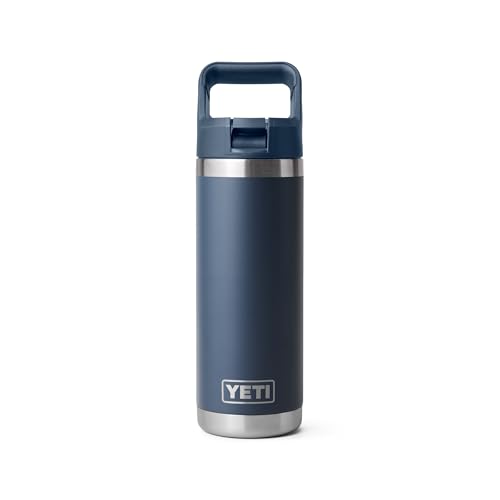
a notably sturdy, premium tier bottle built for rough handling, site work, travel, and outdoor use where knocks are expected rather than feared. Owners tend to choose it for confidence, a solid feel in the hand, a cap that seals with real authority, and a finish that copes with being thrown into vehicles and bags. It is not the choice for a buyer counting every gram or trying to fit the slimmest bag pocket, and its drinking experience depends heavily on the cap style fitted. Treat it as the durability first option in this group, and judge it by whether your routine is genuinely hard on gear.
Best for: buyers whose routine matches the strengths described above. Not suited for: buyers who need the opposite trade off, the lightest carry, the slimmest profile, or the simplest possible lid. No link is added here because verification is pending, so compare the current listing, lid options, and replacement parts carefully before you buy.

Takeya Actives Insulated
a sport leaning bottle that pairs insulation with a spout style lid designed for quick drinking during and after activity. It generally sits in the mid tier, offers a comfortable carry handle, and suits gym bags, classes, school sports, and busy family use where a bottle is grabbed, tipped, and dropped back into a bag many times a day. The spout and its seal need the same careful washing as any active lid, and the shape should be checked against your holder before buying. For active routines it often feels more natural in the hand than a plain screw cap design. In daily use the deciding details are the lid you choose, how easily the seal comes out for washing, and whether the body fits the holder, pocket, or bag where it will actually live. Judge this model against your own routine first and against the rest of this group second, because a bottle that fits your day will be carried, filled, washed, and carried again, while a theoretically better bottle that annoys you will quietly stay at home.
Best for: buyers whose routine matches the strengths described above. Not suited for: buyers who need the opposite trade off, the lightest carry, the slimmest profile, or the simplest possible lid. No link is added here because verification is pending, so compare the current listing, lid options, and replacement parts carefully before you buy.
Thermoflask Insulated
a value leaning option that is often sold with family and everyday use in mind, and that makes it a sensible entry point for buyers who want the core insulated experience without moving into the premium tier. Expect the essential benefits, slower temperature change and far less sweating, in a bottle suited to school, work, and home. Lid choice matters here, straw versions suit desks and younger users while simpler caps suit buyers who prioritise easy cleaning. Check holder fit and lid parts availability, and it can be a practical, unpretentious workhorse rather than a statement purchase.
Best for: buyers whose routine matches the strengths described above. Not suited for: buyers who need the opposite trade off, the lightest carry, the slimmest profile, or the simplest possible lid. No link is added here because verification is pending, so compare the current listing, lid options, and replacement parts carefully before you buy.
CamelBak Chute Mag Insulated
a bottle built around convenient drinking, with a magnetic cap idea that keeps the cap out of the way while you drink and a spout designed for a good flow without tipping the bottle far back. It sits in the mid tier and suits commuters, walkers, and desk users who drink little and often. The magnetic and spout assembly has more to clean than a plain cap, so it rewards owners who strip and wash the lid properly. For people who find screw caps annoying enough to drink less, that convenience is not a gimmick. It is the feature that decides whether the bottle gets used. In daily use the deciding details are the lid you choose, how easily the seal comes out for washing, and whether the body fits the holder, pocket, or bag where it will actually live. Judge this model against your own routine first and against the rest of this group second, because a bottle that fits your day will be carried, filled, washed, and carried again, while a theoretically better bottle that annoys you will quietly stay at home.
Best for: buyers whose routine matches the strengths described above. Not suited for: buyers who need the opposite trade off, the lightest carry, the slimmest profile, or the simplest possible lid. No link is added here because verification is pending, so compare the current listing, lid options, and replacement parts carefully before you buy.

Stanley Classic Bottle
a traditional, rugged bottle in the classic outdoor mould, associated with hot drinks, work sites, camping, and long days away from a kitchen. It sits across the mid to premium tier depending on size and version, and its character is unapologetically sturdy rather than sleek. It suits buyers who want a bottle that can live in a vehicle, a toolbox area, or a camp kit and still pour a hot drink that feels properly hot. It is heavier and less desk friendly than the slimmer modern designs, and its traditional shape should be chosen deliberately, for outdoor and work routines, not for a crowded handbag.
Best for: buyers whose routine matches the strengths described above. Not suited for: buyers who need the opposite trade off, the lightest carry, the slimmest profile, or the simplest possible lid. No link is added here because verification is pending, so compare the current listing, lid options, and replacement parts carefully before you buy.
Performance Across Desks, Gyms, Schools and Travel
Vacuum insulation works by removing most of the air from the space between two walls, and because heat struggles to travel through that near empty gap, a drink inside changes temperature far more slowly than it would in a single wall of metal or plastic. That simple idea explains almost everything people love and dislike about this category. The bottle feels calmer in the hand, the outside stays closer to room temperature, and condensation, often called sweating, is greatly reduced because the outer wall never gets cold enough for much moisture to gather on it. The same double wall also adds weight, bulk, and cost, which is why the honest conversation is always about trade offs rather than miracles.
Leak testing is worth doing at home before a bottle earns a place in a bag with electronics or paperwork. Fill it, close it exactly as the maker intends, dry the outside, and leave it on its side on a clean dry surface, then tip it and carry it around the house. Check around the seal, the spout, and any straw or vent. A bottle that leaks only when a seal is seated crookedly is teaching you something about its routine, while a bottle that leaks when closed correctly should be returned or repaired with a fresh seal. Trust is built by that small test, not by packaging.
Dents deserve a calm explanation. A small dent in the outer wall is usually cosmetic, and a bottle that has been dropped once will normally keep working much as before. Deeper damage is different, because if the two walls are pushed together or the vacuum seal is broken, the insulation can fail and the bottle will start to behave like an ordinary single wall bottle, warming faster and sweating again. Treat a sudden change in performance after a hard drop as information rather than bad luck, check the base and rim carefully, and remember that careful handling protects the one feature you paid extra to own.
At a desk, an insulated bottle solves three small problems at once. It keeps water cold enough to be inviting through long stretches of work, it avoids condensation rings and damp paperwork, and it reduces trips to a shared kitchen that break concentration. A straw lid suits this setting particularly well because sipping becomes almost thoughtless, which quietly helps many people drink more regularly. The cautions are equally practical. Keep the bottle where a knock will not send it over a keyboard, wash the straw assembly often, and choose a size that fits your desk without crowding it.
Value in this category is not simply the lowest shelf tier. An entry tier insulated bottle can deliver the core benefit, slower temperature change and far less sweating, perfectly well for a desk or school bag. A mid tier bottle usually adds a better lid, a tougher finish, more size choice, and seals and parts that are easier to replace. A premium tier bottle may add refinement, brand support, and particularly sturdy construction, which can be worthwhile for heavy daily use. The sensible question is which of those differences you will feel every day, because insulation itself is now a mature, widely shared idea.
For families, the best bottle is often the one a child will actually carry, open without help, and bring home again. Leak resistance matters in a school bag full of books, a lid that small hands can manage matters at lunch, and a mouth wide enough for a parent to clean properly matters every evening. Bright colours and a handle or loop can help, but durability and simple parts matter more over a school year. Avoid designs with many tiny pieces for younger children, because every lost seal or straw becomes a leak, a smell, or a bottle that quietly stops being used.
Travel exposes every weakness in a bottle. Pressure changes, crowded bags, and long waits reward a lid that seals positively and can be checked by touch, while a loose flip top can be a quiet risk. An insulated bottle earns its place by keeping water pleasant in hot stations, cold vehicles, and unfamiliar climates, and by avoiding the condensation that can dampen documents and clothing. It also needs discipline. Empty it before security checks where required, refill afterwards, wash it properly when you reach your destination, and never leave it sealed and forgotten in a warm bag for days.
Strengths and Trade-Offs Across the Group
Cleaning a bottle properly is a short routine once it becomes automatic. Empty it when you get home, rinse it, wash the body with warm soapy water and a brush that reaches the base, and wash the lid separately, paying attention to straws, valves, mouthpieces, and the groove where the seal sits. Let every part dry fully with the cap off, because sealing a damp bottle overnight is the fastest route to a stale smell. If a smell lingers, a soak with a suitable food safe cleaning solution, followed by thorough rinsing, usually helps. Store the bottle open, clean, and dry, ready for the morning.
Size is a decision about refills, cup holders, and bag space as much as thirst. A smaller bottle is lighter, fits more holders and side pockets, and encourages fresh refills, but it can empty before a long meeting or a hot afternoon ends. A larger bottle reduces refills and suits desks, sites, and long drives, but it can feel cumbersome in a small bag and heavy when full. The most useful question is where the bottle will spend most of its life. Choose for that place first, and accept that a bottle sized perfectly for a car holder may be the wrong companion for a crowded train or a small handbag.
Value in this category is not simply the lowest shelf tier. An entry tier insulated bottle can deliver the core benefit, slower temperature change and far less sweating, perfectly well for a desk or school bag. A mid tier bottle usually adds a better lid, a tougher finish, more size choice, and seals and parts that are easier to replace. A premium tier bottle may add refinement, brand support, and particularly sturdy construction, which can be worthwhile for heavy daily use. The sensible question is which of those differences you will feel every day, because insulation itself is now a mature, widely shared idea.
Travel exposes every weakness in a bottle. Pressure changes, crowded bags, and long waits reward a lid that seals positively and can be checked by touch, while a loose flip top can be a quiet risk. An insulated bottle earns its place by keeping water pleasant in hot stations, cold vehicles, and unfamiliar climates, and by avoiding the condensation that can dampen documents and clothing. It also needs discipline. Empty it before security checks where required, refill afterwards, wash it properly when you reach your destination, and never leave it sealed and forgotten in a warm bag for days.
Leak testing is worth doing at home before a bottle earns a place in a bag with electronics or paperwork. Fill it, close it exactly as the maker intends, dry the outside, and leave it on its side on a clean dry surface, then tip it and carry it around the house. Check around the seal, the spout, and any straw or vent. A bottle that leaks only when a seal is seated crookedly is teaching you something about its routine, while a bottle that leaks when closed correctly should be returned or repaired with a fresh seal. Trust is built by that small test, not by packaging.
How to Choose Between These Bottles
Replacing parts is an underrated part of ownership. Seals wear, straws get chewed or lost, and lids crack after drops, and a bottle whose maker sells those parts can stay in service far longer than one that must be replaced whole. Before buying, check whether replacement lids, straws, and gaskets are available for that exact model, and keep the model name somewhere you can find it later. A spare seal in a drawer can rescue a leaking bottle in minutes. Longevity is also a sustainability argument, because a bottle kept in use for years displaces far more single use containers than one discarded after a season.
The environmental case for a reusable bottle rests on use, not on purchase. A durable insulated bottle carried daily can displace a large number of single use bottles and cups over its life, but a bottle bought and abandoned in a cupboard displaces nothing. That is why fit matters so much. A bottle that suits your bag, your holder, your drinking habit, and your cleaning tolerance will be used, and a bottle that leaks, smells, or annoys you will not, whatever it is made from. Buy once, buy to suit your real routine, and keep the bottle in service with basic care and replacement parts.
Size is a decision about refills, cup holders, and bag space as much as thirst. A smaller bottle is lighter, fits more holders and side pockets, and encourages fresh refills, but it can empty before a long meeting or a hot afternoon ends. A larger bottle reduces refills and suits desks, sites, and long drives, but it can feel cumbersome in a small bag and heavy when full. The most useful question is where the bottle will spend most of its life. Choose for that place first, and accept that a bottle sized perfectly for a car holder may be the wrong companion for a crowded train or a small handbag.
Dents deserve a calm explanation. A small dent in the outer wall is usually cosmetic, and a bottle that has been dropped once will normally keep working much as before. Deeper damage is different, because if the two walls are pushed together or the vacuum seal is broken, the insulation can fail and the bottle will start to behave like an ordinary single wall bottle, warming faster and sweating again. Treat a sudden change in performance after a hard drop as information rather than bad luck, check the base and rim carefully, and remember that careful handling protects the one feature you paid extra to own.
Condensation sounds like a small detail until a bottle has soaked a notebook, marked a wooden desk, or slipped in a damp hand at the gym. A single wall bottle chills on the outside exactly as much as it chills on the inside, so humid air leaves water all over it. An insulated bottle keeps that outer surface comfortable and mostly dry, which protects bags, car seats, paperwork, and furniture, and makes the bottle pleasanter to carry on a warm day. It is one of the most immediately noticeable differences in daily use, and for desk workers and students it can matter as much as the temperature of the drink itself.
Care and Maintenance Essentials
Sharing a bottle in a household sounds simple and often is not. Different people prefer different lids, sizes, and drinks, and a bottle used for coffee in the morning will carry flavour into water in the afternoon unless it is washed thoroughly. Many households do better with clearly personal bottles, identified by colour, than with one shared bottle that nobody quite owns or cleans. If a bottle must serve more than one drink type, favour a wide mouth, a simple lid with few hidden parts, and a washing routine that happens between uses rather than at the end of the week.
Flavour carry over is a small frustration with simple causes. Coffee, sports mixes, flavoured water, and herbal teas can leave oils and residues in lids, seals, and straws even when the body itself rinses clean. A dedicated bottle for strongly flavoured drinks is the cleanest solution for people who switch often. If one bottle must do everything, wash the lid assembly thoroughly between drink types, dry it fully, and use a wide mouth design that gives a brush real access. A lingering taste is rarely a defect in the steel. It is almost always a sign that a hidden part of the lid needs attention.
Final Verdict on the Group
Deeper Notes on Living With an Insulated Bottle
Frequently Asked Questions
Does an insulated bottle really stop condensation?
Mostly, yes, and the reason is simple physics rather than clever marketing. Because the vacuum gap slows heat transfer, the outer wall stays much closer to the temperature of the room than the drink inside, so humid air has far less reason to leave moisture on the surface. In very humid conditions a faint mist can still appear, especially near the lid where insulation is thinner, but the puddles, drips, and soaked paperwork associated with a single wall bottle are largely a thing of the past for everyday use.
How often should I wash an insulated bottle?
Wash it daily if it is in daily use, and treat that as part of using it rather than an occasional deep clean. A rinse suits plain water on a busy day, but the lid, straw, valve, and seal need warm soapy water regularly because those are the parts that touch your mouth and stay damp. Let everything dry with the cap off, store the bottle open, and strip the lid down fully whenever a smell appears. That small routine prevents most mould, flavour, and odour problems before they start.
Can I put an insulated bottle in the dishwasher?
Follow the label for your exact bottle and lid, because the answer genuinely varies. Some bodies are described as dishwasher suitable while lids, seals, straws, and coated finishes are often better washed by hand to protect them and to make sure hidden parts are actually cleaned. Hand washing with a brush also lets you inspect the seal and the base, which a dishwasher cycle never does. When in doubt, wash the lid by hand, treat the body as the label directs, and never put a part in the machine just because it fits.
Will a dent ruin the insulation?
A small dent is usually cosmetic and the bottle will normally keep working as before, so there is no need to panic over the first knock. Deeper damage can matter, because if the inner and outer walls are pushed together or the vacuum seal is broken, heat can travel again and the bottle will warm faster and begin to sweat. The practical test is performance after the drop. If behaviour changes suddenly, inspect the base and walls, accept that the insulation may be compromised, and handle the next bottle with that lesson in mind.
Is an insulated bottle good for hot drinks as well as cold?
Yes, the same vacuum gap slows heat movement in both directions, so a hot drink stays comforting for a morning commute or a cold day outdoors while the outside remains comfortable to hold. Take the first sip carefully, because a well sealed bottle can keep a drink hotter than you expect, and check the lid guidance before using straws or spouts with hot liquids, since some are intended for cold drinks only. Never seal a bottle against the maker instructions, and vent where the design requires it.
Why does my bottle smell even after rinsing?
The smell almost always lives in the lid rather than the body. Straws, bite valves, silicone seals, and the threads under a cap stay damp, collect residue, and shelter the growth that causes stale odours, while the smooth body rinses clean and gets the blame. Remove the seal where the maker allows it, wash every part in warm soapy water, soak if the guidance permits, rinse thoroughly, and dry everything fully with the cap off. Storing a bottle sealed and damp will bring the smell back, however well it was washed.
Condensation sounds like a small detail until a bottle has soaked a notebook, marked a wooden desk, or slipped in a damp hand at the gym. A single wall bottle chills on the outside exactly as much as it chills on the inside, so humid air leaves water all over it. An insulated bottle keeps that outer surface comfortable and mostly dry, which protects bags, car seats, paperwork, and furniture, and makes the bottle pleasanter to carry on a warm day. It is one of the most immediately noticeable differences in daily use, and for desk workers and students it can matter as much as the temperature of the drink itself.
Hygiene deserves more attention than insulation in most buying decisions, because a bottle is used with the mouth, refilled in shared spaces, and often left damp overnight. Straw lids, bite valves, silicone gaskets, and threaded caps all create sheltered places where mould and stale smells can develop if they are never separated and washed. A daily rinse is a minimum, a proper wash with warm soapy water and a bottle brush is the real habit, and a full strip down of the lid, with its seal removed where the maker allows it, should happen regularly. Follow the care label for dishwasher use, because lids and bodies are often treated differently.
A wide mouth is the quiet hero of this category. It accepts ice easily, it lets a brush reach the base, it rinses clean without special tools, and it makes adding fruit or powdered mixes simple. The price of that convenience is a greater risk of spilling when you drink on the move, which is why so many designs pair a wide body with a narrower drinking spout, a straw lid, or a chug cap. Think of the mouth as two separate decisions, how you fill and clean the bottle, and how you actually drink from it, and judge each one against your routine rather than against a photograph.
Lid design decides more of the everyday experience than the steel underneath it. A simple screw cap seals reliably and cleans easily but needs two hands and a pause. A straw lid invites frequent small sips and suits desks, driving, and exercise, but it adds hidden parts that demand careful washing. A chug cap flows quickly after training and still seals well, while a flip or push button lid suits one handed use and can be more vulnerable if it knocks open in a bag. None of these is best in the abstract. The right lid is the one that matches how, where, and how often you actually drink.
Dents deserve a calm explanation. A small dent in the outer wall is usually cosmetic, and a bottle that has been dropped once will normally keep working much as before. Deeper damage is different, because if the two walls are pushed together or the vacuum seal is broken, the insulation can fail and the bottle will start to behave like an ordinary single wall bottle, warming faster and sweating again. Treat a sudden change in performance after a hard drop as information rather than bad luck, check the base and rim carefully, and remember that careful handling protects the one feature you paid extra to own.
Weight is the trade off nobody can design away. Two walls, a vacuum gap, a sturdier cap, and often a protective coating simply weigh more than a thin single wall, and a full insulated bottle carried all day on a walk or a commute is noticeably heavier. For a desk, a car, or a short trip to the gym that weight rarely matters. For long hikes, cycle touring, school bags already full of books, or travel where every item competes for space, it matters a great deal. Honest buying means picturing the full bottle, not the empty one in a shop, and deciding whether temperature control is worth carrying.
Temperature control is qualitative in real life, however tidy the marketing sounds. An insulated bottle keeps a cold drink refreshingly cold through a working day, a long drive, or an afternoon outdoors, and it keeps a hot drink comfortably hot through a morning, without the outside becoming uncomfortable to hold. It does not freeze time. Warm rooms, hot cars, frequent opening, and starting with a lukewarm drink all shorten the effect, while pre chilling or pre warming the bottle, filling it fully, and keeping the lid closed extend it. Judge the category by that steadier, slower change, not by any promise that a drink will stay unchanged forever.
Size is a decision about refills, cup holders, and bag space as much as thirst. A smaller bottle is lighter, fits more holders and side pockets, and encourages fresh refills, but it can empty before a long meeting or a hot afternoon ends. A larger bottle reduces refills and suits desks, sites, and long drives, but it can feel cumbersome in a small bag and heavy when full. The most useful question is where the bottle will spend most of its life. Choose for that place first, and accept that a bottle sized perfectly for a car holder may be the wrong companion for a crowded train or a small handbag.
Finishes affect grip, noise, and how a bottle ages. A smooth polished surface can feel sleek but may show marks and slip in wet hands. A textured powder style coating usually grips better, quiets the clink against desks and holders, and hides everyday scuffs more kindly, though it can chip if it is knocked hard. Colour is not vanity either, because a bottle you can spot instantly in a shared kitchen, a sports bag, or a classroom is a bottle less likely to be left behind. Choose a finish you will still like when it carries the honest marks of daily use.
Cleaning a bottle properly is a short routine once it becomes automatic. Empty it when you get home, rinse it, wash the body with warm soapy water and a brush that reaches the base, and wash the lid separately, paying attention to straws, valves, mouthpieces, and the groove where the seal sits. Let every part dry fully with the cap off, because sealing a damp bottle overnight is the fastest route to a stale smell. If a smell lingers, a soak with a suitable food safe cleaning solution, followed by thorough rinsing, usually helps. Store the bottle open, clean, and dry, ready for the morning.
For families, the best bottle is often the one a child will actually carry, open without help, and bring home again. Leak resistance matters in a school bag full of books, a lid that small hands can manage matters at lunch, and a mouth wide enough for a parent to clean properly matters every evening. Bright colours and a handle or loop can help, but durability and simple parts matter more over a school year. Avoid designs with many tiny pieces for younger children, because every lost seal or straw becomes a leak, a smell, or a bottle that quietly stops being used.
At a desk, an insulated bottle solves three small problems at once. It keeps water cold enough to be inviting through long stretches of work, it avoids condensation rings and damp paperwork, and it reduces trips to a shared kitchen that break concentration. A straw lid suits this setting particularly well because sipping becomes almost thoughtless, which quietly helps many people drink more regularly. The cautions are equally practical. Keep the bottle where a knock will not send it over a keyboard, wash the straw assembly often, and choose a size that fits your desk without crowding it.
Related Guides
- the single bottle insulated review
- the insulated water bottle buying guide
- is an insulated water bottle worth it
- our plain water bottle review
- the water bottle buying guide
- how to clean a water cooler
- the best water coolers for camping
- stainless steel water coolers for home use
- the best office water coolers