Disclosure: As an Amazon Associate, Reviews Took earns from qualifying purchases. Links to Amazon on this page are affiliate links; they cost you nothing extra.
Check bristle stiffness.
This guide is built from Amazon product listings and maker specs, not our own testing, so confirm size, contents and current price on each product page. Health products are for general information and are not medical advice.
Check the current price on Amazon before you buy.
Last updated: November 2, 2026.
In this guide
Quick Picks
| Product | Type | Best for |
|---|---|---|
| Toilet Brush Toilet Bowl Brush with Extra Long Handle Durable | Toilet brush set | bathroom cleaning |
| Plastic Toilet Brush and Holder Set Toilet Brush with Covered | Toilet brush set | bathroom cleaning |
| Clorox Corner Toilet Bowl Brush with Under Rim Scrubber Includes | Toilet brush set | bathroom cleaning |
| Rubbermaid Commercial Products Toilet Bowl Brush Holder White | Toilet brush set | bathroom cleaning |
Our Picks
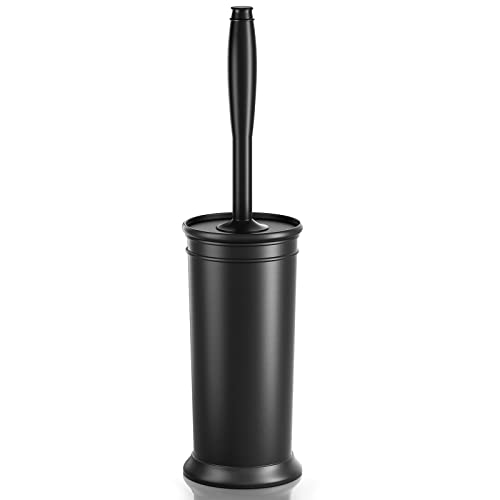
1. Toilet Brush Toilet Bowl Brush with Extra Long Handle Durable
A Toilet Brush Toilet Bowl Brush with Extra Long Handle Durable (toilet brush set), per the listing. Check price on Amazon.
Good for: bathroom cleaning. Watch out: Check holder design.
2. Plastic Toilet Brush and Holder Set Toilet Brush with Covered
A Plastic Toilet Brush and Holder Set Toilet Brush with Covered (toilet brush set), per the listing. Check price on Amazon.
Good for: bathroom cleaning. Watch out: Check holder design.

3. Clorox Corner Toilet Bowl Brush with Under Rim Scrubber Includes
A Clorox Corner Toilet Bowl Brush with Under Rim Scrubber Includes (toilet brush set), per the listing. Check price on Amazon.
Good for: bathroom cleaning. Watch out: Check holder design.
4. Rubbermaid Commercial Products Toilet Bowl Brush Holder White
A Rubbermaid Commercial Products Toilet Bowl Brush Holder White (toilet brush set), per the listing. Check price on Amazon.
Good for: bathroom cleaning. Watch out: Check holder design.
How to Choose
Size and fit
Check dimensions for your space or vehicle.
Build and materials
Durable materials last longer.
Ease of use
Simple setup and cleaning help.
Bristle Types and Head Shapes
The brush head does the real work, so its shape and bristle type deserve attention. Round heads with firm bristles are the classic design and clean the bowl well. Angled or corner heads are made to reach under the rim, where limescale and stains often collect. Some designs include a flared or extra rim scrubber for this area, as in one of the picks in this guide.
Bristles come in nylon, polypropylene and other synthetic fibers, plus silicone nubs in some modern designs. Stiff bristles scrub away buildup but can wear the surface of a toilet bowl if used with great force or abrasive cleaners. Softer bristles are gentler but may take more effort on stains. Silicone heads dry faster and resist odors, though some people find they do not scrub as aggressively.
Think about the condition of your toilet. Older porcelain or bowls with rough spots can trap grime, and a stiffer brush may help. Newer or sensitive finishes may benefit from a moderate firmness. Check what the listing says about the bristle material and whether the head can be replaced.
- Round head: good all-around bowl cleaning.
- Angled or corner head: reaches under the rim and curves.
- Silicone head: dries quickly, easy to rinse, gentler scrubbing.
Whichever you pick, look at how the bristles are attached. Loose bristles that come out in the bowl are a nuisance and signal poor construction.
Handle Length, Grip and Reach
A long handle keeps your hand away from the bowl and helps you reach the back and bottom. Longer handles also ease strain on the back for taller users or people with limited mobility. A very long handle can be awkward in a tiny bathroom or when stored, so think about the space around the toilet.
Grip matters because wet hands and cleaning products make handles slippery. A textured or rubberized grip helps control the brush, and a thicker handle is easier on the hand. Plastic handles are light and cheap, while metal handles feel sturdier but may corrode in damp rooms unless coated. Check the listing for the handle material and any mention of rust resistance.
Consider flexibility. A rigid handle gives leverage for scrubbing, but a slightly flexible neck can help the head reach around curves. Some brushes have a bendable or pivoting head. These can be convenient but add parts that might wear out.
If more than one person uses the brush, check that the handle length and weight suit everyone. A lighter brush is easier for children and older users, though children should be supervised around cleaning products. Test how the brush feels in your hand when you take it out of the holder, and make sure it is comfortable to pull out and put back.
Holder Designs and Hygiene
The holder keeps the brush out of sight and catches drips, so its design affects how hygienic the system is. Closed holders with a lid hide the brush and contain odors, while open holders let the brush air dry and are easier to clean. Both have pros and cons: a closed holder can trap moisture and develop mildew if the brush goes in wet, whereas an open one may show the brush and dripping.
Look for a holder with drainage or a design that lets the brush hang over the bowl briefly before going in. Some brushes can rest against the toilet seat edge while drying. Others come with a holder that has a removable inner cup that you can rinse. Removable parts make cleaning the holder far easier.
Stability is another factor. A light holder can tip over on slippery tile, while a wider base or weighted bottom stays upright. Wall-mounted holders save floor space but need secure fitting and may require drilling. Check the listing for mounting hardware and any installation notes.
- Rinse the brush with hot water after each use and let it drip before storing.
- Clean the holder regularly with a bathroom cleaner.
- Choose a holder that matches your bathroom size and style.
Cleaning Products and Safe Use
A brush works best with a suitable cleaner. Read the label on your toilet cleaner and follow its directions, especially about waiting times and ventilation. Never mix cleaning products, since some combinations release harmful gases. Bleach and acidic cleaners in particular should never be combined. Open a window or turn on the fan, and wear gloves while cleaning.
Use the brush with moderate pressure and sweep around the full bowl, including under the rim and into the trap. Let the cleaner work for the time recommended on the label, then scrub and flush. After flushing, rinse the brush in the bowl water while flushing again so that residue does not stay on the bristles.
Some cleaners can damage certain materials, including the brush head. If your brush has a delicate coating or rubber head, check the care guidance. Avoid using the toilet brush for anything other than the toilet, and keep it separate from other cleaning tools to avoid spreading germs.
Keep cleaning products and brushes away from children and pets. If you have a sensitive skin or respiratory condition, choose low-odor products and ventilate well. This guide shares general information and is not medical advice.
When to Replace Your Brush
A toilet brush is an inexpensive item, but an old brush can be unpleasant and less effective. Replace it when the bristles are bent, matted, discolored or falling out, or when the head no longer scrubs well. If the handle is cracked or loose, or the holder is stained and cannot be cleaned, it is time for a new set.
Lingering odors that do not go away after cleaning are another sign. A brush that stays damp and smells can harbor bacteria. Soaking it in a cleaning solution can help, but a brush that remains smelly is better replaced. Many people swap the brush at regular intervals, such as a few times a year, depending on use, but there is no fixed rule.
Some brushes have replaceable heads, which lets you keep the handle and holder. Check whether replacements are sold and whether they fit your model before you buy. If you choose a set with a holder, think about whether the holder will outlast the brush, and whether you prefer a design that lets you replace one without the other.
When disposing of an old brush, put it in a bag and discard it with household waste. Do not flush it or any part of it.
How do you pick the best toilet bowl brush for your bathroom?
Pick a toilet bowl brush by matching the head shape, handle length and holder to your bowl and your bathroom space. A good brush reaches under the rim, feels comfortable in your hand and stores without dripping.
Begin with the bowl itself. A round head handles the main surface well, while an angled head helps with the curve near the rim. If limescale tends to gather under the rim, a design with an extra under-rim scrubber is worth considering, as in the Clorox pick.
Next, look at how you store it. A bathroom with little floor space may suit a slim holder, while a larger room can handle a wider base that stays stable. Think about whether you want the brush hidden or visible, since that affects both looks and drying.
- Head: round for general cleaning, angled for under the rim.
- Handle: long enough to protect your hand and reach the bottom of the bowl.
- Holder: stable, easy to rinse and sized to fit your space.
- Material: check the listing for plastic or metal, and for any rust notes.
It also helps to think about who cleans the bathroom. A lighter brush suits someone who finds a heavy handle tiring, and a textured grip helps with wet hands.
Keep expectations simple. A toilet brush is a basic tool, and the best one is the one that is comfortable to use, easy to keep clean and suits your holder space. Always read the listing for what is actually in the set, because some listings show a brush, a holder, or both.
Plastic, silicone or metal toilet brush: which material is better?
Plastic is light and common, silicone dries faster and rinses easily, and metal handles feel sturdy but need a rust-resistant finish. The better material depends on your bathroom and cleaning habits.
Plastic handles and holders are widely used because they are light and resist damp. They can feel less substantial, and a light holder may tip over on slick tile. Choose a wider base if that worries you.
Silicone heads shed water and are easy to rinse, which many people like for hygiene. Some find them gentler on stains than stiff bristles, so they may suit light, regular cleaning better than heavy buildup. Stiffer nylon or polypropylene bristles scrub harder but can hold more moisture.
Metal handles add weight and can feel premium. In a humid bathroom they may corrode unless they have a coating, so check the listing for mention of rust resistance.
- Choose plastic for light weight and simple use.
- Choose silicone if you prioritize quick drying and easy rinsing.
- Choose metal if you want a sturdy feel and the finish is rust resistant.
Commercial-style products, such as the Rubbermaid pick, are often designed for repeated use in busy restrooms, so consider whether that style suits a home. Whatever the material, look at how the head attaches, and avoid designs where bristles shed into the bowl.
When in doubt, favor parts that are easy to rinse and dry. A brush that dries quickly stays fresher between uses.
Which toilet brush should you buy? A decision guide
Choose the extra-long handle brush for reach, the covered holder set for a tidy look, the Clorox Corner brush for under-rim cleaning, and the Rubbermaid holder if you need a simple holder. Match the pick to your biggest cleaning problem.
- If you want to keep your hand well away from the bowl, go for the Toilet Brush Toilet Bowl Brush with Extra Long Handle Durable. Check the holder design on the listing.
- If you want the brush hidden when not in use, choose the Plastic Toilet Brush and Holder Set Toilet Brush with Covered. A covered holder looks tidier, but make sure the brush dries before it goes in.
- If limescale gathers under the rim, choose the Clorox Corner Toilet Bowl Brush with Under Rim Scrubber Includes. The design is aimed at awkward spots.
- If you mainly need a sturdy holder to go with a brush you have, look at the Rubbermaid Commercial Products Toilet Bowl Brush Holder White. Check the listing to see exactly what is included.
Some bathrooms call for a blend. A family bathroom used by many people may benefit from a covered set, while a small guest bathroom may need only a simple brush and a compact holder.
If two picks seem close, think about storage. Where will the brush stand, and is there room for the holder footprint? A holder that does not fit is a daily annoyance. Finally, confirm on the listing whether the pick is a brush, a holder or a full set, since the names above may not make that clear on their own.
What should you check before buying a toilet brush set?
Check what is included, the handle length, the holder style and the material before you buy. The listing is your best guide, so read it closely.
- Contents: confirm whether the set includes a brush, a holder, a replacement head or only one of these.
- Handle length: think about who uses it and how much reach they need.
- Holder style: decide between a closed and an open holder, and see whether it has drainage or a removable cup.
- Stability: look for a wide or weighted base if your floor is slick.
- Head type: check for under-rim design and how the bristles are attached.
- Replacement parts: see whether replacement heads are sold and fit this model.
- Mounting: if the holder mounts on a wall, check what hardware is included.
- Returns and warranty: read the terms on the listing.
- Care needs: note how the maker advises rinsing and cleaning.
Measure the space next to your toilet. Allow room to pull the brush out without bumping the wall, and for the holder base to sit flat. Also decide where you will let the brush drip dry.
Think about safety, too. Keep cleaning products and brushes away from children and pets, and never mix cleaners. These basics matter more than any single product feature.
Is a toilet brush set worth it, and who should skip it?
A toilet brush set is worth it for most homes because it is inexpensive and keeps the brush contained; paying more is only worth it if you want a sturdier build or a specific holder design. The main trade-offs are hygiene and storage.
Spending a little more can bring a better holder, a sturdier handle or a replaceable head. Spending less covers the basics, but you may replace the set sooner. Neither choice is wrong, and the right one depends on how often you clean and how much you care about the look.
Here are the honest downsides:
- Any brush can hold moisture and odor if stored wet.
- Covered holders can trap damp and need regular rinsing.
- Light holders may tip over.
- Brushes wear out and need replacing.
You might skip a traditional brush set if you prefer disposable cleaning heads, or if you dislike keeping a reusable brush in the bathroom. Some people may prefer another cleaning method altogether, which is a personal choice.
If you do choose a set, build a simple routine: rinse the brush after use, let it drip, clean the holder now and then, and replace the brush when it looks worn or smells. That routine matters more than the brand.
Compare the picks above, check the listing for what is included, then choose the one that fits your bathroom and how you clean.
Technique Matters: Getting a Bowl Properly Clean With Any Brush
The brush is only half the system; the other half is how it is used. Start by letting cleaner do the chemistry. Apply bowl cleaner around the rim and let it dwell while you do other bathroom jobs, because scrubbing immediately wastes effort on deposits that would have softened. When you scrub, work in a deliberate order: under the rim first, where the water jets leave mineral and bacterial build-up in a hidden ring, then the waterline where rings form, then the bowl’s curves down to the trap. Short, firm strokes beat frantic scrubbing, and angling the brush head is what reaches the under-rim channel that straight-on brushing misses entirely.
Water level changes the job. For a stubborn ring at the waterline, lowering the water level slightly, by switching off the fill valve and flushing once, exposes the ring to direct contact with cleaner and brush instead of diluting both. For routine weekly cleans, the normal water level is fine and the whole job takes two unhurried minutes. Flush with the lid down afterwards to keep the room’s surfaces out of the splash zone, a habit that matters more than any brush feature.
Frequency beats intensity. A light clean twice a week prevents the mineral scale and staining that demand aggressive scrubbing later, especially in hard-water homes where deposits cement themselves in days. Households that clean little and often also replace brushes less often, because the brush is doing maintenance work rather than demolition.
Under-rim jets and hidden build-up
If a bowl never quite smells clean, the under-rim channel is the usual suspect. Brush heads with an angled tip or a dedicated under-rim extension, like the Clorox pick in this guide, exist for this exact anatomy. Run the tip slowly around the full circle, feeling for the gritty patches where deposits sit, and give those sections extra passes. Checking with a small mirror or a phone torch once a season shows you what your hands have been guessing at.
The Holder Problem: Keeping the Storage Side Hygienic
A brush is only as clean as where it sleeps. After use, let the brush drip over the bowl for a moment, give it a gentle shake, and if your routine allows, a quick rinse in the fresh flush water before it goes back. Trapping a soaking brush in a sealed holder creates a warm, wet chamber that grows exactly what you were cleaning away, and it is the main source of the smell people blame on the brush itself. Holders with ventilation, drainage or an open design dry the head between uses and stay fresher with less effort.
Clean the holder on the same schedule as the brush. Empty any collected water, wash the holder with hot soapy water or a disinfectant wipe-down, and let it dry fully before the brush returns. A holder that lives in the splash zone beside the toilet also collects dust and drips on its outside, so include it in the weekly bathroom wipe rather than treating it as invisible.
Placement shapes hygiene too. Tuck the set where it is reachable but not where it will be kicked, knocked into the bowl, or brushed by every passing leg. Corner designs suit small bathrooms because they occupy the dead space beside the pedestal, and covered designs keep the whole arrangement visually calm for guest bathrooms where nobody wants equipment on display.
When to replace the brush head
Replace a brush when bristles stay bent and splayed after rinsing, when the head holds odour after a proper clean, or when scrubbing stops being effective and you are pressing harder to get the same result. Worn bristles also scratch less effectively into textured deposits, so an old brush makes every clean longer. As a rhythm, most households find a brush lasts a season or two of regular use; households with hard water and heavy use sit at the shorter end.
Bristles, Silicone and Disposable Systems Compared Honestly
Traditional bristle brushes, like the long-handled and Rubbermaid commercial picks here, scrub aggressively, get into texture, and are cheap to replace. Their weakness is what they hold onto: bristles trap residue and need rinsing and drying discipline. Silicone heads rinse clean in seconds, dry fast and never splay, but they can feel less aggressive on cemented scale, where they glide over deposits that bristles would worry loose. The honest summary is that silicone suits maintenance cleaning in homes that clean often, while bristles suit rescue work and hard-water homes.
Disposable pad systems remove storage hygiene from the equation entirely, at the cost of ongoing refills and waste. They suit guest bathrooms, anyone who finds brush storage genuinely unpleasant, and households where the clean-with-and-store routine simply does not happen. The middle path many homes land on is a good bristle or silicone brush for the family bathroom and a disposable system for the guest toilet.
Handle design matters more than marketing suggests. A longer handle keeps hands further from the work and gives leverage under the rim; a handle with a grip that stays secure in a wet, gloved hand prevents the fumble that everyone experiences exactly once. Commercial-style brushes trade looks for durability and are a sensible choice for high-traffic family bathrooms where the brush works daily.
Gloves, ventilation and sensible precautions
Wear household gloves, keep the room ventilated when using stronger cleaners, and never mix cleaning products, since combinations can produce dangerous fumes. Keep cleaners and brushes stored away from children, and rinse the brush before storing if you have used a strong product so residues do not sit in the holder. These basics matter more to household safety than any single product choice in this guide.
Problem Bowls: Hard Water, Old Porcelain and Busy Households
Hard water is the defining challenge in many homes. Mineral rings rebuild quickly, and the winning strategy is prevention: a weekly brush pass before scale hardens, plus periodic treatment aimed at mineral deposits rather than general grime. Once scale is cemented, patience wins: apply the appropriate cleaner, let it dwell far longer than the label’s minimum, scrub, and repeat rather than reaching for abrasive tools that can mark porcelain.
Older bowls with worn or slightly rough glaze hold stains in their texture. They need softer persistence: regular gentle cleaning keeps them respectable, while aggressive pads trade stain removal for more surface damage. If a very old bowl never looks clean despite honest effort, the glaze, not your technique, is the limit, and that knowledge saves real frustration.
In busy family bathrooms and shared houses, the brush’s enemy is ambiguity: nobody owns the job, so it does not happen. A visible, decent-looking set, a simple rota, and supplies stored together make the two-minute clean frictionless. Landlords and hosts preparing a rental should treat the brush set as part of the bathroom’s presentation: a fresh, covered set signals care more cheaply than almost any other swap.
More Questions Worth Asking Before You Buy
Should every toilet in the house have its own brush?
Yes. Carrying one brush between bathrooms spreads exactly what you are cleaning, and it guarantees the brush is never where it is needed. A brush per toilet, each with its own holder, is the hygienic and practical standard.
How do I clean a brush that already smells?
Soak the head in a bucket of hot water with a suitable disinfectant or a bicarbonate solution, rinse thoroughly, and let it dry completely in the open air before returning it to a cleaned holder. If the smell survives that treatment, the brush has reached replacement time.
Is a hidden or covered holder really more hygienic?
Covered holders look tidier and shield the brush from splashes, but only ventilated designs dry the head well. An open, well-drained holder that dries fully can be the more hygienic choice in a busy bathroom, with the covered designs winning on appearance for guest spaces.
Scenario Guide: Guest Bathrooms, Families and Shared Houses
The guest bathroom is judged on signals, and the brush set is one of the loudest. A fresh, covered, good-looking set placed neatly tells guests the room is cared for and spares them any archaeological encounters with the household’s working equipment. Many hosts keep the guest set genuinely separate, used only for guests and refreshed before visits, which is a small expense for a large impression. The covered and corner designs in this guide suit this theatre perfectly.
The family bathroom needs the opposite virtues: durability, a handle that survives daily use by people of different heights and strengths, and a holder that tolerates being knocked by small feet and bath toys. Commercial-style robustness, like the Rubbermaid pick, is not over-engineering here; it is buying once for the hardest-working room in the house. Add a simple household agreement about rinsing and the weekly clean, written nowhere but understood by all, and the equipment lasts.
Shared houses and rentals run on clarity. Each toilet gets its own set, cleaning supplies live beside each set rather than in a distant cupboard, and the replacement of a worn brush is a house expense agreed in advance rather than a standoff. Landlords equipping a property should choose covered, compact, replaceable sets and budget to refresh them between tenancies; it is among the cheapest signals of a cared-for property a new tenant will receive.
Small bathrooms and cloakrooms
In a tight cloakroom, the corner and slimline sets earn their existence: they occupy the dead wedge beside the pedestal, stay out of the knee zone, and keep the room from feeling like a cupboard with plumbing. Measure the wedge before buying, since pedestals vary, and favour a set whose holder lifts out easily for the room’s own floor cleaning, because small rooms are mopped whole and obstacles get skipped.
Ownership Notes: A Small System That Runs Itself
Keep the consumables together: brush, holder, gloves and cleaner stored as one kit per bathroom, and replacements bought when the current brush starts to splay rather than after it fails. A household that keeps one spare brush in the cleaning cupboard never endures the week of the disgraceful brush, and the swap takes two minutes on cleaning day. Note the purchase rhythm once and it repeats forever: family bathrooms consume brushes faster than guest rooms, so stagger the spares accordingly.
Once a season, audit the whole arrangement with fresh eyes: is the holder clean inside, does the brush still scrub, is the set positioned where it is neither kicked nor displayed? These are humble objects, but a bathroom’s true standard is set by its humblest equipment, and the two-minute weekly clean plus the seasonal audit is the entire secret.
Cleaners and the Brush: Working as a Pair
The brush does the mechanical work; the cleaner does the chemical work; confusing their jobs makes both seem worse than they are. A cleaner needs dwell time to loosen deposits and disinfect, which is why the apply-and-wait sequence outperforms the spray-and-scrub-immediately habit every time. Gel formulas cling to the bowl’s curves and under the rim where liquid slides away, suiting the under-rim work that matters most. In hard-water homes, a cleaner aimed at mineral scale belongs in the cupboard alongside the general one, used in rotation rather than mixed, since different deposits surrender to different chemistry.
Between deep cleans, the brush alone with water handles the maintenance passes that keep the bowl respectable, and this division of labour, chemical cleans weekly, mechanical passes between, is what keeps both the bowl and the brush in good condition. Households that reach for strong cleaner daily wear out brushes, finishes and their own patience; households that never do face the cemented deposits that need the strong stuff. The rhythm in the middle is the entire secret, and it costs about four minutes a week.
The Unspoken Etiquette of the Well-Kept Toilet
There is a social contract around the brush that everyone understands and nobody states: it should be there, it should be clean, and it should be usable without instructions or archaeology. Guests use it to leave the bowl as they found it, which is an act of consideration the host enables by providing decent equipment. A missing, broken or disgraceful brush breaks the contract and embarrasses everyone in sequence. Hosts who grasp this keep the guest bathroom’s set fresh and obvious; guests who grasp it leave the room exactly as welcoming as they found it.
In shared houses the contract extends to restocking and reporting: the person who notices the brush is failing says so or swaps it, rather than leaving the discovery to the next person at a worse moment. These micro-courtesies are the load-bearing walls of communal living, and the humble brush set, replaced on time and kept clean, is where several of them quietly live.
Frequently Asked Questions
Is it easy to install?
Check the manual.
Is it worth the price?
Budget options cover basics.
How do I care for it?
Clean as directed.
Is a longer handle always better?
Not always. A longer handle gives more reach but can be awkward in tight spaces and for storage. Choose a length that matches your bathroom and comfort.
Should I choose a closed or open holder?
A closed holder hides the brush and contains odors, while an open one lets the brush dry more easily. Whichever you choose, rinse the brush and let it drip before storing it.
Are silicone brushes better than bristle ones?
They dry quickly and are easy to rinse, but some people find they scrub less aggressively. It depends on how much buildup you deal with.
How do I clean the brush itself?
Rinse it in the bowl with hot water after use, and occasionally soak it in a cleaner suitable for the material. Check the maker's guidance.
Can I use bleach with a toilet brush?
Follow the label of your cleaning product, and never mix bleach with other cleaners. Some brush materials may not tolerate harsh chemicals.
How do I stop the holder from tipping over?
Choose one with a wide or weighted base, or a wall-mounted model. Place it on a flat, dry surface away from foot traffic.
How often should I replace the brush?
Replace it when bristles are worn, the handle is damaged or odors persist after cleaning. How often depends on how much you use it.
How do I keep a toilet brush from smelling?
Rinse the brush well after each use and let it drip before storing it. Clean the holder regularly. If the smell stays after cleaning, replace the brush.
Should a toilet brush holder have a lid?
It depends on your preference. A lid hides the brush and contains odors, while an open holder dries the brush better. Either works if you rinse and drip dry first.
How do I clean the inside of a toilet brush holder?
Empty it, rinse it and wash it with a bathroom cleaner suited to the material. Let it dry before putting the brush back. A removable inner cup makes this easier.
Can a toilet brush scratch the bowl?
Very stiff bristles or abrasive cleaners used with heavy force can wear some surfaces. Use moderate pressure and follow the cleaner label. Check the toilet maker's care guidance if unsure.
Are replaceable brush heads worth having?
They are worth having if you want to keep the handle and holder. Check that replacements are sold for your model. Otherwise a new full set may be simpler.
Where should I store a toilet brush?
Store it in a holder beside the toilet on a flat, dry floor, or on a wall mount. Keep it out of the way of foot traffic. Make sure it is away from children and pets.
Is a long handle good for people with back problems?
A longer handle can reduce bending and help reach the bowl. It is general information and not medical advice. Choose one that is comfortable and not too heavy.
Can I wash a toilet brush in the dishwasher or washing machine?
No, keep toilet cleaning tools separate from dishes and laundry. Rinse the brush in the toilet and soak it in a suitable cleaner as the maker advises. Replace it when it is worn.
Bottom Line
Closed holders keep brushes tidy.
More Home & Garden Guides
- Best Slim Non-Slip Clothes Hangers
- Best Space-Saving Vacuum Bags for Travel and Home
- Best Under-Bed Bins with Wheels
- Best Closet Storage Shelves and Bins
- Best Hanging Shoe Organizers
- Best Jewelry Boxes and Bracelet Stands
- Best Rotating Makeup Organizers
- Best Cotton Hand Towels for Bathrooms