As an Amazon Associate, Daily Home Decorating earns from qualifying purchases. Product information and images may change; confirm the current listing, selected configuration, dimensions, materials, seller, and terms before buying.
A slouchy sofa brings a relaxed, welcoming look to a living room, but comfort and quality depend on details beyond its soft silhouette. This guide explains how to compare seat depth, cushion support, upholstery, construction, room fit, and everyday care so you can find a sofa that feels casual without becoming difficult to use.

What “slouchy” means in a sofa
A slouchy sofa is defined by a relaxed visual posture rather than a single formal furniture category. It often has generous seat depth, soft-looking cushions, a low or gently rounded profile, and upholstery that feels approachable instead of tailored. The word can describe a deliberately casual design, but it does not guarantee any particular firmness, frame quality, or construction. Two sofas described this way can feel entirely different: one may have supportive foam beneath a loose fiber wrap, while another may use a soft modular fill that compresses quickly. Treat the term as a style clue, then inspect the details that affect daily comfort. A good choice should look inviting and still support the way you sit, stand, and move through your room.
Start with how you actually sit
Before comparing silhouettes, notice your default posture. Do you sit upright to read, tuck your legs under you, stretch out with a laptop, or share the sofa with children and pets? A deep, low seat may feel excellent for lounging but less convenient for someone who wants firm support while standing up. A tall person may appreciate the extra depth, while a shorter sitter may find the front edge presses behind the knees. If several people use the sofa, test a few postures rather than judging it from one quick sit. Record the seat height and usable depth, including how far the back cushions reduce the stated depth. Those measurements turn a vague “sink-in” description into a practical fit decision.
Understand seat depth and height
Seat depth is the distance from the front edge to the cushion back, but loose back pillows can make the usable depth much smaller. A deep seat can support lounging with legs folded or a pillow behind the back; a shallower arrangement may suit upright conversation. Seat height affects both comfort and room appearance. A low seat can create a grounded, lounge-like effect, while a higher seat can make it easier to rise. Compare measurements with a sofa you already enjoy. Measure from the floor to the compressed cushion surface if possible, because a soft top layer may settle under weight. Never infer comfort from total sofa depth alone: the frame, cushion thickness, back angle, and pillow placement all change how the body is supported.
Soft does not have to mean unsupportive
The best relaxed sofa balances a welcoming first impression with enough underlying support for longer use. Cushion feel can come from foam density, fiber wrap, springs, webbing, or combinations of these materials. A pillowy surface may compress quickly but still have a supportive core; a firm seat can soften gradually as it breaks in. Ask what is inside the seat and back cushions, whether covers are removable, and whether inserts can be replaced. Sit for several minutes, shift positions, and notice if you feel a frame rail or a gap between cushions. For online purchases, look for clear construction details and a return window that gives you time to test the sofa at home. Marketing phrases like “cloud” and “sink-in” are not substitutes for specifications.
Loose cushions and a lived-in look
Loose cushions create much of the casual, relaxed appearance associated with slouchy sofas. They can be reshaped, rotated, or removed for cleaning, and their soft outlines make a room feel less formal. Their tradeoff is upkeep: cushions may migrate, wrinkle, or need regular fluffing. Check whether seat cushions are reversible and whether the back pillows have sewn compartments that help distribute fill. If the sofa is modular, confirm that individual pieces attach securely and do not drift apart on the floor. A tidy household may enjoy a more structured cushion that keeps its shape, while someone who likes a relaxed, layered look may welcome a little rumpling. Ask how the fabric and fill are expected to age, and whether replacement covers or inserts are available.
Upholstery choices for everyday life
Fabric affects the tactile impression, color, cleaning routine, and longevity of a relaxed sofa. Chenille, corduroy, boucle, linen blends, and performance fabrics each create a different look and feel; none is automatically right for every household. A plush pile can emphasize softness but may show shading from hand pressure. A textured weave can disguise minor marks, though loops may snag around pets. Smooth performance fabric may simplify spot cleaning but feel less warm. Request a swatch and view it in daylight and evening light. Check care instructions for water-based cleaners, solvent restrictions, and removable covers. If spills are common, prioritize a fabric you can realistically maintain over a color or texture that looks appealing only in a staged photo.
Frame, suspension, and construction clues
A relaxed silhouette still needs a stable foundation. Look for a frame description that names the material and identifies reinforced joints or corner blocks, rather than relying only on broad claims such as “sturdy.” Suspension may use sinuous springs, webbing, or another system; the important question is how evenly it supports the cushion and how the maker expects it to perform over time. A showroom test can reveal squeaks, shifting, or a sensation of bottoming out. For a boxed or compressed sofa, inspect assembly instructions and allow the cushions to recover for the stated period before evaluating them. Read the warranty for frame and suspension coverage separately from upholstery and cushion coverage. A plush appearance should not require accepting an unstable base.
Scale the sofa to the room
Slouchy sofas can look larger than their listed width because broad arms, deep seats, and loose pillows occupy visual space. Measure the wall, nearby walkways, coffee table clearance, and door openings before shopping. Map the footprint with painter’s tape and include the space needed to walk around the piece. If the sofa has a chaise or modular ottoman, plan its orientation and ensure it does not block a door or heating vent. In a small room, a low profile and open leg space may make the piece feel lighter, while a bulky base can dominate the view. Compare the total dimensions and seat count, not just a product title that says “apartment” or “small.” Confirm package dimensions too, especially for elevators and narrow stairwells.
Choosing between a standard sofa and a sectional
A standard sofa offers a simpler footprint and is easier to reposition; a sectional creates a longer lounging zone and can make an awkward corner useful. A relaxed sectional can be especially comfortable for stretching out, but its chaise may reduce flexible seating and limit future room layouts. Measure each component and check whether the left- or right-facing designation is from the seated perspective or the viewer’s perspective. Modular systems may permit later changes, but only if pieces are sold separately and connectors match. Check whether ottomans, armless units, and corner seats are included in the quoted price. Look at the largest configuration you may eventually want, then decide if the current room can accommodate it without sacrificing clear paths.
A few product styles to compare
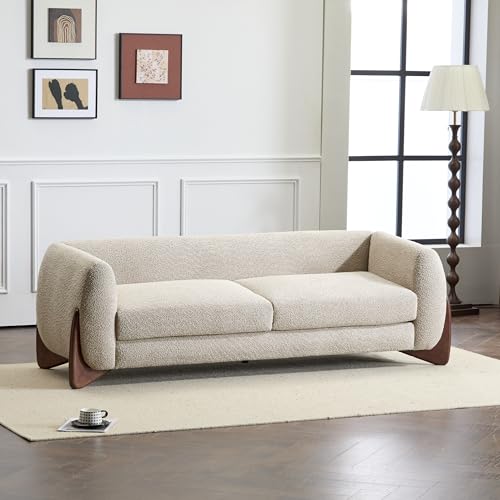
Use product listings as starting points for checking the relaxed look, not as proof that any one model is perfect for every home. Compare the dimensions, materials, seat construction, assembly requirements, and policies on each listing.
Color and silhouette
Neutral upholstery can make a generously scaled sofa easier to combine with rugs and wall colors, while a saturated color turns the sofa into the focal point. Color names are not standardized, so compare swatch images carefully and remember that displays vary. Slouchy forms already have a strong casual character; a pale textured cover may appear airy, while a dark plush fabric can make a deep sofa feel visually heavier. If you are uncertain, sample the fabric next to the floor, curtains, and largest nearby furniture. Consider how sunlight falls across the seat and whether a window will fade the material. Choose the color that works with the room you have, not only with a styled product photograph.
Support for different bodies
Comfort is personal, and one seat depth will not fit everyone. Taller users may appreciate a longer seat and higher back; shorter users may need a firm pillow behind them to avoid losing support. People with mobility concerns often benefit from testing seat height, cushion firmness, and arm placement before purchase. A very low, deep sofa can be difficult to rise from, even if it feels pleasant for lounging. Ask each regular user to sit down, stand, and change posture several times. If ordering online, make sure the return process is practical for a large item. Descriptions such as “ergonomic” or “all-day comfort” should be checked against measurements, cushion construction, and a real trial wherever possible.
Family and pet considerations
A lived-in sofa may be the center of family activity, so choose upholstery and construction for the actual use. Tight weaves can be easier to clean than open loops; removable covers are helpful only if the care label allows home laundering and replacement covers remain available. Pet claws can catch on textured yarns, and dark fabrics may show light hair just as light fabrics show dark fur. Use swatches to test how hair brushes off and whether a damp cloth changes the surface. Consider cushion access for cleaning crumbs and the sofa’s clearance from the floor if toys collect beneath it. A soft, casual look can work well in a busy home, provided the fabric and cushion maintenance fit the household’s habits.
Apartment delivery and setup
Large lounge sofas can be difficult to bring through tight corridors. Measure the narrowest doorway, hallway turn, elevator interior, and stair landing; compare them with both the assembled sofa and the shipping cartons. Ask whether the item arrives compressed, in multiple boxes, or with detachable legs and arms. Confirm whether delivery includes room placement, assembly, packaging removal, or only doorstep drop-off. A no-assembly listing can still require time for cushions to expand and modules to be arranged. If you rent, check building rules for delivery hours and elevator reservations. Keep the packaging until you have inspected the sofa and verified that return shipping is feasible. Planning access before checkout can prevent a costly surprise.
How to read online listings
Online product pages can omit details that matter. Look for a complete dimension diagram, material breakdown, cushion fill, frame information, weight capacity, assembly steps, and the exact pieces included. Check whether photographs show the same configuration, upholstery color, and orientation as the selected option. A listing may offer multiple sizes or fabrics under one page, so confirm that the selected variant matches the image and measurements. Read recent buyer comments for recurring reports about firmness, assembly, package count, or fabric appearance, while remembering that personal experiences vary. Review delivery, cancellation, returns, and warranty terms before purchase. Save the product specifications and order confirmation so you can compare the received item with what was advertised.
Three relaxed sofa directions

A low-profile three-seat couch can bring a soft, informal feel to a room without the larger footprint of a sectional. One example surfaced through the Amazon Creators API is a Christopher Knight Home 87.75-inch curved sleeper sofa with a deep-seat, chenille description. Its sleeper mechanism means the buyer should check both sofa and opened-bed dimensions, along with assembly and mattress details. The rounded form may suit a room that benefits from softened lines, but the listing should be reviewed for current fabric, configuration, and price. Treat it as a comparison point for a plush silhouette rather than a verified recommendation based on hands-on testing.
Modular lounge options

Modular and boneless-style couches can create a relaxed, casual arrangement and may be easier to adapt to an informal media room. An API result for a 134-inch oversized U-shaped corduroy modular couch illustrates the scale such listings can reach. Before considering a large configuration, verify every module’s dimensions, whether components connect, and whether the unit has an internal frame or relies on foam construction. “No assembly” and “cloud” are marketing descriptions; they do not establish durability or support. Ask how long cushions need to recover after delivery and whether the manufacturer recommends periodic reshaping. A modular option may fit a roomy family space, but it can overwhelm a compact living room.
Compact relaxed seating

A slouchy appearance does not require a huge sofa. A smaller loveseat or apartment sofa can use a deep seat, rounded cushions, or soft upholstery to create the same inviting mood. One API result is a 71.25-inch chenille loveseat with removable washable covers and pocket-spring cushions in its title and feature details. Confirm the chosen listing’s cover-care directions and exact dimensions, since those details may change by variant. A compact piece can be paired with a movable ottoman to provide a leg rest without permanently claiming floor space. This arrangement works best when the ottoman can be moved aside for circulation and does not make the seat feel too low or too deep.
Styling a relaxed sofa
Balance a soft sofa with a few elements that add visual structure. A slim coffee table, a rug with a clear border, and a floor lamp can define the seating area without making it feel formal. Mix pillow sizes, but leave enough open seat space for people to use the sofa comfortably. A throw draped casually over one arm can echo the relaxed style; too many layers may hide the upholstery and make cleaning harder. Keep the palette coherent by repeating one or two colors in the rug, art, and accessories. If the sofa is low and deep, choose a coffee table height that can be reached from the seat. Leave enough space for knees and walking paths around the arrangement.
Care and cushion maintenance
Regular maintenance helps a casual sofa keep its shape. Follow the care label first, then vacuum using an upholstery attachment and lift crumbs from seams. Rotate reversible seat cushions as recommended and fluff loose back cushions to redistribute fill. Avoid assuming every removable cover can be machine washed; water, heat, or agitation can shrink or distort some fabrics. Treat a spill promptly using the manufacturer’s specified method and test cleaners on a hidden area. Keep sunlight exposure in mind, especially on one side of a sofa near a window. If cushions become uneven, check whether inserts can be rotated or replaced. Establish a simple care routine that matches the fabric instead of waiting until stains or flattened cushions become difficult to address.
Common buying mistakes
A frequent mistake is choosing a sofa from a lifestyle photo without checking usable seat depth. Another is confusing softness with support or assuming every loose cushion can be washed. Buyers may overlook delivery access, return freight, assembly, or the floor area needed for a chaise. A third mistake is selecting a sofa that works for one posture but not for the household’s everyday routines. Avoid relying on labels such as “cloud,” “oversized,” or “apartment size” without comparing specifications. Finally, be careful about assuming that an item’s material, color, or configuration is identical across all variants on a listing. Read the selected option details before checkout and save screenshots or documents of key specifications.
Budget and long-term value
Price should be considered alongside the components and policies that shape ownership. Compare frame and suspension descriptions, cushion construction, fabric care, delivery fees, assembly, warranty, and return costs. A low upfront price may be less attractive if covers are not replaceable or a return requires expensive freight. Conversely, a higher price does not guarantee better comfort or construction. Identify what matters most to you—easy cleaning, a deep seat, a modular layout, or a specific upholstery—and compare products against that short list. Do not pay extra for accessories you will not use, but do include the cost of an ottoman or delivery service if it is essential to the setup.
A practical in-home test
When a sofa arrives, inspect the package and upholstery before discarding packing materials. Follow the setup guide and give compressed cushions the recommended recovery time. Check that modules align, legs are secure, and cushions fit their covers. Sit in the positions you expect to use: upright, relaxed, feet up, and sharing the seat. Notice whether the seat edge supports your legs and whether the back cushions stay in place. If something seems wrong, document it promptly with photos and contact the seller within the stated inspection or return window. Do not modify the frame or use unapproved cleaners before resolving a product issue, because that may affect a return or warranty.
Who should choose this style?
A slouchy sofa may suit people who value relaxed lounging, soft visual lines, and flexible everyday seating. It can be a poor match for someone who prefers upright, firm seating or needs a higher seat to stand comfortably. The style is not a quality grade and does not indicate how well a sofa will retain its shape. Focus on seat dimensions, support, construction, fabric, and service terms. If you enjoy sinking into a sofa, make sure the cushions still let you shift position and rise without strain. If your room is formal or compact, choose a more tailored silhouette or a smaller relaxed sofa that preserves circulation. A well-matched sofa should serve the household first and express a style second.
Frequently asked questions
Are slouchy sofas comfortable? They can be, especially for lounging, but comfort depends on seat depth, height, cushion support, and the user. Test the actual model whenever possible. Are they suitable for everyday use? Yes, if the frame, suspension, cushion fill, and upholstery are designed for your routine. Ask for construction details and warranty terms. Do deep sofas work for short people? Some do, but a deep seat can leave feet unsupported. A lumbar pillow or movable back cushion can help, though checking the usable depth first is better. What is the difference between a slouchy and a cloud sofa? The terms are informal and overlap; neither defines a standardized construction. Compare specifications instead of assuming a particular feel. How do I keep loose cushions neat? Rotate and fluff them according to the maker’s instructions, and check whether covers and inserts are replaceable.
Final checklist
Before choosing, write down the sofa’s intended users and primary activities. Measure the room, access route, and full footprint. Compare seat height and usable depth with a sofa you already like. Check cushion fill, frame, suspension, upholstery care, and whether covers or inserts can be replaced. For a sectional or modular design, confirm every included piece, orientation, connector, and package size. Review assembly, delivery, returns, and warranty details. Then compare the product listing with your requirements rather than judging the sofa by softness language or a styled photo. A slouchy sofa should feel inviting in your home and remain usable after the first impression has passed.
Related reading: deep-seat sofa buying guide, plush sectional sofa guide, and Home & DIY.
Certain content on this site comes from Amazon and may change. Amazon product images and listing details are supplied through Amazon Creators API. Confirm the exact option, seller, dimensions, materials, and current terms before purchase.