Best Saws for Cutting Plywood
The best saw for cutting plywood depends on the cut you need. A track saw can guide long, clean cuts across a sheet. A circular saw with a straightedge can be a more affordable portable option. A table saw can make repeatable rips when the panel is supported safely. A jigsaw can follow curves and interior shapes, while a scroll saw handles small decorative details in thinner stock. No single saw is best for every plywood project, and the blade, support, and setup often matter as much as the machine.
This guide compares saw types by real plywood tasks: breaking down a full sheet, trimming a cabinet panel, making narrow rips, cutting curves, shaping openings, and preparing thin craft panels. It focuses on choosing an appropriate saw and blade, controlling tear-out, supporting large sheets, and staying within manufacturer instructions. We do not claim hands-on testing of every saw or blade mentioned. Specifications, rail compatibility, and package contents change, so verify the current manual for the exact model.
Affiliate disclosure: DailyHomeDecorating.com may earn from qualifying purchases made through links on this page. This does not change the price you pay. Product availability and current listing details can change; confirm the exact model, blade, accessories, and safety instructions before buying.
Amazon product examples to compare

ASIN: B004YIALZI

ASIN: B09Y7PC5LT
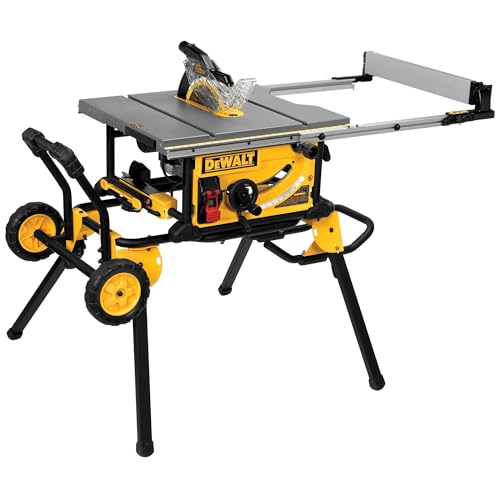
ASIN: B00F2CGXGG
Certain content that appears on this site comes from Amazon. This content is provided “as is” and is subject to change or removal at any time. Product examples and images are supplied through Amazon Creators API; confirm specifications and availability on the current listing.
Quick answer: choose the saw by the cut
- Breaking down a full sheet on a small shop floor: a track saw or a circular saw with a straightedge can keep the sheet flat while the saw travels. A track system is purpose-built for rail-guided cutting; a circular saw and guide can be more economical if you can control alignment and blade offset.
- Repeated straight rips or crosscuts in a well-equipped shop: a table saw can provide a fence and repeatable setup, but full plywood sheets are large and awkward. Plan infeed, outfeed, side support, and a helper or panel-handling method appropriate to the machine.
- Curves, cutouts, and sink or outlet openings: use a jigsaw with a plywood-appropriate blade and a stable support surface. Keep the base flat and control the cut from a clear layout line.
- Small decorative patterns in thin panels: a scroll saw may suit ornaments and fretwork. For material selection, see our guide to 1/4 plywood for scroll saws.
- Long, clean cabinet panel cuts with frequent setup changes: a track saw may simplify layout and dust handling, particularly when the sheet is too large to feed safely over a table saw.
If you already own a suitable saw, first look at blade condition, panel support, and guide accuracy. Buying another tool will not fix a dull blade, a panel that sags, an unsupported cutoff, or a cut line measured from the wrong edge. For general tool comparisons, see our guides to track saws, circular saws, and table saws.
How to choose the best saw for your plywood project
1. Identify whether the cut is straight, curved, or internal
A straight cut along a sheet edge calls for a guide, fence, or rail. A curve calls for a tool that can turn without binding, such as a jigsaw or band saw for stock within its capacity. A hole or interior opening may need a starter opening and a jigsaw or another method that supports the panel around the cut. A scroll saw is for smaller, thinner work, not for breaking down cabinet sheets. Matching the saw to the geometry makes the job easier before you choose blade teeth or motor features.
2. Consider the sheet size and where you will cut
Full plywood sheets can be large enough to flex under their own weight and difficult to control on a small table. Determine whether you can work on the floor over sacrificial foam, use a panel support system, or feed the material through a table saw with adequate infeed and outfeed. A compact shop may favor breaking the sheet down on a supported surface with a track or guide rail before moving smaller pieces to another machine.
Think about the travel path of the panel from vehicle to work area, door width, turning space, and where the cutoff will land. A saw that is ideal on a production bench may be unsafe to use alone with a floppy full sheet in a crowded garage. The machine’s capacity is not the same as safe material-handling capacity.
3. Set the finish standard
Structural sheathing hidden in a wall has a different edge requirement from a cabinet door or a visible furniture panel. Determine which face is the show face, whether the edge will be covered, and whether you can sand or trim afterward. A high-quality blade, zero-clearance support, backing board, or scoring pass may help reduce tear-out, but each method depends on the saw and panel. A decorative veneer can be thin and easy to damage; practice on an offcut before cutting the finished part.
4. Count the repeated cuts
For one cabinet side, a guide rail or straightedge may be quick. For many identical rips, a table saw fence can improve repeatability when the stock can be supported properly. For batches of curves, a jigsaw, band saw, or scroll saw may be more appropriate depending on panel size and detail. Frequent changes between crosscut, rip, bevel, and plunge cuts can favor a tool system with quick adjustments, but compare all accessories required.
5. Check dust control and location
Plywood cutting creates chips and fine dust. Indoor cabinet work may require dust extraction, ventilation, cleanup, and respiratory controls appropriate to the product and workspace. Track saws often connect to an extractor; table saws can have a lower cabinet port and may need an overhead hood; circular saws and jigsaws can scatter debris without collection. Consider whether a hose will interfere with the tool’s travel or pull the saw off course.
6. Verify the tool and blade combination
Confirm blade diameter, arbor, kerf, tooth design, rotation direction, maximum speed, and material rating. The saw’s manual states compatible blade sizes and operating limits. Do not install an oversized blade, remove guards, or use a blade that is incompatible with the machine. A plywood blade is not necessarily appropriate for every saw, and a high tooth count does not automatically guarantee a clean cut if the blade is dull or the panel is unsupported.
Compare saw types for cutting plywood
Track saw: guided breakdown and clean straight cuts
A track saw rides along a compatible guide rail and is designed for controlled straight cuts in sheet material. The rail can help establish the cut line and reduce lateral movement. Many systems use a splinter guard set to the blade line and an extraction port, which can help with cut visibility and edge quality. Festool describes its track systems as suited to portable, guided cuts and notes the role of splinter guards; other manufacturers use different rail and blade designs, so check compatibility rather than assuming rails interchange.
Track saws are useful when the sheet is easier to leave on a support surface than to lift onto a table saw. The rail must be aligned, secured, and long enough for the cut. Rail connectors, clamps, splinter strips, and dust extractors add to the system cost. If you already own a compatible circular saw, a straightedge may do the job, but a purpose-built track saw integrates the base and guide interface for repeatable travel.
For bevels, plunge cuts, or cuts close to a wall, read the exact manual. A plunge action can enter the sheet away from its edge, but it requires a clear area beneath the cut and safe control of the saw. Do not plunge into an unknown cavity or where electrical wiring, plumbing, or a support surface may be present. Our track-saw buying guide covers rail compatibility and setup in more depth.
Circular saw with a straightedge: flexible and comparatively simple
A handheld circular saw can cut plywood if its blade is rated for the material and the panel is supported. A straightedge, clamped guide, or manufacturer-approved rail can help keep a long cut straight. Measure the distance from the saw shoe’s reference edge to the blade and account for the kerf. Confirm that the lower guard can move freely throughout the cut and that the saw will not run into clamps or a guide.
This setup can be a practical choice for occasional sheet breakdown, particularly if you already own the saw. The main challenge is controlling the shoe against the guide while supporting both the retained panel and cutoff. A circular saw may also throw chips toward the operator or leave a rougher edge than a well-set track saw. Use the blade and guide system as intended, and rehearse the cut path with the saw unplugged or battery removed before starting.
For a broader model-selection guide, see best circular saws. Compact circular saws may handle thinner panels and smaller projects, but confirm cut depth at the required bevel and do not assume a smaller blade can cut through every sheet thickness in one pass.
Table saw: repeatable cuts with careful sheet handling
A table saw’s rip fence can make consistent straight cuts, and a crosscut sled or other suitable fixture can help with selected panel cuts. It is often a strong choice in a fixed workshop when the stock can be supported on all sides and the cut is repeatable. The machine needs a correctly aligned fence, functioning guard and spreader or riving components as applicable, and a plan for the long sheet and cutoff.
Full sheets are difficult to control over a compact table saw. A sheet can bind, sag, twist, or shift if not supported. Do not attempt to guide a large panel alone if you cannot maintain control and keep hands in safe positions. Consider breaking it down with a track or circular saw first, then using the table saw for smaller, repeatable parts. OSHA guidance for table saws emphasizes guarding, push sticks for small pieces, proper stock support, and avoiding hazardous crosscuts of long boards; homeowners should follow their manual and applicable local rules.
Table saws are not ideal for freehand curves or plunge openings. Their strengths are straight cuts and repeatability, not every plywood operation. See our table-saw guide for fence, support, and safety considerations.
Jigsaw: curves, cutouts, and small panels
A jigsaw moves a narrow reciprocating blade up and down through the work. Its small blade can follow curves and make interior cutouts after a starter hole. It can also trim a panel where a full-size circular saw cannot fit. The user moves the tool rather than the sheet, which is helpful when the panel is fixed in place or too large to maneuver.
Jigsaws are less suitable for very long precision straight cuts unless used with an appropriate guide, and the blade can deflect, especially in thick stock or tight curves. Keep the shoe flat, use a blade length suited to the material thickness, and feed steadily. For visible edges, test the blade’s tooth direction and cut quality on scrap. A fine tooth pattern may reduce chip size but can cut more slowly; a reverse-tooth design may change tear-out on the top face but can affect how the work is held. Follow the blade maker’s instructions.
Do not use a jigsaw for unsupported freehand work where the panel can vibrate or drop. Secure the work so the blade path remains clear. For a long straight rip through a large sheet, a track or circular-saw setup is often easier to control than attempting to guide a jigsaw for the whole length.
Band saw and scroll saw: curves in stock within capacity
A band saw can cut curves in plywood when the workpiece fits the throat and the blade is appropriate. It is often used for thicker blanks, templates, or furniture components, while a scroll saw can handle small, intricate patterns in thin plywood. Both require different workholding and blade choices from a handheld jigsaw. For the band-saw category, see best band saws; for delicate interior fretwork, our scroll-saw guide explains blade threading and machine setup.
Neither is a practical tool for breaking down a full sheet. A band saw’s throat limits how far the sheet can turn, and a scroll saw is intended for small-scale detailed work. Choose these tools for their strengths rather than forcing a large sheet through a machine that cannot support it.
Choose a plywood blade by saw type and finish
“Plywood blade” is a useful search phrase, but blade choice still depends on the saw, material, thickness, and finish. A circular-saw blade’s tooth count and geometry affect cut speed and edge finish. A table-saw blade may be designed for ripping, crosscutting, or a combination. Track-saw blades may be system-specific. Jigsaw blades differ in length, width, tooth pitch, shank type, and tooth direction. Confirm the exact fit and recommended use.
Tooth count is one factor, not a guarantee
More teeth can produce smaller chips and a finer cut in some conditions, but they may cut more slowly and can load with material if feed and blade design are wrong. Fewer teeth may clear chips faster and cut more quickly, but can leave a rougher edge in veneer. The blade maker’s material chart is more useful than a universal tooth-count target. A sharp blade with correct geometry often matters more than choosing the largest number printed on the package.
Diameter, kerf, and cut depth
On a circular or track saw, blade diameter determines maximum cut depth together with the saw’s design and bevel setting. Check actual capacity at 90 degrees and at any bevel angle you need. Kerf is the width of material removed; include it in measurements so the retained piece ends at the intended dimension. Thin-kerf blades remove less material but must be approved for the saw and splitter or riving system. Do not use a blade that is too large or has an incompatible arbor.
Blade selection for jigsaws and band saws
For jigsaws, match the blade length to panel thickness so the teeth clear the material throughout the stroke. A blade that is too short can catch or overheat; a very long blade can wander. For band saws, match blade width to curve radius and tooth pitch to stock thickness. For scroll saws, select the blade for detailed cuts and the thickness range. In all cases, follow the machine and blade manuals and stop if the blade bends, overheats, or begins to wander.
Cutting one sheet versus a stack
Stack cutting can produce matching parts, but it increases the effective thickness and changes blade load, clamping, clearance, and operator control. The saw, blade, and workholding must be suitable for the entire stack. Avoid loose layers that can shift or vibrate. For expensive veneer, a single-sheet cut may be easier to control and inspect. Do not stack sheets just because the tool can technically pass through them.
How to reduce splintering and tear-out
Choose the show face and cut direction
Before cutting, identify the face that will remain visible and determine where the blade teeth enter and exit. Different saws and blades cut differently; a circular saw’s tooth exit side may splinter more, while a jigsaw blade’s tooth orientation can vary. The direction is model- and blade-specific. Check the manual, then make a test cut in an offcut with the same veneer and thickness. This reveals which face needs extra protection.
Use a sharp, clean blade and steady feed
A dull blade can heat the work, tear veneer, wander, or require excess force. Clean pitch and resin as recommended by the blade maker; replace a damaged or dull blade rather than pushing harder. Keep a consistent feed rate. If the saw bogs down, chatters, burns, or cuts out of square, stop and inspect the blade, setup, support, and material. Do not force a saw through the sheet.
Support the panel close to the cut
When a plywood sheet flexes, the veneer can vibrate or break away as the blade exits. Support the sheet evenly on a flat surface and support the cutoff so it cannot drop or pinch the blade. Sacrificial foam or a backing board may be useful when compatible with the saw and cut depth, but ensure it cannot contact the blade or obstruct a guard. Use clamps that hold the work without blocking the tool path.
Use a splinter guard, zero-clearance insert, or backing where designed
Some track saw systems use a splinter guard aligned to the blade. Some table-saw setups use a zero-clearance insert to support fibers near the blade. A backing piece can support veneer for selected operations. These methods depend on compatibility and setup; they do not guarantee a perfect edge. Replace worn or misaligned guards and inserts, and never modify a machine in a way that compromises the riving knife, blade guard, or other safety feature.
Consider a scoring pass or two-sided cut only when safe
Some experienced woodworkers make a shallow scoring pass before the full cut or cut from both faces for certain panel operations. These approaches require a stable guide and accurate alignment and are not appropriate for every tool. They can add setup complexity and risk if the blade depth, panel support, or reference face is misunderstood. Follow the saw maker’s instructions and practice on scrap rather than adopting a method from an unrelated tool demonstration.
Support plywood safely before you cut
Sheet support prevents sagging, binding, and unpredictable cutoff movement. Before powering on, map the panel, kerf, retained side, waste side, clamps, and supports. The sheet must remain stable throughout the cut, and the offcut must not fall onto the blade or trap the saw. Use a support surface large enough for the panel and position it so the blade will not strike the floor, bench, clamp, or support.
Foam board, sacrificial strips, roller stands, panel carts, outfeed tables, and a helper may each suit different tools and situations. Only use equipment that remains stable and does not interfere with guards or the cut. A helper should know the plan and support the sheet without pulling it sideways. For full sheets on a table saw, a panel-handling system or pre-breakdown may be safer than trying to balance the entire sheet manually.
Do not stand in line with a potential kickback path. Keep hands positioned according to the tool manual and use push sticks or suitable fixtures where recommended. For handheld saws, keep the shoe flat and both hands on the handles as directed. Do not raise a panel or reach beneath it while a blade is running. Turn off and wait for the blade to stop before moving supports or removing offcuts.
Set up common plywood cuts
Break down a full sheet with a track saw
- Place the sheet on a flat sacrificial support with the entire cut path clear underneath.
- Mark the reference edge and finished dimension. Account for kerf and identify the retained piece.
- Check rail length, connector alignment, splinter guard condition, and saw compatibility.
- Align and clamp the rail without bowing the sheet. Confirm the saw’s plunge depth clears the panel but not the support surface beyond what the setup permits.
- Connect dust extraction if specified and route the hose so it cannot tug the saw or rail.
- Make a test cut on scrap, then cut at a controlled pace with the saw base fully engaged on the rail.
Rip a panel with a circular saw and guide
- Measure the offset from the saw shoe to the blade and set the guide on the correct side of the line.
- Support both sides of the kerf and the offcut so neither can sag or close on the blade.
- Set cutting depth using the exact manual and ensure the guard moves freely.
- Clamp the straightedge securely, keeping clamps outside the shoe and motor path.
- Start the saw before engaging the panel only as directed by the manual; maintain a stable stance and steady feed.
- Wait for the blade to stop before lifting or shifting the saw and sheet.
Make repeatable parts with a table saw
Use a properly aligned fence, guard, riving knife or spreader, and outfeed support as required by the machine. For small components, use a push stick or a suitable sled/fixture rather than placing fingers near the blade. Avoid unsafe crosscuts of large, unsupported panels. Break down full sheets first when handling them on the table saw would compromise control. Check the fence and blade are parallel according to the manufacturer’s calibration procedure.
Cut a curved opening with a jigsaw
Clamp or support the panel so the cutout remains stable. Drill a starter hole only where needed and verify there are no hidden services behind an installed panel. Select a blade with sufficient length and appropriate teeth, set the shoe flat, and guide the saw slowly through broad curves before tight radii. Avoid turning the blade by twisting the tool. For a clean opening, support the waste so it cannot fall or pinch the blade.
Plywood thickness, veneer, and construction matter
Plywood varies in face veneer, core material, glue lines, thickness, and intended use. A panel stamped for structural sheathing can be appropriate for a building application but may not have the face appearance or edge consistency desired for furniture. A decorative panel may have a better face but a different core construction. APA explains plywood veneer grades and panel categories; read the exact manufacturer product information rather than treating “cabinet grade,” “birch,” or “1/2 inch” as complete specifications.
Nominal thickness may not equal exact measured thickness. Measure panels when the project requires precise fit, especially for slots, dados, or hardware. Check both faces for patches, veneer lifts, and sanding defects. Inspect edges for voids if the cut edge will remain visible. A panel with a beautiful face may still have core gaps that chip during cutting. Our separate guide to 1/4-inch plywood for scroll-saw projects goes deeper on thin stock and core construction.
Moisture, storage, and transport can cause sheets to bow or twist. Store plywood flat and supported, protect it from rain and damp floors, and allow it to acclimate where appropriate. A bowed panel is difficult to cut accurately and can be hazardous if it springs or rocks under the saw. Do not force warped material flat by hand while cutting.
Safety, dust, and cleanup
Wear eye protection and follow the tool maker’s instructions for hearing and respiratory protection. Keep guards installed and functional. OSHA’s handheld saw guidance emphasizes appropriate guards, proper blades, and eye and face protection; its table-saw guidance covers work support, push sticks, and guarding. Workplace regulations apply to covered employers; home users should still follow the tool manual and safe work practices.
Keep the work area free of cords, hoses, and offcuts. Secure long or heavy sheets before cutting and use a helper only when the plan keeps both people clear of the blade and pinch points. Do not cut from a ladder, hold a small piece in the air, disable a guard, or reach past a moving blade. If the material shifts, the blade binds, or the tool loses control, stop and wait for the blade to stop before correcting the setup.
Plywood dust can irritate the lungs and eyes, and some panels include adhesives or coatings that require additional precautions. Use dust collection, ventilation, and cleanup suitable for the material and workspace. Do not blow fine dust into the air. Read the product safety information, especially for unknown, treated, overlaid, or composite panels. Store and dispose of offcuts according to the panel and finish guidance.
How we evaluate saws for plywood
This guide uses a task-based selection framework rather than claiming hands-on comparative tests. We compare saw categories by sheet handling, cut geometry, guide or fence control, blade availability, support needs, dust collection, and safety setup. For individual product cards, we require exact model and accessory verification through current authorized product data and manufacturer documentation.
We do not rank a tool solely by motor power or advertise one blade as perfect for every plywood grade. Edge quality depends on blade condition, tooth pattern, panel construction, support, feed, and cut direction. A sample cut on the same material is a more reliable check than a generic marketing phrase.
Frequently asked questions
What is the best saw for cutting a full sheet of plywood?
A track saw or circular saw with a well-secured straightedge is often practical because the panel can remain on a supported surface. A table saw can also cut sheets when the machine and material are supported appropriately, but handling a full panel on a small saw may be difficult. Choose based on your workspace and control.
Is a track saw better than a circular saw for plywood?
A track saw integrates a rail interface and may offer a splinter guard and dust collection designed for guided cuts. A circular saw with a straightedge can cost less and may be sufficient for occasional work. Verify blade quality, guide stability, cut depth, and setup for either option.
Can I cut plywood with a table saw?
Yes, when the saw is set up for the cut, the panel is supported, and the operator can control the stock safely. Full sheets can be awkward and should not be balanced on a small table without proper handling support. Breaking the sheet down first may be safer.
What saw is best for cutting curves in plywood?
A jigsaw can follow curves in larger panels, while a band saw can cut curves in workpieces that fit its throat and table. A scroll saw is better for small, thin, detailed patterns. Match blade width and length to the curve, stock thickness, and tool capacity.
How can I prevent plywood from splintering?
Use a sharp, material-appropriate blade, support the panel close to the cut, and test which face should be up for your saw and blade. A compatible splinter guard, zero-clearance insert, backing piece, or scoring method may help in some setups. Follow the manual and test on scrap.
What tooth count should I use for plywood?
There is no universal tooth count. Blade diameter, tooth form, material thickness, saw speed, feed, and desired finish all matter. Follow the blade maker’s chart and verify compatibility with the saw.
Can a circular saw cut 3/4-inch plywood?
Many circular saws can cut common panel thicknesses, but confirm the exact saw’s depth capacity at the angle you need and the blade’s rating. Set depth according to the manual and support the panel so the blade will not strike the floor or a hidden object.
Which side of plywood should face up?
It depends on the saw and blade tooth direction. Identify the show face, check the manual, and test on scrap. Do not rely on a generic rule that may not match your tool.
Can I use a jigsaw to cut straight plywood lines?
It can make shorter straight cuts with a suitable guide, but blade deflection and the reciprocating action can make long precision cuts more difficult. A track saw or circular saw with a straightedge is usually easier to control for long sheet cuts.
Is a high-tooth-count blade always better?
No. A finer blade may improve the edge in some situations but can cut more slowly or load with chips. Blade geometry, sharpness, support, and feed are also important.
Should I use a helper to cut a plywood sheet?
A helper may improve material handling if both people understand the sequence and stay clear of the blade and pinch points. The helper should support the panel without pulling it sideways. If the work cannot be coordinated safely, use a panel support system or break the sheet down another way.
Can plywood be cut with a hand saw?
For small cuts, a suitable hand saw can work, but veneer splintering and support still matter. Use a sharp blade, a stable bench, a marked cut line, and a method that supports both the retained material and offcut. For large panels, a powered guided saw is typically more practical.
Manufacturer and safety references
- Festool: Track saws — manufacturer overview of guide-rail systems and splinter guard features.
- OSHA: Handheld saws — guard and work-practice guidance, including handheld jig saws and circular saws.
- OSHA: Table saw safety — guarding, support, push-stick, and kickback context for covered workplace operations.
- APA: Plywood — panel construction, veneer grades, and intended-use categories.
- DailyHomeDecorating.com: Best Track Saws, Best Circular Saws, and Best Table Saws.
Always follow the current instructions for the exact saw, blade, rail, panel, and dust-control system. Safety guidance here is general and does not replace manufacturer documentation or site-specific requirements.
Conclusion: support the panel and choose the cut path first
For plywood, the right saw is the one that can make your cut geometry accurately while you keep the entire panel and cutoff under control. Track saws and guided circular saws excel at sheet breakdown; table saws suit repeated straight cuts when stock handling is planned; jigsaws and band or scroll saws handle curves within their limits. A sharp compatible blade and stable support often matter more than buying the most powerful tool.
Before cutting, identify the show face, verify kerf and cut depth, plan support, and test on the same material. Read the saw and blade manuals, keep guards functional, and stop if the sheet shifts or the blade binds. Those steps help protect both the plywood and the person making the cut.