Where to buy
Check the latest price, availability and delivery on Amazon. Orders are placed on Amazon. We may earn a commission from qualifying purchases.
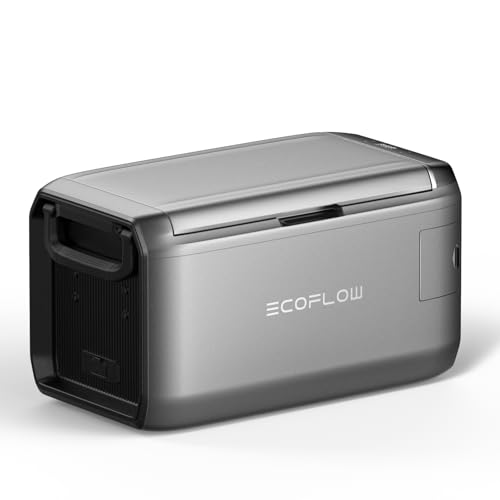
- Best for hosts who entertain often: EcoFlow GLACIER Classic 35L Portable Fridge Freezer — Check on Amazon
- Best drinks volume per dollar: Coleman Classic Series 65-Quart Wheeled Cooler — Check on Amazon
- Best mobile drinks station: RTIC 52 Quart Ultra-Light Wheeled Cooler — Check on Amazon
- Best for big gatherings: YETI Tundra 65 Hard Cooler — Check on Amazon
- Best value food cooler: Lifetime 55 Quart High Performance Cooler (90820) — Check on Amazon
- Best caterer-grade station: Dometic CFX3 75DZ — reviewed in prose below (see the review for why it carries no purchase link here)
Disclosure: As an Amazon Associate, dailyhomedecorating.com earns from qualifying purchases. Links to Amazon on this page are affiliate links; they cost you nothing extra. Listing details such as price and availability change often, so check the current Amazon listing before you buy.
The best outdoor cooler for outdoor entertaining under $1500 is the one your guests never have to think about — because entertaining fails at the cooler more often than at the grill. Warm drinks by eight o’clock, a single box mobbed by twelve people, ice that ran out during the main course: these are the memories parties leave. A $1500 budget is far more than any single cooler needs — even the flagship dual-zone fridge freezer reviewed below sits inside it — so this guide spends it the way good hosts do: on a system of stations. A powered or premium anchor for food, a high-volume drinks station where the guests actually are, and the ice discipline and placement that keep both cold from the first arrival to the last goodbye. The six picks below are real, verified products, ranked for entertaining specifically — guest flow, serving speed, presentation and the end-of-night clean-up — with one famous flagship covered in honest prose.
Entertaining changes the buying maths in three ways. First, traffic: a cooler at a party is opened hundreds of times, so lid design, placement and the split between a food box (opened rarely) and a drinks box (opened constantly) matter more than laboratory ice tests. Second, theatre: the drinks station is furniture your guests gather around, so looks, cup holders, and a box that can double as a serving surface earn real value. Third, the timeline: a party cooler works a six-hour shift at maximum difficulty — full sun at set-up, constant opening at peak, warm night air at the end — and then faces the clean-up test, when drainage and storage decide whether hosting felt easy. Every pick and every piece of advice below is graded against that shift.
In this guide
Quick Picks: Best Outdoor Cooler for Outdoor Entertaining Under $1500
Short on time? Each row names a party role and the cooler that fills it. Prices move, so linked picks say “check price on Amazon”; the prose-only flagship is explained in its review.
| Party role | Pick | Why it stands out | Link |
|---|---|---|---|
| Host’s anchor | EcoFlow GLACIER Classic 35L | Powered fridge with optional battery — exact temperatures, no ice runs mid-party — check price on Amazon | Check on Amazon |
| Drinks volume | Coleman Classic 65-Quart Wheeled | 65 quarts, light, wheeled, lid cup holders — the crowd’s water cooler — check price on Amazon | Check on Amazon |
| Mobile station | RTIC 52 Ultra-Light Wheeled | Rolls to wherever the party migrates — shade at noon, fire pit at nine — check price on Amazon | Check on Amazon |
| Big gatherings | YETI Tundra 65 | Capacity and multi-day ice for the largest guest lists — check price on Amazon | Check on Amazon |
| Food cooler | Lifetime 55 (90820) | 55 quarts of long-ice food storage at the lowest tier here — check price on Amazon | Check on Amazon |
| Caterer-grade | Dometic CFX3 75DZ | Dual-zone fridge freezer station — fridge and freezer beside the grill | See review below |
How These Picks Were Chosen
The budget rule for this series is strict: a pick earns a purchase link only if its Amazon listing has been sighted at or under $1500 in recent price records. Every linked pick below clears that comfortably. The Dometic CFX3 75DZ — the most capable entertaining machine in the guide — is reviewed in prose only, because its list price sits near the ceiling and its current Amazon listing could not be verified tightly enough to link responsibly; its specifications come from Dometic’s own datasheet, and readers are pointed to authorised dealers. Losing the button to keep the facts straight is a trade this series always makes.
Verification covered capacities, dimensions, weights and power figures from manufacturer and retailer sources, cross-checked against independent coverage. Entertaining-specific claims got extra care: maker can counts are treated as size classes rather than promises, because a party load includes bottles, mixers, garnishes and food trays, not a solid block of cans. Score and count figures are deliberately omitted — they change constantly and would be stale within weeks. Safety screening checked all candidates against U.S. Consumer Product Safety Commission cooler recalls; a major rolling-cooler line from another brand is under a large CPSC recall for a handle hazard, and nothing from that brand appears in this guide. None of the six picks has a CPSC recall on record as of writing.
The ranking lens is the party itself. Picks were ordered by how they serve a host across an event: set-up effort, guest flow, temperature trust for food, mobility as the gathering migrates, and clean-up. Hosts working with less can find the same station logic at a tighter spend in the Best Outdoor Cooler For Outdoor Entertaining Under $500 guide; hosts furnishing the whole scene will want the Best Patio Dining Set Under $1500 and Best Outdoor String Lights Under $300 guides open in the next tabs.
Detailed Reviews
1. EcoFlow GLACIER Classic 35L — the host’s powered anchor
Who it suits: Hosts who entertain often enough that ice has become a recurring errand — the cooler as appliance, parked by the serving area, holding the food and the good drinks at exact temperatures while cheaper boxes absorb the crowd’s traffic.
The GLACIER Classic 35L is a 37-quart compressor fridge freezer, about 45 pounds and 27.8 × 15.9 × 15.8 inches, running from an outlet, a vehicle socket, solar input or EcoFlow’s optional 298Wh plug-in battery, the battery rated at up to 43 hours at fridge temperature under the maker’s test conditions. For entertaining, its killer feature is certainty: salads, dips, marinades and desserts sit at the temperature you set at noon and are still at that temperature at ten, regardless of how often the party opened the other boxes. EcoFlow publishes a fridge-mode draw of 0.57 amp-hours per hour, app control lets the host check temperatures from the kitchen, and IPX4 splash resistance shrugs off the poolside and the spilled drink. It also freezes — ice cream for dessert, frozen cocktail components — which no ice chest in this guide can honestly promise at hour six.
Pros: Exact, all-evening temperatures; no ice to buy, store or drain; freezes as well as chills; app monitoring; compact footprint for a serving station. Honest limitation: Single zone — one temperature for the whole box — and 35 litres is an anchor, not a crowd’s drinks supply; it must be paired with a volume box for larger parties. The battery is an add-on cost on the battery-free listing.
Choose it if you host monthly or more and food quality is your signature. Skip it if your parties are twice a year — the ice chests below will serve those admirably for less.
There is a subtler entertaining dividend worth naming: the host’s attention. Every ice chest in a system demands small decisions all evening — is the food still cold, does the station need ice, should the leftovers go in yet. A powered anchor deletes those decisions for everything it holds, and what it returns is the host’s presence at their own party. Hosts who switch rarely describe the temperature first; they describe realising, at nine o’clock, that they had not thought about ice since noon. At this budget that calm is purchasable, and for people who entertain because they love the people, it is the best line item in the guide.
EcoFlow GLACIER Classic 35L — Check on Amazon
2. Coleman Classic Series 65-Quart Wheeled — drinks volume per dollar
Who it suits: The drinks station at any party over ten people: maximum cold volume, minimum cost and weight, positioned where the guests are and refilled without drama.
Coleman’s Classic 65-quart wheeled cooler weighs about 14.5 pounds empty — a third of the premium boxes — rolls to its station, claims up to four days of ice at 90°F in retailer specifications, and moulds four cup holders into its lid, a detail that sounds like a gimmick until twenty guests need somewhere to set a glass while they fish for a bottle. At parties, this is the box that takes the beating: opened constantly, bumped, sat near, refilled twice. Its budget price is precisely why it wins the role — the high-traffic station should be the cooler you worry about least, and a premium rotomolded box absorbing party traffic is capital misallocated when this exists.
Pros: Biggest drinks volume per dollar and per pound here; wheels; genuinely useful lid cup holders; cheap enough to own two. Honest limitation: Thin-wall insulation trails the premium picks — plan a mid-party ice top-up for long events — and the build is functional rather than handsome, though a serving tray on the lid fixes the presentation in seconds.
Choose it if your guest lists run long. Skip it if it would be your only cooler across a multi-day event; pair it with a food anchor instead.
Coleman Classic Series 65-Quart Wheeled Cooler — Check on Amazon
3. RTIC 52 Quart Ultra-Light Wheeled — the station that follows the party
Who it suits: Gatherings that migrate — cocktails on the patio, dinner at the table, digestifs at the fire pit — where the drinks need to move with the people instead of anchoring them to one corner.
RTIC’s Ultra-Light build trims roughly a third of the weight of a comparable rotomolded cooler, and the 52-quart wheeled version turns that saving into mobility: a loaded drinks station one person can reposition in seconds. The maker rates it at up to 78 cans, insulation covers a full party shift comfortably, and the format — tall enough for bottles, light enough to roll — makes it the natural satellite to a fixed anchor. Park it in shade by the seating at six, roll it to the Best Fire Pit Under $1500 at nine, and the party never develops the dead zone around a distant cooler that splits gatherings in two.
Pros: Mobility without a second pair of hands; generous capacity; strong value; lighter end-of-night return trip. Honest limitation: Wheels prefer hard surfaces — lawns slow it — and injection-moulded insulation is party-shift grade, not multi-day grade.
Choose it if your entertaining moves around the property. Skip it if your parties happen in one fixed spot; a static box serves that simpler pattern.
RTIC 52 Quart Ultra-Light Wheeled Cooler — Check on Amazon
4. YETI Tundra 65 — for the largest guest lists
Who it suits: The annual big ones — milestone birthdays, holiday cookouts, the neighbourhood party — plus hosts who want one box that swallows a whole event’s food and drink with ice to spare.
The Tundra 65 brings rotomolded construction, PermaFrost insulation, a freezer-style gasket and a bear-resistant build to a 65-class box YETI rates at up to 77 cans, with a dry goods basket included and an external footprint around 30.8 × 17.3 × 16 inches at roughly 30 pounds empty. For entertaining, its virtues are capacity and indifference: it can be loaded the day before, parked in its spot, and trusted through the event and the morning after, when the leftovers are still safely cold. It also presents well — a handsome, solid station that reads as intentional furniture beside the Best Outdoor Sectional Under $1500 rather than equipment.
Pros: Capacity plus multi-day ice; premium build and presentation; basket included; works as bench and serving surface. Honest limitation: Loaded weight demands two carriers and a planned spot; for ordinary eight-person dinners it is more cooler than the evening needs.
Choose it if your calendar holds genuinely big events. Skip it if your parties peak at ten — the 45-class and the Coleman cover that ground for less.
YETI Tundra 65 Hard Cooler — Check on Amazon
5. Lifetime 55 Quart High Performance (90820) — the value food cooler
Who it suits: Hosts who need a serious food box — the trays, the marinating meat, the salads — without spending anchor money on the box guests barely open.
The 90820 offers 55 quarts, maker-claimed ice retention up to seven days, an IGBC bear-resistant certification attesting to its shell and latch strength, and a price sighted at the lowest tier in this guide. In the entertaining system it is the quiet professional: loaded with food in the morning, parked in shade near the grill, opened on the cook’s schedule rather than the crowd’s. Its built-in bottle opener will, empirically, be the most-used premium feature at any party it attends. Pair it with the Coleman as the drinks station and the two-box entertaining system costs a small fraction of this guide’s budget — the correct outcome for most hosts.
Pros: Serious food capacity and long ice claims at a budget price; tough, certified build; party-friendly details. Honest limitation: Finish trails the premium picks, and like every ice chest its performance lives or dies on packing and shade.
Choose it if food storage is your gap. Skip it if presentation at the station matters as much as performance — that is the YETI’s brief.
One practical note for hosts: the Lifetime’s size makes it the natural “load it in the kitchen, wheel or carry it out once” box in systems where the route is short, and its price makes it the box to dedicate to the messiest duty — raw marinades, the ice reserve, the kids’ drinks — without a flicker of preciousness. Entertaining systems work best when each box has a personality the host can rely on: the anchor is trusted, the station is social, and the workhorse is unbothered. This is the unbothered one, and every frequent host eventually learns that the unbothered box is the one that saves the party at least once a season.
Lifetime 55 Quart High Performance Cooler (90820) — Check on Amazon
6. Dometic CFX3 75DZ — the caterer-grade station (prose only)
Who it suits: Serious entertainers with a covered, powered serving area — the households whose outdoor parties run like small events, with courses, frozen desserts and a drinks programme.
As a machine, nothing else in this guide is close: 74 litres gross (about 65 usable) across two independently controlled zones, a VMSO3 compressor that fridges one side and freezes the other, app control, ExoFrame construction, and a published draw of about 1.43 amp-hours per hour at 12V with both zones chilling. It turns a patio corner into a caterer’s station — plated starters holding at temperature, ice cream genuinely frozen at nine o’clock, no ice logistics at all. It is included in prose because its list price sits near this guide’s ceiling and its current Amazon listing could not be verified tightly enough to link responsibly; buy it through authorised dealers after checking the current listing, and only if your entertaining genuinely runs at the scale it serves. At roughly 61 pounds empty and 35 inches wide, it is a fixture with a power plan, not a party accessory.
Pros: The most capable entertaining cooler here; fridge and freezer simultaneously; exact temperatures all night. Honest limitation: Price, size, weight and power needs are all at the maximum in this guide — magnificent overkill for ordinary parties.
Choose it if you entertain like it is a vocation and have the covered powered spot for it. Skip it if your parties are monthly and modest — the EcoFlow anchor plus a volume box will delight your guests for far less.
Comparison Table
| Pick | Type | Capacity | Party role | Standout trait |
|---|---|---|---|---|
| EcoFlow GLACIER Classic 35L | Compressor fridge freezer | 35 L (37 qt) | Food anchor | Exact temperatures, freezes, no ice |
| Coleman Classic 65 Wheeled | Wheeled ice chest | 65 qt | Drinks volume | Light, cheap, lid cup holders |
| RTIC 52 Ultra-Light Wheeled | Injection-moulded, wheeled | 52 qt | Mobile station | Follows the party |
| YETI Tundra 65 | Rotomolded ice chest | 65-class | Big-event main box | Capacity, ice life, presentation |
| Lifetime 55 (90820) | High-performance ice chest | 55 qt | Food cooler | Value and long ice claims |
| Dometic CFX3 75DZ | Dual-zone fridge freezer | 74 L gross | Caterer station | Fridge + freezer at once |
How to Choose a Cooler for Entertaining
Split food and drinks — always. The single highest-value decision in party cooling costs nothing: one box for food, opened rarely and kept properly cold, and one for drinks, opened constantly and allowed to be a scrum. Every system in this guide is built on that split.
Size drinks by the guest list, food by the menu. A working rule: drinks for ten across an evening fill roughly 45–65 quarts once ice takes its share; food volume depends on trays and dishes, which are bulkier than hosts expect. When in doubt, add drinks capacity first — warm soda is noticed; a snug food box is not.
Place stations where guests already gather. A drinks station beside the seating — ideally under shade, near the Best Patio Umbrella Under $1500 zone — gets used; a perfect cooler by the back door creates a traffic jam at the kitchen. Keep the food anchor near the cook, out of the guest flow.
Grade the clean-up before you buy. Drains that work over a bucket, interiors that wipe clean, and boxes light enough to move when full of meltwater decide whether hosting ends at midnight or at one in the morning. Entertaining gear is judged at clean-up as much as at the party.
Decide your ice supply like a caterer. Home freezers rarely hold a party’s worth. Either buy bagged ice the day of (and store it in the pre-chilled drinks box), run a powered anchor that removes food from the ice economy entirely, or freeze bottles for a week ahead. The one unforgivable plan is hoping.
Common Mistakes
One cooler for everything. Food warms every time a guest digs for a drink, and drinks queue behind the cook’s trays. The two-station split exists because this mistake is universal.
Under-icing the drinks station. Drinks boxes open constantly and lose cold fastest; they need the most ice, not the least, plus a mid-party top-up plan for long events.
Parking the station in full sun for the photos. A handsome setup in direct afternoon sun burns ice at a rate no premium wall can match. Shade first, aesthetics second — guests forgive a shaded corner; they do not forgive warm drinks.
Serving food from the drinks box. Dips and salads swimming in meltwater among the cans is the classic party-cooler failure. Food gets its own box, its own ice discipline, and sealed containers above the waterline.
Forgetting the second shift. Parties outlive their plan: dessert, late drinks, the neighbours who stay. A reserve — frozen bottles in the freezer, a bag of ice held back, a powered anchor with capacity — is what separates hosts who relax from hosts who apologise.
Buying presentation over plumbing. The prettiest cooler with a hopeless drain and a two-person loaded weight will be quietly hated by whoever cleans up. Grade the boring features first.
The Entertaining Timeline: Cooling by the Clock
The day before: chill every drink and dish that will be served; freeze bottles and packs; confirm ice supply. Morning of: load the food anchor, seal it, and leave it alone; pre-chill the drinks station with a sacrificial layer of ice or frozen bottles. An hour before guests: load drinks over fresh ice, position stations — food by the cook, drinks by the seating, both in shade — and set out the reserve ice where the host can reach it without leaving the party. Peak hours: the host’s only cooler jobs are a glance at the food box thermometer and one ice top-up to the drinks station. Dessert: the powered anchor, if you have one, produces the frozen course that makes guests ask what your secret is. Clean-up: drain stations where they stand if the surface allows, consolidate leftovers into the anchor while it is still cold, and wash and dry boxes the next morning — never seal a damp cooler and forget it until the next party.
Drinks Maths: Planning Quantities Like a Host
Coolers fail at parties by arithmetic before they fail by insulation. A workable planning model: each guest drinks roughly one cold drink per hour of party, more in heat and fewer across a seated dinner; a drinks station should therefore hold the first two hours at full strength, with the reserve — the anchor’s overflow, the fridge, frozen stock — planned rather than improvised. Ice follows its own arithmetic: plan on roughly a pound of ice per guest for the drinks station across a long event, plus the box’s base load, and then add a margin you will be grateful for at nine o’clock. Wine and bottled drinks consume cooler volume far faster than cans; a bottle-heavy menu argues for the tall formats and for chilling wine in the powered anchor where space is used efficiently. Water deserves explicit planning too — a dedicated, clearly cold water supply is the detail guests mention afterwards with surprising gratitude, and it protects the good drinks from being drunk out of thirst. None of this requires premium equipment; it requires deciding the numbers before the first guest rings the bell, which is precisely what a system budget like this one is for: the anchor holds the reserve, the station holds the service, and the host holds a drink instead of a worry.
Presentation: Making the Station Look Intentional
Entertaining gear earns a second salary as scenery, and the drinks station is the most photographed square metre of any party. The tricks are cheap and mostly about order. Group drinks by type so the box reads as abundance rather than rummage; keep a small tray or board on the lid for the opener, a towel and the drink being poured, which turns even a budget cooler into a serving station; put a bin and a bottle-opener tether within arm’s reach so the area stays tidy without the host policing it. Light the station for the evening hours — a lantern or the spill from string lights — because a cooler guests cannot see into becomes a cooler guests leave open while they search. If presentation matters enough to drive the purchase itself, that is the honest case for the YETI class as the visible station and the budget boxes as the working reserve behind the scenes: parties, like theatres, are allowed a front of house and a backstage, and a $1500 budget is one of the few that can fund both without strain.
Hosting in Serious Heat: The Midsummer Playbook
The hardest entertaining shift is the hot one — a July afternoon when the patio is at its warmest and every specification in this guide is tested at its limit. The playbook that survives it is mostly sequencing. Load indoors or in the coolest available space, never on the hot patio; a box packed in a cool kitchen starts the day ten degrees ahead of one packed in the sun. Position stations before the sun reaches them, tracking where shade will be at four o’clock, not where it is at noon. Freeze more than you think: bottles and packs in every gap of both boxes, because in heat the margin is the meal. Serve the most perishable course earliest, while the food anchor is at its coldest and most disciplined, and let the evening’s later food be the robust kind. Keep a hard rule that the food box opens on the cook’s errands only, and give the drinks station a sacrificial abundance of ice so its constant opening costs nothing that matters. If a powered anchor is part of the system, heat is its finest hour — the compressor simply works, holding numbers that ice cannot promise at hour six of a hot day — but keep its vents shaded and clear, because a compressor breathing hot still air against a wall is being asked to do the hardest version of its job. Hosts who run this playbook stop fearing the forecast; the system, not the weather, decides how the party eats.
Winter, Storage and the Host’s Off-Season
Entertaining gear earns its keep in summer and its reputation in winter. The hosts who open spring with everything working share a closing ritual: every box washed inside and out, dried completely — days, not hours, for gasket folds — and stored with lids cracked so seals rest uncompressed and air moves. The powered anchor gets a final run to confirm it cools, then stores dry with vents unobstructed, ideally with an occasional short run across the winter rather than a four-month silence. Wheels, latches and drain plugs are inspected while there is time to order a part, not on the season’s first Saturday. Ice packs and frozen bottles return to the freezer as the household’s standing reserve. None of this is more than an hour, once, and it is the difference between a system that was bought once and a system that is quietly re-bought, piece by piece, every few years. At this budget, longevity is not a hope — it is the entire economic argument — and longevity is mostly storage.
Final Recommendation
For most entertainers, the winning build inside this budget is the EcoFlow GLACIER Classic 35L as the food anchor plus the Coleman Classic 65 Wheeled as the drinks station — exact temperatures where they matter, volume where it counts, and most of the $1500 still available for the table, the lights and the evening itself. Add the RTIC 52 Wheeled if your parties migrate, step the anchor up to the Dometic CFX3 75DZ only if your entertaining runs at caterer scale under a covered powered spot, and use the Lifetime 55 or YETI Tundra 65 where a premium ice-only anchor suits your style better. Split food from drinks, shade the stations, plan the ice — the guests will remember the party, not the equipment, which is exactly the point.
Service Flow: How Each Pick Behaves When Twenty Hands Reach In
Entertaining tests a cooler in a way no ice-retention trial can: not how cold it stays sealed, but how gracefully it serves. Lid openings per hour, queue behaviour, one-handed access while holding a plate, and how the box looks at golden hour all matter — and they reorder these six picks in ways the comparison table cannot show.
EcoFlow GLACIER Classic 35L. As the host’s anchor, its service virtue is invisibility: 35 litres at an exact set temperature, down to −4°F if a course needs freezing, with no ice to fish through and no meltwater rising around labels by nine o’clock. At 45.1 lb and 27.8 × 15.9 × 15.8 inches it is placed before guests arrive and does not move again, which suits an anchor. The published 0.57 Ah/h fridge-mode draw and the optional 298Wh battery’s maker rating of up to 43 hours at fridge temperature mean it can anchor a station far from a socket — the far end of the garden, beside the Best Outdoor Sectional Under $1500 — without a cable across the party. Its single zone is the service limit: everything inside shares one temperature, so it anchors either the food course or the premium drinks, not both at different temperatures. Hosts solve that by pairing it with an ice satellite, which is exactly the system this guide keeps recommending.
Coleman Classic Series 65-Quart Wheeled (316 Series). This is the volume server: 65 quarts at roughly 14.5 lb empty, wheels under it, and lid cup holders that turn its top into the party’s most contested flat surface. Retailer specifications credit up to 4 days of ice at 90°F, but its entertaining number is not days, it is openings — a light, wide, easy box that twenty guests can raid without a queue forming or a lid being fought. Because it is light, the host can also perform the evening’s most underrated move: wheeling the station ten feet to follow the company as the party migrates, instead of watching the gathering split between the seats and the drinks. Its cleaning profile suits high turnover too — a fast drain, a rinse, and it is ready to store — though the same lightness that makes it mobile makes it the wrong box for holding food across a second day.
RTIC 52 Quart Ultra-Light Wheeled. Fifty-two quarts, a 78-can maker rating, and a build around 30% lighter than rotomolded rivals: in service terms this is the satellite with manners. It rolls from kitchen to shade without a second pair of hands, parks beside the seating without dominating it, and its capacity swallows an evening’s cans and bottles with the ice to keep them honest. The service detail hosts notice is pacing: because it is easy to open, easy to see into and easy to restock from the top, guests self-serve quickly and the lid spends less time open per drink than in a deep, dark chest. On gravel or soft lawn its wheels work harder and so will you; on stone, decking and short grass it is the smoothest server in this guide.
YETI Tundra 65. The 77-can maker rating, the 58 lb ice-only figure and the 30.8 × 17.3 × 16 inch, 30.3 lb shell describe a station, not a server — and for the largest guest lists a station is what you need. Its service strength is composure: it looks intentional, it seats a guest in a pinch, it presents as furniture beside the dining set rather than equipment beside the bins, and the dry goods basket keeps the food course suspended dry above the ice while drinks are raided below. Its service cost is commitment: once placed and loaded, it does not follow the party, so place it where the party will be at nine, not where it starts at six. Two hosts should also plan its end-of-night reality — it gets emptied where it stands, then moved.
Lifetime 55 Quart High Performance (90820). The maker rates up to 7 days of ice, and the IGBC bear-resistant build means latches and hinges that survive enthusiastic guests, leaning teenagers and being sat on by someone who should know better. In service it is the value food cooler: the box that holds the courses, the marinating trays and tomorrow’s breakfast at a big house party, quietly, in the shade, while the drinks stations take the traffic. That division of labour is its whole case — food coolers should be boring, capacious and rarely opened, and this one is all three at the friendliest spend in the guide.
Dometic CFX3 75DZ (prose only). Sixty-five litres usable across two zones, in a 27.8 kg, 892 × 495 × 472 mm cabinet, is caterer logic: a fridge zone and a freezer zone, exact temperatures, app checks from the kitchen, and no ice logistics at all. For a wedding-at-home or a catered garden party it is the professional answer, and the published draws — about 1.43 Ah/h at 12V with both zones at 4°C in 32°C heat, about 3.04 Ah/h with a freezer zone at −15°C — let a host plan its power like a professional too. For an ordinary Saturday it is overkill with a plug, which is why this guide reviews it honestly in prose and builds its systems around the five linked picks instead.
The Host’s Packing System: Layers, Zones and the Second Ice Drop
Great hosts pack a cooler like a set list. The base layer is block ice or frozen bottles — slow-melting, structural cold — laid the night before into a pre-chilled box, because a cooler that starts cold spends its ice on the drinks instead of on its own warm walls. The middle layer is the food course in sealed containers, or the first round of drinks standing upright so labels stay readable and hands stay quick. The top layer is cubes poured into the gaps and the high-turnover drinks, because the top is where forty openings an hour will happen and the top should be cheap to re-chill.
Zoning is the second half of the system. Drinks and food never share a box at a serious party if the budget can help it — and at this budget it can. The drinks box is packed for speed: cans and bottles only, ice loose among them, nothing that suffers from a soaking. The food box is packed for stillness: opened rarely, kept at or below fridge temperature, with raw meat sealed and lowest. A powered anchor zones by dial instead of by box — one temperature, exactly held — and the dual-zone flagship zones by wall, which is why caterers love it and why single-zone hosts simply assign the powered box to whichever load benefits most from precision, usually the food.
Finally, plan the second ice drop. Every long party has a moment — usually around the time the light changes — when the drinks box needs its top-up. The host who has a frozen reserve ready (blocks in the freezer, bottles frozen the day before) performs that refresh in ninety seconds without leaving the party. The host who has not performs the ice run, and the party notices. Pre-chilling, layering, zoning and the reserve: none of it costs anything but forethought, and together they are worth more than the difference between any two coolers on this page.
Cleaning Up After the Party: The Unglamorous Test
The last cooler test happens at midnight. Ice chests ask for a drain, a rinse and a dry; do it the same night, because meltwater that has hosted a party does not improve by morning. Powered boxes ask for even less — no meltwater at all, a wipe of two dry surfaces, lids left open overnight — which, at the end of a long hosting day, feels less like a specification and more like a gift. Whatever you run, store it clean, dry and cracked open, and check the gasket line and drain plug while you work: those two details, neglected, are responsible for nearly every “my cooler smells” story told the following summer.
FAQ
How much cooler capacity do I need for a party of fifteen?
Plan on a 55–65 quart drinks station plus a 35–55 quart food cooler — roughly 100 quarts in total once ice takes its share. Bottles and food trays consume more room than can counts imply, so treat maker ratings as size classes.
Is a powered cooler worth it for entertaining?
For frequent hosts, yes: it removes ice logistics, holds food at exact temperatures through a long event, and can freeze dessert. For twice-a-year parties, two good ice chests deliver the same guest experience for much less.
How do I keep drinks cold when guests keep opening the cooler?
Give drinks their own box, ice it generously, keep it in shade, and pre-chill everything so the ice only maintains temperature. A mid-party ice top-up is normal catering practice, not a failure.
Where should the drinks station go?
Where guests gather, not where the host works: beside the seating, in shade, reachable without crossing the cooking zone. The food cooler stays with the cook. That single placement decision improves both temperature and party flow.
What is the best cooler setup for a cocktail-style party?
A mobile drinks station like the RTIC 52 Wheeled near the standing crowd, a small powered or premium anchor for perishable garnishes and food, and plenty of ice — cocktail service burns ice in the glass as well as the box, so over-supply deliberately.
How far ahead can I load a cooler before a party?
Rotomolded and high-performance boxes can be loaded with ice and drinks the night before if everything starts cold. Food should be loaded the morning of the event, kept at fridge temperature, and checked with a thermometer before serving.
Should the drinks station be in the sun so guests can find it?
No — visibility comes from placement and light, not sunshine. A shaded station near the seating, lit after dark, is found just as easily and keeps its ice hours longer. If the only gathering spot is sunny, a patio umbrella over the station is a better investment than a more expensive cooler.
What do I do with leftovers at the end of the night?
Consolidate them into the coldest box — the powered anchor or the rotomolded food cooler — while it is still properly cold, refrigerate promptly indoors, and discard anything perishable that sat warm during the party’s long goodbye. When in doubt, the thermometer and the clock decide, not optimism.
How do I keep the drinks station from becoming a bottleneck?
Split it. One box for the high-demand drinks everyone reaches for, a second for everything else, and openers, a towel and a bottle bin placed with them so nobody carries questions back to the kitchen. Most cooler queues are actually opener queues and bin queues in disguise; solve those and the station flows.
What should stay in the house fridge instead?
Anything delicate that will only come out once — the dressed salad, the cream dessert, the good cheese for later — travels better from fridge to table at the moment of serving than it survives four hours of lid openings. The coolers earn their keep on volume, drinks and the robust courses; the fridge keeps custody of the fragile ones.


