Where to buy
Check the latest price, availability and delivery on Amazon. Orders are placed on Amazon. We may earn a commission from qualifying purchases.
- Best for outdoor entertaining: YETI Roadie 48 Wheeled Cooler — Check on Amazon
- Best drink-station capacity: YETI Tundra 65 Hard Cooler, Charcoal — Check on Amazon
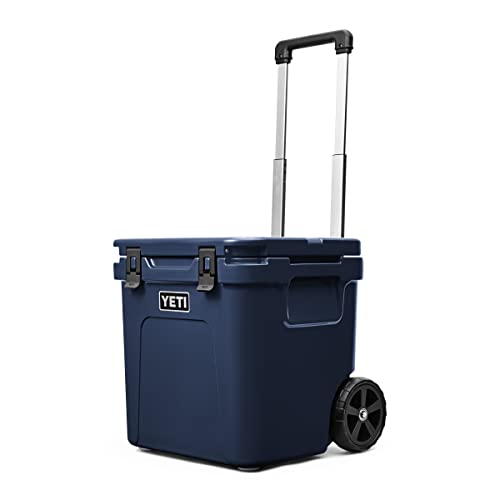
- Best for moving the party: YETI Tundra Haul Wheeled Cooler, Navy — Check on Amazon
- Best for a permanent outdoor station: Pelican 45QT Elite Wheeled Cooler — Check on Amazon
- Best value for regular hosts: RTIC 52 QT Ultra-Light Wheeled Cooler — Check on Amazon
- Best budget second cooler: Lifetime 55 Quart High Performance Cooler — Check on Amazon
Read the full guide ↓
Disclosure: As an Amazon Associate, dailyhomedecorating.com earns from qualifying purchases. Links to Amazon on this page are affiliate links; they cost you nothing extra. Listing details such as price and availability change often, so check the current Amazon listing before you buy.
Choosing the best outdoor cooler for outdoor entertaining under $500 is a different exercise from choosing a cooler for camping, because entertaining is a performance with an audience. Your guests will open this cooler a hundred times. They will judge it — unconsciously, but completely — by whether the wine stands upright or swims, whether the ice is clean cubes or a grey slurry, whether the lid needs two hands and a hip, and whether the drinks are still properly cold at hour five when the party finds its second wind. A camping cooler is judged by its owner on day three. An entertaining cooler is judged by everyone, all evening. At a $500 ceiling you are buying in the premium tier — rotomolded shells, serious gaskets, latches that clamp — and the picks below were chosen for how they behave in front of guests: how they present, how they serve, and how gracefully they survive being the hardest-working object at the party.
Three entertaining-specific traits run through this guide. The first is bottle geometry: wine, prosecco and two-litre mixers must stand upright, both for pouring dignity and because a bottle on its side in meltwater loses its label and its chill unevenly — the tall coolers here exist for exactly this. The second is traffic design: a cooler at a party is a self-service station, so one-hand lids, a station position guests can reach without crossing the cook’s workspace, and a dry zone for garnishes, cheeses and anything that must not swim, matter as much as insulation. The third is stamina: entertaining loads are ice-hungry, because warm drinks go in all evening as cold ones come out, and the cooler’s job is to absorb that abuse without the host making a single visible ice run.
Our top pick is the YETI Roadie 48: tall enough for upright bottles, wheeled enough to roll the whole bar to wherever the party migrates, and insulated at the top of its class in independent testing. The Tundra 65 is the big-station alternative for hosts whose guest list runs long. The Tundra Haul moves drinks across a yard like a caterer. The Pelican 45QT anchors a permanent outdoor kitchen with a lifetime guarantee. And the RTIC 52 wheeled and the Lifetime 55 give regular hosts premium service at mid-band and value prices. Below: quick picks, our method, full reviews, a comparison, the drink math we wish someone had given us years ago, an ice playbook, the mistakes that quietly sink parties, and the questions hosts ask most.
In this guide
Quick Picks
Short on time, or comparing several options at once? Each row below names a host type and the product that suits it, with a link to the listing.
| Host type | Pick | Why it stands out | Link |
|---|---|---|---|
| Best for outdoor entertaining | YETI Roadie 48 Wheeled Cooler | Wine bottles stand upright, rolls to the guests, top-class tested insulation | Check on Amazon |
| Best drink-station capacity | YETI Tundra 65 Hard Cooler, Charcoal | The big fixed station — a full party’s drinks and ice in one benchmark rotomolded box | Check on Amazon |
| Best for moving the party | YETI Tundra Haul Wheeled Cooler, Navy | Tundra build on puncture-proof wheels — the bar relocates in one trip | Check on Amazon |
| Best for a permanent outdoor station | Pelican 45QT Elite Wheeled Cooler | Stainless hardware, lifetime guarantee, molded-in cup holders — built to live at the station | Check on Amazon |
| Best value for regular hosts | RTIC 52 QT Ultra-Light Wheeled Cooler | True 52 quarts on wheels in a light shell — party capacity one host can run alone | Check on Amazon |
| Best budget second cooler | Lifetime 55 Quart High Performance Cooler | The food-and-overflow half of a two-cooler party, bear-resistant and light for its size | Check on Amazon |
How These Picks Were Chosen
We shortlisted for service, not expeditions. Every pick had to do at least one entertaining job exceptionally — stand bottles upright, roll a full bar across a yard, anchor a permanent station, or deliver party capacity at a price that leaves budget for the party itself. Every pick also had to behave in front of guests: lids that open without a struggle, exteriors that look intentional beside outdoor furniture, and drainage that does not turn the station into a puddle by hour two.
Each cooler is a real Amazon listing verified at or under the $500 ceiling during research, cross-checked against the maker’s published specifications and at least one independent retailer or price record. Capacity is reported on the maker’s own basis, with cans-only figures flagged as no-ice figures, because party planning done on inflated numbers ends with warm drinks. All picks were screened against U.S. Consumer Product Safety Commission recall notices for coolers before shortlisting, and any recalled product was excluded entirely. Prices move with seasons and sales events, so this guide prints no static product price: check the current price on Amazon for each pick before you compare.
Finally, we weighted the second evening as heavily as the first. Entertaining gear fails socially before it fails mechanically — a cooler that looks tired, smells of last month’s party, or needs two hands and a knee to open will be quietly retired by its own host. The ranking below reflects how these six will present, serve and smell after a full season of gatherings, not just how cold they keep a test load.
We also made one deliberate exclusion worth explaining: expedition coolers with extreme multi-week ratings exist inside this budget, and none appears here, because their design trades — weight, bulk, two-handed hardware, expedition styling — are costs at a party and benefits nowhere near one. Entertaining is a discipline of its own, and this guide respects it.
The 6 Best Outdoor Coolers for Outdoor Entertaining Under $500, Reviewed
1. YETI Roadie 48 Wheeled Cooler — Best for Outdoor Entertaining
Who it suits: Hosts who serve wine and mixed drinks to a dozen or more guests, and whose parties move — patio to lawn to fire pit — over the course of an evening.
The YETI Roadie 48 wins this guide on the two traits entertaining rewards most: height and wheels. The tall interior — the body measures roughly 20 × 20 × 21 inches — stands wine and prosecco bottles upright with the lid closed, which no low, long cooler in this guide can do. That single geometry decision changes the whole service: bottles pour cold and clean, labels stay readable, and guests help themselves without excavating. YETI rates the box at 76 cans with no ice or 54 pounds of ice alone, and in practice it swallows a full party’s drinks with the ice they need. A dry goods basket rides above the cold for garnishes, cheeses and the cocktail ingredients that must stay dry.
Then there are the wheels. The retractable periscope handle and solid NeverFlat tires mean the entire bar relocates in one calm trip when the party migrates to the fire pit or the last of the sun — a host superpower that fixed coolers simply do not have. In independent instrumented testing, this model has posted insulation results at the very top of its class, which matters at hour five of a party that keeps feeding warm bottles into the box. At about 28 pounds empty it is substantial, but you will almost never lift it loaded. The presentation is clean and modern, the footprint is a tidy square that parks beside a Best Patio Dining Set For Outdoor Entertaining Under $500 without stealing legroom, and the whole performance reads as intentional hosting rather than borrowed camping gear.
Pros: Upright bottle storage; rolls the whole station to the guests; top-class tested insulation; dry basket included; compact square footprint.
Honest limitation: Not bear-certified — irrelevant at most parties, noted for completeness — and the tall shape makes a less stable seat than a low cooler. The handle housing shapes the interior, so wide catering trays fit less neatly than in a Tundra.
Choose it if your parties serve bottles and move around the yard. Skip it if your station is fixed and your pours are cans — the Tundra 65 gives you more raw volume. Check on Amazon — check price on Amazon, as seasonal colors are often discounted.
2. YETI Tundra 65 Hard Cooler — Best Drink-Station Capacity
Who it suits: Hosts with a fixed station and a long guest list — the annual party, the team celebration, the holiday open house that spills outside.
When the party is big and the station does not move, capacity is the whole brief, and the YETI Tundra 65 is the benchmark answer. YETI rates it at 42 cans packed with ice at the recommended 2:1 ratio, or 52 pounds of ice alone; read that as drinks for a large gathering with the cold mass to survive an evening of constant opening. The rotomolded shell, freezer-style gasket and clamping rubber latches are the category standard, the included dry goods basket keeps the food half of the menu out of the meltwater, and the long lid doubles as a serving surface and extra seating — at a crowded party, a cooler that seats two guests is earning its footprint twice.
Station discipline is the Tundra 65’s one demand. At about 29 pounds empty and genuinely heavy loaded, it gets carried or rolled empty to its spot — shaded, level, at the edge of the seating where guests can serve themselves without crossing the grill zone — and loaded there. Do that, and it becomes the party’s cold heart: big enough that the host never performs an ice run, sealed well enough that hour five pours like hour one. The five-year warranty and the deepest accessory catalog in the business (seat cushions, dividers, tie-down kits) let the station evolve season over season.
Pros: The capacity benchmark; doubles as seating and serving surface; included basket; five-year warranty; unmatched accessories.
Honest limitation: No wheels and heavy loaded — the station is fixed once set. Bottles lie down rather than standing, so wine service is less elegant than the Roadie 48’s.
Choose it if your parties are large and your station is set. Skip it if the party migrates or you host solo and must move a loaded box. Check on Amazon — check price on Amazon before ordering.
3. YETI Tundra Haul Wheeled Cooler — Best for Moving the Party
Who it suits: Hosts with big, multi-zone yards — pool deck, lawn games, fire pit — who refuse to make guests walk back to a single station.
The YETI Tundra Haul is the caterer’s trick in consumer form: a full Tundra-grade bar that follows the party. Solid NeverFlat wheels and a strong pull handle move a loaded cooler — YETI rates it at 45 cans packed with ice at the recommended ratio, or 55 pounds of ice alone — across grass, gravel and decking with one hand, at about 37 pounds empty that you never have to carry. The tall body stands wine bottles upright like the Roadie 48, and the rotomolded construction, gasket and latches are pure Tundra, with the same five-year warranty standing behind them.
In entertaining service the Haul’s personality is flexibility. It starts the evening at the dining area for dinner drinks, relocates to the lawn for games, and finishes at the fire pit for the nightcap round — three stations, one cooler, zero drama. Hosts who entertain across a property will recognize this as the difference between a party that flows and a party anchored to wherever the cooler happened to be parked at noon. The costs are the known ones: it is the premium way to buy wheels, the parked cooler wants level ground, and lifting it into a vehicle is a two-person job if that is ever required.
Pros: Full party bar on genuinely yard-capable wheels; upright bottles; Tundra build and warranty; one-hand relocation mid-party.
Honest limitation: Premium pricing for the wheeled format; heavy if lifted; on sloped ground it needs a flat parking spot.
Choose it if your yard has zones and your party uses all of them. Skip it if your entertaining happens on one patio — the Roadie 48 serves that life for less. Check on Amazon — check price on Amazon, as colors vary in availability.
4. Pelican 45QT Elite Wheeled Cooler — Best for a Permanent Outdoor Station
Who it suits: Owners of outdoor kitchens and covered patios, where the cooler is a fixture — installed at the station, used weekly, and expected to outlast the furniture around it.
The Pelican 45QT Elite Wheeled Cooler is the fixture pick. Its press-and-pull latches are the best guest-facing hardware in this guide: wide, positive, openable with a wet hand or a bottle in the other, and they clamp the lid onto a freezer-grade gasket with an audible finality that reads as quality every single time. The hardware is stainless steel, the lock hasp is molded in with a stainless plate, cup holders and a bottle opener are molded into the body — nothing to clip on, lose or break — and the whole cooler is made in the USA, certified bear-resistant, and guaranteed for life. For a station that lives outdoors, that guarantee is the product: seasons are a use case here, not a risk.
The wheeled 45QT body measures about 29.7 × 20 × 19.3 inches and weighs roughly 37 pounds empty, so it rolls into its station and stays — the wheels serving the seasonal shuffle and the deep-clean trip to the hose rather than daily moves. Capacity is family-party size with multi-day-rated insulation behind it. The look is industrial and unapologetic; beside an outdoor kitchen it reads as professional equipment, which for many hosts is exactly the aesthetic. If your entertaining style runs to a styled lounge set, the YETIs present softer; if it runs to a working outdoor kitchen, nothing here presents better.
Pros: Lifetime guarantee; best latches in the guide; stainless, weather-first hardware; molded-in cup holders and opener; made in the USA.
Honest limitation: The heaviest pick here; utilitarian styling; bottles do not stand as tall as in the Roadie designs.
Choose it if the station is permanent and the horizon is decades. Skip it if the cooler must travel to the party. Check on Amazon — check price on Amazon, and confirm the wheeled configuration on the listing.
5. RTIC 52 QT Ultra-Light Wheeled Cooler — Best Value for Regular Hosts
Who it suits: Frequent hosts who run the party solo — setup, service, teardown — and want capacity and wheels without spending flagship money that could fund the parties themselves.
The RTIC 52 QT Ultra-Light Wheeled Cooler is the working host’s pick. Its Ultra-Light construction is designed to be more than 30 percent lighter than rotomolded coolers of the same capacity — the non-wheeled version weighs about 21 pounds empty — and the wheeled version turns a true-to-size 52 quarts, rated for up to 78 cans, into a one-person operation end to end: load in the kitchen, roll to the station, reposition mid-party, roll back at midnight. Regular hosts know that solo operability is not a convenience; it is the difference between a cooler that gets used every weekend and one that gets used when help is available.
Cold performance is more than sufficient for service: up to three inches of foam insulation, independently praised in testing of the line for its price class, holds a long evening easily and a weekend credibly. The presentation is clean and unfussy — it will not be mistaken for a flagship at arm’s length, and it will not embarrass a styled patio either. The savings come from the shell not being rotomolded, the absence of bear certification, and a warranty and finish a step below the top two brands. For a cooler whose job is parties rather than expeditions, those are the right corners to cut, and the mid-band price leaves real money for the rest of the entertaining kit — glassware, lighting, the Best Outdoor String Lights For Outdoor Entertaining Under $500 that make the station a place.
Pros: True party capacity on wheels; lightest-in-class to move and lift; solo-host friendly; mid-band price.
Honest limitation: Not rotomolded or bear-certified; finish and warranty trail the flagships; store it in the garage rather than leaving it out all year.
Choose it if you host often and alone. Skip it if the station is permanent and outdoors. Check on Amazon — check price on Amazon before you buy.
6. Lifetime 55 Quart High Performance Cooler — Best Budget Second Cooler
Who it suits: Hosts building the two-cooler system on a budget: a drinks station plus a food-and-overflow cooler that keeps the main station uncluttered.
Serious entertaining runs on two coolers, and the Lifetime 55 Quart High Performance Cooler is how you afford the second one without apology. The spec sheet is startling for its band: a bear-resistant certified shell, heavy-duty latches, a stainless steel hinge rod, a built-in bottle opener, 55 true quarts — and an empty weight of only about 24 pounds, lighter than smaller rotomolded rivals. In published testing, Lifetime’s high-performance line has impressed reviewers with ice retention rivalling premium brands at around half the price. As the party’s second box it is perfect: food sealed away from drink traffic near the grill, or the overflow drinks reservoir that restocks the main station twice an evening without a single store run.
The role clarifies the compromises. There are no wheels, because a second cooler mostly sits; the finish is workmanlike, because it works beside the grill rather than presenting to guests; the accessory range is thin, because its job is capacity, not customization. Rope-style handles make the two-person set-up carry easy, the lid seats a guest when the party overflows the Best Outdoor Sectional Under $500, and the hose-compatible drain empties it in place at teardown. Hosts regularly tell us the second cooler is the purchase that made their parties feel easy — and this is the one that makes the second cooler affordable.
Pros: Bear-resistant 55 quarts at the value end of the guide; light for its size; stainless hinge and bottle opener; enables the two-cooler system.
Honest limitation: No wheels; plainer presentation than the guest-facing picks; best as the second cooler rather than the star station.
Choose it if you are adding the food/overflow half of a party system. Skip it if one cooler must present, serve and star alone. Check on Amazon — check price on Amazon, as this model is discounted often.
Comparison Table
| Cooler | Capacity (maker rating) | Bottles upright | Wheels | Warranty | Best for |
|---|---|---|---|---|---|
| YETI Roadie 48 | 76 cans (no ice) | Yes | Yes | 5 years | Best for entertaining |
| YETI Tundra 65 | 42 cans at 2:1 ratio | No | No | 5 years | Big fixed stations |
| YETI Tundra Haul | 45 cans at 2:1 ratio | Yes | Yes | 5 years | Moving the party |
| Pelican 45QT Elite Wheeled | 45 qt class | Limited | Yes | Lifetime | Permanent stations |
| RTIC 52 QT Ultra-Light Wheeled | 52 qt true to size | Limited | Yes | Brand warranty | Value for regular hosts |
| Lifetime 55 Quart | 55 qt | No | No | Brand warranty | Budget second cooler |
Capacity figures are the makers’ published figures under their stated conditions; cans-only figures assume no ice. For entertaining, read the bottles-upright and wheels columns first — they decide how the cooler serves, which is the whole job.
How to Choose the Best Outdoor Cooler for Outdoor Entertaining Under $500
Do the drink math before the cooler math. A working host’s rule: plan roughly one drink per guest per hour for the first two hours, then one per hour after, and assume ice equal to about a third of everything you serve once glass ice and chilling losses are counted. Twelve guests for five hours is a serious load — that arithmetic, honestly done, picks your size class faster than any product page. Most home parties land in the 48-to-65 class for drinks, with food in the basket or a second cooler.
Decide whether the station moves. Fixed station beside the outdoor kitchen: buy capacity and permanence — Tundra 65 or Pelican. A party that migrates between zones: buy wheels and height — Roadie 48 or Tundra Haul. This single decision eliminates half the guide, correctly.
Protect the pour. If wine, prosecco or tall mixers feature in your hosting, upright storage is not a nicety. Confirm interior height before ordering, and prefer the tall designs. If your parties run on cans and bottles of beer, every pick here serves happily and capacity should lead instead.
Budget the system, not the star. Under $500 is a ceiling for the cooler, but the entertaining system includes the second cooler eventually, plus ice, baskets and lighting. Many hosts are best served by the mid-band RTIC or the Roadie 48 plus a Lifetime as the second box — a complete system inside one total budget. Readers building the whole scene should pair this guide with the Best Fire Pit For Outdoor Entertaining Under $500 for the evening half of the party, and compare tiers in our Best Outdoor Cooler For Outdoor Entertaining Under $300 guide before committing — for smaller guest lists, that tier genuinely suffices.
Think about who opens it. Guests open coolers with wet hands, full hands and no hands free at all. Latches that yield to a thumb and lids that stay up are hosting features. When you read reviews of any cooler, weight the comments about one-handed use and lid behavior as heavily as the ice numbers — at a party, those are the ice numbers, because a lid left ajar by a struggling guest melts faster than thin walls ever will.
The Entertainer’s Ice Playbook
Ice is the invisible budget of every party, and premium coolers reward good management disproportionately. Freeze your own in large sealed containers two days ahead — big blocks melt slowly and cost nothing — and buy cubed ice the day of the party for drink service. Pre-chill the cooler indoors the night before so the first bag is not sacrificed to warm walls. On the day, build the load in layers: block ice at the bottom, drinks pressed into cubed ice above it, and the basket riding on top with garnishes, citrus, herbs and anything that wilts or drowns. Keep a separate small stash of clean, untouched ice for glasses — cooler ice that hands have dug through all evening is for chilling bottles, not for drinks, and guests notice the difference even when they cannot name it.
During the party, restock in batches, not dribbles: every lid opening costs cold, so three planned restocks beat fifteen casual ones. Keep the reserve drinks cold in the fridge or the second cooler so warm bottles never enter the main box mid-evening — a single round of warm additions can undo an hour of insulation. At teardown, drain the station in place, rinse, and leave the lid ajar in the garage. The cooler that gets this routine will serve the next party exactly like the first, which is the entire promise of buying at this tier.
One more play worth stealing from caterers: stage a hidden reserve. A cheap bag of ice in the kitchen freezer or the second cooler, held back untouched, is the difference between a party that ends when the ice does and a party that never thinks about ice at all. The reserve is not for the plan — the plan is already iced — it is for the plan’s surprises: the extra six guests, the heat wave, the neighbor who stays for one more. Entertainers who keep a reserve look effortlessly prepared, because they prepared for effort.
Common Buying Mistakes
Buying a camping cooler to do a host’s job. Expedition specs — bear locks, week-long retention — do not pour wine. Entertaining rewards bottle height, one-hand lids, wheels and presentation. Buy for the audience, not the adventure.
One cooler, two jobs. Drinks traffic destroys food safety and food presentation alike. If you entertain more than occasionally, the two-cooler system is not an upgrade; it is the correct architecture, and this guide includes a value pick precisely so the second box is affordable.
Planning capacity on cans-only numbers. A “76-can” cooler holds 76 cans or the ice — not both. Plan on the maker’s with-ice figures, then add the separate glass-ice supply, or your party’s last hour will be served warm.
Parking the station in the wrong place. In the sun, in the cooking triangle, or across the yard from the seating — each placement quietly taxes the whole evening. Shade, reach and separation from the grill are free performance.
Spending the whole budget on the star cooler. The parties are the point. A mid-band cooler plus a second box, real glassware and good lighting hosts circles around a flagship standing alone on a bare patio.
Forgetting the teardown when you buy. Entertaining coolers are bought at noon and judged at midnight — by the host, alone, facing a full box of meltwater in the dark. Drain-in-place plugs, hose threads and interiors that rinse clean are teardown features, and they decide whether a cooler is loved in year two. Every pick here drains without tipping; if you stray outside this guide, check that before the ice numbers.
Letting the cooler double as the trash plan. Caps, foil and empties migrate into the ice at every party without a visible alternative, and by hour three your guests are digging through garnish and litter. A small bin tethered to the station — and a bottle opener on a cord so it cannot wander — keeps the ice food-grade all evening and the teardown civilized. It costs almost nothing, and it is the detail guests subconsciously file under “these people host well.”
Presentation: Making a Cooler Look Like It Belongs
A premium cooler earns half its keep before the first drink is poured, because it is the largest single object at most outdoor parties and guests read it as a statement about the host. The good news is that presentation at this tier is mostly discipline rather than decoration. Choose finishes that converse with your outdoor furniture — the charcoal, white and tan shells in this guide were designed to disappear into a patio scheme rather than shout across it. Park the cooler on a mat or a defined surface rather than raw lawn when the setting is dressed; it grounds the station visually and keeps the base clean. Wipe the lid before guests arrive. Thirty seconds, total, and the station reads as designed.
Then dress the station, lightly. A small towel folded over the handle, a bottle opener on a cord, a tiny lantern or candle jar on the lid after dark — these are the signals that say the cooler is a bar, not a bin. Inside, the same principle applies with more payoff: drinks arranged by type rather than excavated by need, the basket presenting garnishes and cheeses at the top, ice that looks clean because it is. Guests serve themselves more confidently, open the lid less speculatively, and — the hidden dividend — close it properly more often. Presentation is not vanity; in a self-service setting it is temperature management by other means.
What to avoid is over-accessorizing. Fitted wraps, novelty attachments and clip-on gadgets accumulate until the station looks like a trade-show booth and the lid needs unpacking before it opens. The coolers in this guide were chosen partly for how little they need: the Pelican’s molded-in cup holders, the YETIs’ clean lines and included baskets are the finished article. Add the lantern, pour the first round yourself, and let the equipment do the quiet showing off.
Three Parties, Three Right Answers
The wine-and-dinner evening. Eight to twelve guests, courses outside, bottles that matter. This is the Roadie 48’s home turf: prosecco and whites standing upright in the cold, the basket carrying the cheese course, wheels moving the station from aperitif spot to table side as the evening turns. The host’s only job is ice discipline, and the tall box makes even that look elegant.
The big backyard celebration. Thirty guests, a long afternoon, drinks by the case. Run the system: the Tundra 65 or the RTIC 52 as the drinks reservoir at the social center, the Lifetime 55 by the grill with food and overflow, and a planned restock rhythm between them. At this scale the coolers stop being products and become logistics, and the winners are capacity, seals and a host who never once says the words “ice run.”
The roving yard party. Pool, lawn games, fire pit finale — a party in three acts across a big property. The Tundra Haul was built for this script, rolling the bar from act to act in one trip each time. Hosts who entertain this way consistently tell us the wheeled cooler changed their parties more than any furniture purchase, because the drinks are suddenly always where the people are, and the people are always somewhere new.
What This Budget Buys an Entertainer — and What It Does Not
It helps to be precise about what the premium tier actually purchases for a host, because the marketing and the reality diverge in instructive places. What it buys, first, is seal integrity over years: the gasket and latch system that still clamps flat in season five, which is the real mechanism behind every long ice-retention story. Second, it buys structure — lids that serve as tables and seats, handles and wheels engineered for loaded weights, drains that empty a full box without a tip. Third, it buys the warranty and the parts catalog: replacement latches, gaskets and plugs available years later, from makers who answer. For an object that performs in front of your friends forty nights a year, those three are the product.
What it does not buy is equally worth naming. It does not buy meaningfully colder drinks at hour two — a competent mid-tier cooler and a premium one pour identically through an ordinary evening, and anyone who tells you otherwise is selling. It does not buy immunity from warm additions, sun exposure or a lid left open by a guest mid-conversation; physics collects its debts from every badge equally. And it does not buy the party itself — the seating, the light, the food, the ease. The hosts who get the most from this tier are the ones who buy the cooler as one cast member in an ensemble, sized and styled to the production, rather than as a solo star expected to carry the evening alone. That is why this guide keeps returning to systems: the star cooler plus the second box, the station plus the shade, the ice plan plus the hardware. Buy the ensemble and the premium is obvious. Buy the star alone and it is just an expensive box.
Final Recommendation
Buy the YETI Roadie 48 if your entertaining involves bottles, movement and a dozen or more guests — it is the most complete hosting cooler in this guide. Choose the Tundra 65 for a big fixed station, the Tundra Haul if the party roams a large yard, and the Pelican 45QT if the station is permanent and your horizon is decades. Regular solo hosts should take the RTIC 52 wheeled, and everyone who entertains twice a season or more should budget the Lifetime 55 as the second cooler sooner than they think. Entertaining is a performance: pick the cooler that makes you look calm doing it.
Frequently Asked Questions
How much cooler capacity do I need per guest?
Work backwards from drinks: roughly a drink per guest per hour early, slowing later, with ice occupying about a third of the packed volume. For most hosts that lands at a 48-class cooler for ten to twelve guests, a 65-class or a two-cooler system beyond that. Food rides in the basket or the second cooler, not in the drinks math.
Why do bottles need to stand upright?
Three reasons: pouring is cleaner and colder, labels and foil survive the evening, and upright bottles pack tighter around ice than a jumble of diagonals. Tall coolers like the Roadie 48 and Tundra Haul exist because hosts asked for exactly this.
Should the cooler ice be the drink ice?
No. Keep a separate, untouched supply for glasses. Chilling ice gets handled, splashed and buried under bottle caps all evening; drink ice should come from a clean bag or container. It is a small discipline that guests register as quality.
Is a wheeled cooler really necessary for a patio party?
Not for a fixed station on one patio — a carried cooler set up once serves fine. Wheels earn their money when the party moves between zones, when one host sets up alone, or when the cooler must travel from storage to station every time. Judge by your floor plan, not by fashion.
How do I keep a cooler from smelling after parties?
Drain it the same night, rinse with mild soap, dry it fully and store it with the lid ajar. The premium gaskets in this guide seal odors in as faithfully as they seal cold in, so the ajar-lid habit is the whole secret. A paste of baking soda and water handles any smell that does set in.
Can one of these coolers replace a second fridge for events?
For a day or a weekend, yes — that is precisely what multi-day insulation buys, and hosts routinely press these coolers into overflow service for holiday cooking. Pre-chill it, keep it closed, and treat it as the drinks-and-produce fridge while the kitchen fridge handles the raw proteins.
How do I chill drinks fast when guests arrive early?
Ice water, not ice alone. A cooler filled with ice and enough water to cover the cans chills drinks dramatically faster than ice by itself, because water makes full contact with every surface. Salt is the old caterer’s accelerant — a handful in the ice water drops the bath below freezing — but rinse cans before serving if you use it. Once the first round is cold, drain some water off and let the remaining ice carry the evening.
What is the best cooler color for a dressed-up patio?
The one that matches the furniture’s temperature, not its exact shade: whites and light tans disappear into bright, coastal and modern schemes and run coolest in sun; charcoal and deep tones anchor darker, wooded settings and hide a season of scuffs. All finishes in this guide are the same cooler underneath, so choose with your eyes — and if a seasonal color is discounted, let your eyes be persuaded.
How far ahead can I load the cooler before a party?
The night before, comfortably, for any pick here — that is the practical meaning of multi-day insulation. Load it indoors where it is cool, keep it closed, and top up the service ice an hour before guests arrive. Loading ahead is the calmest hosting upgrade there is: party day becomes about food and people, not about ice logistics.


