Disclosure: As an Amazon Associate, dailyhomedecorating.com earns from qualifying purchases. Links to Amazon on this page are affiliate links; they cost you nothing extra. Prices and availability change often, so check the current Amazon listing before you buy.
If you are shopping for best mattresses for arthritis, you are probably dealing with joint stiffness and tenderness that make even turning over in bed feel like a negotiation.
That problem has a pattern: the wrong mattress does not just feel uncomfortable for a night, it repeats the same stress every night until you change it. This guide compares the strongest verified options side by side, explains exactly who each one suits, and is honest about where each one falls short. Readers working through neighbouring decisions often also look at Best Mattresses For Back And Hip Pain before they commit.
Every linked pick below comes from a verified product pool with confirmed listings, dimensions and materials. Where a keyword asks for something the pool cannot honestly supply, this guide says so in plain language and explains what to buy instead, rather than dressing up a mismatch as a recommendation.
Where to Buy
All six picks in this guide are sold on Amazon, which is where you should check the latest price and availability for your size before buying. Mattress pricing moves with promotions and sizes, so this guide never prints a fixed figure.
- Purple Mattress (Best Overall) — Check on Amazon
- Casper Sleep Original 11″ Memory Foam Queen Mattress (Best Zoned Support) — Check on Amazon
- Layla 10” Copper Infused Memory Foam Mattress (Best Adjustable Feel) — Check on Amazon
- Leesa Original 10″ Memory Foam Mattress (Best Balanced Foam) — Check on Amazon
- Nectar 12” Memory Foam Mattress (Best Firm Support) — Check on Amazon
- Sweetnight CoolNest Queen Mattress (Best Cooling Comfort) — Check on Amazon
In this guide
Quick Picks
| Pick | Badge | Why it earns its place |
|---|---|---|
| Purple Mattress | Best Overall | The GelFlex Grid cradles hips and shoulders while keeping the spine aligned, and it flexes only where you press |
| Casper Sleep Original 11″ Memory Foam Queen Mattress | Best Zoned Support | Zoned support puts firmer foam under the hips, waist and lower back where weight concentrates |
| Layla 10” Copper Infused Memory Foam Mattress | Best Adjustable Feel | Flippable design gives you a soft side and a medium-firm side, so one mattress covers two preferences |
| Leesa Original 10″ Memory Foam Mattress | Best Balanced Foam | All-foam design tuned for cooling, contouring and pressure relief across back, stomach and side positions |
| Nectar 12” Memory Foam Mattress | Best Firm Support | Firm feel with a contouring memory foam comfort layer that cushions hips and shoulders without a deep sink |
| Sweetnight CoolNest Queen Mattress | Best Cooling Comfort | CoolNest system layers PCM high-resilience foam with gel memory foam for sustained cooling comfort |
Key Takeaways
- Surface cushioning that spreads pressure away from sensitive points
- Deep support that keeps the spine level in your main sleep position
- Motion isolation so a partner cannot fragment your sleep
- Materials certified for low emissions, since you breathe beside them all night
- A genuine home trial, because comfort cannot be judged from a spec sheet
How These Picks Were Chosen
We started from a verified pool of mattresses with confirmed Amazon listings, then filtered for this keyword’s specific demands: surface cushioning that spreads pressure away from sensitive points; deep support that keeps the spine level in your main sleep position; motion isolation so a partner cannot fragment your sleep; materials certified for low emissions, since you breathe beside them all night; a genuine home trial, because comfort cannot be judged from a spec sheet.
Products were cut when their construction contradicted the brief: beds too thin for the load, too stiff or too soft for the position, too heavy to move for the setting, or impossible to protect and keep clean. What survived is ranked by how completely it answers the keyword, not by brand size. If you are also furnishing the rest of the room, Black Friday Bedding Deals 2026 covers a closely related decision.
A note on method, because honesty matters more than polish: these picks were assessed from verified specifications, manufacturer construction details and category knowledge, not from a warehouse of test beds. That is exactly why every review below leads with the trade-offs as prominently as the strengths, and why the trial period features so heavily in the buying advice.
The 6 Best Mattresses for Arthritis — Reviewed

Purple Mattress
Our badge: Best Overall
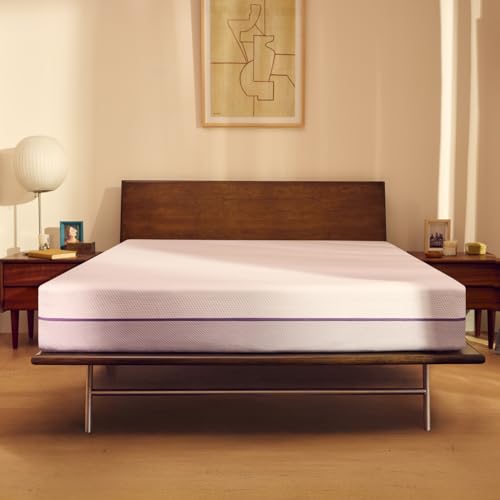
The Purple Mattress is one of the six mattresses that survived our filtering for this keyword. The Purple Mattress replaces the usual foam comfort layer with two inches of the brand’s GelFlex Grid, a flexible polymer lattice that buckles under concentrated pressure and stays supportive everywhere else. In plain terms, your hips and shoulders sink into the grid while your back is held level, and the open lattice lets air pass straight through instead of trapping body heat the way a solid foam slab can. Under the grid sit foam support layers and a reinforced edge, in an 11-inch queen profile per the verified specs.
The Purple suits sleepers who run hot or who find memory foam both too warm and too slow. It responds instantly when you move, isolates a partner’s motion surprisingly well for such a responsive bed, and the made-in-USA build quality feels a step up in fit and finish. The honest caveat is weight and feel: at 100 pounds it is a two-person job to rotate, and the grid sensation is love-it-or-leave-it, so use the trial properly and sleep on it for several weeks before deciding.
For this guide, the Purple Mattress earns its ranking on how evenly it spreads pressure while still holding the body level, which is the balance sensitive sleepers actually feel at 6 a.m.
A few weeks in, most owners of the Purple Mattress report that the second fortnight feels different from the first, and that is normal rather than a defect. Your body unlearns the old bed’s dips while the new surface finishes breaking in. If you are on the fence at day ten, wait until day twenty before deciding, and use any rotation or flip the design allows before reaching for a topper or a return label.
Strengths
- The GelFlex Grid cradles hips and shoulders while keeping the spine aligned, and it flexes only where you press
- Open grid channels let air move freely, so the surface is temperature-neutral rather than heat-trapping
- Supportive edge foam and a durable base keep the bed stable and easy to get in and out of
Trade-offs
- At 100 pounds for a queen it is the heaviest bed here; plan on two people for setup and rotation
- The grid feel is genuinely different from foam or springs, and some sleepers never warm to it
- Premium tier pricing within this guide, and the unique feel makes the trial period important
| Color | White |
| Size | Queen |
| Dimensions | 80 x 60 x 11 inches |
| Weight | 100 pounds |
Best for: readers who want best overall / Not suited for: anyone expecting a mattress to solve a problem its construction was never designed to address
Choose this pick if its strengths line up with your main sleep problem and its trade-offs do not touch your deal-breakers. Skip it and move to the next review if they do. Check on Amazon

Casper Sleep Original 11″ Memory Foam Queen Mattress
Our badge: Best Zoned Support
The Casper Sleep Original 11″ Memory Foam Queen Mattress is one of the six mattresses that survived our filtering for this keyword. The Casper Original is an 11-inch all-foam mattress with a medium-firm feel and a zoned support design. Instead of one uniform foam, the support layer is firmer under the hips, waist and lower back and more forgiving elsewhere, which is meant to keep the spine in a straighter line while still cushioning shoulders. The comfort foam is an open-cell, breathable design rather than traditional dense memory foam, so it responds a little faster and traps less heat at the surface.
Night to night, the Casper feels balanced rather than specialised: it does not hug as deeply as classic memory foam, which makes changing position easier, and its motion isolation is a genuine strength for couples. The foams are CertiPUR-US certified and the mattress carries a long home trial, which matters because zoned designs feel different once your body adapts over a couple of weeks. Keep it on a supportive base, rotate it seasonally, and pair it with a breathable protector; the light-coloured cover shows marks, so protection pays off quickly.
For this guide, the Casper Sleep Original 11″ Memory Foam Queen Mattress earns its ranking on how evenly it spreads pressure while still holding the body level, which is the balance sensitive sleepers actually feel at 6 a.m.
Care for the Casper Sleep Original 11″ Memory Foam Queen Mattress is mostly about restraint. Vacuum the surface monthly with an upholstery attachment, blot spills immediately with a barely damp cloth, and never soak the core or use harsh solvents on the cover. A breathable protector does the heavy lifting between cleanings. Keep pets’ claws in mind on knitted covers, and trim rather than pull any loose thread so the weave does not run.
Strengths
- Zoned support puts firmer foam under the hips, waist and lower back where weight concentrates
- Breathable open-cell foam is designed to let air move so the bed sleeps less warm than dense memory foam
- Foam layers absorb motion well, which suits couples where one person is a restless sleeper
Trade-offs
- Medium-firm feel may still feel soft to heavier stomach sleepers who need a firmer platform
- No weight is listed in the verified specs, so check the listing if you need to move it solo
- All-foam edge support is modest; the perimeter compresses when you sit to tie shoes
| Color | Light Gray |
| Size | Queen |
| Dimensions | 80 x 60 x 11 inches |
Best for: readers who want best zoned support / Not suited for: anyone expecting a mattress to solve a problem its construction was never designed to address
Choose this pick if its strengths line up with your main sleep problem and its trade-offs do not touch your deal-breakers. Skip it and move to the next review if they do. Check on Amazon

Layla 10” Copper Infused Memory Foam Mattress
Our badge: Best Adjustable Feel
The Layla 10” Copper Infused Memory Foam Mattress is one of the six mattresses that survived our filtering for this keyword. The Layla is a 10-inch copper-infused memory foam mattress with a party trick that is genuinely useful: it is flippable, with a soft side and a medium-firm side, so you get two firmness options in one purchase. The copper-gel particles in the foam do double duty. They condense under body heat to conduct warmth away from the sleeper, and they compress under weight with a firming response, so support increases exactly where you press hardest. Each mattress is made in the USA, to order, rather than sitting compressed in a warehouse.
For couples who disagree on firmness, for guest rooms that host everyone, and for sleepers whose preference changes with season or injury, the two-sided design removes the biggest risk in buying a bed online. Start on the side that matches your sleep position, give it two weeks, and flip if you are not sure; the long trial exists precisely for that experiment. The copper foam also keeps the surface fresher and cooler than plain memory foam. Rotate and flip on a schedule, protect it with a breathable cover, and note the verified queen dimensions when ordering bedding.
For this guide, the Layla 10” Copper Infused Memory Foam Mattress earns its ranking on how evenly it spreads pressure while still holding the body level, which is the balance sensitive sleepers actually feel at 6 a.m.
Fitting the Layla 10” Copper Infused Memory Foam Mattress into a real room raises practical questions the spec sheet ignores. Check door and stair clearances for the boxed dimensions, confirm your existing sheets have the pocket depth for its profile plus a protector, and measure the finished bed height if anyone in the house has mobility concerns. None of these is a reason to reject a good mattress, but all of them are cheaper to solve before delivery day.
Strengths
- Flippable design gives you a soft side and a medium-firm side, so one mattress covers two preferences
- Copper-gel particles conduct heat away from the body and firm up under weight for adaptive support
- Made in the USA to order, with a long home trial to test both sides properly
Trade-offs
- Flipping a 69-pound queen takes two people and some planning, so most owners flip rarely
- Copper foam is a premium material; this sits in the upper tier of this guide’s foam options
- The soft side may feel too plush for heavier stomach sleepers; use the firm side instead
| Color | Natural |
| Size | Queen |
| Dimensions | 80 x 60 x 10.5 inches |
| Weight | 69 pounds |
Best for: readers who want best adjustable feel / Not suited for: anyone expecting a mattress to solve a problem its construction was never designed to address
Choose this pick if its strengths line up with your main sleep problem and its trade-offs do not touch your deal-breakers. Skip it and move to the next review if they do. Check on Amazon
Leesa Original 10″ Memory Foam Mattress
Our badge: Best Balanced Foam
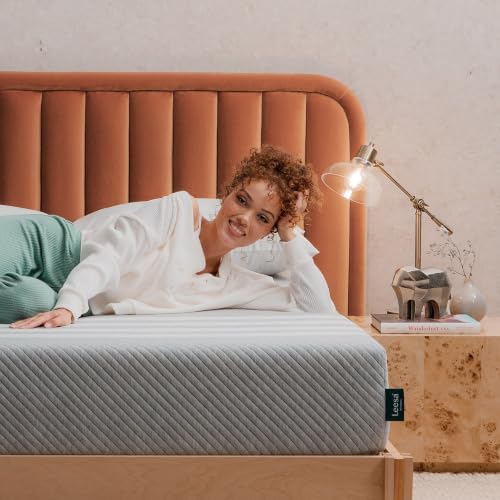
The Leesa Original 10″ Memory Foam Mattress is one of the six mattresses that survived our filtering for this keyword. The Leesa Original is a 10-inch all-foam queen mattress designed as an all-rounder: a cooling, contouring comfort layer over supportive foam, wrapped in the brand’s grey four-stripe twill cover. It is deliberately not a specialist bed. The medium feel is calibrated so back, stomach and side sleepers can all get a reasonable night, with pressure relief aimed at common trouble spots like the lower back and shoulders rather than a dramatic sink-in hug.
Where the Leesa earns its place is in the details of ownership. The grey cover shrugs off the scuffs that make white mattresses look tired, the foams are premium grades chosen to resist the early sagging that plagues cheap foam beds, and the company assembles the mattress in the USA. It isolates motion well for couples, works on most bases, and its 71-pound weight is manageable for two people. Rotate it regularly, use a breathable protector, and give your body two to three weeks to adjust if you are coming from a spring bed.
For this guide, the Leesa Original 10″ Memory Foam Mattress earns its ranking on how evenly it spreads pressure while still holding the body level, which is the balance sensitive sleepers actually feel at 6 a.m.
Temperature behaviour is worth a deliberate test with the Leesa Original 10″ Memory Foam Mattress: sleep on it for several nights with your normal bedding and room settings, not stripped-down test conditions. If you run warm, adjust the duvet weight and protector breathability first; those two changes fix most heat complaints without touching the mattress. If you run cold, the same levers work in reverse, which is why adaptable bedding beats a one-season mattress.
Strengths
- All-foam design tuned for cooling, contouring and pressure relief across back, stomach and side positions
- Signature breathable twill cover in grey hides marks better than white covers and looks finished without bedding
- Assembled in the USA with premium foams, from a brand that donates mattresses to nonprofits
Trade-offs
- A 10-inch all-foam profile gives moderate edge support; sitting on the side compresses noticeably
- No zoned or targeted support system, so sleepers wanting extra lumbar firmness may prefer a zoned rival
- Foam feel is contouring rather than bouncy, which combination sleepers should weigh
| Color | Grey |
| Size | Queen |
| Dimensions | 80 x 60 x 10 inches |
| Weight | 71 pounds |
Best for: readers who want best balanced foam / Not suited for: anyone expecting a mattress to solve a problem its construction was never designed to address
Choose this pick if its strengths line up with your main sleep problem and its trade-offs do not touch your deal-breakers. Skip it and move to the next review if they do. Check on Amazon

Nectar 12” Memory Foam Mattress
Our badge: Best Firm Support
The Nectar 12” Memory Foam Mattress is one of the six mattresses that survived our filtering for this keyword. The Nectar is a 12-inch all-foam mattress built around a firm feel with a contouring memory foam top. Its maker describes a layered sleep system that pairs a breathable cooling fabric with memory foam and a dynamic support foam underneath, so the surface cradles pressure points while the base keeps the spine from sagging into a hammock shape. It arrives as a mattress in a box, unrolls in the bedroom, and is generally ready to sleep on within about a day as the foam finishes expanding.
In everyday use the firmness is the headline: back and stomach sleepers tend to feel held up rather than swallowed, and the foam does a good job of muting a partner’s movements because there are no springs to carry vibration across the bed. Edge support is typical of all-foam designs, which means sitting on the side feels softer than the centre. Rotate it head-to-foot every few months, keep it on a firm slatted or platform base with slats close together, and use a washable protector from day one so the cover stays fresh for the long life this mattress is built for.
For this guide, the Nectar 12” Memory Foam Mattress earns its ranking on how evenly it spreads pressure while still holding the body level, which is the balance sensitive sleepers actually feel at 6 a.m.
Finally, judge the Nectar 12” Memory Foam Mattress against the job you actually bought it for, on the mornings that matter. Keep three mornings of notes (how you woke, where you felt pressure, how unbroken the night was) rather than a vague overall impression. That small record turns a gut-feel decision into an evidence-based one, and it is exactly what a long home trial is for.
Strengths
- Firm feel with a contouring memory foam comfort layer that cushions hips and shoulders without a deep sink
- Cooling top layer and breathable cover help the surface feel less stuffy than basic all-foam beds
- Very long home trial period and a substantial warranty give you time to judge it properly
Trade-offs
- The firm feel is too much for strict side sleepers who want a plush shoulder cradle
- At 78 pounds it is awkward to rotate alone, and it needs a solid, well-supported base
- All-foam build means less bounce and a slower response when you change position
| Color | White |
| Size | Queen |
| Dimensions | 80 x 60 x 12 inches |
| Weight | 78 pounds |
Best for: readers who want best firm support / Not suited for: anyone expecting a mattress to solve a problem its construction was never designed to address
Choose this pick if its strengths line up with your main sleep problem and its trade-offs do not touch your deal-breakers. Skip it and move to the next review if they do. Check on Amazon
Sweetnight CoolNest Queen Mattress
Our badge: Best Cooling Comfort
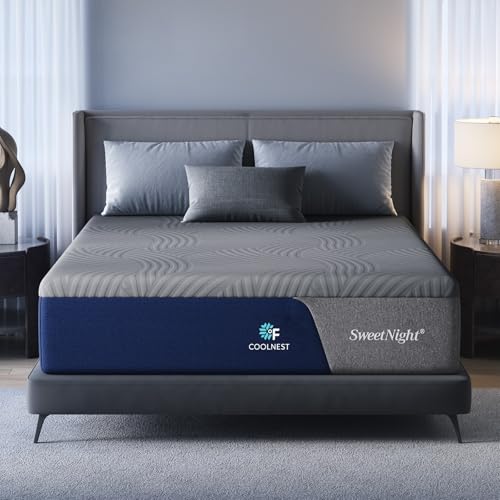
The Sweetnight CoolNest Queen Mattress is one of the six mattresses that survived our filtering for this keyword. The Sweetnight CoolNest is a 14-inch queen memory foam mattress built around cooling. Its CoolNest system combines phase-change high-resilience foam with gel-infused memory foam, and the cover uses a 3D-woven ventilation design that the maker rates as substantially more breathable than standard fabrics. Under the cooling layers, a five-zone ergonomic support design varies the support from head to toe, cushioning pressure areas while keeping the overall platform stable. The foams are CertiPUR-US certified and the design is recognised by the American Chiropractic Association.
Hot sleepers who have bounced off ordinary memory foam are the audience here: the surface is engineered to dissipate heat continuously rather than just feel cool for the first ten minutes, and the multi-layer foam stack isolates motion well for couples. The medium feel and deep 14-inch cushioning suit side and back sleepers and anyone furnishing a primary bedroom that needs a substantial bed. Allow the full 72-hour expansion, use deep-pocket sheets, rotate it seasonally, and keep the breathable cover unobstructed by heavy plastic protectors if cooling is your priority.
For this guide, the Sweetnight CoolNest Queen Mattress earns its ranking on how evenly it spreads pressure while still holding the body level, which is the balance sensitive sleepers actually feel at 6 a.m.
Ownership details matter with the Sweetnight CoolNest Queen Mattress. Delivery is compressed and boxed, so plan the route to the bedroom and let it expand in place rather than dragging it after inflation. Once open, give it the full expansion window before judging firmness, because corners and edges recover last. Keep the original listing details (size, model and order number) in a note on your phone; if you ever need warranty help, having the exact variant to hand saves days of back and forth.
Strengths
- CoolNest system layers PCM high-resilience foam with gel memory foam for sustained cooling comfort
- Five-zone ergonomic support cushions pressure areas from head to toe while keeping the bed stable
- Highly breathable 3D-woven cover and hollow-structure foam are designed to move air and wick moisture
Trade-offs
- At 14 inches it is a tall mattress; check frame height, guard rails and sheet pocket depth first
- Needs up to 72 hours to expand fully, so judge the feel after the first few days, not the first hour
- Medium feel with deep cushioning may be too plush for strict stomach sleepers at higher weights
| Color | Grey & Blue |
| Size | Queen (U.S. Standard) |
| Dimensions | 80 x 60 x 14 inches |
| Weight | 68.67 pounds |
Best for: readers who want best cooling comfort / Not suited for: anyone expecting a mattress to solve a problem its construction was never designed to address
Choose this pick if its strengths line up with your main sleep problem and its trade-offs do not touch your deal-breakers. Skip it and move to the next review if they do. Check on Amazon
Comparison Table
| Pick | Size (verified) | Dimensions | Weight | Check price on Amazon |
|---|---|---|---|---|
| Purple Mattress | Queen | 80 x 60 x 11 inches | 100 pounds | Check price on Amazon |
| Casper Sleep Original 11″ Memory Foam Queen Mattress | Queen | 80 x 60 x 11 inches | See listing | Check price on Amazon |
| Layla 10” Copper Infused Memory Foam Mattress | Queen | 80 x 60 x 10.5 inches | 69 pounds | Check price on Amazon |
| Leesa Original 10″ Memory Foam Mattress | Queen | 80 x 60 x 10 inches | 71 pounds | Check price on Amazon |
| Nectar 12” Memory Foam Mattress | Queen | 80 x 60 x 12 inches | 78 pounds | Check price on Amazon |
| Sweetnight CoolNest Queen Mattress | Queen (U.S. Standard) | 80 x 60 x 14 inches | 68.67 pounds | Check price on Amazon |
How to Choose the Best Mattresses for Arthritis
Firmness That Matches Your Sleep Position
Firmness is not a virtue on its own; it is a match between the bed and the way you sleep. Side sleepers generally need enough surface give for the shoulder and hip to sink to a neutral depth, while back sleepers usually do better on a medium to medium-firm surface that fills the lumbar curve without pushing it flat. If you split your night between positions, a medium or zoned design is the safest compromise. Judge firmness after at least two weeks, because both the foam and your body need time to adapt, and use the home trial rather than a five-minute showroom lie-down.
Pressure Relief Versus Support: You Need Both
Pressure relief and support sound like opposites but they solve different problems. Relief is about the top few inches spreading load away from bony points; support is about the deeper layers stopping your heaviest parts from sinking furthest. A bed that only relieves feels like a hammock by 3 a.m.; a bed that only supports feels like a floor. Look for a comfort layer thick enough to cushion, over a core dense or springy enough to hold alignment, and be suspicious of any single-layer budget foam claiming to do both jobs well.
Two comparisons readers make again and again while deciding are Best Mattresses For Seniors and Black Friday Throw Pillow And Blanket Deals; both are worth a look if your situation sits between categories.
Why Zoned and Layered Designs Help
Your body is not one weight. Shoulders are light and bony, hips are heavy, and the waist in between needs filling rather than pushing. Zoned mattresses vary firmness along the length of the bed to match that reality, and layered hybrids achieve a similar effect by stacking cushioning over targeted coils. If a product in this guide offers zoning, it earns extra credit for pain-sensitive sleepers; if it does not, it can still work, but the margin for error on firmness choice is smaller.
Motion Isolation and Unbroken Sleep
Comfort is not only about the moment you fall asleep. Every time a partner turns, gets up, or comes to bed late, a responsive springy bed can bounce you awake, and fragmented sleep leaves you stiffer and sorer than the mattress itself ever could. Dense foam stacks isolate motion best; pocketed coils are the next best thing. If you share the bed, weight motion isolation almost as heavily as firmness when you choose.
Trial Periods, Warranties and Real-World Testing
No specification sheet can tell you how your body will feel after six hours. That is why the trial period matters more than almost any feature: prioritise beds you can sleep on for weeks, keep notes on how you feel in the first hour of the morning rather than at bedtime, and rotate or flip the mattress if the design allows it before concluding it is wrong for you. A long warranty is a useful signal of build confidence, but the trial is what protects your comfort.
How to Set Up and Settle Into a New Mattress
Unbox the mattress in the bedroom, on the base it will actually live on, and let it expand fully before the first night; foam beds in particular can feel a grade firmer while they are still recovering from compression. Put a breathable protector on from day one, because sweat and spills break foam down faster than body weight does.
For the first two weeks, keep everything else constant: same pillow, same bedding, same side of the bed. Change one variable at a time or you will never know what helped. Note how you feel on waking for three mornings in a row before judging; a single bad night is weather, not climate. If the design is flippable or rotatable, use that adjustment before reaching for a topper.
Long term, rotate the mattress head-to-foot every three to four months to even out wear, vacuum the surface monthly with an upholstery tool, and spot-clean marks with a barely damp cloth rather than soaking the foam. Keep the base honest too: a sagging foundation will make even the best mattress feel unsupportive, so check slats and frames whenever comfort drops off.
While you settle in, the companion shortlist at Best Mattresses For Neck Pain answers the question readers ask most alongside this one.
Problem: Problem: You wake with a numb arm or tingling hand — Your shoulder is not sinking far enough, so pressure builds where the arm meets the bed. Try the softer side of a flippable design, a slightly softer topper, or a pillow height change before replacing the mattress.
Problem: Problem: Your lower back aches more on the new bed than the old one — Your hips are probably sinking deeper than your shoulders, bending the spine. Move to a firmer or zoned option, check the base for sag, and give it two full weeks before deciding.
Problem: Problem: The bed feels great at midnight and hard by morning — Foam firms and softens with temperature and time under load. A cooler room, a breathable protector instead of a plastic one, or a hybrid with coils under the foam usually evens this out.
Problem: Problem: You feel every move your partner makes — Add a mattress pad with some loft, separate your bedding so duvet tugs do not travel, and if replacing the bed, prioritise dense foam or pocketed coils over connected springs.
Materials and Constructions, Compared Honestly
Memory foam is the pressure-relief benchmark: it moulds to the body and spreads load widely, at the cost of slower movement and more retained warmth. Responsive foams and latex blends give up a little of that moulding in exchange for easier turning and a cooler surface. Pocketed-coil hybrids put a springy, durable support core under foam cushioning and tend to suit heavier bodies and hotter rooms. Grid designs flex only under concentrated pressure, which is why they feel both soft at the shoulder and firm at the back. None of these is universally best; the right choice is the one whose trade-offs match your body and your room.
Building the Rest of the Bed Around the Mattress
A mattress does most of the work, but the supporting cast matters. A pillow matched to your position keeps the neck in line with the spine the mattress is aligning. Breathable cotton or bamboo-blend sheets stop a cooling mattress from being insulated by its own bedding. A protector preserves the foam and the warranty. Even light helps: a dark, cool room and a consistent wake time will do as much for morning stiffness as any single product, and they cost nothing. Treat the mattress as the foundation of a system, not a solo cure.
For the finishing pieces that complete the room around a new mattress, Best Mattresses For Sleeper Sofas is the natural next read.
Living With Your New Mattress: The First 90 Days
Days one to three are logistics: expansion, airing and the first impressions you should mostly ignore. Foam odours, if present, fade fastest with the windows open and the bedding off for a few hours a day. Sleep on the bed from night one unless the maker says otherwise; use, not storage, finishes the expansion.
Weeks two to six are adaptation. This is when to rotate or flip if the design allows, when to fine-tune pillow height against the new shoulder depth, and when couples should compare notes honestly rather than letting one person’s preference silently win. Small bedding changes (a lighter duvet, a different protector) belong in this window too.
By day ninety the mattress has shown you its real character: where it cushions, where it holds, and whether the morning feeling that made you shop in the first place has actually changed. If it has not, a good trial policy is your exit, and the notes you kept are your evidence. If it has, settle into the long rhythm: rotate seasonally, wash the protector monthly, and expect years of unremarkable, restorative nights, which is the whole point.
Common Buying Mistakes
Buying the firmest bed available because firmer sounds healthier
Maximum firmness concentrates pressure on shoulders and hips and can make sensitive joints feel worse. The better move is the firmest bed that still lets your pressure points sink to a neutral, aligned depth.
Judging a mattress on the first night
Compressed foam needs days to expand and your body needs weeks to adapt. Decide at the end of the trial window using morning notes, not first impressions.
Ignoring the pillow
A mattress cannot fix a neck or shoulder problem caused by a pillow that is too high or too flat for your position. Match pillow loft to the shoulder cushioning of the new bed.
Forgetting the base
A worn box spring or wide-spaced slats will undermine any mattress. Inspect and, if needed, replace the foundation when you replace the bed.
Chasing a diagnosis instead of comfort
A mattress is furniture, not treatment. Choose for comfort, alignment and unbroken sleep, and take persistent pain to a clinician rather than to a product page.
Room conditions quietly shape how a mattress feels. Foam firms up in a cold room and softens in a warm one, which is why the same bed can feel different in January and July and why the first night in a new home is a poor test. Keep the bedroom ventilated, avoid pushing the bed hard against a radiator, and if the feel swings wildly with the seasons, look at bedding weight before blaming the mattress itself.
One habit separates mattresses that age well from mattresses that disappoint early: rotation on a schedule rather than on a whim. Foam compresses where load repeats, and rotating head-to-foot redistributes that load across the whole surface. Put it on the same calendar rhythm as changing smoke-alarm batteries or servicing a boiler, every three to four months, and the bed will feel noticeably more even in year three than an identical bed that was never turned. If the design is flippable, flipping adds a second fresh surface and doubles the benefit.
Finally, think about the whole sleep system rather than the mattress in isolation. Pillow height should match the depth your shoulder sinks into the new bed; bedding weight should match the bed’s cooling design; and light, noise and room temperature do as much for sleep quality as any material. The mattress is the foundation, and it is worth buying well, but the best results in this guide come to readers who tune the system around it.
Sizing mistakes are embarrassingly common and entirely avoidable. Nominal sizes vary slightly between brands, and older frames vary more. Measure the frame’s internal dimensions, compare them with the verified dimensions in each review above, and remember that thickness interacts with sheets, protectors and toppers. Five minutes with a tape measure before ordering prevents the single most common reason for returns in this category.
Expect a genuine adjustment period with any new mattress, whatever the category. Your body has learned the old bed’s dips and ridges, and it reads a flat, supportive surface as strange for the first week or two. Shoulders and hips adapt first; sleep quality usually follows within a fortnight. This is why trial length matters more than almost any feature, and why judging a bed on night one is the most common and most expensive mistake in this market.
Protectors are the highest-value accessory in this entire category. A breathable, well-fitted protector intercepts sweat, skin cells and spills before they reach foam that can never be washed. It preserves the surface, the freshness and, in many cases, the warranty, which frequently excludes stained products. Wash it monthly, keep a spare for laundry days, and treat it as part of the mattress purchase rather than an optional extra.
The base deserves a paragraph of its own in any honest guide. Slats spaced too widely let foam squeeze between them and coil units flex where they should not; a solid platform that is not level does the same damage more slowly. When comfort drops, test the mattress on the floor for two nights. If the problem vanishes, you have found the culprit, and it is considerably cheaper than a new mattress.
Room conditions quietly shape how a mattress feels. Foam firms up in a cold room and softens in a warm one, which is why the same bed can feel different in January and July and why the first night in a new home is a poor test. Keep the bedroom ventilated, avoid pushing the bed hard against a radiator, and if the feel swings wildly with the seasons, look at bedding weight before blaming the mattress itself.
Final Recommendation
Start with the Purple Mattress: it answers this keyword most completely, and its trade-offs are the easiest to live with for the widest range of readers. If its feel or format does not fit your room or your body, the runner-up is the practical alternative: Check on Amazon.
Still torn between two neighbouring shortlists? Best Innerspring Mattresses For Side Sleepers is the comparison most readers in your position read last before ordering.
Frequently Asked Questions
What firmness suits stiff, tender joints best?
Most people with tender joints do best in the medium range: soft enough for shoulders, hips and knees to sink without a pressure spike, firm enough that getting in, out and turning over does not become a wrestling match. A flippable or zoned design gives you adjustment room as your needs change.
Can a mattress fix my joint or back condition?
A mattress is a comfort product, not a medical treatment. The right bed can remove a source of pressure and poor alignment that was disturbing your sleep, but persistent or worsening pain belongs with a clinician, not a shopping list.
How long should I give a new mattress before deciding?
Allow the full expansion period first, then at least two to three weeks of normal sleep. Keep brief morning notes; patterns across a week are far more reliable than any single night.
Is memory foam or a hybrid better for sensitive sleepers?
Memory foam maximises contouring and motion isolation; hybrids add bounce, airflow and edge support. Hot sleepers, heavier sleepers and people who change position often usually prefer hybrids; still sleepers who love a cradled feel usually prefer foam.
Do I need a new base as well?
Check the old one honestly. If it sags, squeaks or has slats spaced too widely, it will sabotage a new mattress. A firm, flat, supportive base is part of the purchase, not an optional extra.
What if my partner needs a different firmness?
Look at flippable two-sided designs, split-firmness arrangements where available, or a compromise medium with a topper on one side. Motion isolation matters even more when two different bodies share one surface.


