Where to buy
Check the latest price, availability and delivery on Amazon. Orders are placed on Amazon. We may earn a commission from qualifying purchases.
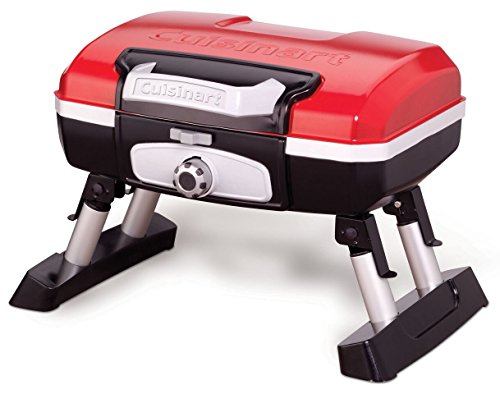
- Best compact pick where grilling is allowed: Cuisinart CGG-180T Petit Gourmet Portable Tabletop Gas Grill — Check on Amazon
- Best for indoor storage: Cuisinart Grillster Portable Gas Grill (CGG-059) — Check on Amazon
- Best for ground-floor patios: Megamaster 1-Burner Portable Gas Grill (820-0065C) — Check on Amazon
- Best for townhouse and duplex patios: Royal Gourmet GT1001 Stainless Steel Portable Grill — Check on Amazon
- Best carry-out-to-the-courtyard pick: Char-Broil Grill2Go X200 Portable Gas Grill — Check on Amazon
- Only for apartments with a private yard: Char-Broil Classic Series 2-Burner Gas Grill (463637626) — Check on Amazon
Read the full guide ↓
Disclosure: As an Amazon Associate, dailyhomedecorating.com earns from qualifying purchases. Links to Amazon on this page are affiliate links; they cost you nothing extra. Listing details such as price and availability change often, so check the current Amazon listing before you buy.
Shopping for the best gas grill for apartments under $200 begins with a question no product listing can answer for you: are you actually allowed to grill where you live? This guide will recommend six grills, all verified inside the budget, but it puts the rules first, because in multifamily housing the rules — your lease, your HOA or condo documents, and your local fire code — decide whether any gas grill belongs at your home at all. A large share of apartment balconies in the United States cannot legally host an open-flame grill. If yours is one of them, the honest recommendation in this guide is not a smaller grill. It is no grill on that balcony, full stop, and a portable you carry to a ground-level space where grilling is permitted instead.
Here is the legal landscape in plain terms, because it shapes every pick below. The model fire codes most U.S. cities adopt — NFPA 1 and the International Fire Code — generally prohibit charcoal burners and other open-flame cooking devices, gas grills included, on combustible balconies and within ten feet of combustible construction in buildings with three or more units. NFPA-based rules can restrict even storing a grill on a balcony. There are exceptions, and they matter: one- and two-family dwellings are generally exempt; buildings and balconies protected by automatic sprinklers may be allowed; and some codes make a narrow exception for LP-gas devices using a container of no more than about one pound of propane — the small camping canister — which is one reason every portable in this guide runs on exactly that canister size. But an exception in a model code is not permission at your address: your city may have adopted stricter rules, and your lease or HOA can ban grills entirely even where the fire code would allow one. Landlords and associations do exactly that, routinely, and a lease violation can cost you far more than a grill.
So this guide is written for the apartment situations where gas grilling can legitimately happen: a ground-floor patio with ten feet of clearance from the building, a townhouse or duplex patio outside the multifamily balcony rules, a sprinklered or noncombustible balcony where your lease and local code both say yes, or a building with a shared courtyard or grill area where a portable you own is welcome. The picks favor exactly what those situations demand — compact footprints, one-pound canister fuel instead of a bulky tank, lids that latch and legs that fold so the grill stores indoors in a closet, and sizes that cook for one to four people. One pick, the two-burner cart grill, is included only for the minority of apartment homes with a private yard, and its review says so in the first sentence. Read the rules section before the reviews. It is the most important part of this page.
Before You Buy: The Rules That Decide Everything
Check three documents, in this order. First, your lease or HOA/condo rules: look for the words grill, barbecue, open flame, balcony and propane. If the document bans grills, that is the end of the inquiry — no fire-code exception overrides a private agreement you signed. Second, your local fire code or fire marshal’s guidance: many departments publish a one-page balcony-grilling summary, and it will tell you whether the ten-foot rule, a sprinkler exception or a small-canister exception applies in your city. Third, your renter’s or homeowner’s insurance: a grill used in violation of code or lease can complicate a claim, which is another way of saying the paperwork matters before the purchase, not after an incident.
Understand the ten-foot rule. In multifamily buildings, model codes generally require open-flame cooking to happen at least ten feet from combustible construction — walls, siding, wooden railings, overhangs and the balcony above yours. On a typical apartment balcony, ten feet of clearance in every direction is physically impossible, which is precisely why balcony gas grilling is prohibited in so many places. On a ground-floor patio or in a yard, ten feet is easy. That geometry, more than any product feature, is what separates the apartment grilling situations that work from the ones that do not.
Know the storage rules too. Propane storage is regulated separately from grilling: larger tanks do not belong indoors or on upper-floor balconies, and some codes restrict grill storage on balconies at all. The portables in this guide sidestep most of this — they store indoors, empty of any attached canister, like any other appliance, and their one-pound canisters store upright in a ventilated spot. The cart grill’s full-size tank is one more reason it only fits apartment life when there is a yard to keep it in.
If the answer is no, your options are still good. Use the building’s communal grills if it has them. Carry a briefcase portable — two picks below weigh about ten to fourteen pounds and latch shut — to a park, a picnic ground or a friend’s yard, where it is welcome. Or grill indoors with an electric appliance, which many leases permit when gas is banned; that is a different product category than this guide covers, and we will not pretend a gas pick solves a gas ban. What you should not do is buy a small gas grill and hope a balcony ban will not be enforced. Small is not a loophole.
A note on townhouses, duplexes and rented houses
Not every reader of this guide lives in a tower. If your apartment is a townhouse, a duplex unit or a rented house, the fire-code picture usually relaxes — the model-code balcony prohibitions are aimed at buildings with three or more units, and one- and two-family dwellings are generally exempt — but two cautions survive. The first is contractual: a rented house’s lease can ban grills just as an apartment’s can, and an HOA governing a townhouse community can regulate patios that look entirely private. The second is physical: exemption from a balcony rule is not exemption from heat. Siding, fences and overhangs still scorch and melt at grilling temperatures, so the ten-foot habit remains the right habit even where nobody can cite you for breaking it. Readers in these homes will find the larger picks in this guide — the GT1001, the Megamaster and, where a yard truly exists, the Char-Broil cart — come into their own, because their constraint is usually space and storage rather than permission.
There is also a middle category worth naming: the condo or co-op where the documents allow grilling but assign it to a designated area, a roof deck with a noncombustible surface or a courtyard pad. If that is your building, you are a carry-out griller by design, and the weight and latching columns of the comparison table below matter more to you than any cooking figure on this page. Measure the carry — stairs, elevator, distance — with the grill in hand before you decide that the heaviest, best-searing pick is worth it; the grill that makes the trip without complaint is the grill that gets used.
In this guide
Quick Picks
Every pick below assumes you have confirmed grilling is permitted in your specific space. Check the current price on Amazon before you buy, and check your lease before that.
| Buyer type | Pick | Why it stands out | Link |
|---|---|---|---|
| Best compact pick where allowed | Cuisinart CGG-180T Petit Gourmet | A briefcase grill on a one-pound canister that stores in a closet; check price on Amazon | Check on Amazon |
| Best for indoor storage | Cuisinart Grillster (CGG-059) | The lightest grill here, with a dishwasher-safe cooking plate; check price on Amazon | Check on Amazon |
| Best for ground-floor patios | Megamaster 1-Burner Portable (820-0065C) | The most cooking area here for patios with real clearance; check price on Amazon | Check on Amazon |
| Best for townhouse patios | Royal Gourmet GT1001 | A warming rack and lid thermometer in a folding tabletop package; check price on Amazon | Check on Amazon |
| Best carry-out pick | Char-Broil Grill2Go X200 | A rugged latching case built to be carried to permitted spaces; it sits at the top of this tier, so check the live price on Amazon first | Check on Amazon |
| Only for a private yard | Char-Broil Classic Series 2-Burner | A real two-zone cart grill — for yard homes, not balconies; check price on Amazon | Check on Amazon |
How These Picks Were Chosen
The budget filter was the same strict one used across this series: a genuine propane gas grill, sold on Amazon in the United States, with a verified listing and at least one independent price sighting at or under this tier’s ceiling. Two famous names failed that filter on list price — the Weber Q1200 and the Cuisinart Chef’s Style CGG-306 sit above this budget except during sales — so they are mentioned here only as unlinked stretch picks, and the Coleman RoadTrip line was excluded entirely at its much higher street prices. Charcoal and electric models were excluded because this guide is about gas grills; if your building bans gas, an electric grill is a separate purchase decision, not a footnote to this one.
On top of the budget filter, the apartment lens applied three more. First, fuel: every portable pick runs on one-pound propane canisters, the only fuel format that fits apartment storage reality and the small-container exception some fire codes recognize — while we repeat, because it cannot be repeated too often, that the exception varies by city and never overrides a lease. Second, storage: every portable pick folds or latches into a package that lives indoors, because a grill that must live on the balcony may itself violate storage rules even where cooking is allowed. Third, footprint and clearance: picks were favored that can cook honestly inside a ground patio’s ten-foot clearance geometry, on a stable table or stand, without crowding a railing.
We did not cook on these grills in our own homes. Specifications were cross-checked across manufacturer listings, independent reviews and retailer data, and every model was checked against the U.S. Consumer Product Safety Commission recall database; none of the six picks — and neither stretch pick — is subject to a CPSC recall. Where sources disagreed, the reviews use the conservative figure: the Petit Gourmet’s grate is 145 square inches by its maker’s specification, whatever its listing headline rounds it to, and the Grill2Go X200’s nominal 200 square inches measures smaller in independent testing.
Detailed Reviews: The Best Gas Grill for Apartments Under $200, Pick by Pick
1. Cuisinart CGG-180T Petit Gourmet — Best Compact Pick Where Grilling Is Allowed
Who it suits: The apartment cook in a permitted space — a ground-floor patio, a townhouse terrace, a sprinklered balcony where the lease says yes — who cooks for one to three people and needs the grill to live in a closet the other twenty-three hours of the day.
The Petit Gourmet is the apartment archetype done properly: roughly 13.5 pounds in tabletop form, a locking lid, folding legs and a carry handle, with a 145-square-inch porcelain-enameled grate over a 5,500 BTU stainless burner, lit by a twist-start ignition and monitored by a lid gauge. It runs on a one-pound canister, which keeps fuel storage to a single small cylinder kept upright and ventilated, and its small firebox heats quickly and sips fuel. Set it on a stable, heat-safe table inside your permitted clearance, and it cooks a calm weeknight dinner — two steaks, four burgers, vegetables around the edges — without drama or ash.
Pros: The easiest storage story in this guide after the Grillster; a small footprint that respects tight clearance geometry; frugal canister use; a long-established model with easy parts availability; a mid-tier price with no ceiling anxiety.
Honest limitation: The 5,500 BTU burner is gentle: wind and cold slow it down, hard searing takes patience, and the grate crowds past three servings. It also needs that stable table — budget for a stand or confirm your patio table is up to the job and the heat. And none of its virtues matter on a balcony where grilling is banned; compact is a storage virtue, not a legal one.
Choose it if your space is permitted, your household is small, and storage is your scarcest resource. Skip it if you cook for four or more regularly, or if your lease bans gas — in which case skip every pick in this guide for home use and take the carry-out route below. Check on Amazon
2. Cuisinart Grillster (CGG-059) — Best for Indoor Storage
Who it suits: The renter whose grill storage is a closet shelf or the space under a bed, and who may grill as often in a park or a building courtyard as on a patio. If your grill has to be carried to its cooking spot — even if that spot is fifty feet away — this is your pick.
At roughly ten pounds, the Grillster is the lightest gas grill in this guide, and its enameled steel cooking plate — about 146 to 148 square inches over an 8,000 BTU burner — lifts out and goes in the dishwasher, which matters enormously when your cleanup sink is also your only sink and there is no yard hose. The stainless lid locks for carrying, the legs fold flat, and the stored package is closer to a briefcase than an appliance. For apartment life, where the grill is stored indoors among your belongings, a grill that arrives back in the closet clean, cool and grease-free is not a luxury; it is the difference between grilling weekly and grilling twice.
Pros: The lightest carry here; dishwasher cleanup, the best in this guide for indoor living; stronger heat than its size suggests; a shelf-friendly folded shape; a comfortable mid-tier price.
Honest limitation: The flat plate cooks by contact, not open flame: fatty food sits in its juices, and you will not get open-grate char lines. Capacity is two people, three at a stretch. And like the Petit Gourmet, it confers no rights — a banned balcony stays banned.
Choose it if storage and cleanup decide your purchase, or if your grill travels to permitted ground-level spaces. Skip it if you want open-grate cooking or cook for groups. Check on Amazon
3. Megamaster 1-Burner Portable (820-0065C) — Best for Ground-Floor Patios
Who it suits: The ground-floor apartment or garden-unit household — the one apartment situation with genuine yard-like geometry — that has a patio with real clearance from the building and a household of three to five to feed.
The Megamaster brings the largest claimed cooking area in this guide, 360 square inches in total including its warming rack, powered by a single 11,000 BTU stainless burner, with push-button ignition and a lid thermometer. At about 14.4 pounds with folding legs and a locking lid, it still stores indoors like the smaller picks — important, because ground-floor patios are exactly where a grill left outside tempts both weather and theft. On a patio where you can honestly stand ten feet from the siding, this is the apartment pick that cooks a family meal in one round instead of two.
Pros: The most claimed cooking space per dollar here; a strong burner for a big grate; light for its size; thermometer and locking lid included; a value-end price, comfortably inside the tier in every sighting we found.
Honest limitation: One burner across a large grate means a hot center and cooler edges — plan the layout of the food accordingly. The headline area counts the warming rack. The porcelain enamel and painted finish need the indoor storage this guide already recommends; left out uncovered, they age fast.
Choose it if you have a ground patio with real clearance and a family to feed. Skip it if your only outdoor space is an upper balcony — where, to be blunt, you should not be gas grilling at all in most buildings. Check on Amazon
4. Royal Gourmet GT1001 — Best for Townhouse and Duplex Patios
Who it suits: The townhouse, duplex or condo-with-terrace household — homes that often sit outside the strictest multifamily balcony rules, though leases and HOAs still apply — wanting a portable that cooks like a small patio grill for three or four people.
The GT1001 is a stainless tabletop grill with a U-shaped 10,000 BTU burner under a 214-square-inch primary grate, a 71-square-inch warming rack, a lid thermometer and a slide-out grease tray, at a little under 18 pounds with folding legs and a latching lid. The warming rack and thermometer are the apartment-relevant features: they let you cook a complete meal — proteins on the grate, buns and finished food above — in one session on a small patio, without ferrying food indoors in stages. It runs on one-pound canisters, and an optional adapter hose lets a terrace household with tank storage run it on a full-size tank instead.
Pros: The most complete small-patio cooking setup here; stainless body that tolerates terrace weather; a grease tray that keeps a small patio cleaner; enough grate for a family meal in one round.
Honest limitation: One burner means one heat zone, however clever the U shape. At a little under 18 pounds and wide-bodied, it is a two-handed carry to a courtyard — fine occasionally, tedious weekly. Verify your HOA’s terrace rules even in a townhouse; private-looking patios can still be regulated.
Choose it if your townhouse or duplex patio is permitted and you cook for three or four. Skip it if you need the lightest carry, or true two-zone heat. Check on Amazon
5. Char-Broil Grill2Go X200 — Best Carry-Out-to-the-Courtyard Pick
Who it suits: The apartment dweller whose building says no at home but whose life includes permitted grilling elsewhere — a building courtyard with a grilling area, a park, a parents’ yard, a tailgate. If the grill’s home is a closet and its workplace is somewhere else, the X200 is built for exactly that commute.
Char-Broil’s infrared portable packs a 9,500 BTU burner under an emitter plate — the TRU-Infrared system, sold in current listings as Amplifire — inside a cast-aluminum firebox and lid set in a high-impact frame with stainless latches and real carry handles. The nominal grate is 200 square inches, measuring closer to 187 in independent testing, and the package weighs roughly 20 to 22 pounds: the heaviest portable here, but the one designed to be knocked around in a trunk without complaint. Infrared cooking also flatters the carry-out cook: fewer flare-ups, even heat, and forgiving results when you are cooking away from your own kitchen.
Pros: The toughest transport package in this guide; even, flare-up-resistant heat; cast aluminum that does not rust in a closet or a trunk; a longer burner and lid warranty than its rivals.
Honest limitation: It runs hot by nature and resists low-and-slow cooking, and its price sits at the ceiling of this tier — sightings run at or just under the budget line, so if the live Amazon price has drifted above it when you shop, take the GT1001 or the Petit Gourmet instead. It is also heavy enough that a long carry on foot is a workout.
Choose it if your grilling happens away from home and you want one rugged grill for all of it. Skip it if you need delicate low heat, a light carry, or find it priced above the tier. Check on Amazon
6. Char-Broil Classic Series 2-Burner (463637626) — Only for Apartments with a Private Yard
Who it suits: A specific minority: the renter or condo owner whose home includes a private ground-level yard or a large patio far from the building — a garden apartment with its own plot, a rented duplex with a yard — where a cart grill can sit ten feet from any wall, permanently, with its tank stored outdoors. If that is not your home, this pick is not for you, and the five portables above are your guide.
For that minority, the Classic is the only pick here that cooks like a house grill: two stainless in-line burners at 20,000 BTU, a 280-square-inch porcelain-coated primary grate, a 130-square-inch warming rack, two side shelves, piezo ignition, and a standard 20-pound tank underneath that makes fuel cheap and forgettable. Two burners mean two heat zones — the thing no portable in this guide can offer — and for a household grilling several nights a week, that difference is worth more than portability it will never use.
Pros: True two-zone cooking; the largest primary grate here; cheap tank fuel; side shelves and a warming rack; a compact footprint by cart-grill standards.
Honest limitation: It is yard furniture: it cannot be stored in a closet, carried to a courtyard, or placed on a balcony, and its tank must live outdoors with it. Materials are budget porcelain-coated steel with a short warranty by premium standards, and assembly is an afternoon’s project. Placing it against a wall or under an overhang to save space defeats the clearance that makes it permissible in the first place.
Choose it if — and only if — you have the private yard to keep it in, with clearance, permanently. Skip it in every other apartment situation. Check on Amazon
Comparison Table
The six picks side by side, read through the apartment lens: storage, fuel and footprint first, cooking figures second. Prices are deliberately not printed — check the current price on Amazon for the grill you choose, and check your lease before you choose it.
| Pick | Type | Burners / Output | Cooking area | Weight | Apartment fit |
|---|---|---|---|---|---|
| Cuisinart CGG-180T Petit Gourmet | Briefcase portable | 1 burner, 5,500 BTU | 145 sq in (maker figure) | About 13.5 lb | Closet storage; 1-lb canister |
| Cuisinart Grillster CGG-059 | Briefcase portable | 1 burner, 8,000 BTU | About 146–148 sq in plate | About 10 lb | Lightest carry; dishwasher cleanup |
| Megamaster 1-Burner Portable | Tabletop portable | 1 burner, 11,000 BTU | 360 sq in total claimed, incl. warming rack | About 14.4 lb | Ground patios with clearance |
| Royal Gourmet GT1001 | Tabletop portable | 1 U-burner, 10,000 BTU | 214 sq in + 71 sq in warming rack | About 17.8 lb | Townhouse/duplex terraces |
| Char-Broil Grill2Go X200 | Briefcase portable, infrared | 1 burner, 9,500 BTU | 200 sq in nominal (measures less) | About 20–22 lb | Carry-out to permitted spaces |
| Char-Broil Classic Series 2-Burner | Cart grill | 2 burners, 20,000 BTU | 280 sq in primary + 130 sq in warming rack | Full-size cart | Private yard only — never a balcony |
How to Choose the Best Gas Grill for Apartments Under $200
Step zero: confirm permission, in writing where you can. Read the lease or HOA rules, then the local fire code summary, then — if anything is ambiguous — ask the landlord, association or fire marshal and keep the answer. A grill bought on a guess can become a lease violation, a fine, or a forfeited deposit. This step is not boilerplate; for apartment readers it is the purchase decision, and everything below assumes it came back yes for your specific space.
Match the grill to the permitted geometry. Ground patio with ten feet of clearance in every direction? The Megamaster or the GT1001 will serve a family. A small permitted terrace? The Petit Gourmet’s footprint respects tight spaces. No permitted space at home but permitted spaces in your life? Weight and latching become the whole decision — the Grillster at about ten pounds, or the X200 if you drive to your grilling. Private yard? Only then does the cart grill enter the conversation.
Choose one-pound-canister fuel for apartment life. Every portable here runs on it for a reason: a single small canister is the only propane format that stores sensibly in an apartment and the only one some fire codes except from balcony restrictions. Keep one spare canister, store both upright in a ventilated spot away from heat, and never bring a full-size tank indoors or onto an upper balcony to solve a storage problem — that trade creates the exact hazard the rules exist to prevent.
Plan the storage before the cooking. Measure the closet, shelf or corner the grill will occupy, cooled and cleaned, with its lid latched. Then be honest about cleanup: a grill whose grate goes in the dishwasher, or whose grease tray slides out over a trash can, gets cleaned in an apartment; a grill that needs a yard hose and a scraper mostly does not. Storage and cleanup, not BTU, are what decide whether an apartment grill is used weekly or abandoned by August.
Respect the neighbors as a design constraint. Smoke and grease drift upward into other people’s homes. Cook with the lid managed, keep the grease tray emptied so it cannot smoke and flare, position the grill — within your permitted clearance — to favor airflow away from the building, and keep sessions reasonable. In multifamily living, the fastest way to lose a grilling privilege that technically exists is to make it a nuisance; the second fastest is a grease fire, which is why the tray and the leak check are in this guide at all.
Apartment Grilling, Done Right: Setup and Session Habits
Permission gets you to the patio; habits are what keep the privilege. Set the grill on a stable, level, heat-safe surface inside your cleared area — a metal or stone-topped stand, not a plastic side table — and confirm it cannot be bumped by a chair, a pet or a passerby. Before the first cook of any session, run the soapy-water leak check over the canister connection: brush the solution on, open the valve with the burners off, and watch for bubbles. No bubbles, no problem; bubbles mean the connection comes apart, gets cleaned and reseated, and gets checked again before any flame appears. Keep a spare canister on hand so a fading flame never tempts you into swapping fuel beside a hot grill; let the grill cool first, every time.
During the cook, treat grease as the main event, because in multifamily settings grease — not the burner — is what smokes, flares and stains. Empty the grease tray or cup before it is full, trim excess fat where the recipe allows, and keep the lid working for you: lid-down cooking on these small grills is faster, uses less fuel and sends less smoke drifting toward the windows above. Position the grill, inside your permitted clearance, so the breeze carries what smoke remains away from the building rather than along it. Cook earlier rather than later when you can; a weeknight session that ends at a reasonable hour is a privilege neighbors defend instead of report.
Afterward, close the loop the way apartment storage demands. Let the grill cool completely, brush the grate while it is still warm enough to release residue but safe to handle, detach the canister, and store it upright in its ventilated spot — never in the same sealed bin as the grill if that bin traps heat, and never indoors near a water heater or furnace. Wipe the exterior before the grill comes inside; a grill that returns to the closet clean does not perfume the coats. Once a season, check the burner ports for blockages and the igniter for a healthy spark, and look the hose or connector over for cracks if your model uses one. None of this is heroic. All of it together is the difference between the neighbor whose grilling nobody notices and the one whose grilling becomes a building-meeting agenda item.
Common Mistakes Apartment Grillers Make
Assuming a small grill is an allowed grill. The bans in leases and fire codes are about open flame and fuel, not square inches. A ten-pound grill violates a balcony ban exactly as completely as a cart grill does. Size solves storage problems; it has never solved a permission problem.
Reading only the fire code and not the lease. The code sets the floor; your lease and HOA can be stricter, and frequently are. The reverse error also exists — a lease that says nothing does not repeal the fire code. You need both documents to say yes, not one of them to stay silent.
Storing the tank where the grill fits. A full-size propane tank indoors, in a stairwell or on an upper balcony is a hazard and usually a code violation in its own right. It is also unnecessary: the portables here were chosen partly because their fuel format stores the way apartment fuel has to store.
Grilling against the railing to save space. Clearance is measured from combustible construction — siding, wooden rails, the balcony above — not from the edge of your patio. Crowding the grill into the corner that fits is how permitted patios become incidents. If the ten feet is not there, the space is not a grilling space.
Skipping the leak check because the grill is new. Budget fittings and a season in a closet are exactly the combination the soapy-water check exists for. Two minutes, every first use of the season and every canister change on a grill that has sat unused: bubbles mean stop, tighten or replace, and do not cook until it seals.
Final Recommendation
If your documents say yes and your space is small, buy the Cuisinart Petit Gourmet: it is the apartment grill in its purest form — compact, closet-stored, canister-fed and calm to cook on for a small household. If storage and cleanup weigh heaviest, or your grilling happens in a courtyard or park, take the Grillster for its weight and dishwasher plate, or the Grill2Go X200 if you drive to your grilling and want the toughest case and the best sear, at a live price inside the tier. Ground-floor households with real clearance should look at the Megamaster for capacity or the Royal Gourmet GT1001 for the most complete small-patio setup. And the Char-Broil Classic belongs in exactly one apartment story: the one with a private yard. If your documents say no, the correct purchase is none of these for home use — take a briefcase portable to the places grilling is welcome, and let the balcony be a balcony. And if your documents say yes, protect that yes: grill inside your clearance, keep the grease managed and the sessions considerate, and store the grill the way this guide describes. Apartment grilling privileges are communal even when the patio is private, and the households that keep them are the ones that treat the rules as part of the equipment — as essential, and as non-negotiable, as the burner itself.
Frequently Asked Questions
Are gas grills allowed on apartment balconies?
Often, no. Model fire codes such as NFPA 1 and the International Fire Code generally prohibit open-flame cooking devices, including gas grills, on combustible balconies and within ten feet of combustible construction in buildings with three or more units, and many leases and HOAs ban them outright regardless of the code. Exceptions exist — sprinklered or noncombustible balconies, and in some jurisdictions devices using a propane container of about one pound — but your city code and your lease decide your case. Check both before buying.
Does the one-pound propane canister exception mean I can grill on my balcony?
Not by itself. Some fire codes except small LP-gas devices with a container of no more than about 2.5 pounds water capacity — roughly a one-pound canister — from the balcony prohibition. But your local code may not include that exception, and your lease or HOA can prohibit grills even where the code allows them. The exception is a reason the portables in this guide use canisters; it is not a permission slip.
What if my lease bans grills but my neighbors grill anyway?
The ban still applies to you. Enforcement being uneven does not change your lease, your liability if something goes wrong, or your insurer’s view of a grill used against the rules. If you want the policy revisited, ask the landlord or association — some buildings respond by adding a communal grilling area, which solves the problem for everyone.
Can I store a propane grill on my balcony if I never use it there?
In many multifamily buildings, storage is restricted too: NFPA-based rules can prohibit storing grills on balconies, and larger propane tanks have their own storage prohibitions indoors and on upper floors. The portables in this guide are chosen to store indoors, cooled and cleaned, with the canister detached and stored upright in a ventilated place — the arrangement that fits apartment rules best.
I am allowed to grill, but only in one specific spot. How do I choose then?
Let the spot choose. Measure its surface and its clearance, note how far it is from your door and whether the route involves stairs, and then read the comparison table by the columns that describe your constraint: weight and storage if you must carry the grill to the spot, footprint and grate if the spot is your own small patio. A permitted spot that is far away argues for the Grillster’s ten pounds; a permitted spot that is yours argues for the Petit Gourmet or, with family-sized cooking, the GT1001. Permission tells you whether; geometry tells you which.
What is the best alternative if gas grilling is banned at my building?
Three honest routes: use the building’s communal grills if it provides them; carry a lightweight portable — the Grillster in this guide is about ten pounds — to a park or picnic ground where grilling is permitted; or use an electric grill or indoor electric appliance if your lease allows it, which many do when gas is banned. Electric grills are a different category from this guide’s gas picks, with their own strengths, and are often the only at-home option in a strict building.
My building allows grilling in a shared courtyard. Which pick fits that?
The carry-out picks were chosen for exactly this: the Grillster at about ten pounds if you are walking any distance, the Grill2Go X200 if you want the best searing and do not mind the heaviest carry, and the Petit Gourmet in between. Confirm the courtyard rules — some buildings allow only the building’s own grills, or require sign-up — and leave the space cleaner than you found it, because shared privileges survive on exactly that.
How much clearance does a gas grill need on a patio?
Use ten feet from combustible construction as your planning figure in multifamily settings — walls, siding, wooden railings, overhangs and the balcony above — because that is the model-code standard, and never grill under an overhang or against a wall to save space. In a one- or two-family home the code picture is more relaxed, but the same clearance is still the safe habit.
Related Guides
Working through the rest of the apartment patio? These guides from the same series cover the neighboring decisions:


