Disclosure: As an Amazon Associate, Reviews Took earns from qualifying purchases. Links to Amazon on this page are affiliate links; they cost you nothing extra.
Check battery and shaver blade.
This guide is built from Amazon product listings and maker specs, not our own testing, so confirm size, contents and current price on each product page. Health products are for general information and are not medical advice.
Prices change often, so check the current price on Amazon before you buy.
Last updated: November 2, 2026.
In this guide
Quick Picks
| Product | Type | Best for |
|---|---|---|
| Fabric Shaver Lint Remover for Clothes Portable Sweater Defuzzer | Lint remover | refreshing clothes |
| POPCHOSE Fabric Shaver Lint Shaver with 6-Leaf Blade Rechargeable | Lint remover | refreshing clothes |
| Fabric Shaver Electric Lint Remover Rechargeable Lint Shaver | Lint remover | refreshing clothes |
| BEAUTURAL Fabric Shaver and Lint Remover Portable Sweater Defuzzer | Lint remover | refreshing clothes |
| Electrolux Rechargeable Fabric Shaver 3-Speed Lint Remover | Lint remover | refreshing clothes |
| Fabric Shaver Lint Remover Rechargeable Electric Portable Sweater | Lint remover | refreshing clothes |
| Swihauk 600 Sheets Extra Sticky Lint Rollers for Pet Hair | Lint remover | refreshing clothes |
Our Picks

1. Fabric Shaver Lint Remover for Clothes Portable Sweater Defuzzer
A Fabric Shaver Lint Remover for Clothes Portable Sweater Defuzzer (lint remover), per the listing. Check the current price on Amazon.
Good for: refreshing clothes. Watch out: Check blade guard.
2. POPCHOSE Fabric Shaver Lint Shaver with 6-Leaf Blade Rechargeable
A POPCHOSE Fabric Shaver Lint Shaver with 6-Leaf Blade Rechargeable (lint remover), per the listing. Check the current price on Amazon.
Good for: refreshing clothes. Watch out: Check blade guard.

3. Fabric Shaver Electric Lint Remover Rechargeable Lint Shaver
A Fabric Shaver Electric Lint Remover Rechargeable Lint Shaver (lint remover), per the listing. Check the current price on Amazon.
Good for: refreshing clothes. Watch out: Check blade guard.
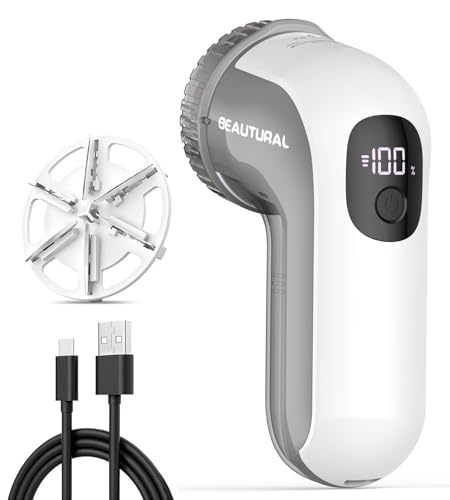
4. BEAUTURAL Fabric Shaver and Lint Remover Portable Sweater Defuzzer
A BEAUTURAL Fabric Shaver and Lint Remover Portable Sweater Defuzzer (lint remover), per the listing. Check the current price on Amazon.
Good for: refreshing clothes. Watch out: Check blade guard.

5. Electrolux Rechargeable Fabric Shaver 3-Speed Lint Remover
An Electrolux Rechargeable Fabric Shaver 3-Speed Lint Remover (lint remover), per the listing. Check the current price on Amazon.
Good for: refreshing clothes. Watch out: Check blade guard.
6. Fabric Shaver Lint Remover Rechargeable Electric Portable Sweater
A Fabric Shaver Lint Remover Rechargeable Electric Portable Sweater (lint remover), per the listing. Check the current price on Amazon.
Good for: refreshing clothes. Watch out: Check blade guard.

7. Swihauk 600 Sheets Extra Sticky Lint Rollers for Pet Hair
A Swihauk 600 Sheets Extra Sticky Lint Rollers for Pet Hair (lint remover), per the listing. Check the current price on Amazon.
Good for: refreshing clothes. Watch out: Check blade guard.
How to Choose
Size and fit
Check dimensions for your space or vehicle.
Build and materials
Durable materials last longer.
Ease of use
Simple setup and cleaning help.
Why Fabric Pills Form and Which Tool Treats Them
Pilling happens when loose fibers on the surface of a fabric rub together and tangle into small balls that stay attached. It is most common on knits, fleece, blends with synthetic fibers and anywhere that friction is constant, such as under the arms, along the sides of a sweater or where a bag strap rests. Short fibers break free and ball up more easily than long, tightly spun ones, which is why even a good sweater can pill early on.
The tools in this guide handle different problems. An electric fabric shaver has a guarded blade that trims those pills off the surface, which refreshes sweaters, coats, blankets and upholstery. A sticky lint roller does something else entirely: it lifts loose hair, dust and fluff from the surface without cutting anything. A shaver will not pick up pet hair from a couch, and a roller will not remove pills that are locked into the fabric.
Decide what you are actually fighting. If it is fuzzy balls on knitwear, you want a shaver. If it is dog or cat hair on dark clothes, you want a roller or a similar tool. Many homes need both, but if you must choose one, think about which problem you face more often. Reducing pilling over time also involves washing habits, such as turning garments inside out, using gentle cycles and avoiding harsh drying, so a shaver is only part of the answer.
Blade, Guard and Head Design
The business end of a shaver is a blade behind a perforated guard. Pills pass through the holes and get cut, while the guard keeps the blade from touching the fabric directly. Hole size and shape matter. Larger openings catch bigger pills faster but may let more fabric in; smaller ones are gentler but slower. Listings mention blade counts, such as a multi-leaf design, but the number alone does not prove better performance, so read how the maker describes it.
Head size is another trade-off. A wide head covers a blanket or sofa cushion in fewer passes, while a small head gets into seams, cuffs and tight corners. Some models have a removable or adjustable guard so you can trim fuzz at different heights, which is useful when you work across thick and thin fabrics. A height control is worth considering if you own both delicate knits and heavy fleece.
Look at how easy it is to empty and clean the lint chamber, whether the head swaps or the blade is replaceable, and whether a cleaning brush is included. A transparent chamber lets you see when it is time to empty. Check that the guard locks securely so it does not slip off during use. Because the blade is the part that wears, availability of replacement heads or blades from the maker is a sensible question to ask before buying.
Power Source and Battery Considerations
Most electric fabric shavers are either rechargeable or battery powered. Rechargeable models usually charge by cable, so check whether the port type matches the cables you already own. Charging time and run time vary and are given as maker figures, so treat them as estimates and think about how long your own jobs take. A sofa and a few sweaters can take longer than you expect, so a short run time may be frustrating.
Disposable battery models avoid charging but add ongoing cost and waste, and their power can fade as the cells wear. Rechargeable units may weaken over many years. If you only de-pill a few items each winter, either type works; if you tackle big jobs, a rechargeable body with stable power is easier to live with. Consider a model with multiple speeds if you handle different fabric weights, using the lowest setting that works for delicate pieces.
Safety is straightforward but worth stating. Switch off before cleaning the blade, do not use the device on skin or hair, and keep it away from water unless the listing states otherwise. Unplug it while charging is complete and avoid leaving it on a charger indefinitely if the manual advises against it. Keep it out of reach of children and pets because the blade, though guarded, is not a toy. Store it with the cap or guard on in a dry place.
Technique for Knits, Fleece, Upholstery and Coats
Technique does as much as the tool. Lay the item flat on a firm surface, such as a table or ironing board, and pull the fabric gently taut with one hand. Move the shaver in short, light, overlapping strokes without pressing hard. Pressure pushes more fabric into the guard and raises the chance of snagging or cutting a hole. Empty the chamber when it fills, and take your time on thick pills.
For sweaters, work across the whole garment, not just visible patches, because small areas treated alone can look different from the rest. Wool and fine knits need a gentle touch and often a test on a hidden spot such as an inside hem. Loosely woven knits or garments with lots of snagged loops are risky because the guard may catch those loops. Trim stray loops by hand with scissors instead.
Upholstery and blankets tolerate more coverage, but check that the cover fabric is not delicate or already thin. Coats and structured fabrics usually respond well when kept flat. Leather, suede, silk and sheer fabrics are generally not suitable for fabric shavers; follow the garment care label and the product instructions. After shaving, brush away loose bits with a clean lint roller or a soft brush so debris does not resettle on dark clothing.
Sticky Rollers, Refills and Everyday Upkeep
Adhesive rollers are the quick option for pet hair, dust and loose fluff, and they come in different forms. Some are handle-and-refill designs where you peel off a used sheet to reveal a fresh one; others are flat sheet packs. A pack with a very large sheet count, like the one in this guide, is economical for heavy use but requires storage space. Check the width of the roller, whether refills are compatible with your handle and how easily sheets peel without tearing.
Roll with light pressure along one direction and peel off the sheet as soon as it loses tack. Too much pressure can press hair into the weave. For furniture, work in long strokes and use a wider surface to save time. Keep rollers capped or covered when not in use so they do not collect dust, and keep them away from heat, which can soften the adhesive.
Know when to replace parts. For shavers, signs include slow cutting, a motor that sounds strained, a chamber that clogs rapidly, bent or dented guards and pills that remain after several passes. For rollers, sheets that no longer pick up hair signal that it is time for a new one. Wash or brush the garments before using either tool, since dirt dulls both blades and adhesive. Recheck return policies and read the weaknesses noted in each listing before you decide.
Shaver, Roller, Pill Comb or Stone: Which Tool for Which Job
The products in this guide are mostly electric fabric shavers, with one set of sticky rollers, but there are other tools in the same family, and knowing how they differ keeps you from buying the wrong thing.
An electric fabric shaver cuts pills off at the surface with a small spinning blade behind a guard. It is the fastest way to deal with a pilled sweater, and it works on many knits and fleeces. A sticky lint roller, like the Swihauk set, does not cut anything. It lifts loose lint, dust, hair and surface debris with adhesive, which makes it good for coats, dark clothes and quick touch-ups before you leave the house. It will not remove firmly attached pills.
Manual pill combs and fabric brushes sit in between. They are inexpensive and need no battery, but they take more effort and work best on small areas. Pumice-style stones are sometimes used on sturdy upholstery or heavy wool, but they can be abrasive, and are a poor choice for delicate or fine knits.
- Electric shaver: best for pilled knits, fleece and upholstery fabric.
- Sticky roller: best for loose lint, dust and pet hair on the surface.
- Manual comb or brush: suits small areas and low-volume use.
Many households end up with both a shaver and a roller, since they solve different problems. If you only want one, think about whether your main problem is pilling that has already formed or loose lint that settles every day.
Reading the Fabric Label Before You Treat a Garment
The care label and fiber content tell you what to expect. Pilling happens when short or loose fibers tangle into small balls on the surface. Fabrics blending synthetic fibers such as polyester or acrylic often form pills that hold on tightly, because synthetic fibers are strong and do not break off easily. Natural fibers like wool and cotton pill too, but the pills often come away more readily.
Loosely knit, textured or open-weave garments need extra care. A shaver guard can catch on a loop or a large stitch, so work slowly and keep the head moving. Very fine knits, delicate blends and anything with a sheen or a fine nap are riskier. When a label says dry clean only or the fabric is very thin, test on a hidden area first, such as an inside seam or a hem.
Look at the garment’s structure, too. A tight, flat knit takes a shaver well, while a heavily cabled or boucle sweater has raised areas that are easy to catch and cut. If the garment has beads, sequins or embroidery, avoid the shaver in those zones. Finally, remember that removing pills also removes a little fiber, so a garment that is already thin will not benefit from repeated shaving.
Surfaces Beyond Clothing: Sofas, Blankets and Car Seats
Many people buy a shaver for sweaters and then discover it is useful elsewhere. Upholstery fabric, throw blankets, fleece and pet beds pill in the same way as clothes, and a shaver can make them look fresher. Use a light touch, work in small circles and empty the chamber often.
Upholstery is trickier than clothing, because the surface is larger and the fabric type varies. Check the furniture’s care tag, which usually lists a cleaning code, and test a hidden area such as the back or underside of a cushion. Do not use a shaver on leather, suede or faux-leather surfaces, and avoid it on fabric with a loose weave that could snag.
For pet hair, a sticky roller is usually the better first tool, since it picks hair off the surface without cutting fabric. A shaver can lift some hair that is woven into the fabric, but it may leave tufts. In a car, consider a compact roller for seats and mats, and keep a spare in the glove box.
Budget Versus Premium: What You Actually Get
Shavers in this range look alike, and price differences come from the details. A lower-priced unit may use a smaller battery, a simpler blade and lighter plastic, while a higher-priced one may offer more guard options, a bigger lint chamber or a more powerful motor. Several of the listed shavers are generic or lesser-known brands, so check the maker’s support and what comes in the box.
What matters is how you will use it. If you shave a sweater a couple of times each winter, a basic model is probably enough. If you have a pet, a large sofa and a closet of knitwear, a sturdier unit with a bigger blade area and a longer run time saves effort. Replacement blades and a charging method you like, such as USB charging, are worth looking for.
Also consider the roller option for refills. A refillable roller handle is cheaper over time than disposable rollers, and large sheet counts reduce how often you buy. Think about storage, since sticky sheets can dry out if left uncovered.
Going Deeper: Judging Fabric Shavers and Lint Removers in Real-World Use
The picks above give you the shortlist. This section is about everything that happens after the shortlist: how a fabric shaver behaves in an ordinary week, how to judge the details that listings describe poorly, and how to set up, care for and troubleshoot it so it keeps doing its job. None of this changes which products are recommended here; it changes how confidently you can choose between them and how much service you get from the one you take home.
Buying Criteria in More Depth
Start with the surface you treat most often
Think first about the fabrics that fill your laundry basket rather than the one delicate piece you wear twice a year. A household that lives in fleece, knit jumpers and upholstered sofas needs a head that glides over large, flat areas without snagging, while someone who mainly rescues wool coats and fine knits should value a gentle guard and a light touch above raw speed. Lay the garments you plan to treat on a flat surface before you buy and picture the tool moving across seams, buttons and curved shoulders, because those edges are where a poorly matched head catches and where patience matters more than power.
Judge the head, guard and cutting action together
The working end of the tool does three jobs at once: it lifts loose fibres, holds the fabric at a safe distance and trims what stands proud of the surface. A guard that sits too close can feel aggressive on thin knits, while one that sits too far away leaves pills behind and tempts you to press harder, which is when damage happens. Look for a head that feels stable in the hand, a cover that removes easily for emptying, and a shape that stays flat against the cloth instead of rocking onto its edge as you work across a sleeve or a cushion.
Power source shapes your routine more than you expect
A rechargeable model suits a weekly tidy-up because it is always ready in a drawer, while a plug-in or battery model can be the simpler choice for a long session on a sofa or a set of curtains. What matters most is consistency: a tool that slows noticeably as the charge fades will leave an uneven finish, with the last jumper looking rougher than the first. Plan where the tool will live, how it will be charged or stored, and whether other people in the house will reach for it, because a shaver that is easy to find gets used before pills turn into a bigger problem.
Comfort in the hand decides whether you finish the job
De-fuzzing a whole wardrobe rail is repetitive work, and a handle that is too bulky, too smooth or badly balanced turns a simple task into a chore you abandon halfway. A lighter body with a secure grip lets you keep the head flat with gentle pressure, which protects the fabric and gives a more even result. If your hands tire easily, favour a shape you can hold in more than one position, and work in short sessions on a table at a comfortable height rather than holding a garment up in the air.
Fabric Shavers and Lint Removers in Everyday Situations
Refreshing jumpers before the cold season
When knitwear comes out of storage, work through one garment at a time on a firm, flat surface, starting with the areas that rub most: under the arms, along the sides and where a bag strap crosses. Test a hidden patch first, then move in slow, overlapping passes and empty the chamber before it fills, since a full chamber reduces airflow and makes the head drag. Finish by laying the jumper flat and checking it in daylight, because pills that hide under indoor lighting show up clearly near a window.
Keeping a sofa and cushions presentable
Upholstery collects pills where people sit, slide and rest their arms, and pet hair adds a second problem that a shaver alone cannot solve. Use a sticky roller first to lift hair and loose debris, then shave the pilled patches with the fabric pulled as smooth as the cushion allows. Work around piping and buttons slowly, and stop to check the weave after the first small area, because some upholstery fabrics are loosely woven and respond better to a gentler tool or to professional care.
Quick fixes while travelling or before an event
A compact tool earns its place in a suitcase when a dark coat or a knit dress picks up lint and pills in transit. Hang the garment, brush it down, then treat only the visible areas rather than attempting a full restoration in a hotel room. Keep the charger or spare power with the tool, store it with the guard fitted so the head is protected among other items, and give yourself a few unhurried minutes, because rushing across a delicate fabric is how small snags start.
Care, Cleaning and Storage
After each session, switch the tool off, remove the head cover and tip the collected fibres into a bin rather than washing them down a sink. Use the small brush supplied or a soft, dry brush to clear the blades and the inside of the chamber, and wipe the body with a dry cloth. Store the shaver with its protective cover fitted, away from bathroom moisture and out of reach of small children who may treat it as a toy. For rollers, replace the exposed sheet as soon as it loses its tack, keep the cover on between uses, and keep a refill where the roller lives so the tool is always ready.
Troubleshooting Common Problems
The shaver leaves pills behind
Work through the basics in order: empty the chamber, clean around the blades, and confirm the head cover is seated properly. Then slow down. Fast passes skim over pills instead of lifting them, and a surface that is not held flat lets fibres fold away from the guard. If one fabric still resists, treat it in shorter sessions with rests in between rather than pressing harder, and accept that very short, tight pills on some synthetics respond better to a pill comb used gently.
The fabric looks thinner or catches during use
Stop straight away and inspect the area before continuing. Catching usually means the guard is damaged, the head is being tilted onto its edge, or the fabric is too loose, too open or too delicate for this tool. Move to a flatter section, reduce pressure to almost nothing, and let the weight of the tool do the work. If the same garment catches again in a test patch, retire that garment from shaver duty and use a roller or a comb instead, since no tidy finish is worth a hole in a favourite piece.
The motor slows or the roller stops picking up
A slowing motor points to a fading charge, a clogged head or a chamber packed with fibres, so clean the tool fully and recharge it before judging the result. A roller that stops lifting hair usually just needs a fresh sheet; if a washable roller is involved, rinse and dry it exactly as its maker directs and let it dry completely before the next use. Tools that still struggle after cleaning and charging are telling you that a consumable part, such as a blade set or a roller refill, has reached the end of its useful life.
How the Picks in This Guide Compare With Each Other
Readers often ask how the picks in this guide differ in practice, and the honest answer is that they divide by emphasis rather than by a simple ladder of quality. The Fabric Shaver Lint Remover for Clothes Portable Sweater Defuzzer represents one end of the guide’s thinking, the option the earlier review sections position for its particular strengths, while the Swihauk 600 Sheets Extra Sticky Lint Rollers for Pet Hair sits at another point of the range, answering a different set of priorities. Between them, the BEAUTURAL Fabric Shaver and Lint Remover Portable Sweater Defuzzer shows the middle path this guide keeps returning to: a balance of the qualities most people ask for most often.
To choose between them, return to the way you will actually use your fabric shaver. If your routine matches the situation a pick was described for in its review above, that alignment matters more than any single feature. If you are torn between two, decide by the compromise you will feel daily: the one whose weakness falls on a part of your routine you rarely meet is the right one, even when the other looks stronger on paper. And if your use is genuinely mixed, the middle pick exists precisely for you, which is why guides like this one keep a balanced option in the centre of the range rather than only extremes at each end.
Getting More From Your Purchase
Buying a Second One or Keeping a Spare
Many households discover after a month that one fabric shaver is not quite the system they imagined: the first lives in one room, one bag or one routine, while the need keeps appearing somewhere else. A second fabric shaver only earns its place when the two have distinct jobs, such as a primary one for daily use and a lighter or simpler one for travel, guests or a second location. Before buying again, live with the first through a full cycle of your real routine and write down the moments you wished for another. That short list is a better buying guide than any advertisement, because it tells you whether the gap is about location, size, or a feature the first one lacks, and it stops you buying a duplicate of a compromise you already own.
How It Behaves Across the Seasons
A fabric shaver rarely lives in one season. Conditions change what you ask of it: heat, cold, damp air, heavier clothing, busier schedules and longer days all shift the balance between comfort and performance. Pay attention at the first change of season, because that is when small mismatches appear, such as a fit that worked with light layers failing over winter clothing, or a routine that suited summer mornings collapsing in dark December. Adjust one thing at a time, note what changed, and keep the setup that survives both seasons rather than the one that shines in only one. Equipment that adapts with small adjustments is worth more than equipment that demands replacement twice a year.
Sharing It With Family or Housemates
Shared equipment lives a harder, more honest life. If more than one person will use this fabric shaver, agree the basics early: where it lives, how it is cleaned, and what setting, size or arrangement is the default it returns to after each use. Most friction comes not from the product but from the last user leaving it in a state the next user must undo. A tiny shared routine, written on a note where the item is stored if necessary, keeps the peace and keeps the product in better condition. Where two users differ greatly in size, strength or habit, be honest about whether one shared item can serve both, because a compromise that fits nobody well serves nobody at all.
Judging Value After the First Month
The fairest test of any fabric shaver is not the first day, when everything is new, but the end of the first month, when the novelty has gone and only usefulness remains. Ask three questions then. Has it become part of a routine without effort? Has it solved the problem it was bought for, in the situations that actually occur? And has it asked for more care, space or patience than it returns in service? A product that passes those three tests was money well spent, whatever its tier. One that fails them is information: it tells you precisely which quality to prioritise next time, which is why keeping a short note of what worked and what did not is the cheapest education in buying well.
A Simple Routine That Keeps It Working Well
Consistency beats intensity in looking after a fabric shaver. A small routine done every time, such as a quick check, a wipe, a correct storage position and a glance for wear, prevents nearly all of the slow declines that people later describe as sudden failures. Anchor the routine to something you already do, the end of a session, the return home or the weekly clean, so it happens without willpower. Once a month, give the item a slightly longer look: moving parts, surfaces that take friction, and the places where dirt gathers unseen. Five calm minutes on a schedule will find the loose, the worn and the dirty while they are still small, cheap problems rather than replacements.
Knowing When to Repair and When to Replace
Every fabric shaver reaches a point where you must judge whether attention will restore it or merely delay it. Repair and adjustment make sense when the core of the product is sound and the problem is local: a worn consumable, a dirty mechanism, a single tired part. Replacement makes sense when the problem is the core itself, when several parts tire together, or when the product has stopped fitting your life even though it still functions. Make the decision on a calm day rather than in the middle of the failure, and let the product’s service history guide you: an item that served well for years has earned a like-for-like replacement, while one that disappointed early has earned a different choice.
Frequently Asked Questions
Is it easy to install?
Check the manual.
Is it worth the price?
Budget options cover basics.
How do I care for it?
Clean as directed.
Will a fabric shaver damage my sweater?
Used gently on suitable fabrics it should not, but pressing hard or using it on loose or delicate knits can snag or cut the material. Test a hidden area first and follow the garment's care label.
Can I use a fabric shaver on a couch?
Many people do, especially on sturdy upholstery fabrics. Check the cover material first, keep strokes light and avoid delicate or loosely woven coverings.
How often should I empty the lint chamber?
Empty it whenever it fills, and always after finishing a garment. A full chamber slows cutting and can clog the blade.
Do fabric shavers work on pet hair?
They are meant for pills, not loose hair. A sticky roller or similar hair-lifting tool is the better choice for pet hair on clothes and furniture.
How do I stop sweaters from pilling again?
Wash them gently, turn them inside out, avoid rough drying and limit friction from bags and straps. Some fabrics will pill regardless, so occasional shaving is normal.
Do the blades need replacing?
Eventually, yes. If the shaver starts missing pills or pulling the fabric, check whether the maker sells replacement heads or blades and compare that with the cost of a new unit.
Is it safe to use around children and pets?
Keep the device out of their reach and switch it off when not in use. The blade is guarded but should never be used on skin, hair or fur.
What is the difference between a lint roller and a fabric shaver?
A sticky lint roller lifts loose dust, hair and lint from the surface using adhesive. A fabric shaver cuts off pills that have already formed on the fabric using a small blade behind a guard. They solve different problems, so many people keep both.
Can I use a fabric shaver on a loose knit or cashmere sweater?
With caution. A guard can catch on large loops, and fine knits are easy to damage. Test a hidden area first, keep the shaver moving, use light pressure and stop if the fabric snags. For very delicate items, a manual comb or professional care may be safer.
Should I use a fabric shaver on leather or suede?
No. Fabric shavers are made for woven and knitted textiles and can cut or scar leather, suede and faux-leather surfaces. Use a product made for those materials, and check the furniture’s care tag before trying any tool on upholstery.
Why does synthetic clothing pill so stubbornly?
Synthetic fibers such as polyester and acrylic are strong, so when short fibers tangle into a pill they stay attached instead of breaking off. Natural fibers tend to shed pills more easily. Washing inside out and using a gentle cycle reduces friction that creates them.
Questions to Ask Before You Buy
- Which fabrics do you want to treat: knits, wool, fleece, upholstery, or all of them?
- Do you prefer a rechargeable body, a battery-powered one, or a manual roller?
- How large are the areas you plan to clean, such as a single sweater or a whole sofa?
- Is the lint container easy to open and empty?
- Are replacement blades or refill sheets available from the maker?
- Do you need a charging cable type you already own?
Matching It to Your Use
Pilling on knitwear, pet hair on a couch, and dust on dark coats are separate problems. Electric shavers trim fuzz from the surface of fabric, while sticky rollers lift loose hair and fluff without cutting anything. Many households end up wanting one of each: a shaver for seasonal sweaters and a roller for a quick touch-up before heading out.
If you travel often, a compact model that fits a suitcase pocket is handy. For furniture and blankets, a wider head covers ground faster and cuts down on repeat passes.
Storage and Care Notes
Empty the lint chamber after each session so debris does not clog the blades. Use the small brush that usually comes with these tools to clear fibers from the cutting area, and always switch the unit off first. Lay the garment flat on a firm surface and work in light, short strokes, because pressing hard can snag fabric.
Try it on a hidden seam before treating a favorite item, especially delicate or loosely woven pieces. Keep the device in a dry spot with its protective cap on, and charge it as the maker’s instructions describe. Replace worn blades or spent sticky sheets when results fade, and keep small parts away from children and pets.
More Questions About Fabric Shavers and Lint Removers
Should I treat a garment before or after washing it?
A clean, completely dry garment is the easiest surface to work on. Washing first lifts loose fibres and dirt that would otherwise clog the head, and dry fabric lets pills stand up so the guard can trim them cleanly. Let the garment dry fully and lay it flat before you start, and avoid shaving anything that is damp, because damp fibres clump together and the finish looks patchy.
How do I handle seams, buttons and zips while shaving?
Slow down and steer around them rather than across them. Lift the head slightly as you approach a seam, work up to the edge from each side, and keep buttons and zip teeth out of the path entirely. For the fabric right beside a fastening, hold it flat with your fingers well away from the head and use short, gentle strokes. These edges are also where loose threads gather, so trim stray threads with scissors first instead of letting the shaver pull at them.
Can one tool serve both clothing and furniture?
Yes, provided you adjust your expectations and your technique. Clothing rewards a light touch and a flat surface, while furniture needs patience around curves, piping and cushions that will not lie flat. Many households keep the powered shaver for garments and a roller within reach of the sofa for daily hair and lint, which keeps each tool doing the job it handles best and means the shaver head is not dulled by gritty upholstery dust.
What should I do with a garment that pills again quickly?
Frequent pilling usually says more about friction and fibre length than about your technique. Check where the pills form: under straps, between the arms and body, and where the garment rubs a seat belt or a desk edge. Reduce that friction where you can, wash the piece inside out on a gentle cycle, and store it folded rather than hanging if the knit is heavy. Short maintenance sessions after every few wears keep the surface tidy without one long, risky session.
How do I know when a blade or roller needs attention?
Judge by results rather than by the calendar. If a cleaned, fully charged shaver needs many more passes than it used to, or leaves a rough, uneven finish on a fabric it once handled easily, the cutting parts are likely tired. A roller that needs several sheets to do what one sheet once did is giving you the same message. Replacing a worn consumable restores the tool; pressing harder to compensate only risks the fabric.
Bottom Line
Rechargeable shavers remove pills from sweaters.
More Home Cleaning Guides
- Best Steam Mops
- Best Spray and Flat Mops for Hardwood and Tile
- Best Mop and Bucket Systems
- Best Lightweight Cordless Vacuums for Home
- Best Portable Carpet and Upholstery Cleaners
- Best Portable Steam Cleaners for Home
- Best Reusable Dryer Balls
- Best Handheld Clothes Steamers