Disclosure: As an Amazon Associate, Reviews Took earns from qualifying purchases. Links to Amazon on this page are affiliate links; they cost you nothing extra.
Check footprint and stability.
This guide is built from Amazon product listings and maker specs, not our own testing, so confirm size, contents and current price on each product page. Health products are for general information and are not medical advice.
Check the current price on Amazon.com for each pick before you buy.
Last updated: November 2, 2026.
In this guide
Quick Picks
| Product | Type | Best for |
|---|---|---|
| Black+Decker 3 Tier Expandable Collapsing Foldable Laundry Rack | Drying rack | air drying laundry |
| SONGMICS 4-Tier Clothes Drying Rack Foldable Rolling 66.6-Inch | Drying rack | air drying laundry |
| SONGMICS Clothes Drying Rack 75.6-Inch Drying Rack 6 Rotatable | Drying rack | air drying laundry |
| SONGMICS 4-Tier Clothes Drying Rack Foldable Rolling 66.6-Inch | Drying rack | air drying laundry |
| SONGMICS Clothes Drying Rack 61.6-Inch Drying Rack 3 Rotatable | Drying rack | air drying laundry |
| Foldable Clothes Drying Rack Reinforced Joints White | Drying rack | air drying laundry |
| Drying Rack Clothing 3-Tier Clothes Drying Rack Foldable Antirust | Drying rack | air drying laundry |
| 2026 Enhanced Clothes Drying Rack Foldable Drying Rack Clothing | Drying rack | air drying laundry |
Our Picks
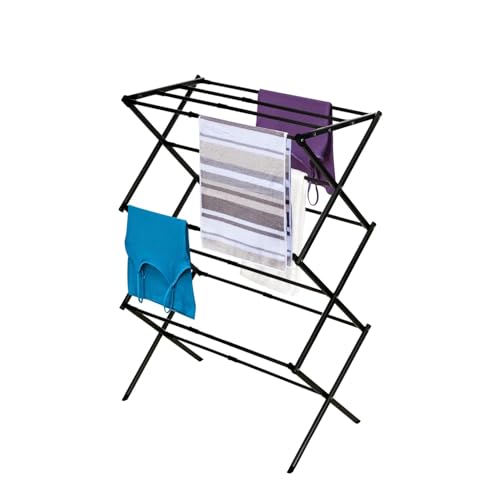
1. Black+Decker 3 Tier Expandable Collapsing Foldable Laundry Rack
A Black+Decker 3 Tier Expandable Collapsing Foldable Laundry Rack (drying rack), per the listing. Check price on Amazon.
Good for: air drying laundry. Watch out: Check weight capacity.

2. SONGMICS 4-Tier Clothes Drying Rack Foldable Rolling 66.6-Inch
A SONGMICS 4-Tier Clothes Drying Rack Foldable Rolling 66.6-Inch (drying rack), per the listing. Check price on Amazon.
Good for: air drying laundry. Watch out: Check weight capacity.

3. SONGMICS Clothes Drying Rack 75.6-Inch Drying Rack 6 Rotatable
A SONGMICS Clothes Drying Rack 75.6-Inch Drying Rack 6 Rotatable (drying rack), per the listing. Check price on Amazon.
Good for: air drying laundry. Watch out: Check weight capacity.
4. SONGMICS 4-Tier Clothes Drying Rack Foldable Rolling 66.6-Inch
A SONGMICS 4-Tier Clothes Drying Rack Foldable Rolling 66.6-Inch (drying rack), per the listing. Check price on Amazon.
Good for: air drying laundry. Watch out: Check weight capacity.

5. SONGMICS Clothes Drying Rack 61.6-Inch Drying Rack 3 Rotatable
A SONGMICS Clothes Drying Rack 61.6-Inch Drying Rack 3 Rotatable (drying rack), per the listing. Check price on Amazon.
Good for: air drying laundry. Watch out: Check weight capacity.
6. Foldable Clothes Drying Rack Reinforced Joints White
A Foldable Clothes Drying Rack Reinforced Joints White (drying rack), per the listing. Check price on Amazon.
Good for: air drying laundry. Watch out: Check weight capacity.
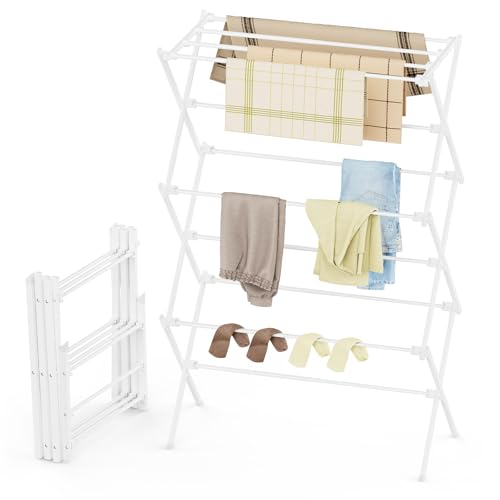
7. Drying Rack Clothing 3-Tier Clothes Drying Rack Foldable Antirust
A Drying Rack Clothing 3-Tier Clothes Drying Rack Foldable Antirust (drying rack), per the listing. Check price on Amazon.
Good for: air drying laundry. Watch out: Check weight capacity.
8. 2026 Enhanced Clothes Drying Rack Foldable Drying Rack Clothing
A 2026 Enhanced Clothes Drying Rack Foldable Drying Rack Clothing (drying rack), per the listing. Check price on Amazon.
Good for: air drying laundry. Watch out: Check weight capacity.
How to Choose
Size and fit
Check dimensions for your space or vehicle.
Build and materials
Durable materials last longer.
Ease of use
Simple setup and cleaning help.
Rack Styles Compared
Foldable drying racks come in a few basic shapes, and picking the right one makes the biggest difference to how useful it is. The tiered, A-frame style stands on the floor and offers several horizontal rails that can hold a full load across levels. It is the most common type and suits shirts, trousers and towels. Rolling versions add wheels so you can move a loaded rack to a sunny window or another room. Several of the SONGMICS picks in the list are described as rolling or rotatable.
The rotatable-arm or gullwing style has wings that fold out from a central frame, which lets air circulate around each item and often fits more hanging space into a narrow footprint. Expandable or collapsing designs, like the Black+Decker pick, can be adjusted in width to fit a space. A wall-mounted or over-door rack is another option beyond this list for tiny apartments, though it needs fixings and is not what these picks are.
- Choose a tiered rack for regular family laundry and sheets.
- Choose a rotatable or wing design if you hang many small items and shirts.
- Choose a compact collapsing one if you only dry a few things at a time and want to tuck it away.
Check the listing photos for how the rack stands when folded out, and whether the rails are round, flat or wide. Round, slim rails hold hangers and drape clothing, while wider flat surfaces suit sweaters, though both can usually be used in either way.
Size, Capacity and Weight Limits
The post flags footprint and weight capacity as the main things to check, and both deserve a closer look. Footprint is the floor space the rack takes when fully open. Measure the spot where you will use it, including the clearance needed to open wings and move around it. Height matters too, especially in rooms with low ceilings or sloped roofs; the tall racks in this list are listed with heights in inches, so compare them with your space.
Weight capacity is harder to judge. Wet laundry is heavy, and towels, jeans and bedding add up quickly. Check the listing for the maker’s stated limit, and treat it as the total for the whole rack, not each rail. Do not overload a rack with a heavy load of wet denim at once, because that can bend the tubes or tip it. Spread weight evenly across tiers and keep the heaviest items on the lower rails to keep the center of gravity low.
Also think about drying length. Total hanging length across all rails tells you more than the number of tiers. Long items like sheets or trousers need rails with enough drop, and some tall racks have a lower tier that is better for such items. If you often dry large loads, a bigger rack that stays up in a utility room is more practical than a small one you struggle to fill efficiently.
Materials, Joints and Stability
Most racks use metal tubing, usually steel or aluminum, sometimes with a coating. Steel is strong but can rust if the coating chips and the rack is used in damp areas. Aluminum is lighter and resists rust, but can bend under a heavy load. Listings that mention antirust finishes or reinforced joints, as some in the post do, are pointing at the parts that fail first on cheap racks. Look at how the legs connect, whether the joints are metal or plastic, and whether there are locking mechanisms to hold the rack open.
Stability is easy to test once the rack is in your home. Stand it up, load it evenly and give it a gentle push. It should not rock or twist. Non-slip feet or caps help on hard floors, and wheels should lock if present. Check for sharp edges around the folded hinges and for pinch points, especially if children are around, since folding racks can catch fingers.
- Look for end caps or rubber feet to protect floors.
- Check that the folding lock holds firmly when you move the rack.
- Avoid using a rack with bent legs or loose joints.
If a rack arrives wobbly, return it rather than adding a bracing fix, because it can fail when loaded with wet laundry.
Drying Tips and Placement
How you load a rack affects drying time as much as which rack you own. Leave gaps between garments so air can move around them, and avoid piling items on top of each other. Hang shirts and tops by the shoulders on hangers where possible, and drape trousers over a rail with the thickest parts, like waistbands, hanging free. Sweaters and delicate knits can dry flat across rails or on a towel to avoid stretching; follow the care label on each garment.
Place the rack in a room with good airflow. Near an open window, a fan, or a dehumidifier will help clothes dry faster and reduce damp smells. Avoid putting a rack right against a radiator or heater, which can be a fire risk if fabric touches it, and which may warp plastic parts. If you dry indoors regularly, ventilate the room to prevent moisture from building up, since damp rooms can encourage mildew on walls and furnishings.
Wring or spin garments before hanging, or use your washer’s spin cycle. Shake out each item so wrinkles do not set. Rotate items between lower and upper levels if one section is slower to dry. For heavy items like towels, fold them over a rail evenly, so they do not tip the rack. Outdoors, check the weather and keep the rack on a stable, level surface so wind does not tip it.
Storage, Cleaning and When to Replace
One of the main appeals of foldable racks is that they store flat. Fold the rack carefully, following the instructions, so hinges are not stressed. Store it in a closet, behind a door or between furniture, away from damp areas. Before folding, wipe the rails with a damp cloth to remove lint and detergent residue, and let it dry fully so it does not rust or smell musty.
Clean occasionally with mild soap and water, especially after use outdoors or in damp rooms. Check the feet and joints at the same time. Tighten screws if the design uses them, and inspect for rust spots, paint flaking or plastic cracking. Surface rust can sometimes be cleaned off, but if rust is eating into the tubing, it is time to replace the rack.
Signs that it is time to replace include persistent wobbling, bent rails that make clothes slide, hinges that no longer lock, cracked plastic connectors and rust that stains laundry. Do not keep using a rack that sags under normal loads. When you shop for a replacement, review the maker’s weight limit, the style that fits your space and the warranty or return terms on the listing. Lower-priced racks usually cover basic needs, while pricier ones often add sturdier joints, wheels or larger capacity, so choose according to how much laundry you air dry.
Drying Different Fabrics on a Rack
A drying rack is gentler than a tumble dryer, but fabrics still behave differently on it. Cotton shirts and sheets dry well when hung with a little space around them. Heavy cotton items such as towels and jeans hold water and take far longer, so give them the most open rail space and consider wringing or spinning them out first. Synthetic fabrics, including athletic wear, shed water quickly and often dry in a fraction of the time, which makes them ideal for filling the gaps between heavier pieces.
Knitwear needs special treatment. A wet sweater is heavy, and hanging it over a thin rail can stretch the shoulders and leave a crease. Lay knits flat across several rails, or on a mesh drying surface if you have one, and reshape them gently by hand. Wool and delicate items should stay out of direct sun and away from radiators, since heat can shrink fibers and sunlight can fade color. Silk and lace do well on a padded hanger or flat on a clean towel placed over the rack.
- Towels: hang folded once over a rail so air reaches both sides, or drape over two rails.
- Jeans: hang by the waistband or inside out so pockets dry.
- Shirts: use hangers on a wing or on a top rail to keep shoulders in shape.
- Socks and underwear: clip or drape on the outer rails where there is airflow.
- Sweaters: dry flat, supported across more than one rail.
Check the care label of every item. If a garment says to dry flat, a rack is the correct tool, but you still need to support it fully. Sorting laundry by fabric weight before loading helps you balance the rack and avoid putting the heaviest items where they cause the most strain.
Finding the Right Spot and Managing Indoor Humidity
Drying a full load of laundry indoors releases a lot of water into the air. A rack in a small closed room can raise humidity enough to leave windows fogged and encourage mildew. Place the rack in a room with airflow, such as a spare room with a window cracked open or a utility area with a fan. Keeping doors open to a drier part of the home lets moist air disperse instead of building up in one place.
Warmth speeds the process, but keep a safe distance from heaters and fireplaces. A spot near, not on, a radiator or in a sunny room works well. In winter, running a small fan on low across the rack can cut drying time noticeably. A dehumidifier in the room helps if you dry laundry every day or live in a damp climate. Watch for signs of trouble, such as condensation on windows, musty smells or dark spots on walls, and change your approach if you see them.
Position matters too. Leave space between the rack and the wall so air can circulate on both sides, and keep it away from curtains. A rack in a hallway can block escape routes, so do not leave a loaded one in a path you need clear. If you have a balcony, a sheltered sunny spot works in good weather, but check the rack is rated for that use.
Is Air Drying Worth It? The Math Versus a Dryer
Many buyers choose a rack to save on running costs and to be kinder to clothes. A tumble dryer uses a lot of electricity or gas, and an air-dried load uses none. You can estimate the saving yourself. Look at your dryer’s energy rating or the cost of a cycle based on your utility rates, then multiply by the number of loads you would air dry in a year. For households that dry several loads a week, the saving adds up over a year.
There are other benefits that are harder to measure. Heat is hard on fabrics, and lint in the dryer trap is partly your clothes wearing out. Air drying can help garments keep their shape and color longer. It also avoids shrinkage with items that are sensitive to heat. Against that, a rack takes time, space and a place to put it, and clothes can feel stiffer, especially towels. Shaking items before hanging and giving them a short tumble on low heat at the end are common fixes.
You do not have to choose one method. Many households use a rack for delicates, activewear and light loads, and keep the dryer for bedding and towels in bad weather.
Other Options Beyond a Floor Rack
A floor rack suits most people, but it is not the only way to dry laundry indoors. Wall-mounted racks fold flat against the wall and take no floor space, which suits small apartments, though they need secure fixings in the right wall material. Ceiling-mounted pulley racks lift laundry out of the way and use warm air near the ceiling, but they need a strong ceiling joist and enough height. Over-the-door and radiator-mounted racks handle small amounts, and retractable lines suit bathrooms and balconies.
Think about how much you dry in one go. If the answer is a few items a day, a small wall or door option is enough. If you wash large loads, a full-size rack or a combination of one rack and a line is better. Whichever you pick, check the weight limit, make sure the mounting is secure and keep it clear of heat sources.
Tiered Towers, Gullwings and a Collapsing Rack: Reading the Shapes
The eight racks in this guide are three shapes wearing various badges. The SONGMICS tiered towers that dominate the list stack laundry vertically on rotating or fixed arms, trading a small footprint for height and suiting homes where floor space is the scarce resource. The Black+Decker three-tier expanding design collapses and opens in the concertina pattern familiar from traditional airers. The remaining reinforced and enhanced folding racks follow the gullwing and A-frame patterns, spreading laundry across angled wings that catch moving air from two sides. Choosing well starts with the shape, because the shape decides where the rack can live while it works: a tower in a corner or a shower tray, a gullwing across a bath or in front of a window, an A-frame wherever a metre of floor can be spared.
Height is the tower’s blessing and its consideration. A tall rack loaded with wet washing is a sail of damp weight, and its stability depends on the spread of its feet, the evenness of your loading and the absence of enthusiastic pets and toddlers in its orbit. The wider shapes are inherently calmer but claim the floor they calm. Measure both the working footprint and the folded one before choosing, because a rack has two lives, the drying day and the six days in the cupboard, and it must fit both.
Capacity claims versus a real wash load
Rack capacity is quoted in metres of hanging space or in load weights, and both need translating into your laundry. A family wash of mixed clothing wants rails spaced so air can move between garments; a rack that technically holds the load but packs it shoulder to shoulder will dry it slowly and unevenly, which defeats the exercise. Heavy items, jeans, towels and hoodies, belong on the strongest, lowest rails where their weight stabilises rather than topples, and they dictate the rack’s real limit more than any total figure. The reinforced-joint models in this list exist for households whose loads run heavy; lighter households can trade that strength for a rack that folds flatter and carries easier. Match the rack to your heaviest regular load, as with so many categories in this batch, and the average load will take care of itself.
Air Drying as a System, Not an Appliance
A rack works inside a system of air, heat and time, and the system decides the result more than the rack does. Place it where air moves, near a window that can open a crack, in the path of a room’s natural circulation, or with a fan or dehumidifier sharing the work in damp weather, and the same load dries in a fraction of the time it takes in a still, closed room. Space garments with a finger’s gap where you can, turn heavy items once during the dry, and extract as much water as your washing machine’s spin allows before anything is hung, because every gram spun out is a gram the room does not have to evaporate. In winter, the rack near a heat source dries fastest but should never touch it, and the moisture it releases is a real addition to a home’s humidity, which the next section addresses.
The system’s other half is rhythm. Households that air dry successfully run smaller, more frequent loads rather than a weekly mountain, because a rack loaded reasonably and often beats a rack overloaded and resented. That rhythm also suits the garments: clothes washed and dried in steady rotation spend less time waiting damp in a basket, which is where musty smells are born. Choose a rack whose setup takes under a minute, because the rhythm survives only if opening the rack is easier than reaching for the dryer.
Humidity, condensation and the health of the room
Every load dried indoors releases its water into the room’s air, and a home that air dries regularly should manage that moisture deliberately. Ventilate during and after drying where the weather allows, favour the warmest, best-ventilated room rather than a cold spare bedroom where moisture condenses on walls, and consider a dehumidifier the rack’s natural partner in damp climates and winter months. Wipe condensation from windows on drying days, and never dry laundry in a room that already shows mould without addressing the moisture first. Managed this way, indoor drying is a gentle, economical system; unmanaged, it trades a dryer bill for a decorating problem, and no rack in this guide can be blamed for the exchange rate.
Garment Care on the Rack
How clothes are hung decides how they finish. Shirts and blouses dry best on hangers hooked to the rack’s rails, keeping their shape and halving their ironing. Knitwear should be dried flat or folded over a rail with its weight distributed, never hung by its shoulders to stretch under its own wet weight. Jeans dry faster inside out with the waistband open, and faster still hung by the legs so the thick waistband sits lowest in the moving air. Socks and small items belong on the rack’s finer rails or a clip hanger, where they cannot slip into the load’s interior and emerge damp at folding time. A minute of thought at hanging saves ten at the ironing board, which is the rack’s quiet contribution to the laundry system beyond mere drying.
Fabric benefits accumulate quietly. Air drying is gentle on elastic, prints and dark colours, and it spares clothes the heat that ages them in a dryer, which is why many households rack-dry their best garments even when a dryer stands beside the rack. The two tools divide the laundry by value and urgency in most experienced homes: the dryer takes towels, bedding and the week’s basics when time presses; the rack takes everything the household wants to keep looking new. The picks in this guide serve that division at every scale, from the flat’s single tower to the family home’s pair of gullwings.
Stability, joints and the life of a folding thing
A folding rack lives or dies at its joints. Hinges and locking points that feel positive, with no wobble when the rack is loaded and nudged, predict years of service; joints that flex and creak when new will only travel one way. Feet matter more than they look: caps that grip rather than skate protect floors and keep a loaded tower where you put it, and casters, fitted to some SONGMICS models here, turn a loaded rack into something that can follow the sun or the ventilation around a room, a small feature owners praise out of proportion to its cost. Store the rack dry and folded without forcing it, and never use it as a ladder, a clothes horse for dry storage all week, or a climbing frame, however inviting its tiers appear to a toddler.
More Questions Rack Buyers Ask
How long should a load take to dry indoors?
With good spin extraction and moving air, most mixed loads dry within a day, lighter items in hours and the heaviest denim by the following morning. A load still damp after two days is telling you the room, not the rack, needs help: more ventilation, a warmer spot, or a dehumidifier sharing the shift. Judging the system rather than the furniture is the experienced air dryer’s reflex.
Can a rack really replace a tumble dryer?
For many households, in most weeks, yes, and the savings in energy and garment wear are the motive. The honest exceptions are time emergencies, very wet seasons in small homes without a dehumidifier, and the household that simply prefers dryer-soft towels. A rack and a dryer are not enemies; the rack’s triumph is making the dryer optional rather than compulsory, and optionality is worth money every single week.
What size should a single person or a couple choose?
The size that dries your largest regular load without packing it tight, which for most singles and couples is one mid-size rack from this list rather than the tallest tower. Oversizing wastes the cupboard; undersizing teaches the load to dry slowly and the owner to resent the system. Measure your wash, not your aspirations, as this batch has advised about everything from bread pans to mop buckets.
Choose the shape your floor can spare, the strength your heaviest load demands and the fold your cupboard accepts, then run the system around it: spin hard, space honestly, move the air. A rack chosen and used that way will dry a household’s laundry for years for nothing, which is the best running cost in this entire series of guides.
Small Homes, Balconies and Seasonal Shifts
The rack’s versatility shows across the year. In summer it migrates to a balcony or a garden doorway and dries a load in a few hours of warm air, the fastest and cheapest drying a household will ever get. In winter it claims the warm room and works more slowly, in partnership with the home’s heating and, ideally, a dehumidifier. Flats without outdoor space rely on it entirely, and for them the tower shapes in this guide, with their small footprints and vertical ambition, are often the difference between a workable laundry life and a flat draped in damp clothing. Students and renters value the same shapes for a different reason: a rack needs no landlord’s permission, no plumbing and no installation, and it leaves with you when you go.
That portability makes a good rack one of the classic first-home purchases, and one of the few that can serve unchanged from a studio flat to a family house, perhaps joined later by a second. If you are equipping a young household, a mid-size rack from the established designs here is a gift with a decade in it, provided its joints are sound. Check them on arrival, load it evenly from the first day, and the habit of air drying, once formed, tends to persist through every later home and every later machine.
The last load of the week
There is a small satisfaction unique to this category: folding a load that cost nothing to dry, in a room that smells of fresh air rather than hot machinery, from a rack that folds away to nothing. Owners describe it out of proportion to its drama because it recurs so often. Choose the rack that will give you that moment weekly, in the shape your home can hold, and the economics and the pleasure will take care of themselves together.
Few purchases can promise that combination honestly. A frame of rails, well jointed and sensibly shaped, is one of them, and the eight examples above are the shapes that have earned their place in homes that dry their laundry the slow, gentle, economical way.
Slow, gentle and economical is a fair motto for the whole practice, and a useful corrective in a batch full of appliances competing to be faster and hotter. Some household work does not need speed; it needs a place to happen steadily, and a drying rack is precisely a place, built out of rails and air. Give your laundry that place, sized and shaped for your rooms, and it will repay you in clothes that last, bills that shrink and a home that smells faintly of the outdoors even in January.
Even in January is the test that matters, because summer drying needs no advocate. A rack and a routine that carry a household through the dark months, without mould on the walls or a dryer running daily, have proven the system rather than merely sampled it. Build for January when you choose, and July will be a pleasure cruise by comparison.
Build for January with ventilation in mind, a dehumidifier if your home runs damp, and a rack whose rails give the air room to work. Those three decisions, made once, carry more weight than any difference between the models in this list, which is why this guide has spent its length on the system around the furniture.
The furniture still matters, of course: sound joints, honest rails, a fold that behaves. It simply matters as the servant of the system rather than as its substitute, and a buyer who understands that will choose well from this list and from every list like it.
Choose well, then, and hang the first load with the spacing and care this guide describes. By the time it is dry you will know whether the shape suits your rooms, and in the unlikely event that it does not, you will know exactly which other shape to exchange it for, which is its own kind of progress.
Progress in laundry is measured in small, dry victories. A rack that delivers them weekly, for years, without consuming anything but air and a square metre of floor, has earned a kind of respect that flashier appliances in this batch might envy.
Respect is the right currency for the last word on the last guide in this set. Respect the load’s weight, the room’s moisture and the joints’ limits, and the rack will respect your clothes, your bills and your space in return, load after load, season after season.
Season after season is the natural timescale of a tool with nothing to wear out but its hinges. Buy the hinges well, and the seasons will accumulate into years of quiet service that no subscription, refill or replacement cycle will ever interrupt.
Uninterrupted service is a modest glory, and it suits this modest category perfectly. Let it begin with the next wash, hung carefully on a rack that fits your home, in air that is free to move.
Air free to move is the whole technology, older than electricity and still undefeated at its price. Arrange it well, and the laundry will do the rest in its own unhurried time.
Unhurried time is a resource modern homes are short of, and the rack, paradoxically, returns some of it, because a load drying quietly in the corner asks nothing of anyone until it is ready to fold.
Ready to fold, and gentler for the waiting: that is the rack’s complete promise, and it is kept in full by every sound design in this guide when the system around it is given half a chance.
Give it that chance in your home. The first load will teach your hands the spacing, the second will teach your rooms the routine, and by the third the rack will have stopped being furniture and become infrastructure.
Infrastructure is where this batch keeps ending up, because it is where good household tools belong: unnoticed, reliable and quietly holding up a part of daily life. A drying rack is infrastructure in its purest form, and choosing it well is a small, permanent improvement to a home.
Permanent improvements are the best kind to buy, and the cheapest ones are the best of those. Let this be one of yours, chosen from the shapes above with your floor, your cupboard and your heaviest wash load as the judges.
The judges have all the evidence they need. Trust their verdict, fold the rack away when it is empty, and let the next load begin the long, quiet proof.
The long, quiet proof is the only kind this category offers, and it has been convincing households for generations. Join them with a clear conscience and a well-spun load.
A well-spun load, a well-spaced rack and a window open a crack: the recipe is complete, and it has never needed improving.
Use it as written, hang the next load with care, and let the laundry dry in its own good time while the house gets on with everything else.
Frequently Asked Questions
Is it easy to install?
Check the manual.
Is it worth the price?
Budget options cover basics.
How do I care for it?
Clean as directed.
How long does laundry take to dry on a rack?
It depends on the fabric, humidity, airflow and how crowded the rack is. Light items dry sooner than towels and denim. A fan or open window speeds things up, so there is no fixed time to rely on.
Can I use a drying rack outdoors?
Many people do, as long as the rack is stable and the weather suits it. Check the listing or manual for any outdoor limits, avoid strong wind and keep it on level ground so it cannot tip.
Will a drying rack make my room damp?
Drying clothes releases moisture into the air, so ventilate the room or run a dehumidifier or fan. Do not keep a loaded rack in a closed, unventilated room for long periods.
Are drying racks safe for delicate fabrics?
Often they are gentler than a tumble dryer, but follow each garment's care label. Knits are usually best dried flat, and direct sun or heat sources can fade or damage some fabrics.
How do I stop clothes from sliding off the rails?
Hang items evenly with a bit of overlap, use clips or hangers where appropriate, and avoid overloading a single rail. Smooth, slippery rails may need a lighter load or items folded over.
Can a drying rack hold a full load of wet laundry?
It depends on the rack. Check the maker's stated weight limit on the listing and spread the load across rails. Heavy wet items like denim may need to be dried in smaller batches.
What should I do if my rack starts to rust?
Wipe away light surface rust and dry the rack fully before storing it, and keep it out of damp spots. If rust is deep or the tubing is weakened, replace the rack so it does not stain clothes or collapse.
Should I flip clothes while they dry on a rack?
Yes, turning or rotating items partway through helps them dry evenly, especially thick pieces like jeans and towels. Move damp spots to a more open part of the rack, and flip knits that lie flat. A quick check every few hours speeds up drying.
How do I stop towels from feeling stiff after air drying?
Shake them out well before hanging, use less detergent so residue does not build up, and give them a few minutes in the dryer on low heat at the end. A fan nearby also helps fibers dry loose instead of stiff.
Does air drying shrink clothes?
Air drying is gentler than high heat, so it usually causes less shrinkage. Fabrics can still shrink from hot washing, and wet knits can stretch if hung. Follow the care label and lay delicate items flat while they dry.
Where is the best place to put a drying rack in winter?
Choose a room with airflow and some warmth, such as near but not touching a radiator, or a room with a fan or dehumidifier. Avoid sealed small rooms where humidity can build up, and keep the rack away from curtains and exits.
Bottom Line
Foldable racks save space when not in use.
More Home Cleaning Guides
- Best Lint Rollers and Sweater Shavers
- Best Steam Mops
- Best Spray and Flat Mops for Hardwood and Tile
- Best Mop and Bucket Systems
- Best Lightweight Cordless Vacuums for Home
- Best Portable Carpet and Upholstery Cleaners
- Best Portable Steam Cleaners for Home
- Best Reusable Dryer Balls