Disclosure: As an Amazon Associate, dailyhomedecorating.com earns from qualifying purchases. Links to Amazon on this page are affiliate links; they cost you nothing extra. Prices and availability change often, so check the current Amazon listing before you buy.
Daycare blankets live the hardest life in textiles: they are napped on daily, dragged to story corners, washed constantly, labeled, lost, found, and expected to feel like a piece of home to a small child in a busy room. The best blankets for daycare are therefore not the prettiest blankets. They are the most washable, the most durable, the easiest to label and store in cubbies, and the gentlest against young skin — sized for toddlers and preschoolers on cots and mats, not for adult beds. This guide ranks six options from the verified pool through a daycare lens, and it begins with a necessary honesty: licensing rules for bedding vary by place and age group, infants require safe-sleep practices that generally exclude loose blankets, and your center’s regulations and families’ pediatric guidance always outrank a shopping guide. Within those rules, these are the blankets that survive the wash, the week, and the school year.
Providers will recognize the priorities: identical multiples so no child waits for a favorite, fabrics that release stains and odors, quick drying for next-day turnaround, and construction without loose parts. Parents choosing a personal blanket for their child’s cubby will find the same logic scaled to one. Related reading includes Best Blankets For Eczema for gentle-fabric thinking and Best Blankets For Allergies for wash-frequency discipline, plus cozy-room inspiration from Black Friday Throw Pillow And Blanket Deals and Best Throw Pillows For Small Rooms Under $15.
Where to Buy
Every pick in this guide is sold on Amazon, where you can check the current size, color, and availability before you buy — especially important when buying multiples. Start with the lead pick, the Exclusivo Mezcla Soft Large Fleece Throw Blanket for Couch, and use its Check on Amazon listing to plan quantities. The remaining picks are the Bedsure Fleece Bed Blankets Queen Size Grey — Check on Amazon; the Woolino Toddler Blanket — Check on Amazon; the Bedsure Cooling Cotton Waffle Blanket for Hot Sleepers — Check on Amazon; the Bedsure GentleSoft Sherpa Fleece Throw Blanket for Couch — Check on Amazon; and the Tache Cotton Patchwork Quilt Blanket — Check on Amazon. Check price on Amazon for each, and confirm dimensions suit your cots before ordering multiples.
In this guide
Quick Picks
| Pick | Badge | Why it earns its place |
|---|---|---|
| Exclusivo Mezcla Soft Large Fleece Throw Blanket for Couch | Best Overall | Light, tough, fast-drying fleece that folds small for cubbies and survives daily washing. |
| Bedsure Fleece Bed Blankets Queen Size Grey | Best for Cot Coverage | Large fleece that can be folded or cut by routine to cover cots generously — buy for coverage, fold to size. |
| Woolino Toddler Blanket | Best Premium | Merino and organic cotton toddler blanket for families choosing natural fibers. |
| Bedsure Cooling Cotton Waffle Blanket for Hot Sleepers | Best for Warm Rooms | Breathable cotton waffle for warm nap rooms and summer programs. |
| Bedsure GentleSoft Sherpa Fleece Throw Blanket for Couch | Best for Story Corner | Cozy shared throw for reading corners and calm-down spaces, staff-managed. |
| Tache Cotton Patchwork Quilt Blanket | Best for Home Daycare | Charming cotton quilt for small home settings where laundry is gentler. |
Key Takeaways
- Washability and drying speed outrank every other feature in a daycare setting.
- Buy identical multiples, label every blanket, and keep a clean spare set for illness days.
- Choose smooth, simply constructed fleece or cotton with no loose parts, ties, or embellishments.
- Follow your licensing rules and safe-sleep guidance for each age group without exception.
- Folded size matters: blankets must fit cubbies and laundry loads, not just cots.
- Send blankets home or launder on a fixed rhythm and document it; consistency protects everyone.
How These Picks Were Chosen
Each pool blanket was judged on daycare survival: tolerance for frequent machine washing and complete drying, resistance to shedding and pilling under industrial-strength use, size practicality for cots and cubbies, simplicity of construction, and softness for young skin. Heated and weighted blankets were excluded outright as inappropriate for this setting. Large bed blankets were included only where their fabric merits the role and their size can be managed by folding, with that limitation stated plainly. Natural-fiber options were included for family-choice settings with gentler laundry, labeled as premium rather than fleet-standard. Specifications are pool-verified only; no prices or fixed ratings are printed.
The 6 Best Best Blankets for Daycare — Reviewed

Exclusivo Mezcla Soft Large Fleece Throw Blanket for Couch
Our badge: Best Overall
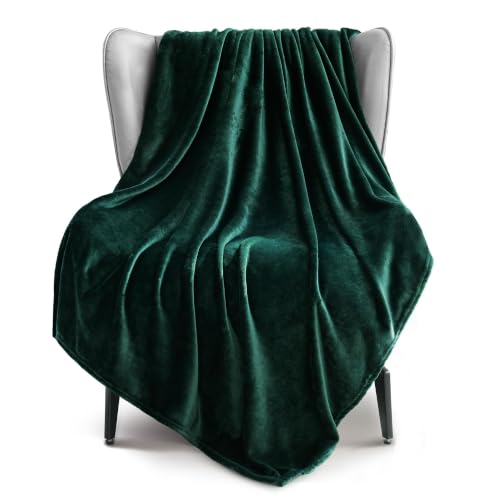
The Exclusivo Mezcla Soft Large Fleece Throw Blanket for Couch is the fleet blanket: smooth flannel fleece on both sides, reinforced stitching, fade resistance, and a light build that washes in a full load and dries before the day ends. Folded, it fits cubbies; opened, its seventy-inch length covers a cot and a growing preschooler with room to tuck. For centers buying multiples and parents buying one labeled personal blanket alike, it balances every daycare demand at once.
Strengths
- Survives frequent washing without pilling or shedding drama.
- Light and compact in cubbies, laundry, and storage.
- Smooth both sides; no pile to trap crumbs and craft debris.
Trade-offs
- Long for the smallest toddlers; fold to the child’s size.
- Forest green only in this listing, which aids or limits color-coding plans.
- Light warmth for cold nap rooms without layering.
| Color | Forest Green |
| Size | Throw XL (50″ x 70″) |
| Dimensions | 70 x 50 x 0.04 inches |
| Weight | 1.55 pounds |
Label it on a smooth corner with a sewn or iron-on name label where your center allows, and the anti-static finish will earn appreciation on dry winter days when fleece normally crackles against cot sheets. Its color forgives the evidence of lunches and art projects between washes, and its sameness across multiples means no child feels theirs is the lesser blanket — a small equity that experienced providers engineer deliberately. Choose it as the standard issue. Skip it only where your regulations specify particular bedding types that this does not meet.
Best for: Center fleets and labeled personal blankets / Not suited for: Settings with conflicting bedding regulations
Choose it for washable durability; skip it where rules dictate otherwise. Check on Amazon

Bedsure Fleece Bed Blankets Queen Size Grey
Our badge: Best for Cot Coverage
The Bedsure Fleece Bed Blankets Queen Size Grey enters this guide for its fabric, with a sizing caveat stated openly: as sold it is a queen bed blanket, far larger than a cot. Centers with the staff capacity to fold generously — creating a double-layer nap blanket for cold rooms — or home providers who cut and hem blankets to size with proper finishing may value its even fleece, shed resistance, and wash tolerance. If neither describes you, treat it as the home and family pick and choose the lead throw for the center.
Strengths
- Proven washable fleece with neat, durable stitching.
- Double-layer folding gives cold rooms extra warmth from one piece.
- Grey hides wear between washes in busy settings.
Trade-offs
- Oversized as sold; requires folding discipline or alteration.
- Too bulky for small cubbies when assigned per child.
- Doubled fleece can overheat warm nap rooms.
| Color | Grey |
| Size | Queen (90″ X 90″) |
| Dimensions | 94.48818888 x 86.61417314 x 0.0399999999592 inches |
| Weight | 3.19 pounds |
Used thoughtfully — as the cold-room cot layer in a small home daycare, folded with the child’s name label on the exposed corner — its generosity becomes warmth and its washability carries the hygiene load. Used carelessly, loose oversized fabric is exactly what safe nap practice avoids, so follow your setting’s rules on blanket size and supervision strictly. Choose it for managed, cold-room coverage. Skip it for standard cubby fleets.
Best for: Small home daycares needing warm cot layers / Not suited for: Standard cubby fleets or unsupervised oversizing
Choose it with a folding plan; skip it without one. Check on Amazon
Woolino Toddler Blanket
Our badge: Best Premium
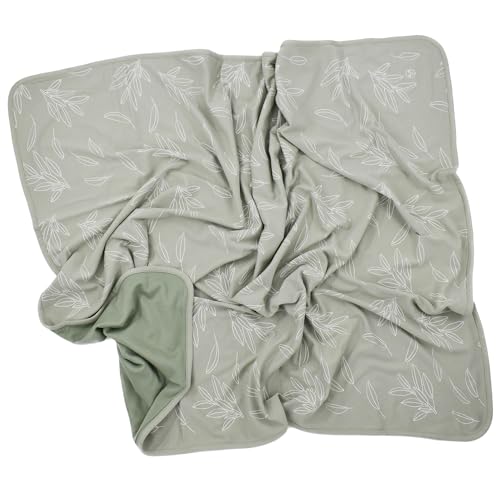
The Woolino Toddler Blanket is the family-choice premium: merino wool lining for temperature regulation through nap-room swings, an organic cotton outer for gentle skin contact, and a true toddler size that needs no folding engineering. It suits parents who supply their child’s personal blanket and prioritize natural fibers, and small settings whose laundry can honor gentler care.
Strengths
- True toddler dimensions, ready for cots without alteration.
- Merino steadies warmth in rooms that heat and cool unevenly.
- Silky, simple surface with nothing loose or detachable.
Trade-offs
- Gentler washing than fleet fleece; not for harsh bulk cycles.
- Premium positioning for a single child’s blanket.
- Natural fibers need fully dry storage between uses.
| Color | Sage |
| Size | 40 inch |
Send it with a clear name label and a spare fleece at the center for the inevitable day it goes home in the wash, because a child attached to one blanket needs the routine protected. Its temperature regulation genuinely helps in older buildings where nap rooms drift warm and cold across a single afternoon. Choose it as the natural personal blanket. Skip it for center-owned bulk fleets.
Best for: Parent-supplied personal toddler blankets / Not suited for: Bulk fleet buying
Choose it for natural toddler comfort; skip it for fleet economics. Check on Amazon

Bedsure Cooling Cotton Waffle Blanket for Hot Sleepers
Our badge: Best for Warm Rooms
The Bedsure Cooling Cotton Waffle Blanket for Hot Sleepers serves warm nap rooms and summer programs where fleece makes children sweaty and restless. Its cotton and bamboo-derived rayon waffle breathes, wicks, and washes on a normal cotton rhythm. As sold it is queen size, so like the fleece above it belongs in settings that fold or allocate generously — or in family homes preparing a child’s rest blanket with fabric they trust — with the same honest sizing note.
Strengths
- Breathable cotton comfort for warm rooms and summer.
- Waffle texture gives children a pleasant, grippy feel.
- Cotton tolerates regular washing and complete drying.
Trade-offs
- Oversized as sold for standard cots.
- Ivory shows soil quickly in craft-heavy days.
- Light warmth when rooms cool down.
| Color | 01 – Ivory |
| Size | Queen (90″ X 90″) |
| Dimensions | 16.535433054 x 12.598425184 x 22.834645646 inches |
| Weight | 3.8 Pounds |
Cotton’s advantage in childcare is familiarity: staff know how it washes, parents know how it feels, and children who reject synthetic textures often accept it without negotiation. Keep its use seasonal or room-specific rather than forcing it through winter. Choose it for warm-room rest. Skip it for cold rooms and standard cubbies without a folding plan.
Best for: Warm nap rooms in managed settings / Not suited for: Cold rooms or unmanaged oversizing
Choose it for breathable summer rest; skip it for winter. Check on Amazon

Bedsure GentleSoft Sherpa Fleece Throw Blanket for Couch
Our badge: Best for Story Corner
The Bedsure GentleSoft Sherpa Fleece Throw Blanket for Couch is not a nap fleet blanket here; it is the staff-managed comfort piece for the reading corner, the calm-down space, and the child who needs a cozy lap layer while awake and supervised. Flannel on one side, sherpa on the other, it delivers the hug-like coziness that settles a room’s emotional temperature.
Strengths
- Deep cozy texture children actively seek out.
- Reversible for different comfort needs and seasons.
- Washable when its turn in the laundry comes.
Trade-offs
- Pile traps crumbs and debris; shake and wash diligently.
- Too warm for nap use in most rooms.
- Shared awake-use only; assign personal nap blankets separately.
| Color | 01 – Grey |
| Size | Throw (50″ X 60″) |
| Dimensions | 59.05511805 x 51.18110231 x 0.0399999999592 inches |
| Weight | 2.03 pounds |
Keep it in the corner, launder it on the setting’s schedule for shared soft items, and let it be the blanket of books and quiet moments rather than sleep. Children will love it precisely because it feels different from their nap blanket, and that distinction helps routines stay clear. Choose it for the comfort corner. Skip it for the cot fleet.
Best for: Reading and calm corners, supervised awake use / Not suited for: Nap fleets
Choose it for cozy corners; skip it for cots. Check on Amazon

Tache Cotton Patchwork Quilt Blanket
Our badge: Best for Home Daycare
The Tache Cotton Patchwork Quilt Blanket suits the smallest, gentlest settings: a home daycare with a handful of children, laundry done in a household machine, and a premium on a homelike feel. Its cotton patchwork and vermicelli quilting breathe, drape flat on cots, and bring color and story to a rest space.
Strengths
- Breathable cotton with flat, cot-friendly drape.
- Throw size needs little folding for preschool cots.
- Handmade character makes rest feel homelike.
Trade-offs
- Delicate-cycle care will not survive harsh fleet laundry.
- Light warmth for cold rooms.
- Busy pattern shows some soils and hides others unpredictably.
| Color | Burgundy |
| Size | 50×60 |
| Dimensions | 59.9999999388 x 49.999999949 x 0.01181102361 inches |
Wash it cold on delicate with gentle detergent, dry low or air dry, and it will serve a small setting beautifully for a long season. It is the blanket grandparents picture, and in the right setting that warmth of association is a genuine asset at drop-off and rest time alike. Choose it for home daycare charm. Skip it for centers with industrial laundry.
Best for: Home daycares and gentle laundry / Not suited for: Industrial fleet washing
Choose it for homelike rest; skip it for bulk cycles. Check on Amazon
For a daycare buyer, this table is really a laundry forecast. Each row predicts loads per week, drying time, how a blanket behaves at small cot scale, and how gracefully it tolerates being labeled, bleached by accident, and washed by different staff on different days. The toddler-specific pick suits individual or premium settings; the fleece picks suit fleets. If a blanket’s row makes your laundry volunteer wince, believe the wince — in daycare, the washable blanket is the good blanket, whatever its showroom softness.
Substitutes, new staff, and volunteers are the stress test of any daycare blanket system, because a system that lives in one teacher’s head fails on their first sick day. Make the blanket routine visible: labels that can be read at arm’s length, storage that explains itself, a one-page posted routine covering issue, collection, washing, spares, and the illness step. When the routine is physical and written rather than remembered, a substitute can run nap time without improvising hygiene, and children experience the same calm sequence regardless of which adult is present — consistency that matters to them far more than to the roster. Review the posted routine whenever regulations, machines, or enrollment change, and treat every new staff member’s fresh-eyed questions about it as free auditing.
Sustainability and budget meet in the fleet decision too. A standardized fleet of durable fleece blankets, replaced individually as units retire, generates far less waste and spending chaos than seasonal assortments bought on sale and discarded in mixed condition. Keep a simple asset count — blankets by room, condition, and purchase batch — so replacement is a planned line item rather than a crisis purchase at whatever the nearest shop stocks. When blankets retire from nap duty in sound condition, some centers demote them to spare, outdoor, or dramatic-play duty with a clear label change, extending value without confusing the hygiene fleet. The thread through all of it is the same: in daycare, blankets are infrastructure, and infrastructure rewards planning, standardization, and written habits over charm.
Comparison Table
| Pick | Size | Weight | Color | Check price on Amazon |
|---|---|---|---|---|
| Exclusivo Mezcla Soft Large Fleece Throw Blanket for Couch | Throw XL (50″ x 70″) | 1.55 pounds | Forest Green | Check price on Amazon |
| Bedsure Fleece Bed Blankets Queen Size Grey | Queen (90″ X 90″) | 3.19 pounds | Grey | Check price on Amazon |
| Woolino Toddler Blanket | 40 inch | — | Sage | Check price on Amazon |
| Bedsure Cooling Cotton Waffle Blanket for Hot Sleepers | Queen (90″ X 90″) | 3.8 Pounds | 01 – Ivory | Check price on Amazon |
| Bedsure GentleSoft Sherpa Fleece Throw Blanket for Couch | Throw (50″ X 60″) | 2.03 pounds | 01 – Grey | Check price on Amazon |
| Tache Cotton Patchwork Quilt Blanket | 50×60 | — | Burgundy | Check price on Amazon |
How to Choose Blankets a Daycare Can Actually Run
Start with your regulations, not a catalog
Confirm what your licensing requires and forbids for each age group — blanket use, size, laundering frequency, and personal versus shared items — before any purchase. Safe-sleep guidance for infants generally excludes loose blankets entirely; no product choice overrides that. Document your bedding policy for families so expectations are set before the first nap.
Optimize for the laundry you have
Count loads, machine capacity, and drying turnaround honestly. A blanket that dries in one cycle keeps the rotation alive; a blanket that needs a second cycle or a day of air drying will quietly become the dirty spare. Fleet fleece wins most real laundry rooms, which is why it leads this guide.
Size and storage are logistics
Measure cots and cubbies. Blankets should cover the child appropriately without excess loose fabric, fold into their storage in seconds, and stack in laundry loads efficiently. Oversized pieces belong only where staff routines genuinely manage them.
Label, duplicate, and spare
Every blanket gets a durable name label in a consistent position. Every child or cot gets a clean spare path for illness and accident days. Identical multiples prevent status contests among children and simplify replacement when a blanket finally wears out.
Write the blanket spec into your parent handbook
Centers that supply blankets and centers that ask families to supply them both suffer when expectations live only in conversation. Put the spec in writing: permitted sizes that fit your cots and cubbies, fabrics that survive your laundry, what is not allowed — oversized bedding, loose embellishments, items that cannot be washed frequently — and the sending-home rhythm for washing when families launder. A one-paragraph spec prevents the September influx of beautiful, unusable blankets that staff must quietly retire, and it protects families from buying twice. When your regulations or licensing guidance set specific requirements, those always govern; this guide’s role is to help you choose washable, durable, honestly sized blankets within whatever your rules require, and to flag that infant sleep arrangements follow safe-sleep guidance from your licensing and health authorities, not bedding marketing.
Cost the fleet honestly, including staff time
The purchase price of a daycare blanket is the smallest part of its cost. The real ledger is laundry loads per week, drying capacity, staff minutes spent sorting, labeling, matching, and replacing, and the disruption when too few spares exist during an illness outbreak. A fleet of identical, quick-drying fleece blankets in two colors — one per classroom or age group — routinely costs less to run than a cheaper assortment of mixed fabrics that each demand different handling. Count loads before you buy: if your machines can turn the full fleet around within your hygiene schedule with spares left over, the spec works; if not, simplify the fleet until it does. Directors who do this arithmetic once stop having blanket emergencies every winter.
How Often Should Daycare Blankets Be Washed?
Follow your regulations first; common practice in group care is frequent scheduled laundering — often weekly at minimum for personal nap blankets, immediately after illness, soiling, or lice or contagion protocols in your setting, with many centers sending blankets home on a fixed day for family washing and requiring their clean return. Whatever the division of labor, write it down, communicate it, and keep spare sets so no child naps without a clean blanket because a load is late. Wash with adequate water and detergent for the soil level childcare produces, dry completely before storage or reuse, and store clean blankets in closed, per-child or per-cot places rather than communal piles.
Inspect blankets monthly for thinning, seam failure, pilling that traps debris, and labels that have washed illegible. Retire worn blankets to non-child uses without sentimentality; in group care, a blanket’s hygiene life matters more than its emotional one, and children transfer attachment to a fresh identical blanket faster than adults expect when the routine around it stays the same.
Problem: Blankets come back late from family washing — Keep center-owned spares in the fleet fabric, communicate the return day in writing, and design the system so one late blanket never leaves a child uncovered.
Problem: Nap room runs hot and children kick blankets off — Switch that room or season to the breathable cotton option, lighten clothing layers per your policies, and treat room temperature as part of the bedding system.
Problem: A child is attached to one special blanket — Honor it with a duplicate at the center if the family agrees, label both identically, and rotate them so wash day never means loss day.
Problem: Laundry bottleneck on illness days — Hold a sealed spare set per room, launder soiled items immediately and separately per your protocols, and review whether fleet fabric choices are slowing drying.
Personal Blankets Versus Center Fleets
Personal blankets carry home comfort into the center and give families agency over fibers — the Woolino exists for those families — but they multiply variety, laundry uncertainty, and loss disputes. Center fleets guarantee sameness, known wash history, and instant spares, at the cost of institutional feel. Many strong settings hybridize: fleet blankets for naps, personal comfort items for cubbies and calm corners, each labeled and each washed on a known schedule. Choose the model your staffing and regulations can run flawlessly, because a modest system executed perfectly beats an ambitious one executed sometimes.
Blankets Across the Daycare Day
Think beyond nap. Arrival blankets in cubbies ease separation, story-corner throws structure group calm, outdoor blankets extend the classroom on grass for reading and picnics where rules allow, and rest blankets close the day for aftercare children. Assigning each role its own textile — with the washable fleece doing most jobs — keeps nap hygiene sacred and lets comfort appear everywhere else without borrowing from the cot. That role separation is the same discipline homes use in Best Blankets For Cancer Patients and other sensitive settings: dedicated pieces, known histories, no casual swapping.
Nap time is the blanket’s public performance, and small operational details decide whether it runs calmly. Blankets should come out in the same order children settle, be stored within staff reach of the cots rather than across the room, and be light enough for older toddlers to help carry — participation in the routine settles children and teaches care for shared things. A blanket that is too large drags on floors between cubby and cot, collecting exactly what hygiene routines exist to avoid; too small, and children kick free and wake cold and upset. After nap, a two-minute shake-and-fold check catches the day’s accidents early, while they are still one load rather than a smell discovered on Friday. Centers that choreograph these small moves find blanket logistics disappear from their problem list, which is the highest praise a daycare system can earn.
Communication with families closes the loop. Tell parents plainly how often blankets are washed, what happens after illness, and when a blanket will be sent home or retired, and ask families to report skin sensitivities or laundry-product concerns so staff can accommodate within policy. When a child’s own blanket from home is part of their comfort routine, agree how it will be labeled, stored, washed, and what the backup plan is on the day it is forgotten — a center spare that the child has met before, on a calm day, works far better than a stranger blanket introduced mid-tears. None of this requires premium products. It requires washable blankets, honest sizing, duplicates, and written habits — the unglamorous system that lets the soft part of daycare, the rest itself, actually happen.
Outdoor and transitional uses sneak into a daycare blanket’s life and should be planned rather than discovered. Blankets that go outside for story time on the grass, picnics, or emergency evacuations in cold weather live a harder life than nap-only blankets, and mixing the two populations silently upgrades outdoor dirt into the nap fleet. Keep a small, clearly marked outdoor set — older fleet blankets demoted with a label change are perfect — so nap hygiene never depends on where a blanket spent the morning. Evacuation planning deserves its own line: in cold climates, a grabbable stack of real blankets near the exit is part of keeping children warm during drills and genuine alarms alike, and those blankets should be counted in the fleet, washed after use, and never quietly absorbed into nap rotation without laundering.
Finally, document decisions while they are cheap. When a blanket model is chosen, record why — cot size, machine capacity, drying time, regulation check — in the same file as the purchase. Directors change, memories fade, and the next buyer, facing a sale on a different model, deserves to know which constraints were real. That one paragraph of institutional memory prevents the most expensive daycare pattern of all: relearning the same laundry lesson every two years at full price, with the children napping under the evidence.
Parent-supplied comfort items beyond blankets — a small pillow where permitted, a sleep-safe lovey for older toddlers under your policy — should be governed by the same written spec and the same hygiene rhythm, or they become the unregulated gap in an otherwise careful system. State plainly what may come in, how it will be labeled and stored, how often it travels home for washing, and what happens when it is forgotten; then hold the line kindly and uniformly, because exceptions granted unevenly are what turn a policy into a grievance. Centers that publish the whole sleep-kit spec together find that families pack better, children settle faster, and staff stop improvising judgments at the cubbies every September.
Budget season is the moment to defend the fleet with data. Bring the count: blankets in service, average lifespan under your laundry, cost per child per year of the standardized fleet versus the mixed assortment it replaced, and the staff minutes saved by identical units. Directors and boards fund what they can see, and a blanket fleet presented as infrastructure — with a replacement rhythm and a hygiene rationale — survives budget rounds that a request for soft furnishings does not. That framing is honest: in a daycare, rest is care, and the blankets are how rest happens.
Inspections and licensing visits go better when the blanket system can explain itself. An inspector who sees identical, labeled, sound blankets in closed or orderly storage, a posted washing routine, and spares that demonstrably exist is looking at a center that runs its hygiene rather than performing it. Keep the purchase records and the fleet count with the routine, note retirements when they happen, and make sure any staff member can walk a visitor through the system in one minute. That readiness is not theater — it is the same written, physical clarity that protects children on the days nobody is watching, which is the only standard worth building to.
When in doubt at any decision point in this category, choose the option your busiest, most understaffed day can still execute. A daycare’s worst day — two staff out, an illness cluster, the dryer down — is the day its systems are actually for. Blankets that survive that day in the plan will serve beautifully on all the ordinary ones, and nap time will keep its calm, which is the sound of a center whose softest infrastructure was chosen hardest-headedly.
New centers and home daycares setting up from zero should buy the fleet before the furniture is finished being argued about, because nap infrastructure is not a finishing touch — enrollment, licensing, and daily calm all presume it. Start with the written spec, order identical units plus the spare margin in a single batch so dye and model match, label everything on arrival day while the task is fresh, and run one full laundry rehearsal before the first child naps: issue, collect, wash, dry, restore. A rehearsal exposes the cubby that’s too small and the load that’s too big while the stakes are still zero. Centers that rehearse open calmly; centers that improvise their blanket system live learn it in public, at nap time, in front of twenty tired toddlers — the least forgiving classroom there is.
Keep a small celebration in the system, too: the blanket that survives its hundredth wash, the fleet that comes through an illness season with spares to spare, the substitute who runs nap time flawlessly from the posted routine. Naming those wins in a staff meeting costs nothing and teaches everyone what the system is for. Daycare work runs on a thousand invisible competencies, and blanket logistics — humble, washable, perfectly labeled — is one of the most honest of them, because its success is measured in the deepest currency a center has: children, resting, in a calm room, every single afternoon.
That calm is the return on every unglamorous decision in this guide. Choose for it deliberately, write it down, wash it on rhythm, and let the blankets disappear into the background of a well-run day — which is where, in daycare, all the best infrastructure lives.
Print the spec, post the routine, label the fleet, and rehearse the laundry once before it matters. Four small acts of administration, performed a single time, are what stand between a center and a decade of calm nap times — and between its children and the rest they came for.
Do it before the next enrollment wave arrives, while the choice is still yours to make calmly, carefully, and once.
Common Buying Mistakes
Buying cute instead of washable
Appliqués, ties, and delicate trims fail group care. Simple, smooth, sewn construction is the aesthetic that survives.
Ignoring cubby and load dimensions
A blanket that does not fit storage or forces half-empty loads taxes staff daily. Measure the whole system before ordering multiples.
Mixing many different blankets in a fleet
Variety creates favorites, disputes, and uneven wear. Identical multiples are a kindness disguised as uniformity.
Forgetting the spare and illness protocol
The system is tested on the worst day, not the average one. Spares, sealed storage, and a written soiled-item routine are part of the purchase.
Assuming home guidance overrides center rules
Licensing and safe-sleep rules govern the setting. Families and providers should align expectations in writing before blankets arrive.
Rest Time Is a Curriculum, and Blankets Are Part of It
It is easy to treat daycare blankets as pure logistics, but staff who watch closely know rest time teaches: children learn to settle their own bodies, to respect a neighbor’s quiet, to care for a shared object, and to move through a routine in sequence. The blanket is the prop for all of it. A blanket a toddler can carry, spread, and fold — approximately, joyfully — builds independence that a blanket requiring adult wrestling cannot. A consistent blanket, the same texture and color meeting the child each day, becomes part of the felt safety that lets a young nervous system actually rest in a room full of other children; this is one more reason fleets beat assortments, and why a child’s attachment to one particular blanket should be accommodated within hygiene rules rather than managed away. When a blanket is lost or retired, telling the child and offering the replacement on a calm day, not mid-nap-crisis, respects how much these objects carry. Directors choosing blankets are, in a small but real way, choosing the texture of every afternoon in their center — which is why the washable, durable, honestly sized picks in this guide, including personal options like those discussed for Best Blankets For Cancer Patients in sensitive-care contexts, deserve a decision made with both the laundry room and the nap room in mind.
Close the loop with a twice-yearly fleet review. Count what you own against enrollment, retire what thinning and repeated washing have made rough — a scratchy blanket at nap time is a behavior problem manufactured by procurement — and replace in identical units so the fleet stays a fleet. Check labels are still legible, spares still exist, and the written spec still matches your regulations and your machines. That hour, twice a year, is the entire secret: daycare blanket systems do not fail dramatically, they drift, and a scheduled review is what catches drift while it is still cheap.
Final Recommendation
Standardize on the Exclusivo Mezcla Soft Large Fleece Throw Blanket for Couch for the fleet — labeled, duplicated, and washed on schedule — and keep the cozy corner runner-up ready for story time — Check on Amazon for the sherpa throw’s current options. Families choosing natural fibers should send the Woolino with a fleece spare, and every setting should let its own regulations have the final word.
Frequently Asked Questions
How should a center handle a blanket after a child is ill?
Bag the blanket at the cot without shaking it through the room, launder it separately and completely according to your center’s hygiene policy, and give the child a clean spare from the labeled fleet on return. Record what was done if your licensing or health guidance requires it. The system works only if spares genuinely exist and staff know where they live — an illness protocol that depends on a parent bringing a replacement the same morning is a protocol that fails on the busiest, germiest days.
Can families send blankets from home?
Many centers allow it, and it can comfort children enormously, provided the blanket meets the written spec: cot-appropriate size, fully washable in the center’s or family’s routine, labeled, and free of loose parts. Agree in advance who washes it, how often it travels home, and what the child uses when it is forgotten or in the wash. Centers should confirm their own licensing requirements first, since rules on personal bedding vary, and infant arrangements must always follow safe-sleep guidance from the relevant authorities.
What blanket size works for daycare cots?
Choose blankets that cover the child appropriately for their cot or mat without large amounts of loose excess, per your setting’s rules. True toddler sizes need no management; larger blankets belong only where folding routines are explicit and supervised.
How many blankets should a center own per child?
At minimum, a working blanket plus a clean spare path for every child — through duplicates, spares, or a reliable family-wash return system — so illness or a late load never leaves a child without one.
What should happen to blankets over weekends and holidays?
Use closures as the fleet’s deep-clean window: full washes, label and seam inspections, and retirement decisions are far easier with no nap schedule pressing. Blankets stored over a long break should be stored clean, dry, and in closed containers, then aired or rewashed per your policy before children return. A short written closure checklist — wash, inspect, count, store — prevents the first-week-back scramble and the discovery, mid-January, that the spare fleet quietly ceased to exist in December.
Which fabric survives daycare laundry best?
Smooth polyester fleece is the fleet standard for a reason: it washes frequently, dries fast and completely, resists stains, and stays soft without special handling. Cotton serves warm rooms; natural premium fibers serve personal, gentler systems.
Can babies use these blankets at daycare?
Safe-sleep guidance for infants generally excludes loose blankets in sleep spaces. Follow your licensing rules and pediatric guidance for each age group exactly, and use blankets only where and how your setting’s policies allow.
How should blankets be labeled?
Use durable name labels in a consistent, visible position — sewn or quality iron-on where allowed — and re-check legibility monthly. Consistent placement speeds up distribution after laundry enormously.
When should a daycare blanket be retired?
When seams fail, fabric thins or pills heavily, odors persist after proper washing, or labels cannot be kept legible. Retire promptly and replace with the identical fleet blanket to preserve routine.


