Disclosure: As an Amazon Associate, dailyhomedecorating.com earns from qualifying purchases. Links to Amazon on this page are affiliate links; they cost you nothing extra. Prices and availability change often, so check the current Amazon listing before you buy.
If you are hunting for the best mattresses topper for back pain, you are probably trying to rescue a bed you already own: it is too firm, it presses at your shoulders and hips, and your back pays for it every morning. A topper is the classic fix because it changes the surface you actually touch without the cost and upheaval of a new mattress. But honesty matters here, because a topper can only do half the job. It can add pressure relief and a little cushion; it cannot repair a sagging support core, and it follows every dip in the bed beneath it. This guide is built around that truth.
So instead of pretending a foam pad is magic, we have selected six mattresses whose comfort layers deliver exactly what back-pain shoppers ask a topper for — contouring pressure relief over support that stays level — so you can see what the “fixed” version of your bed should feel like, and judge whether your current mattress deserves a topper or a replacement. If the underlying bed is sound and merely too firm, topping works and we explain how to choose below. If it sags, start with our main guide to Best Mattresses For Back Pain and treat this page as your specification sheet for what good feels like. Shoppers whose pain sits in one band should also read Best Mattresses For Lower Back Pain.
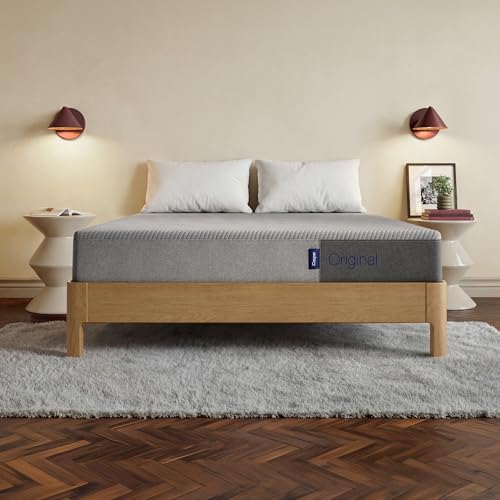
Where to Buy
Every pick in this guide is sold on Amazon, where you can check the current price, sizes, and trial terms on the listing. Start with our top pick, the Casper Sleep Original 11″ Memory Foam Queen Mattress — Check on Amazon. The other five picks are the Zinus 12 Inch Green Tea Memory Foam Mattress — Check on Amazon; the Lucid 10 Inch Gel Memory Foam Mattress — Check on Amazon; the Novilla Bliss Queen Size Mattress — Check on Amazon; the Leesa Original 10″ Memory Foam Mattress — Check on Amazon; and the Nectar 12” Memory Foam Mattress — Check on Amazon. Prices shift with promotions, so confirm the current figure on the listing itself.
In this guide
Quick Picks
| Pick | Badge | Why it earns its place |
|---|---|---|
| Casper Sleep Original 11″ Memory Foam Queen Mattress | Best Overall | Zoned Support shows what a topper cannot do alone: softer at the shoulders, firmer under the hips and lower back |
| Zinus 12 Inch Queen Green Tea Memory Foam Mattress | Best Budget | Zoned pressure relief and a full 12-inch profile for shoppers weighing topper money against replacement money |
| Lucid 10 Inch Gel Memory Foam Mattress | Best Cooling Comfort Layer | Three inches of gel foam over a transition layer — the closest built-in match to a quality gel topper’s job |
| Novilla Bliss Queen Size Mattress | Best for Pressure Relief | Gel memory foam contouring with reinforced edges for sleepers whose pain starts at pressure points |
| Leesa Original 10″ Memory Foam Mattress | Best Premium Foam Feel | Refined contouring and pressure relief aimed at lower back comfort, with a breathable signature cover |
| Nectar 12” Memory Foam Mattress | Best Firm Base Feel | Firm-leaning support under the contour — the reminder that relief layers need something solid beneath them |
Key Takeaways
- A topper fixes “too firm,” not “too saggy.” If your bed has a visible dip, no topper will level it.
- For back pain, choose a topper in the 2 to 3 inch range with real density; thin, soft pads bottom out at the hips.
- Pressure relief belongs on top and support belongs underneath — the six mattresses here integrate both in the right order.
- Zoned designs outperform uniform softness for backs, because hips and shoulders need opposite things.
- If your mattress is more than eight years old or sags more than an inch, replacement usually beats topping on cost per comfortable year.
- Give any change — topper or mattress — two to three weeks before judging the effect on your mornings.
How These Picks Were Chosen
We chose these six from a verified product pool with a topper shopper’s question in mind: what should the surface of a back-friendly bed actually do? Each pick had to demonstrate a distinct comfort-layer strategy — zoned foam, gel infusion, thick contouring layers, or a pillow-soft top over support — paired with a support core that keeps the spine level. We excluded thin, low-profile mattresses that cannot spare the inches for both jobs, and any product whose verified specifications we could not confirm. The result is less a ranking of mattresses than a set of six working demonstrations: read the reviews as a guide to which comfort-layer behavior your back is asking for, then decide whether to buy that behavior as a topper for a sound bed or as a whole new mattress.
Method honesty: this is a research-based guide built from manufacturer-verified specifications and documented features, not a sleep laboratory. Where a pick’s listing describes its layers, we use that description; where it does not, we say nothing rather than invent layer thicknesses. One more framing note for pillow-top curious readers: a built-in plush top is the factory version of the same idea, and our guide to Best Pillow Tops For Mattresses covers mattresses that ship with that cushioned surface already attached.
The 6 Best Best Mattresses Topper for Back Pain — Reviewed

Casper Sleep Original 11″ Memory Foam Queen Mattress
Our badge: Best Overall
The Casper Sleep Original leads this guide because its Zoned Support design makes the topper argument better than any topper can: foam that is firmer under the hips, waist, and lower back and softer at the shoulders. A uniform topper, however good, applies one feel everywhere. Casper varies the feel along the length of your body, which is precisely the distribution a sore back wants — lift where you are heaviest, give where you are boniest. The medium-firm overall character suits back sleepers and combination sleepers alike.
Strengths
- Zoned Support targets firmness to the hips and lower back while cushioning shoulders
- Breathable open-cell foam avoids the sealed, hot feel of basic memory foam toppers
- Strong motion isolation for couples, which a loose topper layer cannot match
Trade-offs
- It is a full mattress, so it costs more than topping a sound bed — buy it when the base bed is the problem
- Medium-firm may still feel soft to dedicated stomach sleepers
- Foam edges compress when sitting, as with most all-foam designs
| Color | Light Gray |
| Size | Queen |
| Dimensions | 80 x 60 x 11 inches |
Think of the Casper as the control experiment for your topper decision. If your current bed plus a good zoned topper could reproduce this — level hips, cushioned shoulders, a spine that rests straight — then topping is a rational buy. In practice, most worn mattresses cannot, because their support has already softened unevenly. Sleeping on the Casper itself, back sleepers notice the waist zone first: there is no gap under the lumbar curve and no hammock dip at the hips. Side sleepers get enough shoulder sink to keep the neck honest, provided the pillow loft is right.
The breathable Flex Foam matters for topper shoppers specifically, because the number one complaint about memory foam toppers is heat: a dense slab laid over a mattress traps warmth at the surface. Casper’s open-cell structure moves air through the foam, so the surface resets between position changes. The mattress is CertiPUR-US certified, lists a 100-night trial and 10-year limited warranty, and its foams are designed to resist the sinking and sagging that send people topper shopping in the first place.
Ownership is simple: protector from day one, rotate twice a year without flipping so the zones stay oriented, and a foundation that supports evenly. If you came here planning to spend topper money, the Casper asks the sharp question — is your old bed’s support worth saving? If not, this is what replacing it buys.
Couples should think about the Casper as the end of a familiar argument. Topper compromises in shared beds usually mean one partner’s side gets modified and the other’s does not, or a single king topper imposes one feel on two different backs. A zoned mattress applies its logic to both sleepers at once, and the foam construction keeps one partner’s turning from becoming the other’s wake-up call. For households where back comfort and partner peace both rank high, that integration is worth more than the sum of two half-fixes. The 100-night trial also de-risks the experiment: if the zoned approach does not suit your household’s backs after a fair few weeks, the listing’s return terms are your exit, which is more than can be said for most topper purchases once the packaging is in the trash.
Best for: shoppers whose old mattress support has failed and who want zoned comfort done properly / Not suited for: shoppers with a sound, merely firm mattress that only needs surface softening
Choose the Casper if your bed sags or feels uneven. Skip it if your mattress is young and supportive and you only want a softer surface. Check on Amazon

Zinus 12 Inch Queen Green Tea Memory Foam Mattress
Our badge: Best Budget
The Zinus 12 Inch Green Tea Memory Foam Mattress is the budget reality check in this guide. Its patented zoned pressure relief delivers targeted cushioning and support by sleep position, its medium-firm feel suits back sleepers, and its full 12-inch profile means the comfort and support layers both have real depth. When a quality topper costs a meaningful fraction of a whole new Zinus, the arithmetic of topping a tired bed gets hard to defend — which is exactly why this mattress belongs in a topper guide.
Strengths
- Zoned pressure relief at the most accessible tier in this guide
- Full 12-inch profile with a durable base foam for lasting shape
- Green tea and charcoal infusion keeps the sleep surface fresher between washes
Trade-offs
- New-foam smell can take 24 to 48 hours to dissipate after unboxing
- All-foam edges are soft for sitting
- Very warm sleepers may prefer a gel or hybrid design
| Color | White |
| Size | Queen |
| Dimensions | 80 x 60 x 12 inches |
| Weight | 62.3 pounds |
As a demonstration of topper principles, the Zinus shows why zoning beats uniform softness. A generic soft topper laid over a softening bed creates a marshmallow with a dip; the Zinus instead varies its response so hips are held and shoulders are cushioned. The breathable knitted cover keeps the surface from feeling sealed, and the base foam does the unglamorous work of staying level year after year. Foams are CertiPUR-US certified, the cover meets OEKO-TEX Standard 100, and the mattress is fiberglass free with a carbon rayon fire barrier — details budget shoppers increasingly, and rightly, check.
In a guest room or a first apartment, this is also the pragmatic answer to “the bed hurts my back” complaints: rather than stacking a topper on an unknown old mattress, a known medium-firm zoned bed resets the problem completely. Give it a rigid, even foundation; foam telegraphs any flex or wide slat gaps underneath, and a bad base will make a good mattress feel like a bad topper experiment.
Rotate it every few months, keep a protector on it, and expect the feel to hold for years of nightly use. For the shopper hovering between a topper and a replacement, the Zinus is the price point where replacement starts winning the argument.
Best for: budget shoppers deciding between topping a tired bed and replacing it outright / Not suited for: shoppers who only need to soften a young, supportive mattress
Choose the Zinus if your current bed is old, dipped, or uneven. Skip it if your mattress is sound and a surface layer is genuinely all you need. Check on Amazon

Lucid 10 Inch Gel Memory Foam Mattress
Our badge: Best Cooling Comfort Layer
The Lucid 10 Inch Gel Memory Foam Mattress earns its place because its construction reads like a topper specification done right: three inches of gel memory foam as the comfort layer, a 1.5-inch transition layer beneath it, and a 5.5-inch high-density base. That three-inch gel layer is the same thickness and job description as a quality gel topper — cushioning pressure points while drawing heat away — except here it is bonded over a transition layer that stops you sinking straight through to the base, the failure mode of toppers laid on soft beds.
Strengths
- Three inches of gel foam cushions pressure points and helps regulate temperature
- Bamboo charcoal layer absorbs moisture and supports a fresher surface
- Medium feel balances contour and support for back and combination sleepers
Trade-offs
- Ten-inch total profile leaves less depth than the 12-inch picks for heavier sleepers
- Medium feel may be too soft for strict stomach sleepers
- Cooling gel helps, but hot sleepers may still prefer coil airflow
| Color | White |
| Size | Queen |
| Dimensions | 79 x 59 x 10 inches |
| Weight | 57.9 pounds |
For the topper-curious, the Lucid teaches the most useful lesson in this guide: comfort layers work when something manages the transition. Sleepers bottom out on toppers because soft foam over a firm slab creates a cliff — plush, then suddenly hard. Lucid’s transition layer grades that change, so the hip settles progressively instead of landing. Back sleepers feel supported contour; side sleepers feel the shoulder ease in without the waist collapsing.
The cooling package is practical: gel infusion in the comfort foam plus bamboo charcoal for moisture and odor management. It is CertiPUR-US certified, made in the USA with global and US parts per the listing, backed by a 10-year limited warranty, and compatible with adjustable bases, platforms, and slatted frames without a box spring. Adjustable compatibility matters for back comfort experimentation — a slight knee lift changes lumbar tension noticeably.
At just under 58 pounds in queen, it is also one of the easier full mattresses here to set up and rotate, which counts for the very shoppers whose backs object to mattress wrestling.
Best for: warm sleepers who want a topper-style gel comfort layer with proper support beneath it / Not suited for: heavier sleepers who need a deeper, firmer support core
Choose the Lucid if heat and pressure points are your twin complaints. Skip it if you want maximum firmness or a tall profile. Check on Amazon

Novilla Bliss Queen Size Mattress
Our badge: Best for Pressure Relief
The Novilla Bliss Queen Size Mattress focuses on the pressure half of the back-pain equation. Its three-layer foam design uses NanoGel memory foam to contour the body, distribute weight evenly, and ease tension at the back and hips, while the support layers hold spinal alignment underneath. For sleepers whose pain starts as pressure — sore shoulders, aching hips, a lower back that tightens because the surface pushes back unevenly — this is the most pressure-obsessed design in the guide.
Strengths
- Gel memory foam contouring aimed at back and hip pressure relief
- Reinforced edge support keeps the full surface usable and stable
- Motion isolation across the triple-layer foam build suits couples
Trade-offs
- Full expansion can take up to 72 hours before the feel settles
- Plush-leaning contour is not for sleepers who want a firm, flat surface
- Foam build sleeps warmer than the hybrids in our wider pool
| Color | Bliss |
| Size | Queen (U.S. Standard) |
| Dimensions | 80 x 60 x 12 inches |
| Weight | 61.5 pounds |
Topper shoppers often describe their problem as “my bed feels hard,” and the Novilla is the reference for what fixing “hard” properly looks like: not a soft blanket of foam, but graded contouring that spreads load across the whole back so no single point takes the strain. The breathable knitted cover and gel infusion keep the surface comfortable for hot sleepers by foam standards, and the plant-infused fiber in the comfort foam helps with freshness. The mattress is CertiPUR-US certified and lists a 100-day trial and 10-year protection.
The reinforced edges deserve emphasis for this audience. People with sore backs sit on the bed edge constantly — dressing, stretching, standing up slowly — and Novilla’s edge support makes that moment stable rather than a slide toward the floor. It also means couples can use the full width of a queen without the perimeter feeling like a cliff.
If your current mattress is firm, flat, and young, a good gel topper can approximate part of this experience; if it is firm because it is old and compressed, the Novilla shows why replacement restores the graded feel a topper cannot rebuild.
Best for: pressure-point sleepers who find their current bed hard and unforgiving / Not suited for: firm-surface devotees and very hot sleepers
Choose the Novilla if pressure, not sagging, is your complaint and you want it solved in one purchase. Skip it if you love a firm, on-top feel. Check on Amazon
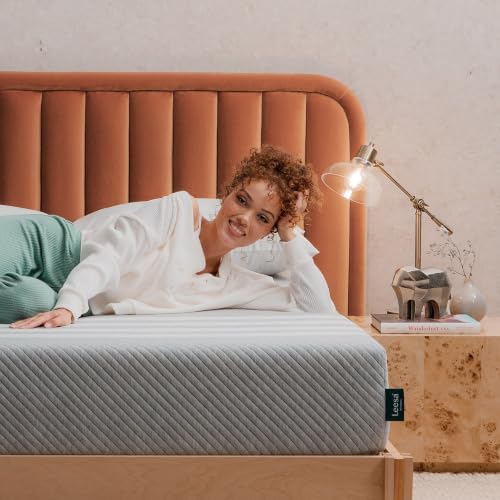
Leesa Original 10″ Memory Foam Mattress
Our badge: Best Premium Foam Feel
The Leesa Original 10″ Memory Foam Mattress represents the polished end of foam comfort: premium all-foam construction designed for cooling, contouring, and pressure relief, with targeted support intended to reduce lower back discomfort. Where budget foam can feel like a single slab, the Leesa’s layering produces a more refined gradient — the surface welcomes you, the support arrives progressively, and the overall impression is of a bed tuned rather than merely stacked.
Strengths
- Premium foam layering for contouring and targeted pressure relief
- Designed for all sleep positions, suiting households with mixed habits
- Breathable signature twill cover with a clean, tailored finish
Trade-offs
- Ten-inch profile is slimmer than the 12-inch picks here
- Premium positioning means it costs more than the budget foam options
- All-foam motion and heat behavior still apply, even in refined form
| Color | Grey |
| Size | Queen |
| Dimensions | 80 x 60 x 10 inches |
| Weight | 71 pounds |
For topper shoppers, the Leesa clarifies what money buys in foam: not more softness, but better gradation. Cheap toppers feel uniformly squishy; premium foam stacks vary density so the first inch is gentle, the next supportive, and the base unyielding. That gradation is what lets a back rest instead of either perching on a hard surface or sinking into a soft one. The Leesa is assembled in the USA, CertiPUR-US certified, and the company donates a mattress to nonprofits for every ten sold, a detail many buyers appreciate.
All-position design makes it the household compromise pick: a back sleeper and a side sleeper sharing a queen both get a workable surface, which cannot be said of the firmest or softest beds in this guide. The grey twill cover breathes decently for foam and looks finished enough to skip a cover in a pinch, though a protector remains wise.
At 71 pounds it is a substantial queen; enlist help for setup and rotations. Pair it with a flat, rigid foundation to protect the support layers you are paying for.
Best for: shoppers who want the refined, graded feel that cheap toppers imitate / Not suited for: bargain hunters and sleepers wanting a tall 12-inch-plus profile
Choose the Leesa if feel quality is the priority and the budget allows. Skip it if the Zinus covers your needs at a friendlier tier. Check on Amazon

Nectar 12” Memory Foam Mattress
Our badge: Best Firm Base Feel
The Nectar 12” Memory Foam Mattress closes this guide as the counterweight: a firm-leaning mattress whose contouring memory foam relieves pressure at the hips and back while its adaptive support layer promotes spinal alignment. It demonstrates the principle topper shoppers most often get backwards — relief layers only work when the base beneath them refuses to sag. Nectar’s build puts a cooling, contouring top over a support system that holds its line, which is why it also leads our main back-pain rankings.
Strengths
- Firm-leaning support keeps hips level through the night
- Contouring foam fills the lumbar curve instead of leaving a gap
- Cooling top layer tempers the warmth of dense memory foam
Trade-offs
- Too firm for lightweight side sleepers seeking deep shoulder sink
- Slow foam response makes position changes deliberate
- Seventy-eight pounds in queen needs two people to move
| Color | White |
| Size | Queen |
| Dimensions | 80 x 60 x 12 inches |
| Weight | 78 pounds |
If your topper research began because your bed feels like a hammock, the Nectar is your answer in mattress form: the surface cradles, the base refuses. Back and stomach sleepers feel the benefit most directly, waking without the compressed, folded sensation a sagging bed produces. The listing describes a one-year trial and forever warranty, the longest commitment in this guide, which suits a purchase meant to end a long search.
Setup is standard bed-in-a-box: unroll in the bedroom, allow a full day to expand, and judge after the foam reaches full height. The cooling fabric on top keeps the surface fresher than legacy memory foam, though committed hot sleepers should still compare the hybrid options in our wider guides.
Rotate head-to-foot seasonally, protect it from day one, and the dense 12-inch build should hold its alignment-friendly character for years — the durability a topper on a dying bed can never offer.
Best for: back and stomach sleepers whose current bed sags and who want firm support with contour / Not suited for: plush-seeking side sleepers
Choose the Nectar if sagging is the disease, not hardness. Skip it if your bed is sound and only the surface needs softening. Check on Amazon
Comparison Table
| Pick | Comfort-layer strategy | Feel | Size listed | Profile | Check price on Amazon |
|---|---|---|---|---|---|
| Casper Sleep Original | Zoned foam | Medium-firm | Queen | 11 inches | Check price on Amazon |
| Zinus Green Tea | Zoned pressure relief | Medium-firm | Queen | 12 inches | Check price on Amazon |
| Lucid Gel Memory Foam | 3-inch gel foam + transition | Medium | Queen | 10 inches | Check price on Amazon |
| Novilla Bliss | Gel contouring, 3-layer | Medium | Queen | 12 inches | Check price on Amazon |
| Leesa Original | Premium graded foam | Medium | Queen | 10 inches | Check price on Amazon |
| Nectar Memory Foam | Contour foam over firm support | Firm-leaning | Queen | 12 inches | Check price on Amazon |
How to Choose the Best Mattress Topper Approach for Back Pain
Diagnose your bed before you shop
Lie on your back and have someone check the line of your spine, or use the string test: a level surface keeps hips and shoulders in line. Run a hand along the mattress with nobody on it — visible dips, lumps, or a soft trench where you sleep mean the support core has failed, and no topper repairs that. A flat, firm, merely uncomfortable bed is the topper candidate. This single diagnosis saves more money than any product choice in this guide.
Pick thickness and density with your hips in mind
For back pain, two to three inches is the working range. Under two inches, the layer is upholstery, not engineering; over three, soft foam can let hips sink too far and recreate the hammock you are escaping. Density matters as much as thickness: a denser foam supports while it cushions, while airy foam collapses at the hip by midnight. If you are buying the integrated version instead, the Lucid’s three-inch gel layer over a transition foam shows the same math built in.
Match the topper strategy to your pain pattern
Pressure-driven ache — sore shoulders, hips, a back that tightens against a hard surface — wants contouring memory foam or gel foam. Alignment-driven ache — waking folded, stiff, and compressed — wants firmer support, which usually means mattress replacement with a design like the Nectar or a zoned Casper rather than another soft layer. Heat-driven restlessness wants gel infusion, breathable covers, or a hybrid’s airflow.
Secure it properly or do not bother
A topper that migrates turns your bed into a nightly rearrangement project and can bunch into ridges that irritate a back more than the original surface did. Use a fitted protector or sheet with deep pockets over both topper and mattress, confirm the combined height still fits your bedding, and check that your fitted sheets are rated for the new total depth. Households refreshing the whole sleep setup at once often time purchases with events like Black Friday Bedding Deals 2026 and add living-room comfort pieces such as Best Throw Pillows Under $500 in the same order.
Do not forget the pillow half of the equation
Back-pain shoppers routinely spend hours on the surface question and none on the pillow, then wonder why the improvement stalls. Your pillow sets the angle of your neck and upper back, and a topper or mattress that raises or lowers your shoulder position changes the pillow loft you need. Side sleepers on a newly softened surface sink deeper at the shoulder and often need a slightly lower pillow than before; back sleepers on a firmer, more level bed may need a touch more neck fill. After any surface change, spend a few nights checking that your head is neither propped chin-to-chest nor dropped backward, and adjust pillow loft before blaming the mattress. It is the cheapest variable in the whole system and the one most often left set for the old bed.
Ask what the topper is made of, not how it is marketed
Topper listings are the mattress industry’s least regulated poetry: clouds, therapy, and orthopedics appear in product names with no standard behind any of them. The specifications that predict performance are material, thickness, and density. Memory foam contours and isolates; latex responds and ventilates; gel infusions moderate heat in either. Density, when stated, tells you how much material is actually in the slab — and therefore how long it will keep cushioning before it packs down at the hips. A topper that will not state its material plainly is telling you something. Apply the same skepticism you would to a mattress, because mechanically a topper is one: it is the top third of a mattress, sold separately, and it deserves the same questions about what is inside and how it ages.
One more practical filter: check the topper’s return terms before it arrives. Foam toppers are bulky to ship back, and some sellers make returns genuinely difficult. A topper you cannot return is a bet, not a trial — size your spending accordingly, and prefer the sellers and the whole-mattress alternatives in this guide whose trial terms let your back vote with data.
Budget honestly across the whole decision
Compare cost per comfortable year, not sticker price. A quality topper on a two-year-old mattress is smart money. The same topper on a nine-year-old sagging mattress is a down payment on disappointment, and the Zinus in this guide exists precisely at the tier where replacement becomes the rational spend.
How Do You Fit and Care for a Topper or New Mattress?
For a topper: unroll it and let it expand fully — memory foam toppers can take a day to reach full loft and lose their packaging smell. Center it carefully; even a half-inch offset creates an edge ridge. Cover topper and mattress together with a protector, then fit deep-pocket sheets. Every month or two, rotate the topper head-to-foot to even hip wear, and vacuum it with an upholstery tool when you change sheets. Spot-clean stains promptly and let any moisture dry completely before remaking the bed.
For a new mattress from this guide, follow the same expansion patience — up to 72 hours for some models — and judge feel only after full expansion. Run a two-week morning log: rate stiffness from one to ten each day. Trends, not single nights, tell you whether the change is working inside your trial window.
Problem: the topper slides every night — trap it under a fitted protector, add a non-slip pad between topper and mattress, and confirm your sheets are deep enough for the combined height.
Problem: the bed now feels too soft at the hips — the topper is too thick or too soft for your base; drop to a thinner, denser layer or accept that the base mattress itself needs replacing.
Problem: new-foam smell lingers — ventilate the room, run a fan across the surface, and give it 48 hours; certified foams’ odors dissipate rather than persist.
Problem: you sleep hotter than before — swap to breathable sheets, check the protector is not a plastic-style waterproof layer, and consider gel-infused options next time.
Problem: the dip is still there under the topper — that is the diagnosis confirming itself; the support core has failed and replacement, not another layer, is the fix.
When a Topper Works — and When It Is Money Down a Sag
Toppers shine in specific, common situations. A guest room bed that is firm and flat but unwelcoming. A dorm or rental mattress you cannot replace but must survive for a year. A relatively new mattress bought a shade too firm, where your shoulders and hips complain but your spine stays level. A couples’ compromise, where one side gets a twin-width topper to soften one sleeper’s surface without changing the other’s. In each case the base support is sound and only the surface story needs editing.
Toppers fail when the problem is structural: visible sagging, broken coils you can feel, foam that has softened into a body-shaped trench, or a bed older than its support lifespan. They also disappoint when buyers choose by softness alone, stacking plush on plush until the hips sink lower than ever. If your situation sounds structural, the mattresses in this guide — and occasional-use options like Best Mattresses For Sleeper Sofas for convertible guest beds — are the honest path.
There is also a middle path worth naming for renters and the commitment-shy: top the bed you have while you research the bed you want, using the topper as a diagnostic. If a dense two-inch layer dramatically improves your mornings, your problem was surface pressure and your next mattress should prioritize comfort-layer quality, like the Novilla or Leesa in this guide. If the topper helps barely at all, your problem is support, and your next mattress should prioritize architecture — zones, coils, and base density — like the Casper, Nectar, or the hybrids elsewhere in our pool. Either way, the experiment tells you what to buy next, and the topper can retire to the guest room afterward, where a merely firm bed is exactly what it fixes best. Few purchases in the mattress aisle give you information as well as comfort; a well-chosen topper on a questionable bed is one of them, provided you read its verdict honestly instead of hoping it will quietly become a new mattress.
Reading Firmness Claims Without Getting Fooled
Firmness labels are unstandardized across brands, and topper listings are the worst offenders: “orthopedic” and “therapeutic” are marketing words, not measurements. Shop by construction instead. For toppers, that means material (memory foam contours, latex responds, gel infusions moderate heat), thickness, and density where stated. For mattresses, it means support architecture: zones, coil systems, base density, and total profile. The six picks here were chosen because their listings describe a mechanism, not just an adjective. Cross-check any claim against the trial terms — a seller confident in back comfort lets you sleep on the decision for weeks, and that trial is worth more than any adjective on the box.
Before you finalize any topper-or-replace decision, run the base audit this guide keeps returning to, because it is where the money is saved or wasted. Strip the bed to the bare mattress. Press firmly at the hip zone and at the edges: a base that springs back evenly is a foundation worth topping; a base that stays dented, crackles with broken structure, or shows a visible valley in daylight has already given its verdict, and no comfort layer — however gel-infused, however zoned — will negotiate with it. Check the foundation beneath with the same honesty: a topper cannot correct slats that bow, and a surprising share of “mattress problems” at this decision point are actually foundation problems wearing the mattress’s name.
If the base passes, buy the topper logic embodied in this guide’s picks: a comfort layer with a named mechanism — gel for heat, zoning for the shoulder-hip differential, copper for a feel that firms under load — on top of support you have verified. Then give the combination the same three-week trial discipline you would give a new mattress, logging mornings and checking alignment in the mirror, because a topped bed is a new sleep system and deserves to be judged like one. Done in that order — audit, match the layer to the diagnosis, verify across weeks — the topper path stops being a gamble and becomes what it should be: the cheapest honest route back to comfortable sleep.
Common Buying Mistakes
Topping a sagging mattress
The topper follows the dip and your spine still sleeps in a valley. Diagnose first; replace when the core has failed.
Buying the softest topper available
Maximum plush lets hips sink deepest, which is the alignment problem in a new costume. Choose graded support over cloud marketing.
Ignoring combined height
A three-inch topper on a tall mattress defeats standard sheets and can raise the bed awkwardly for shorter sleepers or sore backs climbing in.
Judging in the first nights
Foam needs to expand and bodies need to adapt. Use the trial and a two-week morning log before concluding anything.
Skipping the protector
Toppers stain and absorb moisture faster than mattresses and are harder to clean. A protector over the whole stack is cheap insurance.
One scenario deserves a direct word before the verdict: the mattress that passes the base audit but hosts two sleepers with opposite complaints — one too firm, one too soft. A single topper cannot split its personality, but the household has options the audit makes visible: a firmer sleeper’s side can be firmed by the base itself while the softer side gains from the shared comfort layer, or the couple can accept the compromise layer and solve the residual difference with pillow and bedding adjustments on the firmer side. What the audit prevents is the worst outcome — topping a dying base for two people’s different pains and satisfying neither. Diagnose first, layer second, and let the base you verified carry the compromise.
Final Recommendation
Start with the diagnosis, not the product. If your mattress is sound and simply too firm, a two to three inch dense memory foam or gel topper, secured under a protector, is a legitimate and economical fix. If your bed sags, soften your stance on replacement: the Casper Sleep Original shows what zoned support done properly feels like and suits the widest range of back-pain shoppers, while the budget-minded should take the runner-up route — Check on Amazon for the Zinus Green Tea, whose zoned relief costs little more than a premium topper. Either way, give the change three honest weeks and let your mornings decide.
Frequently Asked Questions
How thick should a mattress topper be for back pain?
Two to three inches is the practical range. Thinner layers mostly change surface feel without relieving hip pressure; thicker soft layers risk letting the pelvis sink out of alignment. Density matters as much as thickness — a dense two-inch layer often outperforms a lofty three-inch one.
Can a topper fix a sagging mattress?
No. A topper conforms to whatever is beneath it, including dips. If your mattress has a visible valley or a soft trench where you sleep, the support core has failed and replacement is the real fix, as the picks in this guide demonstrate.
Is memory foam or gel foam better on top for back pain?
Memory foam contours most closely and relieves pressure best; gel-infused versions moderate the heat that plain memory foam traps. If you sleep warm, choose gel. If pressure points are the whole complaint and temperature is not, classic memory foam is fine.
Will a topper make my firm mattress too soft for my back?
It can if you overshoot. Choose the thinner, denser end of the range, and remember the goal is pressure relief with alignment intact — your hips should still sit level with your shoulders when lying on your back.
How long should I trial a topper or mattress before deciding?
Two to three weeks of nightly use, tracked by morning stiffness. Bodies adapt to new support patterns gradually, and first-night impressions mislead in both directions.
What if my back pain persists despite a better bed?
See a clinician. Pain that radiates, comes with numbness or weakness, follows an injury, or persists for weeks on a supportive bed needs medical evaluation. Sleep surfaces improve comfort mechanics; they do not diagnose conditions.


