Affiliate disclosure: Daily Home Decorating may earn a commission if you buy through links in this guide, at no extra cost to you. As an Amazon Associate, we earn from qualifying purchases.
The best wall color for a room with a leather sofa depends on the leather’s undertone, the room’s light, and the mood you want. Cognac and caramel leather often look at home with warm whites, muted greens, clay, or deep blue. Dark brown leather can sit comfortably beside cream, sage, soft gray, or a richer accent wall. Black leather can work with crisp white, charcoal, muted color, or warm wood tones. Because leather reflects light and develops character with use, a paint chip viewed online is not enough to judge the final combination.
This guide offers practical wall-color palettes for brown, cognac, black, cream, and gray leather sofas. The color names below are examples of families to sample, not guaranteed formulas for every paint brand. We include paint-sample products returned through Amazon Creators API; we have not purchased or tested them. Product listings, images, color names, and availability can change. Confirm the current listing and test paint samples on your own walls before committing to a full room.
For complementary room details, browse our accent color guide for gray sofas, compare rugs for blue sofas, or explore Home & DIY.
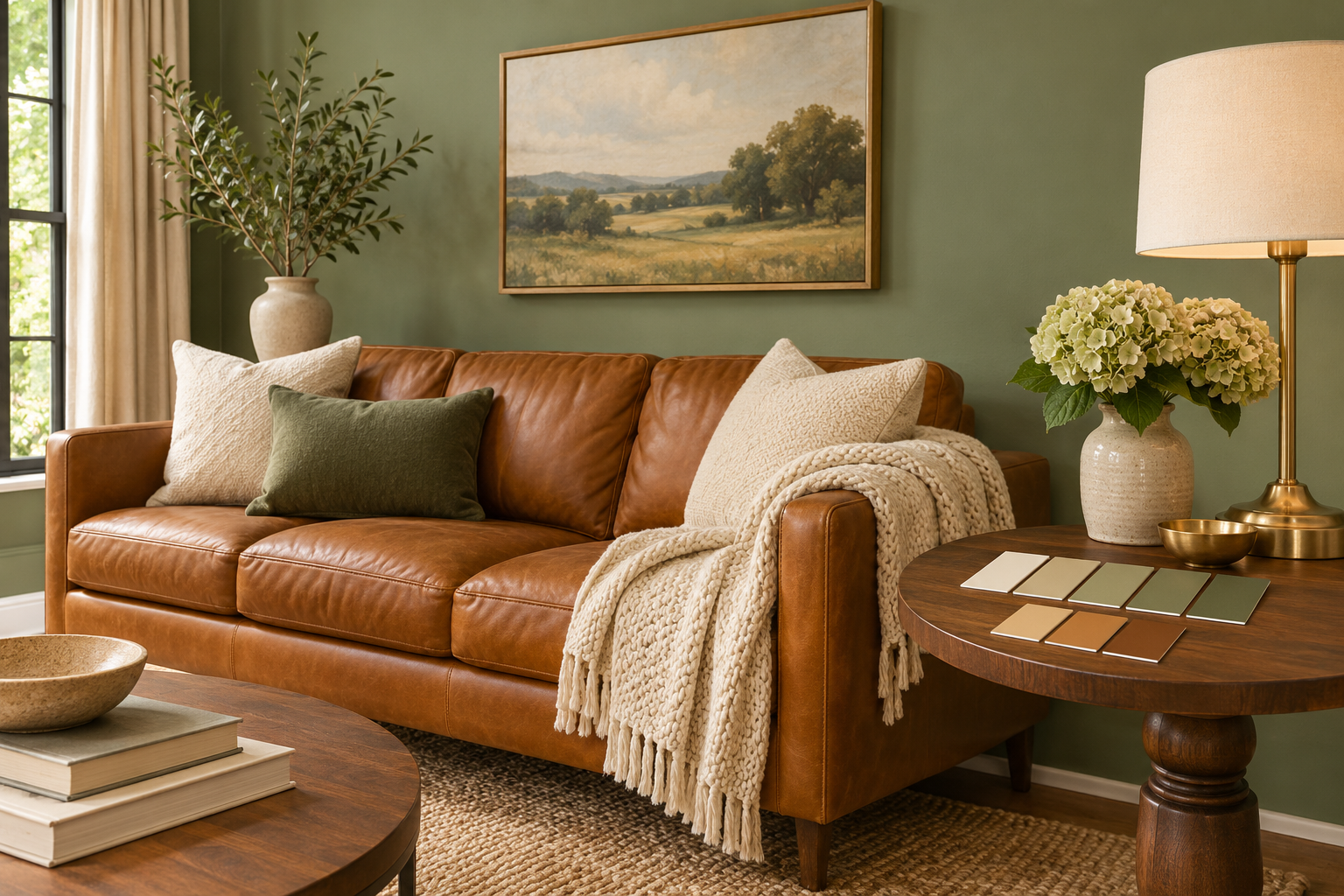
Quick wall-color matches by leather tone
- Cognac or caramel leather: test warm white, muted olive or sage, dusty blue, and clay or terracotta accents.
- Medium brown leather: try soft cream, warm greige, sage, smoky blue, or a deep blue-green accent.
- Dark chocolate leather: consider lighter warm neutrals, pale sage, soft gray, or a contrasting deep color balanced with good lighting.
- Black leather: pair with warm white, light greige, muted green, or charcoal for a tonal room with texture.
- Cream or white leather: try mid-tone green, blue, taupe, or a carefully tested saturated color that gives the sofa definition.
- Gray leather: identify whether it leans blue, green, or brown, then coordinate the wall’s undertone rather than matching gray by name.
These are starting palettes. A warm tan leather sofa in a sunny room can look very different from a cool brown sofa under north-facing light. The same paint may shift on different walls in the same room, so sample the actual space before choosing.
Look at the leather’s undertone first
Leather colors are not always simple browns or blacks. A brown hide can lean orange, red, yellow, olive, or gray. Cognac and saddle colors often have a visible golden or orange warmth; dark espresso leather can appear almost black in low light. Dyed leather, semi-aniline finishes, and protected surfaces may reflect light differently from matte fabric. Look at the sofa in daylight and under the lamps you use at night.
Hold a white sheet of paper near the leather and compare it with paint chips in warm and cool families. This will not reveal a perfect undertone reading, but it can make warm versus cool contrast easier to notice. Also compare the sofa with fixed finishes such as wood flooring, stone, and trim. If the leather has warm red-brown notes and the floor is yellow oak, a cool violet-gray wall may feel disconnected; a warm white, sage, or muted blue can bridge those elements.
Do not force an exact match. A wall that repeats the leather’s exact brown may make the room feel flat or overly themed. Contrast in lightness and texture usually gives a stronger result: a light wall can lift a dark sofa, while a deeper accent wall can make pale leather feel deliberate. Use pillows, rugs, and art to connect the two if the sofa and wall are intentionally different.
Lighting can change the whole palette
Natural light changes over the day and varies with window direction, trees, nearby buildings, and weather. Warm late-afternoon light can make cream paint look golden and deepen caramel leather. North-facing light may make some warm neutrals seem dull or some grays seem cooler. Evening lamps add another variable: a warm bulb can shift a green toward olive or a gray toward brown, while cooler lighting can make a beige wall look less warm.
Test candidate colors on at least two walls, including the wall near the sofa and a wall across the room. Look at the sample in morning, afternoon, and evening light. If the room is open plan, place a sample where the wall meets the kitchen or hall so you can see how the color transitions. A small paint chip is not enough; use a large sample board or a substantial painted area to assess the color’s effect.
Consider the sofa’s surface as well as the wall. Glossy or protected leather can reflect a window or lamp, making the upholstery appear lighter in one spot and darker in another. A matte paint finish can reduce wall glare, while a satin or eggshell finish may be easier to clean in some rooms. Choose sheen based on the wall condition and product guidance, not only on the sofa pairing.
Warm whites and cream walls
Warm white and cream are dependable starting points for many brown and cognac leather sofas because they brighten the room without creating the stark contrast of a pure, cool white. They can also work with black leather when the room needs softness. The difference between “white,” “ivory,” “cream,” and “warm white” varies by manufacturer, so compare undertones with the sofa and trim. A yellow-leaning white may make a red-brown sofa appear more orange, while a balanced warm white can feel calm beside it.
Warm whites are useful when the sofa is the main color feature or the room has dark flooring. They leave room for artwork, rugs, and wood furniture to add character. If every surface is cream, however, a leather sofa can blend into the room. Add contrast through a darker coffee table, textured rug, black metal, or pillows in olive, blue, rust, or charcoal.
Test how the chosen white looks beside your trim. If the trim is a cooler white and the wall is strongly yellow, the difference can be obvious. That may be intentional, but compare both samples in the same light. In a connected space, consider how the wall color will meet adjacent rooms so the transition feels planned.
Greige, taupe, and soft gray
Greige and taupe can connect warm leather to cooler architectural finishes. They are especially useful when the room contains both wood and gray elements. A warm greige may support caramel or medium brown leather without the yellow cast of some beiges. A taupe with a violet or pink undertone can behave differently, so do not choose from the color name alone. Compare the sample with the sofa, flooring, and any stone or tile in the room.
Soft gray walls can complement black, gray, or dark brown leather, but gray is a broad category. Blue-gray can make warm leather look more orange by contrast; a warmer gray may feel more cohesive with cognac and walnut. If the sofa is gray leather, choose a wall that differs in undertone or lightness instead of trying to find an identical gray. Tonal rooms work best when they include texture and a clear light-dark relationship.
Neutral walls can make a room easier to refresh, but a neutral is not automatically the safest option. A mismatched undertone may be more noticeable than a deliberate color. Take samples home, view them beside the sofa, and decide whether you want the wall to recede or add a subtle color of its own.
Sage, olive, and muted green
Muted greens can be a natural companion to brown leather because they balance warm upholstery with a cooler, earthy wall color. Sage tends to feel softer and lighter, while olive can add warmth and depth. A gray-green can bridge a cool floor and warm sofa. The exact result depends on how much yellow, blue, or gray is in the paint, so test at scale before choosing.
Green walls can also work with black leather, where they reduce the starkness of a black-and-white palette. Pair them with warm wood, cream textiles, and a rug that repeats a related green. If the sofa is already green leather, choose a wall that contrasts in lightness or has a different undertone. Two similar greens can look like an almost-match unless the variation is intentional.
For a small room, try a lighter or grayer green and compare it to the wall’s natural light. A deep olive can create a cozy den, but it may make a low-light room feel smaller if there is little contrast. Keep the ceiling and trim lighter when you want the walls to feel less enclosing, or use one green accent wall behind the sofa while keeping adjacent walls neutral.
Blue and blue-green walls
Muted blue can create a calm contrast with warm leather. Dusty blue, slate, and blue-gray often complement cognac, caramel, and medium brown because they balance orange and red undertones. Deep navy can create a dramatic setting for tan or cognac upholstery, while a softer blue may feel airy beside cream or gray leather. Use a sample to determine whether the color reads more blue, green, or violet in the room.
Blue-green and teal can add richness but may compete with a bold leather color if both are highly saturated. If you want a strong wall, balance it with a simpler rug and fewer competing accent colors. If the sofa is the main statement, keep the wall more muted and bring smaller blue or teal details into pillows and art.
Blue walls can look cooler at night, especially under daylight-balanced bulbs. Add warm light and wood or brass details if the room feels too cool. Compare your paint sample with the leather in both daytime and evening conditions before buying several gallons.
Terracotta, clay, and warm accent colors
Clay, muted terracotta, and dusty rose can echo the warmth of brown leather without matching its exact shade. They work best when the leather is not so orange or red that the whole room becomes one continuous warm block. A softened clay color can make a reading room feel welcoming, while a stronger terracotta may be better as an accent wall or in smaller spaces where the color is a deliberate feature.
Use warm colors carefully with black leather. A warm wall can soften a black sofa and make the room feel less formal, but strong red-orange paint may create a sharp contrast. Balance with cream textiles, warm wood, and natural materials. If the sofa is cream leather, terracotta can add definition and make the seating area feel more grounded.
Before painting an entire room, put the sample beside the sofa and compare it with the rug, curtains, and art. A warm wall can make cool gray accessories seem bluer. That contrast may be attractive, but it should be part of the plan rather than a surprise after the furniture is in place.
Choosing a color for black leather
Black leather can anchor many palettes. Warm white creates a crisp, high-contrast pairing; light greige softens the transition; green or blue adds color; and charcoal can produce a layered, tonal room. The best choice depends on whether you want the black sofa to stand out or recede. A bright wall makes the sofa’s outline prominent, while a dark wall can blend its shape into the room.
Texture matters when the sofa and wall are both dark. Combine matte paint with tactile fabrics, natural wood, a patterned rug, or warm lighting. Without variation, a black sofa against charcoal walls can become a single heavy mass. If the room is small, make sure there are enough lighter surfaces or lamps to keep the seating area legible and comfortable.
Check for undertones in the black finish. Some leather has a blue cast, while some appears warmer or brown-black. The difference may be subtle but can affect whether a warm gray or cool blue wall feels harmonious. Test samples in the corner where the sofa will sit rather than judging them under a store display light.
Choosing a color for cognac and brown leather
Cognac leather is often a strong focal point, so a soft neutral wall can give it room to stand out. Warm white, pale greige, and muted green are common palettes to test. Dusty blue can provide contrast, while deep navy can make a more dramatic backdrop. If the cognac is highly orange, sample the wall carefully; a very warm beige may intensify that effect rather than balance it.
Medium brown leather can feel traditional, rustic, modern, or mid-century depending on its shape and finish. Use the sofa’s style and the rest of the room to guide the wall. A soft sage or warm white can feel relaxed, while a deep blue-green can create contrast. If the sofa is dark chocolate, a light wall can prevent the entire room from feeling heavy, especially when the floor and table are also dark.
Repeat a small amount of the leather’s warmth elsewhere—perhaps in wood, a frame, a tray, or a pillow—so the sofa feels connected to the room. Do not try to match the leather exactly with paint. A wall is a broad flat plane, while leather has grain, sheen, and variation; a near-match may look accidental.
Choosing a color for cream or gray leather
Cream leather can look elegant and bright, but it may blend into a warm-white wall. Add contrast with sage, blue, taupe, or medium gray. If you prefer pale walls, use a darker rug or furniture pieces to define the sofa. Check how the cream changes under warm lighting; some finishes can appear more yellow than expected.
For gray leather, first identify whether it leans cool blue, green, or warm brown. A warm greige wall may soften cool gray leather; a blue-gray wall may reinforce a cool palette; a muted green can add a different color without overwhelming the sofa. Avoid a wall sample that is almost, but not quite, the sofa’s shade unless you are intentionally building a layered tonal scheme.
Use artwork and accessories to bridge a gray sofa and a colored wall. A small repeated accent can connect the upholstery to the paint, while a contrasting rug grounds the seating area. If you want additional palette ideas, see our guide to accent colors for gray sofas.
Use an accent wall or paint the whole room?
An accent wall behind the sofa can introduce a stronger color while leaving the rest of the room light. It works best when the wall is a natural focal point and the paint color relates to the adjacent walls. A randomly chosen accent wall may make the room feel divided, so consider sightlines from the entry and how the color wraps around corners.
Painting the full room in a muted color often feels more cohesive than using a very saturated feature wall. It also allows the sofa to read as part of the room rather than a display against a single painted panel. If you are unsure, test the color on two adjacent walls and view it for several days before deciding whether to extend it around the room.
Consider the ceiling and trim. Keeping them lighter can preserve a sense of height, while painting trim the same color can create a more enveloping look. The right choice depends on room proportions, architecture, and personal taste. Follow the paint maker’s surface-preparation and application instructions, especially if the walls have damage or a prior finish that needs attention.
Test paint samples the right way
Use large sample boards or paintable panels instead of relying only on tiny chips. Paint them with the same number of coats and finish you expect to use, following the manufacturer’s instructions. Move the boards to multiple walls and place them beside the sofa, trim, and floor. This makes it easier to compare colors without permanently painting several patches over the wall.
Look at samples at different times of day, with curtains open and closed, and with the lights you use in the evening. Compare one color at a time against a neutral reference, then view the finalists next to one another. Avoid placing samples directly against a bright color card or a screen; surrounding colors can change how a sample appears.
Before buying full quantities, confirm the paint’s finish, coverage estimate, primer requirements, and recommended surface preparation. Paint calculators can provide a rough amount, but wall texture, coats, and color changes affect coverage. Follow the product label and use appropriate ventilation and safety guidance during painting.
Paint sample products to compare
These Amazon listings are tools for testing or comparing colors; they are not paint recommendations for a particular leather sofa. Confirm the product contents and current brand/color details before ordering. A swatch or fan deck helps narrow options, but a large sample in your room remains the most useful final check.

Samplize Benjamin Moore Pale Oak sample
ASIN: B0CJT9QLC2
A neutral sample can help compare a warm greige direction with brown or cognac leather. Confirm the exact color name and the sample’s dimensions on the current listing, then evaluate it beside the sofa and trim.
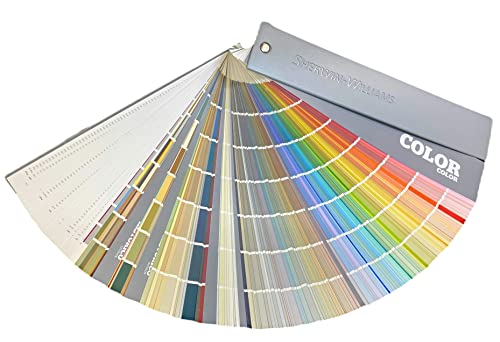
Sherwin-Williams Colors collection deck
ASIN: B01M254YD8
A fan deck can make it easier to compare related color families and lightness levels. Verify the edition and included colors; use it to shortlist shades, then test actual paint or a larger sample in the room.

Klyyo Clyro paint sample boards
ASIN: B0H5QDD8XT
Sample boards can be moved around the room and compared against leather, flooring, and trim. Follow the board and paint instructions, and check the current dimensions and material before ordering.
Common wall-color mistakes with leather sofas
Choosing from a screen image is one of the most common mistakes. Online images may be edited, photographed in different light, or displayed on screens with different settings. A color name is also not a guarantee: two brands’ “warm white” paints can look quite different. Use a sample, compare it with the actual sofa, and leave it in the room long enough to see daytime and evening shifts.
Another mistake is making the wall and leather too similar in value and undertone. A brown sofa against a nearly identical brown wall may lose definition, while a subtle contrast in warmth or lightness can separate the surfaces. The reverse can also happen: a very cool wall may make warm leather appear more orange than you expect. Look at the combination as a whole rather than choosing each color independently.
Do not forget the rest of the palette. A paint color may coordinate beautifully with the sofa but clash with the rug, flooring, cabinets, or adjoining room. Test the paint with those fixed elements visible. If you are painting an open-plan space, check the color from multiple rooms and at the transitions between walls.
Frequently asked questions
What wall color goes with a brown leather sofa? Warm white, cream, greige, muted green, and dusty blue are useful families to test. Choose based on the leather’s undertone and the room’s light.
What color walls look good with a black leather couch? Warm white creates contrast, while greige, sage, blue, or charcoal can make different moods. Use texture and lighting if both sofa and walls are dark.
Does gray paint go with brown leather? It can, especially when the gray’s undertone and the leather’s warmth are considered. Test warm gray or greige against the actual sofa rather than choosing a gray by name.
Should walls be lighter than a leather sofa? Lighter walls can help a dark sofa stand out, but a darker wall can also work when contrast comes from trim, art, lighting, and textiles.
Can I use green walls with a brown leather sofa? Muted sage and olive are common palettes to sample with brown leather. Compare the green’s yellow or blue undertone and the room’s lighting.
How do I pick paint if my leather sofa changes color in different light? Evaluate both sofa and paint samples at the same time, in several areas and lighting conditions. Leather sheen and reflections can shift its appearance.
Are peel-and-stick paint samples accurate? They can help compare a color family, but they may not reproduce the appearance of wet or fully dried paint exactly. Follow the sample brand’s guidance and test actual paint where possible.
Should I paint one wall or the whole room? Either can work. Choose an accent wall when it supports the room’s focal point; use a full-room color when you want a more continuous, enveloping palette.
Final checklist
- Identify whether the leather is warm, cool, or neutral in your room’s light.
- Shortlist two or three wall-color families that suit the sofa and fixed finishes.
- Test large samples on multiple walls and review them at different times of day.
- Check the palette with flooring, rugs, trim, and adjacent rooms.
- Choose paint sheen and finish according to wall condition and product instructions.
- Confirm product details before ordering sample tools or paint.
The best wall color for leather sofas comes from testing the relationship among leather, paint, light, and the room’s permanent finishes. Warm whites, greiges, muted greens, and dusty blues are useful starting points, but the specific undertone matters. Use samples in the real room, view them through the day, and decide whether you want the sofa to blend in or stand out. That small step is more reliable than choosing by trend or color name alone.
For more palette ideas, read our gray sofa accent guide, explore rugs for blue sofas, or browse Home & DIY.
Certain content on this site comes from Amazon and may change. Amazon product images and listing details are supplied through Amazon Creators API. Confirm the exact option, seller, dimensions, materials, and current terms before purchase.