Affiliate disclosure: Daily Home Decorating may earn a commission if you buy through links in this guide, at no extra cost to you. As an Amazon Associate, we earn from qualifying purchases.
The best color for a sectional sofa is the color that works with the room’s light, the finishes you plan to keep, and the amount of upkeep you are comfortable with. Warm beige and taupe can make a large sectional feel softer and blend with wood, cream, and natural textures. Gray offers a flexible neutral, but its undertone can shift noticeably under daylight and warm bulbs. Blue or green can bring a defined accent color into the room, while darker shades may give a big sofa a grounded look. There is no universally best sectional color; the right choice depends on the room and how you live in it.
This guide helps you compare sectional sofa colors before buying. Product examples were returned through Amazon Creators API; we have not purchased or physically tested them. Product options, colors, images, availability, and materials can change, so verify the exact configuration and fabric on the live listing. A screen image is only a reference: request a fabric swatch when available and view it in your own room before making a large purchase.
For palette ideas beyond the sofa itself, see our accent color guide for gray sofas, compare rugs for blue sofas, or browse Home & DIY.
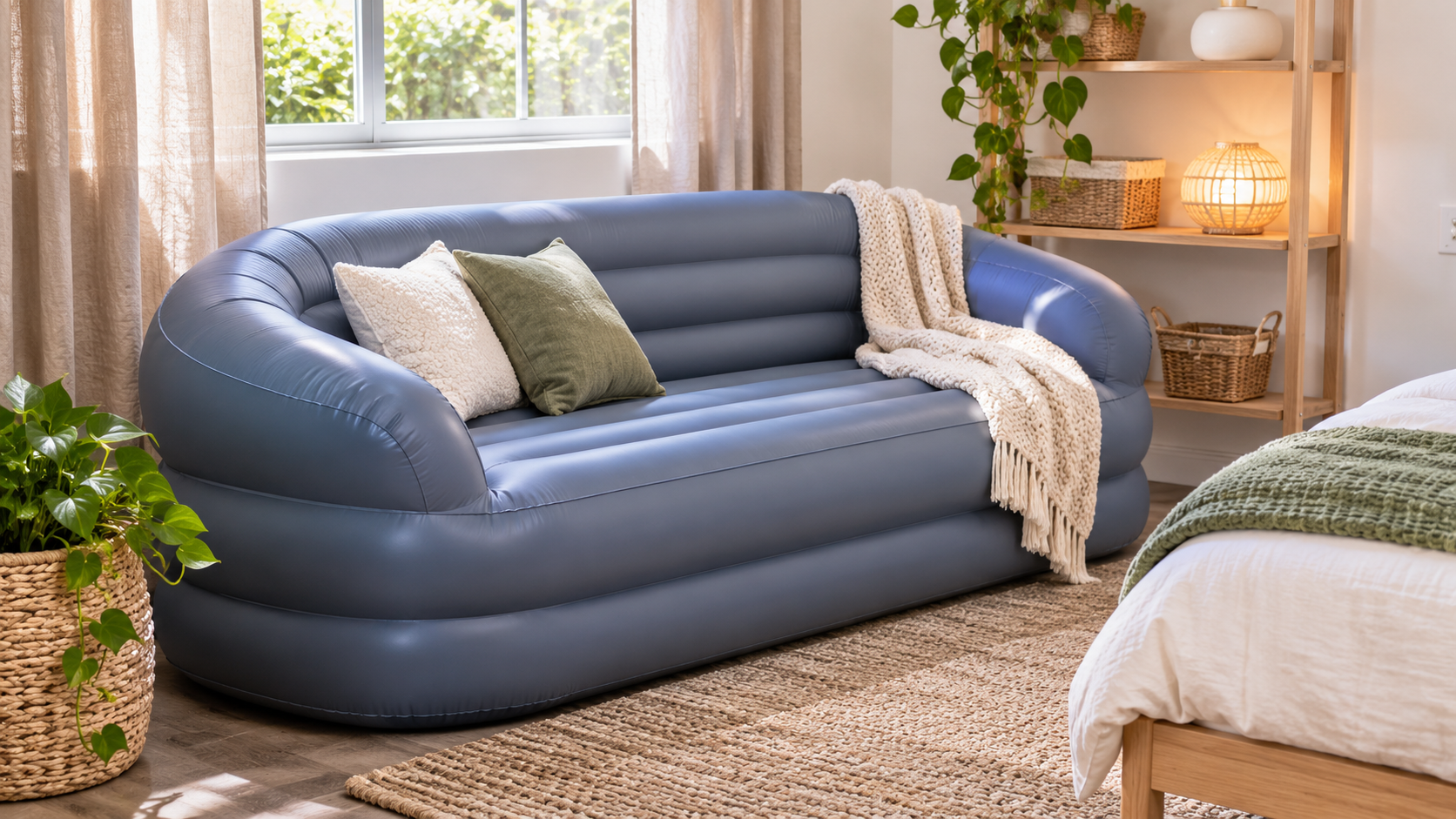
Quick color guide
- Warm beige, ivory, or taupe: blends with natural wood, cream walls, and relaxed organic palettes; check cleaning instructions and whether the tone reads yellow, pink, or gray.
- Gray: coordinates with many finishes, but compare warm and cool undertones in both daylight and evening light.
- Blue: adds a clear focal point and can pair with warm wood, brass, cream, or rust accents.
- Green: brings a nature-inspired accent; sage feels quieter while deeper greens read more dramatic.
- Charcoal or navy: gives a large sectional visual weight and can conceal some everyday marks, though lint and dust may show.
- Pattern or textured fabric: can add dimension and soften visible wear, but confirm the pattern scale across the full sectional.
Treat this as a shortlist, not a ranking. The same beige fabric can look fresh in one home and too yellow in another. Wall color, window direction, flooring, rug, lamps, and the sectional’s size all influence how the upholstery reads.
Start with the room you already have
Before comparing fabric colors, list the finishes that will stay in the room: flooring, wall paint, curtains, a rug, media furniture, and any large chair. Those fixed elements are the background against which the sectional will appear. If the flooring is warm oak and the rug is cream, a warm neutral or blue sectional may sit comfortably within the palette. If the room already has cool gray surfaces, a taupe sofa can add warmth, while a green or navy piece can supply contrast.
Look at the room from the main entrance and from the seats where people spend time. A sectional often occupies a wide wall or corner, so its color becomes one of the largest areas in the room. A shade that looks subtle on a small swatch can feel much more dominant across a long chaise and several seat backs. Use a digital room planner or a large fabric sample to judge the total visual weight rather than choosing from a tiny online thumbnail.
Consider what you might change later. Wall paint and accessories are usually easier to update than a large sectional. If you like changing rugs and pillows seasonally, a quiet base color may give you more flexibility. If you want the sofa to define the room for years, a deliberate blue, green, or rich brown can make sense. Decide whether the sofa should blend into the architecture or act as the room’s main color statement.
Understand warm and cool undertones
Color names such as gray, beige, and ivory are broad labels. A gray can lean blue, green, violet, or brown. Beige can appear golden, pink, gray, or nearly cream. A cool gray may look crisp with white trim but feel cold beside warm wood. A greige or taupe can connect the two, although its undertone may change under different lighting. Ask for the manufacturer’s color name and, if possible, a swatch rather than relying on a retailer’s generic “gray” category.
Compare the fabric against a white sheet of paper and a neutral wall sample. This can make undertones easier to see. Put the sample beside the floor, rug, and curtains, then view it in the morning, afternoon, and evening. Avoid making the decision under a single showroom spotlight. If you are choosing online, check customer photos for a sense of variation, but remember that phone cameras and screen settings also shift color.
Coordinate undertones rather than trying to match every surface exactly. A sectional does not need to be the same shade as the rug or curtains. It can share a warm or cool direction while contrast comes from lightness, texture, and accent colors. A room with varied but related tones often feels more natural than a collection of identical grays or beiges.
How room light changes sectional colors
Natural light varies by window direction, season, trees, neighboring buildings, and weather. North-facing rooms may make colors appear cooler or dimmer, while direct sun can brighten a fabric and reveal its texture. Warm bulbs can make beige and brown upholstery feel golden, while daylight-balanced lighting may make the same material appear more neutral. If the sectional will sit far from a window, choose after seeing the fabric under the room’s actual evening lights as well as daytime conditions.
Take a swatch to the exact corner where the sectional will go. Prop it upright at seat-back height and lay it flat on the cushion area; fabric can look different on a vertical surface and a horizontal one. Observe it from across the room and close up. If the sofa will sit beneath a window, test whether sunlight changes the shade through the day and review the care guidance for fading or exposure.
In a dim room, very dark upholstery can make a large sectional feel heavier. A lighter beige, oatmeal, pale gray, or muted green may brighten the area, especially when paired with a lighter rug and layered lamps. That does not mean dark sofas are unsuitable in small or low-light rooms. A dark sofa can feel intentional when the rest of the palette includes contrast, reflective surfaces, and adequate lighting.
Choose a base neutral or a statement color
A neutral sectional makes it easier to change accent colors through pillows, throws, artwork, and rugs. Beige, taupe, and gray are common choices because they can coordinate with a range of styles. Their flexibility depends on undertone and fabric texture: a flat cool gray may feel different from a nubby warm taupe. Consider the sofa’s silhouette too. A very large neutral sectional can look subdued unless the room includes texture and contrast.
A statement color gives a room a clear focal point and can help a sectional feel less like a generic block of seating. Blue works with white, cream, warm wood, brass, and terracotta accents. Green can connect to plants and natural materials or create a deeper, tailored look. Rust, mustard, burgundy, or other saturated shades may be less commonly offered, so check whether the exact color and configuration are available across the full sectional.
Think about how long you expect to keep the sofa. Trend cycles are not a reliable guide to your personal taste. A color you love now may remain appealing if it connects to the architecture and objects you already own. If you are unsure, choose a stable base color and use a cover or smaller accessories to experiment with stronger shades before committing to a large upholstered piece.
Beige, ivory, and taupe sectionals
Beige and ivory can make a room feel light and relaxed, especially beside pale walls, warm wood, woven rugs, and linen-like textures. Taupe can be a middle ground when pure cream feels too bright and gray feels too cool. These shades often work well in open-plan rooms where a sectional needs to connect with a dining area or kitchen finishes. The specific undertone matters: a creamy beige may clash with a pink-toned floor, while a gray-beige may look dull beside golden wood.
Light upholstery can show spills, denim transfer, pet hair, and everyday marks more readily, depending on the textile and finish. Ask the seller what the cleaning code means and which cleaning methods are permitted. Removable, washable covers can be useful if the manufacturer provides clear washing instructions and replacement covers. Do not assume “stain resistant” means stain proof or that every cushion cover can go in a home washer.
To keep a light sectional from feeling flat, add contrast in layers: a darker wood table, textured pillows, a patterned rug, or black accents. Use a few related tones rather than making every accessory match the upholstery. If the room is already pale, introduce depth with medium wood, olive, blue, or warm brown details.
Gray sectionals and undertones
Gray can be a useful bridge between architectural neutrals and colorful accessories. A warm gray can work with oak, cream, and tan; a blue-gray may coordinate with cooler walls and metal finishes; a charcoal sectional can anchor a bright room. The risk is choosing a gray based only on the name. Undertones can make two gray items look mismatched even when both are described as neutral.
Use the room’s permanent surfaces to choose direction. If the floor and trim are warm, test taupe, mushroom, or warm gray fabrics before selecting a steel-blue gray. If the walls are crisp white and the floor is cool stone, a cool gray may feel coherent. Add a sample of the rug and paint chip to the comparison so you can see whether the sectional’s undertone supports or fights those colors.
Gray can also be a practical backdrop for colorful accessories, but avoid assuming it hides dirt. Pale gray can show stains, and charcoal may reveal lint or light-colored pet hair. Texture, weave, and cleaning instructions can matter as much as color. Compare actual fabric swatches and ask how to maintain the specific upholstery.
Blue sectionals
Blue is a versatile statement color because it ranges from airy pale blue to deep navy. Muted blue can read almost neutral, while saturated cobalt or teal becomes a stronger focal point. Blue can pair with warm woods, cream, tan leather, brass, terracotta, and natural fibers. The exact tone determines whether it feels coastal, traditional, modern, or dramatic.
When choosing blue, compare the upholstery with the room’s existing blues rather than assuming all blues coordinate. A navy sofa may make a pale blue rug look brighter, and a green-leaning teal can clash with a violet blue accent. Use a small palette: one primary blue, one or two supporting neutrals, and perhaps a contrasting accent. If the sectional includes a chaise and ottomans, confirm that all modules share the same fabric dye lot or color specification.
Blue can be especially useful when the room needs a clear anchor. Keep surrounding walls and large surfaces restrained if you want the sectional to lead, or repeat small amounts of blue in artwork and accessories for a more integrated look. See our guide to rugs for blue sofas for ideas on balancing an accent-colored seat with flooring.
Green sectionals
Green upholstery can range from soft sage to olive, emerald, and deep forest. Sage and muted olive often behave like complex neutrals, pairing with cream, tan, warm wood, and botanical patterns. Emerald and forest green have more visual weight and can create a tailored, jewel-toned room. A green sectional can also connect to plants, but the upholstery does not need to match their leaf color exactly.
Test green samples carefully under your lighting. Some muted greens look gray in shade and more yellow in sunlight; deeper greens can appear nearly black at night. Compare the fabric to paint, rug, and wood samples at the sofa location. If the sectional is modular, make sure the listing’s pieces and replacement covers use the same green option; product pages may show color variants in different lighting.
Use natural textures to keep a green sectional grounded: wood, woven baskets, linen, and stone-look surfaces can balance the color. If you want a bolder look, add a complementary rust or blush accent in small pieces. Keep large competing patterns limited so the sectional’s color remains the central choice.
Dark colors, patterns, and textured fabrics
Navy, charcoal, chocolate, and deep green can make a sectional feel substantial and visually anchor an open room. They can also be forgiving with some types of everyday soil, but dark fabric may show lint, dust, pale pet hair, and fading. Evaluate the specific textile and care instructions instead of assuming dark upholstery is low maintenance.
Patterns and textured weaves can disguise small variations in wear and add visual interest to a large sofa. A subtle heather, boucle-like texture, or low-contrast pattern may feel less monolithic than a flat solid. Large prints can be striking but may not line up neatly across modular sections or cushions. Ask whether the pattern is repeated on all pieces and how the fabric is oriented.
Check how the color interacts with the sectional’s shape. A U-shaped sofa with a bold pattern can dominate a room, while a simple solid color may let its silhouette stand out. Conversely, a very large solid sofa might benefit from texture or tonal pillows. Compare the full room effect, not just the swatch.
Color and everyday maintenance
Household routines can influence the best color. If meals, pets, children, or frequent entertaining are part of daily life, ask about removable covers, cleaning codes, fabric durability information, and replacement parts. No color makes upholstery immune to spills or wear. A patterned mid-tone may be more forgiving visually, while a washable cover may be more practical than selecting the darkest possible shade.
Pet hair visibility depends on both fur color and fabric texture. Light hair can stand out on dark navy, while dark hair can show on ivory. Tight weaves may be easier to clean than looped textures for some households, but follow manufacturer guidance because fabric construction varies. If a seller makes performance claims, ask what testing standard or treatment applies and whether the care instructions limit cleaning methods.
Consider sunlight exposure. Strong direct light can affect upholstery over time, and some colors show change more readily. Use window coverings when appropriate and check the manufacturer’s recommendations for placement. If the sofa must sit in a sunny spot, ask about fade guidance before ordering rather than relying on color alone.
Coordinate the sectional with walls, rugs, and accents
Pick one large element as the starting point: the sofa, a rug you love, or the wall color. If the sectional is the priority, use it to guide the rug and pillows. If the rug is already fixed, bring its colors into the sectional decision. Repeating a small color from the rug in a pillow or artwork can tie the room together without requiring an exact match.
Contrast helps a large sectional read clearly. A pale sofa against a pale wall can blend into the background, while a darker rug or wood table defines its shape. A dark sofa against a dark wall can feel intentional in a moody room but may need brighter lighting and contrasting texture. Use sample boards or photographs of the room to judge the balance from different viewpoints.
Keep the number of dominant colors limited. One sofa color, one major rug pattern, and a few supporting accents are usually easier to coordinate than several unrelated large-scale patterns. This is not a strict decorating formula; it is a way to make choices manageable. If you enjoy layered maximalist rooms, repeat colors across patterns so the variety feels connected.
Product examples by color
These current Amazon listings illustrate different sectional color options, not a ranked list or independent product test. The title and photo can change, and the same listing may group multiple sizes or orientations. Confirm the selected configuration, exact upholstery color, dimensions, materials, and seller details on the live product page.

ohllob modular sectional sofa
ASIN: B0GS8JYBVX
The API listing describes a dark blue modular sectional with an ottoman. Compare the exact orientation, overall dimensions, fabric description, and shade with your room before buying.

Modular beige sectional with chaise
ASIN: B0F1Y9X4VN
The listing title describes a beige chaise sectional. Check whether the listing offers the exact size and chaise orientation you need, and request a fabric sample if available to confirm the undertone.

Green L-shaped sectional listing
ASIN: B0GSZP566W
This listing describes a green L-shaped couch with storage and USB features. Verify that the selected green shade, layout, and fabric match the room and your use before ordering.
Test a color before committing
If a swatch is available, order it before choosing. Place it against the wall, rug, and floor near the sofa’s intended location. View it at different times and with the room lights on. If the sectional is very large, request more than one swatch when the color has a visible texture or variation. Fold and unfold the sample to see how shadows change its appearance.
Use a large cardboard cutout or a digital mockup to estimate how much of the chosen color will occupy the room. A tiny swatch cannot show the effect of a ten-foot sofa. If the model is available locally, inspect the actual upholstery and sit on the exact fabric. Ask the retailer whether the floor model is the same dye lot or if a made-to-order version may vary slightly.
When a sample is unavailable, compare the listing’s color name, multiple product photos, and return policy. Keep in mind that returns on large furniture may involve fees or pickup restrictions. Confirm the delivery route and package dimensions as well as color, since sectional components can be bulky even when they arrive in separate boxes.
Common sectional color mistakes
One mistake is choosing based only on trend photos. A shade that looks attractive in a professionally lit room may not suit your floors or everyday lighting. Another is assuming neutral means easy: gray and beige have undertones that can clash, and light upholstery may require more care. A third is selecting a color before measuring the sectional; a very large dark sectional can feel more imposing than a small sample suggests.
It is also easy to ignore variant details. Product pages may use one photo for several color or configuration options, and customer reviews may discuss another fabric. Confirm the selected shade and chaise orientation in the order summary. Do not assume a removable cover, washable fabric, or stain treatment is included unless the current specification clearly says so.
Finally, avoid matching every item exactly. A room can feel flat if the sofa, rug, curtains, and pillows all share the same shade and texture. Use related undertones and contrast in value or material. The goal is a palette that feels deliberate, not a showroom set in which every surface is identical.
Frequently asked questions
What is the most versatile color for a sectional sofa? Beige, taupe, and gray are common flexible choices, but their undertones and fabrics matter. Blue and green can also work as long-term colors when they suit the room and your preferences.
Are light or dark sectionals easier to keep clean? Neither is always easier. Light fabrics can show stains and dark fabrics can show lint or pale hair. Weave, finish, removable covers, and cleaning instructions affect maintenance.
Should a sectional match the walls? It does not need to match exactly. Contrast in lightness, texture, or undertone helps the sofa stand out, while repeated accents can connect it to the rest of the room.
What sectional color works in a small living room? A lighter color can feel visually open, but scale and layout matter more than color alone. A dark sectional can still suit a small room if the palette includes contrast and lighting is adequate.
How do I choose between gray and beige? Compare both against the floor, wall, and rug in the room’s daylight and evening light. Choose the undertone that harmonizes with existing finishes and the maintenance level you prefer.
Are blue and green sofas hard to decorate around? They can be easy to style when the palette uses a few supporting neutrals and repeats the color in small accents. Test the exact shade to avoid clashes with existing rugs or paint.
Can online photos accurately show sectional color? They are useful references but can vary with lighting, camera, and screen settings. Request a swatch or inspect the sofa in person whenever possible.
What should I ask before ordering a sectional? Confirm upholstery material and color, available configurations, dimensions, removable-cover details, cleaning instructions, delivery route, return policy, and warranty terms.
Final checklist
- List the room finishes that will stay.
- Decide whether the sectional should blend in or be the focal point.
- Check warm or cool undertones under the room’s real lighting.
- Review cleaning instructions and fabric features for your household.
- Test a swatch at the sofa location and consider the full sectional’s scale.
- Confirm the exact color and configuration on the order page.
The best color for a sectional sofa is not a trend or a universal neutral. It is the shade that fits the room’s light, works with the finishes you plan to keep, and feels manageable in daily use. Compare real samples, view them in context, and confirm the exact fabric and configuration before ordering. A little testing can help a large sofa feel intentional for years.
Continue with our accent color ideas for gray sofas, explore rug colors for blue sofas, or browse Home & DIY.
Certain content on this site comes from Amazon and may change. Amazon product images and listing details are supplied through Amazon Creators API. Confirm the exact option, seller, dimensions, materials, and current terms before purchase.