Affiliate disclosure: Daily Home Decorating may earn a commission if you buy through links in this article, at no extra cost to you. As an Amazon Associate, we earn from qualifying purchases.
Choosing affordable sofas for back pain means looking for a seat that feels supportive to the person who will use it, rather than assuming that one sofa can relieve or prevent pain for everyone. Seat height, cushion firmness, seat depth, back angle, and the ability to change position all affect how comfortable a sofa feels. A sofa is not a medical treatment, and online product descriptions cannot diagnose or address the cause of pain.
This guide explains how to compare sofa dimensions and construction, how to test a sofa before buying, and what to do when shopping online on a budget. It also covers practical delivery, return, and maintenance checks. The product examples are Amazon Creators API listings, not products we have physically tested or clinically evaluated. Confirm the selected model, dimensions, materials, seller, and current return terms before ordering.
If you are arranging a living room around a supportive seat, review our living room rug sizing guide and browse more planning ideas in Home & DIY.
Quick checklist for a supportive sofa
- Seat height: check that your feet can rest comfortably and that standing up does not require a deep, low squat.
- Seat depth: make sure you can sit back with support while keeping a comfortable bend at the knees; deep lounge seats are not right for everyone.
- Cushion firmness: test how far the cushion compresses and whether it springs back. “Firm” is a feel, not a medical rating.
- Back support: confirm the backrest reaches the part of your back you want supported; low decorative backs may not suit upright sitting.
- Arm height: arms can make it easier to rest or change position, but their height and width should fit your body and room.
- Movement: favor a setup that lets you change position and get up easily; no single sitting posture is ideal to hold indefinitely.
- Trial and return terms: learn whether the sofa can be tested at home and what fees apply if it does not work for you.
The NHS guidance on back pain emphasizes staying active and changing position rather than treating posture as a single cure. Its back-pain management leaflet discusses taking movement breaks and using a seat that supports the lower back when that feels helpful. Individual symptoms and advice vary, so consult a qualified clinician for personal medical concerns.
Start with fit, not a product label
Sofa labels such as “ergonomic,” “orthopedic,” “lumbar support,” and “pain relief” are not standard measurements. A manufacturer may use them to describe a design, but the words do not prove that a particular sofa improves a health condition. Look for measurable details: total seat height, seat depth, back height, cushion thickness, arm height, and whether cushions are fixed or removable.
Measure your current favorite chair or sofa before shopping. Record the height from the floor to the top of the compressed seat, the distance from the front edge to the back cushion, and the height of the backrest. These numbers do not tell you what will feel comfortable, but they provide a useful starting point for comparing options. Also note what you like or dislike about the current seat: too low, too deep, too soft, or difficult to rise from.
Use the same measuring method for every model. Seat height is measured from the floor to the top of the cushion, ideally with someone sitting on it to show compression. Seat depth is the usable distance between the front of the cushion and the back support, not the sofa’s total front-to-back measurement. Back height can be measured from the seat surface to the top of the backrest. Product diagrams may use different reference points, so ask the seller to explain a number if it seems inconsistent.
Body proportions matter. A seat that suits a tall person may leave a shorter user’s feet unsupported. A deep sofa may let a tall adult lounge, but someone with shorter legs may slide forward to reach the floor and lose back contact. If several people share the sofa, test it with each regular user or choose a configuration with removable back cushions that can adjust the sitting depth.
Do not rely on “three-seat” or “oversized” as a substitute for dimensions. Those terms may refer to total width or cushion count. A large sofa with wide arms can offer less usable seat width than a smaller model with slim arms. Check the interior cushion span and compare it with your existing furniture.
Seat height and standing up
Seat height can affect how easily a person sits down and gets up, but there is no universal height that works for all bodies. When testing a sofa, sit near the front edge and then settle into your usual position. Check whether your feet can rest on the floor, whether your knees feel comfortable, and whether rising requires pushing heavily on the arms.
Very low, soft sofas can be difficult for some people to rise from because the hips sink below the knees. A firmer cushion or a slightly higher seat may feel more manageable, but a high seat can be uncomfortable for someone with shorter legs if their feet dangle. Consider how the cushion compresses under your weight; the listed seat height may describe the unloaded cushion.
If standing is challenging, look for sturdy arms at a useful height and verify that they do not flex or detach when used for support. Do not use a weak decorative arm as a grab bar. If you use a mobility aid or have fall concerns, ask a clinician or occupational therapist about seating features suited to your needs.
Check the feet and floor too. A stable sofa that does not slide may be easier to use than a light model that shifts when a person pushes up. Floor protectors can reduce movement, but make sure they match the sofa legs and floor type.
Seat depth and back contact
Seat depth is the horizontal sitting space from the front edge to the back cushion. Deep seats can work well for reclining, but some people have to scoot forward or place a pillow behind them to sit upright. When testing, sit all the way back and check whether the back cushion supports you without forcing your feet off the floor. Then try your common positions, such as reading or watching television.
Removable back cushions offer some flexibility. A thick pillow placed behind the back can reduce the effective seat depth, but it may shift or make the seat feel crowded. A fixed back has fewer pieces to adjust but may be harder to adapt. If you plan to use a separate lumbar pillow, measure the seat depth with the pillow in place so there is still room for your legs.
Look at the backrest shape and height. A sofa with a low back may support the lower back but leave the shoulders unsupported. A tall back can provide more contact, although cushion softness and angle still affect feel. Product photos show only one user posture and often use staged cushions, so request exact measurements or visit a showroom when possible.
Some modular couches arrive with loose back cushions that can be rearranged. That can help personalize support, but the cushions may move during use. Check whether they have nonslip backing, attachment points, or a recommended arrangement, and read reviews carefully for repeated reports of cushions sliding or flattening.
Cushion firmness, foam, and long-term feel
Comfort is subjective. One person may prefer a supportive, firm cushion while another finds the same cushion uncomfortable. Foam density, cushion thickness, fiber wrap, springs, webbing, and the base all influence how a sofa feels. Listings that say “high-density foam” do not always state the density or provide comparable testing, so treat the phrase as an incomplete description.
If you can sit on the model, spend several minutes in more than one position. A sofa that feels comfortable for a quick showroom sit may become uncomfortable when you settle in. Check whether the cushion bottoms out, whether the front edge presses into your legs, and whether the back cushion keeps its shape. If you shop online, look for a home trial window and read its shipping and return restrictions before purchase.
During a showroom visit, sit in the way you normally would rather than holding a stiff pose for the salesperson. Try sitting upright, leaning back, and getting up. Notice whether the cushion shifts, whether your feet reach the floor, and if you can adjust your position without effort. If someone else will use the sofa regularly, have them try it too. A five-minute test does not predict long-term comfort, but it can rule out obvious fit problems.
Ask whether cushions are reversible, replaceable, or covered under warranty. Reversible cushions can distribute wear, while a fixed cushion may be simpler to keep aligned. A loose cover may be removable but not machine washable. Read the care code and avoid cleaners that the manufacturer does not approve.
“Firm” does not automatically mean “supportive” or “good for back pain.” A firm sofa can still have the wrong height, depth, or back angle for a particular person. Likewise, a softer sofa may feel comfortable for someone who can move easily and does not sit in one position for long periods. Test fit rather than relying on a label.
Back angle, arms, and how you use the room
Many living-room sofas encourage reclining, while a person may prefer a more upright posture for reading, conversation, or working on a laptop. Consider the sofa’s back angle and whether a cushion lets you sit upright without sliding. If you often work from the sofa, a living-room couch may not provide the same support as a task chair, and frequent movement breaks still matter.
Arms provide a place to rest the forearms and can help with position changes, but their height should be comfortable. Wide pillow-top arms take away seat width and may be too soft to push against. Narrow hard arms may feel uncomfortable on elbows. Check the arm’s construction and whether it is intended to bear weight.
For shared living rooms, think about access and traffic flow. A person with limited mobility may benefit from a clear route to the sofa, adequate lighting, and space to approach from the side. Avoid placing a coffee table so close that it blocks a safe stand-up movement. If a large rug bunches or slides, secure it properly to reduce trip risk.
One sofa does not need to serve every activity. A supportive armchair may be a better place for longer reading or television sessions, while the sofa provides space for family and guests. Use the room layout to give people options rather than expecting one couch shape to suit every body and task.
Product examples to compare
These examples are listings found through Amazon Creators API and are included to illustrate varied sofa designs and dimensions. We have not tested their comfort, durability, or therapeutic value. Check current dimensions and variant details on the live product page.
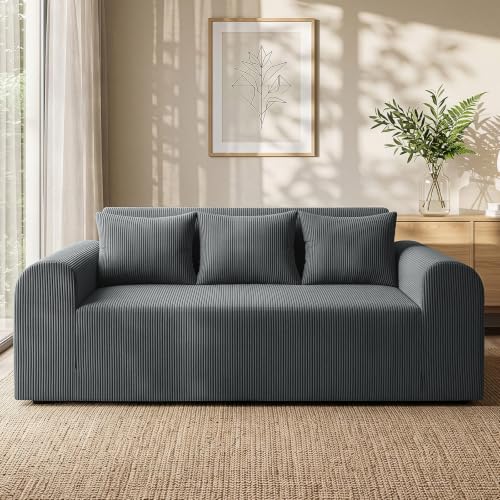
78-inch foam sofa with a higher backrest
This listing describes a foam three-seat couch with an ergonomic-style backrest and no assembly. Verify the actual seat height, seat depth, cushion structure, and firmness. A foam sofa may feel different from a conventional framed sofa, and the “ergonomic” wording is not a medical claim or guarantee.

Busaurus 89-inch sofa with arms
This API listing describes an 89-inch upholstered three-seat couch with armrests. Compare the seat depth and back height with your measurements, and check the assembly and delivery details. A listing’s “comfy” description is subjective; confirm the selected fabric and support information before buying.
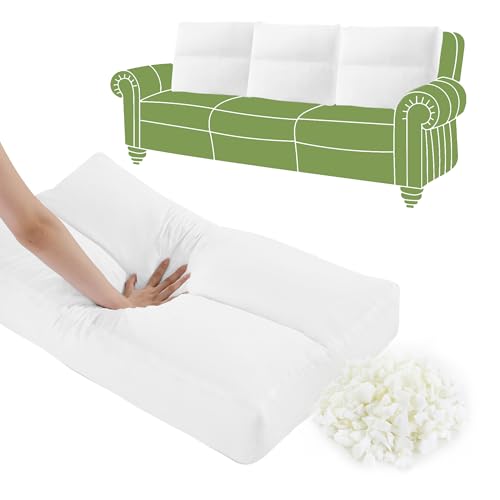
Removable back cushions for a sofa
Separate cushions can change the feel of a deep sofa by filling space behind the back. Confirm the exact dimensions and firmness and check whether the size fits your sofa. A loose cushion is not a substitute for professional advice or a purpose-made mobility aid.
How to shop online without trying the sofa
Collect measurements before opening product pages. Write down the seat height, seat depth, back height, arm height, and total width that work for your household. Then compare listings using those figures. If a listing omits a measurement that matters, ask the seller. Do not infer seat depth from the overall depth because the back cushion and frame consume part of that space.
Check whether the listed dimensions describe the assembled sofa or shipping package. Measure the route through the home, including stair turns and elevator openings. A sofa can fit the room and still be impossible to deliver. Modular or vacuum-packed models may simplify transport, but check how the product expands, how long it needs to recover, and whether the seller accepts returns after unpacking.
Read several recent reviews, but treat them as individual experiences rather than proof. Look for specific comments about cushion firmness, seat depth, assembly, packaging, and customer service. Repeated complaints about sagging, missing parts, or inconsistent color deserve attention. Compare reviews for the exact size and fabric variant because a page can combine several versions.
Understand the trial and return policy before purchasing. Ask who pays return freight, whether packaging must be retained, and if a restocking fee applies. If there is a comfort guarantee, read the exact conditions. Take screenshots of the selected variant, promised dimensions, and return terms at checkout in case the listing changes later.
Supportive seating on a tighter budget
New sofas are not the only option. A used sofa can offer better materials for the price if you can inspect it in person and verify its condition. Check the frame for wobble, sit on each cushion, look under the sofa where possible, and inspect for odors, pests, stains, and smoke exposure. Set a safe transport plan and avoid buying upholstered items you cannot examine.
Floor models and clearance pieces may reduce cost, but confirm whether the item is sold as-is and whether the warranty still applies. Inspect upholstery for wear and test zippers, recliners, or modular connectors. If a floor model has been used by many shoppers, ask whether the cushions or covers can be replaced.
Minor adjustments may help an existing sofa feel more usable. A removable cushion, a stable footrest, or a separate back pillow can change seating position. Make sure any added item does not slide or create a tripping hazard. Do not use stacked cushions or improvised supports in a way that makes standing less stable.
If you need a sofa for a specific health or accessibility reason, consider asking an occupational therapist or other qualified professional to assess your needs. They can help evaluate seat height, transfer space, arm support, and the room layout. A retail product page is not a substitute for that personalized evaluation.
Care and durability checks
Maintenance affects how a sofa feels over time. Rotate or flip cushions when the manufacturer allows it, vacuum crevices, and clean spills according to the fabric instructions. Avoid over-wetting foam or using a solvent that could damage the fabric. Keep the care tag and product manual in a safe place.
Ask about replacement cushion availability and frame coverage. A sofa that uses standard-sized cushions may be easier to maintain than one with unusual shapes, but verify actual replacement options. Warranty length is only one part of the decision: read what is covered, how claims work, and whether labor or shipping is included.
Follow assembly instructions and tighten connections only as specified. If the sofa rocks or shifts after assembly, stop using it until the cause is understood. A damaged frame or loose leg can create an unstable seat, particularly for someone relying on the arm during a transfer.
Frequently asked questions
Can a sofa cure back pain?
No sofa should be presented as a cure. Comfort and support vary by person, and back pain has many possible causes. Choose furniture that feels usable and allows you to move, and seek medical advice for individual symptoms or concerns.
Is a firm sofa always better for back pain?
No. Firmness preference is personal, and firmness alone does not determine support. Seat height, depth, back angle, cushion construction, and how you use the sofa all matter. Test the sofa or use a clear trial policy where possible.
What sofa seat height is best?
There is no universal ideal. Compare the compressed seat height with a chair that feels comfortable and check whether your feet rest on the floor and whether standing up is manageable. If you have mobility concerns, ask a qualified professional for advice tailored to you.
Are deep sofas bad for your back?
Not necessarily, but a deep seat can make it harder for some users to keep their back against the cushion while their feet reach the floor. Use measured seat depth and try a cushion adjustment if it helps, while ensuring it stays stable.
Should I buy a sofa with lumbar support?
Look at the actual backrest shape and whether it feels comfortable to you. “Lumbar support” is not a standardized medical certification. Some people prefer a separate pillow; others prefer a continuous back cushion. Test fit rather than relying on the label.
What if several people with different heights share the sofa?
Choose a seat that works reasonably well for the regular users, and consider removable back cushions or a separate supportive chair for someone whose needs differ. A sofa with varied seat options can be more practical than forcing one configuration to suit everyone.
How often should I get up from the sofa?
There is no one schedule for everyone, but NHS guidance encourages movement and changing position rather than remaining still for long periods. Follow advice from your clinician if you have an individual care plan.
Our recommendation
For an affordable sofa that feels supportive, compare dimensions and test fit first. Focus on compressed seat height, usable seat depth, backrest height, cushion behavior, arm stability, and the seller’s trial and return terms. A higher price or a marketing label does not guarantee a better fit. Choose the option that lets the intended users sit, change position, and stand comfortably in their actual room.
If you cannot try the sofa, measure a seat you already find comfortable, ask the seller for missing dimensions, and choose a return policy you understand. For medical or mobility needs, seek individual guidance from a qualified clinician or occupational therapist. For the room layout, see our living room rug guide, explore Home & DIY, and read our affiliate disclosure.
Certain content on this site comes from Amazon and may change over time. Product images and listing information are supplied through Amazon Creators API. Verify the selected sofa, dimensions, configuration, materials, seller, and return terms before buying.