For a rideshare driver, “water cooler” usually means a compact way to keep personal water and optional sealed passenger drinks cold between trips, not a countertop dispenser. The right setup should stay upright during turns, fit the vehicle without blocking airbags or passenger space, clean up quickly, and let the driver keep attention on driving. This guide compares insulated bottles and small portable coolers for Uber, Lyft, taxi, and other passenger-transport work, with a focus on real vehicle constraints rather than oversized camping gear.
Affiliate disclosure: This article contains affiliate links. Daily Home Decorating may earn a commission if you buy through them, at no additional cost to you. Amazon Associate disclosure: As an Amazon Associate I earn from qualifying purchases.
We do not test these products in vehicles. Product details below come from verified Amazon Creator API listings and manufacturer information where linked. Vehicle cup holders, interior dimensions, platform rules, and product versions vary. Measure your own car and check the product manual and current seller listing before buying.
What rideshare drivers need from a portable cooler
A rideshare car has different needs from a tailgate or family picnic. The cooler should be small enough to stow, easy to reach only when parked, and stable when the car moves. A bottle that fits a cup holder and locks shut may be more useful for the driver than a large jug. If you choose to carry sealed water for passengers, a small cooler bag can keep a few bottles together without consuming a seat or making the cabin look cluttered.
Think in two separate roles: your own hydration container and any optional passenger refreshments. A personal bottle can be opened and refilled for your own use while parked. Passenger drinks should remain individually sealed; avoid pouring drinks into reusable cups, which creates extra cleaning and food-handling concerns. Neither a cold bottle nor a pleasant amenity is worth reaching for something while driving.
The National Highway Traffic Safety Administration lists eating and drinking among activities that can distract a driver. Set up your bottle before starting a trip and only handle it while parked. A cooler should support that routine by keeping items in a predictable, secured place, not invite searching or rearranging at the wheel. See the NHTSA distracted-driving guidance for the general safety advice.
Quick picks by rideshare use
- Best personal cold-water bottle: Owala FreeSip 24-ounce bottle, whose verified listing specifies leakproof-when-locked use and a cup-holder-friendly shape.
- Best for a hot drink or coffee: Hydro Flask 16-ounce Flex Sip coffee bottle, a leakproof-when-closed cupholder-compatible option according to the maker.
- Best compact drink stash: Coleman 9-can soft cooler, which has a removable hard liner and heat-welded seams in the verified listing.
- Best small travel mug alternative: Zojirushi SM-SA48-BA, a 16-ounce vacuum-insulated stainless mug; check the exact lid and cleaning directions before using it in a car.
These are different tools, not interchangeable winners. A bottle is light and quick to stow; a cooler bag holds several sealed beverages; a travel mug works for personal coffee but should not be passed around to passengers. Select the smallest capacity that covers the shift you actually drive.
Product picks for drivers
Owala FreeSip 24-ounce: a locked personal bottle
The Owala FreeSip is a stainless steel insulated bottle with a two-way spout, a built-in straw, and a carry loop that doubles as a lid lock. The manufacturer describes the 24-ounce bottle as leakproof and says it keeps drinks cold for up to 24 hours; the Amazon Creator API listing for the 24-ounce Denim version likewise specifies leakproof when locked and cup-holder-friendly sizing. The bottle is intended for cold water, not hot or carbonated drinks. Keep it upright in a console cup holder and lock the lid before setting off.
For a driver, the main benefit is a contained personal supply that is easier to secure than an open tumbler. The 24-ounce size can last through part of a shift but may be tall for some vehicle cup holders. Measure the base opening and check the lid height against console trim before buying. Owala says the lid is dishwasher-safe and the stainless cup should be hand-washed; clean the straw and spout as directed so residue does not build up.
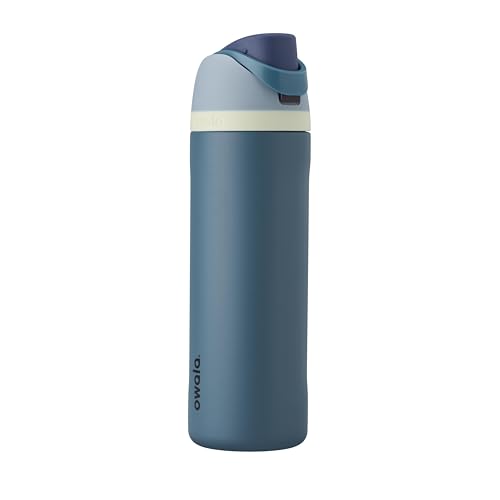
ASIN: B0BZYCJK89
Review Owala FreeSip 24-ounce specifications and care details.
Hydro Flask 16-ounce Flex Sip: for driver coffee or tea
Drivers who prefer coffee or tea can look at the Hydro Flask 16-ounce Coffee with Flex Sip Lid. Hydro Flask describes this model as cupholder-compatible and leakproof when closed, with double-wall vacuum insulation and a lid designed for hot drinks. Its published dimensions are about 2.9 inches in diameter and 9.35 inches tall, although color and version changes can affect the current listing. That narrower footprint may suit a standard cup holder better than a wide travel tumbler, but verify the base shape in your vehicle.
This is a personal hot-drink bottle, not a passenger-service vessel. Close the lid fully before driving and avoid drinking while the vehicle is in motion; pulling over to sip is a safer routine. If you bring coffee into the car, use a stable cup holder, keep it away from controls and electronics, and let it cool to a comfortable temperature before handling. The maker lists dishwasher-safe care, but confirm instructions for the exact cap and edition.
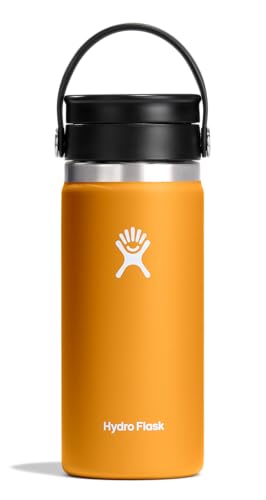
ASIN: B0D8K383NT
Check Hydro Flask’s current 16-ounce Flex Sip details.
Coleman 9-can soft cooler: small sealed-drink storage
The Coleman 9-Can Soft Cooler is a compact option when a driver wants to carry a few factory-sealed water bottles or cans. Its verified Amazon listing describes a removable hard liner, a leakproof flexible liner with heat-welded seams, adjustable shoulder strap, and approximately 9-can capacity. Coleman’s product page describes the removable hard liner as useful when ice is used and easier to empty. These features make it more manageable than a rigid chest for a small car, though it still needs a secure, level place to ride.
Stow it on the floor behind a front seat or in the trunk, where it cannot slide into a footwell or block an exit. Do not put it on a seat in a way that interferes with a passenger, a seat belt, or an airbag. Ice melt can make even a lined cooler damp, so inspect the seams and dry it after each shift. For the passenger cabin, sealed bottles in a dry organizer may be tidier than loose ice and cans.

ASIN: B07T8655DH
Check Coleman’s 9-can cooler features.
Zojirushi SM-SA48-BA: compact 16-ounce vacuum mug
The Zojirushi SM-SA48-BA is a 16-ounce stainless vacuum-insulated mug. Its verified Amazon listing identifies the exact model and capacity. It is a compact candidate for a driver who wants a smaller personal drink vessel than a large bottle or tumbler. Before using it on the road, read the precise lid instructions, confirm how it locks, and check cleaning guidance. A product marketed as a travel mug is not automatically spillproof in every position or after wear.
Use this as your own mug, not as a shared passenger container. Some travel mugs have gaskets or small lid channels that need regular disassembly and cleaning. If the lid contains a sliding or hinged mechanism, practice opening and closing it while parked. The driver should not unscrew a cap, look for a drink, or rinse the mug while driving.

ASIN: B00HYOGTTG
How to choose capacity for a driving shift
Capacity should match the length of your usual driving block and the space available. A bottle between roughly 16 and 24 ounces is often easier to keep beside the driver than a large 40-ounce vessel. It is lighter when full and less likely to crowd the console. If you work long shifts, carry a refillable personal bottle and plan a stop to refill it rather than wedging a large jug beside the seat.
For passenger refreshments, start small. A few sealed bottles in a compact cooler are easier to restock and keep clean than a large multi-gallon dispenser. More capacity means more weight, more condensation, and more space occupied in the cabin or trunk. If passengers are not asking for water, a neat personal bottle may be all you need.
Do not choose by headline capacity alone. A bottle’s base diameter determines cup-holder fit; its height determines whether it clears the armrest or dash. The cooler’s exterior dimensions determine whether it sits flat and leaves space for luggage. Measure these areas with a tape measure and compare the manufacturer’s dimensions, including any protruding handles or shoulder straps.
Leak resistance, lids, and car movement
“Leakproof” depends on a lid being closed, seals being installed correctly, and the product being used as intended. A lockable flip top can be reassuring when a bottle is stored in a moving vehicle, but test it over a sink before taking it on a shift. Inspect gaskets for dirt, tears, or stretching. Replace worn seals if the manufacturer offers them.
A soft cooler with a heat-welded liner can contain ordinary meltwater better than a simple fabric tote, but no bag should be treated as a guaranteed leakproof container after rough use. Check it for punctures and seam separation. Keep it upright, avoid overfilling it, and put it on a washable rubber mat or tray if stored inside the car. A secondary containment tray is a practical safeguard for any cooler with ice.
Loose bottles should not roll under a seat or into the driver’s footwell. Use a cup holder, door pocket designed for bottles, or a secured tote. Do not place a container where it can obstruct pedals, seat adjustment, seat belts, airbags, or a passenger’s legroom. Check the owner’s manual for vehicle-specific airbag and storage cautions.
Temperature retention in a parked vehicle
Vacuum-insulated bottles help maintain the temperature of a beverage, but a product’s “hours cold” claim is not a promise that water will remain chilled in a hot car indefinitely. The starting temperature, how often the bottle is opened, amount of ice, and outdoor heat all matter. Direct sun warms the exterior and can make a small cooler work harder. Store drinks out of sunlight and avoid leaving perishables in a vehicle.
A soft cooler can help preserve chilled sealed drinks for a shift, especially if it is pre-chilled and packed with cold items, but performance varies. Use ice packs or ice only as permitted by the product design. The Coleman 9-can model has a removable hard liner; follow the manufacturer’s instructions for that liner and dry the bag after use. Do not rely on insulation to maintain safe food temperatures for milk, prepared meals, or other perishables during a long day. Carry shelf-stable sealed water instead.
For the driver’s own drinking water, refill with fresh potable water and avoid leaving a repeatedly opened bottle warm in a car between shifts. Empty and wash it according to its care instructions. If you use ice, make sure the bottle’s maker allows it and that the opening is wide enough to clean comfortably.
Passenger comfort and professional presentation
A small optional water amenity can be helpful during hot weather or a longer trip, but it should be unobtrusive. Keep bottles sealed, visible only if you choose to offer them, and easy for passengers to take without reaching across the driver. Never pressure someone to accept a drink. Follow your rideshare platform’s current policies and local requirements for items offered to passengers; those rules can change.
A clean cooler signals care. Wipe the exterior, check for odor, remove trash, and replace any bottle whose seal or packaging is damaged. Keep the drink supply separate from personal food, cleaning products, and loose cargo. Avoid storing open cups or shared dispensers in the passenger area. A passenger can bring their own drink, and you are not responsible for providing one unless a service agreement says otherwise.
Temperature choice also matters. In hot weather, chilled sealed water may be welcome; in a cold climate, a small supply of room-temperature water may be more comfortable. Do not hand out hot beverages from a vehicle, where spills can scald and create cleanup problems. Keep the driver’s coffee sealed in a travel mug and out of passenger reach.
Cleaning routine between shifts
Clean personal bottles on the schedule and by the method stated by the manufacturer. Lids, straws, bite valves, and gaskets can hold residue even when the stainless body looks clean. Disassemble only the parts the manual permits, wash them thoroughly, and let everything dry completely before reassembly. Avoid using bleach or abrasive cleaners unless the maker explicitly allows them.
For a soft cooler, remove the hard liner if the model has one. Empty meltwater, wipe the liner and interior, and leave the bag open to dry. Pay attention to seams, corners, and zipper areas where moisture can linger. Do not close a damp cooler in a trunk overnight; stale odor and mildew can become difficult to remove. If the liner cracks or the seams fail, replace the cooler rather than trusting it to contain leaks.
Clean the vehicle surfaces separately using products safe for the car’s upholstery and console. Do not spray disinfectant into a bottle lid or cooler. Keep cleaning wipes and sprays sealed and away from drinking water. If a passenger spills, remove the cooler from the area and clean the seat or floor promptly according to the vehicle manufacturer’s guidance.
Where to stow a cooler safely
Best placement depends on the vehicle. A bottle that fits securely in the center console is convenient for the driver while parked. A soft cooler can ride flat in the trunk or on the floor behind a front seat if that space remains clear of passengers’ feet and emergency egress. A trunk organizer with a strap may keep it from sliding, but it should not conceal emergency equipment or block access to the spare tire if you rely on that space.
Avoid storing a cooler on a front passenger seat, on top of a child seat, or in front of an airbag. Do not place a heavy cooler on the rear seat without securing it. In a sudden stop, an unsecured object can move. Use the vehicle’s designated cargo hooks or storage features where appropriate and follow the owner’s manual. When carrying passengers or luggage, prioritize their space and seatbelt access.
Check that the driver can enter and exit normally and that no container is near a pedal. If you have to move a cooler to fit a passenger’s bag, do so before leaving the curb, not while the vehicle is in motion. Keep your setup simple enough that a quick pre-trip check catches an empty bottle, loose lid, or spilled ice.
Bottled water versus refillable bottles
Refillable bottles are economical over repeated shifts and let a driver keep a personal amount of water close by. They require cleaning and do not make water available to passengers unless you provide individual clean cups, which adds complexity. For rideshare use, a personal refillable bottle paired with no passenger drinks may be the simplest approach.
Individually sealed water bottles are convenient to offer because each passenger opens their own package, but they create ongoing restocking, recycling, and storage needs. Choose modest quantities and avoid leaving bottles exposed in heat. Do not offer a bottle with a broken seal, damaged cap, or questionable storage history. If you carry sealed drinks, keep them in a cooler separate from personal used bottles.
A large beverage jug with a spigot is generally less convenient for a passenger vehicle. It takes up space, can leak or spill during dispensing, and encourages shared-contact surfaces. The keyword may say “water cooler,” but for ridesharing a bottle or small cooler is usually a better format than a sports-team dispenser or office water cooler.
Electric car refrigerators and powered coolers
A 12-volt refrigerator can hold drinks cold for extended periods, but it introduces cost, power draw, cords, ventilation needs, and a larger object inside the vehicle. Before considering one, check the car’s accessory outlet limits, battery behavior, manufacturer instructions, and whether the unit can be safely secured. Never route cables across a driver’s controls or passenger walkways. A powered cooler also requires cleaning and drainage.
For most rideshare drivers who only want water, an insulated bottle or small soft cooler is simpler. A powered unit may make sense for specialized long-distance work, accessible medical needs, or another clear use case, but it is overkill for a few sealed bottles. Review the cooler’s actual dimensions, operating current, low-voltage protection, and ventilation requirements rather than buying based on a vague “car fridge” label.
How we chose these examples
We selected items with a clear role: a personal cold-water bottle, a personal hot-drink bottle, a compact cooler bag, and a small travel mug. We verified the listed Amazon ASINs and product images through Amazon’s Creator API. We checked manufacturer pages for Owala’s bottle features, Hydro Flask’s Flex Sip details, and Coleman’s cooler design. We have not independently measured how long any item keeps drinks cold, tested leaks under vehicle vibration, or assessed passenger reviews.
That distinction is important. A product page’s insulation duration is a manufacturer claim under stated or unstated test conditions, not a guarantee for every car and climate. “Cupholder compatible” cannot ensure a fit in every console. Treat the product cards as useful starting points and confirm the current dimensions, color, model, and lid configuration before checkout.
See our product selection approach and affiliate disclosure for more about how retailer links work on this site.
Rideshare cooler buying checklist
- Measure the cup holder, console height, and available trunk or floor space.
- Choose a personal bottle for hydration and a separate small cooler only if you carry multiple sealed drinks.
- Look for a lockable lid, secure seal, and replacement gasket availability for a personal bottle.
- Check whether the bottle is intended for cold water only or can also carry hot drinks.
- Use the product’s exact dimensions, not just a capacity label, to judge fit.
- Plan a stable storage location that does not block pedals, airbags, seat belts, passenger space, or egress.
- Carry only the amount you can keep clean and at an appropriate temperature.
- Review current platform guidance and local rules before offering anything to passengers.
- Wash personal bottles, dry cooler liners, and discard damaged or unsealed drinks.
- Do not handle bottles, food, or controls while driving; set up and retrieve items when safely parked.
Frequently asked questions
What is the best water cooler for ridesharing?
For many drivers, a leak-resistant personal bottle that fits the car’s cup holder is more practical than a large cooler. If you want to carry several sealed passenger drinks, a small soft cooler with a removable liner can be easier to stow. The best choice depends on your vehicle and whether the drinks are for your own use or an optional passenger amenity.
Can I keep a water cooler in my car all day?
An insulated bottle or cooler can help retain temperature, but a parked car can become hot. Keep beverages out of direct sun and do not rely on an insulated bag to safely store perishables during a long shift. Take personal bottles with you, empty and wash them after work, and follow the cooler’s care guide.
Should rideshare drivers offer water to passengers?
That is optional and may be subject to platform policies or local rules. If you choose to offer water, use factory-sealed individual bottles and let passengers decide whether to take one. Do not use a shared cup or dispenser, and avoid promising a particular level of service that the platform does not support.
Is a 24-ounce bottle too large for a car cup holder?
It depends on the bottle base and the specific console. Owala describes the FreeSip as cup-holder-friendly, but a label cannot guarantee compatibility with every vehicle. Measure the holder and compare it with the bottle’s listed base diameter before ordering.
Are leakproof travel mugs completely spillproof?
No container should be treated as spillproof in every position or condition. “Leakproof when closed” depends on the lid being fully shut, seals being intact, and use matching the instructions. Test a new mug over a sink and store it upright.
Can I drink while driving?
Handling or drinking from a container can take attention away from driving. NHTSA includes eating and drinking among potential distractions. Set the bottle up before starting and wait until parked to drink.
Our recommendation
Start with a compact personal bottle that locks shut and fits your console; add a small insulated cooler only if you have a clear reason to carry multiple sealed drinks. The Owala FreeSip 24-ounce bottle is a practical cold-water example, while Hydro Flask’s 16-ounce Flex Sip suits a personal coffee or tea routine. Coleman’s 9-can cooler is the more useful format for a few sealed bottles, provided it has a stable place in the car and you dry it after use.
Before ordering, compare the exact model and dimensions against your vehicle and verify current listing details. Set up the container while parked and keep it secured away from pedals, airbags, belts, and passenger space. For more buying guidance, see our office cooler guide, home stainless-steel cooler guide, and water cooler cleaning guide.