Disclosure: As an Amazon Associate, dailyhomedecorating.com earns from qualifying purchases. Links on this page are affiliate links; they cost you nothing extra. Prices and availability change often, so check the current Amazon listing before you buy.
Learning how to choose an accent chair is mostly learning what order to decide things in. Shoppers who start with colour end up with a beautiful chair that does not fit, does not suit the room’s real life, and does not get sat in. Shoppers who start with the room and the job end up choosing the colour last, from a shortlist where everything already works. These are the steps, in the order that makes each next decision smaller and easier.
Key Takeaways
- The deciding criteria, in order: job, size, silhouette, sit, fabric, build, then colour.
- Measure the room and the delivery route before falling for any photograph.
- Fabric should be chosen for your busiest household day, not your tidiest.
- If a chair fails an early step, no later strength can rescue it.
The short answer. Choose an accent chair by working from the room outward: purpose and measurements first, comfort and construction in the middle, and looks — the part everyone wants to start with — profitably last.
In this guide
What You Need to Know Before Comparing Chairs
The family-proof accent chair is not indestructible — it is forgiving, cleanable and sensibly coloured. Performance fabrics and tight weaves stand up to claws, crumbs and the occasional felt-tip incident. Sturdy, low chairs survive being climbed on better than tall, tippy silhouettes. A chair with a washable throw over it buys style and protection in the same gesture. Mid-tone colours and gentle patterns camouflage the hair and marks that pale solids announce to the room. The chair that survives family life gracefully becomes the most loved piece in the room.
A calm, ordered buying process turns accent chair shopping from a gamble into a series of small, checkable decisions. Check the delivery path — doorways, turns, lifts — while the chair is still a line on a screen. Shortlist by silhouette first, because shape decides comfort and placement more than colour ever will. Confirm the returns route before ordering, because even careful buyers occasionally meet a chair that lies in photos. Read the construction details: frame material, joinery, cushion fill and fabric content, in that order. Write the decision down: job, size, fabric, tier. If a chair fails the note, it fails, however pretty it is.
Knowing the main accent chair families turns a bewildering catalogue into a short, sensible shortlist. Mid-century silhouettes bring tapered legs and clean lines that keep smaller rooms feeling uncluttered. Slipper chairs sit low and armless, slipping into bedrooms and tight corners where arms would crowd the walls. Barrel and tub chairs curve around you, save space with their rounded footprint, and suit conversation corners. Bergere chairs pair an exposed frame with loose cushions, bringing lightness and a tailored, open feel. A style that fights your room’s architecture will keep fighting it every single day.
An accent chair is not the only way to add seating and character, and honest comparisons sharpen the decision. A chaise offers true lounging for one, if the room can spare its considerable length. A loveseat adds two full seats and a stronger presence, at the cost of far more floor and flexibility. An ottoman or pouf adds casual seating and a footrest, but offers no back support for long sits. A bench suits hallways and dining overflow, yet nobody chooses it for an evening of reading. Choose the alternative only if it does the chair’s actual job better, not merely cheaper or sooner.
How to Choose an Accent Chair in Eight Steps
Step 1: Name the Chair’s Job Before Anything Else
A little preparation before delivery day saves the purchase from its most avoidable frustrations. Two people make light work of positioning; dragging a chair alone twists legs and scratches floors. Many accent chairs arrive with legs to attach and nothing more; ten calm minutes with the instructions suffices. Attach legs loosely first, then tighten evenly once the chair stands level, to avoid a built-in wobble. Felt glides fitted on day one protect floors and make later moving silent and easy. Assembly done slowly and level is the first act of care the chair ever receives.
An accent chair in a bedroom lives a different life from one in a busy family living room. A hallway or entry chair works hard in short bursts and needs a shallow footprint above all. Guest room chairs double as luggage rest and dressing seat, so sturdiness beats delicacy. Living room chairs balance looks and endurance, because they are seen constantly and used almost as often. Sunrooms and bright spaces demand fade-resistant fabric before anything else is discussed. A chair bought for one room that can serve another later is quiet insurance against changing life.
Trends can guide an accent chair choice, but they should never be allowed to drive it alone. A trend expressed in a cushion or throw can be retired in a season at almost no cost. Vintage and secondhand chairs bring patina and story that no new piece can counterfeit. Chairs bought purely for a photograph tend to be sat in purely for photographs too. Boucle and textured weaves add the interest that plain colour blocks used to provide. Classic bones, current clothes: that is the accent chair formula that ages best.
The honest comfort question is not whether a chair is soft, but whether it suits the way you will really sit in it. Armrests at the right height take real weight off the shoulders during long conversations. A chair for reading needs a back that supports an upright, settled posture for a chapter at a time. A chair for conversation should let you sit forward a little, feet grounded, without feeling perched or trapped. Deep, low seats feel luxurious for ten minutes and punishing when you try to stand up gracefully. Comfort you have to adjust to every few minutes is not comfort; it is a compromise with good marketing.
Step 2: Measure the Space, the Route In, and the Neighbours
An accent chair will never be judged fairly until you decide what kind of sitting it is actually for. Upholstery texture matters more than people expect: rough weaves tire skin, slick leather slides you forward. A chair for reading needs a back that supports an upright, settled posture for a chapter at a time. Seat width decides whether you can tuck a leg up, share the chair with a cushion, or only sit formally. Armrests at the right height take real weight off the shoulders during long conversations. Comfort you have to adjust to every few minutes is not comfort; it is a compromise with good marketing.
Under every good-looking accent chair is a frame doing quiet, unglamorous work for years. Legs are part of the frame story: splayed, tapered legs spread load and protect floors differently from a solid base. Kiln-dried hardwood frames resist the warping and joint movement that make chairs creak and wobble. Weight is a rough clue, not a guarantee; a well-built chair usually feels substantial without being immovable. Engineered woods keep costs down and can perform well, but they ask more of the joinery around them. Spend on the frame before you spend on decorative detail you could add later with a cushion or throw.
Where an accent chair lands in the room matters as much as which chair it is. Entry seating needs to be shallow and sturdy, because it works as perch, bag rest and shoe-tying station. Bedroom corners suit lower, softer chairs that invite a slow start rather than formal sitting. Keep chairs out of traffic lanes, or every passing hip and bag will test the frame and the fabric. Float a chair off the wall in larger rooms; a small gap behind it reads as confidence, not wasted space. Live with the chair in its first position for a week before deciding it is wrong; rooms teach you their habits slowly.
Where an accent chair lands in the room matters as much as which chair it is. Angle a single chair slightly toward the sofa and the whole seating group starts to feel like a conversation. Entry seating needs to be shallow and sturdy, because it works as perch, bag rest and shoe-tying station. In open-plan rooms, a pair of chairs can mark the edge of the living zone better than a rug alone. Keep chairs out of traffic lanes, or every passing hip and bag will test the frame and the fabric. Live with the chair in its first position for a week before deciding it is wrong; rooms teach you their habits slowly.
Step 3: Choose the Silhouette That Fits the Job
An accent chair is the safest place in a living room to take a colour risk, precisely because it is one piece. Black and deep navy chairs ground pale rooms and pair with almost any wood tone. A bold chair against a calm sofa gives the room a focal point without committing walls or large pieces. Pull one colour from the rug or artwork and the chair instantly looks chosen rather than random. Pattern hides wear and adds energy, but a large-scale print needs a chair big enough to show it properly. When everything else is safe, let the chair be the brave piece — that is literally its job.
A matching pair brings symmetry and order; mismatched chairs bring character and a collected feel. A pair lets two people sit at the same height and angle, which makes conversation feel equal and easy. Mismatched chairs work when they share a weight, a height, or a colour family that ties them together. Swivel pairs are the social all-rounders, turning from the fire to the room to each other with ease. Two chairs and a small table between them build a self-contained conversation nook inside a bigger room. Decide whether your room wants symmetry or story, and let that answer choose the pair strategy.
Step 4: Test the Sit Against Your Real Posture
Accent chairs ask for little care, but the little they ask for matters out of all proportion. Professional cleaning once in a long while revives texture that home methods cannot reach. Weekly vacuuming with an upholstery tool lifts the grit that slowly saws through fabric fibres. Blot spills immediately; rubbing drives liquid deeper and spreads the stain you are trying to save. Rotate loose cushions so the favourite seat does not wear a permanent hollow. Chairs rarely die suddenly; they fade, sag and loosen slowly, and almost all of it is preventable.
Most accent chair regrets follow a short, predictable list of mistakes made in the first ten minutes of shopping. Matching the chair too exactly to the sofa produces a showroom suite that feels flat and dated fast. Ignoring the rug: a chair half on and half off a rug edge wobbles visually and sometimes literally. Buying a pair before proving one chair works in the room doubles every mistake. Skipping the sit test, or testing for ten seconds, tells you nothing about the fortieth minute. If a chair fails two of these checks, walk away however much you love the colour.
An accent chair is not the only way to add seating and character, and honest comparisons sharpen the decision. A loveseat adds two full seats and a stronger presence, at the cost of far more floor and flexibility. A floor cushion corner delights children and flexible households, and defeats anyone with stiff knees. An ottoman or pouf adds casual seating and a footrest, but offers no back support for long sits. A chaise offers true lounging for one, if the room can spare its considerable length. The accent chair wins when the job is one flexible, comfortable, characterful seat.
Fashion moves yearly; chairs live in decades, and the wise purchase respects both clocks. Chairs bought purely for a photograph tend to be sat in purely for photographs too. Boucle and textured weaves add the interest that plain colour blocks used to provide. Warm wood legs and natural fibres keep returning because they flatter almost every palette. Curved silhouettes soften rooms full of straight lines and have earned their current popularity honestly. Classic bones, current clothes: that is the accent chair formula that ages best.
Step 5: Pick Fabric for Your Actual Household
An accent chair will never be judged fairly until you decide what kind of sitting it is actually for. Armrests at the right height take real weight off the shoulders during long conversations. Firm foam holds its shape and supports longer sits; softer fills invite sinking and suit shorter, relaxed stays. Seat width decides whether you can tuck a leg up, share the chair with a cushion, or only sit formally. A chair for conversation should let you sit forward a little, feet grounded, without feeling perched or trapped. Sit in your current chairs the way you actually live, and let that honest posture guide the choice.
What is inside the seat matters as much as what covers it, and it changes faster than any other part. Loose cushions can be rotated and flipped to spread wear; fixed seats wear in one place only. Ask how the cushion is constructed, not just how it feels in a two-minute showroom sit. A sagging seat changes your posture, strains your back, and makes the whole chair feel older than it is. Foam wrapped in fibre softens the first contact while the core underneath does the structural work. Choose the fill for the chair you want in three years, not only the one in front of you today.
Homes with pets and small children do not need to give up on a beautiful accent chair; they need an honest one. Keep one honest rule: if a spill would ruin your week, that fabric does not belong in a family room. Leather wipes clean and does not trap hair, though determined claws can leave their signature on it. Avoid delicate legs and wobbly frames where toddlers will pull themselves up daily. A chair with a washable throw over it buys style and protection in the same gesture. Choose forgiving first and beautiful second, and you will usually end up with both.
Style names are useful shorthand, as long as you remember each one also describes a posture. Bergere chairs pair an exposed frame with loose cushions, bringing lightness and a tailored, open feel. Barrel and tub chairs curve around you, save space with their rounded footprint, and suit conversation corners. Traditional rolled-arm chairs add softness and formality, and pair naturally with classic sofas. Swivel chairs turn toward conversation, a view, or a screen without scraping across the floor. The most timeless choice is usually the silhouette whose comfort you would defend without its looks.
Step 6: Check the Frame and Cushion Construction
An accent chair is the safest place in a living room to take a colour risk, precisely because it is one piece. Pull one colour from the rug or artwork and the chair instantly looks chosen rather than random. Pattern hides wear and adds energy, but a large-scale print needs a chair big enough to show it properly. If you tire of colour quickly, keep the chair neutral and let cushions and throws carry the changing accents. A tonal chair, close to the sofa colour but different in texture, adds depth that reads as quietly expensive. One confident colour, repeated nowhere else, still works if the chair’s shape is strong enough to carry it.
An accent chair is not the only way to add seating and character, and honest comparisons sharpen the decision. A floor cushion corner delights children and flexible households, and defeats anyone with stiff knees. A bench suits hallways and dining overflow, yet nobody chooses it for an evening of reading. A chaise offers true lounging for one, if the room can spare its considerable length. A second sofa maximises seats and symmetry but removes the contrast that makes a room interesting. Most rooms that think they need two solutions discover one good chair was the answer all along.
A little preparation before delivery day saves the purchase from its most avoidable frustrations. Save spare bolts and the care leaflet in one labelled place; future you sends thanks. Two people make light work of positioning; dragging a chair alone twists legs and scratches floors. Felt glides fitted on day one protect floors and make later moving silent and easy. Check every part against the list before the packaging leaves the house. Assembly done slowly and level is the first act of care the chair ever receives.
The healthiest way to use a trend is on the piece you can change most easily — which is often this chair. A trend expressed in a cushion or throw can be retired in a season at almost no cost. Chairs bought purely for a photograph tend to be sat in purely for photographs too. If a fashionable shape is also genuinely comfortable, the trend is a bonus rather than the reason. Vintage and secondhand chairs bring patina and story that no new piece can counterfeit. The room should look current because it is loved and lived in, not because it is chasing a feed.
Step 7: Decide Colour and Pattern Last, in Your Own Light
Treat the chair’s colour as a sentence in the room’s story: it should say something, but not shout over everything. A tonal chair, close to the sofa colour but different in texture, adds depth that reads as quietly expensive. Pattern hides wear and adds energy, but a large-scale print needs a chair big enough to show it properly. Pull one colour from the rug or artwork and the chair instantly looks chosen rather than random. Natural light shifts colour through the day; a swatch that sings at noon may sulk by lamplight. One confident colour, repeated nowhere else, still works if the chair’s shape is strong enough to carry it.
Get the scale right and almost every accent chair decision after it becomes easier. Leave enough clearance to walk past comfortably without turning sideways or nudging the chair every day. A chair that is too small reads as an afterthought, like seating borrowed from another room for the evening. Arms that rise far above the sofa arms break the calm horizontal line a living room depends on. The seat should sit at a height that lets it converse with the sofa rather than tower over it or sink below it. When in doubt, tape the outline on the floor and live with it for a day before ordering anything.
A matching pair brings symmetry and order; mismatched chairs bring character and a collected feel. If budget is tight, one excellent chair beats two flimsy ones that will both need replacing. Swivel pairs are the social all-rounders, turning from the fire to the room to each other with ease. In rentals and first homes, a pair of lighter chairs moves house far more gracefully than one huge statement piece. Mismatched chairs work when they share a weight, a height, or a colour family that ties them together. Two chairs facing the sofa will quietly become the best seats in the house for guests.
Care is where the true cost of an accent chair hides, and it is mostly measured in minutes, not money. A throw over the favourite arm is not just styling; it is armour for the highest-wear surface in the room. Blot spills immediately; rubbing drives liquid deeper and spreads the stain you are trying to save. Leather wants occasional conditioning to stay supple, and distance from radiators that dry it out. Weekly vacuuming with an upholstery tool lifts the grit that slowly saws through fabric fibres. The best care routine is the boring one you will actually keep.
Step 8: Sense-Check the Purchase as a Whole
The common accent chair mistakes are not exotic; they are the same five errors repeated in different rooms. Ignoring the rug: a chair half on and half off a rug edge wobbles visually and sometimes literally. Forgetting the doorway, hallway and stair turn is how beautiful chairs become expensive corridor ornaments. Skipping the sit test, or testing for ten seconds, tells you nothing about the fortieth minute. Buying by photograph alone ignores scale, sit and fabric hand — the three things that decide daily satisfaction. Every mistake on this list is free to avoid and costly to fix, which is the best deal in this whole guide.
A calm, ordered buying process turns accent chair shopping from a gamble into a series of small, checkable decisions. Start with the room’s measurements and the chair’s job, written down, before looking at a single product photo. Confirm the returns route before ordering, because even careful buyers occasionally meet a chair that lies in photos. Set the budget tier honestly: entry, mid or premium, and shop inside it without apology. Order swatches for the finalists and judge them in morning and evening light at home. A process you trust lets you enjoy the fun part — choosing the beautiful one — without the fear.
Think of the chair as staff hired for one room’s specific job, and interview it accordingly. A hallway or entry chair works hard in short bursts and needs a shallow footprint above all. Living room chairs balance looks and endurance, because they are seen constantly and used almost as often. Small apartments need chairs that can migrate between rooms as life changes week to week. A nursery or family corner chair prioritises washable fabrics and a shape that forgives being climbed. Rooms forgive a plain chair in the right place far sooner than a stunning chair in the wrong one.
The process matters because a chair is a long relationship bought in a short afternoon. Confirm the returns route before ordering, because even careful buyers occasionally meet a chair that lies in photos. Check the delivery path — doorways, turns, lifts — while the chair is still a line on a screen. Sit properly when you can, for minutes not seconds, in the posture the chair is actually for. Order swatches for the finalists and judge them in morning and evening light at home. A process you trust lets you enjoy the fun part — choosing the beautiful one — without the fear.
Gear for This Guide
Four real designs that each pass these steps for a different kind of household, treated in prose while listings are verified.
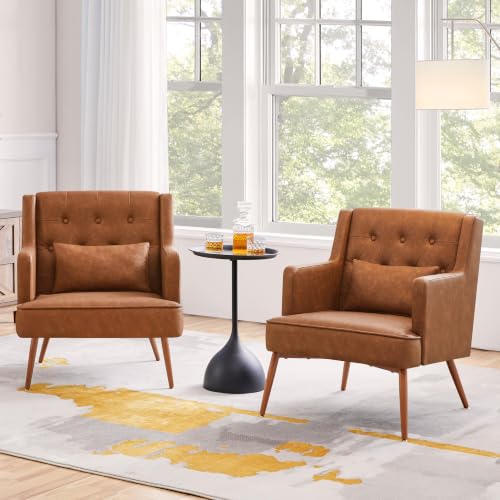
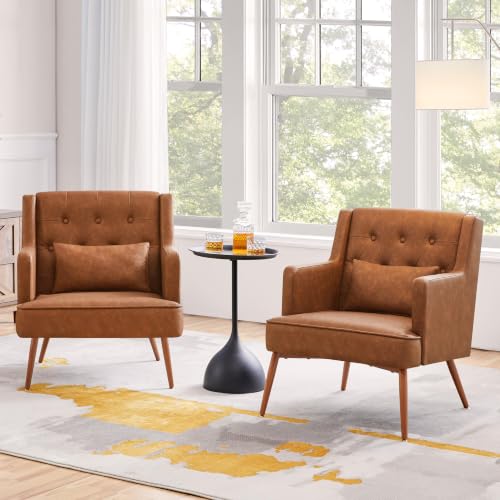
Yaheetech Upholstered Mid-Century Accent Chair — the accessible all-rounder
Best for: readers who want the accessible all-rounder in a entry tier accent chair. Not suited for: anyone whose room or routine fights that strength. Check price on Amazon once listings are verified for this page.
A chair can be beautiful and still be a poor place to spend an hour; posture is where that truth lives. Armrests that carry the forearms lightly stop shoulders creeping toward ears during long sits. Feet flat on the floor with knees near level is the baseline a well-proportioned chair should allow. Seat depth that is too generous forces a choice between dangling feet and a unsupported back. A small cushion at the lower back can rescue a deep chair for a shorter sitter. Comfort and posture are the same conversation held at different volumes.
A chair built to last changes how you buy everything else in the room, because it plans to stay. Abrasion-resistant weaves keep high-contact arms and seat fronts presentable for years. Replaceable legs, covers and cushions extend a chair’s life far beyond fixed, sealed designs. A chair worth repairing is a chair worth buying; flimsy construction forecloses that option entirely. Sun rotation, vacuuming and prompt spill care are free years added to any chair. Buy once, buy well, and the chair becomes part of the household’s furniture in every sense.
Fabric is where an accent chair meets real life: sunlight, coffee, pets, children and denim all leave their evidence. Dark colours forgive daily dust between cleans; very pale upholstery shows every shadow of use. Boucle hides a multitude of sins and reads as texture from across the room, though loops can catch on claws and jewellery. Performance fabrics shrug off spills that would permanently mark untreated linen or cotton. Leather develops a patina, wipes clean easily, and can feel cool in summer and chilly in a cold room. Order swatches and live with them in your room’s actual light before committing to a full chair.
Christopher Knight Home Malone Club Chair — the enveloping traditional option
Most accent chair regrets follow a short, predictable list of mistakes made in the first ten minutes of shopping. Choosing pale, delicate fabric for the busiest seat in the house is optimism dressed as taste. Skipping the sit test, or testing for ten seconds, tells you nothing about the fortieth minute. Buying by photograph alone ignores scale, sit and fabric hand — the three things that decide daily satisfaction. Forgetting the doorway, hallway and stair turn is how beautiful chairs become expensive corridor ornaments. Slow down for measurements and swatches; speed up for everything else.
Shop in the right order — room, job, size, sit, fabric, style — and each step narrows the field kindly. Sit properly when you can, for minutes not seconds, in the posture the chair is actually for. Shortlist by silhouette first, because shape decides comfort and placement more than colour ever will. Read the construction details: frame material, joinery, cushion fill and fabric content, in that order. Start with the room’s measurements and the chair’s job, written down, before looking at a single product photo. The best purchase feels boring in its logic and delightful in its result.
A little preparation before delivery day saves the purchase from its most avoidable frustrations. Felt glides fitted on day one protect floors and make later moving silent and easy. Many accent chairs arrive with legs to attach and nothing more; ten calm minutes with the instructions suffices. Save spare bolts and the care leaflet in one labelled place; future you sends thanks. Photograph any transit damage before assembly, while the evidence is still unambiguous. Assembly done slowly and level is the first act of care the chair ever receives.
Treat the chair’s colour as a sentence in the room’s story: it should say something, but not shout over everything. A bold chair against a calm sofa gives the room a focal point without committing walls or large pieces. Pull one colour from the rug or artwork and the chair instantly looks chosen rather than random. Natural light shifts colour through the day; a swatch that sings at noon may sulk by lamplight. If you tire of colour quickly, keep the chair neutral and let cushions and throws carry the changing accents. Choose the colour for the room you have at its gloomiest hour, not its brightest.
Rivet Revolve Modern Upholstered Armchair — the clean-lined modern option
Pairs solve the oldest living-room problem: where the fourth and fifth people actually sit. Matching pairs flanking a fireplace or facing a sofa create the formal balance traditional rooms love. If budget is tight, one excellent chair beats two flimsy ones that will both need replacing. Swivel pairs are the social all-rounders, turning from the fire to the room to each other with ease. Mismatched chairs work when they share a weight, a height, or a colour family that ties them together. A pair is a commitment to a layout, so be sure the layout is the one you actually live in.
Ten unglamorous minutes of maintenance now and then is what separates a five-year chair from a fifteen-year chair. Weekly vacuuming with an upholstery tool lifts the grit that slowly saws through fabric fibres. Professional cleaning once in a long while revives texture that home methods cannot reach. A throw over the favourite arm is not just styling; it is armour for the highest-wear surface in the room. Blot spills immediately; rubbing drives liquid deeper and spreads the stain you are trying to save. Chairs rarely die suddenly; they fade, sag and loosen slowly, and almost all of it is preventable.
The family-proof accent chair is not indestructible — it is forgiving, cleanable and sensibly coloured. Leather wipes clean and does not trap hair, though determined claws can leave their signature on it. Keep one honest rule: if a spill would ruin your week, that fabric does not belong in a family room. A chair with a washable throw over it buys style and protection in the same gesture. Mid-tone colours and gentle patterns camouflage the hair and marks that pale solids announce to the room. Test fabric samples with the actual hazards: a damp cloth, a muddy paw print, a crayon.
Shop in the right order — room, job, size, sit, fabric, style — and each step narrows the field kindly. Start with the room’s measurements and the chair’s job, written down, before looking at a single product photo. Check the delivery path — doorways, turns, lifts — while the chair is still a line on a screen. Confirm the returns route before ordering, because even careful buyers occasionally meet a chair that lies in photos. Shortlist by silhouette first, because shape decides comfort and placement more than colour ever will. The best purchase feels boring in its logic and delightful in its result.
Stone & Beam Bradbury Chesterfield Armchair — the tailored statement option
Assembly and delivery are the unglamorous middle chapter of every accent chair story, and worth planning. Attach legs loosely first, then tighten evenly once the chair stands level, to avoid a built-in wobble. Check every part against the list before the packaging leaves the house. Keep the packaging until the sit test at home is honestly passed. Photograph any transit damage before assembly, while the evidence is still unambiguous. Delivery day done well disappears from memory, which is exactly the point.
A chair built to last changes how you buy everything else in the room, because it plans to stay. Hardwood frames and reinforced joints are the skeleton of a long life. A chair worth repairing is a chair worth buying; flimsy construction forecloses that option entirely. Replaceable legs, covers and cushions extend a chair’s life far beyond fixed, sealed designs. Sun rotation, vacuuming and prompt spill care are free years added to any chair. Judge every chair by asking whether you would still choose it, re-covered, in ten years.
The sit of a chair on day one is a promise; the fill determines whether that promise survives daily use. Edge support matters when you perch to tie a shoe or reach for a drink beside the chair. Foam wrapped in fibre softens the first contact while the core underneath does the structural work. Ask how the cushion is constructed, not just how it feels in a two-minute showroom sit. A sagging seat changes your posture, strains your back, and makes the whole chair feel older than it is. Choose the fill for the chair you want in three years, not only the one in front of you today.
Treat the chair’s colour as a sentence in the room’s story: it should say something, but not shout over everything. Pull one colour from the rug or artwork and the chair instantly looks chosen rather than random. A tonal chair, close to the sofa colour but different in texture, adds depth that reads as quietly expensive. Natural light shifts colour through the day; a swatch that sings at noon may sulk by lamplight. Black and deep navy chairs ground pale rooms and pair with almost any wood tone. One confident colour, repeated nowhere else, still works if the chair’s shape is strong enough to carry it.
Common Mistakes When Choosing
Real households test chairs in ways showrooms never do, so plan for the household you actually run. Removable covers that go in the wash turn a disaster into a laundry cycle. Performance fabrics and tight weaves stand up to claws, crumbs and the occasional felt-tip incident. Keep one honest rule: if a spill would ruin your week, that fabric does not belong in a family room. Avoid delicate legs and wobbly frames where toddlers will pull themselves up daily. The chair that survives family life gracefully becomes the most loved piece in the room.
Most accent chair regrets follow a short, predictable list of mistakes made in the first ten minutes of shopping. Ignoring the rug: a chair half on and half off a rug edge wobbles visually and sometimes literally. Forgetting the doorway, hallway and stair turn is how beautiful chairs become expensive corridor ornaments. Buying a pair before proving one chair works in the room doubles every mistake. Choosing pale, delicate fabric for the busiest seat in the house is optimism dressed as taste. Slow down for measurements and swatches; speed up for everything else.
Pro Tips From Rooms That Got It Right
An accent chair is not the only way to add seating and character, and honest comparisons sharpen the decision. A second sofa maximises seats and symmetry but removes the contrast that makes a room interesting. A rocking chair brings motion and nostalgia, and claims a bigger footprint than its seat suggests. A chaise offers true lounging for one, if the room can spare its considerable length. A bench suits hallways and dining overflow, yet nobody chooses it for an evening of reading. Most rooms that think they need two solutions discover one good chair was the answer all along.
Supportive sitting is not about stiffness — it is about a chair that holds you so your muscles can rest. Armrests that carry the forearms lightly stop shoulders creeping toward ears during long sits. A backrest that meets the natural curve of the lower back prevents the slow slump into aches. Seat depth that is too generous forces a choice between dangling feet and a unsupported back. A small cushion at the lower back can rescue a deep chair for a shorter sitter. Test posture at the end of a long sit in your mind, not the start of a short one.
Worked Examples
The Small Flat With One Good Corner
Trends can guide an accent chair choice, but they should never be allowed to drive it alone. If a fashionable shape is also genuinely comfortable, the trend is a bonus rather than the reason. Boucle and textured weaves add the interest that plain colour blocks used to provide. Chairs bought purely for a photograph tend to be sat in purely for photographs too. Warm wood legs and natural fibres keep returning because they flatter almost every palette. Classic bones, current clothes: that is the accent chair formula that ages best.
Accent chair styles are not just decoration; each silhouette carries a different sitting experience with it. Barrel and tub chairs curve around you, save space with their rounded footprint, and suit conversation corners. Slipper chairs sit low and armless, slipping into bedrooms and tight corners where arms would crowd the walls. Bergere chairs pair an exposed frame with loose cushions, bringing lightness and a tailored, open feel. Wingback chairs wrap the sitter, shield drafts, and anchor a fireplace or reading corner with real presence. The most timeless choice is usually the silhouette whose comfort you would defend without its looks.
The Family Room That Hosts Everyone
An accent chair justifies itself in daily use, not in the showroom and not in the photograph. The hidden savings of a good chair include the sofa wear it absorbs and the guests it seats properly. Comfort you avoid is money wasted, however beautiful the silhouette that delivers it. Resale and hand-me-down potential follow build quality more faithfully than they follow fashion. A chair used every day for a decade is cheap at almost any sensible price; a chair used monthly never is. Buy the best frame and fabric your budget honestly allows, and let accessories provide the fashion.
The process matters because a chair is a long relationship bought in a short afternoon. Read the construction details: frame material, joinery, cushion fill and fabric content, in that order. Set the budget tier honestly: entry, mid or premium, and shop inside it without apology. Confirm the returns route before ordering, because even careful buyers occasionally meet a chair that lies in photos. Order swatches for the finalists and judge them in morning and evening light at home. Write the decision down: job, size, fabric, tier. If a chair fails the note, it fails, however pretty it is.
The Quiet Reading Bedroom
Weighing the alternatives is what turns a purchase into a decision you can defend later. A chaise offers true lounging for one, if the room can spare its considerable length. A rocking chair brings motion and nostalgia, and claims a bigger footprint than its seat suggests. Dining chairs pulled in for guests cost nothing, and feel like it by the second hour. A floor cushion corner delights children and flexible households, and defeats anyone with stiff knees. The accent chair wins when the job is one flexible, comfortable, characterful seat.
Assembly and delivery are the unglamorous middle chapter of every accent chair story, and worth planning. Keep the packaging until the sit test at home is honestly passed. Two people make light work of positioning; dragging a chair alone twists legs and scratches floors. Attach legs loosely first, then tighten evenly once the chair stands level, to avoid a built-in wobble. Photograph any transit damage before assembly, while the evidence is still unambiguous. Delivery day done well disappears from memory, which is exactly the point.
Frequently Asked Questions
What is the most important factor when choosing an accent chair?
An accent chair earns its name when its position looks deliberate from the doorway. Entry seating needs to be shallow and sturdy, because it works as perch, bag rest and shoe-tying station. In open-plan rooms, a pair of chairs can mark the edge of the living zone better than a rug alone. Angle a single chair slightly toward the sofa and the whole seating group starts to feel like a conversation. A reading corner wants three things within reach: the chair, a surface for a drink, and light over a shoulder. Photograph the room from the doorway; the camera is brutally honest about whether a chair belongs.
How do I know if an accent chair will fit my room?
The worth question is really about cost per sit, and some chairs win that maths at almost any price. Comfort you avoid is money wasted, however beautiful the silhouette that delivers it. Frame quality and fabric durability are where money quietly converts into years. A chair used every day for a decade is cheap at almost any sensible price; a chair used monthly never is. Versatility is value: a chair that works in the living room today and a bedroom later earns twice. Ask what the chair must do, how often, and for how long — value lives in those three answers.
Which fabric should I choose with pets at home?
Homes with pets and small children do not need to give up on a beautiful accent chair; they need an honest one. Sturdy, low chairs survive being climbed on better than tall, tippy silhouettes. Leather wipes clean and does not trap hair, though determined claws can leave their signature on it. Removable covers that go in the wash turn a disaster into a laundry cycle.
Should I buy one accent chair or two?
Different rooms ask different things of an accent chair, and the best chair is always the one matched to its room. Bedroom chairs live softer lives: dressing, reading, and holding tomorrow’s clothes with dignity. Home office corners want upright support that keeps a video call posture honest. A hallway or entry chair works hard in short bursts and needs a shallow footprint above all. Sunrooms and bright spaces demand fade-resistant fabric before anything else is discussed. A chair bought for one room that can serve another later is quiet insurance against changing life.
How can I test comfort when buying online?
A chair built to last changes how you buy everything else in the room, because it plans to stay. Replaceable legs, covers and cushions extend a chair’s life far beyond fixed, sealed designs. A chair worth repairing is a chair worth buying; flimsy construction forecloses that option entirely. Abrasion-resistant weaves keep high-contact arms and seat fronts presentable for years. Heirloom is too grand a word for most chairs, but a decade of daily service is a fair ambition. Longevity is the most sustainable feature a chair can have, whatever it is made from.
What if the chair looks right but feels wrong?
Upholstery can be refreshed; a weak frame is a life sentence for the whole chair. Corner blocks and proper joinery keep a frame square long after stapled, lightweight construction starts to flex. Metal frames bring slim profiles and strength, and suit swivel and cantilever designs especially well. Weight is a rough clue, not a guarantee; a well-built chair usually feels substantial without being immovable. Try the diagonal test mentally: chairs rack side to side when joints are weak, and racking only ever gets worse. If a listing says nothing about frame construction at all, treat that silence as information.


