Disclosure: As an Amazon Associate, dailyhomedecorating.com earns from qualifying purchases. Links on this page are affiliate links; they cost you nothing extra. Prices and availability change often, so check the current Amazon listing before you buy.
This accent chair buying guide is for the moment every living room eventually reaches: the sofa is fine, the rug is fine, and yet the room still needs one more seat that actually earns its floor space. An accent chair is that seat — part furniture, part punctuation mark. This guide walks through the types, the criteria that genuinely matter, and the mistakes that turn a good purchase into a compromise, so the chair you choose is the one you would choose again next year.
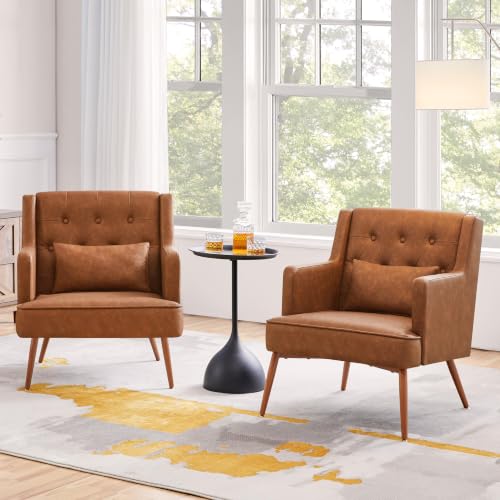
Key Takeaways
- Decide the chair’s job first: reading, conversation, guests, or pure visual anchor.
- Scale and seat height matter more than colour; measure before you fall in love.
- Frame and fabric decide how many years the chair serves, not how it photographs.
- Match the silhouette to the room, then let fabric and colour do the styling.
In this guide
Accent Chair Buying Guide: What an Accent Chair Does and the Main Types
Accent chair styles are not just decoration; each silhouette carries a different sitting experience with it. Mid-century silhouettes bring tapered legs and clean lines that keep smaller rooms feeling uncluttered. Slipper chairs sit low and armless, slipping into bedrooms and tight corners where arms would crowd the walls. Traditional rolled-arm chairs add softness and formality, and pair naturally with classic sofas. Bergere chairs pair an exposed frame with loose cushions, bringing lightness and a tailored, open feel. A style that fights your room’s architecture will keep fighting it every single day.
Accent chair styles are not just decoration; each silhouette carries a different sitting experience with it. Swivel chairs turn toward conversation, a view, or a screen without scraping across the floor. Slipper chairs sit low and armless, slipping into bedrooms and tight corners where arms would crowd the walls. Club chairs are generous, low and enveloping, built for long, relaxed sits rather than upright formality. Traditional rolled-arm chairs add softness and formality, and pair naturally with classic sofas. Pick the silhouette for the job first, then dress it in the fabric and colour your room wants.
An accent chair in a bedroom lives a different life from one in a busy family living room. Guest room chairs double as luggage rest and dressing seat, so sturdiness beats delicacy. A hallway or entry chair works hard in short bursts and needs a shallow footprint above all. Home office corners want upright support that keeps a video call posture honest. Bedroom chairs live softer lives: dressing, reading, and holding tomorrow’s clothes with dignity. A chair bought for one room that can serve another later is quiet insurance against changing life.
An accent chair in a bedroom lives a different life from one in a busy family living room. Living room chairs balance looks and endurance, because they are seen constantly and used almost as often. Sunrooms and bright spaces demand fade-resistant fabric before anything else is discussed. Guest room chairs double as luggage rest and dressing seat, so sturdiness beats delicacy. Home office corners want upright support that keeps a video call posture honest. Name the room and its three most common uses, and the shortlist writes itself.
Top Picks at a Glance
These are the class benchmarks this guide keeps returning to, shown as qualitative tiers rather than a price ladder. Each one is treated in prose here; verified listings are added when this page is published.
| Pick | Badge | Tier | Best for |
|---|---|---|---|
| Yaheetech Upholstered Mid-Century Accent Chair | Best Overall | mid | the accessible all-rounder |
| Christopher Knight Home Malone Club Chair | Best Traditional | mid | the enveloping traditional option |
| Rivet Revolve Modern Upholstered Armchair | Best Modern | mid | the clean-lined modern option |
| Stone & Beam Bradbury Chesterfield Armchair | Best Statement | premium | the tailored statement option |
How Much Room Does an Accent Chair Really Need?
Before fabric or colour, an accent chair succeeds or fails on scale alone. In a small room, a compact footprint with legs you can see under keeps the floor visible and the room breathing. In a large room, a low, slight chair disappears; visual weight matters as much as the tape measure here. A pair of chairs needs more total width than one larger chair, and the gap between them is part of the footprint. The seat should sit at a height that lets it converse with the sofa rather than tower over it or sink below it. Measure the space, then measure it again with the rug and side table in place, because those pieces shrink the real footprint.
Before fabric or colour, an accent chair succeeds or fails on scale alone. A chair that is too small reads as an afterthought, like seating borrowed from another room for the evening. In a small room, a compact footprint with legs you can see under keeps the floor visible and the room breathing. Leave enough clearance to walk past comfortably without turning sideways or nudging the chair every day. A pair of chairs needs more total width than one larger chair, and the gap between them is part of the footprint. Scale mistakes are the hardest to style around, so this is the step worth slowing down for.
Placement is the free upgrade: the same chair can anchor a room or clutter it depending on a few feet of floor. A chair beside a window claims the best light for reading and gives the room a natural focal point. Entry seating needs to be shallow and sturdy, because it works as perch, bag rest and shoe-tying station. Float a chair off the wall in larger rooms; a small gap behind it reads as confidence, not wasted space. In open-plan rooms, a pair of chairs can mark the edge of the living zone better than a rug alone. Move the chair before you replace it — placement fixes more disappointments than returns do.
Placement is the free upgrade: the same chair can anchor a room or clutter it depending on a few feet of floor. A reading corner wants three things within reach: the chair, a surface for a drink, and light over a shoulder. In open-plan rooms, a pair of chairs can mark the edge of the living zone better than a rug alone. A chair beside a window claims the best light for reading and gives the room a natural focal point. Angle a single chair slightly toward the sofa and the whole seating group starts to feel like a conversation. Move the chair before you replace it — placement fixes more disappointments than returns do.
What Kind of Sitting Will This Chair Actually Do?
The honest comfort question is not whether a chair is soft, but whether it suits the way you will really sit in it. Deep, low seats feel luxurious for ten minutes and punishing when you try to stand up gracefully. A chair for reading needs a back that supports an upright, settled posture for a chapter at a time. A slight recline in the back angle changes everything after the first quarter of an hour. Seat width decides whether you can tuck a leg up, share the chair with a cushion, or only sit formally. Decide the chair’s main job first, then let comfort mean the thing that job requires.
The honest comfort question is not whether a chair is soft, but whether it suits the way you will really sit in it. A chair for conversation should let you sit forward a little, feet grounded, without feeling perched or trapped. Armrests at the right height take real weight off the shoulders during long conversations. Seat width decides whether you can tuck a leg up, share the chair with a cushion, or only sit formally. A slight recline in the back angle changes everything after the first quarter of an hour. Comfort you have to adjust to every few minutes is not comfort; it is a compromise with good marketing.
Supportive sitting is not about stiffness — it is about a chair that holds you so your muscles can rest. Feet flat on the floor with knees near level is the baseline a well-proportioned chair should allow. Changing position matters: a good chair allows several postures, not one perfect frozen pose. A small cushion at the lower back can rescue a deep chair for a shorter sitter. Standing up should be easy; if you need to haul on the arms every time, the seat is too low or too deep. Comfort and posture are the same conversation held at different volumes.
Supportive sitting is not about stiffness — it is about a chair that holds you so your muscles can rest. A backrest that meets the natural curve of the lower back prevents the slow slump into aches. A small cushion at the lower back can rescue a deep chair for a shorter sitter. Reading and screen use tilt the head forward, so a higher back earns its keep in those chairs. Changing position matters: a good chair allows several postures, not one perfect frozen pose. Your back will forgive a plain chair that supports it and resent a gorgeous one that does not.
Which Fabric Survives Your Household?
The right fabric makes an accent chair easier to love every year; the wrong one makes it a source of low-level worry. Tightly woven fabrics resist snagging and hide everyday wear better than loose, open weaves. Dark colours forgive daily dust between cleans; very pale upholstery shows every shadow of use. Leather develops a patina, wipes clean easily, and can feel cool in summer and chilly in a cold room. Velvet brings depth and changes with the light, but it shows pressure marks and asks for regular brushing. Order swatches and live with them in your room’s actual light before committing to a full chair.
The right fabric makes an accent chair easier to love every year; the wrong one makes it a source of low-level worry. Natural fibres breathe beautifully and fade more willingly in strong sun than synthetics do. Velvet brings depth and changes with the light, but it shows pressure marks and asks for regular brushing. Leather develops a patina, wipes clean easily, and can feel cool in summer and chilly in a cold room. Boucle hides a multitude of sins and reads as texture from across the room, though loops can catch on claws and jewellery. Order swatches and live with them in your room’s actual light before committing to a full chair.
Real households test chairs in ways showrooms never do, so plan for the household you actually run. Leather wipes clean and does not trap hair, though determined claws can leave their signature on it. Mid-tone colours and gentle patterns camouflage the hair and marks that pale solids announce to the room. Keep one honest rule: if a spill would ruin your week, that fabric does not belong in a family room. Sturdy, low chairs survive being climbed on better than tall, tippy silhouettes. The chair that survives family life gracefully becomes the most loved piece in the room.
The family-proof accent chair is not indestructible — it is forgiving, cleanable and sensibly coloured. Avoid delicate legs and wobbly frames where toddlers will pull themselves up daily. A chair with a washable throw over it buys style and protection in the same gesture. Mid-tone colours and gentle patterns camouflage the hair and marks that pale solids announce to the room. Keep one honest rule: if a spill would ruin your week, that fabric does not belong in a family room. Test fabric samples with the actual hazards: a damp cloth, a muddy paw print, a crayon.
What Is Happening Under the Upholstery?
Under every good-looking accent chair is a frame doing quiet, unglamorous work for years. Corner blocks and proper joinery keep a frame square long after stapled, lightweight construction starts to flex. Engineered woods keep costs down and can perform well, but they ask more of the joinery around them. Legs are part of the frame story: splayed, tapered legs spread load and protect floors differently from a solid base. A chair that feels rock-solid when you shift your weight in the shop will usually stay that way at home. If a listing says nothing about frame construction at all, treat that silence as information.
Upholstery can be refreshed; a weak frame is a life sentence for the whole chair. Weight is a rough clue, not a guarantee; a well-built chair usually feels substantial without being immovable. Legs are part of the frame story: splayed, tapered legs spread load and protect floors differently from a solid base. A chair that feels rock-solid when you shift your weight in the shop will usually stay that way at home. Try the diagonal test mentally: chairs rack side to side when joints are weak, and racking only ever gets worse. A strong frame is what turns an accent chair from a seasonal purchase into furniture.
Cushion fill decides whether an accent chair feels tailored, cloud-like, or tired within a year. Down blends feel indulgent and relaxed, but they need plumping and settle into a lived-in look quickly. A sagging seat changes your posture, strains your back, and makes the whole chair feel older than it is. Edge support matters when you perch to tie a shoe or reach for a drink beside the chair. Springs under the seat add bounce and longevity that a plain foam slab rarely matches. Rotate and plump cushions on a schedule and even modest fills will outlast neglected premium ones.
The sit of a chair on day one is a promise; the fill determines whether that promise survives daily use. Loose cushions can be rotated and flipped to spread wear; fixed seats wear in one place only. Down blends feel indulgent and relaxed, but they need plumping and settle into a lived-in look quickly. High-resilience foam keeps a crisp silhouette and a supportive seat that springs back after you stand. Edge support matters when you perch to tie a shoe or reach for a drink beside the chair. Rotate and plump cushions on a schedule and even modest fills will outlast neglected premium ones.
How to Prioritise by Use Case
Different rooms ask different things of an accent chair, and the best chair is always the one matched to its room. A hallway or entry chair works hard in short bursts and needs a shallow footprint above all. Bedroom chairs live softer lives: dressing, reading, and holding tomorrow’s clothes with dignity. Small apartments need chairs that can migrate between rooms as life changes week to week. Home office corners want upright support that keeps a video call posture honest. Rooms forgive a plain chair in the right place far sooner than a stunning chair in the wrong one.
Think of the chair as staff hired for one room’s specific job, and interview it accordingly. Home office corners want upright support that keeps a video call posture honest. Guest room chairs double as luggage rest and dressing seat, so sturdiness beats delicacy. A hallway or entry chair works hard in short bursts and needs a shallow footprint above all. Living room chairs balance looks and endurance, because they are seen constantly and used almost as often. A chair bought for one room that can serve another later is quiet insurance against changing life.
Pairs solve the oldest living-room problem: where the fourth and fifth people actually sit. In rentals and first homes, a pair of lighter chairs moves house far more gracefully than one huge statement piece. Swivel pairs are the social all-rounders, turning from the fire to the room to each other with ease. If budget is tight, one excellent chair beats two flimsy ones that will both need replacing. Two chairs and a small table between them build a self-contained conversation nook inside a bigger room. Two chairs facing the sofa will quietly become the best seats in the house for guests.
Comfort in an accent chair is a different promise from comfort in a sofa, and confusing the two causes most disappointments. Seat width decides whether you can tuck a leg up, share the chair with a cushion, or only sit formally. Firm foam holds its shape and supports longer sits; softer fills invite sinking and suit shorter, relaxed stays. Deep, low seats feel luxurious for ten minutes and punishing when you try to stand up gracefully. Armrests at the right height take real weight off the shoulders during long conversations. Comfort you have to adjust to every few minutes is not comfort; it is a compromise with good marketing.
The Picks in More Detail
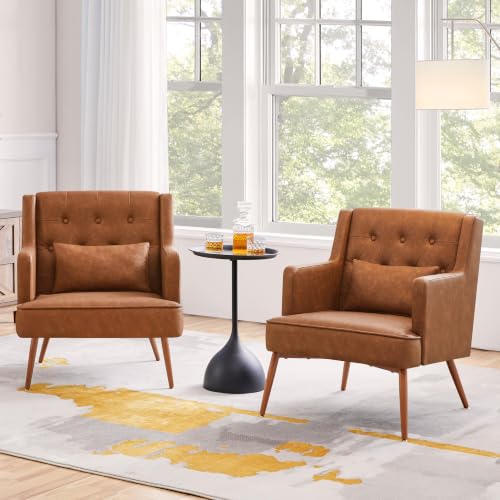
Yaheetech Upholstered Mid-Century Accent Chair — the accessible all-rounder
Best for: readers who want the accessible all-rounder in a mid tier accent chair. Not suited for: anyone whose room or routine fights that strength. Check price on Amazon once listings are verified for this page.
Fabric is where an accent chair meets real life: sunlight, coffee, pets, children and denim all leave their evidence. Performance fabrics shrug off spills that would permanently mark untreated linen or cotton. Velvet brings depth and changes with the light, but it shows pressure marks and asks for regular brushing. Dark colours forgive daily dust between cleans; very pale upholstery shows every shadow of use. Leather develops a patina, wipes clean easily, and can feel cool in summer and chilly in a cold room. Match the fabric to the busiest version of your household, not the tidiest one.
The frame is the part of an accent chair you cannot upgrade later, which is why it deserves early attention. Legs are part of the frame story: splayed, tapered legs spread load and protect floors differently from a solid base. Weight is a rough clue, not a guarantee; a well-built chair usually feels substantial without being immovable. Metal frames bring slim profiles and strength, and suit swivel and cantilever designs especially well. A chair that feels rock-solid when you shift your weight in the shop will usually stay that way at home. If a listing says nothing about frame construction at all, treat that silence as information.
Accent chair styles are not just decoration; each silhouette carries a different sitting experience with it. Wingback chairs wrap the sitter, shield drafts, and anchor a fireplace or reading corner with real presence. Bergere chairs pair an exposed frame with loose cushions, bringing lightness and a tailored, open feel. Club chairs are generous, low and enveloping, built for long, relaxed sits rather than upright formality. Slipper chairs sit low and armless, slipping into bedrooms and tight corners where arms would crowd the walls. Pick the silhouette for the job first, then dress it in the fabric and colour your room wants.
Christopher Knight Home Malone Club Chair — the enveloping traditional option
Best for: readers who want the enveloping traditional option in a mid tier accent chair. Not suited for: anyone whose room or routine fights that strength. Check price on Amazon once listings are verified for this page.
The honest comfort question is not whether a chair is soft, but whether it suits the way you will really sit in it. Firm foam holds its shape and supports longer sits; softer fills invite sinking and suit shorter, relaxed stays. A chair for conversation should let you sit forward a little, feet grounded, without feeling perched or trapped. A slight recline in the back angle changes everything after the first quarter of an hour. Upholstery texture matters more than people expect: rough weaves tire skin, slick leather slides you forward. Decide the chair’s main job first, then let comfort mean the thing that job requires.
Fabric is where an accent chair meets real life: sunlight, coffee, pets, children and denim all leave their evidence. Natural fibres breathe beautifully and fade more willingly in strong sun than synthetics do. A removable, washable cover is a genuine lifestyle feature in a house with toddlers or muddy dogs. Tightly woven fabrics resist snagging and hide everyday wear better than loose, open weaves. Performance fabrics shrug off spills that would permanently mark untreated linen or cotton. When two fabrics look equal, choose the one you will worry about less.
Knowing the main accent chair families turns a bewildering catalogue into a short, sensible shortlist. Traditional rolled-arm chairs add softness and formality, and pair naturally with classic sofas. Swivel chairs turn toward conversation, a view, or a screen without scraping across the floor. Slipper chairs sit low and armless, slipping into bedrooms and tight corners where arms would crowd the walls. Barrel and tub chairs curve around you, save space with their rounded footprint, and suit conversation corners. A style that fights your room’s architecture will keep fighting it every single day.
Rivet Revolve Modern Upholstered Armchair — the clean-lined modern option
Best for: readers who want the clean-lined modern option in a mid tier accent chair. Not suited for: anyone whose room or routine fights that strength. Check price on Amazon once listings are verified for this page.
An accent chair will never be judged fairly until you decide what kind of sitting it is actually for. Deep, low seats feel luxurious for ten minutes and punishing when you try to stand up gracefully. A slight recline in the back angle changes everything after the first quarter of an hour. Armrests at the right height take real weight off the shoulders during long conversations. A chair for reading needs a back that supports an upright, settled posture for a chapter at a time. Sit in your current chairs the way you actually live, and let that honest posture guide the choice.
Style names are useful shorthand, as long as you remember each one also describes a posture. Slipper chairs sit low and armless, slipping into bedrooms and tight corners where arms would crowd the walls. Club chairs are generous, low and enveloping, built for long, relaxed sits rather than upright formality. Bergere chairs pair an exposed frame with loose cushions, bringing lightness and a tailored, open feel. Wingback chairs wrap the sitter, shield drafts, and anchor a fireplace or reading corner with real presence. Pick the silhouette for the job first, then dress it in the fabric and colour your room wants.
Knowing the main accent chair families turns a bewildering catalogue into a short, sensible shortlist. Bergere chairs pair an exposed frame with loose cushions, bringing lightness and a tailored, open feel. Wingback chairs wrap the sitter, shield drafts, and anchor a fireplace or reading corner with real presence. Barrel and tub chairs curve around you, save space with their rounded footprint, and suit conversation corners. Swivel chairs turn toward conversation, a view, or a screen without scraping across the floor. Pick the silhouette for the job first, then dress it in the fabric and colour your room wants.
Stone & Beam Bradbury Chesterfield Armchair — the tailored statement option
Best for: readers who want the tailored statement option in a premium tier accent chair. Not suited for: anyone whose room or routine fights that strength. Check price on Amazon once listings are verified for this page.
An accent chair will never be judged fairly until you decide what kind of sitting it is actually for. Firm foam holds its shape and supports longer sits; softer fills invite sinking and suit shorter, relaxed stays. A slight recline in the back angle changes everything after the first quarter of an hour. A chair for conversation should let you sit forward a little, feet grounded, without feeling perched or trapped. Upholstery texture matters more than people expect: rough weaves tire skin, slick leather slides you forward. Comfort you have to adjust to every few minutes is not comfort; it is a compromise with good marketing.
The right fabric makes an accent chair easier to love every year; the wrong one makes it a source of low-level worry. Leather develops a patina, wipes clean easily, and can feel cool in summer and chilly in a cold room. Natural fibres breathe beautifully and fade more willingly in strong sun than synthetics do. Dark colours forgive daily dust between cleans; very pale upholstery shows every shadow of use. Boucle hides a multitude of sins and reads as texture from across the room, though loops can catch on claws and jewellery. When two fabrics look equal, choose the one you will worry about less.
Style names are useful shorthand, as long as you remember each one also describes a posture. Club chairs are generous, low and enveloping, built for long, relaxed sits rather than upright formality. Bergere chairs pair an exposed frame with loose cushions, bringing lightness and a tailored, open feel. Mid-century silhouettes bring tapered legs and clean lines that keep smaller rooms feeling uncluttered. Wingback chairs wrap the sitter, shield drafts, and anchor a fireplace or reading corner with real presence. Pick the silhouette for the job first, then dress it in the fabric and colour your room wants.
First Setup and Care Essentials
A little preparation before delivery day saves the purchase from its most avoidable frustrations. Many accent chairs arrive with legs to attach and nothing more; ten calm minutes with the instructions suffices. Keep the packaging until the sit test at home is honestly passed. Attach legs loosely first, then tighten evenly once the chair stands level, to avoid a built-in wobble. Save spare bolts and the care leaflet in one labelled place; future you sends thanks. Assembly done slowly and level is the first act of care the chair ever receives.
Assembly and delivery are the unglamorous middle chapter of every accent chair story, and worth planning. Many accent chairs arrive with legs to attach and nothing more; ten calm minutes with the instructions suffices. Keep the packaging until the sit test at home is honestly passed. Photograph any transit damage before assembly, while the evidence is still unambiguous. Two people make light work of positioning; dragging a chair alone twists legs and scratches floors. Delivery day done well disappears from memory, which is exactly the point.
Care is where the true cost of an accent chair hides, and it is mostly measured in minutes, not money. Blot spills immediately; rubbing drives liquid deeper and spreads the stain you are trying to save. Leather wants occasional conditioning to stay supple, and distance from radiators that dry it out. Tighten leg bolts and check glides once in a while; a wobble ignored becomes a joint damaged. A throw over the favourite arm is not just styling; it is armour for the highest-wear surface in the room. The best care routine is the boring one you will actually keep.
Care is where the true cost of an accent chair hides, and it is mostly measured in minutes, not money. Tighten leg bolts and check glides once in a while; a wobble ignored becomes a joint damaged. Rotate loose cushions so the favourite seat does not wear a permanent hollow. Blot spills immediately; rubbing drives liquid deeper and spreads the stain you are trying to save. Professional cleaning once in a long while revives texture that home methods cannot reach. Chairs rarely die suddenly; they fade, sag and loosen slowly, and almost all of it is preventable.
Mistakes to Avoid When You Buy
Learn the classic mistakes once and you can shop quickly without shopping carelessly. Ignoring the rug: a chair half on and half off a rug edge wobbles visually and sometimes literally. Choosing pale, delicate fabric for the busiest seat in the house is optimism dressed as taste. Buying a pair before proving one chair works in the room doubles every mistake. Buying by photograph alone ignores scale, sit and fabric hand — the three things that decide daily satisfaction. Slow down for measurements and swatches; speed up for everything else.
Most accent chair regrets follow a short, predictable list of mistakes made in the first ten minutes of shopping. Buying by photograph alone ignores scale, sit and fabric hand — the three things that decide daily satisfaction. Letting a sale deadline overrule measurements is the most expensive shortcut in furniture shopping. Forgetting the doorway, hallway and stair turn is how beautiful chairs become expensive corridor ornaments. Choosing pale, delicate fabric for the busiest seat in the house is optimism dressed as taste. Every mistake on this list is free to avoid and costly to fix, which is the best deal in this whole guide.
A calm, ordered buying process turns accent chair shopping from a gamble into a series of small, checkable decisions. Sit properly when you can, for minutes not seconds, in the posture the chair is actually for. Confirm the returns route before ordering, because even careful buyers occasionally meet a chair that lies in photos. Read the construction details: frame material, joinery, cushion fill and fabric content, in that order. Start with the room’s measurements and the chair’s job, written down, before looking at a single product photo. Write the decision down: job, size, fabric, tier. If a chair fails the note, it fails, however pretty it is.
A calm, ordered buying process turns accent chair shopping from a gamble into a series of small, checkable decisions. Shortlist by silhouette first, because shape decides comfort and placement more than colour ever will. Confirm the returns route before ordering, because even careful buyers occasionally meet a chair that lies in photos. Start with the room’s measurements and the chair’s job, written down, before looking at a single product photo. Sit properly when you can, for minutes not seconds, in the posture the chair is actually for. The best purchase feels boring in its logic and delightful in its result.
Going Deeper: Value and the Accent Chair Decision
An accent chair justifies itself in daily use, not in the showroom and not in the photograph. Comfort you avoid is money wasted, however beautiful the silhouette that delivers it. Cheap chairs bought twice cost more than one good chair bought once, in money and in landfill. Resale and hand-me-down potential follow build quality more faithfully than they follow fashion. A chair used every day for a decade is cheap at almost any sensible price; a chair used monthly never is. Buy the best frame and fabric your budget honestly allows, and let accessories provide the fashion.
An accent chair justifies itself in daily use, not in the showroom and not in the photograph. Resale and hand-me-down potential follow build quality more faithfully than they follow fashion. Cheap chairs bought twice cost more than one good chair bought once, in money and in landfill. Frame quality and fabric durability are where money quietly converts into years. A chair used every day for a decade is cheap at almost any sensible price; a chair used monthly never is. Ask what the chair must do, how often, and for how long — value lives in those three answers.
An accent chair justifies itself in daily use, not in the showroom and not in the photograph. A chair used every day for a decade is cheap at almost any sensible price; a chair used monthly never is. A timeless shape in a durable fabric out-earns a trendy piece that dates before it wears out. Versatility is value: a chair that works in the living room today and a bedroom later earns twice. Comfort you avoid is money wasted, however beautiful the silhouette that delivers it. Buy the best frame and fabric your budget honestly allows, and let accessories provide the fashion.
Going Deeper: Trends and the Accent Chair Decision
Trends can guide an accent chair choice, but they should never be allowed to drive it alone. Curved silhouettes soften rooms full of straight lines and have earned their current popularity honestly. If a fashionable shape is also genuinely comfortable, the trend is a bonus rather than the reason. Chairs bought purely for a photograph tend to be sat in purely for photographs too. Boucle and textured weaves add the interest that plain colour blocks used to provide. The room should look current because it is loved and lived in, not because it is chasing a feed.
An accent chair earns its name when its position looks deliberate from the doorway. A reading corner wants three things within reach: the chair, a surface for a drink, and light over a shoulder. In open-plan rooms, a pair of chairs can mark the edge of the living zone better than a rug alone. Entry seating needs to be shallow and sturdy, because it works as perch, bag rest and shoe-tying station. A chair beside a window claims the best light for reading and gives the room a natural focal point. Move the chair before you replace it — placement fixes more disappointments than returns do.
The healthiest way to use a trend is on the piece you can change most easily — which is often this chair. Oversized, sink-in chairs suit relaxed media rooms and overwhelm formal or compact spaces. A trend expressed in a cushion or throw can be retired in a season at almost no cost. Curved silhouettes soften rooms full of straight lines and have earned their current popularity honestly. If a fashionable shape is also genuinely comfortable, the trend is a bonus rather than the reason. The room should look current because it is loved and lived in, not because it is chasing a feed.
Going Deeper: Alternatives and the Accent Chair Decision
Sometimes the right answer is not a different accent chair but a different kind of piece altogether. A floor cushion corner delights children and flexible households, and defeats anyone with stiff knees. A loveseat adds two full seats and a stronger presence, at the cost of far more floor and flexibility. A second sofa maximises seats and symmetry but removes the contrast that makes a room interesting. Dining chairs pulled in for guests cost nothing, and feel like it by the second hour. Choose the alternative only if it does the chair’s actual job better, not merely cheaper or sooner.
Sometimes the right answer is not a different accent chair but a different kind of piece altogether. Dining chairs pulled in for guests cost nothing, and feel like it by the second hour. A floor cushion corner delights children and flexible households, and defeats anyone with stiff knees. A second sofa maximises seats and symmetry but removes the contrast that makes a room interesting. A loveseat adds two full seats and a stronger presence, at the cost of far more floor and flexibility. Choose the alternative only if it does the chair’s actual job better, not merely cheaper or sooner.
An accent chair is not the only way to add seating and character, and honest comparisons sharpen the decision. An ottoman or pouf adds casual seating and a footrest, but offers no back support for long sits. Dining chairs pulled in for guests cost nothing, and feel like it by the second hour. A chaise offers true lounging for one, if the room can spare its considerable length. A bench suits hallways and dining overflow, yet nobody chooses it for an evening of reading. Most rooms that think they need two solutions discover one good chair was the answer all along.
Before You Order: A Practical Fit and Listing Check for the Accent Chair
Most of the groundwork for choosing a accent chair is covered above, so this section turns to the stage where orders are actually placed: verifying fit, reading listings critically and checking the practical details that photographs tend to hide. Work through it with your measurements and your shortlist in front of you.
Start With Your Space and Your Routine
Colour and finish samples in listings are taken under controlled light, so expect the accent chair to look different at home and favour options that sit comfortably with the tones already in the room. Dust, moisture, sunlight and heat each age Living Room Furniture items in different ways, so match the finish and material of the accent chair to the conditions of the room or outdoor spot it will occupy. If a part of the accent chair can be replaced, refreshed or re-covered separately, that option can extend its useful life well beyond the point where a sealed design would be thrown out. Think about the end of the accent chair’s life with you as well, including whether it could move to another room, be passed on, or be stored without damage when your needs change.
When Small Problems Appear
In a buying guide the order of decisions matters, so settle size and placement for the accent chair first, materials and build second, and style last, when the practical questions can no longer be changed by a prettier photograph. Decide in advance which single feature you would refuse to compromise on, and let that one priority settle ties between otherwise similar accent chair choices. Apply the same checks to each shortlisted example, whether that is the Rivet Revolve Modern Upholstered Armchair; the Christopher Knight Home Malone Club Chair; the Yaheetech Upholstered Mid-Century Accent Chair, because consistent testing is what makes the differences between models visible. Where the accent chair meets the floor, the wall or another surface, check what protects both sides, because scuffs and marks in those contact zones are the most common early complaint.
Where the accent chair has a surface you will set things on, lean on, or load, consider the heaviest realistic load in your household rather than the lightest display load in the photos.
A Short Decision Checklist
- The one feature you will not compromise on
- What your current arrangement does badly that the accent chair must fix
- Packaging kept until the accent chair has passed its first trial in place
- Who will use the accent chair most, and any limits they have
- What your current arrangement does well that the accent chair must not lose
- The material and finish, matched to light, moisture and wear in its spot
- How the accent chair will be cleaned in an ordinary week
- Assembly needs, tools required and whether help is needed
Taken together, these checks take only a little time, yet they answer the questions that decide whether the accent chair suits your home, your household and your routine, and they do so before money changes hands rather than after.
Frequently Asked Questions
What size accent chair works in a small living room?
Get the scale right and almost every accent chair decision after it becomes easier. The seat should sit at a height that lets it converse with the sofa rather than tower over it or sink below it. In a large room, a low, slight chair disappears; visual weight matters as much as the tape measure here. Arms that rise far above the sofa arms break the calm horizontal line a living room depends on.
Which accent chair fabric is easiest to live with?
The right fabric makes an accent chair easier to love every year; the wrong one makes it a source of low-level worry. Dark colours forgive daily dust between cleans; very pale upholstery shows every shadow of use. Velvet brings depth and changes with the light, but it shows pressure marks and asks for regular brushing. A removable, washable cover is a genuine lifestyle feature in a house with toddlers or muddy dogs.
Should an accent chair match the sofa?
An accent chair is the safest place in a living room to take a colour risk, precisely because it is one piece. Pattern hides wear and adds energy, but a large-scale print needs a chair big enough to show it properly. A tonal chair, close to the sofa colour but different in texture, adds depth that reads as quietly expensive. If you tire of colour quickly, keep the chair neutral and let cushions and throws carry the changing accents.
Is one accent chair or a pair better?
A matching pair brings symmetry and order; mismatched chairs bring character and a collected feel. In rentals and first homes, a pair of lighter chairs moves house far more gracefully than one huge statement piece. Swivel pairs are the social all-rounders, turning from the fire to the room to each other with ease. If budget is tight, one excellent chair beats two flimsy ones that will both need replacing. A pair lets two people sit at the same height and angle, which makes conversation feel equal and easy. Decide whether your room wants symmetry or story, and let that answer choose the pair strategy.
How long should a good accent chair last?
Durability is not one feature; it is the sum of frame, fill, fabric and the care they receive. Abrasion-resistant weaves keep high-contact arms and seat fronts presentable for years. Resilient cushion cores delay the sag that makes chairs look tired before their time. Sun rotation, vacuuming and prompt spill care are free years added to any chair. Blot spills immediately; rubbing drives liquid deeper and spreads the stain you are trying to save.
What should I check before ordering an accent chair online?
Shop in the right order — room, job, size, sit, fabric, style — and each step narrows the field kindly. Confirm the returns route before ordering, because even careful buyers occasionally meet a chair that lies in photos. Check the delivery path — doorways, turns, lifts — while the chair is still a line on a screen. Shortlist by silhouette first, because shape decides comfort and placement more than colour ever will.


