Disclosure: As an Amazon Associate, dailyhomedecorating.com earns from qualifying purchases. Links on this page are affiliate links; they cost you nothing extra. Prices and availability change often, so check the current Amazon listing before you buy.
Outdoor Fire Pit Reviews: Key Takeaways
Reading outdoor fire pit reviews one after another can leave you more confused than you started, because different reviewers reward different things: the smokiest traditional bowl may win for character while the cleanest propane bowl wins for convenience, and both verdicts can be right. This page gathers outdoor fire pit reviews into one honest comparison so you can see the whole field at once. The takeaway is simple: there is no single best fire pit, only the best match between a design family, a fuel, a garden, and a household. Wood traditionalists, smoke-avoiders, instant-flame hosts, decorators, and travellers each get a different winner below, and the safety duties stay identical whichever you choose.
Fire safety comes before every other consideration in this guide, so read this plainly: an outdoor fire pit is for outdoor use only, set on a non-combustible surface such as stone, concrete, brick, or bare earth, with generous clearance from structures, fences, decking, and any overhangs, branches, or awnings above it. Check local burn bans and fire rules before you buy and again before you light anything, because some areas and some homeowners associations prohibit open fires entirely, and no fire pit purchase is worth a fine or a feud with your neighbours. Never leave a fire unattended, not even briefly, and extinguish it fully when you are done, remembering that coals stay hot long after the flames die and can reignite or burn bare feet hours later. Keep children and pets at a safe distance at all times, use the spark screen where one is provided, and never use petrol or any other accelerant to light a fire or to revive a fading one. If you choose a propane model, leak-check the connections before the first use and after every tank change, and keep the tank upright and stored outdoors, never inside a house or garage.
In this guide
What an Outdoor Fire Pit Is and Where It Fits
Across all the models reviewed here, an outdoor fire pit does one job — contain a fire beautifully and safely while people gather — in four broad dialects. Traditional wood bowls speak the oldest dialect: open flame, real smoke, deep ritual. Smokeless-style wood pits modernise it with airflow engineering. Propane bowls and tables translate it into instant, adjustable, ash-free flame. Portable and decorative designs prioritise movement or appearance. Reviews that ignore these dialects and rank every pit on one ladder mislead; the useful question is always which dialect your household speaks.
Where the pit fits in a home depends on that dialect. Traditional and smokeless wood pits anchor a dedicated fire corner. Propane tables integrate into dining and lounging sets. Portables appear for occasions and vanish into storage. Read each mini-review below with your own garden in mind, and weigh the trade-offs as heavily as the strengths, because in this category the trade-offs are what you will actually live with every week.
The Line-Up at a Glance
Best for reduced smoke with real wood: the Solo Stove Bonfire style. Best for flexible fuel and easy evenings: the TIKI Brand approach. Best for instant, ash-free hosting: propane in the Outland Living Firebowl style. Best traditional first pit: the BALI OUTDOORS pattern. Best as a garden focal point: decorative Sunnydaze designs. Best for portability: the Inno Stage pattern. Tiers run from accessible to premium across the line-up, and every model here is treated as a prose-only recommendation while verification is pending.
Here is the full field, reviewed one by one, in the order most households shortlist them:

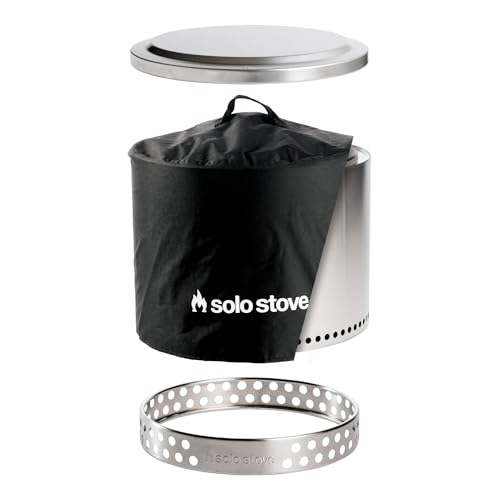
Solo Stove Bonfire
The Solo Stove Bonfire is the name most people meet first when they research smokeless-style designs, and its reputation rests on a simple idea executed carefully: a double-wall body that draws air in low and feeds it back over the flames, so the fire burns hotter and the smoke thins once the fire is properly established. In practice it rewards dry wood and patience during the first minutes, and it suits households who love a real wood fire but have neighbours close enough that smoke manners matter. It is a premium-tier choice in feel and finish, portable enough to move between a patio and a clear patch of lawn, and at its best as a pure gathering fire rather than a cooking platform.
Best for: households whose evenings match the character described above. Not suited for: anyone whose local rules, space, or fuel preference point firmly in a different direction — no fire pit, however well made, overcomes the wrong setting. Treat this as a prose-only recommendation while verification is pending, and check the current listing carefully before you buy.
TIKI Brand Fire Pit
The TIKI Brand Fire Pit approaches the same problem from a friendlier, patio-first angle, pairing a low-smoke airflow design with the option of pellet fuel alongside ordinary firewood. That flexibility matters more than it first appears: pellets light predictably and burn evenly for an evening with guests, while logs give the longer, lazier fire. Its styling leans relaxed and residential rather than rugged, which helps it sit comfortably among ordinary patio furniture. For households who want reduced smoke without learning a whole new fire ritual, it is one of the easiest designs to live with.
Best for: households whose evenings match the character described above. Not suited for: anyone whose local rules, space, or fuel preference point firmly in a different direction — no fire pit, however well made, overcomes the wrong setting. Treat this as a prose-only recommendation while verification is pending, and check the current listing carefully before you buy.
Outland Living Firebowl
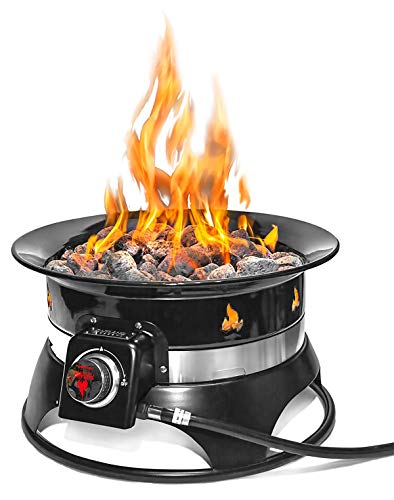
The Outland Living Firebowl represents the propane path at its most straightforward: a bowl, a hose, a tank tucked out of sight, and a flame that appears and disappears at the turn of a control. There is no ash, no smoke, no woodpile, and no twenty-minute wait for the fire to become worth sitting beside. The trade is character; a gas flame is steadier and cleaner but quieter in personality than crackling logs. For balconies-adjacent patios where rules allow gas but not wood, for hosts who light a fire three times a week, and for anyone who values the off switch, this style is deeply persuasive.
Best for: households whose evenings match the character described above. Not suited for: anyone whose local rules, space, or fuel preference point firmly in a different direction — no fire pit, however well made, overcomes the wrong setting. Treat this as a prose-only recommendation while verification is pending, and check the current listing carefully before you buy.

BALI OUTDOORS Fire Pit
The BALI OUTDOORS Fire Pit is the traditional wood-burning bowl in its most familiar form: a deep steel bowl, a spark screen, a grate, and legs that keep the whole thing simple, repairable, and easy to understand. Nothing about it is precious, which is precisely its charm; it asks for seasoned logs and basic fire craft and gives back an honest, generous fire. It sits at the accessible end of the range in spirit, making it a sensible first pit for households who want to learn whether fire evenings suit them before spending more. Expect smoke, expect ash, and expect to enjoy both as part of the ritual.
Best for: households whose evenings match the character described above. Not suited for: anyone whose local rules, space, or fuel preference point firmly in a different direction — no fire pit, however well made, overcomes the wrong setting. Treat this as a prose-only recommendation while verification is pending, and check the current listing carefully before you buy.

Sunnydaze Fire Pit
Sunnydaze makes fire pits in the decorative tradition, with cut-out designs, varied finishes, and bowls shaped to be looked at as much as looked into. That decorative instinct suits gardens where the pit doubles as a focal point in daylight. The ownership experience is classic wood-burning: real flames, real smoke, real ash, and a fire that rewards good dry wood. Designs vary across the range, so read the specific model’s construction and included accessories carefully rather than assuming the whole line behaves identically. Chosen well, a Sunnydaze pit anchors a themed corner of the garden beautifully.
Best for: households whose evenings match the character described above. Not suited for: anyone whose local rules, space, or fuel preference point firmly in a different direction — no fire pit, however well made, overcomes the wrong setting. Treat this as a prose-only recommendation while verification is pending, and check the current listing carefully before you buy.
Inno Stage Fire Pit
The Inno Stage Fire Pit belongs to the portable, take-it-with-you school of design: a bowl-and-stand arrangement intended to move between garden, campsite-adjacent gatherings, and storage without ceremony. Portability changes how a pit gets used; it comes out for occasions rather than living permanently in place, which suits smaller gardens and households that entertain in bursts. The experience is straightforward wood fire in a manageable size, with the usual honest trade-offs of smoke and ash. If your fire evenings happen wherever the chairs happen to be, this flexible style deserves a close look.
Best for: households whose evenings match the character described above. Not suited for: anyone whose local rules, space, or fuel preference point firmly in a different direction — no fire pit, however well made, overcomes the wrong setting. Treat this as a prose-only recommendation while verification is pending, and check the current listing carefully before you buy.
Design, Build and Setup Across the Field
Comparing builds across these reviews, the patterns are consistent. Airflow designs invest their money in double walls and precision; traditional bowls invest in bowl depth and simplicity; propane models invest in burners, controls, and tank concealment; decorative designs invest in silhouette and finish; portables invest in lightness and packability. Setup effort follows the same pattern, from near-zero assembly on simple bowls to hose-and-tank checks on gas models. None of it is difficult, but all of it deserves the same careful siting: level, non-combustible ground, generous clearance, open sky, and seating arranged before the first flame.
Performance in Real Use
Warmth Compared
A roaring traditional or smokeless wood fire delivers the strongest radiant warmth of the field; propane delivers gentler, steadier warmth with perfect manners; small portables warm hands and hearts more than whole circles. Wind humbles all of them equally.
Smoke and Sparks Compared
Propane produces neither. Smokeless-style wood produces the least of the wood family once established. Traditional, decorative, and portable wood pits produce honest smoke that good dry fuel and good siting keep manageable, plus sparks that their screens exist to catch.
Effort and Cleaning Compared
Propane wins effort outright: no ash, no fuel pile, no wind-down. Wood models ask for ash duty and cover discipline in proportion to their size. The gap is real but small in minutes; it looms large only in households that know they will not do it.
Strengths and Trade-Offs of the Field
- Strength: a genuine choice of rituals, from primeval wood to push-button gas.
- Strength: every tier, including accessible ones, can deliver a wonderful fire evening.
- Strength: designs exist for permanent corners, integrated patio sets, and occasional portable use.
- Trade-off: no model maximises warmth, cleanliness, character, and convenience simultaneously.
- Trade-off: wood smoke and ash are inseparable from wood character.
- Trade-off: the best-looking or cheapest option can still be wrong for your rules, space, or fuel storage.
Who Should Buy Which, and Who Should Skip
Choose smokeless wood if neighbours are close and ritual matters. Choose propane if you host often, light fires on weeknights, or cannot store wood. Choose a traditional bowl for a first, characterful fire on a generous plot. Choose decorative for a themed garden, portable for occasional gatherings, and skip the whole category for now if open fires are prohibited where you live or your only surface is a small wooden deck. The deeper decision help lives in the outdoor fire pit buying guide and outdoor fire pit pros and cons.
Setup, Care and Maintenance Essentials
Whichever review wins you over, the ownership liturgy barely changes: site it safely, supervise it always, extinguish it fully, respect coals that stay hot long after flames die, clear cold ash to a lidded metal container, cover it once cold, and — for propane — leak-check connections and store the tank upright and outdoors. Never use petrol or accelerants on any model in this line-up, keep the spark screen in place where one is provided, and keep children and pets at a safe distance every time.
Final Verdict
Taken together, these outdoor fire pit reviews point to a healthy category with no bad families, only bad matches. Match the dialect to your household, the size to your circle, and the fuel to your patience, and any of the designs above can anchor years of good evenings. If value is your remaining question, read whether an outdoor fire pit is worth it next.
Fuel is a lifestyle choice disguised as a specification. Wood asks for storage, seasoning, and patience, and rewards you with ritual and high, lively heat. Propane asks for a tank, a hose, and a twist of a knob, and rewards you with instant flame and an instant off switch. Neither is objectively better; the right answer is the one that matches how often you will realistically light a fire on an ordinary weeknight rather than on the first enthusiastic weekend.
Placement shapes everything. A fire pit wants a level, stable, non-combustible base with open sky above it and room for chairs to circle without crowding. Walk the space at dusk before you buy, sit where guests would sit, and notice wind, sightlines into the house, and how close the fire would feel to fences, shrubs, and the neighbour’s laundry line. A beautiful pit in the wrong spot becomes a beautiful pit nobody uses.
Seating and the fire pit should be planned as one purchase, even if you buy them months apart. Chairs sit lower and deeper around a fire than at a dining table, feet stretch toward warmth, and drinks need somewhere stable to land. Low, wide chairs suit lingering; upright chairs suit shorter visits and older knees. Leave walking room behind the chairs so nobody has to squeeze past a hot bowl in the dark.
Weather writes the maintenance schedule. Steel rusts where coatings chip, cast iron asks for oiling and dry storage, and even stainless surfaces weather outdoors. A fitted cover, a dry place for ash tools, and a habit of emptying cold ash before rain will do more for a fire pit’s lifespan than any premium finish. Buy the cover at the same time as the pit, because the first storm always arrives before the second shopping trip.
Consider the full cast of accessories honestly rather than excitedly. A spark screen, long-handled tools, a cover, and a safe ash bucket are near-essentials. Cooking grates, marshmallow forks, and decorative surrounds are joys if you will use them and clutter if you will not. Firewood storage that keeps logs dry and off the ground quietly improves every single fire you light, because dry wood burns hotter, cleaner, and with far less smoke.
Noise, light, and neighbours are part of ownership too. A fire pit extends your living space into the garden, and sound carries further at night than most people expect. Agree on a winding-down rhythm for late evenings, keep music low, and let the fire itself become the entertainment. Goodwill with the households around you is an accessory no shop sells, and it protects your enjoyment of the pit for years.
More to Think About Before You Decide
Children change the geometry of a fire pit evening. Sightlines matter more than rules recited once: position adult chairs so the fire is always in view, agree on a clear boundary line younger children do not cross, and treat the cooling pit as still dangerous long after the flames are gone. Many families find propane’s instant off reassuring during the toddler years and return to wood when the children are older.
Think in seasons, not weekends. A fire pit earns its place in spring and autumn even more than in high summer, stretching the usable life of a patio by weeks at both ends of the year. In deep winter a fire becomes an event rather than a habit for most households, which is fine: a pit that hosts thirty good evenings a year has justified itself many times over.
Storage decides whether a portable pit is truly portable. A design you can carry to a clear patch of ground, store under cover, and bring out for guests suits small gardens and rented homes. A heavy, permanent bowl suits a dedicated fire area you are building once and enjoying for a decade. Be honest about which household you are, because the pit that needs moving will eventually stop being moved.
The fire itself is a skill worth learning slowly. Dry, well-seasoned hardwood, laid with air gaps, lit small and built up gradually, burns cleaner and warmer than a pile of whatever was closest. Let one person tend the fire rather than everyone adding logs, keep the flames modest and contained, and start winding the fire down well before you want to go inside, so the last coals can be dealt with while you are still awake and unhurried.
Aesthetics matter, and it is fine to admit it. A fire pit is a garden focal point even when cold, so its silhouette, finish, and proportions should please you on an ordinary Tuesday in daylight. Rustic corten-style steel weathers into the landscape, black steel disappears into the evening, and polished designs read as sculpture. Choose the look you will still enjoy when the novelty of the first fire has faded.
Finally, budget with your eyes open about the whole project rather than the pit alone. The seating, the base, the cover, the tools, and the first season of fuel are all part of the true purchase. A mid-tier pit with a proper stone base and comfortable chairs delivers far better evenings than a premium pit ringed by whatever chairs happened to be spare. Spend where the evening is actually felt.
Hosting around a fire changes the menu in pleasant ways. Drinks that can be held in one hand, food that tolerates cooling, and desserts that suit the outdoors all suit fire evenings better than formal courses. Many households keep a small fire-evening ritual and those rituals, repeated, become the memories the pit was actually bought for.
Light from a fire behaves differently from electric light, and planning around that difference improves evenings. Faces are lit warmly at chair height while paths and steps fall dark, so a little low-level lighting for walkways is a wise companion purchase. Keep it subtle and shielded, and the fire remains the brightest thing in the garden, which is exactly as it should be.
Wind is the invisible guest at every fire. It decides smoke direction, steals warmth, and occasionally carries sparks further than still air would. Experienced owners read the evening before lighting: which way branches lean, where the sheltered corner is, and whether tonight is a fire night at all. Choosing not to light on a wild, gusty evening is not a failed plan; it is ownership working properly.
A fire pit also changes daytime garden life. It gives the seating area a centre, draws the eye, and makes an ordinary patio feel designed rather than accumulated. Gardeners plant around it, hosts plan around it, and children orbit it even when it is cold. That quiet, permanent presence is part of the value that never appears in a specification list.
Teaching a teenager or a guest to tend the fire is part of the pleasure, done properly: one log at a time, placed rather than thrown, with gloves and tools, and with the tender staying until the fire is settled. Shared competence spreads the supervision load and turns a chore into a small ceremony of trust that households remember fondly.
When the season ends, a little closing care pays for itself. Clean the bowl or burner thoroughly, check for rust or wear while it is easy to address, store tools and screens dry, and cover or shelter the pit for the wet months. Propane tanks stay upright and outdoors through winter too, disconnected as the maker directs. Spring then starts with a fire, not a repair.
Think about the evening you actually want, not the photograph you saw online. Most households light a fire pit for unhurried conversation after dinner, for warmth that lets a gathering linger past sunset, or for the simple ritual of watching flames at the end of a long week. Naming that purpose first makes every later choice easier, because a pit bought for ambience, a pit bought for real warmth, and a pit bought for cooking over open flame are three different purchases wearing similar shapes.
Smoke deserves honest thought before you buy. Every wood fire makes some, and wind decides where it travels, which is why seating, prevailing breezes, and your neighbours’ windows all belong in the decision. Smokeless-style designs reduce smoke noticeably once the fire is burning hot and clean, but they cannot remove it entirely, especially while the fire is catching or when damp wood goes on. Propane removes the smoke question almost completely, at the cost of the crackle and scent many people consider the whole point.
Fuel is a lifestyle choice disguised as a specification. Wood asks for storage, seasoning, and patience, and rewards you with ritual and high, lively heat. Propane asks for a tank, a hose, and a twist of a knob, and rewards you with instant flame and an instant off switch. Neither is objectively better; the right answer is the one that matches how often you will realistically light a fire on an ordinary weeknight rather than on the first enthusiastic weekend.
Placement shapes everything. A fire pit wants a level, stable, non-combustible base with open sky above it and room for chairs to circle without crowding. Walk the space at dusk before you buy, sit where guests would sit, and notice wind, sightlines into the house, and how close the fire would feel to fences, shrubs, and the neighbour’s laundry line. A beautiful pit in the wrong spot becomes a beautiful pit nobody uses.
Seating and the fire pit should be planned as one purchase, even if you buy them months apart. Chairs sit lower and deeper around a fire than at a dining table, feet stretch toward warmth, and drinks need somewhere stable to land. Low, wide chairs suit lingering; upright chairs suit shorter visits and older knees. Leave walking room behind the chairs so nobody has to squeeze past a hot bowl in the dark.
Weather writes the maintenance schedule. Steel rusts where coatings chip, cast iron asks for oiling and dry storage, and even stainless surfaces weather outdoors. A fitted cover, a dry place for ash tools, and a habit of emptying cold ash before rain will do more for a fire pit’s lifespan than any premium finish. Buy the cover at the same time as the pit, because the first storm always arrives before the second shopping trip.
Consider the full cast of accessories honestly rather than excitedly. A spark screen, long-handled tools, a cover, and a safe ash bucket are near-essentials. Cooking grates, marshmallow forks, and decorative surrounds are joys if you will use them and clutter if you will not. Firewood storage that keeps logs dry and off the ground quietly improves every single fire you light, because dry wood burns hotter, cleaner, and with far less smoke.
Noise, light, and neighbours are part of ownership too. A fire pit extends your living space into the garden, and sound carries further at night than most people expect. Agree on a winding-down rhythm for late evenings, keep music low, and let the fire itself become the entertainment. Goodwill with the households around you is an accessory no shop sells, and it protects your enjoyment of the pit for years.
Children change the geometry of a fire pit evening. Sightlines matter more than rules recited once: position adult chairs so the fire is always in view, agree on a clear boundary line younger children do not cross, and treat the cooling pit as still dangerous long after the flames are gone. Many families find propane’s instant off reassuring during the toddler years and return to wood when the children are older.
Think in seasons, not weekends. A fire pit earns its place in spring and autumn even more than in high summer, stretching the usable life of a patio by weeks at both ends of the year. In deep winter a fire becomes an event rather than a habit for most households, which is fine: a pit that hosts thirty good evenings a year has justified itself many times over.
Storage decides whether a portable pit is truly portable. A design you can carry to a clear patch of ground, store under cover, and bring out for guests suits small gardens and rented homes. A heavy, permanent bowl suits a dedicated fire area you are building once and enjoying for a decade. Be honest about which household you are, because the pit that needs moving will eventually stop being moved.
The fire itself is a skill worth learning slowly. Dry, well-seasoned hardwood, laid with air gaps, lit small and built up gradually, burns cleaner and warmer than a pile of whatever was closest. Let one person tend the fire rather than everyone adding logs, keep the flames modest and contained, and start winding the fire down well before you want to go inside, so the last coals can be dealt with while you are still awake and unhurried.
Aesthetics matter, and it is fine to admit it. A fire pit is a garden focal point even when cold, so its silhouette, finish, and proportions should please you on an ordinary Tuesday in daylight. Rustic corten-style steel weathers into the landscape, black steel disappears into the evening, and polished designs read as sculpture. Choose the look you will still enjoy when the novelty of the first fire has faded.
Under the Surface: The Outdoor Fire Pit Details That Decide Long-Term Satisfaction
Listings present a outdoor fire pit at its best, so this section slows the assessment down and looks at the evidence an individual model offers: its construction, its finish, its listing detail and the checks you can run before and just after it arrives. The aim is a verdict based on inspection rather than impression.
Start With Your Space and Your Routine
Think about who else will use the outdoor fire pit, how often, and in what way, because a choice that suits one person perfectly can frustrate everyone else in the household. Take a break between shortlisting and ordering if you can, and return to the listings with fresh eyes, because fatigue makes almost any outdoor fire pit look acceptable late in a long search. Keep the care routine simple enough to repeat: a outdoor fire pit that needs ten minutes of attention weekly will usually get it, while one that needs an hour monthly often gets none. A return is easiest when you have kept the packaging until you are sure, so give the outdoor fire pit a fair trial period in its real position before you break down boxes and dispose of padding.
Details that look minor in isolation, such as how a outdoor fire pit is finished at the back or underneath, matter because they reveal whether shortcuts were taken where the camera rarely goes. Seasonal checks suit most Seasonal & Holiday items well, so tie a quick inspection of the outdoor fire pit to a job you already do, such as changing clocks or clearing gutters. Apply the same checks to each shortlisted example, whether that is the Outland Living Firebowl; the TIKI Brand Fire Pit; the BALI OUTDOORS Fire Pit, because consistent testing is what makes the differences between models visible. If the outdoor fire pit will be seen every day, its proportions matter as much as its function, so hold the listing dimensions up against a familiar piece nearby to judge the visual weight honestly.
When Small Problems Appear
If two options look nearly identical, compare the parts you will touch every day, since those contact points decide whether a outdoor fire pit feels solid or flimsy after the novelty wears off. Consider the busiest version of the day, not the calmest one, and ask whether the outdoor fire pit still works when people are hurrying, carrying things or sharing the same space. If the listing offers accessories for the outdoor fire pit, decide which ones solve a problem you already have, and set aside the ones that only solve problems the listing itself invented. Colour and finish samples in listings are taken under controlled light, so expect the outdoor fire pit to look different at home and favour options that sit comfortably with the tones already in the room.
Where the outdoor fire pit meets the floor, the wall or another surface, check what protects both sides, because scuffs and marks in those contact zones are the most common early complaint. A single outdoor fire pit can be well made and still wrong for your home, so keep two verdicts separate as you assess it: the quality verdict and the fit-for-your-life verdict. Think about the end of the outdoor fire pit’s life with you as well, including whether it could move to another room, be passed on, or be stored without damage when your needs change.
A Short Decision Checklist
- What your current arrangement does well that the outdoor fire pit must not lose
- Packaging kept until the outdoor fire pit has passed its first trial in place
- Where the outdoor fire pit and its accessories will be stored when not in use
- How the outdoor fire pit will be cleaned in an ordinary week
- The measured space, including clearance to use and clean around the outdoor fire pit
- Delivery path, from the door to the final position
- The one feature you will not compromise on
- Assembly needs, tools required and whether help is needed
Taken together, these checks take only a little time, yet they answer the questions that decide whether the outdoor fire pit suits your home, your household and your routine, and they do so before money changes hands rather than after.
Frequently Asked Questions
Which fire pit do most reviewers recommend overall?
There is no honest single answer, because reviewers weight character, smoke, warmth, and convenience differently. The consistent pattern across reviews is that smokeless-style wood pits win for households near neighbours, propane wins for frequent effortless hosting, and traditional bowls win for first-time character. The best overall pit is the one whose trade-offs you will happily live with weekly.
Can you use an outdoor fire pit on a deck?
Only with great caution, and often not at all. A wood-burning pit belongs on a non-combustible surface with generous clearance, and many decks, landlords, and local rules rule wood fires out entirely. Propane models are sometimes permitted where wood is not, but you must still follow the manufacturer’s clearances and your local rules. When in doubt, place the pit on stone or concrete at ground level instead.
How do you reduce smoke from a wood fire pit?
Burn dry, well-seasoned hardwood, build the fire small and hot rather than large and smouldering, and keep damp wood, leaves, and rubbish out of the bowl. Smokeless-style designs help once the fire is fully established, but no wood fire is completely smoke-free. Siting the pit so the prevailing breeze carries smoke away from seating and neighbouring windows helps as much as any design feature.
What should you do with ash after a fire?
Wait until the ash is completely cold — coals stay hot long after flames die, so give it far longer than feels necessary — then scoop it into a metal container with a lid and store that container outdoors on a non-combustible surface. Never tip ash into a plastic bin, a cardboard box, or against a fence. Wood ash from untreated logs can go on garden beds in moderation once fully cold.
Are propane fire pits safer than wood ones?
They remove sparks, ash, and smoke, and they switch off instantly, which many households experience as safer and simpler. They introduce their own duties instead: leak-check connections, keep the tank upright and stored outdoors, and respect clearances just as you would for wood. Neither fuel is safe when unattended; both demand the same rule that an adult is always watching the fire.
Do you need a cover for an outdoor fire pit?
A cover is one of the highest-value accessories you can buy. Rain sitting in a bowl accelerates rust, soaks ash into a stubborn paste, and shortens the life of burners on propane models. A fitted cover, put on only once the pit is completely cold, plus storage under shelter where possible, will keep any pit looking and performing better for far longer.
Related Guides and Next Steps
Keep planning the whole outdoor setup rather than the fire pit alone:
- our outdoor fire pit review
- the outdoor fire pit buying guide
- outdoor fire pit pros and cons
- whether an outdoor fire pit is worth it
- how to choose an outdoor fire pit
- the best chairs for a fire pit
- Adirondack chairs for a fire pit
- chairs for around a fire pit
- seating for a fire pit area
- outdoor string lights for the patio
- patio furniture deals