Disclosure: As an Amazon Associate, dailyhomedecorating.com earns from qualifying purchases. Links on this page are affiliate links; they cost you nothing extra. Prices and availability change often, so check the current Amazon listing before you buy.
How to Choose an Outdoor Fire Pit: Key Takeaways
Learning how to choose an outdoor fire pit is mostly learning what order to decide things in. Most disappointed buyers chose in the wrong order — model first, fuel by fashion, site as an afterthought, rules never. This guide reverses that: rules first, then site, then fuel, then size and style, then the specific model, with safety woven through every step. The key takeaways are that permission and placement veto everything, that fuel is a temperament decision, that the right size is the one your circle and clearance agree on, and that the accessories and seating are part of the purchase rather than extras. Follow the steps and the final model choice becomes almost easy.
Fire safety comes before every other consideration in this guide, so read this plainly: an outdoor fire pit is for outdoor use only, set on a non-combustible surface such as stone, concrete, brick, or bare earth, with generous clearance from structures, fences, decking, and any overhangs, branches, or awnings above it. Check local burn bans and fire rules before you buy and again before you light anything, because some areas and some homeowners associations prohibit open fires entirely, and no fire pit purchase is worth a fine or a feud with your neighbours. Never leave a fire unattended, not even briefly, and extinguish it fully when you are done, remembering that coals stay hot long after the flames die and can reignite or burn bare feet hours later. Keep children and pets at a safe distance at all times, use the spark screen where one is provided, and never use petrol or any other accelerant to light a fire or to revive a fading one. If you choose a propane model, leak-check the connections before the first use and after every tank change, and keep the tank upright and stored outdoors, never inside a house or garage.
In this guide
What You Need to Know Before Comparing
Every outdoor fire pit belongs to a family, and families differ more than models do. Traditional wood bowls maximise character and heat while accepting smoke and ash. Smokeless-style wood designs engineer the smoke down while keeping the ritual. Propane bowls and tables maximise convenience and control while softening character. Portable and decorative designs prioritise movement or appearance. Comparing models across families without first choosing a family produces nonsense rankings, which is why the steps below choose the family before any brand is named. You also need your facts ready: your local rules, your site’s surface and clearance, your typical circle of sitters, and your household’s honest appetite for tending and cleaning.
How to Choose an Outdoor Fire Pit in Steps
Step One: Check the Rules Before Anything Else
Confirm what is permitted where you live: municipal burn rules, seasonal bans, and homeowners association conditions. Some areas and associations prohibit open fires entirely, and that fact, learned first, saves money and embarrassment. Note whether propane appliances face different treatment from wood fires, because that single distinction may decide your fuel for you. Repeat the check seasonally, since burn bans come and go with weather.
Step Two: Choose and Prepare the Site
Pick the pit’s home before its model: outdoor use only, a level non-combustible surface such as stone, concrete, brick, or bare earth, generous clearance from structures, fences, and planting, and open sky with no overhangs, branches, or awnings above. Sit in the spot at dusk, note the breeze, the neighbours’ windows, and the walk from the house carrying drinks and logs. If the site fails any test, fix the site or change the plan — never shrink the clearances to fit a dream.
Step Three: Decide Your Fuel by Temperament
Wood if you love building, tending, scent, and crackle and accept smoke, ash, and fuel storage. Propane if you want flame at the twist of a control, an instant off switch, and no ash, and accept a calmer character plus tank duties: leak-check connections and keep the tank upright and stored outdoors. Smokeless wood or flexible-fuel designs if your household is honestly split. Write the decision down; it filters the market to a manageable shortlist instantly.
Step Four: Size for Your Circle and Clearance
Count the chairs you will really circle, then confirm the site holds pit plus clearance plus chairs plus walking room behind them. A pit too large for its site is a hazard and a nuisance; a pit too small for its circle is a decoration. When torn between sizes, most households are happier with the one that keeps evenings comfortable and fires modest, because modest fires are safer, cleaner, and cheaper in fuel and attention.
Step Five: Judge Build and Included Kit
Look for substantial materials, clean construction, a stable stand, and — for wood — a spark screen that fits properly, since you will use it every fire to keep sparks contained and children and pets at their safe distance from stray embers. For propane, judge the burner, control, hose, and tank arrangement. Check what is included versus what is extra: screens, grates, covers, and tools change the true comparison between two models more than styling does.
Step Six: Plan the Whole Project, Not Just the Pit
List the base, seating, cover, tools, ash container, and first fuel alongside the pit, and judge the total as the purchase. A mid-tier pit inside a complete project beats a premium pit in an unfinished one every evening of the year. Our seating guides linked below exist precisely because chairs and fire pits succeed or fail together.
Gear for This Guide
Four patterns cover the main step outcomes — smokeless wood, propane, traditional, and portable:

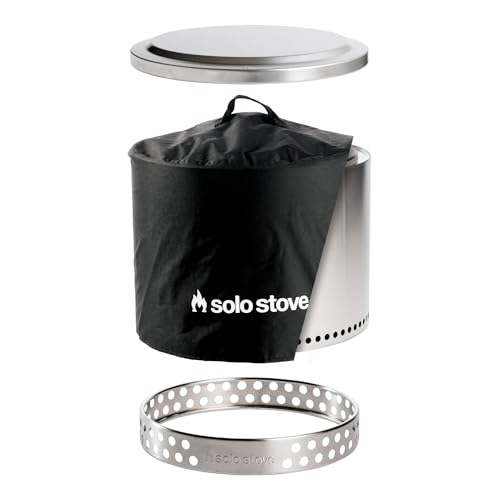
Solo Stove Bonfire
The Solo Stove Bonfire is the name most people meet first when they research smokeless-style designs, and its reputation rests on a simple idea executed carefully: a double-wall body that draws air in low and feeds it back over the flames, so the fire burns hotter and the smoke thins once the fire is properly established. In practice it rewards dry wood and patience during the first minutes, and it suits households who love a real wood fire but have neighbours close enough that smoke manners matter. It is a premium-tier choice in feel and finish, portable enough to move between a patio and a clear patch of lawn, and at its best as a pure gathering fire rather than a cooking platform.
Best for: households whose evenings match the character described above. Not suited for: anyone whose local rules, space, or fuel preference point firmly in a different direction — no fire pit, however well made, overcomes the wrong setting. Treat this as a prose-only recommendation while verification is pending, and check the current listing carefully before you buy.
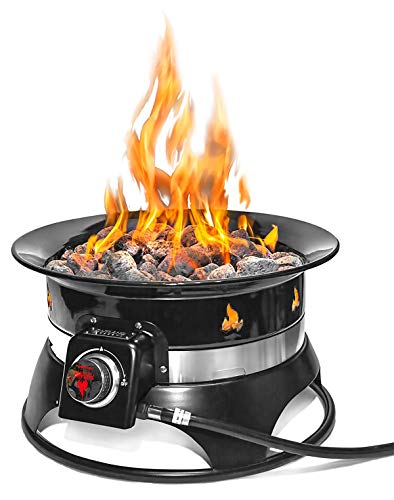
Outland Living Firebowl
The Outland Living Firebowl represents the propane path at its most straightforward: a bowl, a hose, a tank tucked out of sight, and a flame that appears and disappears at the turn of a control. There is no ash, no smoke, no woodpile, and no twenty-minute wait for the fire to become worth sitting beside. The trade is character; a gas flame is steadier and cleaner but quieter in personality than crackling logs. For balconies-adjacent patios where rules allow gas but not wood, for hosts who light a fire three times a week, and for anyone who values the off switch, this style is deeply persuasive.
Best for: households whose evenings match the character described above. Not suited for: anyone whose local rules, space, or fuel preference point firmly in a different direction — no fire pit, however well made, overcomes the wrong setting. Treat this as a prose-only recommendation while verification is pending, and check the current listing carefully before you buy.

BALI OUTDOORS Fire Pit
The BALI OUTDOORS Fire Pit is the traditional wood-burning bowl in its most familiar form: a deep steel bowl, a spark screen, a grate, and legs that keep the whole thing simple, repairable, and easy to understand. Nothing about it is precious, which is precisely its charm; it asks for seasoned logs and basic fire craft and gives back an honest, generous fire. It sits at the accessible end of the range in spirit, making it a sensible first pit for households who want to learn whether fire evenings suit them before spending more. Expect smoke, expect ash, and expect to enjoy both as part of the ritual.
Best for: households whose evenings match the character described above. Not suited for: anyone whose local rules, space, or fuel preference point firmly in a different direction — no fire pit, however well made, overcomes the wrong setting. Treat this as a prose-only recommendation while verification is pending, and check the current listing carefully before you buy.
Inno Stage Fire Pit
The Inno Stage Fire Pit belongs to the portable, take-it-with-you school of design: a bowl-and-stand arrangement intended to move between garden, campsite-adjacent gatherings, and storage without ceremony. Portability changes how a pit gets used; it comes out for occasions rather than living permanently in place, which suits smaller gardens and households that entertain in bursts. The experience is straightforward wood fire in a manageable size, with the usual honest trade-offs of smoke and ash. If your fire evenings happen wherever the chairs happen to be, this flexible style deserves a close look.
Best for: households whose evenings match the character described above. Not suited for: anyone whose local rules, space, or fuel preference point firmly in a different direction — no fire pit, however well made, overcomes the wrong setting. Treat this as a prose-only recommendation while verification is pending, and check the current listing carefully before you buy.
Common Mistakes
Choosing by photograph instead of by rules and site. Buying wood for a household that hates smoke, or propane for one that dreams of crackle. Placing a pit on decking or beneath an overhang because the spot was convenient. Forgetting that coals stay hot long after flames die, and treating a cooling pit as furniture. Using petrol or accelerants to hurry a fire — never, under any circumstances. Leaving a fire unattended during a party because everyone assumed someone else was watching. And skipping the cover, then blaming the climate for rust. Every one of these is a decision error, not a product error, and every one is avoidable by following the steps in order.
Pro Tips
Visit a friend’s fire pit evening before buying if you can; one real night teaches more than a month of reading. Photograph your site at dusk and sketch the chair circle to scale on paper. Buy the cover the same day as the pit. Keep a dedicated lighter, gloves, and tools together by the door so the ritual starts easily. Agree in the household who tends the fire and who extinguishes it, every time, so supervision is a named job rather than a shared assumption. Start with smaller fires than you imagine; you can always add a log, and you can never un-add one.
Worked Examples
The neighbourly suburban garden: rules permit wood, neighbours are close, evenings are weekly. Verdict: a smokeless-style wood design on a stone base, dry hardwood stored under cover, seating circled with the breeze in mind. The small patio of a busy host: weeknight gatherings, no storage, low patience. Verdict: a propane bowl, tank checked and stored upright outdoors, chairs integrated around it, fire on and off with the evening. The generous rural plot: space everywhere, ritual loved, children old enough for clear boundaries. Verdict: a traditional wood bowl in a dedicated fire corner, spark screen always on, ash routine owned by one named adult. Each verdict follows the steps; none started with a brand. Compare the models behind them in our outdoor fire pit review and weigh ownership honestly in outdoor fire pit pros and cons.
Weather writes the maintenance schedule. Steel rusts where coatings chip, cast iron asks for oiling and dry storage, and even stainless surfaces weather outdoors. A fitted cover, a dry place for ash tools, and a habit of emptying cold ash before rain will do more for a fire pit’s lifespan than any premium finish. Buy the cover at the same time as the pit, because the first storm always arrives before the second shopping trip.
Consider the full cast of accessories honestly rather than excitedly. A spark screen, long-handled tools, a cover, and a safe ash bucket are near-essentials. Cooking grates, marshmallow forks, and decorative surrounds are joys if you will use them and clutter if you will not. Firewood storage that keeps logs dry and off the ground quietly improves every single fire you light, because dry wood burns hotter, cleaner, and with far less smoke.
Noise, light, and neighbours are part of ownership too. A fire pit extends your living space into the garden, and sound carries further at night than most people expect. Agree on a winding-down rhythm for late evenings, keep music low, and let the fire itself become the entertainment. Goodwill with the households around you is an accessory no shop sells, and it protects your enjoyment of the pit for years.
Children change the geometry of a fire pit evening. Sightlines matter more than rules recited once: position adult chairs so the fire is always in view, agree on a clear boundary line younger children do not cross, and treat the cooling pit as still dangerous long after the flames are gone. Many families find propane’s instant off reassuring during the toddler years and return to wood when the children are older.
Think in seasons, not weekends. A fire pit earns its place in spring and autumn even more than in high summer, stretching the usable life of a patio by weeks at both ends of the year. In deep winter a fire becomes an event rather than a habit for most households, which is fine: a pit that hosts thirty good evenings a year has justified itself many times over.
Storage decides whether a portable pit is truly portable. A design you can carry to a clear patch of ground, store under cover, and bring out for guests suits small gardens and rented homes. A heavy, permanent bowl suits a dedicated fire area you are building once and enjoying for a decade. Be honest about which household you are, because the pit that needs moving will eventually stop being moved.
More to Think About Before You Decide
The fire itself is a skill worth learning slowly. Dry, well-seasoned hardwood, laid with air gaps, lit small and built up gradually, burns cleaner and warmer than a pile of whatever was closest. Let one person tend the fire rather than everyone adding logs, keep the flames modest and contained, and start winding the fire down well before you want to go inside, so the last coals can be dealt with while you are still awake and unhurried.
Aesthetics matter, and it is fine to admit it. A fire pit is a garden focal point even when cold, so its silhouette, finish, and proportions should please you on an ordinary Tuesday in daylight. Rustic corten-style steel weathers into the landscape, black steel disappears into the evening, and polished designs read as sculpture. Choose the look you will still enjoy when the novelty of the first fire has faded.
Finally, budget with your eyes open about the whole project rather than the pit alone. The seating, the base, the cover, the tools, and the first season of fuel are all part of the true purchase. A mid-tier pit with a proper stone base and comfortable chairs delivers far better evenings than a premium pit ringed by whatever chairs happened to be spare. Spend where the evening is actually felt.
Hosting around a fire changes the menu in pleasant ways. Drinks that can be held in one hand, food that tolerates cooling, and desserts that suit the outdoors all suit fire evenings better than formal courses. Many households keep a small fire-evening ritual and those rituals, repeated, become the memories the pit was actually bought for.
Light from a fire behaves differently from electric light, and planning around that difference improves evenings. Faces are lit warmly at chair height while paths and steps fall dark, so a little low-level lighting for walkways is a wise companion purchase. Keep it subtle and shielded, and the fire remains the brightest thing in the garden, which is exactly as it should be.
Wind is the invisible guest at every fire. It decides smoke direction, steals warmth, and occasionally carries sparks further than still air would. Experienced owners read the evening before lighting: which way branches lean, where the sheltered corner is, and whether tonight is a fire night at all. Choosing not to light on a wild, gusty evening is not a failed plan; it is ownership working properly.
A fire pit also changes daytime garden life. It gives the seating area a centre, draws the eye, and makes an ordinary patio feel designed rather than accumulated. Gardeners plant around it, hosts plan around it, and children orbit it even when it is cold. That quiet, permanent presence is part of the value that never appears in a specification list.
Teaching a teenager or a guest to tend the fire is part of the pleasure, done properly: one log at a time, placed rather than thrown, with gloves and tools, and with the tender staying until the fire is settled. Shared competence spreads the supervision load and turns a chore into a small ceremony of trust that households remember fondly.
When the season ends, a little closing care pays for itself. Clean the bowl or burner thoroughly, check for rust or wear while it is easy to address, store tools and screens dry, and cover or shelter the pit for the wet months. Propane tanks stay upright and outdoors through winter too, disconnected as the maker directs. Spring then starts with a fire, not a repair.
Think about the evening you actually want, not the photograph you saw online. Most households light a fire pit for unhurried conversation after dinner, for warmth that lets a gathering linger past sunset, or for the simple ritual of watching flames at the end of a long week. Naming that purpose first makes every later choice easier, because a pit bought for ambience, a pit bought for real warmth, and a pit bought for cooking over open flame are three different purchases wearing similar shapes.
Smoke deserves honest thought before you buy. Every wood fire makes some, and wind decides where it travels, which is why seating, prevailing breezes, and your neighbours’ windows all belong in the decision. Smokeless-style designs reduce smoke noticeably once the fire is burning hot and clean, but they cannot remove it entirely, especially while the fire is catching or when damp wood goes on. Propane removes the smoke question almost completely, at the cost of the crackle and scent many people consider the whole point.
Fuel is a lifestyle choice disguised as a specification. Wood asks for storage, seasoning, and patience, and rewards you with ritual and high, lively heat. Propane asks for a tank, a hose, and a twist of a knob, and rewards you with instant flame and an instant off switch. Neither is objectively better; the right answer is the one that matches how often you will realistically light a fire on an ordinary weeknight rather than on the first enthusiastic weekend.
Placement shapes everything. A fire pit wants a level, stable, non-combustible base with open sky above it and room for chairs to circle without crowding. Walk the space at dusk before you buy, sit where guests would sit, and notice wind, sightlines into the house, and how close the fire would feel to fences, shrubs, and the neighbour’s laundry line. A beautiful pit in the wrong spot becomes a beautiful pit nobody uses.
Seating and the fire pit should be planned as one purchase, even if you buy them months apart. Chairs sit lower and deeper around a fire than at a dining table, feet stretch toward warmth, and drinks need somewhere stable to land. Low, wide chairs suit lingering; upright chairs suit shorter visits and older knees. Leave walking room behind the chairs so nobody has to squeeze past a hot bowl in the dark.
Weather writes the maintenance schedule. Steel rusts where coatings chip, cast iron asks for oiling and dry storage, and even stainless surfaces weather outdoors. A fitted cover, a dry place for ash tools, and a habit of emptying cold ash before rain will do more for a fire pit’s lifespan than any premium finish. Buy the cover at the same time as the pit, because the first storm always arrives before the second shopping trip.
Consider the full cast of accessories honestly rather than excitedly. A spark screen, long-handled tools, a cover, and a safe ash bucket are near-essentials. Cooking grates, marshmallow forks, and decorative surrounds are joys if you will use them and clutter if you will not. Firewood storage that keeps logs dry and off the ground quietly improves every single fire you light, because dry wood burns hotter, cleaner, and with far less smoke.
Noise, light, and neighbours are part of ownership too. A fire pit extends your living space into the garden, and sound carries further at night than most people expect. Agree on a winding-down rhythm for late evenings, keep music low, and let the fire itself become the entertainment. Goodwill with the households around you is an accessory no shop sells, and it protects your enjoyment of the pit for years.
Children change the geometry of a fire pit evening. Sightlines matter more than rules recited once: position adult chairs so the fire is always in view, agree on a clear boundary line younger children do not cross, and treat the cooling pit as still dangerous long after the flames are gone. Many families find propane’s instant off reassuring during the toddler years and return to wood when the children are older.
Think in seasons, not weekends. A fire pit earns its place in spring and autumn even more than in high summer, stretching the usable life of a patio by weeks at both ends of the year. In deep winter a fire becomes an event rather than a habit for most households, which is fine: a pit that hosts thirty good evenings a year has justified itself many times over.
Storage decides whether a portable pit is truly portable. A design you can carry to a clear patch of ground, store under cover, and bring out for guests suits small gardens and rented homes. A heavy, permanent bowl suits a dedicated fire area you are building once and enjoying for a decade. Be honest about which household you are, because the pit that needs moving will eventually stop being moved.
The fire itself is a skill worth learning slowly. Dry, well-seasoned hardwood, laid with air gaps, lit small and built up gradually, burns cleaner and warmer than a pile of whatever was closest. Let one person tend the fire rather than everyone adding logs, keep the flames modest and contained, and start winding the fire down well before you want to go inside, so the last coals can be dealt with while you are still awake and unhurried.
Aesthetics matter, and it is fine to admit it. A fire pit is a garden focal point even when cold, so its silhouette, finish, and proportions should please you on an ordinary Tuesday in daylight. Rustic corten-style steel weathers into the landscape, black steel disappears into the evening, and polished designs read as sculpture. Choose the look you will still enjoy when the novelty of the first fire has faded.
Finally, budget with your eyes open about the whole project rather than the pit alone. The seating, the base, the cover, the tools, and the first season of fuel are all part of the true purchase. A mid-tier pit with a proper stone base and comfortable chairs delivers far better evenings than a premium pit ringed by whatever chairs happened to be spare. Spend where the evening is actually felt.
Hosting around a fire changes the menu in pleasant ways. Drinks that can be held in one hand, food that tolerates cooling, and desserts that suit the outdoors all suit fire evenings better than formal courses. Many households keep a small fire-evening ritual and those rituals, repeated, become the memories the pit was actually bought for.
Light from a fire behaves differently from electric light, and planning around that difference improves evenings. Faces are lit warmly at chair height while paths and steps fall dark, so a little low-level lighting for walkways is a wise companion purchase. Keep it subtle and shielded, and the fire remains the brightest thing in the garden, which is exactly as it should be.
Wind is the invisible guest at every fire. It decides smoke direction, steals warmth, and occasionally carries sparks further than still air would. Experienced owners read the evening before lighting: which way branches lean, where the sheltered corner is, and whether tonight is a fire night at all. Choosing not to light on a wild, gusty evening is not a failed plan; it is ownership working properly.
A fire pit also changes daytime garden life. It gives the seating area a centre, draws the eye, and makes an ordinary patio feel designed rather than accumulated. Gardeners plant around it, hosts plan around it, and children orbit it even when it is cold. That quiet, permanent presence is part of the value that never appears in a specification list.
Teaching a teenager or a guest to tend the fire is part of the pleasure, done properly: one log at a time, placed rather than thrown, with gloves and tools, and with the tender staying until the fire is settled. Shared competence spreads the supervision load and turns a chore into a small ceremony of trust that households remember fondly.
Getting It Right in Practice: A Careful Working Check for the Outdoor Fire Pit
The main steps for the outdoor fire pit are covered above; what follows is the working discipline around those steps, covering preparation, order of work, the checks that catch mistakes early and the small follow-up habits that keep the result sound. It is written for real homes, where interruptions and imperfect spaces are normal.
Start With Your Space and Your Routine
If you shop with someone else, agree the must-haves together before looking, so that the outdoor fire pit you choose is a shared decision rather than one person’s compromise discovered later. When you compare delivery options for a outdoor fire pit, factor in where the item will be left and who will move it to its final spot, since the last few metres are where damage and strained backs happen. The best outdoor fire pit for a rented home may differ from the best for an owned one, because fixings, marks and alterations carry different consequences in each case. Where the outdoor fire pit meets the floor, the wall or another surface, check what protects both sides, because scuffs and marks in those contact zones are the most common early complaint.
When you have finished, run one deliberate test of the outdoor fire pit doing its ordinary job, and fix small issues immediately while the steps and the tools are still fresh in your mind. If the outdoor fire pit will be seen every day, its proportions matter as much as its function, so hold the listing dimensions up against a familiar piece nearby to judge the visual weight honestly. Apply the same checks to each shortlisted example, whether that is the Inno Stage Fire Pit; the Outland Living Firebowl; the Solo Stove Bonfire, because consistent testing is what makes the differences between models visible. Set the assembled outdoor fire pit up fully before deciding it is wrong for the space, since partly built or badly positioned pieces often look worse than they will once finished and levelled.
When Small Problems Appear
Plan where the packaging and any old item being replaced will go on delivery day, a small step that prevents a rushed, careless first setup of the new outdoor fire pit. Look for the detail photographs in the listing, not just the wide shots, and zoom in on edges, joints, fasteners, controls and finishes, which is where build quality usually shows itself first. Consider the busiest version of the day, not the calmest one, and ask whether the outdoor fire pit still works when people are hurrying, carrying things or sharing the same space. A return is easiest when you have kept the packaging until you are sure, so give the outdoor fire pit a fair trial period in its real position before you break down boxes and dispose of padding.
Keep the care routine simple enough to repeat: a outdoor fire pit that needs ten minutes of attention weekly will usually get it, while one that needs an hour monthly often gets none. Check your work from a distance as well as up close, because proportions, levels and alignment in Seasonal & Holiday tasks are far easier to judge from across the room.
A Short Decision Checklist
- The measured space, including clearance to use and clean around the outdoor fire pit
- The main job the outdoor fire pit must do, written in one sentence
- Where the outdoor fire pit and its accessories will be stored when not in use
- How the outdoor fire pit will be cleaned in an ordinary week
- What your current arrangement does well that the outdoor fire pit must not lose
- Assembly needs, tools required and whether help is needed
- Packaging kept until the outdoor fire pit has passed its first trial in place
- Delivery path, from the door to the final position
Taken together, these checks take only a little time, yet they answer the questions that decide whether the outdoor fire pit suits your home, your household and your routine, and they do so before money changes hands rather than after.
Frequently Asked Questions
What size outdoor fire pit should you choose?
Size follows your circle and your site, not a catalogue. Count the chairs you will genuinely gather, confirm the site fits the pit with generous clearance plus seating plus walking room, and favour the size that keeps fires modest and comfortable. Oversized pits in undersized spaces are the most common sizing regret; a slightly smaller pit with a proper base and good chairs wins every evening.
Can you use an outdoor fire pit on a deck?
Only with great caution, and often not at all. A wood-burning pit belongs on a non-combustible surface with generous clearance, and many decks, landlords, and local rules rule wood fires out entirely. Propane models are sometimes permitted where wood is not, but you must still follow the manufacturer’s clearances and your local rules. When in doubt, place the pit on stone or concrete at ground level instead.
How do you reduce smoke from a wood fire pit?
Burn dry, well-seasoned hardwood, build the fire small and hot rather than large and smouldering, and keep damp wood, leaves, and rubbish out of the bowl. Smokeless-style designs help once the fire is fully established, but no wood fire is completely smoke-free. Siting the pit so the prevailing breeze carries smoke away from seating and neighbouring windows helps as much as any design feature.
What should you do with ash after a fire?
Wait until the ash is completely cold — coals stay hot long after flames die, so give it far longer than feels necessary — then scoop it into a metal container with a lid and store that container outdoors on a non-combustible surface. Never tip ash into a plastic bin, a cardboard box, or against a fence. Wood ash from untreated logs can go on garden beds in moderation once fully cold.
Are propane fire pits safer than wood ones?
They remove sparks, ash, and smoke, and they switch off instantly, which many households experience as safer and simpler. They introduce their own duties instead: leak-check connections, keep the tank upright and stored outdoors, and respect clearances just as you would for wood. Neither fuel is safe when unattended; both demand the same rule that an adult is always watching the fire.
Do you need a cover for an outdoor fire pit?
A cover is one of the highest-value accessories you can buy. Rain sitting in a bowl accelerates rust, soaks ash into a stubborn paste, and shortens the life of burners on propane models. A fitted cover, put on only once the pit is completely cold, plus storage under shelter where possible, will keep any pit looking and performing better for far longer.
Related Guides and Next Steps
Keep planning the whole outdoor setup rather than the fire pit alone:
- our outdoor fire pit review
- outdoor fire pit reviews compared
- the outdoor fire pit buying guide
- outdoor fire pit pros and cons
- whether an outdoor fire pit is worth it
- the best chairs for a fire pit
- Adirondack chairs for a fire pit
- chairs for around a fire pit
- seating for a fire pit area
- outdoor string lights for the patio
- patio furniture deals