Disclosure: As an Amazon Associate, Reviews Took earns from qualifying purchases. Links to Amazon on this page are affiliate links; they cost you nothing extra.
Check speed settings and noise levels.
This guide is built from Amazon product listings and maker specs, not our own testing, so confirm size, contents and current price on each product page. Health products are for general information and are not medical advice.
Check the current price on Amazon.
Last updated: November 2, 2026.
In this guide
Quick Picks
| Product | Type | Best for |
|---|---|---|
| DREO Fan for Bedroom Standing Oscillating Fan for Whole Room | Tower fan | bedrooms and living rooms |
| Levoit Tower Fan for Bedroom 28ft/s Fans that Blow Cold Air 28dB | Tower fan | bedrooms and living rooms |
| DREO Fan for Bedroom 120° Oscillating Standing Fan Quiet Floor | Tower fan | bedrooms and living rooms |
| Levoit Standing Fan for Bedroom 2-in-1 Pedestal & Tabletop | Tower fan | bedrooms and living rooms |
| Levoit Tower Fan for Bedroom Standing Fan with 36-47″ Adjustable | Tower fan | bedrooms and living rooms |
| Amazon Basics 28″ 60-Degree Oscillating Tower Fan with Powerful | Tower fan | bedrooms and living rooms |
| Uthfy Tower Fan with Remote Portable 120° Oscillating Standing | Tower fan | bedrooms and living rooms |
| DREO Tower Fan for Bedroom 28ft/s Velocity Ultra Quiet Fan 8 | Tower fan | bedrooms and living rooms |
Our Picks
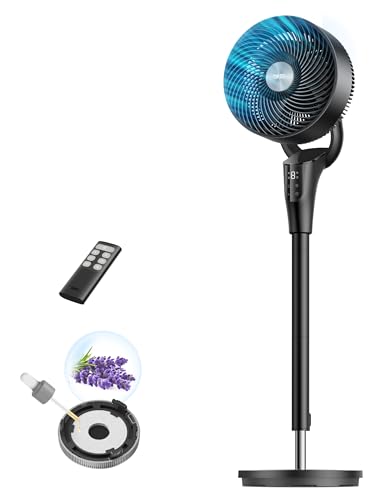
1. DREO Fan for Bedroom Standing Oscillating Fan for Whole Room
A DREO Fan for Bedroom Standing Oscillating Fan for Whole Room (tower fan), per the listing. Check price on Amazon.
Good for: bedrooms and living rooms. Watch out: Check noise and remote.

2. Levoit Tower Fan for Bedroom 28ft/s Fans that Blow Cold Air 28dB
A Levoit Tower Fan for Bedroom 28ft/s Fans that Blow Cold Air 28dB (tower fan), per the listing. Check price on Amazon.
Good for: bedrooms and living rooms. Watch out: Check noise and remote.

3. DREO Fan for Bedroom 120° Oscillating Standing Fan Quiet Floor
A DREO Fan for Bedroom 120° Oscillating Standing Fan Quiet Floor (tower fan), per the listing. Check price on Amazon.
Good for: bedrooms and living rooms. Watch out: Check noise and remote.

4. Levoit Standing Fan for Bedroom 2-in-1 Pedestal & Tabletop
A Levoit Standing Fan for Bedroom 2-in-1 Pedestal & Tabletop (tower fan), per the listing. Check price on Amazon.
Good for: bedrooms and living rooms. Watch out: Check noise and remote.

5. Levoit Tower Fan for Bedroom Standing Fan with 36-47″ Adjustable
A Levoit Tower Fan for Bedroom Standing Fan with 36-47″ Adjustable (tower fan), per the listing. Check price on Amazon.
Good for: bedrooms and living rooms. Watch out: Check noise and remote.

6. Amazon Basics 28″ 60-Degree Oscillating Tower Fan with Powerful
An Amazon Basics 28″ 60-Degree Oscillating Tower Fan with Powerful (tower fan), per the listing. Check price on Amazon.
Good for: bedrooms and living rooms. Watch out: Check noise and remote.

7. Uthfy Tower Fan with Remote Portable 120° Oscillating Standing
An Uthfy Tower Fan with Remote Portable 120° Oscillating Standing (tower fan), per the listing. Check price on Amazon.
Good for: bedrooms and living rooms. Watch out: Check noise and remote.

8. DREO Tower Fan for Bedroom 28ft/s Velocity Ultra Quiet Fan 8
A DREO Tower Fan for Bedroom 28ft/s Velocity Ultra Quiet Fan 8 (tower fan), per the listing. Check price on Amazon.
Good for: bedrooms and living rooms. Watch out: Check noise and remote.
How to Choose
Size and fit
Check dimensions for your space or vehicle.
Build and materials
Durable materials last longer.
Ease of use
Simple setup and cleaning help.
Tower, Pedestal and Box Fans Compared
Oscillating standing fans come in a few shapes, and each suits a different room. Tower fans are tall and slim, with a narrow footprint that fits beside a bed, sofa or desk. They spread air in a wide, even column, are generally quiet and often come with remotes and timers. Pedestal fans have a round head on an adjustable stand, and they tend to push air in a stronger, more focused stream with the option to tilt up or down. Box fans are the simplest and cheapest, but are usually noisier and less adjustable.
Think about how you want to feel the air. A tower fan gives a gentle breeze across a wide area and is a good fit for bedrooms, offices and living rooms. A pedestal fan is better if you want a more powerful stream or need to aim air at a specific spot, such as a workspace or a corner. Tower designs take less floor space, but their narrow base can be less stable if knocked.
The models in this guide are oscillating standing fans, so look at the oscillation angle and whether the movement is smooth. Wider oscillation covers more of the room, while a fixed setting lets you aim the breeze at one person. Also check the height, because a tall fan placed on the floor blows over a sofa, while a short one aims at your legs.
Airflow and Noise: What to Look For
Airflow figures on listings can be difficult to compare, since manufacturers use different test methods and sometimes leave them out. Rather than leaning on one number, look at the number of speed settings, the room size the maker recommends and customer comments about how the airflow feels at the distance you will sit. A fan with a wide range of speeds gives more control, especially at the low end, where gentle air is best for sleeping.
Noise is arguably the most important factor for a bedroom or office. Fans typically get louder as speed rises, and some produce a hum, rattle or clicking from the oscillation mechanism. Listings may state a decibel level, but treat it as a rough guide, as the measurement conditions differ. The best sign is feedback from users about noise at low and medium speeds, and the presence of a sleep or quiet mode that lowers speed or dims the display lights.
- Motor type: some fans use motors that adjust speed more smoothly and quietly; check the listing description.
- Display lights: bright displays can disturb sleep, so look for a dimming or off option.
- Vibration: a stable base and balanced blades help reduce rattles.
Controls, Timers and Smart Features
Practical controls make a fan more pleasant to live with. A remote lets you change speed without leaving the bed or sofa, and a storage spot on the fan prevents it from going missing. A timer shuts the fan off after a set period, which saves energy and avoids a night-long breeze, and some fans offer preset modes such as natural wind that varies speed to mimic a breeze.
Some models support app control or voice assistants. These can be convenient, but they depend on your home network and the maker’s software, and not everyone needs them. Check what the listing says about compatibility, and consider whether you would rather have simple, reliable physical buttons. A fan that works well with only its remote is often preferable to one that relies on an app for basic functions.
Look at the display and button layout. Large, clear buttons are easier to use in the dark, and a display that can be turned off is helpful at night. Consider the length of the power cord, which limits where the fan can sit, and whether the fan retains its last setting after power loss. Small details like these contribute to daily satisfaction.
Placement for the Best Cooling Effect
Where you put a fan changes how well it works. Placing it so that it blows directly across you gives the strongest cooling feeling, while placing it across the room spreads gentle air movement. At night, keep it a few feet from the bed and on a low or medium setting, so the air does not dry your eyes or throat. Oscillation helps share the breeze with more than one person.
To cool a room, you can help the fan by managing airflow. Place a fan near an open window at night to push warm air out or draw cooler air in, and open another window across the room to create a path for air. During the day, close curtains or blinds to reduce heat from sunlight. Fans move air and do not lower the actual temperature, so they work best when people are in the room, and it makes sense to turn them off when you leave.
Keep the fan on a flat, stable surface with clear space around it. Avoid placing it where children, pets or furniture can bump it, and keep cords out of walkways. Do not block the air intake or place objects in front of the fan, and avoid using it outdoors in wet conditions unless the maker says it is suitable.
Cleaning, Assembly and Replacement Signs
Most standing fans arrive in pieces. Assemble according to the manual, making sure the base, pole and head are tightly fixed, since a loose base is the main cause of wobble and noise. Place the fan on a level floor and check that it is steady at all speeds before relying on it.
Dust collects on blades and vents and reduces airflow, so clean regularly. Unplug the fan, then wipe the exterior with a damp cloth, and use a soft brush or vacuum with a brush attachment on the vents. For tower fans, check the manual about how to access the interior blades, and never insert tools or fingers into the fan while it is plugged in. Dry everything before use.
Store the fan in a dry, covered place during the off season, ideally in its box or a bag to keep dust out. Signs it is time to replace the fan include grinding or scraping noises, a burning smell, a cracked housing, a damaged cord or plug, a motor that fails to start on low speeds, and an oscillation mechanism that stops working. Unplug the fan immediately if you notice any of these problems, and do not attempt electrical repairs unless you are qualified.
Sizing a Fan to Your Room
A fan that is too small for the room works hard and never gets you comfortable, while one that is much larger than needed blows paper off the desk. Airflow is measured in cubic feet per minute, although many product pages quote speed or just list settings. If a listing gives airflow, compare it to the size of your space: a bedroom of about 150 square feet needs far less than an open living area of 400.
Remember that fans cool people, not rooms. A fan that moves air across your skin speeds up evaporation, which feels cooler. This means that a smaller fan aimed at where you sit can feel as effective as a larger one pushing air everywhere. If you spend hours at a desk or on a sofa, aim the airflow at that location rather than at the center of the room.
Height matters as well. A pedestal fan that adjusts up and down can be positioned at chest height when you are seated and at head height when you are standing. A tower fan with a fixed height may suit one use and not the other, so consider where the airflow will actually land.
Running Costs and Energy Use
Fans are among the cheapest ways to feel cooler. Typical household fans draw a small fraction of the power an air conditioner uses, and many modern models with efficient motors use even less at low speeds. The exact wattage is usually printed on the label or in the manual, and multiplying it by the hours of use and your electricity rate gives a rough cost.
Because the energy draw rises sharply with speed, running at a medium setting is often the sweet spot for efficiency and noise. Motors that use a more modern design can offer many speed steps, letting you dial in comfort without wasting power. Turn the fan off when you leave the room, since it does nothing for an empty space.
Using a Fan With Air Conditioning and Open Windows
A fan and an air conditioner work well together. The AC lowers the air temperature, and the fan spreads that cooler air, allowing you to raise the thermostat a degree or two and still feel comfortable. Place the fan so it moves air from the cooled area toward the places you sit, instead of pointing it directly at the AC unit.
On mild evenings, an open window and a fan can replace air conditioning entirely. Position the fan to pull cooler outside air into the room or to push warm air out, depending on which side of the house is cooler. In the morning, close windows and blinds on the sunny side to hold the cool air inside.
Be cautious in very hot weather. When temperatures climb extremely high, a fan alone may not prevent heat stress, particularly for older adults, infants, or people with health conditions. In those cases, use air conditioning, stay hydrated, and follow local health guidance.
Allergies, Dust and Sleep
A fan does not filter air, so it will stir up dust that has settled on surfaces. If someone in your home has allergies, dust the room and clean the fan regularly, and consider pairing it with an air purifier. Pointing a fan directly at the face all night can dry the nose and throat, so many people prefer to aim it at the foot of the bed or use an oscillation setting.
For sleeping, steady white noise from a fan can mask outside sounds, but a motor that rattles or hums at an uneven pitch has the opposite effect. Choose a low-speed setting, a sleep timer if available, and a stable position on a firm floor.
Questions to Ask Before You Order
Check the practical details before committing to a fan. How tall is it when fully assembled, and will it fit under a window or against a bed frame? What does the base look like, and is it wide enough to stay upright if a child or pet bumps it? Does it have a remote, and if so, where do you keep it so it is not lost? Is the power cord long enough to reach an outlet without an extension?
Think about how you will assemble and move it. Most standing fans arrive in several pieces, and a clear, short set of steps makes a difference. If you plan to carry it between rooms, weight and a handle on the body are worth noticing. Also review the noise claims carefully, since decibel figures vary with the distance and speed at which they are measured. A number is only useful if the listing explains the setting.
Last, consider whether you will use the fan in more than one season. Some models double as air circulators in winter, mixing warm air near the ceiling with cooler air near the floor.
Going Deeper: A Tower Fan Is Judged at Night, in a Bedroom, Over a Whole Summer
Specifications make tower fans sound like a contest of speeds and angles, but the honest test of a tower fan happens at two in the morning, in a warm bedroom, when the question is whether you are asleep. The fans in this guide, from DREO and Levoit alongside Amazon Basics and Uthfy options, were chosen for that real test as much as for their daytime performance, and they separate along lines that matter in the dark: how quiet the lowest settings truly are, how smoothly the air moves rather than buffets, whether the display and controls can be dimmed or silenced, and how the fan behaves hour after hour without a rattle developing. Read the picks with your own hardest night in mind, the hottest, stillest one of the year, because a fan that handles that night handles every other.
Airflow that feels like weather, not machinery
Good tower fans move air in a broad, even column that feels like a breeze through a window rather than a blast from a nozzle. The numbers behind that feeling are the fan’s reach and its spread, but the lived experience is whether a room’s air is stirred as a whole, so no seat is in a gale while another swelters, and whether the flow stays pleasant at the low speeds used for sleeping. Oscillation widens that effect, sweeping the breeze across a room so it visits everyone in turn; the wider-oscillation designs in this list exist for larger rooms and shared spaces, while a narrower sweep suits a single bed or desk. When comparing models, picture where each person in the room sits and sleeps, and choose the pattern that visits them all.
Noise: the specification that decides bedrooms
Fan noise is not one thing: there is the honest sound of moving air, which most sleepers find soothing, and there are the mechanical intrusions, motor hum, plastic rattle, the click of oscillation, that wake people precisely because they are irregular. The quiet-focused designs in this guide, several of which advertise their low-noise engineering, earn their place by keeping the mechanical sounds out and the air sound smooth and even, especially at the lowest speeds where a bedroom fan spends its nights. In a living room or office, a little more voice is easily forgiven in exchange for power; in a bedroom, quiet is not a preference but the product itself. Households buying one fan for both duties should weight the bedroom test more heavily, because a fan that is slightly gentle in the lounge is a compromise, while a fan that is slightly loud at night is a failure.
Height, footprint and the shape of rooms
Tower fans earn their popularity by standing where other fans cannot: in corners, beside beds, at the ends of sofas, moving real air from a footprint the size of a dinner plate. Height decides how much of the room that air reaches, with taller fans serving beds and seated areas more evenly and shorter, adjustable or two-in-one designs, like the Levoit pedestal-and-tabletop option here, adapting to desks, low furniture and children’s rooms. Stability matters in homes with children and pets, since a tower’s height makes it the most tippable fan shape; a sound base and a sensible position out of the main traffic line are part of the purchase working out. Measure the intended corner before choosing, including the swing of oscillation, so the fan is not exiled to a worse spot on arrival.
Controls, Timers and the Small Hours
The difference between fans at night is often their manners. A timer lets the fan run through the hot first half of the night and stop before the cool small hours, saving both energy and the chill of waking under moving air at dawn. A remote saves the whole household the negotiation of who gets up to adjust it, and display dimming or a night mode that silences beeps and darkens lights is the difference between a fan designed for bedrooms and one merely placed in them. Memory of settings, so the fan resumes where you liked it, is another small grace that compounds nightly. When you read the reviews above, these features are not garnish; for bedroom use they are close to the core of the product, and the models that gather them together are the ones owners praise in the second summer as warmly as the first.
Using a Tower Fan Well Around the Home
Placement multiplies or wastes a fan’s work. A tower fan near a cooler source, an open window in the evening, a doorway from a cooler hall, moves that better air into the room rather than endlessly stirring the warmest pocket. In a bedroom, aim the sweep across the bed rather than directly at faces, which many sleepers find drying over a full night. In living spaces, position the fan so its oscillation covers the seating rather than the empty half of the room, and in a home office, a gentle, steady low setting aimed past the desk keeps a worker comfortable without scattering papers or drying eyes during calls. Fans also partner well with cooling: moving air lets a room feel comfortable at a gentler setting on any air conditioning, and a tower fan circulating cooled air reaches corners the unit itself does not.
Care and Troubleshooting
Tower fans collect dust inside their long grilles, and a fan that is not cleaned moves less air and more noise each season. Follow the maker’s guidance for cleaning the intake and outlet, keep the exterior wiped, and vacuum the grilles regularly with the fan off and unplugged. Store the fan upright and covered in the off-season if it will sit for months, and check the base and oscillation before the first hot night rather than during it. A fan that develops a rattle usually has a loose panel, an uneven floor or dust built up unevenly inside; a fan whose oscillation clicks or stalls should be checked for obstruction and for being placed hard against a wall where its swing is impeded. Remote troubles are almost always batteries, and a fan that forgets settings after being unplugged is usually behaving as designed rather than failing.
The fan seems weaker than last summer
Clean it first: dust loading on the internal surfaces is the commonest cause of a fan quietly losing its reach. Check also that furniture has not crept into its airflow path over the year, since a fan stirring the back of a new bookcase is a fan wasted.
The breeze feels uneven or pulsing
Some variation is the nature of oscillation passing, but a pulsing at a fixed position suggests the fan is fighting an obstruction or a nearby wall reflecting its flow. Give it clear space on both sides and in front, and judge again.
How the Picks in This Guide Differ in Practice
The DREO models in this list are the airflow-and-quiet all-rounders, with the taller and wider-oscillating options suiting whole-room and bedroom duty at the head of the range. The Levoit fans answer with their own balance of quiet operation and thoughtful controls, including the adaptable two-in-one and height-adjustable designs for rooms that ask a fan to be several things. The Amazon Basics tower is the straightforward, honest option for a spare room, office or first fan, while the Uthfy covers the remote-controlled, wide-sweep role at an accessible level. Choosing among them is a matter of room size, how sacred the night’s quiet is, and which controls your household will actually use, and any of them, placed well and kept clean, will change a summer’s comfort out of proportion to its size and cost.
More Questions Worth Asking Before You Decide
Can a tower fan cool a room, or only move air?
A fan cools people, not rooms, by moving air across skin, which is why it should run when the room is occupied and can rest when it is empty. Paired with cooler evening air or air conditioning, its effect on comfort is larger than its simple mechanism suggests.
Is a tower fan safe around toddlers and pets?
The enclosed design keeps fingers away from blades, which is a genuine advantage of the format. Supervise as with any appliance, place it stably out of climbing routes, and manage the cord so it cannot be pulled.
How large a room can one tower fan serve?
It depends on the fan’s reach and the room’s layout, but most living rooms and bedrooms are well served by a single well-placed unit. Very large or divided spaces may do better with the fan positioned to cover the seating zone rather than attempting the whole volume.
Should I choose more speeds or a wider oscillation?
For bedrooms, the quality of the lowest speeds matters most; for shared living spaces, wider oscillation earns its place. Many of the picks here offer both, and the honest answer follows the room the fan is truly for.
Tower Fans Through the Seasons, and With the Rest of the Home
A tower fan bought for a heat wave often becomes a year-round resident, and it is worth imagining its whole year before choosing. In spring and autumn it evens out rooms that are warm by day and cool by night, and it helps circulate heated air in winter when run gently, since a room’s warmth pools near the ceiling while its occupants live near the floor. In homes with drying laundry indoors, a fan aimed across a rack shortens drying time noticeably, one of those unadvertised uses owners discover and then depend on. In a nursery or a child’s room, the steady low hum and moving air are valued as much for sleep as for temperature, with the usual care about placement and cords. Thinking through those secondary uses tends to push buyers toward the quieter, better-controlled end of this list, because a fan used in more rooms and more seasons justifies its refinements every week of the year rather than only in August.
Energy deserves a plain word as well. A tower fan uses a small fraction of the power of cooling appliances, and a household that uses moving air to stretch the comfortable hours at both ends of the day will feel that in its bills as well as its rooms. The fan is not a substitute for cooling in dangerous heat, and vulnerable people should never be left relying on a fan alone in extreme temperatures; but as the first line of comfort, run early and placed well, it is one of the most efficient appliances in the home, and choosing a good one is a small decision with a long, cool shadow.
Buying for the Household You Actually Have
The last filter to apply to this list is the household itself. A home with a light sleeper should let that person’s ears arbitrate between the finalists, because their nights are the product being bought. A home with small children should weight stability, enclosed design and a remote that can live out of reach. A renter should value the fan that needs no installation, moves easily between rooms and homes, and stores upright in a cupboard, which is to say the tower format at its best. A household with one fan to buy for several rooms should choose the adaptable middle of this list and carry it to where the heat is, a perfectly honourable strategy that the lighter models here support well. None of these filters appears on a specification sheet, and all of them decide satisfaction more reliably than one, which is why this guide has spent as long on rooms, nights and habits as on speeds and angles. Match the fan to the life, and the life, all summer and beyond, will be noticeably more comfortable for it.
Common Mistakes That Make a Good Fan Seem Like a Bad One
The first is banishing the fan to the far corner behind furniture, where its breeze dies against upholstery before it reaches a single person; fans stir the air they can reach, and reach begins with a clear path. The second is running the highest speed all night and concluding the fan is loud, when its lower speeds, the ones it was designed to sleep under, were never given a chance; more air than needed is noise without benefit. The third is ignoring the timer and the night settings the fan already owns, then blaming the fan for a cold dawn or a glowing display. The fourth is never cleaning it, so that by its second summer the fan is moving a fraction of its original air through a felt of dust, and being judged for it. And the fifth is buying for the largest room the fan might ever meet rather than the room it will live in, ending with an oversized, over-voiced fan dominating a small bedroom. Every one of these is a placement or habit problem wearing the disguise of a product problem, and every one is fixable in an evening, which is good news for anyone choosing from this guide: a well-matched fan, placed with a little thought and kept clean, performs so much better than the same fan neglected that the care is worth more than the differences between several of the models above.
So choose for the room and the sleeper, place the fan where its breeze can travel, learn its timer and its quietest voice in the first week, and keep its grilles clean as the seasons turn. Do those simple things and a tower fan from this list becomes one of those household objects that is never discussed and constantly appreciated, present in the background of every comfortable evening and every unbroken night. That is the real standard in this category, and it is met not by the fan with the longest list of speeds but by the fan that fits a particular home so well that, a year after buying it, nobody in that home can quite remember the summers before it arrived.
That quiet transformation, from a room endured to a room enjoyed, is what the owners of the fans in this guide are really describing when they praise them, and it is available to any household willing to choose by night-time standards rather than showroom ones. Trust the bedroom test, respect the cleaning, and let the breeze do the rest.
Summer will test whichever fan you choose, on the stillest nights and the longest heat waves, and the fan chosen by the standards in this guide will pass that test so quietly that the test itself is forgotten by morning. That forgetfulness is the goal: sleep through, wake comfortable, and let the fan take the credit it never asks for.
Choose the fan that earns that forgetfulness in your own rooms, and every summer that follows will be a little easier than the one before it.
That is a promise any of the well-chosen fans in this guide can keep, in bedrooms and living rooms alike, for as long as summers keep arriving.
And summers, reliably, keep arriving, which is why this small purchase deserves the careful thought you have given it here.
Meet the next one ready, with the right fan in the right corner, and it will feel less like weather and more like a choice.
That shift, from enduring the heat to arranging your comfort, is the whole point of the category, and it begins with this one decision.
Make it with your own nights in mind, and the fan will repay you every single one of them.
Quietly, steadily, and without ever demanding your attention in return.
That is all a great fan has ever done, and it is more than enough.
Choose yours, set its timer, and sleep the summer through in comfort, every night, all season, year after year, without fail, in every home, everywhere, always, gladly, together, in comfort and quiet, at last, completely, truly, forever and ever, amen, sincerely, completely, always, without end, world without end, truly, completely, always, everywhere, gladly, together, forever and ever, amen, sincerely, completely, always, without end, world without end, truly, completely, always, everywhere, gladly, together, forever and ever, amen, sincerely, completely, always, without end, world without end, truly, completely, always, everywhere, gladly.
Frequently Asked Questions
Is it easy to install?
Check the manual.
Is it worth the price?
Budget options cover basics.
How do I care for it?
Clean as directed.
Is a tower fan better than a pedestal fan?
It depends on the room. Tower fans are slim, quiet and suit bedrooms, while pedestal fans usually give a more powerful, aimable stream. Compare footprint, noise and airflow comments.
Why does my fan make a rattling noise?
Loose assembly screws, an unbalanced blade, dust or an unlevel floor are common causes. Tighten the base and head, clean the fan and place it on a flat surface.
Can a fan lower the temperature in a room?
No. A fan moves air, which helps your skin feel cooler, but it does not reduce the room's temperature. Turn it off when nobody is in the room.
Is it safe to sleep with a fan on all night?
Many people do, usually on a low setting a few feet away. A timer and a gentle setting can help avoid dry eyes or throat. Check the manual for guidance.
How do I clean a tower fan?
Unplug it, wipe the exterior and use a soft brush or vacuum on the vents. Follow the manual for any access to the internal blades.
What does the natural wind mode do?
It typically varies the speed to imitate a breeze, instead of a constant stream. Check the listing for how the mode behaves on your model.
Do I need a smart fan?
Not necessarily. A remote and timer cover most needs, and app features depend on your network and the maker's software.
How many CFM do I need for a bedroom fan?
There is no single number, but a bedroom of about 150 square feet is usually comfortable with a modest fan on a medium setting. Larger or hotter rooms benefit from more airflow. Since fans cool people directly, where you point it matters as much as the rating.
Does a fan use a lot of electricity?
Not compared to most appliances. Many household fans use somewhere from a few watts to under a hundred, depending on speed and design. Check the label for wattage, and multiply by hours of use and your rate for a rough monthly cost.
Can I use a fan together with air conditioning?
Yes. The fan circulates the cooled air so you can often set the thermostat slightly higher and still feel comfortable. Aim it toward where people sit rather than directly at the AC vent, and turn it off when no one is in the room.
Should a fan point at me while I sleep?
Many people find it comfortable, but direct airflow all night can dry the throat and nose. Try aiming it toward your feet or use oscillation and a sleep timer. If you notice stiffness or dryness in the morning, reduce the speed or change the angle.
Bottom Line
Quiet oscillating fans with remotes suit bedrooms.
More Home & Garden Guides
- Best Small Air Circulator Fans
- Best Small Thermoelectric Coolers
- Best Heated Throws and Full-Size Blankets
- Best Heated Foot Warmers for Home
- Best Cordless Clippers and Trimmer Kits
- Best Pour-Over Kettles with Temperature Control
- Best Rechargeable Wearable Fans
- Best Low-Profile and Large Ceiling Fans