Where to buy
Every pick in this guide to the best pellet grill for outdoor entertaining under $75 is sold on Amazon — check the latest availability and delivery there before you buy. Orders are placed on Amazon. We may earn a commission from qualifying purchases.
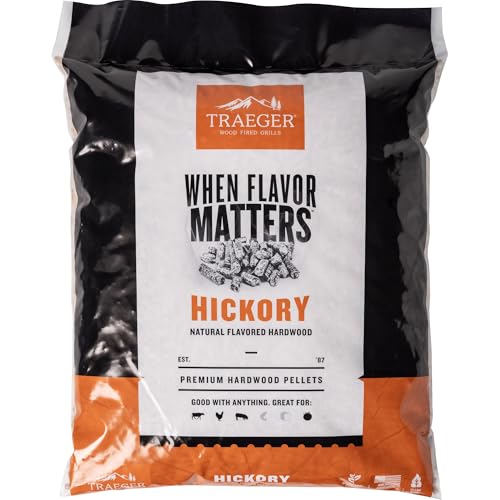
Traeger Hickory Hardwood Pellets, 18 lb Bag — Wood pellet FUEL — not a grill — Check on Amazon
Camp Chef Competition Blend BBQ Pellets, 20 lb Bag — Wood pellet FUEL — not a grill — Check on Amazon
LIZZQ Premium Pellet Smoker Tube, 12 Inch — Smoke ACCESSORY for a grill you already own — not a grill, and not a pellet grill — Check on Amazon
TempPro TempSwift TP19H Instant Read Meat Thermometer — Cooking TOOL — not a grill — Check on Amazon
Unicook 55 Inch Grill Cover, Heavy Duty Waterproof, Black — Protective COVER for a grill — not a grill — Check on Amazon
Buddeez Kingsford Pellet Dispenser with Flip Spout — Pellet STORAGE container — not a grill — Check on Amazon
Read the full guide ↓
Disclosure: As an Amazon Associate, dailyhomedecorating.com earns from qualifying purchases. Links to Amazon on this page are affiliate links; they cost you nothing extra. Listing details such as price and availability change often, so check the current Amazon listing before you buy.
Planning a party around the search for the best pellet grill for outdoor entertaining under $75? Start with the truth, because your guests deserve a host who heard it in time: there is no pellet grill under $75. The smallest tabletop pellet grills from real brands cost several times this budget, and the listings crowding this price are fuel, tubes, covers and spare parts dressed in a grill’s keywords. No cooker is arriving before the party. What can arrive — and what this guide is actually about — is the kit that makes the grill you already own cook like you meant it: real pellet smoke, the right fuel for a long guest list, and the thermometer that keeps a crowd’s food both delicious and safe.
Entertaining changes what ‘best’ means. Cooking for two forgives a lot; cooking for twelve does not. Batches run back to back, the grate is crowded, temperatures vary across it, and the margin between ‘juicy’ and ‘dry’ — or worse, between ‘done’ and ‘not safe’ — is where parties are won and lost. That is why this variant of the guide ranks the picks by party value: smoke that scales to a crowd, fuel that does not run out mid-cook, temperature checks fast enough to keep a serving line moving, and the unglamorous cover and storage that mean the gear is ready when the invitations go out, not discovered ruined the morning of.
So treat this page as a party-prep list with honest labels. Every pick states plainly what it actually is — fuel, accessory, tool, cover, storage — and the final recommendation lays out the exact order to buy them in with a party date in mind. The grill fund can grow later; the gathering is this weekend, and $75 spent this way will be tasted by everyone who comes.
In this guide
Quick Picks
There is no pellet grill in this list, because there is no pellet grill at this budget — the table below is the honest version of this guide: the six most useful things $75 buys around a pellet grill, each labeled with what it actually is.
| Pick | What it actually is | Best for | Amazon |
|---|---|---|---|
| Traeger Hickory Hardwood Pellets, 18 lb Bag | Wood pellet FUEL — not a grill | The flavor-first fuel buy | Check on Amazon |
| Camp Chef Competition Blend BBQ Pellets, 20 lb Bag | Wood pellet FUEL — not a grill | The versatile blend for mixed menus | Check on Amazon |
| LIZZQ Premium Pellet Smoker Tube, 12 Inch | Smoke ACCESSORY for a grill you already own — not a grill, and not a pellet grill | Real pellet smoke on the grill you already have | Check on Amazon |
| TempPro TempSwift TP19H Instant Read Meat Thermometer | Cooking TOOL — not a grill | The food-safety tool every pellet cook needs | Check on Amazon |
| Unicook 55 Inch Grill Cover, Heavy Duty Waterproof, Black | Protective COVER for a grill — not a grill | Weather protection sized for the grill you buy next | Check on Amazon |
| Buddeez Kingsford Pellet Dispenser with Flip Spout | Pellet STORAGE container — not a grill | Dry storage that keeps pellets burning properly | Check on Amazon |
How These Picks Were Chosen
We started with the question behind the search — best pellet grill for outdoor entertaining under $75 — and checked it against the real market before choosing anything. A pellet grill is a steel cooking chamber, an electric auger, a fan, a controller board and a hopper. Even the smallest tabletop models from the major pellet brands are built from those same parts, and they sell for several times this entire budget. Any listing at this price claiming to be a complete pellet grill is one of three things: an accessory wearing a grill’s name in its title, a replacement part such as an auger motor or a controller, or a toy-grade novelty that cannot cook a meal. We excluded all three tricks rather than pass one of them off as a find.
So the picks were chosen by a different rule: if $75 cannot buy the grill, what does it buy that a pellet-grill owner — or a future owner — genuinely needs? The answer, in order of how much each item changes your cooking, is fuel, smoke, temperature measurement, weather protection and dry storage. Every pick had to meet three tests. First, it had to be a real, branded product with a verifiable Amazon listing, checked against the Amazon Creators API for this site before a link was attached. Second, it had to be labeled in this guide as exactly what it is — fuel, accessory, tool, cover or storage — never dressed up as a grill. Third, it had to still be useful after the reader eventually buys a real pellet grill, so none of the money is wasted on the way there.
For the entertaining variant we judged every pick against a twelve-guest stress test: could it handle back-to-back batches, a mixed menu of brisket-style cuts, chicken and vegetables, and a host who is also trying to hold a conversation? Picks that only shine in solo cooking were ranked down.
We also ran a safety screen. Each pick was checked against U.S. Consumer Product Safety Commission recall records, and anything under an active recall was excluded entirely — you will not find a recalled product named anywhere in this guide. Finally, a note on prices: this guide prints no fixed product prices, because Amazon prices move constantly. The $75 in the keyword is a budget ceiling, not a quote. Every pick is listed with a check price on Amazon link so you see the live figure before you decide.
The Best Pellet Grill for Outdoor Entertaining Under $75 — Reviewed Honestly: Six Buys, Zero Grills
Six picks, six different jobs. Read the ‘what it actually is’ line in each review before anything else — it is the most honest sentence in each section, and it is what separates this guide from the listings that bury an accessory under a grill’s name.
1. Traeger Hickory Hardwood Pellets, 18 lb Bag
What it actually is: Wood pellet FUEL — not a grill.
Who it suits: hosts whose party menu is classic barbecue — a shoulder, ribs, brisket-style cuts — where hickory’s bold smoke is the flavor the guests came for, in a pellet grill or through a tube.
An 18 lb bag of Traeger’s hickory hardwood pellets, made for pellet grills and smokers. Hickory is the classic brisket-and-ribs wood: assertive, bacon-adjacent smoke that stands up to beef and pork. Traeger mills its pellets from sawdust of the named hardwood with no fillers or binding agents beyond the wood’s own lignin, which is why the bag lists a single species rather than a vague ‘hardwood blend.’ Pellets are fuel, full stop — this bag cooks nothing by itself, and it is on this page because fuel is one of the few genuinely useful things $75 buys in the pellet world.
Pros
- Single-species hickory flavor is strong and predictable from bag to bag
- Low-ash burn keeps a borrowed or entry-level grill’s firepot cleaner between cooks
- Works in every brand of pellet grill and in a smoker tube — not locked to Traeger hardware
- 18 lb is enough for several long low-and-slow sessions, so the bag doubles as a trial of the flavor
Honest limitation: Hickory is the loudest common pellet flavor. On chicken, fish or vegetables it can dominate, and if your household prefers gentler smoke you will wish you had bought a blend instead. Pellets also absorb moisture fast — an opened bag left in a humid garage swells, crumbles and can jam an auger, so this purchase only makes sense paired with dry storage.
Choose it if your guest list expects barbecue with a capital B and your cooks run long and low. Skip it if your crowd leans to chicken, fish and vegetable mains, where hickory overpowers — the blend serves a mixed table better.
2. Camp Chef Competition Blend BBQ Pellets, 20 lb Bag
What it actually is: Wood pellet FUEL — not a grill.
Who it suits: the mixed-menu host: chicken for some, salmon for others, burgers for the kids, one bag that flatters all of it without a mid-party fuel decision.
Camp Chef’s Competition Blend is a 20 lb bag of hardwood pellets built as an all-rounder: a mix in the maple, hickory and cherry family that aims for balanced smoke rather than one loud note. It is the bag to buy when the same grill has to handle ribs on Saturday, salmon on Sunday and a tray of wings in between. Like every pellet on this page it is fuel for a grill you already own or are saving toward — it is not a cooker, and no honest reading of the listing makes it one.
Pros
- Balanced blend suits beef, pork, poultry and fish without swapping bags
- 100% hardwood with no flavor oils or fillers, per Camp Chef’s spec
- 20 lb bag is the standard hopper-friendly size and stores neatly in a dispenser bin
- Mild enough for beginners who find straight hickory bitter
Honest limitation: Versatility is the trade: competition cooks chasing a deep hickory bark or a pure cherry color on chicken will get a middle-of-the-road result from a blend. If you already know your one favorite wood, a single-species bag is the smarter spend.
Choose it if your menu is a democracy — many proteins, many preferences — and you want one fuel decision, made once. Skip it if you are running a single-showcase cook, like a competition-style brisket, where a dedicated single-species fuel is the connoisseur’s move.
3. LIZZQ Premium Pellet Smoker Tube, 12 Inch
What it actually is: Smoke ACCESSORY for a grill you already own — not a grill, and not a pellet grill.
Who it suits: hosts with a big gas or charcoal grill and a smoke problem — the tube lays hours of real wood smoke across a crowded grate, and a second tube run handles the second wave of food.
The LIZZQ tube is a perforated 304 stainless steel tube, 12 inches long, that you fill with wood pellets, light with a torch, and lay on the grate of a grill you already own. The pellets smolder inside it for hours — the maker rates a full tube at up to about five hours of smoke — adding genuine wood smoke to a gas, charcoal or electric grill. Read the label on this pick carefully: it is a smoke accessory for an existing grill. It is not a pellet grill, it has no auger, no controller and no cooking heat of its own, and it cannot cook a meal by itself.
Pros
- The cheapest honest route to real pellet smoke if you already own any grill
- Works for cold smoking cheese and nuts, where a pellet grill cannot go low enough
- Stainless 304 body resists rust and warping better than bargain tubes
- Uses a handful of pellets per cook, so one bag of fuel lasts for months of sessions
Honest limitation: It adds smoke, not heat control: you still manage temperature with your grill’s own burners or vents, and the tube must be lit and left to flame out before it smolders properly, which takes a few fiddly minutes. On a gas grill with the lid vents wide open, smoke leaks fast and flavor lands lighter than a true pellet grill delivers.
Choose it if your grill is big enough for the crowd but the food tastes plain; smoke is the upgrade your guests will actually notice. Skip it if your grill itself is too small or too tired for the guest list — accessories cannot add grate space, and the party budget may belong to a bigger cooker first.
4. TempPro TempSwift TP19H Instant Read Meat Thermometer
What it actually is: Cooking TOOL — not a grill.
Who it suits: anyone serving a crowd, where one undercooked chicken thigh is not a private mistake but a dozen guests’ evening. Fast spot checks keep the serving line moving and the host certain.
The TP19H is TempPro’s instant-read probe thermometer: a folding probe, an auto-rotating backlit display that flips for left- or right-handed reading, motion-activated wake and sleep, and a waterproof body that shrugs off a rinse under the tap. Pellet cooking is low-and-slow cooking, and low-and-slow is where guessing doneness gets people sick or dries out expensive meat. This is the tool that replaces guessing — it is a thermometer, not a grill, and it earns its place in a $75 budget because it improves every cook on whatever grill you use now or buy later.
Pros
- Near-instant readings end the open-lid guessing that wrecks bark and temperature control
- Auto-rotating backlit display is readable in bright sun and at midnight brisket checks
- Waterproof body survives splashes, marinade and a proper wash
- Motion wake means no button fumbling with greasy hands
Honest limitation: It is a spot-check tool, not a leave-in probe: it cannot watch a brisket overnight or alert you from the couch, and it should not be left inside a closed grill. Cooks who want alarms and graphs need a probe system, which is a different, larger purchase.
Choose it if you are cooking poultry, burgers or thick cuts for people beyond your household. For a host, this is not optional equipment. Skip it if you already own a fast thermometer and a leave-in probe set; in that case your party gap is fuel or grate space, not information.
5. Unicook 55 Inch Grill Cover, Heavy Duty Waterproof, Black
What it actually is: Protective COVER for a grill — not a grill.
Who it suits: the regular host whose grill lives outside between parties; a fitted cover is the difference between ‘ready when guests arrive’ and a morning lost to rust, webs and a swollen pellet hopper.
Unicook’s 55 inch cover is a heavy-duty waterproof grill cover with handles, airflow vents and fastening straps, sized for the common run of three- and four-burner grills and mid-size pellet grills up to about 55 inches wide. A cover sounds like the least exciting way to spend part of $75, until you price the alternative: pellet grills carry electronics, an auger and a steel hopper outdoors year-round, and water in the hopper turns pellets to swollen mush that can seize the auger solid. This is a cover, not a grill — it protects the cooker; it does not replace one.
Pros
- Vents reduce the condensation that rusts grates under a sealed cover
- Straps keep it in place in wind instead of ending up in the neighbor’s yard
- Handles make the on-off routine before and after cooks genuinely easy
- 55 inch size matches the mid-size pellet grills most savers eventually buy
Honest limitation: Sizing is everything: measure your current or target grill before ordering, because a cover two inches short rides up and a cover far too large puddles rainwater on top. It also only pays off if you actually own, or are firmly committed to buying, a grill in its size class.
Choose it if your grill waits outdoors between gatherings and you refuse to spend party morning cleaning up weather damage. Skip it if your grill is stored in a garage between parties, or its size is nowhere near the 55 inch class. Measure before you entertain the idea.
6. Buddeez Kingsford Pellet Dispenser with Flip Spout
What it actually is: Pellet STORAGE container — not a grill.
Who it suits: party-prep households that buy fuel ahead: the dispenser keeps the event’s pellets dry and pourable by the grill instead of in a torn bag across the garage.
The Buddeez Kingsford Pellet Dispenser is a clear, stackable storage bin with a flip-spout lid, built to hold a working supply of wood pellets and pour them cleanly into a hopper. Dry storage is not a nicety with pellets: they are compressed sawdust, and ambient humidity swells them until they crumble, bridge over the auger and cause flame-outs mid-cook. A sealed dispenser by the grill beats a torn bag in a damp corner every time. It is a storage bin — not a grill, not fuel, just the unglamorous thing that keeps fuel usable.
Pros
- Flip spout pours into a hopper without the spill-and-sweep routine of a torn bag
- Clear body shows the pellet level at a glance before a long cook
- Stackable shape uses vertical space in a shed, garage or storage bench
- Keeps pellets dry, which prevents auger jams and mid-cook flame-outs
Honest limitation: It holds a working supply, not a whole 20 lb bag in most cases, so the rest of the bag still needs a dry home. And like every storage purchase, it only earns its money once you actually own pellets — buy it with or after the fuel, not before.
Choose it if you stock up before events and your current pellet storage is the bag, a bungee cord and hope. Skip it if you buy pellets the same week you burn them, every time. Just-in-time hosts can skip storage upgrades until the habit changes.
Comparison Table
Side by side, the pattern is clear: $75 covers the ecosystem around a pellet grill — the fuel it burns, the smoke it can lend another grill, the thermometer that makes its output safe, the cover that protects it and the storage that keeps its fuel dry. What it never covers is the grill itself.
| Pick | Category | Standout role | Amazon |
|---|---|---|---|
| Traeger Hickory Hardwood Pellets, 18 lb Bag | Wood pellet FUEL — not a grill | The flavor-first fuel buy | Check on Amazon |
| Camp Chef Competition Blend BBQ Pellets, 20 lb Bag | Wood pellet FUEL — not a grill | The versatile blend for mixed menus | Check on Amazon |
| LIZZQ Premium Pellet Smoker Tube, 12 Inch | Smoke ACCESSORY for a grill you already own — not a grill, and not a pellet grill | Real pellet smoke on the grill you already have | Check on Amazon |
| TempPro TempSwift TP19H Instant Read Meat Thermometer | Cooking TOOL — not a grill | The food-safety tool every pellet cook needs | Check on Amazon |
| Unicook 55 Inch Grill Cover, Heavy Duty Waterproof, Black | Protective COVER for a grill — not a grill | Weather protection sized for the grill you buy next | Check on Amazon |
| Buddeez Kingsford Pellet Dispenser with Flip Spout | Pellet STORAGE container — not a grill | Dry storage that keeps pellets burning properly | Check on Amazon |
If you only buy one thing from this page, buy the thermometer. If you already own a grill of any kind, buy the smoker tube and a bag of pellets. If you are saving toward a pellet grill, buy nothing yet except perhaps the pellets on sale — and read the how-to-choose section below before the money burns a hole in your pocket.
How to Choose: The Entertainer’s $75, Spent in Party Order
With a date on the calendar, choosing becomes sequencing. Here is the order this guide recommends, and why.
First, the thermometer — before the menu is even written. Entertaining multiplies every food-safety stake: more food, more time sitting out, more guests with more vulnerabilities. A fast instant-read probe is how a host checks a crowded grate piece by piece without turning serving into a twenty-minute lid-open ordeal. If you buy one thing from this page for a party, it is this.
Second, the smoke. Guests remember flavor, and on a plain gas grill the missing flavor is smoke. A stainless tube and a bag of pellets — hickory for a barbecue menu, the blend for a mixed one — deliver the single most noticeable upgrade available at this budget. Plan the fuel like a host: a long party burns more than you think, tubes want refilling between waves, and running out of pellets mid-cook is the entertaining equivalent of running out of ice.
Third, readiness. The cover and the dispenser never appear at the party, which is exactly their job: they guarantee that when the day comes, the grill is clean, dry and functional and the fuel pours instead of clumping. Entertainers who host monthly get more from these two than from any gadget, because they convert preparation from a scramble into a checklist.
And the grill itself? It is not in this budget, and a party is the worst reason to buy a suspiciously cheap cooker: an underpowered novelty grill failing in front of twelve guests costs more than money. Cook the party on the grill you trust, upgraded by this kit — and let the pellet grill fund grow quietly toward the tiers where the real machines live, in this site’s $200, $300 and $500 entertaining guides.
Fire Safety: The Rules That Come Before Any Cook
A party adds the risk factors fire safety people dread most: a crowded deck, distracted host, children weaving between adults, and a grill running for hours. The rules below are written for exactly that scene — follow them before the first guest arrives, not after the first scare.
Clearance from anything that burns. Any grill — pellet, gas or charcoal, with or without a smoker tube inside it — belongs on a non-combustible surface, well away from siding, railings, fences, overhanging eaves and stored firewood. Pellet grills add a specific hazard: a hopper full of dry wood fuel and an electric fan that can blow embers. Follow the grill maker’s stated clearances, and treat them as minimums, not suggestions.
Ash is not out when it looks out. Pellet ash and spent tube pellets can hold heat for many hours. Let ash cool completely, move it to a metal container with a tight lid, and keep that container outside, away from the house, deck boards and the pellet supply. Never vacuum warm ash with a household vacuum, and never tip ash into a plastic bin or a cardboard box.
Store pellets dry and away from heat. Wood pellets are fuel. Keep bags and dispensers in a dry place, off damp floors, and away from the grill’s hot surfaces, water heaters and any ignition source. Swollen, moisture-damaged pellets are not just a cooking problem — crumbled pellet dust in a hopper is harder for an auger to feed and more likely to cause a flame-out followed by a dangerous over-feed when the grill relights.
Grease and electricity. Pellet grills run on household power: use a properly grounded outdoor outlet, keep cords out of walkways and away from hot surfaces, and unplug the grill before cleaning inside the hopper or firepot. Empty the grease tray on schedule — a grease fire inside a pellet grill is the most common way a relaxed Sunday cook turns into a 911 call. Never leave any grill running unattended, and keep a fire extinguisher rated for grease fires where you can reach it without reaching over the flames.
Common Buying Mistakes
- Buying the listing that lies in its title. The most expensive mistake at this budget is ordering a product whose title stuffs in ‘pellet grill’ while the box contains a tube, a tray, a cover or a spare part. Read the ‘what it actually is’ line, the dimensions and the weight: a real pellet grill weighs as much as a person can barely lift; an accessory weighs a few pounds.
- Spending the whole budget on fuel for a grill you do not own yet. Pellets are cheap per cook but pointless without a cooker, and they degrade in damp storage. If the grill is still months away, buy the thermometer and the tube first — both work with the grill you already have — and buy pellets close to the day you will burn them.
- Assuming a smoker tube makes your grill a pellet grill. A tube adds smoke flavor only. It does not feed fuel automatically, hold a set temperature, or cook unattended. Treating a gas grill plus a tube as a pellet grill leads to exactly the over-smoked, temperature-swinging results that give pellet cooking a bad name.
- Skipping the thermometer to save money. Color and cooking time are not doneness. Poultry, ground meat and reheated leftovers all have safe internal temperatures that only a probe can confirm. Of everything on this page, the thermometer is the one purchase that protects people, not just flavor.
- Storing pellets in the bag, on the floor, outside. An opened bag on a garage floor wicks moisture within weeks. Swollen pellets jam augers and cause flame-outs. A sealed dispenser indoors is not an upsell; it is the difference between fuel and landfill.
- Letting guests — especially helpful ones — run the grill. The host owns the fire. Guests open lids, move food and ‘help’ with the best intentions and the least information, and a smoker tube or a grease tray mishandled mid-party is how accidents happen. Give helpers drinks duty, not fire duty.
- Setting the serving table beside the grill to save steps. Crowding the cook zone with guests, chairs and a buffet guarantees contact with hot steel and blocked access in an emergency. Serve away from the grill; walk the extra steps.
Party Timeline: Running the Tube Kit for a Crowd
Here is how the $75 kit actually performs on party day, because a host plans in hours, not in product features. The day before: pellets checked and the dispenser filled, tube cleaned of its last cook’s ash, thermometer battery confirmed, grill grates brushed and the grease tray emptied — the readiness purchases in this guide exist so that this checklist is boring. Proteins that take smoke well are chosen with the tube in mind: a shoulder or ribs for the long smoke window, chicken pieces and vegetables for the hotter, faster second wave.
Two hours out: the grill is lit, the tube is filled, lit and left to flame out into a steady smolder, and the long-cook items go on in the smoke while the space is still calm. This is the tube kit’s finest hour — genuine wood smoke rolling over the food while you finish the house, and no guest has yet arrived to open the lid and let it out. As guests arrive: the thermometer becomes the hardest-working object you own, moving piece to piece across a crowded grate, calling doneness in seconds so the first wave serves hot and safe while the second wave loads.
The second wave is where entertaining kits earn their keep: the tube gets its refill, the fast items — burgers, sausages, vegetable skewers — take the hotter zone, and the host who planned fuel generously is not the host apologizing at the grill. After the party: ash cools fully in the grill, then moves to the metal can; the tube, once cold, goes back in its drawer or box; leftover pellets return to the sealed dispenser; the cover goes on when the grill is cool and dry. The next party now starts from ready — which, any regular host will tell you, is the entire secret.
Your $75, Allocated: The Entertainer’s Version
One party, maximum effect: thermometer, tube, one bag of pellets matched to the menu. Nothing else on this page will be tasted by your guests; everything else is infrastructure.
A season of parties: the same trio, plus the dispenser and the cover, bought once and amortized over every gathering — the per-party cost of readiness falls toward zero while the per-party scramble disappears entirely.
The long game: if this season’s parties prove that smoked food is your household’s signature, the kit’s real job is done — it has told you the truth about your own habits, and the higher entertaining tiers on this site, where the full-size pellet grills live, become a planned purchase instead of a gamble. Every item bought here walks over to that grill on day one.
Menu Engineering: Matching a Crowd’s Proteins to One Supply of Smoke
A party menu and a smoke supply are the same planning problem, and hosts who solve them together serve better food with less standing at the grill. The principle is sequencing by smoke affinity. Foods that take smoke deeply and cook long — shoulders, ribs, thick sausages — go on first, into the freshest, strongest smoke, and they forgive the tube’s early intensity. Foods that take smoke quickly and cook fast — chicken pieces, fish, vegetable skewers, corn — belong in the later, gentler phase, where a heavy hand would turn them bitter or ashen. Desserts and breads, if they meet the grill at all, meet it last and cleanest.
The second principle is temperature honesty across a mixed menu. A crowded grate is a map of hot and cool zones, and the host who knows their grill’s map — hotter at the back, cooler at the edges, or whatever yours does — assigns food to zones the way a conductor assigns parts. The thermometer patrols the map, because twelve pieces of chicken on one grate are twelve separate doneness questions, and the only wrong answer is an average. This is why this guide ranks the thermometer above the tube for hosts: smoke makes the party memorable, but temperature discipline is what makes it repeatable.
The third principle is the buffer. Entertaining quantities should be planned with a deliberate surplus of the two consumables — pellets and time. An extra bag of pellets costs little and keeps indefinitely in the dispenser; an extra half hour in the schedule absorbs the cook that runs long, as one always does. Hosts who build both buffers stop performing stress at the grill and start attending their own parties — which, when the food is smoked, checked and served hot, tend to be very good parties indeed.
Drinks, Shade and Seating: The Rest of the Party Budget Mentality
A final piece of host logic, offered because this guide has spent its length redirecting money: the $75 that cannot buy a grill can also work outside the grill entirely, and sometimes should. If your thermometer drawer is already equipped, your grill already smokes, and your fuel is already dry, the honest best use of a party budget may be the things guests touch for four hours — shade over the table on a hot afternoon, enough seating that nobody balances a plate on a railing, a cooler that keeps drinks cold without a dozen trips through the kitchen. Entertaining is a system, and the grill is only its loudest component. The discipline this guide teaches — buy what is real, label it honestly, refuse the purchase that pretends to be something else — applies to every part of that system. A host who shops that way, for grills and everything else, throws parties that feel considered, because they are.
Final Recommendation
For the host, the final recommendation is a shopping order, not a product: thermometer first, because a crowd makes doneness a duty; smoker tube and a bag of pellets second, because smoke is the flavor your guests will talk about; cover and dispenser third, because the next party starts the day this one ends. Cooked on the grill you already trust, that kit delivers ninety percent of the pellet-grill party experience for the price of a round of drinks — and none of it is wasted when a real pellet grill eventually joins the patio.
What not to do is just as clear: do not gamble a gathering on a too-cheap ‘pellet grill’ listing that turns out to be a tube, a tray or a toy. Your guests are coming for dinner, not for a product-return story. Spend the $75 on the kit, host the party well, and let the grill fund grow toward the tiers where the real machines are reviewed on this site.
Frequently Asked Questions
Can I buy a pellet grill in time for my party with $75?
No — there is no pellet grill at this price at any time of year, and party deadlines do not change manufacturing costs. The smallest genuine tabletop pellet grills cost several times $75. The good news: the kit in this guide — tube, pellets, thermometer — ships fast, works with the grill you already own, and covers the parts of the experience your guests actually taste.
How do I get smoked flavor for a crowd without a pellet grill?
With a pellet smoker tube in your existing grill. Fill it, light it, let it settle into a smolder and lay it on the grate; it produces genuine wood smoke for hours. For a long party, run the menu in waves and refill or swap the tube between them, and keep the lid closed as much as serving allows so the smoke stays with the food.
How much pellet fuel does a party use?
Plan generously. A smoker tube burns a modest amount per hour, but a long event with refills, plus any pellet grill you may also be running, adds up — and the cost of one extra bag is trivial next to running dry at the main course. Store the surplus dry in a sealed dispenser and it simply becomes next month’s fuel.
What is the safest way to cook chicken and burgers for twelve people?
With a thermometer, piece by piece, no exceptions. Crowded grates cook unevenly, color lies, and cutting pieces open to check drains the juices you worked for. A fast instant-read probe checks each piece in a second or two: poultry to its safe temperature, burgers to theirs, and everything rests while you work through the batch.
Should the grill be part of the party space?
Near it, not in it. Set the grill where you can work with clear space on all sides, out of the traffic path between house, table and drinks, and never under a roof, umbrella or overhang. Guests — especially children — should have no reason to pass within reach of hot surfaces, and you should be able to reach the grill, the extinguisher and the house without weaving through a crowd.
When is a real pellet grill worth it for entertaining?
When you host smoked food often enough that set-and-hold temperature and big grate capacity would change what you serve — overnight shoulders without babysitting, whole spreads cooked at once. That machine lives in this site’s higher entertaining tiers, and everything bought from this page transfers to it the day it arrives.
Related Guides
When the budget grows, these guides pick up exactly where this one stops:


