Where to buy
Check the latest price, availability and delivery on Amazon. Orders are placed on Amazon. We may earn a commission from qualifying purchases.
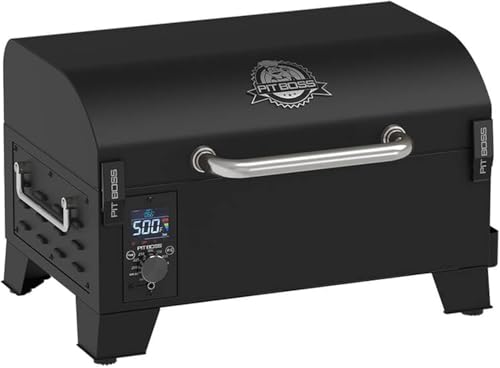
- Best overall — closest true match to the budget: Pit Boss PB150PPG Table Top Wood Pellet Grill — Check on Amazon
- Best tabletop alternative: Z Grills ZPG-200APro Portable Tabletop Wood Pellet Grill and Smoker — Check on Amazon
- Best value portable: Z Grills ZPG-200A Portable Wood Pellet Grill and Smoker — Check on Amazon
- Best for searing and varied cooking: Cuisinart CPG-256 Portable Wood Pellet Grill and Smoker (bundle listing) — Check on Amazon
- Prose-only — no confirmed API match for the grill itself: ASMOKE AS350 Portable Wood Pellet Grill and Smoker — prose-only in this guide (see the review below for why no link is attached)
- Prose-only step-up reference — persistently above this tier: Pit Boss 440 Mahogany Series Wood Pellet Grill and Smoker — prose-only in this guide (see the review below for why no link is attached)
Read the full guide ↓
Disclosure: As an Amazon Associate, dailyhomedecorating.com earns from qualifying purchases. Links to Amazon on this page are affiliate links; they cost you nothing extra. Listing details such as price and availability change often, so check the current Amazon listing before you buy.
Shopping for the best pellet grill for outdoor entertaining under $200 requires one honest reframing before any product talk: at this budget, a pellet grill is a tabletop, and a tabletop cooks in batches. That is not the disqualification it first sounds like — it is actually how good hosts cook. Entertaining rarely means twenty burgers landing at the same second; it means a flow of food across an afternoon: smoked wings as people arrive, sausages and corn while the conversation warms up, a sliced pork shoulder as the centrepiece, vegetables and flatbreads to finish. A 200–256 square inch pellet grill, run in planned batches with finished food held warm, feeds a gathering of six to ten gracefully — and its digital temperature control frees the host from fire-tending, which is the entire point of choosing pellets for a party. What it will not do is a single-batch cook for a crowd, and this guide’s prose-only step-up reference, the full-size Pit Boss 440, is included so you can see exactly what that capacity costs when a gathering truly demands it.
The six entries below are graded with a host’s priorities: batch throughput, hopper endurance across a long afternoon, searing for the burger-and-steak course, and the temperature stability that lets you talk to your guests instead of your grill. Four carry Amazon listings cross-checked through the Amazon Creators API for this site — the Pit Boss PB150PPG, the Z Grills ZPG-200APro and ZPG-200A, and the Cuisinart CPG-256 bundle. The ASMOKE AS350 is prose-only for lack of a confident API match, and the Pit Boss 440 is prose-only because it persistently sits above this tier. Around the reviews: a host-focused reality check, a comparison table, a batch-cooking playbook, the fire-safety duties that grow sharper with guests and children around, the entertaining mistakes that strand hosts, and an FAQ for party scenarios. No static prices are printed — check price on Amazon when you shop — because this tier’s prices move too much for print to stay honest.
The Best Pellet Grill for Outdoor Entertaining Under $200 Cooks in Batches: The Host’s Math
Run the numbers before the party, not during it. A 256 sq in grate holds roughly a dozen wings, or six burgers, or one pork shoulder — so a gathering menu should sequence proteins by cook time: start the long smoke early, hold it wrapped and warm, then use the freed grate for fast items in waves. Holding is the host’s secret weapon: smoked meats rest happily, tented or wrapped, while the grill works through vegetables, sausages and sear-finishing. Hopper size sets your refill rhythm — the Pit Boss tabletop’s 7 lb hopper buys the longest unattended stretches, which at a party translates directly into conversation time — and a probe thermometer turns ‘is it done?’ from a guess into a glance. Plan the menu to the grill’s strengths, tell guests food will come in waves, and the tabletop stops being a limitation and becomes the evening’s pacing.
In this guide
Quick Picks
Short on time, or comparing several options at once? Each row below names a buyer type and the product that suits it. Two of the six entries are deliberately prose-only: one could not be matched confidently through the Amazon Creators API, and one sits persistently above this budget tier. An honest guide says so instead of attaching a misleading link.
| Buyer type | Pick | Why it stands out | Link |
|---|---|---|---|
| Best overall — closest true match to the budget | Pit Boss PB150PPG Table Top Wood Pellet Grill | 256 sq in of cooking space on two tiers; 180–500°F digital control; Flame Broiler lever for direct-flame searing; 7 lb hopper; one meat probe included; about 43 lb with a latching lid and carry handles. | Check on Amazon |
| Best tabletop alternative | Z Grills ZPG-200APro Portable Tabletop Wood Pellet Grill and Smoker | 202 sq in of cooking area; digital temperature control; 8-in-1 cooking modes from smoke to sear; compact tabletop body built for small outdoor spaces. | Check on Amazon |
| Best value portable | Z Grills ZPG-200A Portable Wood Pellet Grill and Smoker | 202 sq in of cooking area; automatic temperature control; portable tabletop format in the same Cruiser 200A family; 8-in-1 versatility. | Check on Amazon |
| Best for searing and varied cooking | Cuisinart CPG-256 Portable Wood Pellet Grill and Smoker (bundle listing) | 256 sq in total (188 sq in main rack plus 68 sq in warming rack); 180–500°F digital control; 4 lb hopper; integrated sear zone; included meat probe; about 40 lb, roughly 24 x 18 x 15 inches, with locking lid and carry handle. | Check on Amazon |
| Prose-only — no confirmed API match for the grill itself | ASMOKE AS350 Portable Wood Pellet Grill and Smoker | 256 sq in of cooking space on two tiers; 180–500°F dial control; 4 lb hopper; ASCA ash-cleaning technology; around 49 lb. Listed here prose-only: the Creators API returned covers and the newer ASMOKE Wi-Fi model for this search, not the AS350 grill itself, so no purchase link is attached. | Prose-only — no link (see review) |
| Prose-only step-up reference — persistently above this tier | Pit Boss 440 Mahogany Series Wood Pellet Grill and Smoker | 518 sq in of cooking space per the current listing title; 180–500°F LED digital control; Flame Broiler; 5 lb hopper. This full-size grill sits persistently above the under-$200 framing, so it appears as a prose-only reference point for what stepping up buys — no purchase link. | Prose-only — no link (see review) |
How These Picks Were Chosen
Every pick in this guide had to pass four gates. First, it had to be a real pellet grill — an auger-fed, wood-pellet-burning cooker — not an electric grill that merely flavours food with a pellet tray, and not a charcoal or gas grill wearing pellet-adjacent marketing. Second, it had to be a current, orderable product from a brand with a verifiable product page or manual, so the specifications quoted here could be checked against the maker’s own documents rather than copied from other roundups. Third, its price behaviour had to be honestly compatible with this guide’s framing: grills that live near the tier, or dip into it, are linked; a grill that sits persistently above the tier is demoted to a prose-only reference, however good it is. Fourth, every linked pick’s Amazon ASIN was cross-checked through the Amazon Creators API for this site — the API-returned title had to match the product we intended to recommend. One well-known model, the ASMOKE AS350, failed that fourth gate: the API returned accessories and a different ASMOKE model, so the AS350 is discussed prose-only rather than linked on a guess.
Recall screening ran alongside selection. Each candidate was checked against CPSC recall records; the pellet-grill recalls on record involve other models and other product types — a recalled Cuisinart gas grill line, for instance, is a different product from the Cuisinart pellet grill in this guide — and no pick below is a recalled product. Finally, specifications were taken from manufacturer listings and manuals: cooking area, temperature range, hopper capacity and weight are quoted from those documents, and where sources disagreed slightly — as they do on the Pit Boss tabletop’s hopper between manual and listing — the listing figure is used and the disagreement is noted in the accompanying sources file rather than silently smoothed over.
The Budget Reality Check for Hosts
No under-$200 pellet grill cooks a crowd in one batch, and any guide implying otherwise is selling, not advising. What this budget buys — genuinely — is pellet convenience in tabletop form: real smoke, digital control, and, in two picks here, proper searing hardware. The step-up to single-batch crowd capacity is the full-size class, priced persistently above this tier; the prose-only 440 review in this guide quantifies that jump. Prices at the tabletop tier swing with sales and bundles, so none are printed here — check price on Amazon for linked picks. The rational host’s decision tree is short: gatherings of up to about ten, fed in waves — buy the tabletop and spend the savings on food and pellets. Regular single-batch cooks for more — save for the step-up. Either way, buy with the menu you actually host, not the menu you imagine.
Detailed Reviews
Each review follows the same structure — who the grill suits, what it does well, its honest limitation, and a plain choose-or-skip verdict — so you can compare like with like. Prices are never printed in this guide; where a pick is linked, check price on Amazon on the listing itself.
Pit Boss PB150PPG Table Top Wood Pellet Grill
Who it suits: the buyer who wants one real pellet grill as close to this budget as the market honestly allows, and who cooks for two to four people. If your shortlist started with full-size grills, this tabletop is the reality-adjusted version of that wish: same wood-fired flavour, same auger-fed convenience, in a body that stores on a shelf.
The PB150PPG’s headline numbers are the strongest in this guide at the tier: 256 square inches split across two tiers, a 180–500°F working range for smoking through grilling, and the Flame Broiler lever, which slides a plate aside so food sits over direct flame for a genuine sear — the feature most budget pellet grills simply omit, leaving them as smokers that can bake but not really grill. The 7 lb hopper is the largest among the tabletops here, which translates directly into longer unattended stretches between refills. A meat probe is included, the lid latches for carrying, and at roughly 43 lb it is a two-hand lift rather than a two-person job.
Pros: the most cooking area and the biggest hopper of any tabletop in this guide; real direct-flame searing; two-tier cooking; latching lid and handles make it genuinely portable; backed by a major brand’s support network and warranty culture.
Honest limitation: 256 square inches is still a small grill — a full packer brisket or two large racks of ribs will not fit in one batch, and the hopper, generous for a tabletop, still needs topping up on long cooks. It also needs mains power, so off-grid use means a power station or generator.
Choose it if you want the default recommendation in this guide. Skip it if you regularly cook for six or more, or if you need battery operation away from an outlet.
Key specs: 256 sq in of cooking space on two tiers; 180–500°F digital control; Flame Broiler lever for direct-flame searing; 7 lb hopper; one meat probe included; about 43 lb with a latching lid and carry handles.
Z Grills ZPG-200APro Portable Tabletop Wood Pellet Grill and Smoker
Who it suits: buyers who like the tabletop format but want the more polished control package, and anyone whose cooking leans on the 8-in-1 promise — smoke, grill, bake, roast, sear, braise, broil and char-grill from one compact unit.
The ZPG-200APro packs 202 square inches into a footprint smaller than the Pit Boss above, which matters more than the raw number suggests: on a small surface, the grill that fits with room to work beats the grill that fits exactly. Digital control holds set temperatures without the constant lid-lifting that ruins bark and dries meat, and the tabletop format means it lives happily on a sturdy outdoor table and stores in a fraction of the space a barrel grill demands. Z Grills built its name on undercutting the big brands on price while keeping the core pellet experience — auger feed, fan convection, wood smoke — intact, and this is that formula at its smallest.
Pros: compact footprint; digital control; genuine 8-in-1 versatility; tabletop storage; usually one of the more attainable price points in this guide when listed — check price on Amazon.
Honest limitation: 202 square inches is the joint-smallest cooking area here, so batch cooking for a crowd is off the table, and the hopper is sized for hours, not for an overnight cook. Z Grills’ support experience is more variable than the biggest brands’, so keep your order records.
Choose it if space is your binding constraint and you still want digital control. Skip it if you need maximum grate area per cook.
Key specs: 202 sq in of cooking area; digital temperature control; 8-in-1 cooking modes from smoke to sear; compact tabletop body built for small outdoor spaces.
Z Grills ZPG-200A Portable Wood Pellet Grill and Smoker
Who it suits: the value-first buyer — someone who wants the pellet-grill experience with the least possible spend, accepts simpler presentation, and cooks modest quantities: burgers, sausages, a chicken, a single rack of ribs.
The standard ZPG-200A shares its 202-square-inch tabletop architecture with the Pro above and keeps the essentials: automatic temperature control, auger-fed pellets, and the same 8-in-1 cooking range. What you give up versus the Pro is refinement rather than capability — the cooking it produces is recognisably the same wood-fired result, because the physics of pellet convection does not care about trim levels. For a first pellet grill, that is a rational trade: spend less on the box, learn what you actually cook, and let that knowledge drive any later step up.
Pros: the value entry point of this guide; same core cooking system as its Pro sibling; small footprint; simple controls that suit beginners.
Honest limitation: everything the Pro is limited by applies here too — 202 square inches and a compact hopper — and the finish and fittings are built to a price. Treat it as a capable tool, not a lifetime heirloom.
Choose it if budget discipline matters more than polish. Skip it if you can stretch to the Pro’s control package or the Pit Boss’s larger grates.
Key specs: 202 sq in of cooking area; automatic temperature control; portable tabletop format in the same Cruiser 200A family; 8-in-1 versatility.
Cuisinart CPG-256 Portable Wood Pellet Grill and Smoker (bundle listing)
Who it suits: cooks who grill more than they smoke — people who want weeknight versatility, a proper sear zone, and a brand whose manuals and support are easy to find.
The CPG-256 matches the Pit Boss on total area — 256 square inches, split 188 on the main rack and 68 on a warming rack — and adds an integrated sear zone for direct or indirect grilling, which suits steaks, burgers and vegetables cooked hot and fast. Its digital controller spans 180–500°F, the Precision Pellet Delivery System feeds pellets automatically to hold temperature, and a food probe is included. At about 40 lb in a roughly 24 x 18 x 15 inch body with a locking lid and carry handle, it is the lightest full-featured option here. The linked listing is the bundle version, which pairs the grill with extras — check exactly what the bundle includes on the listing before ordering.
Pros: integrated sear zone; lightest pick in this guide; clear two-rack layout; strong brand documentation, including explicit clearance guidance in its manual.
Honest limitation: the 4 lb hopper is the joint-smallest here, so long smokes mean refills, and temperature control on this model is a timed-feed design rather than a full PID loop, so expect wider swings than the spec sheet implies — cook to the probe, not to the dial.
Choose it if hot-and-fast cooking dominates your plans. Skip it if long, low smokes are the main event.
Key specs: 256 sq in total (188 sq in main rack plus 68 sq in warming rack); 180–500°F digital control; 4 lb hopper; integrated sear zone; included meat probe; about 40 lb, roughly 24 x 18 x 15 inches, with locking lid and carry handle.
ASMOKE AS350 Portable Wood Pellet Grill and Smoker
Who it suits: buyers drawn to ASMOKE’s party trick — the ASCA system, which uses steam to help flush ash down into a collection area, cutting the most annoying pellet-grill chore — and to the brand’s colourful portable designs.
On paper the AS350 matches the leaders: 256 square inches over two tiers, 180–500°F, 8-in-1 cooking, and a porcelain-coated cast iron grate set. In practice its 4 lb hopper is small even by tabletop standards, and at around 49 lb it is the heaviest tabletop here despite the portable billing. It earns its place in this guide as a legitimate design worth knowing about — but it is prose-only, deliberately: when we cross-checked it through the Amazon Creators API for this site, the search returned covers for the AS350 and ASMOKE’s newer Wi-Fi model, not a confident match for the AS350 grill itself. Under this guide’s rules, no confident API match means no purchase link, full stop.
Pros: ASCA ash management is a real convenience idea; full 256 sq in; wide temperature range; distinctive colours if your patio kit is not all black.
Honest limitation: small hopper, heavy for its class, and — in this guide — no verified link, so you would be shopping for it unassisted; compare its current listing details carefully against the specs above before buying anywhere.
Choose it if ash cleanup is your pet hate and you find a listing whose details match these specs exactly. Skip it if you want the verified-link confidence the other picks carry.
Key specs: 256 sq in of cooking space on two tiers; 180–500°F dial control; 4 lb hopper; ASCA ash-cleaning technology; around 49 lb. Listed here prose-only: the Creators API returned covers and the newer ASMOKE Wi-Fi model for this search, not the AS350 grill itself, so no purchase link is attached.
No purchase link for this pick — see the review and the sources note for the reason.
Pit Boss 440 Mahogany Series Wood Pellet Grill and Smoker
Who it suits: nobody shopping strictly inside this budget — and that is exactly why it is here. The 440 is the reference point that shows what the under-$200 framing leaves on the table, so you can decide with open eyes whether to save longer or buy a tabletop now.
As a full-size barrel grill, the 440 Mahogany roughly doubles the tabletops’ cooking area at 518 square inches, keeps the Flame Broiler sear, the 180–500°F range and LED digital control, and adds the working room that makes ribs, briskets and party batches routine rather than Tetris. Its 5 lb hopper is, oddly, smaller than the PB150PPG’s — a reminder that spec sheets reward reading, not assuming. This grill sits persistently above this guide’s budget tier, so it is prose-only: linking it inside an under-$200 guide would be the oldest trick in affiliate publishing, and this guide does not do it.
Pros: full-size cooking area; Flame Broiler; established model with deep accessory and cover support; the natural step-up when a tabletop proves too small.
Honest limitation: it is not an under-$200 grill, it needs a permanent outdoor footprint, and its hopper is modest for its size, so long cooks still need attention.
Choose it if your real budget is higher than this guide’s framing and you cook for a crowd. Skip it if $200 is a hard ceiling — the tabletops above are the honest answer.
Key specs: 518 sq in of cooking space per the current listing title; 180–500°F LED digital control; Flame Broiler; 5 lb hopper. This full-size grill sits persistently above the under-$200 framing, so it appears as a prose-only reference point for what stepping up buys — no purchase link.
No purchase link for this pick — see the review and the sources note for the reason.
Side-by-Side Comparison
The table below lines the six picks up on the numbers that actually decide a purchase at this tier: grate area, hopper size, temperature behaviour, and whether the pick carries a verified purchase link in this guide. Read it together with the budget reality check above — at under $200, every row involves a compromise, and the table’s job is to make the compromises visible rather than to crown a winner on specs alone.
| Pick | Cooking area | Hopper | Control and heat | Link status |
|---|---|---|---|---|
| Pit Boss PB150PPG | 256 sq in | 7 lb | 180–500°F, Flame Broiler sear | Linked — check price on Amazon |
| Z Grills ZPG-200APro | 202 sq in | Compact tabletop hopper | Digital control, 8-in-1 | Linked — check price on Amazon |
| Z Grills ZPG-200A | 202 sq in | Compact tabletop hopper | Auto temperature control, 8-in-1 | Linked — check price on Amazon |
| Cuisinart CPG-256 | 256 sq in | 4 lb | 180–500°F, integrated sear zone | Linked (bundle) — check price on Amazon |
| ASMOKE AS350 | 256 sq in | 4 lb | 180–500°F dial, ASCA ash system | Prose-only — no API match |
| Pit Boss 440 Mahogany | 518 sq in | 5 lb | 180–500°F, Flame Broiler | Prose-only — above this tier |
Two patterns stand out. First, grate area clusters tightly: the tabletops give you roughly 200 to 256 square inches, which is dinner for two to four people cooked in one batch, not a party. Second, hopper size, not grate area, is what limits long smoking at this tier — a 4 to 7 lb hopper means refills on anything beyond a few hours, so low-and-slow cooks are absolutely possible but never hands-off for a whole brisket. The one full-size entry, the Pit Boss 440, doubles the grate area, which is exactly why it cannot honestly live inside this budget.
How to Choose a Pellet Grill for Entertaining
Throughput first. Grate area is your batch size. The 256 sq in pair (Pit Boss PB150PPG, Cuisinart CPG-256) move the most food per wave; the 202 sq in Z Grills pair suit smaller gatherings or a second-grill role beside another cooker.
Hopper endurance. A party cook runs for hours. The PB150PPG’s 7 lb hopper minimises refills; with a 4 lb hopper, schedule top-ups between courses and never start a course on a nearly empty hopper — a fire that dies mid-service is the host’s worst sound.
Searing for the fast course. Burgers, steaks and sausages are party staples cooked hot. The Pit Boss’s Flame Broiler and the Cuisinart’s sear zone deliver direct-heat results that pure convection tabletops cannot; weight them heavily if your menus lean grilled rather than smoked.
Stability you can walk away from — briefly. Digital control that holds temperature lets you host. But ‘walk away’ means to your guests, on the same patio, checking periodically: never leave a running grill unattended, and with children at the party, establish the grill’s hot zone as off-limits from the first arrival.
Placement for a crowd. Set the grill at proper clearances on a heat-resistant, non-combustible surface, upwind of seating so smoke seasons the food, not the guests; keep the serving path clear of the power cord; and stage pellets, tools and a lidded metal ash container before the first guest arrives.
Fire Safety: Read This Before Your First Cook
A pellet grill is a controlled wood fire with an electric auger feeding it, and it deserves the same respect as any open-flame appliance. Place the grill outdoors on a flat, heat-resistant, non-combustible surface — a concrete pad, pavers, or a purpose-made grill mat on a deck — never on grass, mulch, or a wooden table that cannot take sustained heat, and never indoors or in a garage, where carbon monoxide and smoke build up invisibly. Keep the manufacturer’s clearance from anything that can burn: siding, railings, fences, overhanging branches, outdoor cushions, and stored pellet bags all need real distance, and the Cuisinart manual for the CPG-256, to take one example from this guide, specifies keeping combustible materials well away from the grill at all times. If your manual gives a number, that number wins over any general advice here.
Pellet ash is the hazard new owners underestimate. Ash looks cold long before it is cold: embers buried in pellet ash can stay hot for a day or more. Let the grill cool completely, scoop ash only into a metal container with a tight metal lid, keep that container outdoors away from the house and deck, and never vacuum warm ash with a household vacuum or tip ash into a plastic bin, a cardboard box, or a bag of pellets. Grease is the second hazard: use the drip management the grill provides, empty grease trays before they fill, and keep the cooking chamber scraped down, because a grease buildup plus a high-heat sear is how pellet grills flare. Never leave a running pellet grill unattended — not overnight, not while you run errands. Pellet grills are marketed on set-and-forget convenience, but the safe version of that phrase is set-and-monitor: stay home, stay within earshot, and check the cook periodically, especially in wind, which can push temperatures around and blow embers. Keep a fire extinguisher rated for grease fires within reach, know where your outdoor outlet’s breaker is, plug the grill into a grounded, GFCI-protected outlet as the manuals require, and keep children and pets clear of the hot body and the fire pot area. If the hopper ever smoulders or you see smoke coming from the hopper lid, switch the grill off, keep the lid closed, and let it starve and cool — do not pour water into the hopper.
Common Mistakes When Entertaining with a Small Pellet Grill
Promising a single-batch feast. Announcing ‘burgers at six’ for twelve people from a 202 sq in grate guarantees a queue and a stressed host. Menu-plan in waves, start the long cook early, and hold finished food warm — the format rewards planning and punishes improvisation.
Running the hopper dry mid-party. The auger does not care that you have guests. Check pellet level before each course, top up between batches, and keep the bag (stored dry, sealed) within reach of the grill station.
Crowding the grate. Overloading blocks airflow, stalls temperatures and steams food that should be smoking or searing. Cook in honest batches; the second wave eats better than a crowded first.
Neglecting the safety perimeter. Parties add children, pets, drinks and distraction around a hot, wood-burning appliance. Keep clearances real, keep the grill attended, route the cord out of foot traffic, and keep a grease-rated extinguisher at the station — hospitality includes nobody getting hurt.
Skipping cleanup between events. Grease from the last party plus this party’s 500°F sear is the flare-up formula. Empty the tray, scrape the chamber, and start every gathering on a clean grill — it also smokes cleaner, which your guests’ clothes will notice.
Final Recommendation
Hosts should start with the Pit Boss PB150PPG: the largest grates and hopper in this guide stretch furthest across a long afternoon, and the Flame Broiler covers the seared course without a second appliance — check price on Amazon ahead of your next gathering. The Cuisinart CPG-256 is the pick for grill-led menus and the lightest body to move around a patio; the Z Grills pair serve smaller guest lists or a dedicated smoker role beside another grill. If your gatherings regularly exceed what batch cooking can serve gracefully, take the prose-only Pit Boss 440 review as your cue to save for the step-up class. Host within the format — plan waves, hold food warm, guard the hopper and the safety perimeter — and an under-$200 tabletop will carry your outdoor entertaining further than its size suggests.
Frequently Asked Questions
How many people can a tabletop pellet grill feed at a party?
Fed in planned batches, six to ten people comfortably: a long smoked centrepiece cooked ahead and held warm, then fast items — wings, sausages, burgers, vegetables — in waves from the 200–256 sq in grates. It will not serve a crowd in a single batch; that is full-size territory.
What is the best party menu strategy for a small pellet grill?
Sequence by cook time. Start the slowest item first (a pork shoulder or ribs), rest and hold it warm, then run fast courses while guests mingle. Keep the hopper topped up between courses, cook to probe temperature, and announce that food arrives in waves — guests experience it as abundance, not waiting.
Can I leave the grill running while I socialise?
You can socialise on the same patio while it runs — that is the pellet advantage — but never leave a running grill unattended or leave the property. Check the cook periodically, keep children and pets out of the grill’s hot zone, and keep a grease-rated extinguisher within reach.
Which pick is best for burgers and steaks at a gathering?
The Pit Boss PB150PPG, for its Flame Broiler direct-flame sear, with the Cuisinart CPG-256 and its integrated sear zone close behind. Pure convection tabletops grill adequately but do not sear with the same crust.
How do I keep smoke off my guests?
Place the grill downwind of seating at proper clearances, keep it clean (dirty grills smoke more), and remember start-up is the smokiest phase — ignite before guests arrive or while they are indoors, then let temperatures settle into the cleaner-burning range.
Is it worth stepping up to the full-size grill for entertaining?
If single-batch cooking for ten-plus is your regular format, yes — the prose-only Pit Boss 440 in this guide shows the capacity jump honestly. If your gatherings are occasional or wave-friendly, the tabletop plus good planning is the better spend, and the difference buys a lot of brisket.
Ownership Notes Worth Reading
Pellet quality deserves more attention than it gets in budget guides, because at this tier it is the cheapest performance upgrade available. Buy food-grade hardwood pellets — never heating pellets, which can contain binders and woods you do not want near food — and store them bone dry in a sealed bin, because pellets that have absorbed moisture swell, crumble, and jam augers. A jammed auger mid-cook is the most common budget pellet grill failure, and it is almost always a storage problem, not a grill problem. Hickory and oak blends suit beef and pork; apple and cherry are gentler for poultry and fish. You do not need a different bag for every recipe, but one good all-purpose blend, kept dry, will outperform a shelf of damp specialty pellets every time.
Temperature management on a small pellet grill is mostly about patience. The controller needs time to settle after you change the dial, the grates need a full preheat before food goes on, and every lid opening dumps the hot air the little cooking chamber has accumulated — the old barbecue saying ‘if you’re looking, it ain’t cooking’ is doubly true in 200-odd square inches. Cook to internal temperature with the included probe rather than to time, rest meat before slicing, and let the grill run its shutdown cycle after cooking instead of pulling the plug: the shutdown burn clears the fire pot and leaves the auger primed and safe for the next cook.
Running costs surprise new pellet owners more than purchase prices do. A tabletop pellet grill burns roughly a pound of pellets an hour at moderate temperatures, more in cold wind and less on a calm warm day, so a single bag covers a handful of long cooks or many short ones. Budget for pellets the way you budget for charcoal or propane — as a consumable, not an accessory — and factor in a cover if the grill lives outdoors, because water in the hopper ruins pellets and rust ruins grills. None of this makes the category expensive; it makes it predictable, which is what a household budget actually needs.
Cleaning cadence decides how long a budget pellet grill lives. Vacuum the fire pot and interior ash once the grill is completely cold, after every few cooks; scrape the grates while they are warm from the next preheat; wipe the temperature sensor so the controller reads honestly; and empty the grease tray before it can overflow toward the fire. Ten minutes of this routine prevents the two failures that kill cheap pellet grills — auger jams from ash and dust, and grease fires from neglect — far more reliably than any extended warranty.
Weather changes how these small grills behave. Wind strips heat from a tabletop body and can swing cooking temperatures, so a sheltered-but-safe position — outdoors, clear of combustibles, out of the direct wind path — cooks better than an exposed one. Cold ambient temperatures increase pellet consumption and lengthen preheats. Rain is a hard stop: pellet grills are electrical appliances with a hopper of dry fuel, and neither half of that sentence tolerates water. Plan cooks around the forecast the way you would for any outdoor fire.
Seasoning a new pellet grill is a short ritual with long benefits. Wipe down the grates, run the grill empty at a moderate temperature as the manual directs to burn off manufacturing oils, then cook something forgiving and fatty — chicken thighs or sausages — for the first real session. The interior takes on a seasoned patina that resists rust and improves smoke flavour, and you learn your grill’s hot spots and dial behaviour on food that forgives mistakes, rather than on the brisket you bought for guests.
Probe discipline separates good pellet cooking from lucky pellet cooking. The included meat probe belongs in the thickest part of the meat, away from bone and fat seams, and its reading — not the clock, not the colour — decides when food comes off. Carryover heat adds a few degrees during the rest, so pull large cuts slightly early, rest them tented, and verify final temperatures against standard food-safety guidance for the protein you are cooking. A second instant-read thermometer is the cheapest insurance in this entire guide, and it earns its drawer space every single cook.
Understand what the temperature dial can and cannot promise. Pellet controllers hold an average temperature by cycling the auger, so the chamber breathes around your set point — wider swings in wind, cold and small chambers, tighter on calm days with a full hopper. This is normal pellet behaviour, not a defect, and food responds to the average. What you can control: preheat fully, keep the lid closed, keep the temperature sensor clean, and shelter the grill from direct wind within its safety clearances. Judge a budget pellet grill by its averages over a whole cook, never by a single glance at the display.
Leftovers and second-day cooking are an underrated test of a grill purchase, and tabletops pass it well: the small chamber reheats quickly for a single portion of smoked meat, a tray of vegetables, or a cast-iron pan of beans finishing under smoke while the main course rests. Owners who use their grill three times a week for small jobs get more value from a tabletop than owners who fire a full-size barrel twice a month — frequency, not capacity, is where this tier quietly wins.
Finally, register the warranty and keep the paperwork. Budget brands vary in support quality, and the difference between a painless parts replacement and a dead grill is usually documentation: order confirmation, serial number, and a photo of the rating label taken on day one. Store them with the manual. It takes five minutes and it is the only step in this guide that can only be done at the beginning.
Related Guides
Pellet grilling at this budget usually sits inside a bigger patio plan. These related guides on this site cover the neighbouring decisions — bigger pellet budgets, other grill fuels, and the portable category — with the same verified-link and no-static-price rules as this one:


